
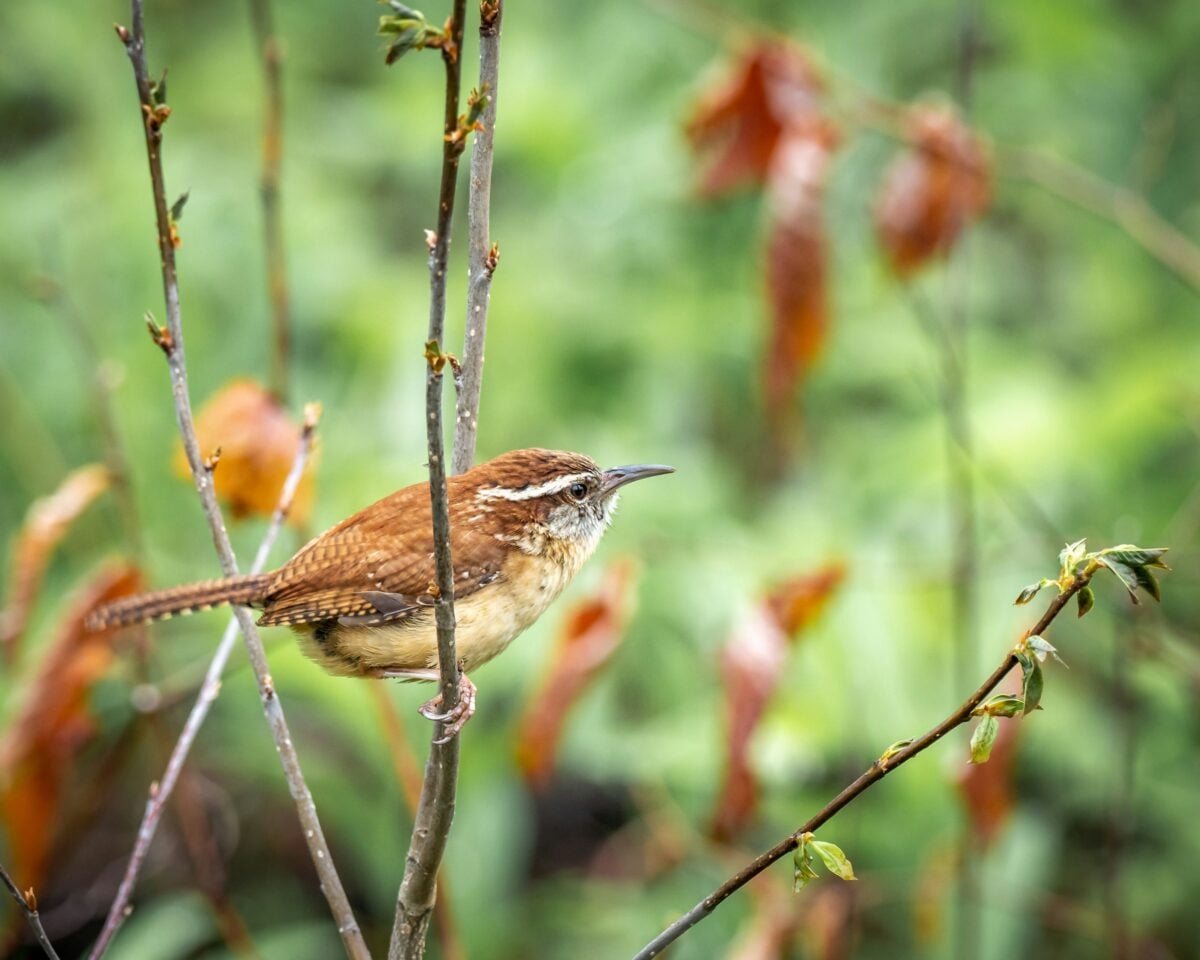
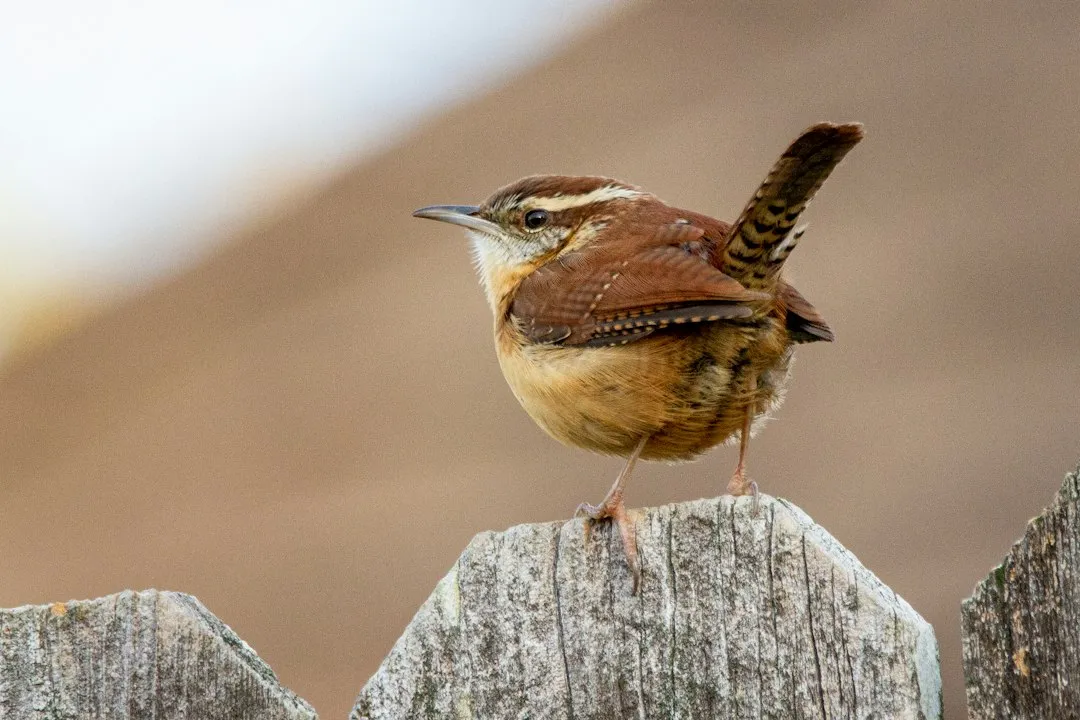
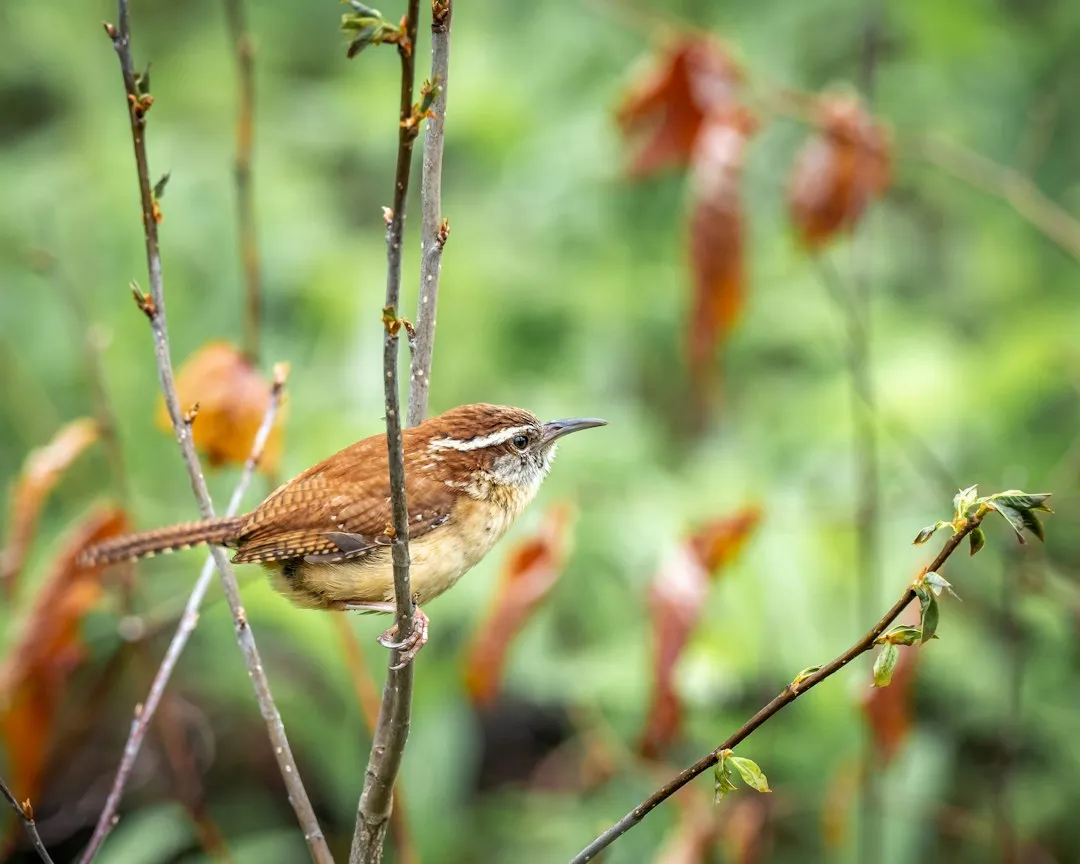
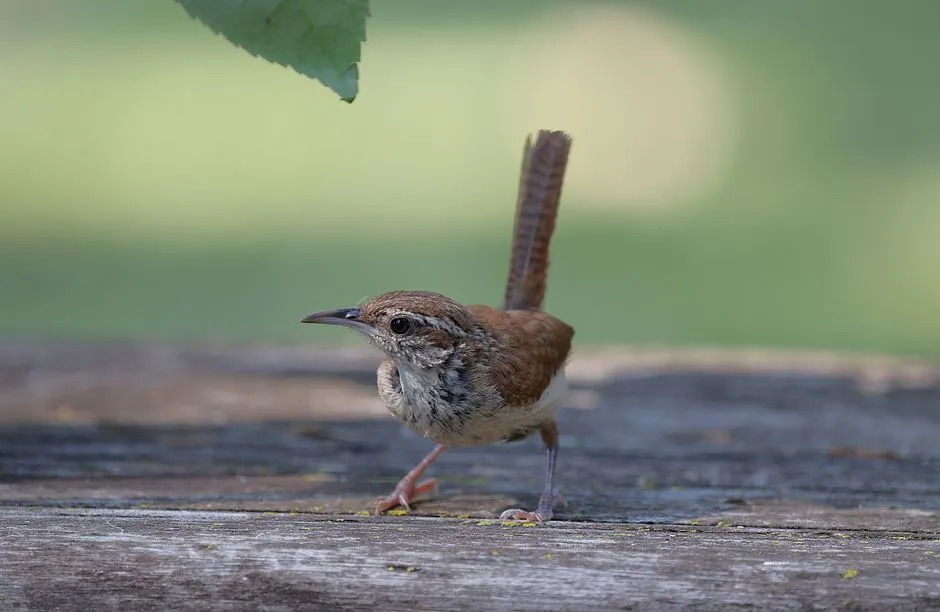
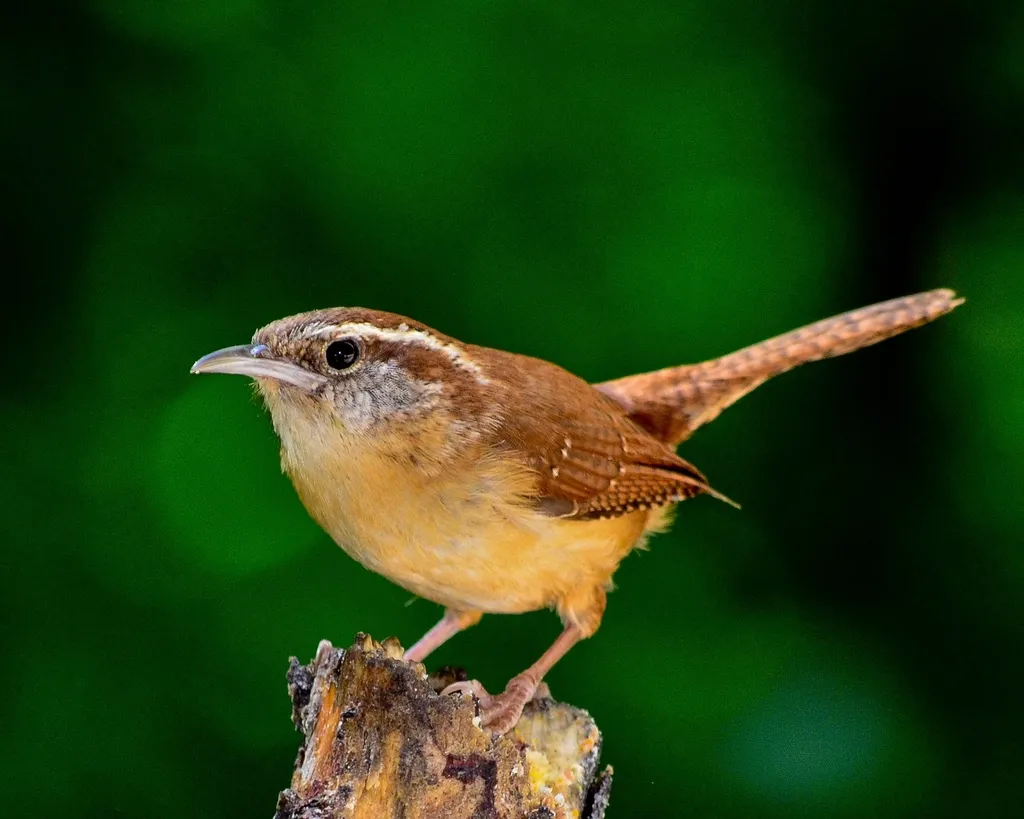
Few backyard birds announce themselves quite like the Carolina wren. It’s a small, rusty brown bird with a bold white eyebrow stripe, and it has a voice that seems far too big for its body. If you’ve ever been startled by a loud, ringing song coming from a flowerpot or woodpile, you may already have met one.
People tend to wonder what it means when a bird like this keeps turning up near their home. Wrens have a long place in folk tradition, though the Carolina wren’s own symbolism is mostly modern and loosely defined. Here’s what the stories, the habits of the bird, and a bit of common sense can tell us.
A Small Bird With a Big Reputation
🔥 Would you like to save this?
We'll email this post to you, so you can come back to it later!
The Carolina wren is a year-round resident across much of the eastern United States. It’s known for its loud, rolling song and its habit of living close to people. Those traits alone have given it a certain charm in the minds of many bird lovers.
Folklore specifically about the Carolina wren is thin, and it’s worth saying so plainly. Most of what people share online is spiritual interpretation built on the bird’s behavior, not centuries-old tradition documented in one place. Older wren folklore, mostly from Europe, centers on the Eurasian wren, a different species, and it’s often borrowed to fill in the picture.
Resilience and Staying Power in the Cold Months
🔥 Would you like to save this?
We'll email this post to you, so you can come back to it later!
One of the most common modern readings ties the Carolina wren to resilience. Unlike many songbirds, it doesn’t migrate. It stays put through winter, and cold snaps can hit its populations hard, which makes its comeback in following years rather impressive.
So when people say seeing one is a sign to keep going through a hard stretch, there’s a natural logic behind it. The symbolism grows from the bird’s real life, not from any ancient rulebook. It’s a gentle idea, and for many people it’s a comforting one.
Home, Family, and Nesting Close By
🔥 Would you like to save this?
We'll email this post to you, so you can come back to it later!
Carolina wrens are famous for nesting in odd spots around houses. Mailboxes, hanging baskets, garages, old boots and porch shelves have all hosted nests. A wren moving in tends to feel like an invitation, or at least a compliment.
That’s why many modern spiritual writers link the bird with home, comfort and family bonds. These birds also often stay paired and defend a territory together year after year. It’s easy to see why the image of a loyal household has stuck to them.
The Voice That Refuses to Be Ignored
🔥 Would you like to save this?
We'll email this post to you, so you can come back to it later!
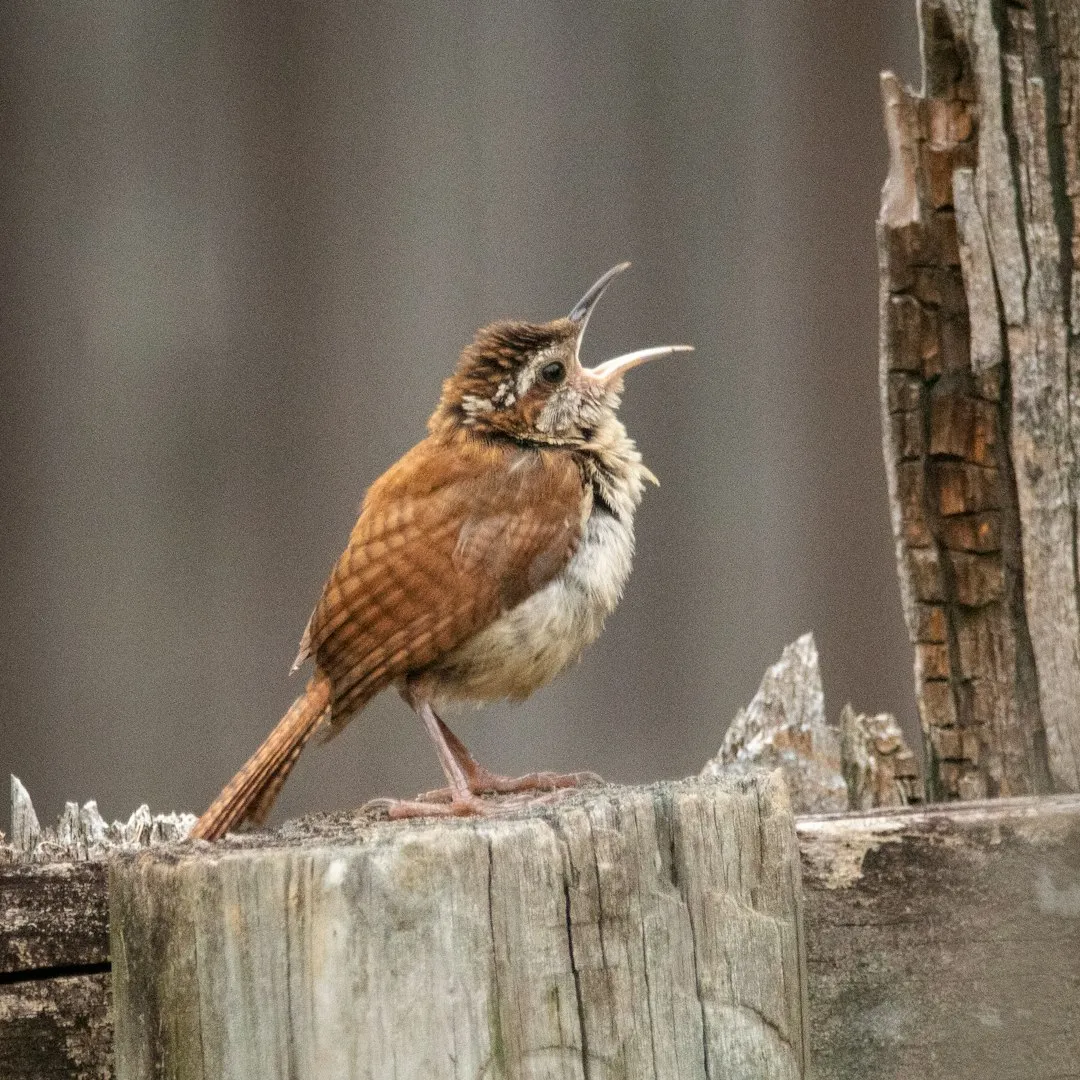
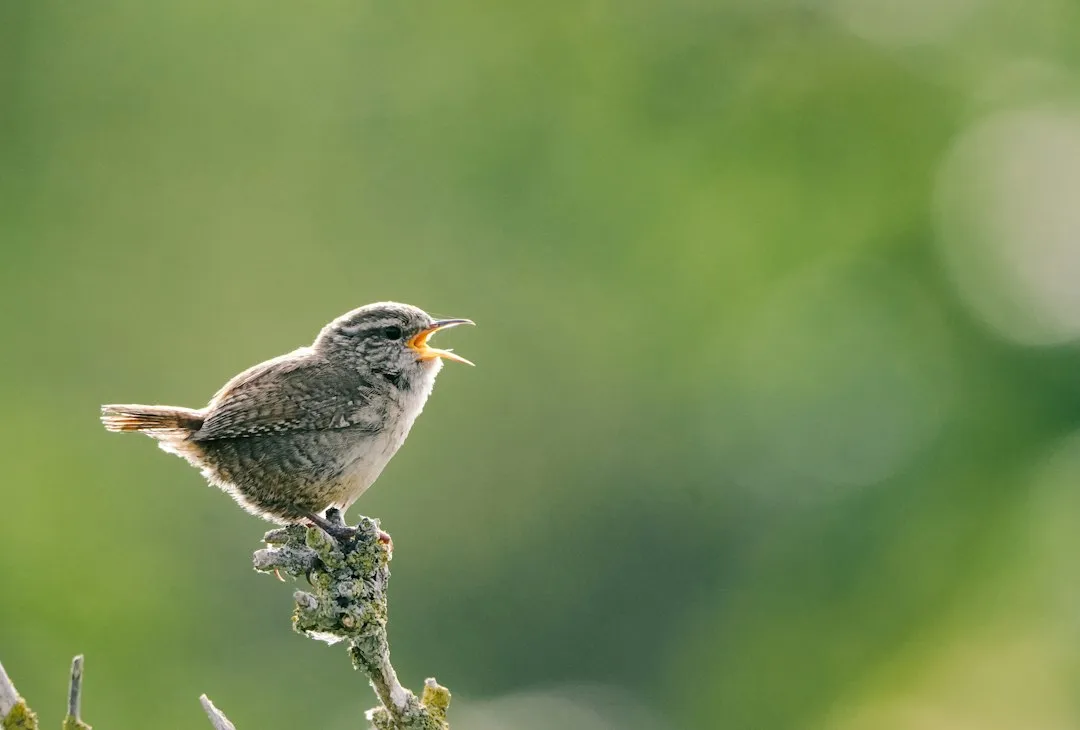
Then there’s the song. A small bird singing so loudly, even on gray winter mornings, has become a symbol of speaking up and not shrinking yourself. Some interpretations suggest that hearing one is a nudge to use your own voice.
Again, this is interpretation and not documented tradition. Still, it fits the bird well. Few people hear that ringing song and come away thinking of timidity.
Borrowed Wisdom From Wren Folklore Elsewhere
🔥 Would you like to save this?
We'll email this post to you, so you can come back to it later!
Older traditions about wrens in general are far richer. In parts of Europe, the wren was called a king of birds in some stories, and it was tied to rituals around the winter season in Ireland and elsewhere. Those customs belong to the Eurasian wren, though, and shouldn’t be pinned neatly onto its American cousin.
Even so, people often blend the two. The shared themes of cleverness, small size and surprising strength carry across. If you enjoy the symbolism, it’s fair to treat it as inspiration instead of settled fact.
My Take on Reading Signs in Birds
🔥 Would you like to save this?
We'll email this post to you, so you can come back to it later!
I think the best way to approach a Carolina wren sighting is to let it mean something to you without insisting it means something universal. The folklore is loose, and anyone claiming a single official message is overselling it. What’s solid is the bird itself: tough, loud, devoted to its patch of ground.
So if one shows up on your porch, enjoy it. Take the nudge toward resilience or home if it helps, and skip the pressure to decode it perfectly. A wren that sings in January is a decent reminder all on its own.

- 7 Everyday Habits That Can Make Your Senior Dog Happier - November 5, 2026
- 10 Enigmatic Structures That Continue to Puzzle Scientists Today - November 5, 2026
- 10 Strange Ruins in the Americas That Challenge What We Know About Early History - November 5, 2026