
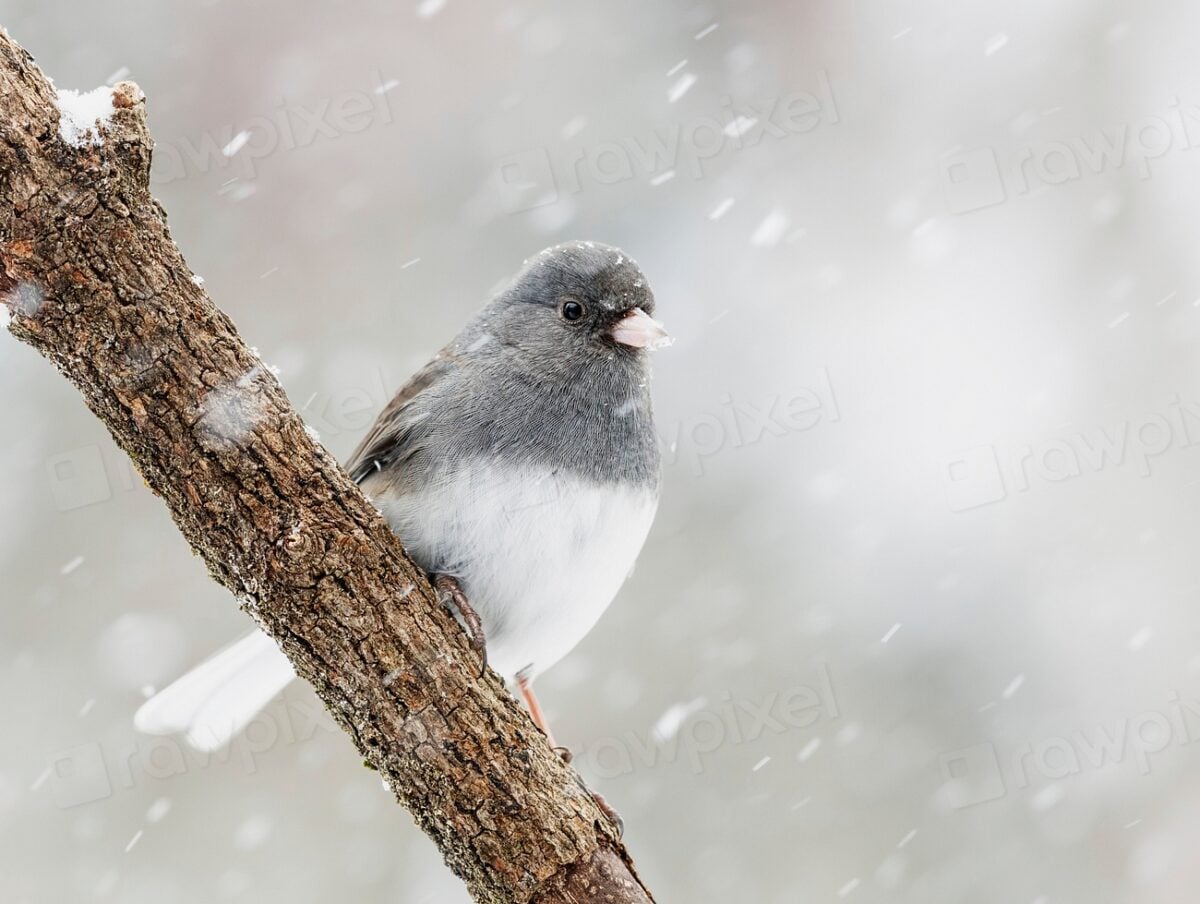
If you’ve ever watched a small gray bird hop beneath a snowy feeder in the middle of winter, you may have met a dark-eyed junco. They show up when the landscape looks its most bare, and they tend to stay quiet and low to the ground. It’s easy to overlook them.
Yet people have long attached meaning to birds that appear at certain times of year. The junco’s story is a blend of old nicknames, seasonal timing, and modern spiritual interpretation. Some of it is well documented, and some of it is closer to personal belief, so it helps to know which is which.
The Little Bird Known as the Snowbird
🔥 Would you like to save this?
We'll email this post to you, so you can come back to it later!
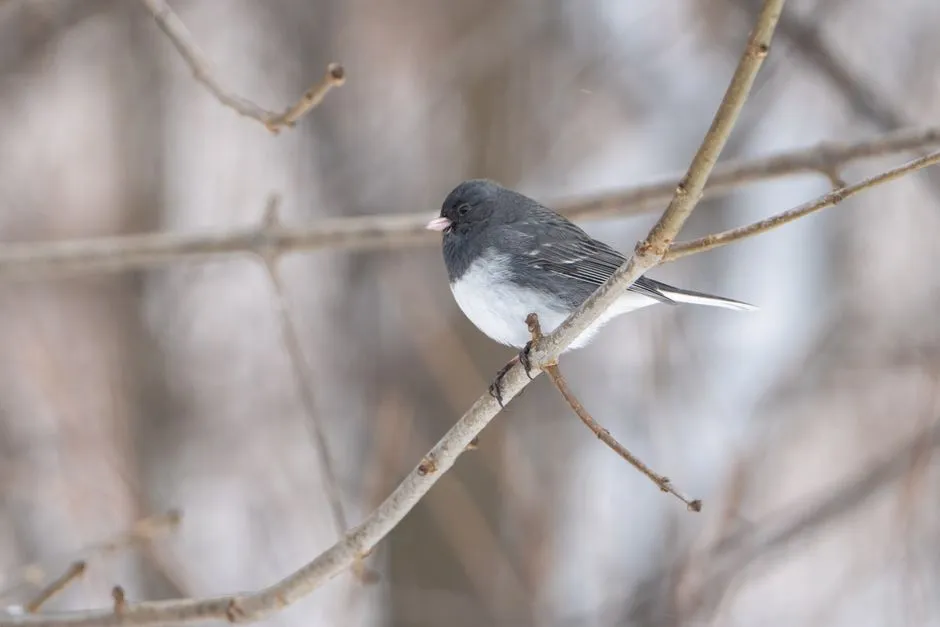
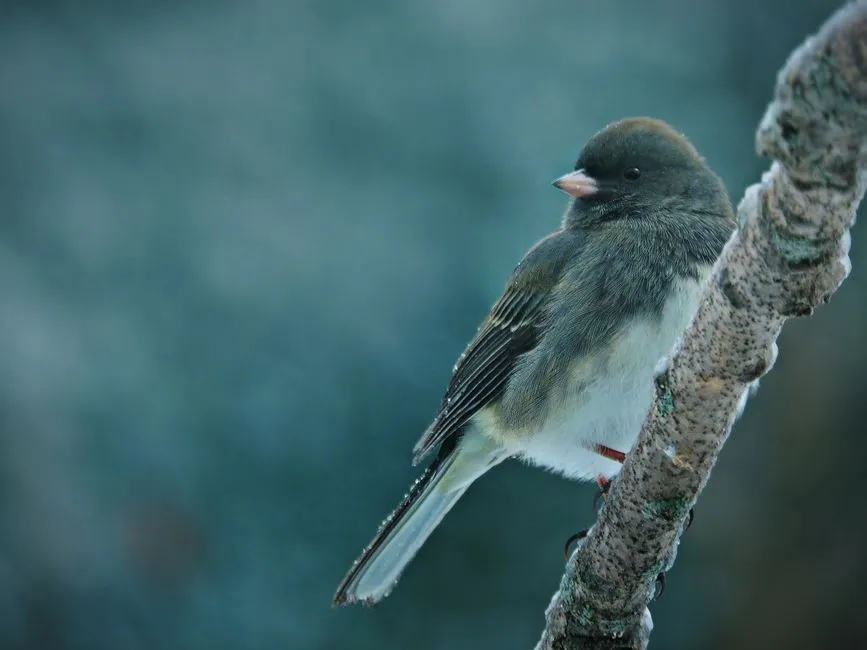
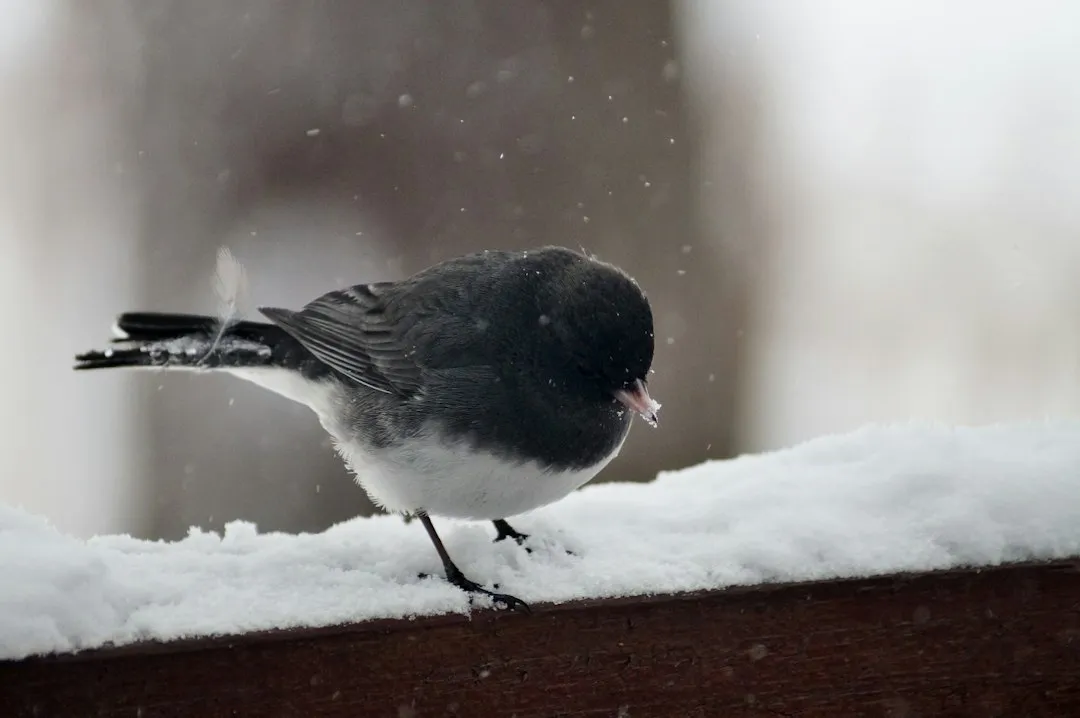
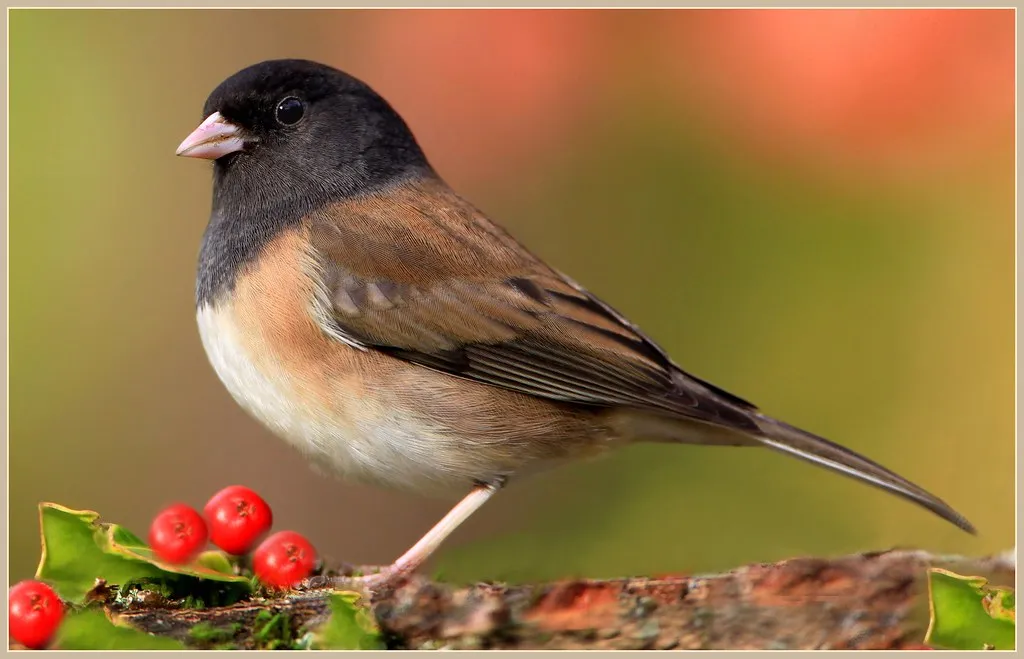
The dark-eyed junco is a small North American sparrow, usually slate gray or brownish above with a pale belly and a flash of white along the tail edges. In many regions it arrives for the colder months, which is why it has long been called the snowbird. That nickname is probably the most genuine piece of folk tradition attached to the bird.
The name stuck because of timing. In much of the United States, juncos appear in fall and linger through winter, then head north or uphill in spring. People noticed the pattern and linked the bird to the season itself, almost like a living calendar.
A Folk Sign of Winter’s Arrival
🔥 Would you like to save this?
We'll email this post to you, so you can come back to it later!
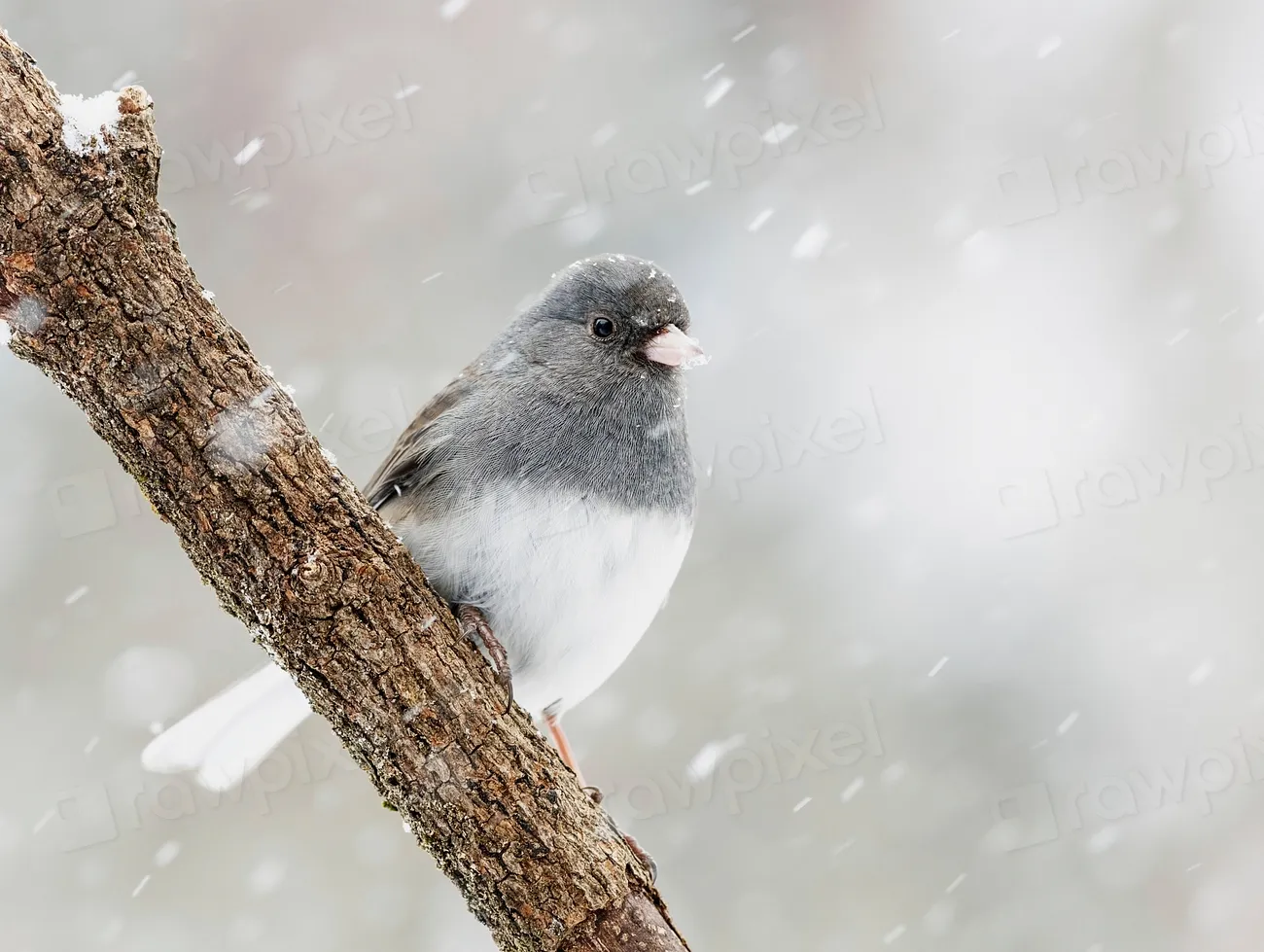
In rural communities, the first junco at the feeder was often treated as a sign that cold weather was settling in. This kind of everyday weather lore is common with migratory birds. It isn’t prediction so much as noticing, a habit of reading small changes in the yard.
I’d be cautious about claims that juncos can forecast a particular storm. Folk sayings about snowbirds exist, but they vary by place and aren’t backed by science. What’s solid is the seasonal link, and that alone is plenty to give the bird its reputation.
Modern Spiritual Meanings: Simplicity and Resilience
🔥 Would you like to save this?
We'll email this post to you, so you can come back to it later!
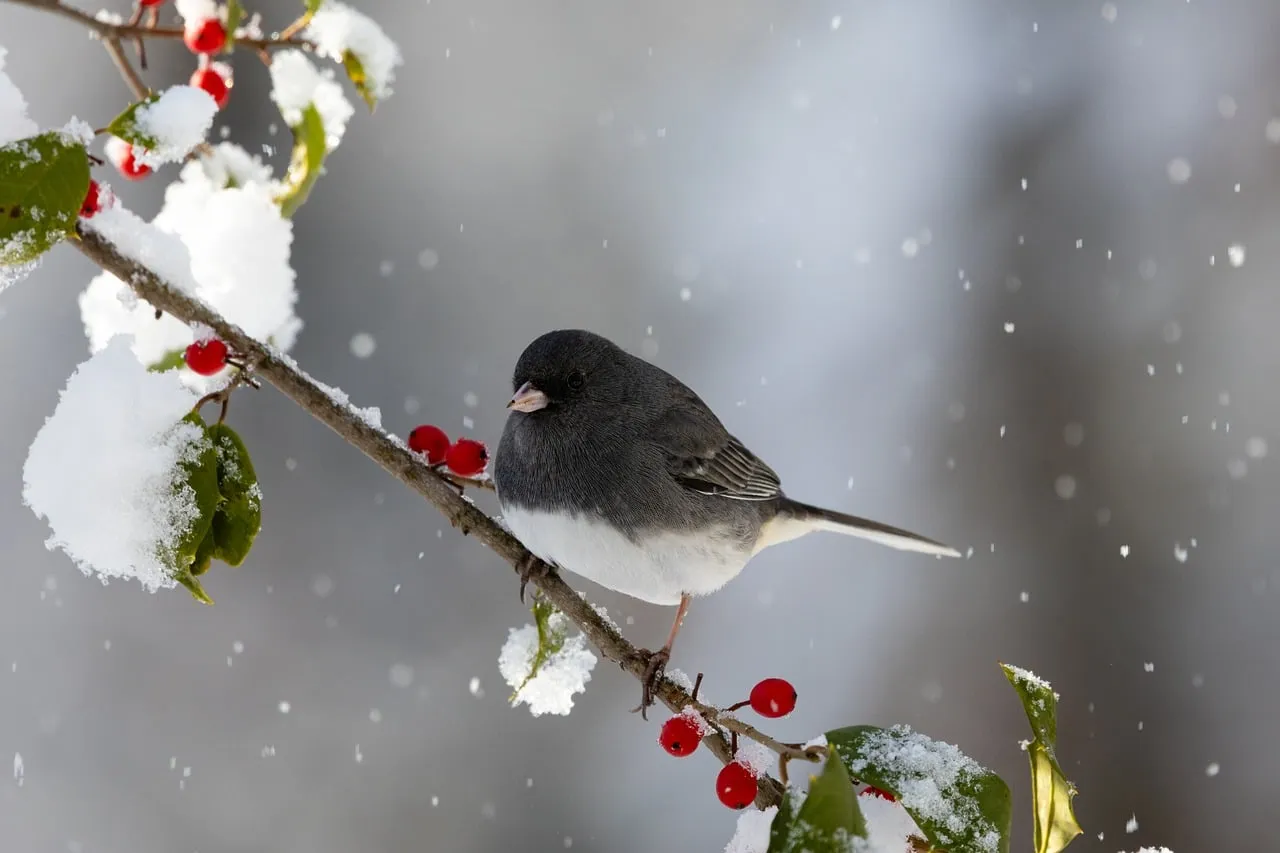
Much of what you’ll read today about junco symbolism comes from contemporary spirit animal and bird omen writing rather than ancient tradition. The common themes are humility, perseverance, and finding contentment in plain surroundings. It makes sense, since this is a modest bird that thrives when others have left.
Many people also read the junco as a reminder to keep going through a hard season. Others see it as a nudge to notice small joys. These are personal interpretations, and none of them is an official or universal meaning.
Messages Tied to Timing and Place
🔥 Would you like to save this?
We'll email this post to you, so you can come back to it later!
Because juncos are so tied to the seasons, many modern readers treat a sighting as a sign of transition. Seeing one in autumn might suggest preparing for a quieter stretch, while a spring sighting could suggest change or movement. Some people also connect the white tail flashes to ideas of clarity or hope.
Context matters more than any list of meanings. Where you saw it, how you were feeling, and what was happening in your life usually shape the interpretation. Folklore works best as a mirror, not a rulebook.
What Native and Regional Traditions Say
🔥 Would you like to save this?
We'll email this post to you, so you can come back to it later!
It’s tempting to say a specific tribe or culture held a precise belief about the junco, but reliable documentation is thin. Many websites assert Native American meanings for the bird without naming a source or nation. I’d treat those claims with care, since traditions differ widely and shouldn’t be flattened into one story.
What can be said safely is that many cultures have watched small seasonal birds and woven them into stories about weather, survival, and the turning year. For the junco in particular, the snowbird name is the clearest regional tradition. Anything beyond that deserves a source before you repeat it.
How to Enjoy Juncos in Your Own Backyard
🔥 Would you like to save this?
We'll email this post to you, so you can come back to it later!
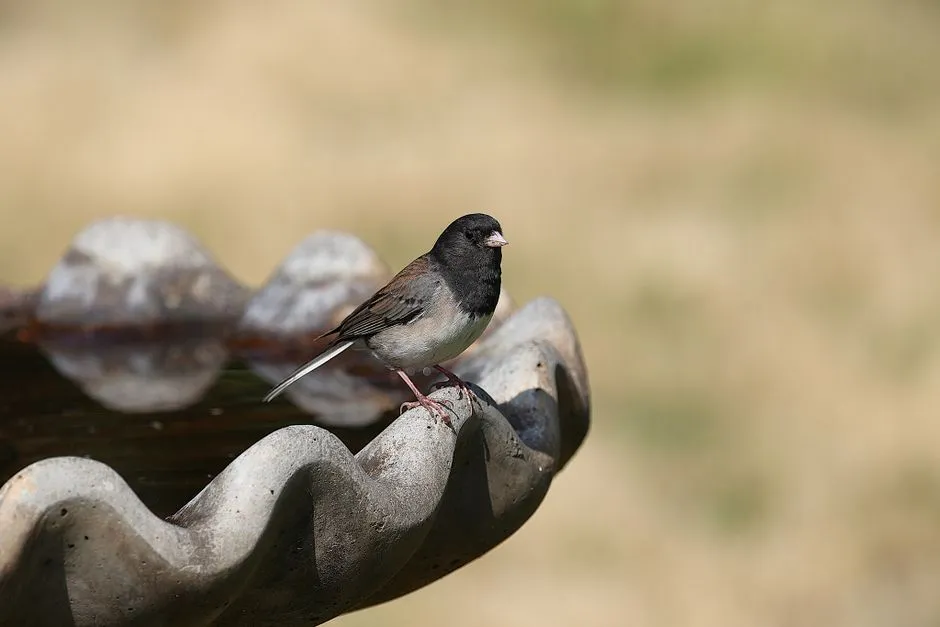
Juncos are ground feeders, so scattering millet or cracked seed near cover is a simple way to attract them. They often feed in small flocks and flick their tails as they move. Watching them for a few minutes can be oddly calming.
You can also keep a small notebook of your first sighting each year. Over time that becomes your own bit of folklore, a personal record of when winter really arrives where you live. It’s a low-effort habit, and it gives the symbolism something real to rest on.
Final Thoughts
🔥 Would you like to save this?
We'll email this post to you, so you can come back to it later!
Here’s my take: the junco doesn’t need an elaborate mystical backstory. Its best folklore is the simplest, a gray bird that arrives with the cold and makes the bare months feel less empty. I find that more persuasive than any chart of omens.
Enjoy the symbolism if it speaks to you, but be wary of confident claims with no source behind them. The next time one hops across the frost outside your window, let it be a small reason to slow down and look.

- 7 Everyday Habits That Can Make Your Senior Dog Happier - November 5, 2026
- 10 Enigmatic Structures That Continue to Puzzle Scientists Today - November 5, 2026
- 10 Strange Ruins in the Americas That Challenge What We Know About Early History - November 5, 2026