
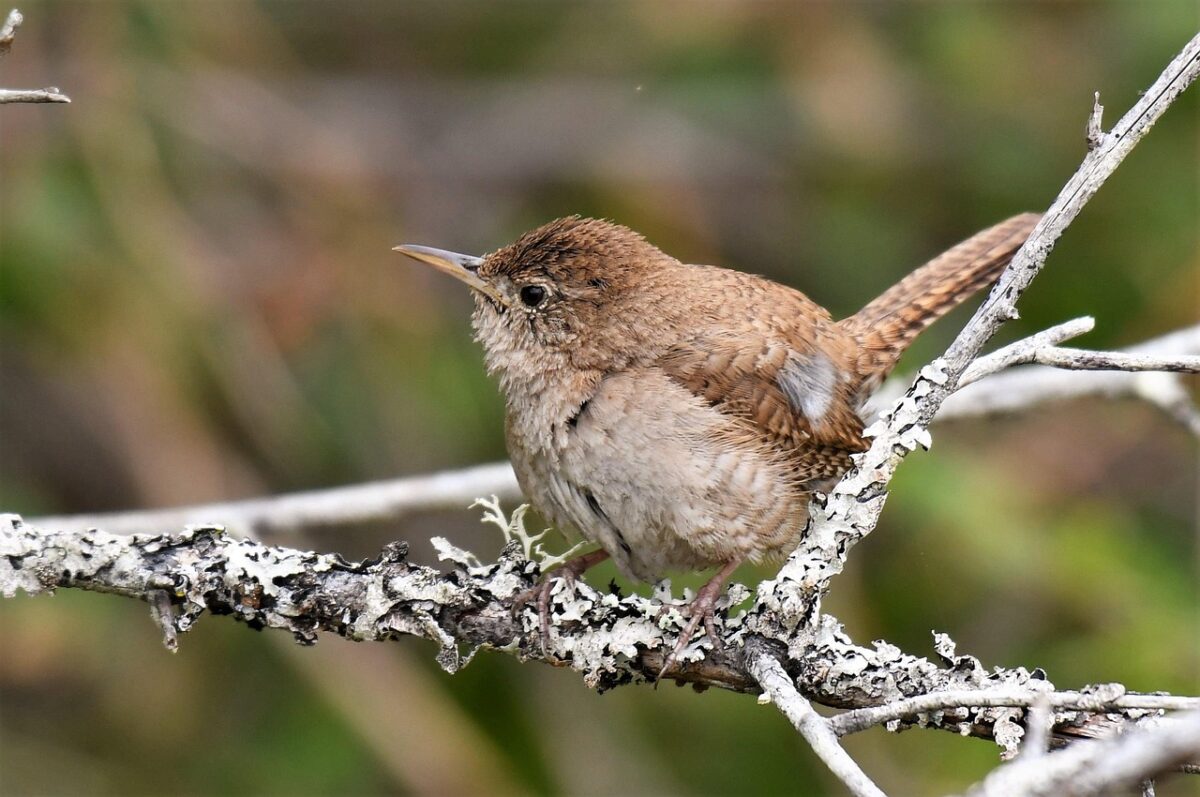
House wrens are easy to miss. They’re small, brown, and restless, and they usually announce themselves with a bubbling burst of song before you’ve spotted them at all. Yet this unassuming bird has collected a surprising amount of symbolism over the years.
Much of what gets repeated online about wren meanings is a blend of old European tradition, modern spiritual writing, and plain wishful thinking. Sorting one from the other is part of the fun. So what has folklore actually said about this tiny bird, and what should you make of it today?
A Small Bird With a Big Reputation
🔥 Would you like to save this?
We'll email this post to you, so you can come back to it later!
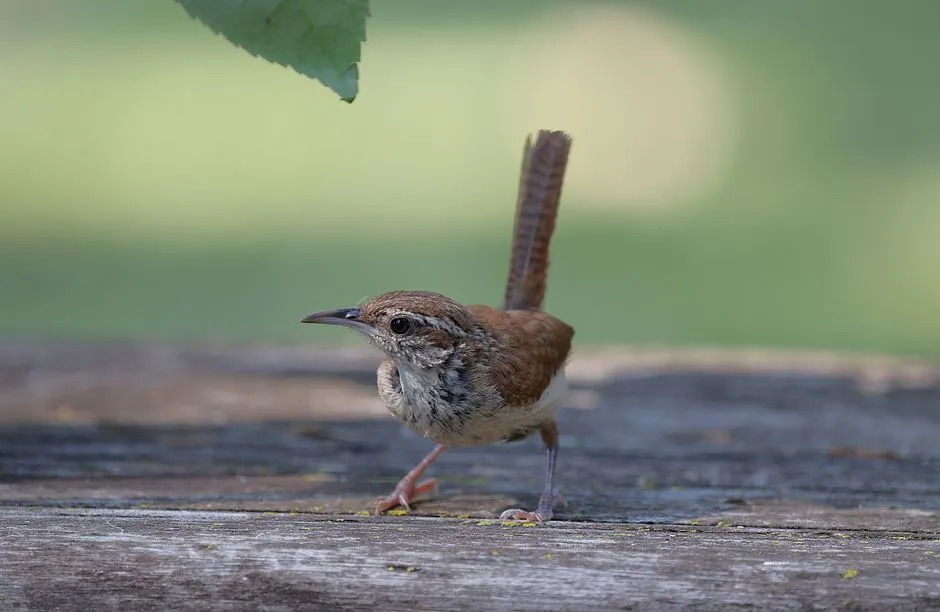
The house wren (Troglodytes aedon) is a North and South American species, while the bird most tied to old European folklore is the Eurasian wren (Troglodytes troglodytes). The two are close relatives and share the same compact shape, cocked tail, and loud voice. Because of that resemblance, people often fold their symbolism together.
It’s worth being honest here. Much of the classic folklore was attached to the Eurasian wren, and modern writers often apply it to the house wren by extension. That doesn’t make the meanings useless, but it does mean they’re borrowed.
The King of All Birds
🔥 Would you like to save this?
We'll email this post to you, so you can come back to it later!
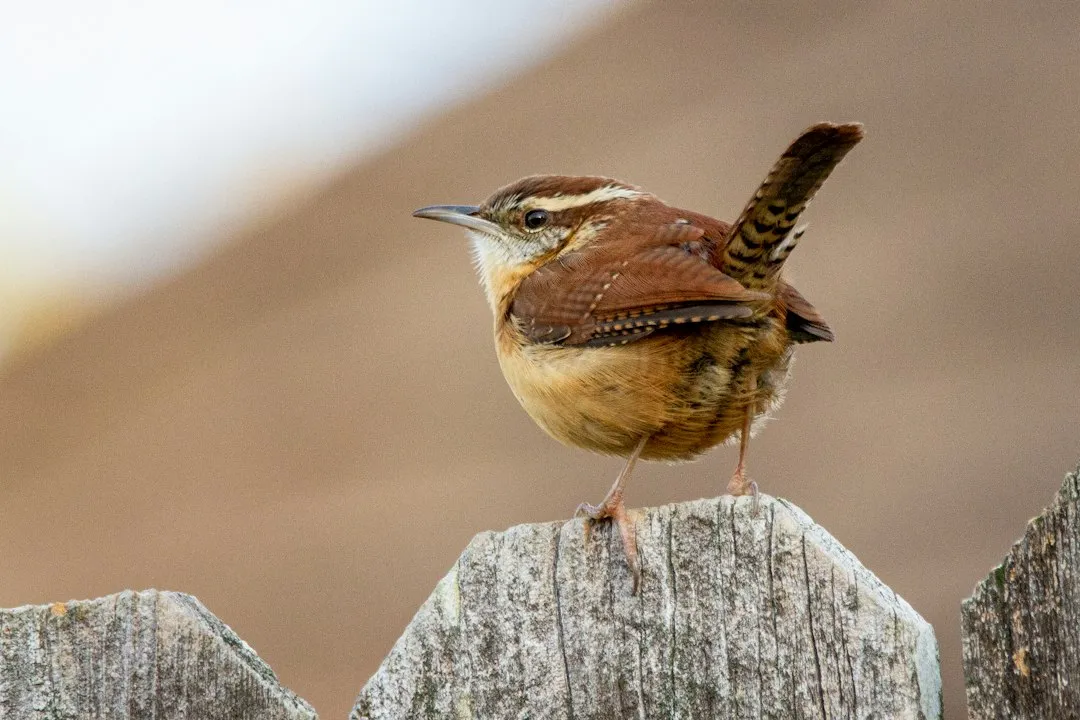
One of the best known European tales says the wren won the title of king of the birds through cleverness. In the story, the birds agreed that whoever flew highest would rule, and the eagle soared above the rest. The wren, hidden in the eagle’s feathers, then popped out and flew a little higher.
The tale has many versions, and its message is fairly consistent: brains and resourcefulness can beat size and strength. That’s why seeing a wren is often read as a nudge to trust your wits. Some people also take it as a reminder that small efforts can still carry you further than you’d expect.
Courage, Voice, and Persistence
🔥 Would you like to save this?
We'll email this post to you, so you can come back to it later!
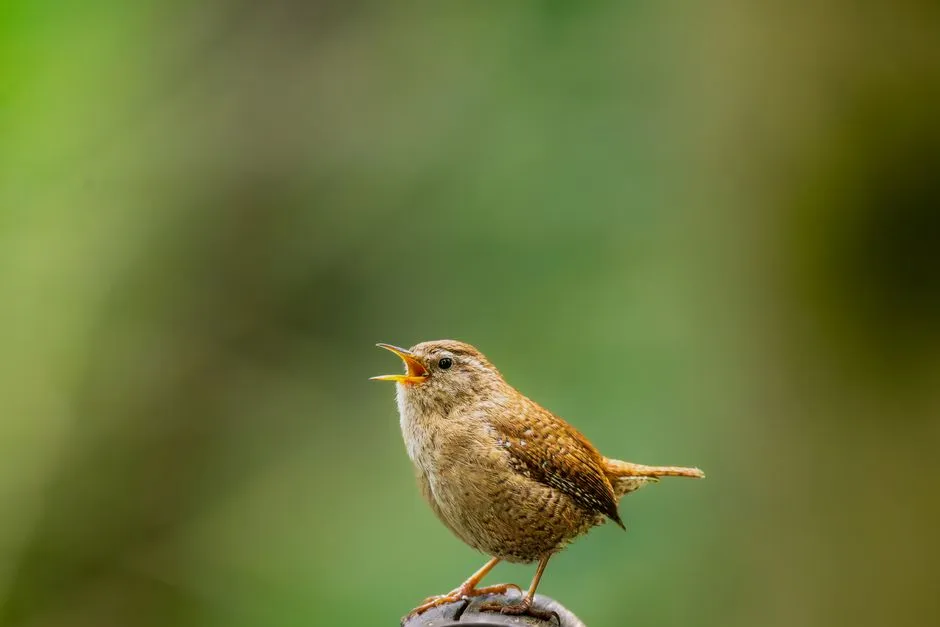
Folklore aside, wrens have real traits that feed their symbolism. Males sing with remarkable energy for such a small body, and house wrens will often defend their nesting spots fiercely against larger birds. It’s easy to see why people link them with boldness.
In modern spiritual reading, a wren sighting often stands for speaking up, even if you feel small in the room. That’s interpretation rather than ancient doctrine. Still, it’s a fitting lesson from a bird that sings loudly from a low branch.
Home, Nesting, and Family
🔥 Would you like to save this?
We'll email this post to you, so you can come back to it later!
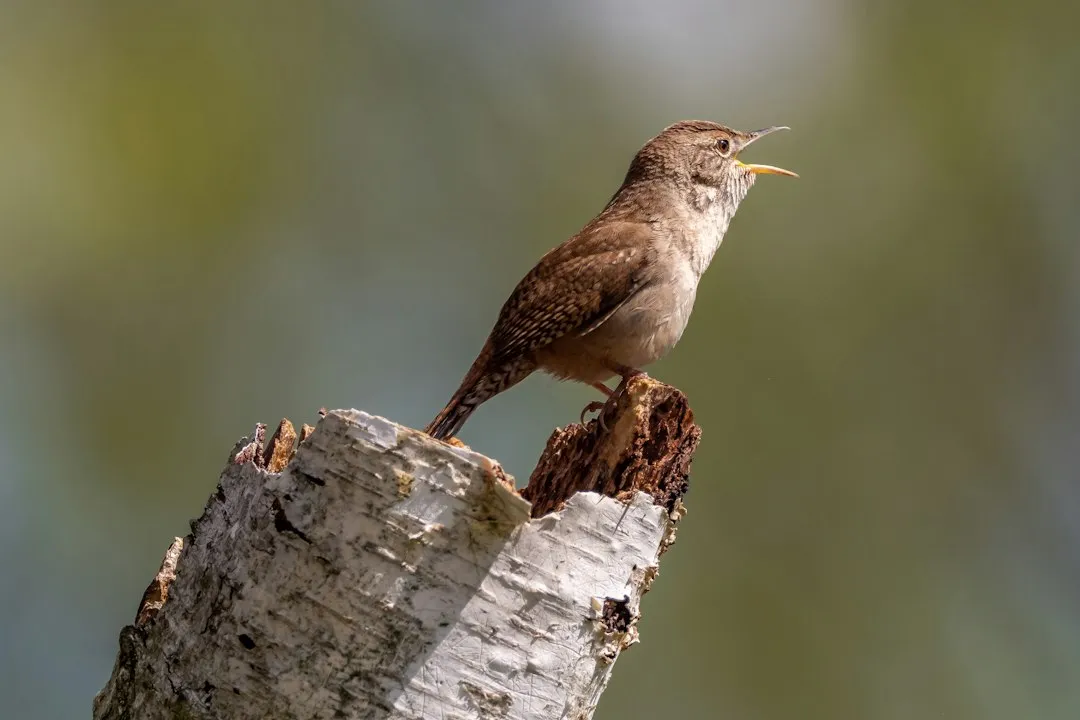
The name says it all. House wrens readily nest in cavities, including birdhouses, old flowerpots, and odd crevices near human homes. Many people welcome them for that reason, and putting up a nest box is a common way to invite them in.
So a house wren in your yard is commonly taken as a symbol of home, comfort, and protection. If you’ve been thinking about your living space or family, you might feel the sighting fits. Practically speaking, they also eat insects, which gardeners tend to appreciate.
The Darker Side of Wren Traditions
🔥 Would you like to save this?
We'll email this post to you, so you can come back to it later!
Not every wren tradition is gentle. In parts of Ireland and the Isle of Man, the Wren Day custom, held around St. Stephen’s Day on December 26, historically involved hunting a wren. Today the tradition is generally carried on with a fake bird, along with music, costumes, and processions.
Folklorists have offered various explanations for the old custom, and none is settled. The contrast is interesting, since the same bird could be called a king and also be the target of a ritual hunt. It shows how complicated symbols can get once people start telling stories about them.
How to Read a Sighting Today
🔥 Would you like to save this?
We'll email this post to you, so you can come back to it later!
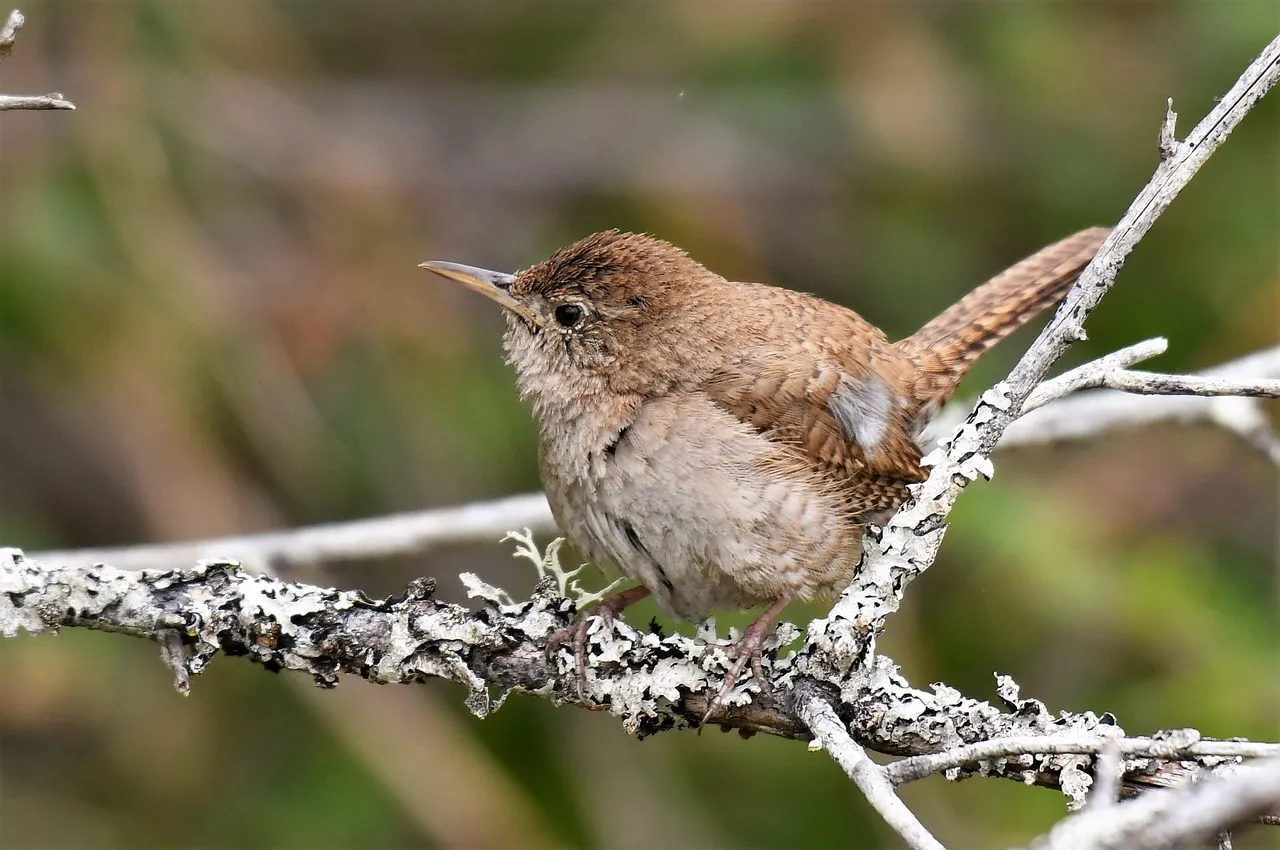
There’s no single official meaning of seeing a house wren, and anyone claiming otherwise is overselling. The most common themes are resourcefulness, courage, a strong voice, and a feeling of home. Which one lands for you probably depends on what’s going on in your life.
A reasonable approach is to notice the moment itself. Where was the bird, what was it doing, and what were you thinking about? Meaning is often something you bring with you, and the wren just happens to be a good prompt.
Final Thoughts
🔥 Would you like to save this?
We'll email this post to you, so you can come back to it later!
My view is that the wren earns its symbolism more honestly than most birds. It’s small, loud, stubborn, and perfectly at ease living beside us, and those qualities are real, not invented.
So take the folklore as a story, not a forecast. If a house wren starts scolding you from the fence, enjoy it, and maybe borrow a bit of its nerve.

- 7 Everyday Habits That Can Make Your Senior Dog Happier - November 5, 2026
- 10 Enigmatic Structures That Continue to Puzzle Scientists Today - November 5, 2026
- 10 Strange Ruins in the Americas That Challenge What We Know About Early History - November 5, 2026