
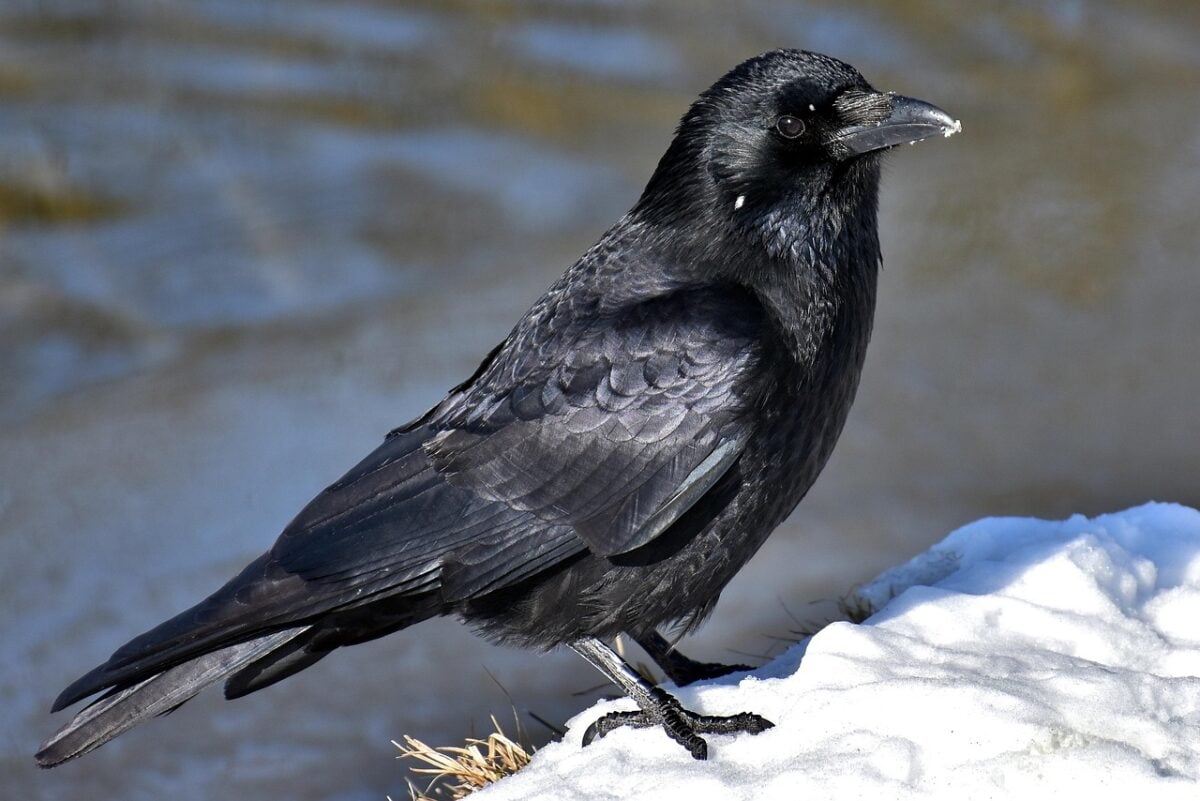
You step outside with your coffee, and there it is again. The same glossy black bird sits on the fence or the lawn, watching you with what feels like deliberate interest. By the third or fourth morning, it stops feeling like chance.
People have been asking what a repeat visitor like this might signify for thousands of years. Folklore has plenty to say, though not all of it agrees. Some of it is comforting, some of it is a little eerie, and a good deal of it is surprisingly practical.
Ravens As Messengers In Norse Tradition
🔥 Would you like to save this?
We'll email this post to you, so you can come back to it later!
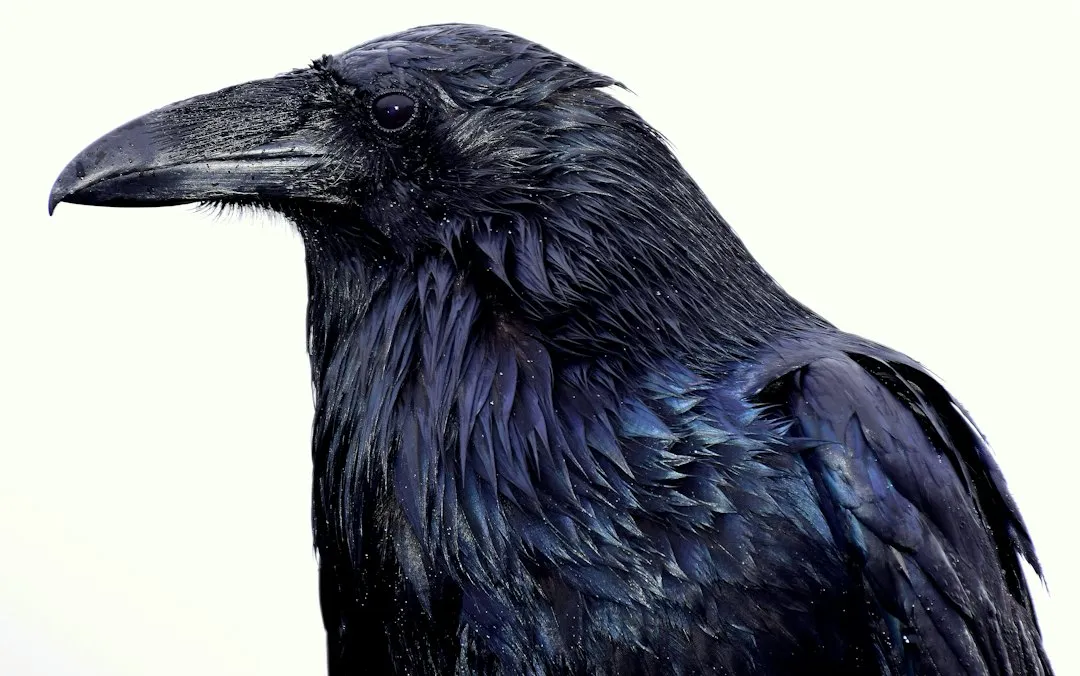
In Norse mythology, the god Odin is closely tied to two ravens, Huginn and Muninn. Their names are usually translated as thought and memory. Each day they flew across the world and came back to tell him what they had seen.
So a raven that turns up daily can be read, in this tradition, as a watcher or a bearer of news. Nobody can say the story was meant as a rule for backyard birds. Still, the idea of the raven as an observer has stuck, and it’s probably the most common reason people call a regular visitor a messenger.
Omens, Protection, And The Tower Of London
🔥 Would you like to save this?
We'll email this post to you, so you can come back to it later!
European folklore often treats ravens as omens, and not always kind ones. Their dark feathers, their habit of feeding on carrion, and their presence near battlefields all fed a reputation tied to death and misfortune. Yet that isn’t the whole picture.
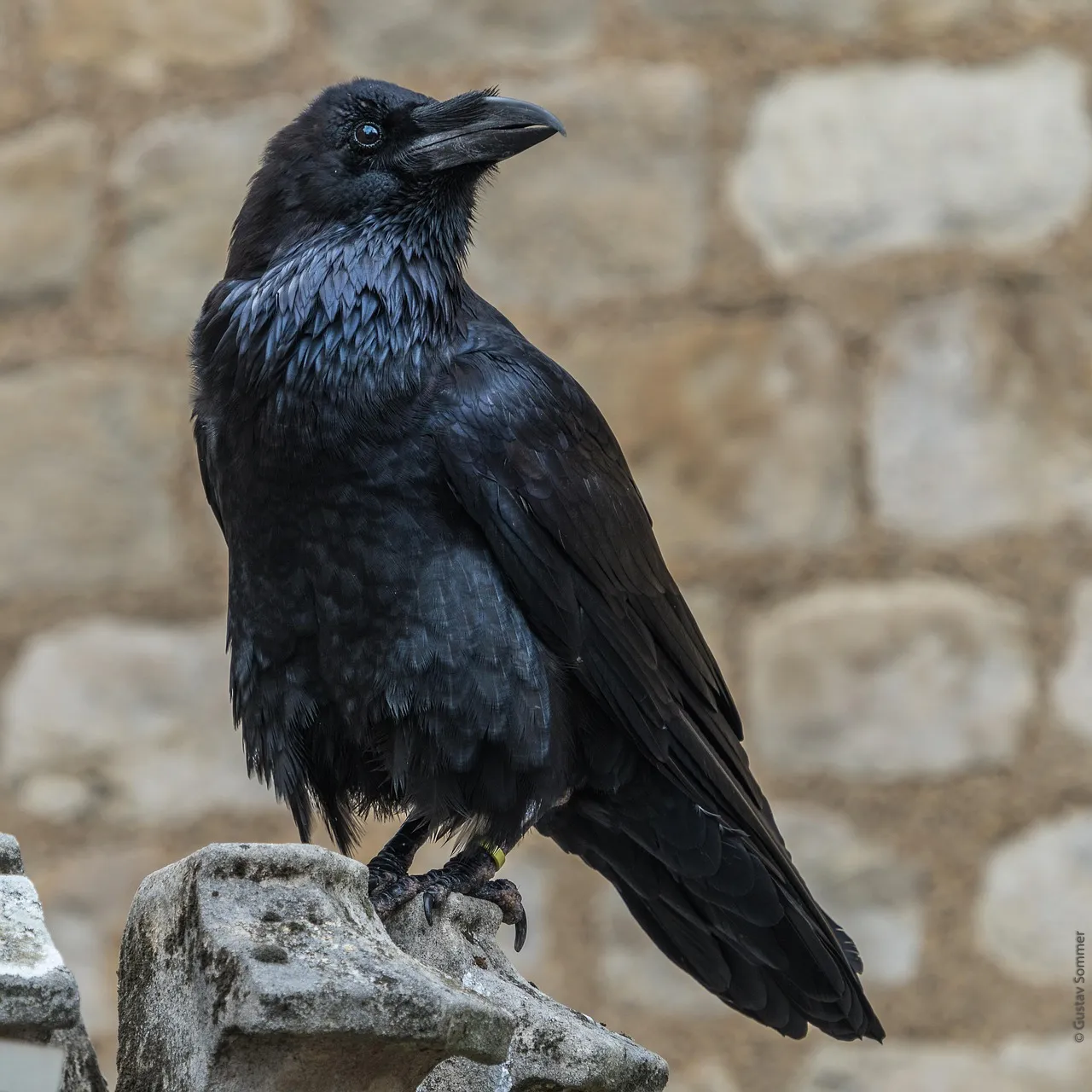
The ravens kept at the Tower of London are a good example of the flip side. A long-told legend holds that if they ever leave, the kingdom will fall, so the birds are cared for and protected. Historians often point out that the legend’s age is debated, and some of it may be fairly modern. Even so, it shows how a raven can stand for security as easily as for doom.
Trickster And Creator In Native Traditions
🔥 Would you like to save this?
We'll email this post to you, so you can come back to it later!
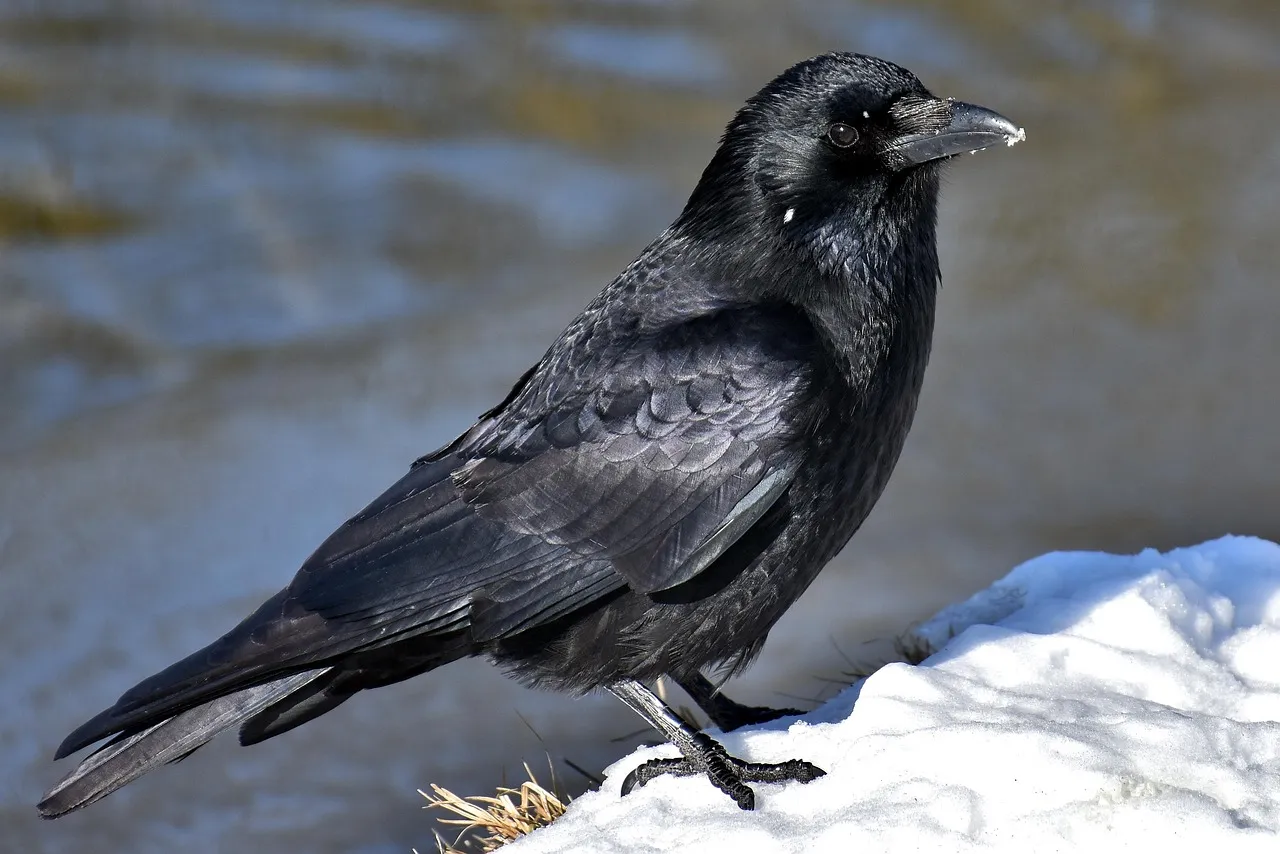
Among many Indigenous peoples of the Pacific Northwest and Arctic, Raven is a major figure in stories. He’s often a trickster, clever and mischievous, but also a transformer who shapes the world, such as by bringing light to it. These stories vary a lot from nation to nation, so it’s unwise to boil them down to one meaning.
What does come through is respect for the bird’s intelligence and cunning. If you see one daily, you might think of it less as an omen and more as a reminder to pay attention. Those stories belong to living cultures, so it’s worth reading them from Indigenous sources rather than treating them as generic symbolism.
Celtic Stories, Wisdom, And Warnings
🔥 Would you like to save this?
We'll email this post to you, so you can come back to it later!
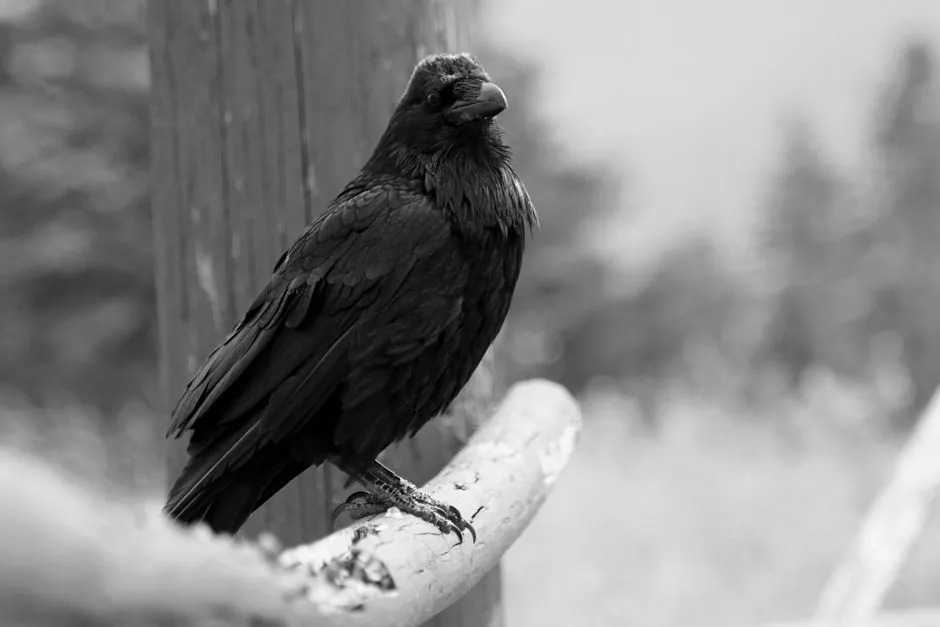
In Celtic lore, ravens and crows appear around goddesses linked to war and fate, such as the Morrígan in Irish tradition. They show up as signs of prophecy, sometimes foretelling a battle’s outcome. That gives them a reputation for knowing things before humans do.
Welsh and other British tales also connect ravens with kings, heroes, and the otherworld. The theme repeats: this is a bird that sees what’s coming. A daily raven, then, could be taken as a nudge to look at what’s changing in your own life, whether or not you buy into prophecy.
What Is Probably Really Happening In Your Yard
🔥 Would you like to save this?
We'll email this post to you, so you can come back to it later!
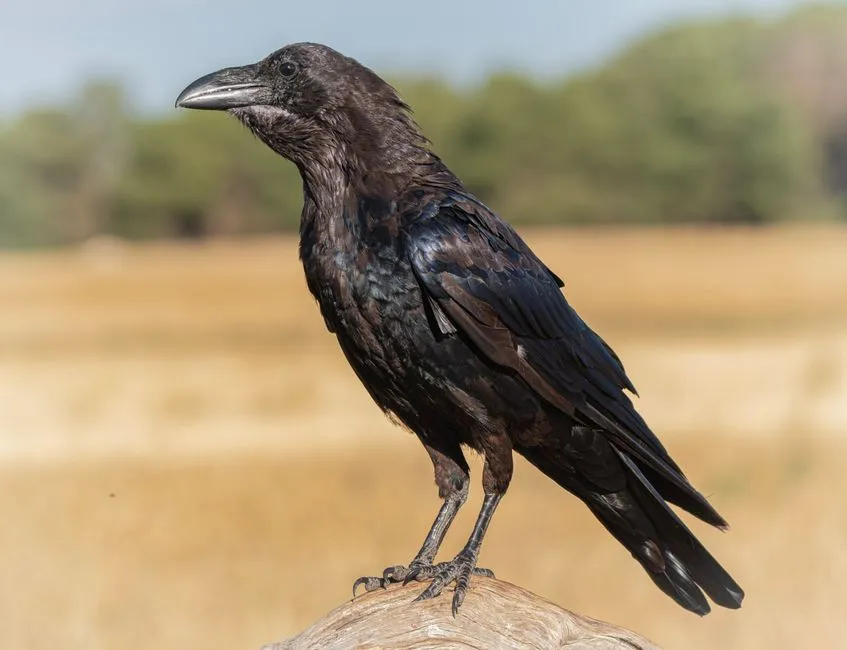
Here’s the grounded part. Ravens are among the most intelligent birds, and they’re known for problem solving and for learning routines. If one comes every morning, it has likely found something it wants, like food scraps, pet food, insects, or a safe lookout. Ravens also tend to hold territories and often live in pairs, so a regular appearance can simply mean you live inside one.
It’s also easy to confuse ravens with crows. Ravens are larger, with thicker beaks, shaggy throat feathers, and a deeper, croaking call. Depending on where you live, what you’re seeing may well be a crow, which has its own folklore but a different feel. If you’d like to keep the visits from becoming a nuisance, avoid leaving food out, though some people enjoy the company.
Final Thoughts
🔥 Would you like to save this?
We'll email this post to you, so you can come back to it later!
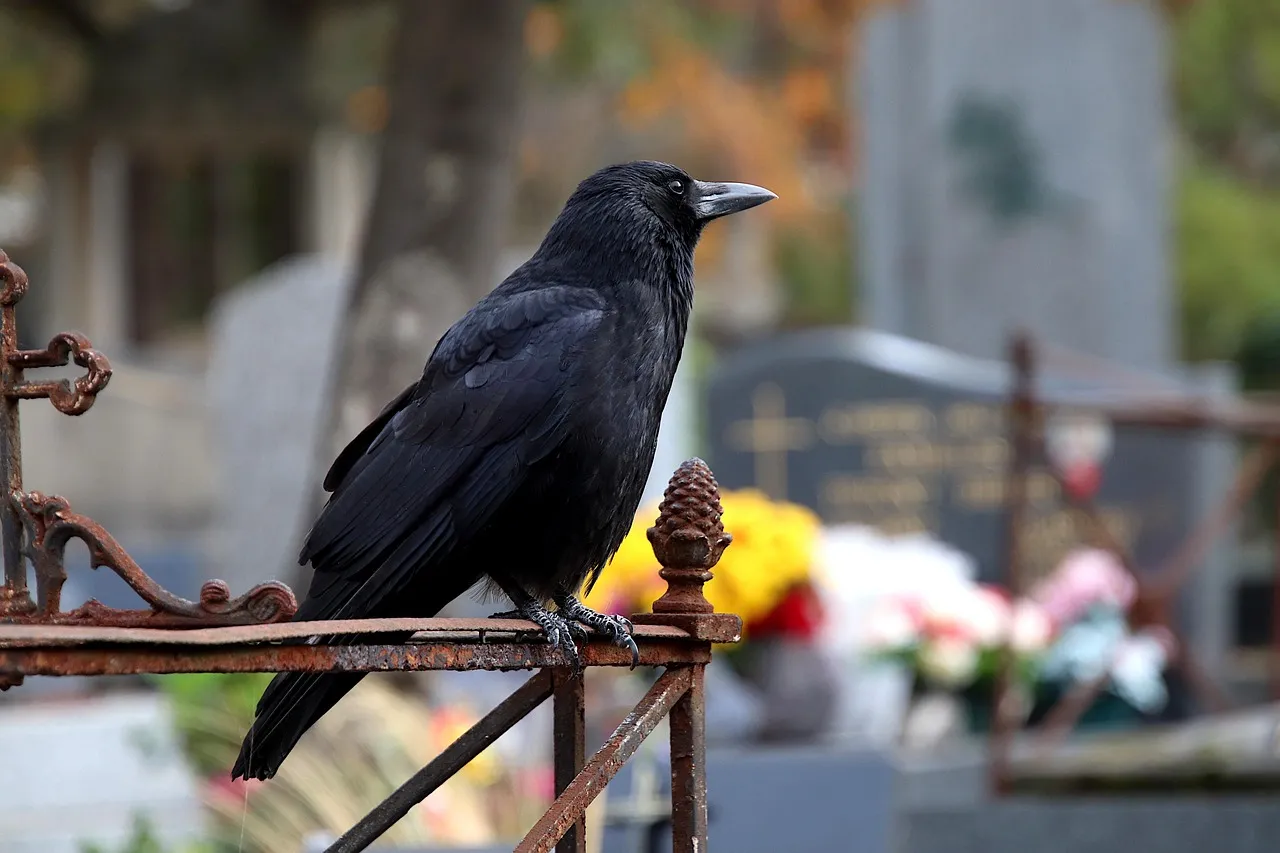
My view is that folklore is best used as a lens, not a verdict. A raven in your yard every morning doesn’t predict disaster or fortune, and no tradition can prove otherwise. What it does offer is a good excuse to slow down and notice something wild that’s noticing you back.
I’d take that over any omen. Enjoy the visitor, learn its habits, and let the old stories add a little meaning to a quiet morning. If the bird happens to bring a bit of wonder with it, that’s reason enough.

- 7 Everyday Habits That Can Make Your Senior Dog Happier - November 5, 2026
- 10 Enigmatic Structures That Continue to Puzzle Scientists Today - November 5, 2026
- 10 Strange Ruins in the Americas That Challenge What We Know About Early History - November 5, 2026