
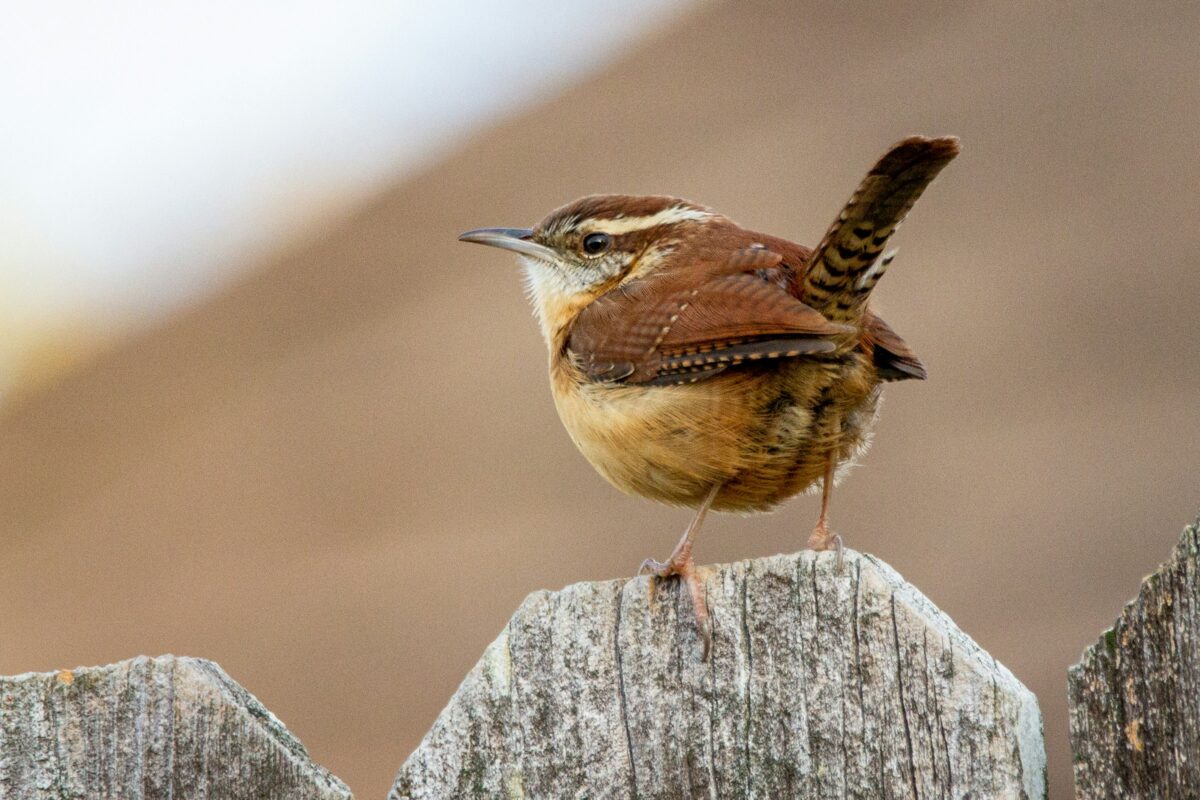
You walk onto the porch one spring morning and notice a few stray twigs poking out of a hanging fern. Or maybe it’s the rubber boot you left by the door, now stuffed with grass and leaves. Something small and loud has moved in.
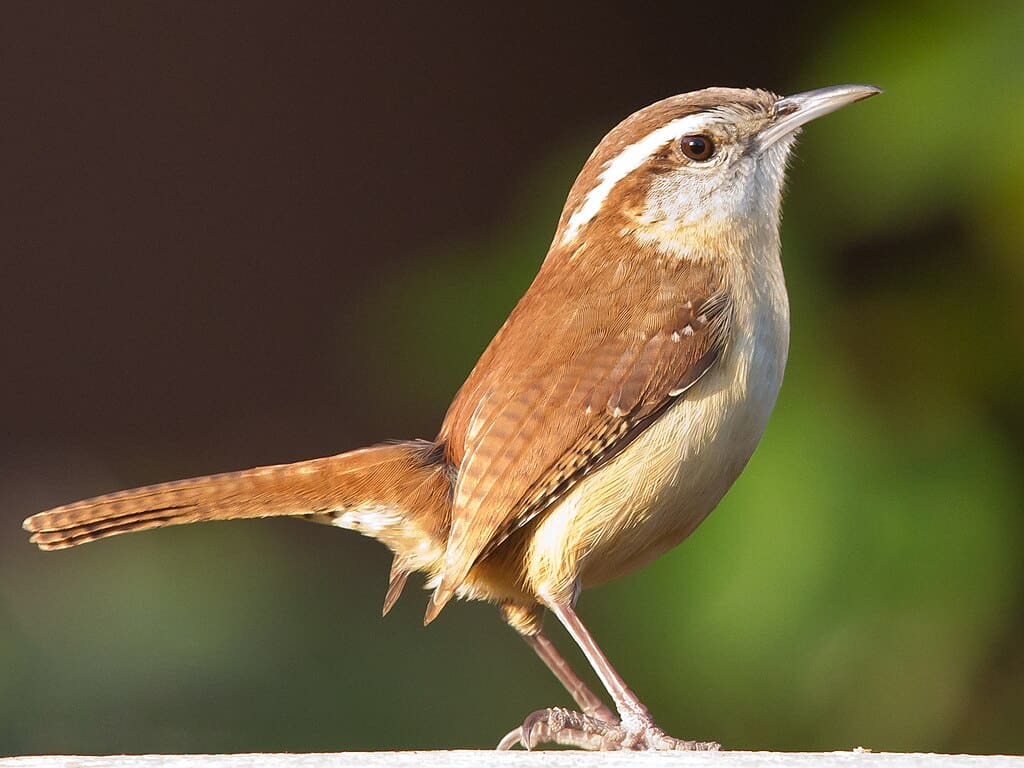
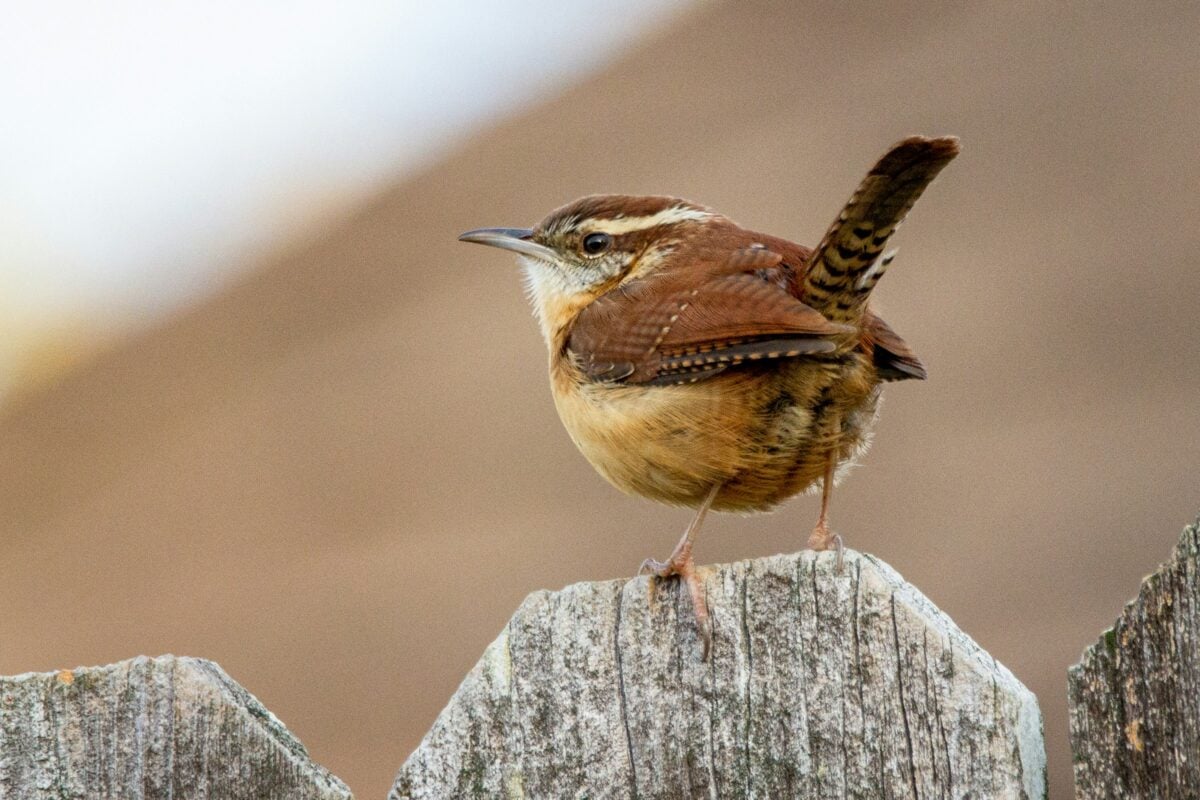
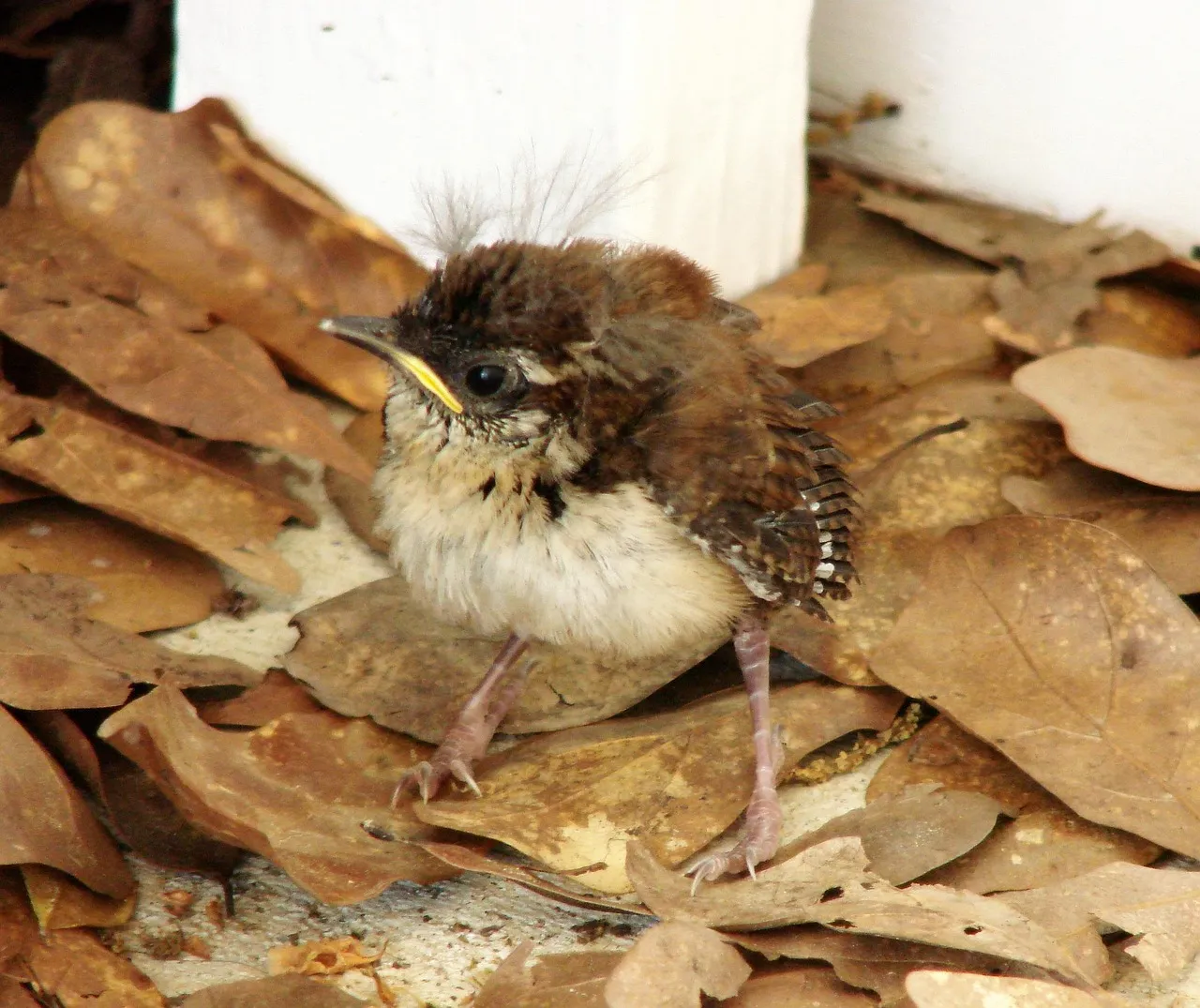
Chances are good it’s a Carolina wren, a bird with a voice far bigger than its body. Before you reach for the broom, it helps to know what’s actually going on and what the bird is likely thinking.
Why Carolina Wrens Pick Odd Nesting Spots
🔥 Would you like to save this?
We'll email this post to you, so you can come back to it later!
Carolina wrens are cavity nesters by nature. In the wild they tuck nests into tree hollows, stumps, brush piles, and root tangles. A boot, a basket, or a wreath simply offers the same thing: a sheltered nook with a roof and a bit of concealment.
Humans have been supplying these spots for a long time. Cornell Lab’s bird guide notes that these wrens commonly nest in places like flowerpots, mailboxes, and other human made spaces. So the choice isn’t strange to the bird. It’s a decent fit.
It Usually Means Your Yard Feels Safe
🔥 Would you like to save this?
We'll email this post to you, so you can come back to it later!
A wren doesn’t choose a porch at random. It’s weighing cover, food, and how likely a predator is to find the nest. If one settles near your door, your yard probably has the shrubs, leaf litter, and insects it wants close by.
Still, it doesn’t mean the bird sees you as a friend. It’s more that regular human activity can be tolerable, and may even keep some predators at bay. Wrens are bold and curious, but they’re not tame.
What the Nest Itself Looks Like
🔥 Would you like to save this?
We'll email this post to you, so you can come back to it later!
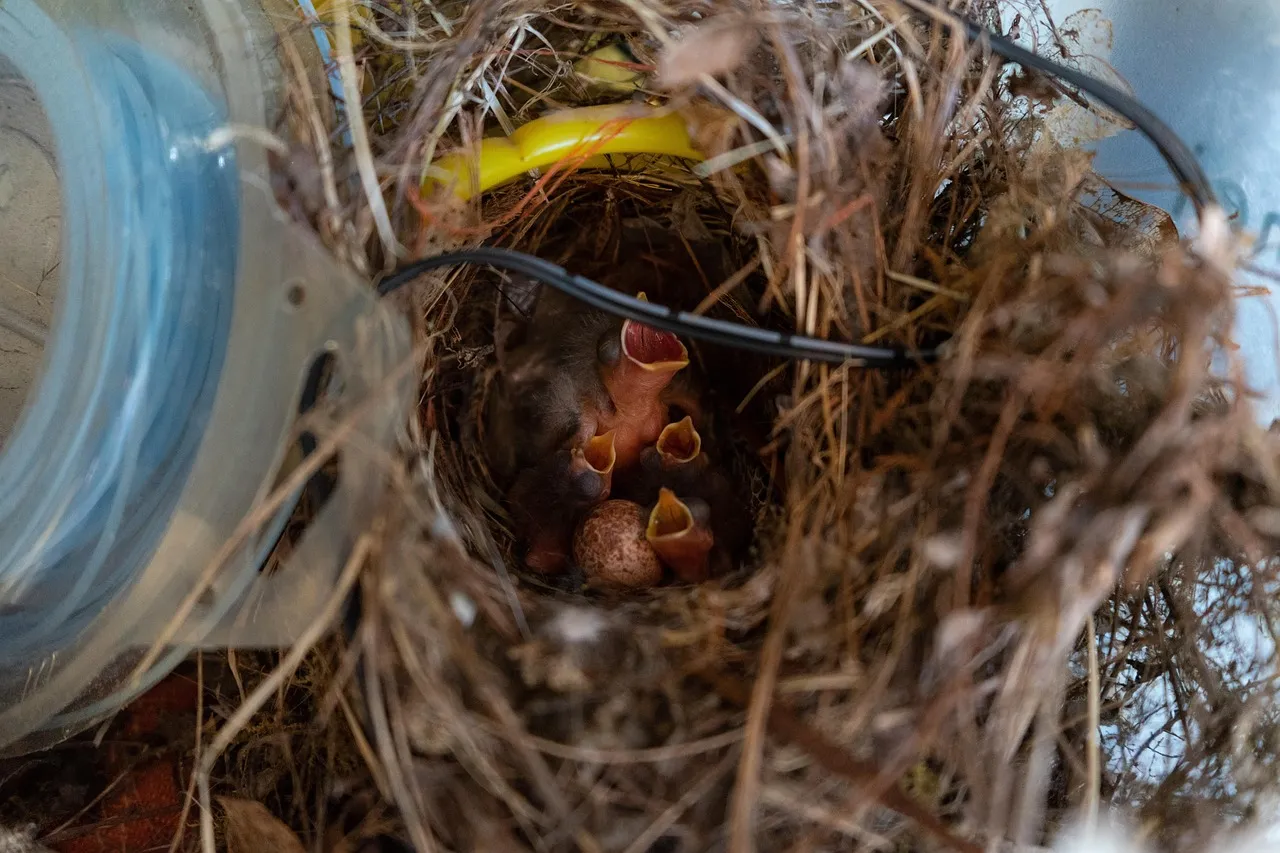
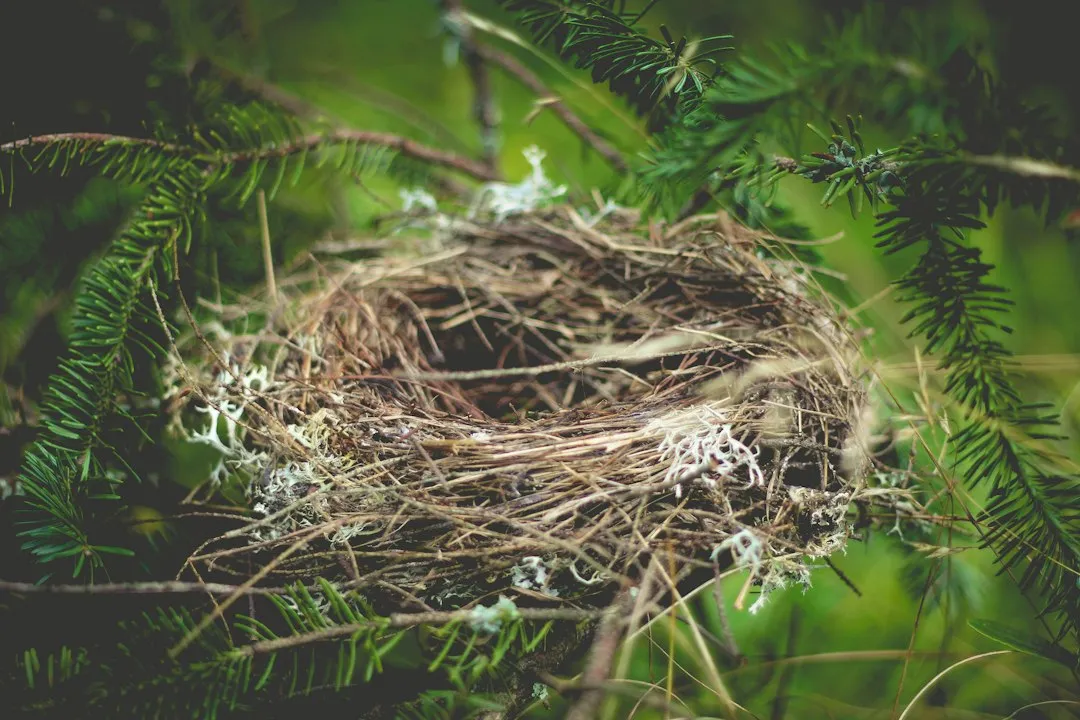
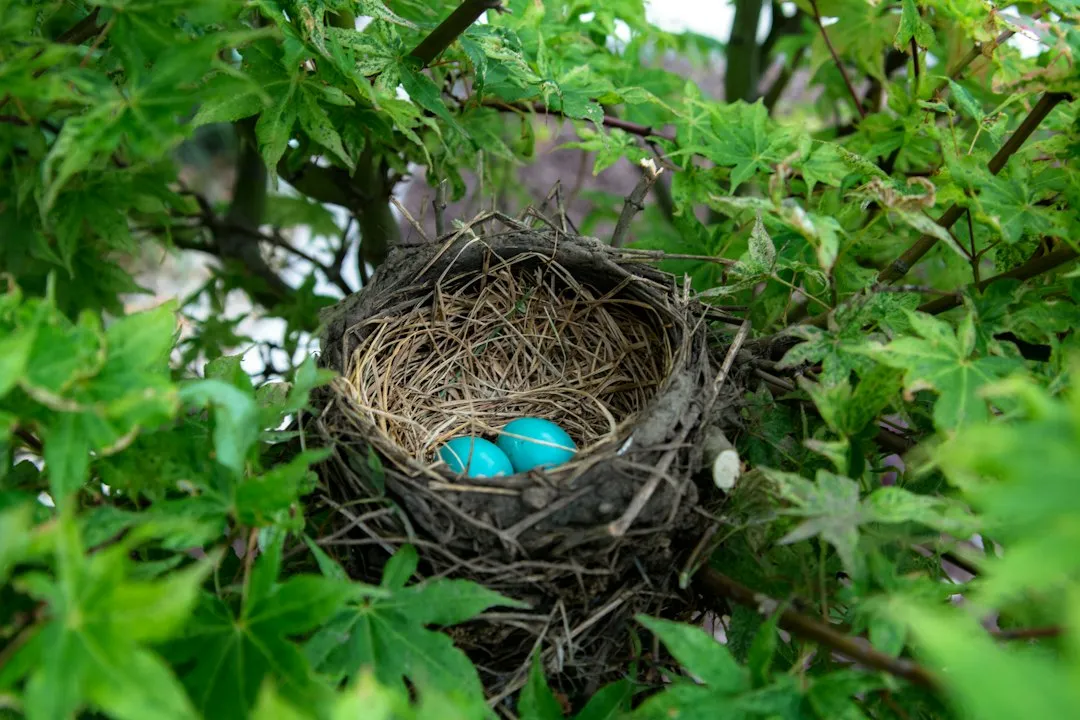
Inside a boot you’ll often find a bulky, messy pile made of twigs, leaves, grass, moss, and sometimes odd bits like string, feathers, or shed snakeskin. The cup is lined with softer material, and the nest is often domed or partly covered, depending on the space. Don’t be surprised if it seems oversized for a bird so small.
The male often starts several nests, and the female picks one to finish. That’s why you might spot a half built nest in one spot and a finished one somewhere else nearby. Not every pile of twigs ends up with eggs.
How Long the Nest Stays Occupied
🔥 Would you like to save this?
We'll email this post to you, so you can come back to it later!
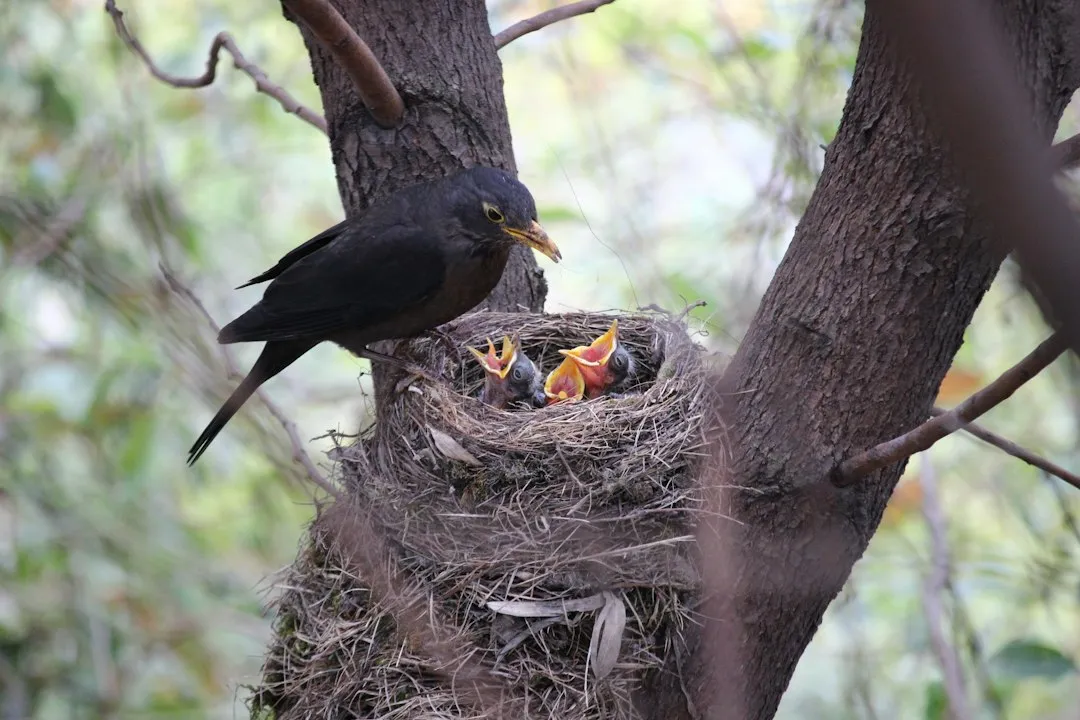
A typical clutch is a few eggs, which the female incubates for roughly two weeks. After hatching, the chicks usually stay in the nest for around two weeks more. So an active nest might take up your porch for about a month, give or take.
Carolina wrens can raise more than one brood in a season, particularly in the warmer South. That means the same boot could be reused, or a neighboring spot chosen, within the same year. Be ready for a longer visit than you planned.
Is It Legal to Move or Remove the Nest?
🔥 Would you like to save this?
We'll email this post to you, so you can come back to it later!
In the United States, Carolina wrens are protected under the Migratory Bird Treaty Act. That generally makes it illegal to disturb or destroy an active nest with eggs or young. Once the nest is truly finished and empty, removing it is typically fine, though it’s wise to check current guidance from your local wildlife agency.
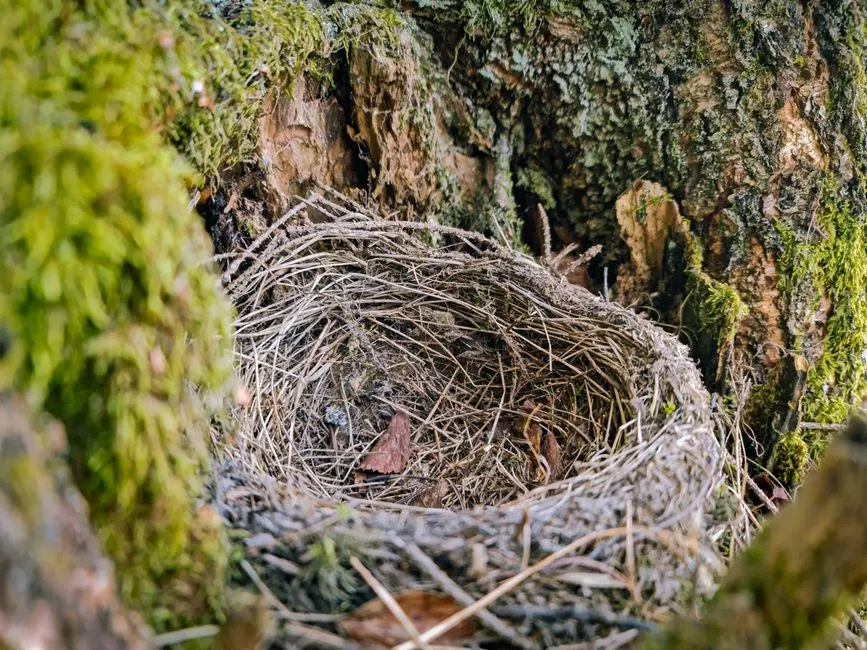
If you’re unsure whether a nest is active, watch quietly from a distance for a day or two. Adults flying in and out with food are a clear sign. A dusty, untouched nest in late summer is a different story.
Living Alongside Your Tenants
🔥 Would you like to save this?
We'll email this post to you, so you can come back to it later!
The practical fix is simple: use the other door for a few weeks. Move the hanging basket’s watering routine to when the birds are away, or just skip it for a bit. Keep cats indoors if you can, and give the nest some space.
Parents may scold you loudly if you linger, and that’s your cue to back off. Disturbance can make adults stay away from the nest longer than they should. Most porch owners find the wrens settle into the routine quickly.
Ways to Prevent It Next Year, or Welcome It
🔥 Would you like to save this?
We'll email this post to you, so you can come back to it later!
If you’d rather not host again, clean out the old nest once the family has left. Hang baskets only when you’re ready to tend them, and store boots indoors. Blocking likely cavities in late winter, before nesting begins, works better than trying to evict anyone later.
If you’re happy to share, you can offer a wren friendly spot on purpose. A small nest box or a tucked away shelf on the porch can steer the birds away from your favorite fern. It’s a tidy compromise that keeps both sides content.
Final Thoughts
🔥 Would you like to save this?
We'll email this post to you, so you can come back to it later!
Honestly, I think a wren in your boot is a small gift. It’s a quick, noisy glimpse of wild life doing its thing a few feet from your coffee. A month of inconvenience for that is a bargain.
Let them have the boot. You can buy another pair of boots, but you can’t order a front row seat to fledglings leaving the nest.

- 7 Everyday Habits That Can Make Your Senior Dog Happier - November 5, 2026
- 10 Enigmatic Structures That Continue to Puzzle Scientists Today - November 5, 2026
- 10 Strange Ruins in the Americas That Challenge What We Know About Early History - November 5, 2026