
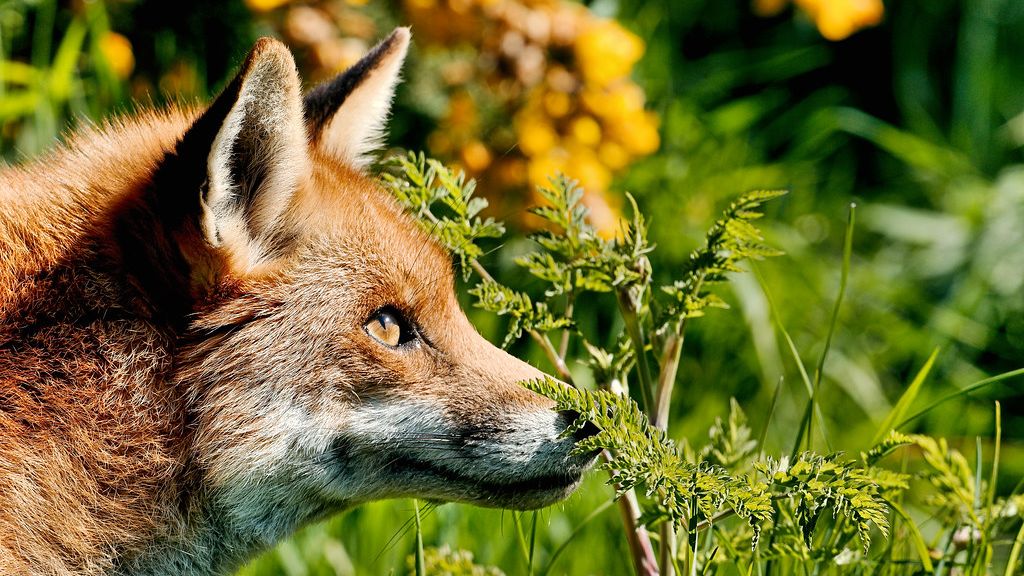
Imagine stepping into your backyard at dawn, coffee in hand, only to lock eyes with a sleek, red-furred visitor. It’s not the first time you’ve seen this fox; in fact, it’s becoming a regular occurrence. What draws this wild creature to your neighborhood time and again? Let’s delve into the reasons behind a fox’s repeated visits and what it signifies for your community.
Understanding the Fox’s Attraction to Urban Areas
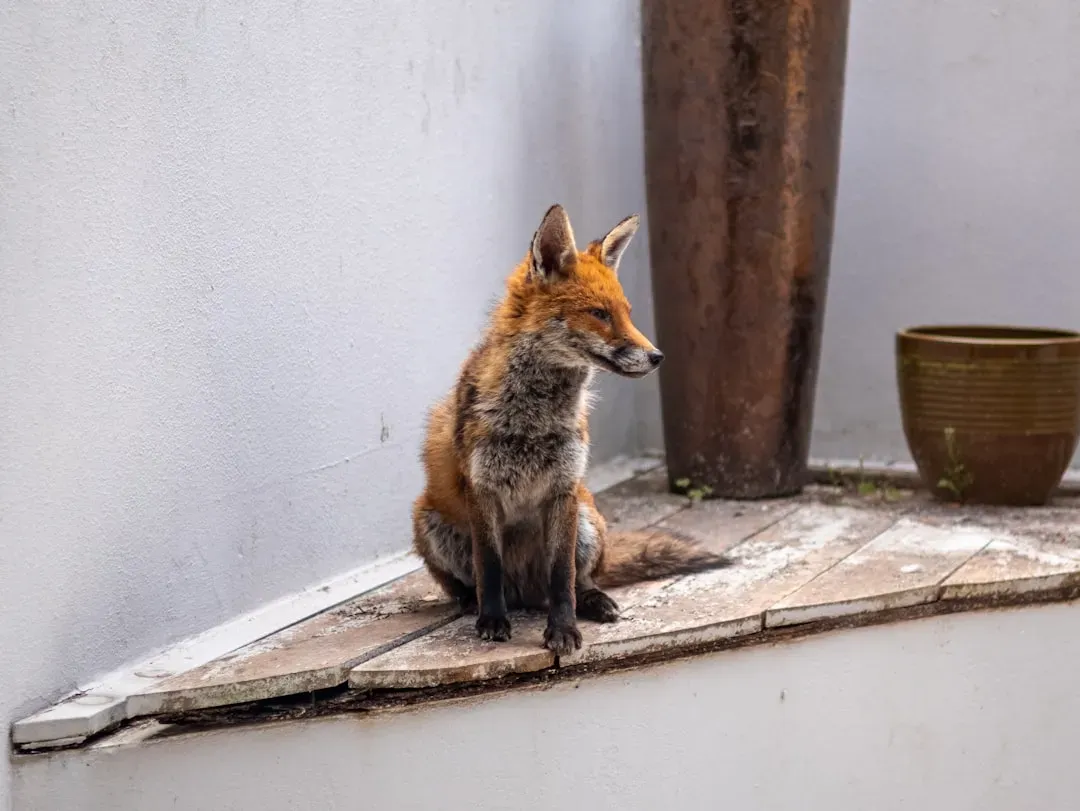
Foxes are remarkably adaptable creatures, thriving in diverse environments ranging from dense forests to bustling cities. Their presence in urban neighborhoods isn’t accidental; it’s a testament to their ability to coexist alongside humans. As cities expand and natural habitats shrink, foxes find suburban areas appealing due to the abundance of food and shelter.
These intelligent animals have learned to navigate human-dominated landscapes, often utilizing green spaces, parks, and even backyards as part of their territory. Their adaptability means that seeing a fox in your neighborhood is becoming increasingly common, reflecting a shift in wildlife behavior as they adjust to changing environments.
Food Sources: A Primary Draw for Foxes
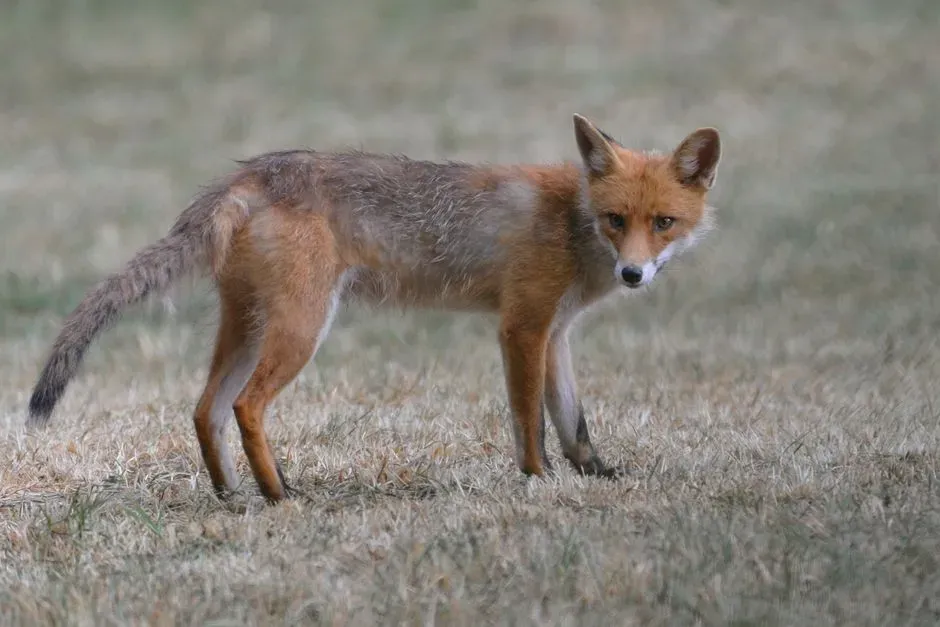
One of the main reasons a fox might frequent your area is the availability of food. Foxes are opportunistic feeders with a varied diet that includes small mammals, birds, insects, and fruits. However, in urban settings, they often exploit human-related food sources.
Unsecured garbage bins, pet food left outdoors, compost heaps, and fallen fruit from trees can all attract foxes. Even bird feeders can indirectly draw them in by attracting rodents, which are a staple in a fox’s diet. By providing easy access to food, we inadvertently encourage these visits.
Shelter and Denning Opportunities
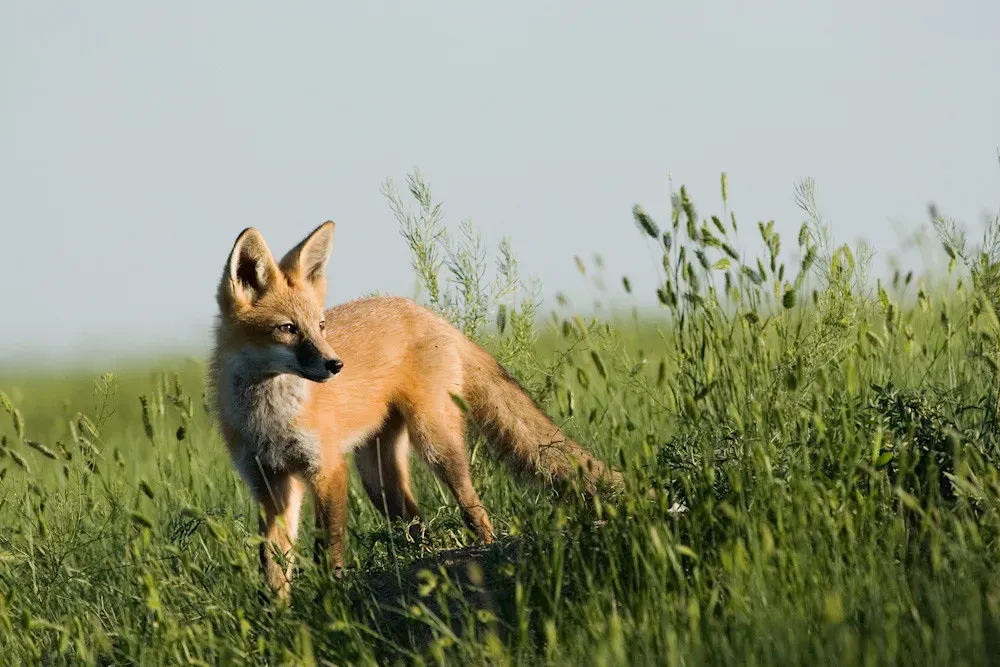
Beyond food, foxes seek safe and quiet places to rest and raise their young. Your neighborhood might offer ideal shelter options such as spaces beneath decks, sheds, or dense shrubbery. These areas provide protection from predators and harsh weather conditions, making them attractive denning sites.
During the breeding season, which typically occurs in late winter to early spring, a fox may establish a den in a secluded spot within your neighborhood. If the location remains undisturbed and continues to offer safety, the fox might return to the same denning area in subsequent years.
Territorial Behavior and Familiar Routes
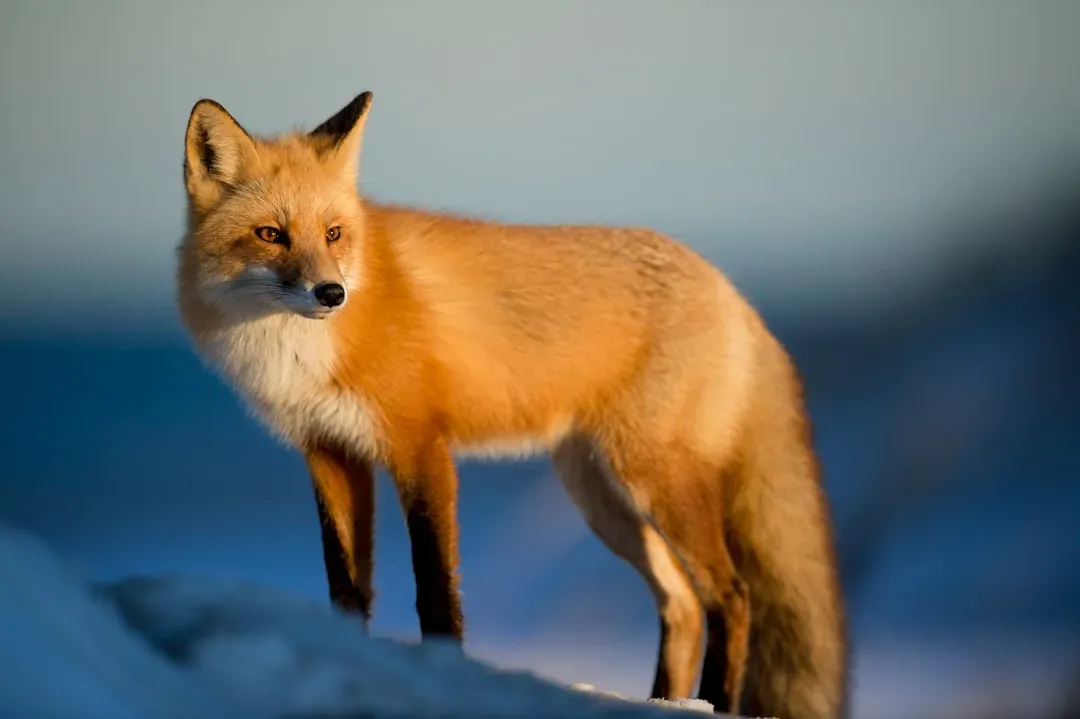
Foxes are territorial animals, often establishing and patrolling specific areas that provide consistent resources. If your neighborhood falls within a fox’s territory, repeated sightings are likely as the animal makes its rounds. These routes are carefully chosen to maximize access to food and shelter while minimizing risks.
Observing a fox at similar times or along the same paths indicates that your area is a regular part of its routine. This behavior underscores the fox’s adaptability and the suitability of your neighborhood to its needs.
Human Interaction and Habituation
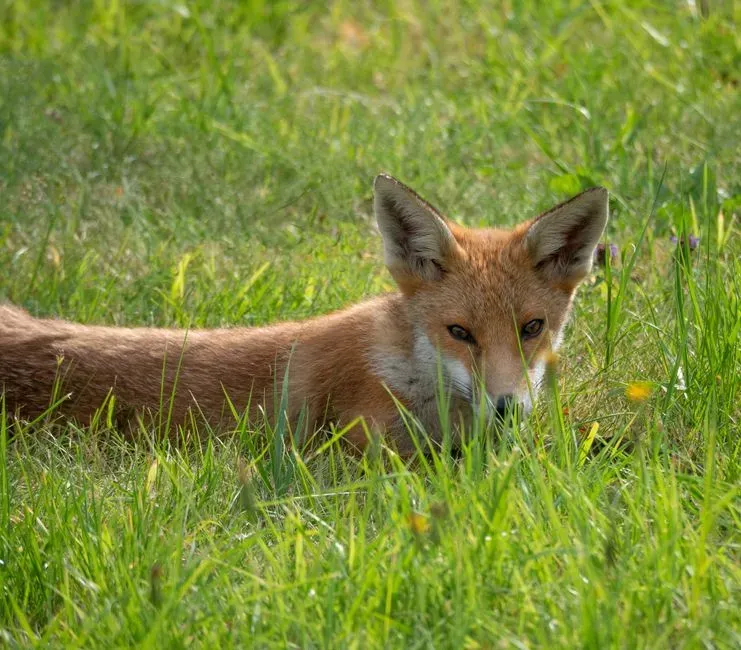
While foxes are naturally wary of humans, repeated exposure without negative consequences can lead to habituation. If a fox learns that your neighborhood is a source of food and shelter without threats, it may become bolder and more frequent in its visits.
It’s crucial to avoid feeding foxes intentionally, as this can diminish their natural fear of humans and lead to problematic interactions. Maintaining a respectful distance ensures both human and animal safety, preserving the delicate balance of coexistence.
Potential Risks and Considerations
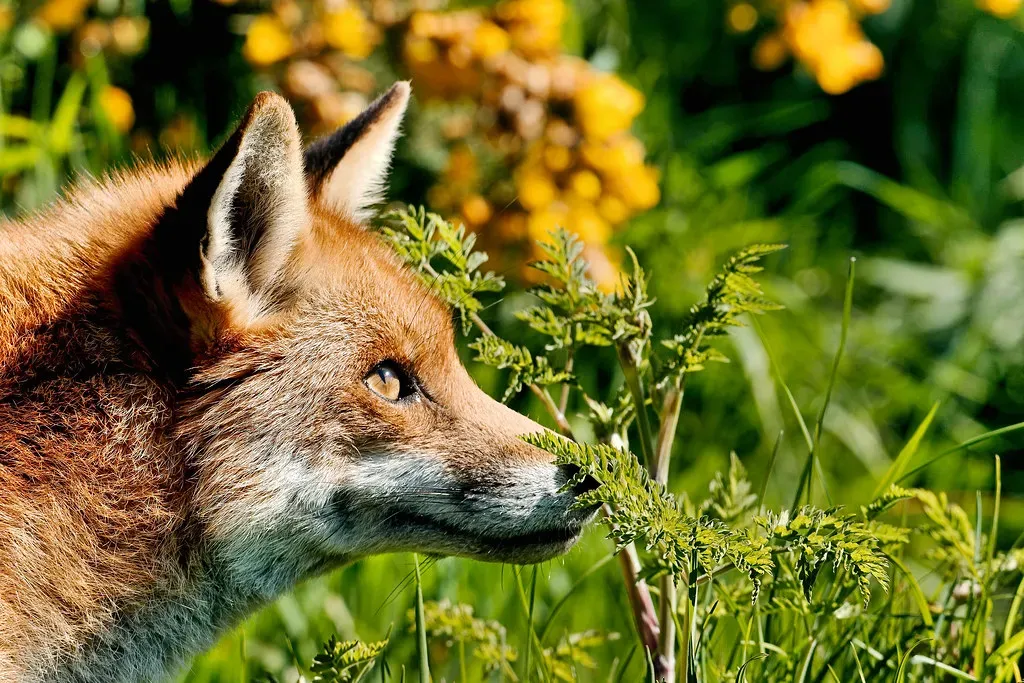
Although foxes generally pose little threat to humans, their presence can raise concerns, especially for pet owners. Small pets like rabbits, guinea pigs, or even small cats and dogs could be at risk if left unsupervised outdoors. Additionally, foxes can carry diseases such as mange or, in rare cases, rabies.
To mitigate these risks, it’s advisable to supervise pets when they’re outside, secure livestock enclosures, and avoid leaving food sources accessible. If a fox appears sick or behaves unusually, contacting local wildlife authorities is the best course of action.
Coexisting with Our Wild Neighbors
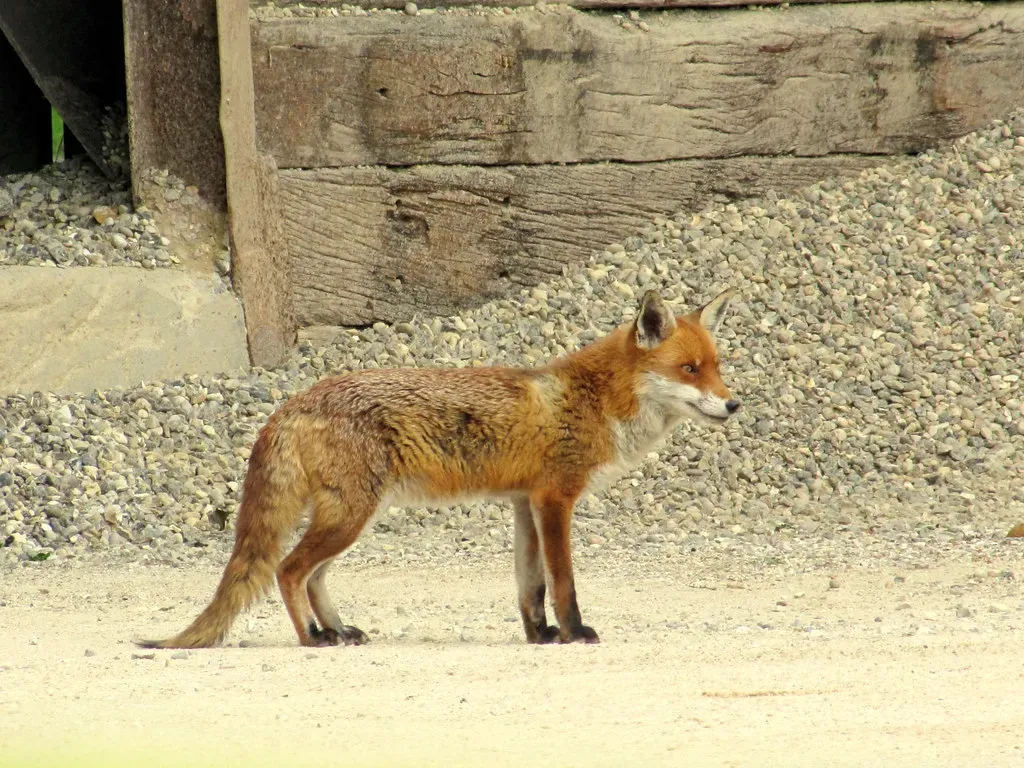
Repeated fox visits to your neighborhood highlight the intricate relationship between urban development and wildlife adaptation. By understanding the factors that attract foxes – such as food availability and shelter – we can take steps to minimize unwanted encounters while appreciating the presence of these fascinating creatures.
Securing trash bins, removing outdoor food sources, and sealing potential denning sites can discourage foxes from settling too close to human dwellings. At the same time, recognizing their role in controlling rodent populations and contributing to biodiversity allows us to coexist peacefully with our wild neighbors.
In conclusion, a fox’s repeated return to your neighborhood is a multifaceted phenomenon, reflecting both the adaptability of wildlife and the impact of human environments. By fostering awareness and taking proactive measures, we can ensure a harmonious coexistence that respects the needs of both humans and foxes. So, the next time you spot that familiar red-furred visitor, consider what your neighborhood offers and how you can contribute to a balanced and respectful relationship with the natural world.

- Why Near-Death Experiences Often Follow Similar Patterns Across Cultures - August 11, 2026
- What Happens If You Never Brush Your Dog’s Teeth? - August 11, 2026
- Why Some Animals Possess a Sixth Sense We Can Only Imagine - August 11, 2026