
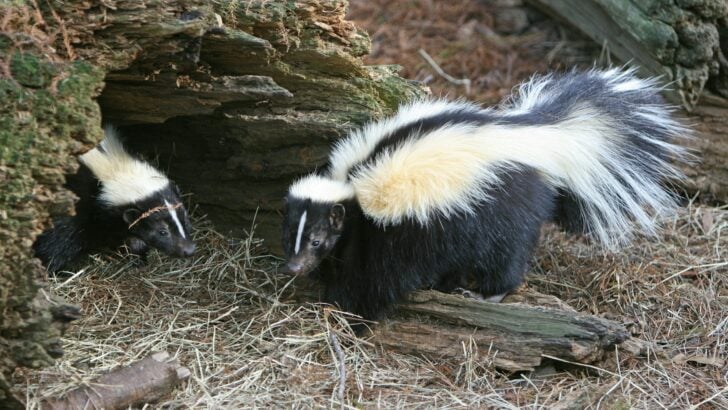
You’re standing at the kitchen window with coffee, the sky still the color of slate, and something low and black and white drifts across the lawn like it pays the mortgage. It doesn’t hurry. It doesn’t look at you. It just goes about its business.
Plenty of people feel an odd pull to read meaning into a moment like that, and the internet has no shortage of interpretations. Some of them are charming, some are a stretch, and a few are surprisingly useful when you set them beside what biologists actually know. Here’s how the two sides fit together.
Why Skunks Are Out Before Sunrise in the First Place
🔥 Would you like to save this?
We'll email this post to you, so you can come back to it later!
Skunks aren’t strictly nocturnal. They’re usually described as crepuscular or nocturnal, meaning they’re most active around dusk, through the night, and into the early dawn hours. A skunk crossing your yard at 5 a.m. is simply finishing a shift.
Their eyesight is poor, but their sense of smell and hearing do the heavy lifting. Darkness gives them cover from daytime predators like hawks, while the cooler air suits animals that spend hours foraging on foot.
So the first and most honest explanation is a boring one: it’s feeding time. Anything beyond that is interpretation, and it’s worth keeping those two layers separate as you read on.
What the Skunk Is Probably Doing in Your Yard
🔥 Would you like to save this?
We'll email this post to you, so you can come back to it later!
Skunks are omnivores with a soft spot for insects, especially beetle grubs, which live just under lawn turf. If you spot small cone shaped holes or patches of turned up grass, that’s a classic sign of a skunk digging for dinner.
They also eat earthworms, crickets, small rodents, eggs, fallen fruit, and whatever pet food or garbage is easy to reach. A yard with a tidy buffet will get repeat visits.
Common draws include:
- Grubs and insects in healthy lawns
- Unsecured trash cans or compost
- Pet food left outside overnight
- Spilled birdseed
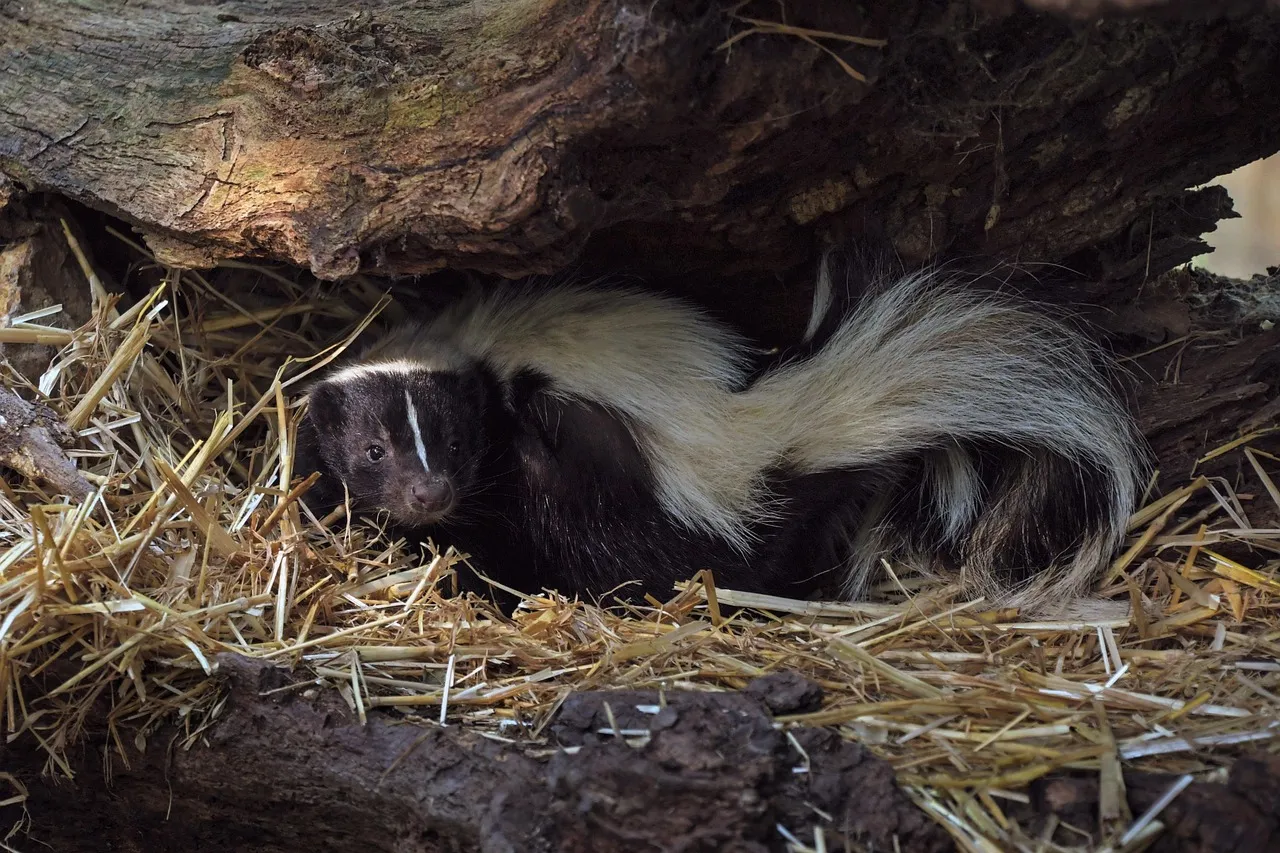
- Sheltered spaces under decks, sheds, and porches
The Skunk as a Symbol of Boundaries
🔥 Would you like to save this?
We'll email this post to you, so you can come back to it later!
In modern spirit animal writing, the skunk is most often tied to self respect and personal boundaries. The logic is easy to follow: this is an animal that carries a clear, unmistakable warning system and rarely needs to use it.
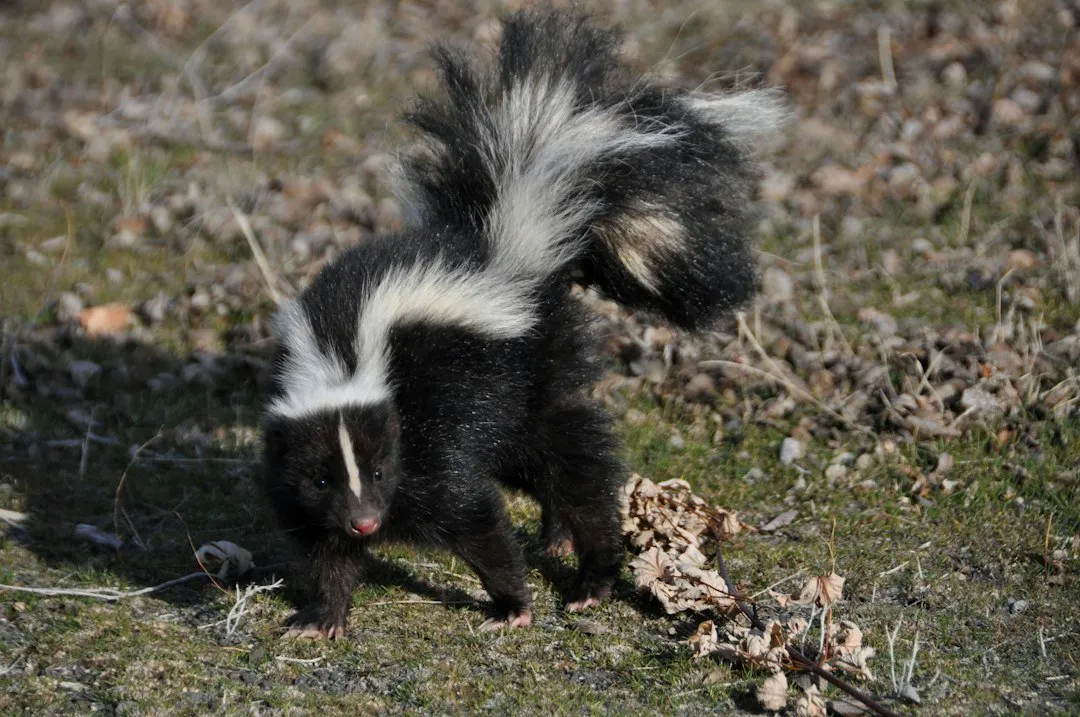
Skunks give notice before they spray. They stamp their front feet, hiss, raise their tail, and sometimes do a little handstand posture. Symbolically, that reads as a message about stating limits calmly and early, rather than waiting until a situation turns messy.
If you’ve been saying yes to too much lately, a skunk at dawn might feel like a nudge. That’s a personal reading, not a scientific one, but it’s a reasonably healthy takeaway whether or not you believe in signs.
Confidence Without Aggression
🔥 Would you like to save this?
We'll email this post to you, so you can come back to it later!
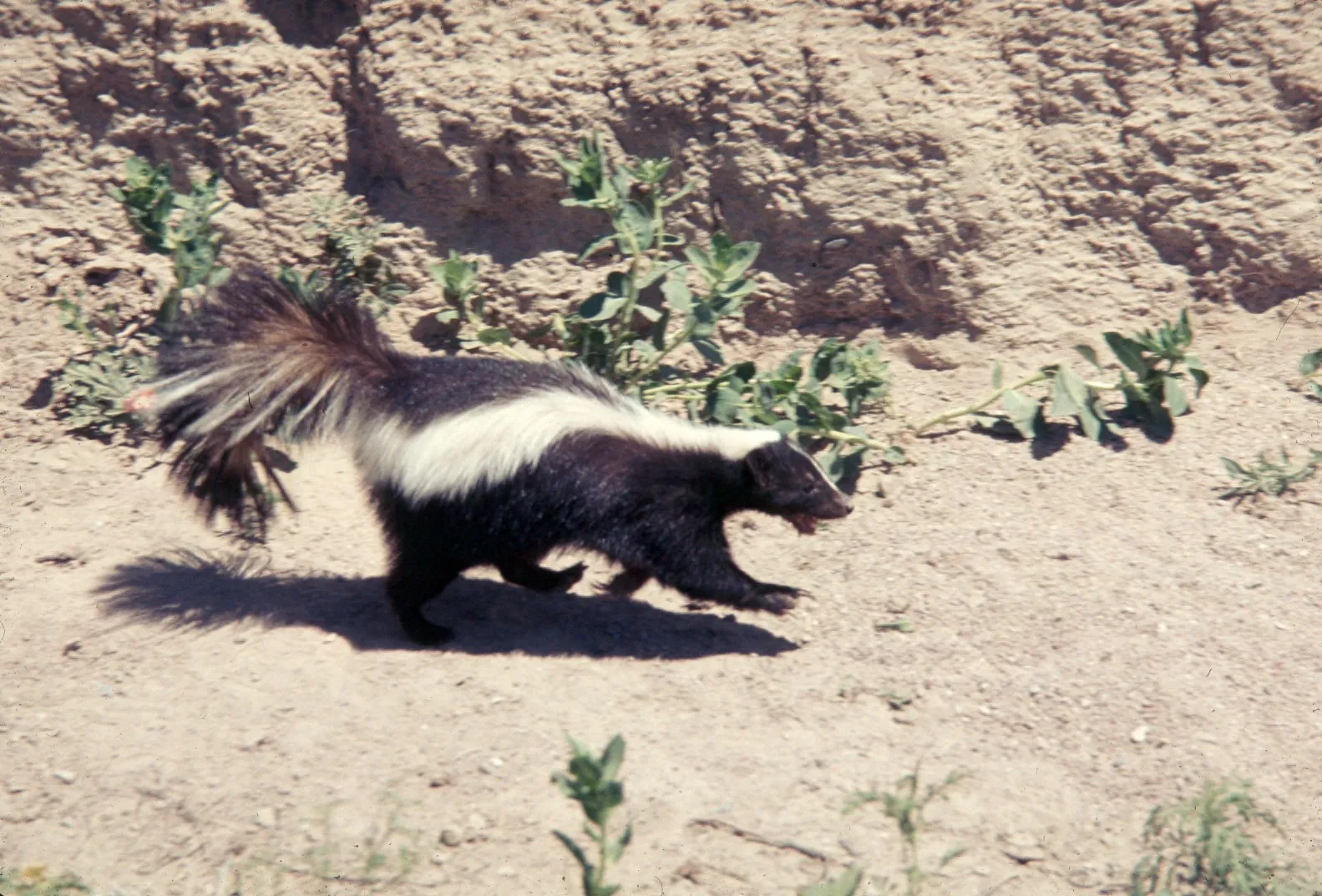
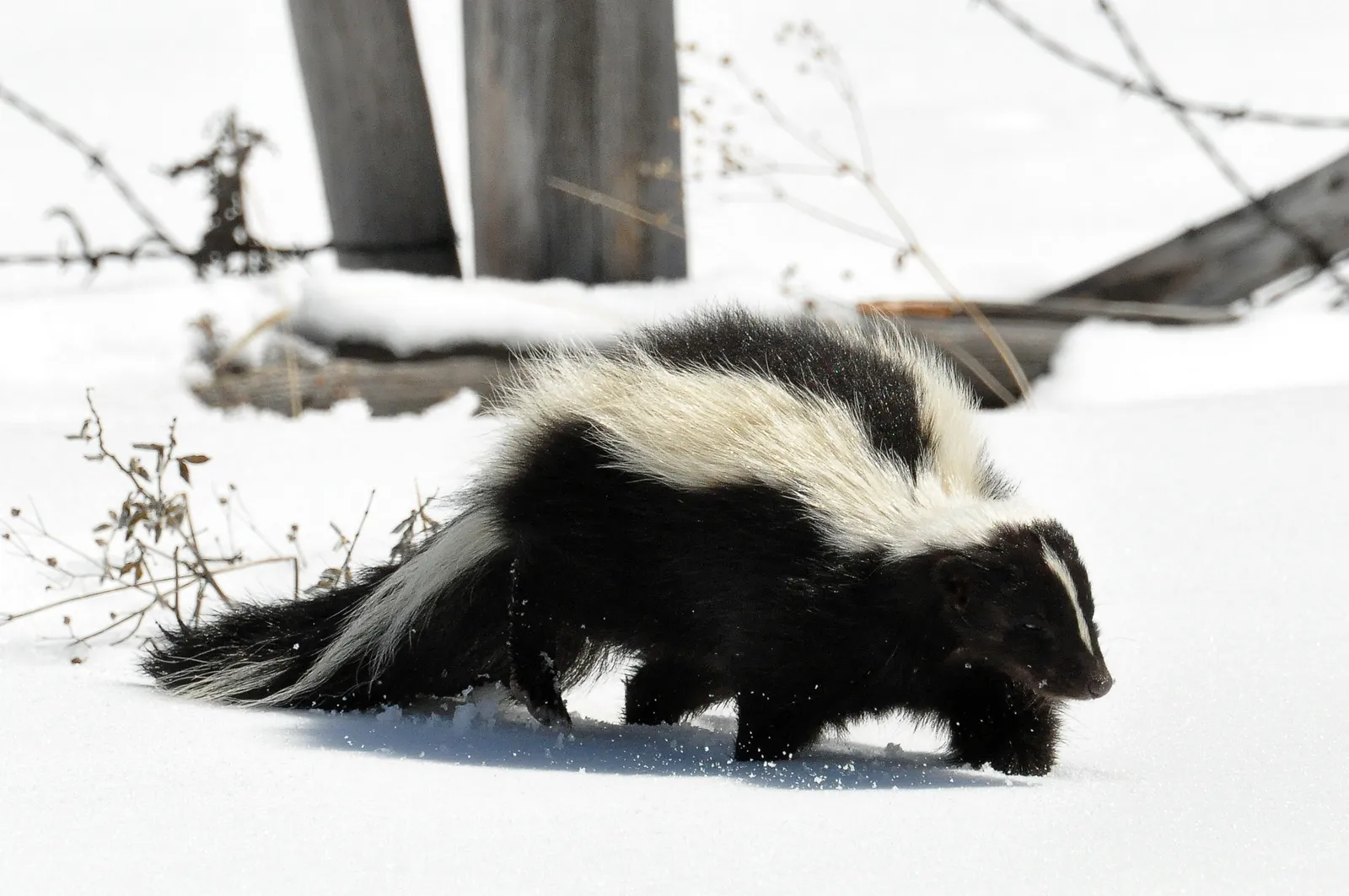
Another theme you’ll see repeated is quiet confidence. Skunks walk with a kind of unbothered gait, and that’s not an accident of personality. Their bold black and white coloring is a form of warning coloration, which biologists call aposematism, advertising that they’re not worth the trouble.
The defense behind that coloring is real. Skunk spray is a sulfur based mix of compounds called thiols, and it can be aimed with decent accuracy at a range of roughly ten feet. It stings the eyes and lingers for days.
Symbolically, that translates into strength that doesn’t need to announce itself. It’s an appealing idea, and it happens to be rooted in how the animal really lives.
Reading the Timing: Why Dawn Matters in Symbolism
🔥 Would you like to save this?
We'll email this post to you, so you can come back to it later!
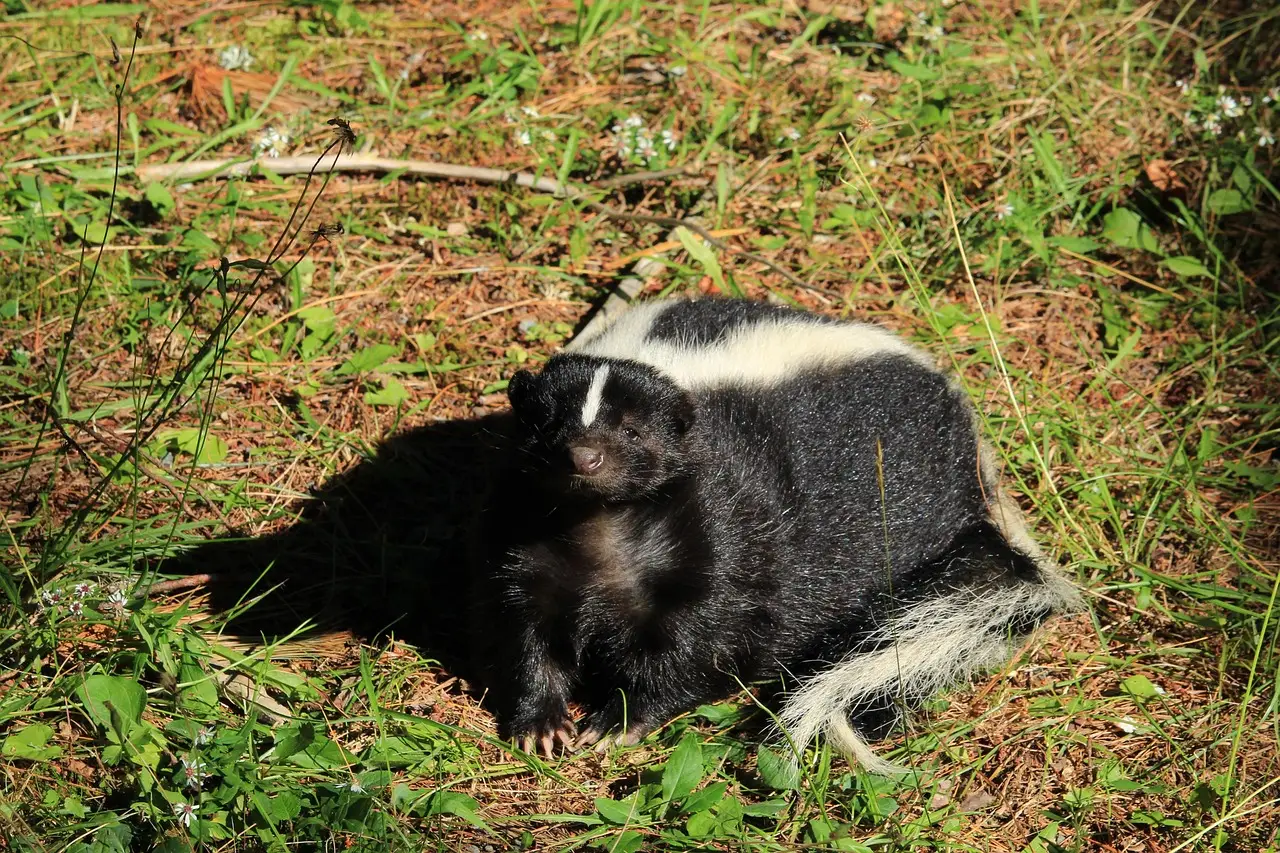
Most symbolism traditions treat the hours before sunrise as a threshold, a space between one state and the next. Modern animal meaning articles lean on that, suggesting a skunk seen at that hour points to transition, a fresh start, or a decision waiting to be made.
There’s no evidence that an animal’s timing carries any message beyond its own biology. Still, the human habit of attaching meaning to quiet, liminal moments is real, and it’s not a bad habit if it prompts reflection.
A practical way to use the idea: treat the sighting as a cue to pause. Ask what you’ve been tolerating, what you’re ready to start, and what you’ve been putting off.
Cultural Context: Not Every Tradition Reads Skunks the Same Way
🔥 Would you like to save this?
We'll email this post to you, so you can come back to it later!
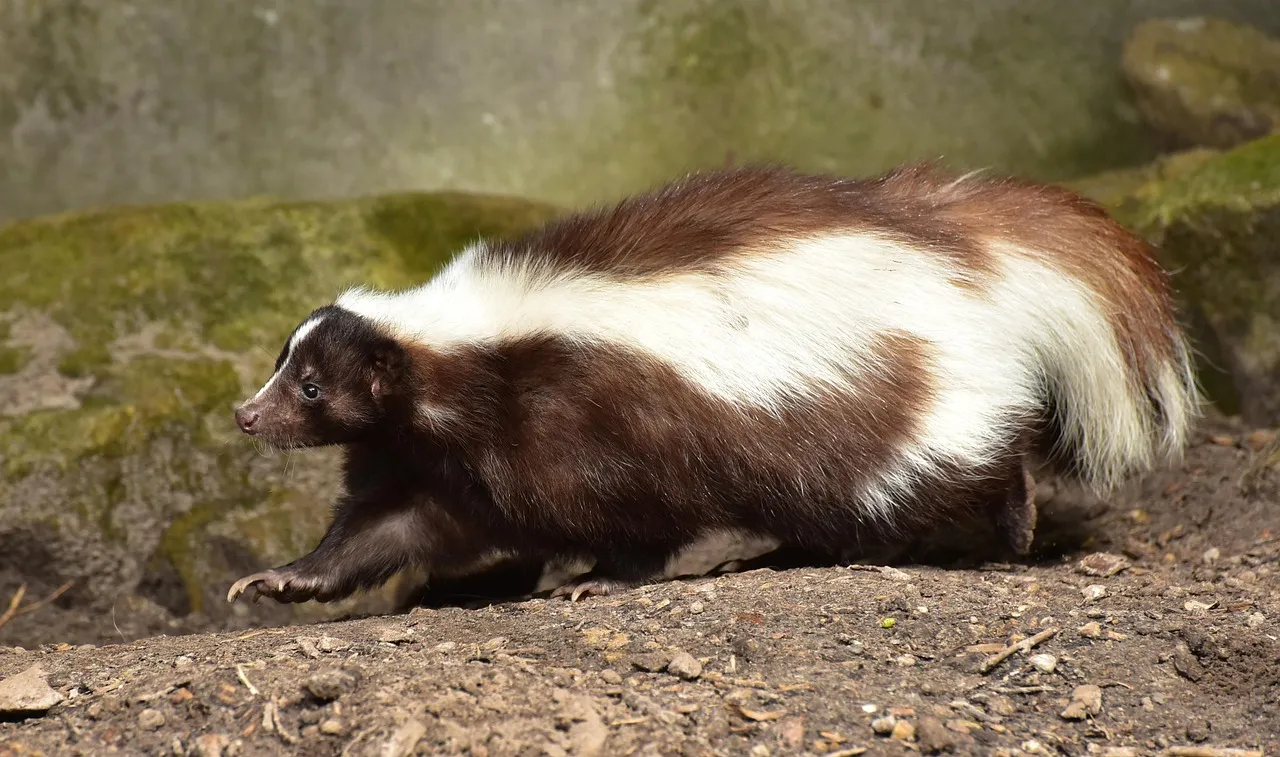
It’s tempting to say skunks have a single, ancient meaning. They don’t. Modern spirit animal lists blend ideas from many sources, and some of what circulates online is loosely attributed or flattened out from traditions that are far more varied and specific than a listicle can capture.
Skunks are native only to the Americas, so European folklore doesn’t have much to say about them. Where Indigenous nations in North America have stories involving skunks, those stories differ from community to community, and they deserve to be learned from the communities themselves.
The fair summary is this: the popular modern meaning (boundaries, self respect, quiet power) is a contemporary interpretation. It’s useful, but it’s not universal and it’s not ancient law.
Seasonal Clues: What the Calendar Might Tell You
🔥 Would you like to save this?
We'll email this post to you, so you can come back to it later!
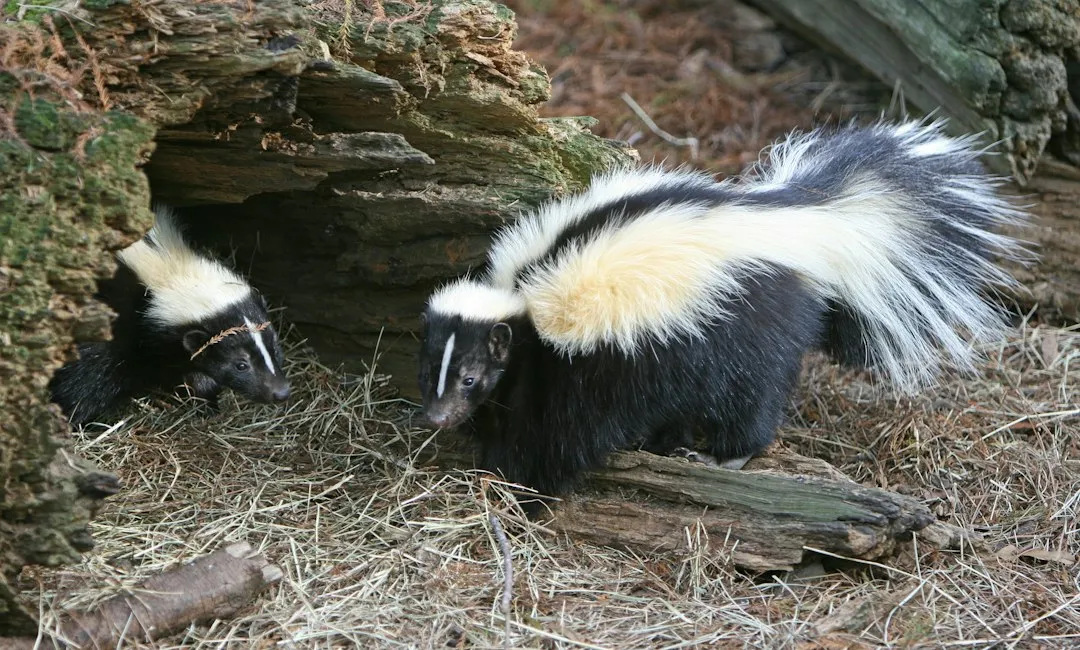
If you want something more grounded than symbolism, check the date. Striped skunks typically breed in late winter, and males can roam widely at that time looking for mates, so more yard visits in February and March are common.
Young are generally born in late spring, and by summer you may see a mother leading a small line of kits. In autumn, skunks are bulking up for colder months, which can mean more determined foraging.
Quick seasonal pattern guide:
- Late winter: more wandering, driven by mating season
- Spring: den searching and raising young
- Summer: grub hunting and family groups
- Autumn: heavier feeding before cold weather
What To Do When You Meet One
🔥 Would you like to save this?
We'll email this post to you, so you can come back to it later!
Stay calm, and move slowly. A skunk that isn’t cornered usually wants to leave you alone, and backing away quietly is the best response. Keep pets inside or leashed, since dogs are the most common victims of spray.
Watch for warning signs: foot stomping, hissing, a raised tail. Those mean you’re too close.
A skunk out in broad daylight that stumbles, seems disoriented, or acts oddly may be sick, and skunks can carry rabies. Don’t approach it, and call local animal control or a wildlife professional. To discourage regular visits, secure trash, remove pet food at night, and block access under decks with sturdy barriers once you’re sure no animal is inside, especially in spring when kits could be present.
Final Thoughts
🔥 Would you like to save this?
We'll email this post to you, so you can come back to it later!
My view is that the skunk makes a better teacher than a prophet. It isn’t delivering a coded message about your future, and anyone promising that is selling something. What it does offer is a neat, observable lesson in how to be clear about limits without being cruel.
That’s worth taking seriously, even if you file the symbolism under personal folklore. Enjoy the sighting, give it plenty of room, and let the grubs be the only thing it digs up. If the moment nudges you to speak up a little sooner in your own life, that’s a pretty good return for a few seconds at the window.

- 7 Everyday Habits That Can Make Your Senior Dog Happier - November 5, 2026
- 10 Enigmatic Structures That Continue to Puzzle Scientists Today - November 5, 2026
- 10 Strange Ruins in the Americas That Challenge What We Know About Early History - November 5, 2026