
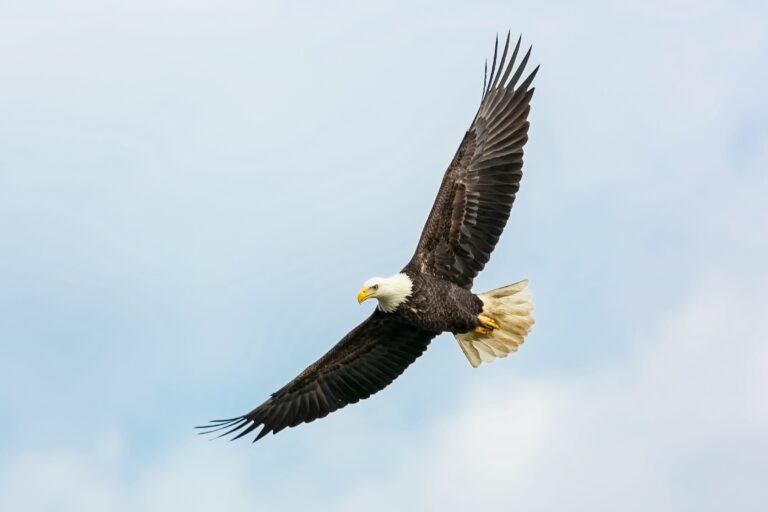
Most people who find an eagle feather remember exactly where they were. A parking lot, a hospital walkway, a quiet shoreline, a patch of lawn nowhere near a nest. The feather itself is a simple object, yet the moment tends to stick.
Different spiritual traditions read that moment in very different ways. Some treat the feather as sacred and tightly regulated, others as a personal sign, and a few simply as a prompt to pause. Before we go through them, it helps to know that none of these readings is a scientific claim, and they shouldn’t be treated as universal rules.
Why Eagle Feathers Carry So Much Weight
🔥 Would you like to save this?
We'll email this post to you, so you can come back to it later!
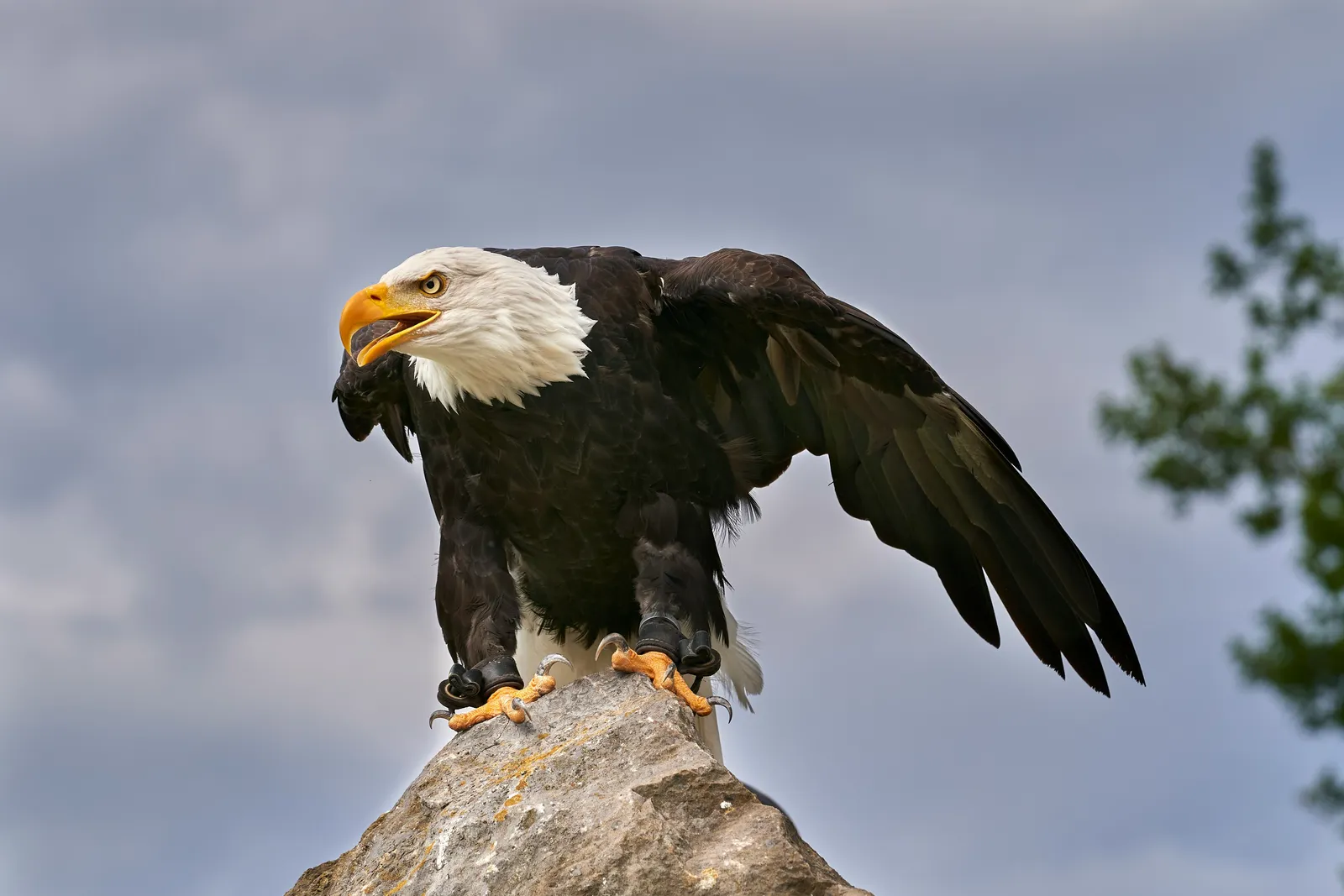
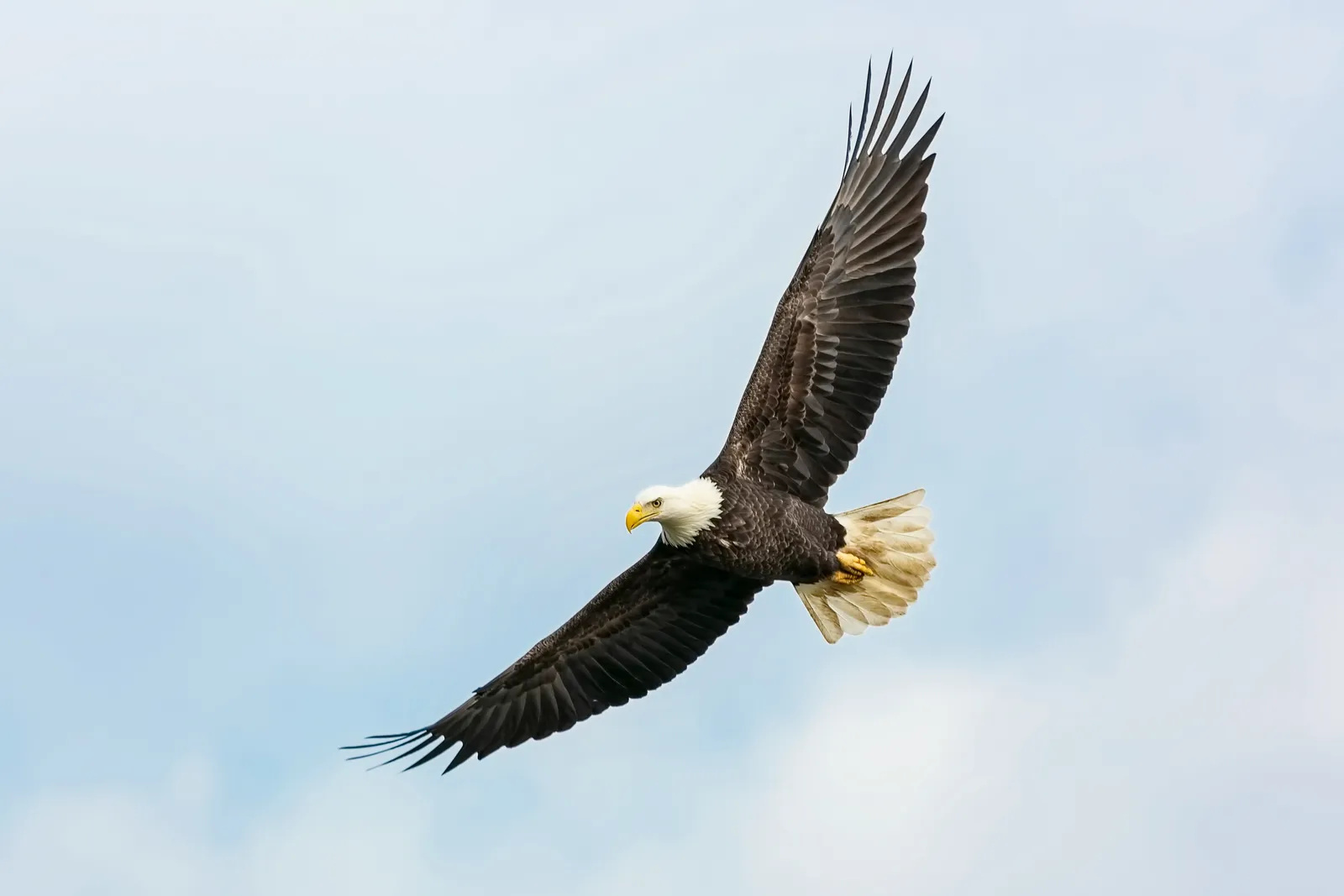
Eagles have drawn human attention for thousands of years. They fly high, see far, and are hard to miss. That alone helps explain why so many cultures linked them with vision, courage, and a connection to the sky.
A feather is a small, tangible piece of that bird. Finding one in a place where it doesn’t seem to belong feels, to many people, like the symbol has arrived on its own. Whether you take that literally or poetically is up to you, but the pull is understandable.
Native American and First Nations Perspectives
🔥 Would you like to save this?
We'll email this post to you, so you can come back to it later!
For many Native American and First Nations communities, the eagle feather is among the most honored objects there is. It is often connected to prayer, respect, truth, and leadership, and it may be given as recognition for an achievement or a milestone. Meanings vary a lot between nations, so it’s unwise to speak of a single Native view.
There’s an important legal side too. In the United States, eagle feathers are protected by federal law, and the U.S. Fish and Wildlife Service says it’s illegal for most people to possess them. Enrolled members of federally recognized tribes can obtain them for religious and cultural purposes through a specific process. If you find one, the safest step is to leave it or contact wildlife authorities rather than pocket it.
Christian and Biblical Readings
🔥 Would you like to save this?
We'll email this post to you, so you can come back to it later!
In Christian tradition, the eagle shows up in scripture as an image of strength and renewal. The most quoted example is a passage in Isaiah about those who trust in God being lifted up on wings like eagles. Many believers who find a feather at a difficult time take it as encouragement, a nudge toward hope.
That reading is personal rather than doctrinal. No major church teaches that a found feather is a formal message. Still, as a gentle reminder of a familiar verse, it can carry real comfort for the person holding it.
Celtic, Norse, and Greco-Roman Echoes

🔥 Would you like to save this?
We'll email this post to you, so you can come back to it later!
In ancient Greece and Rome, the eagle was tied to Zeus and Jupiter, the rulers of the sky. Roman legions even carried eagle standards, so the bird became a symbol of authority and imperial power. A feather in this context would evoke status and divine favor.
Norse myth places an eagle atop the world tree Yggdrasil, a figure linked with wisdom and a wider view of events. Celtic sources are patchier, and modern claims about Celtic eagle symbolism often blend old material with newer spiritual writing. If a source sounds very certain about ancient Celtic meanings, it’s worth double checking.
Eastern Traditions: Garuda and the Larger View
🔥 Would you like to save this?
We'll email this post to you, so you can come back to it later!
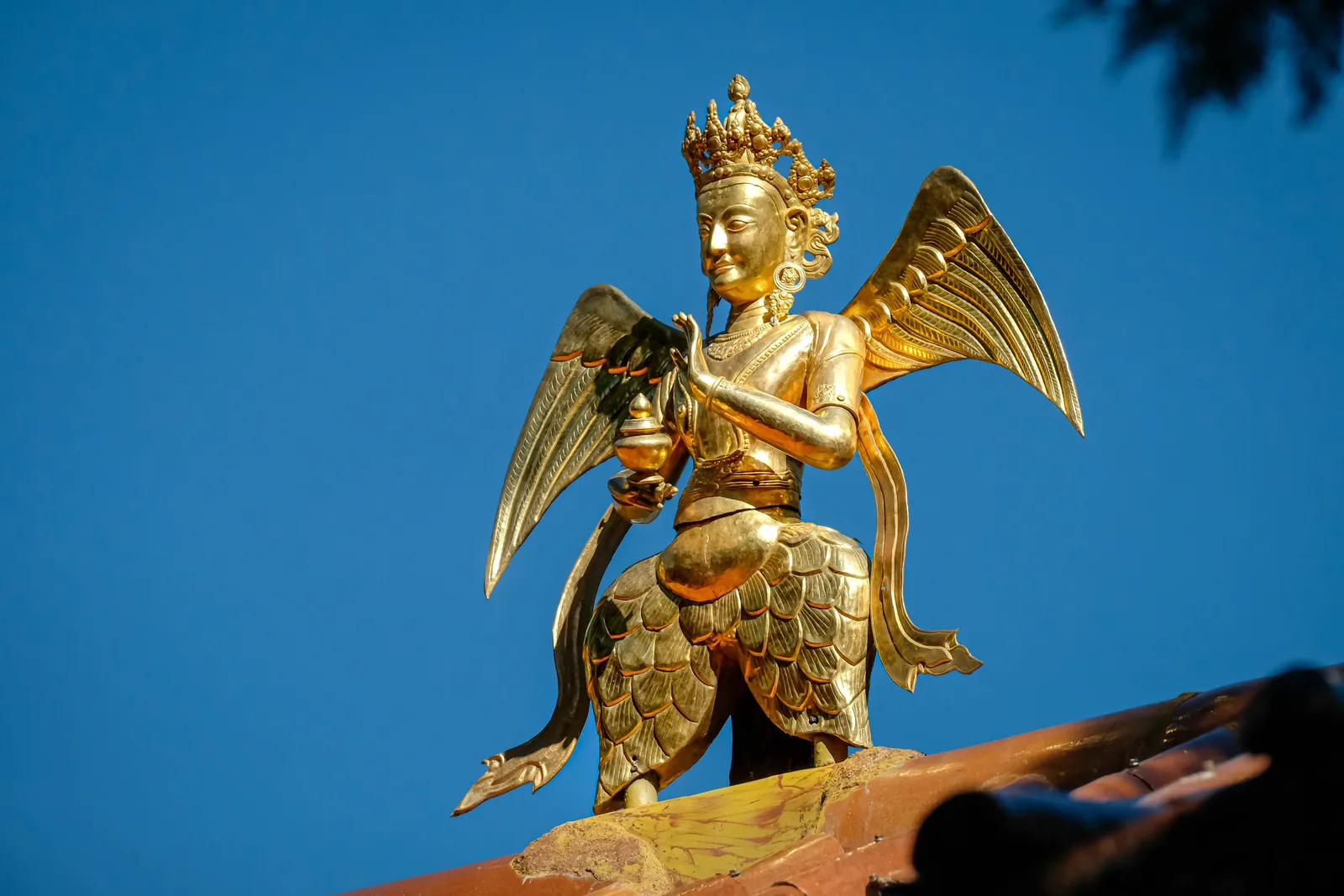
Hindu and Buddhist traditions don’t center on the eagle feather itself, but they do feature Garuda, a great bird-like being. In Hinduism, Garuda is the mount of Vishnu and a symbol of speed, power, and protection. Buddhist art in parts of Asia also features Garuda as a powerful protective figure.
Someone drawing on these traditions might see an unexpected feather as a reminder of protection or devotion. That’s an interpretation, not an established ritual practice. It reflects how people borrow meaning from the stories they already love.
Modern Spiritual and New Age Interpretations
🔥 Would you like to save this?
We'll email this post to you, so you can come back to it later!
Contemporary spiritual writers often describe an eagle feather as a sign to rise above a problem, trust your intuition, or take a wider view of your life. Others link it to a loved one who has passed. These ideas spread widely online, though they’re mostly modern, individual, and not tied to one lineage.
There’s nothing wrong with finding comfort in them. Just keep in mind that they differ from the carefully held teachings of Indigenous communities. Borrowing the language without the context can flatten something deeply meaningful to others.
How to Respond Respectfully When You Find One
🔥 Would you like to save this?
We'll email this post to you, so you can come back to it later!
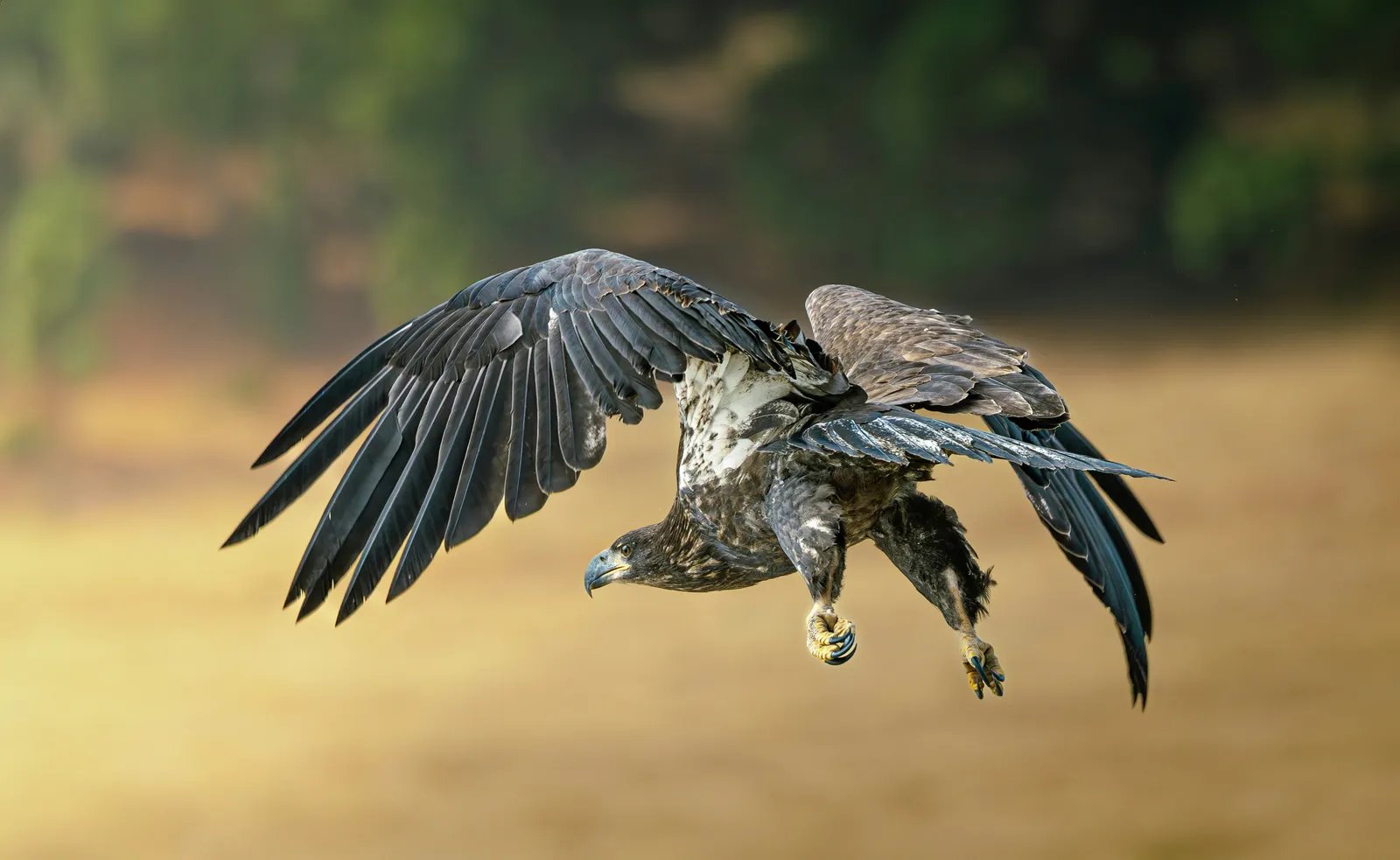
First, check what you’ve found. Many feathers that people assume are from eagles actually come from hawks, vultures, or large owls, and telling them apart can be tricky. Wildlife agencies can help identify it.
Second, remember the law. In the United States, it’s illegal for most people to possess eagle feathers, so photographing the feather and leaving it, or reporting it, is usually the better path. You can still keep the experience, the memory, and whatever reflection it sparked.
Final Thoughts
🔥 Would you like to save this?
We'll email this post to you, so you can come back to it later!
My own view is that the feather matters less as a message and more as a pause. Whether it points toward prayer, courage, a lost loved one, or nothing at all, it asks you to notice something. That’s rare enough these days to be worth honoring.
Still, respect should come first. Let the communities who hold eagle feathers sacred set the terms for them, and let your own meaning stay personal. Take the moment, leave the feather.

- 10 Common Garden Pests That Are Actually Beneficial To Your Backyard Ecosystem - November 5, 2026
- 10 Unusual Reasons Older Adults Bond More Deeply With Certain Dog Breeds - November 5, 2026
- The Cheetah: The Speed King of the Animal Kingdom - November 5, 2026