
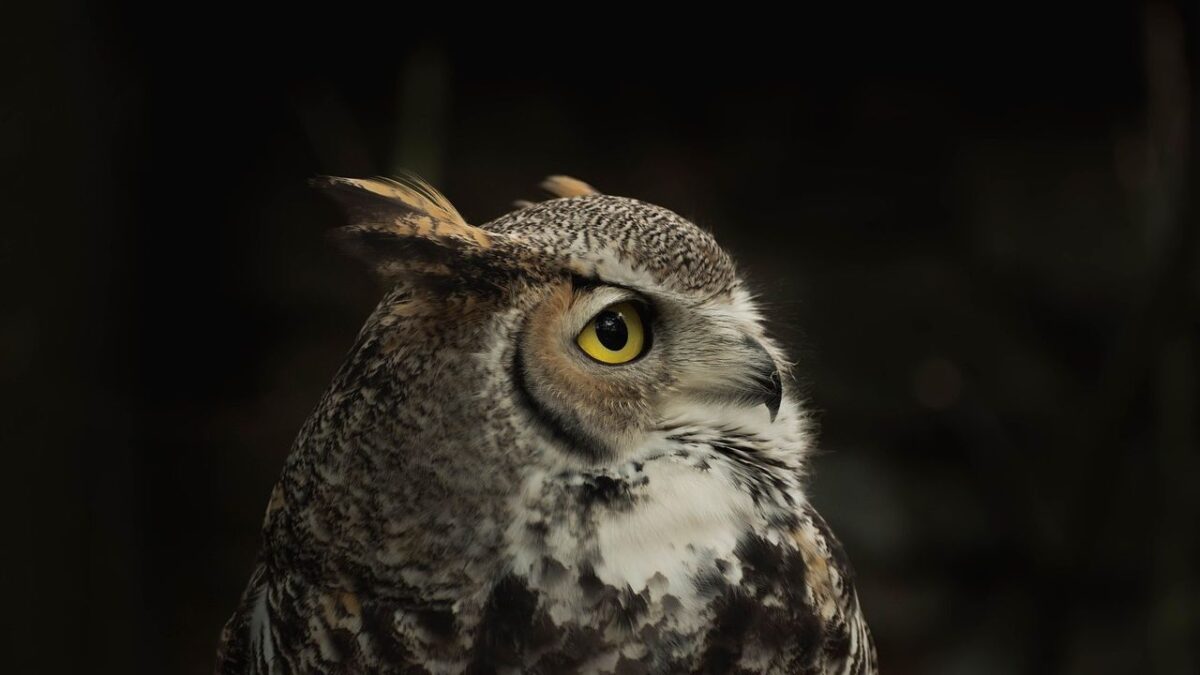
Hearing an owl call close to home after dark often catches people off guard. The sound carries through the quiet, prompting questions about whether it carries any deeper significance beyond the bird simply going about its business.
Folklore from many parts of the world has long tried to answer that question. Stories passed down over centuries link these nighttime visitors to messages about change, warning, or even protection, depending on the culture and the details of the call itself.
Owls as Harbingers in Native Traditions
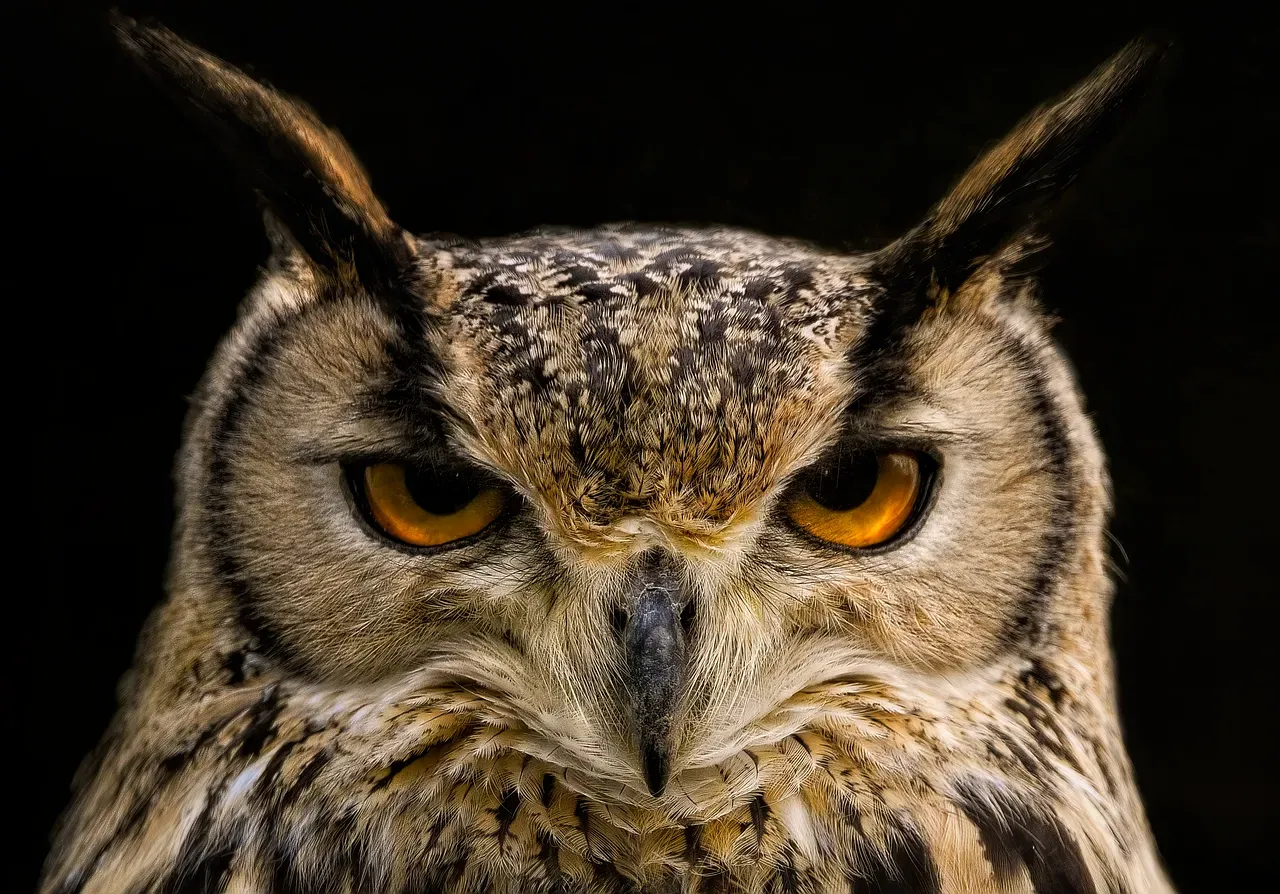
Several Native American tribes viewed owls as connected to the spirit world and transitions. Among groups like the Choctaw, different species carried specific implications, with certain hoots tied to sudden events or losses within a family.
Apache and Cree traditions sometimes treated an unanswered owl call as a signal that something significant was approaching. These beliefs arose from close observation of the birds and their role in the night landscape, where they moved unseen by most people.
European Views on Nocturnal Calls
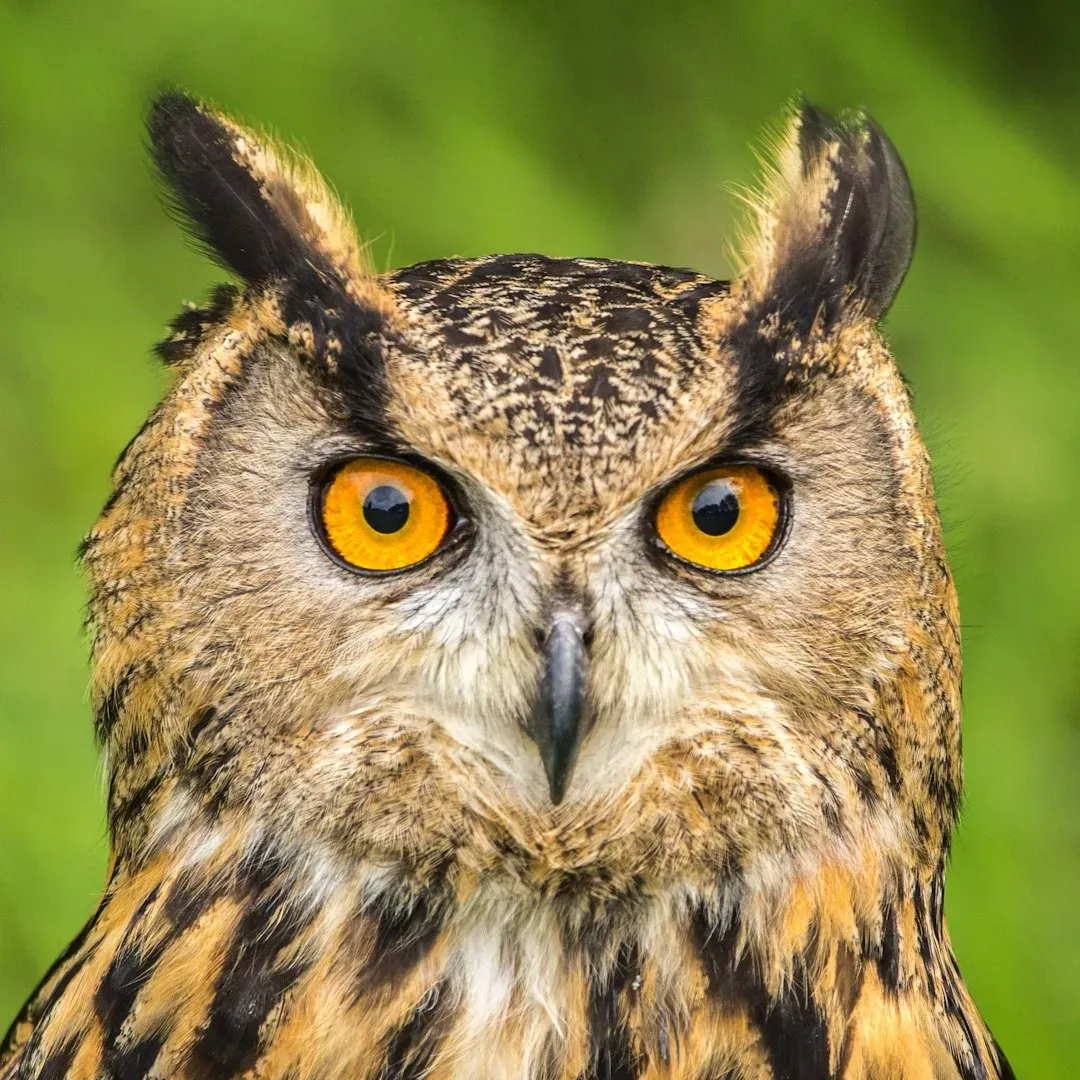
In older European accounts, an owl hooting near a dwelling frequently signaled impending misfortune or the passing of someone nearby. Roman stories even claimed that emperors heard such calls before major upheavals, reinforcing the bird’s reputation as an ill omen.
Settlers in parts of the American South and Northeast carried similar ideas across the ocean. A screech or prolonged hoot outside a window could prompt quiet concern, especially if someone in the household was already unwell.
The Symbolism of Wisdom and Mystery
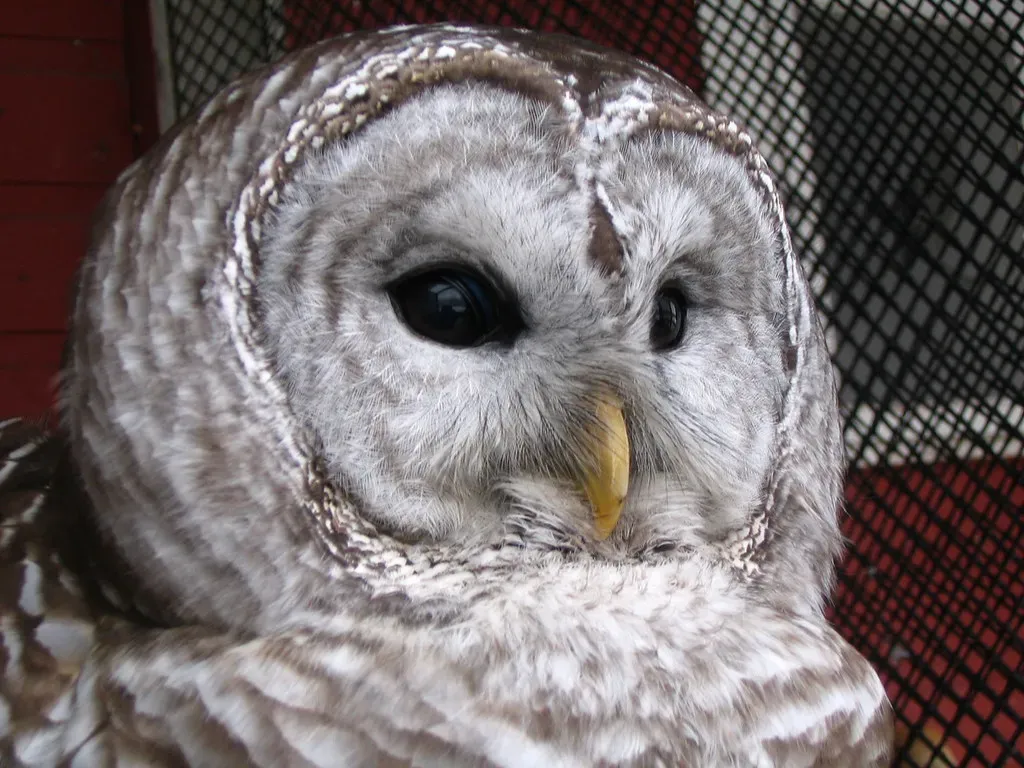
Not every tradition painted owls in purely negative tones. Ancient Greeks linked the bird to Athena, the goddess of wisdom, seeing its nighttime presence as a mark of insight and clear vision in darkness.
This dual reputation persisted across centuries. While some feared the call, others found reassurance in the idea that the owl represented hidden knowledge or guidance through uncertain times.
Specific Interpretations of Owl Sounds
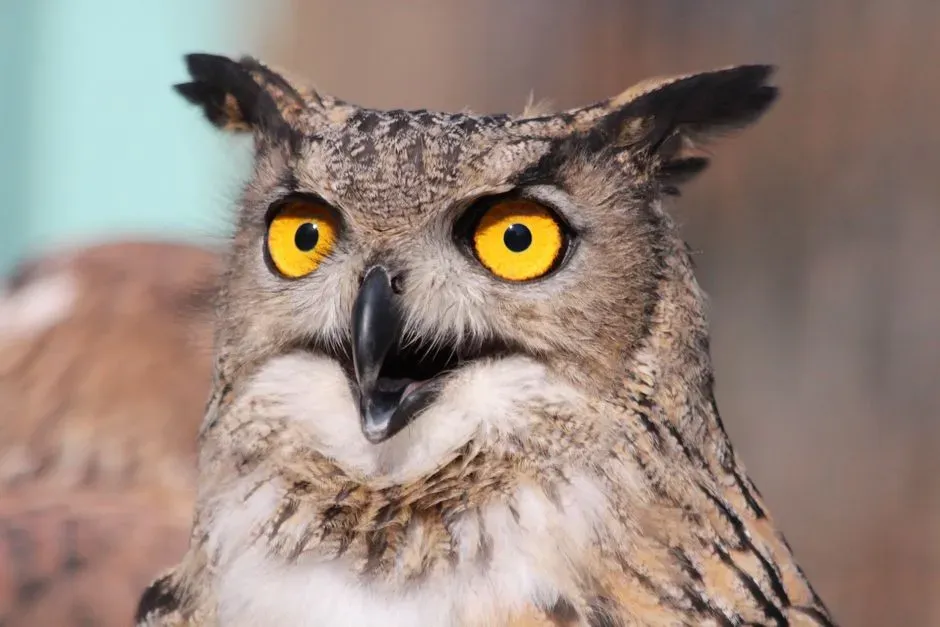
Folklore sometimes broke down meanings by the type of call or species involved. A deeper hoot might point to broader changes ahead, while sharper sounds were occasionally read as more immediate alerts.
People paid attention to repetition too. Multiple calls in succession were thought by some to strengthen whatever message the bird was believed to carry, whether that involved family matters or personal reflection.
Regional Differences in Beliefs
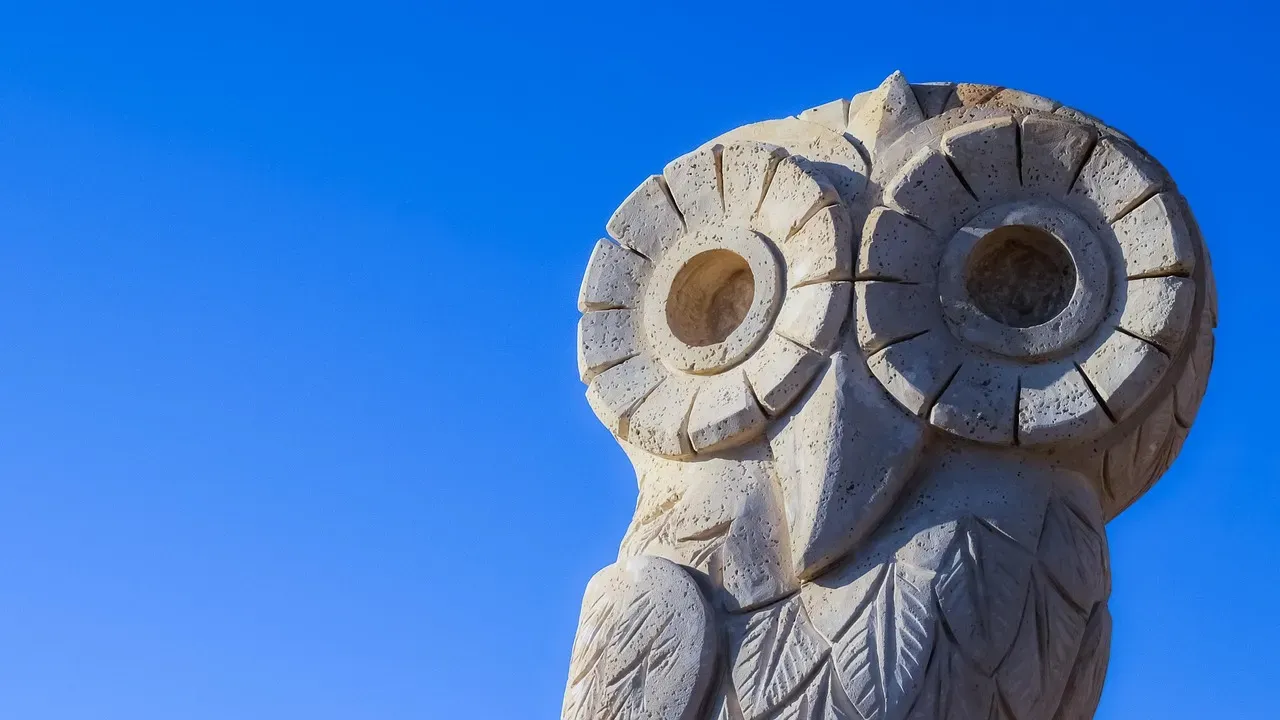
Interpretations shifted noticeably from one area to another. In certain Asian and Pacific traditions, owls near homes could relate to protection of the household or warnings about newborns, showing how local environments shaped the stories.
These variations highlight how the same sound took on different layers depending on community experiences with the natural world. What felt ominous in one place might have seemed neutral or even helpful elsewhere.
Owls and Personal Transformation
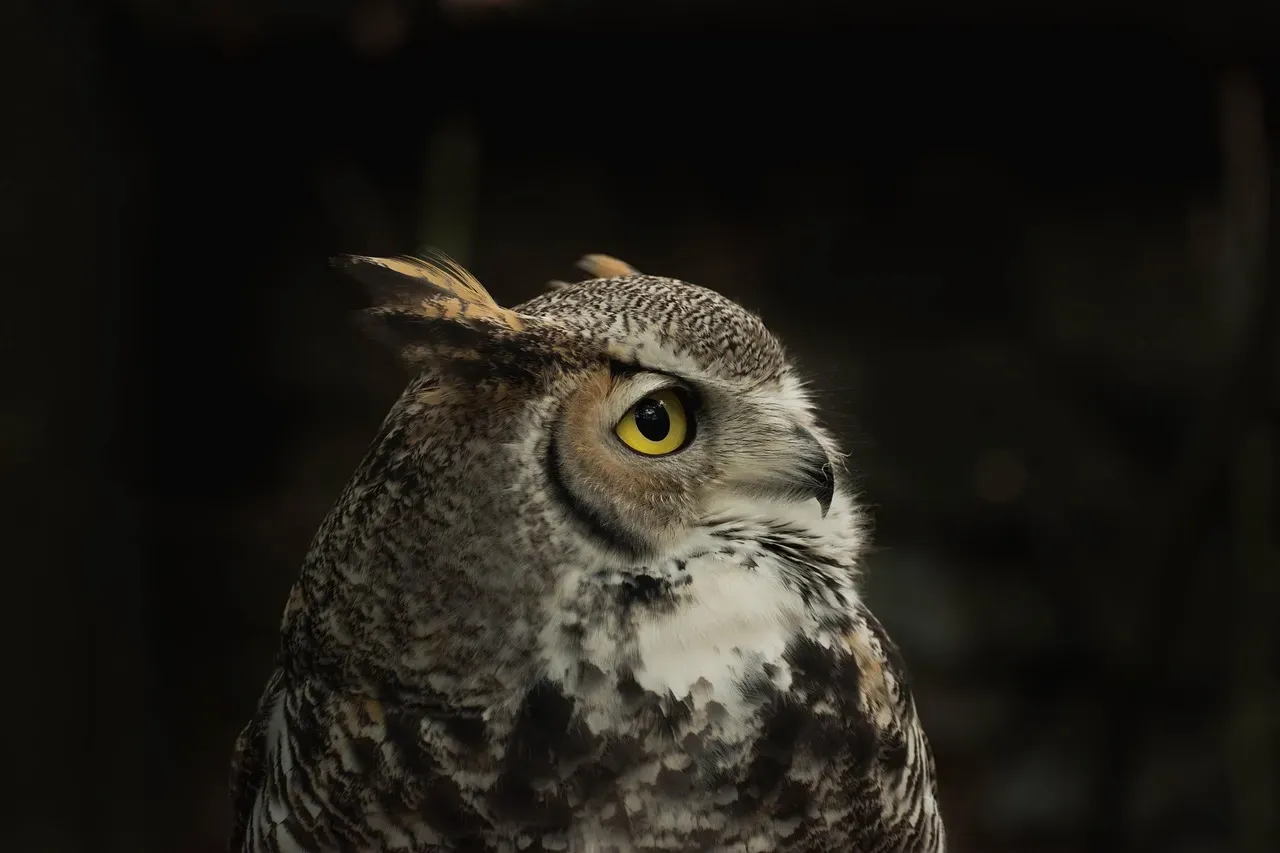
Some accounts frame the nighttime call as an invitation to pause and consider upcoming shifts in life. The bird’s ability to navigate darkness became a metaphor for moving through personal challenges with greater awareness.
Hearing one repeatedly near a house encouraged listeners in these traditions to stay attentive to subtle changes around them. The emphasis fell on quiet observation rather than fear.
Listening With Context Today
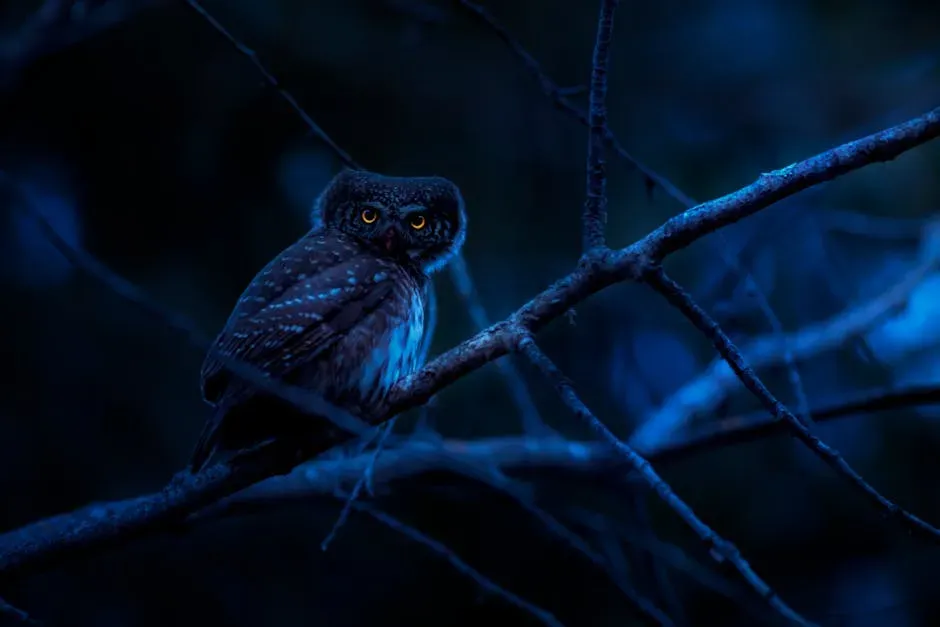
Centuries of stories remind us that owl calls have always invited interpretation rather than offered fixed answers. What matters most is the blend of cultural background and personal circumstance that shapes how any given listener receives the sound.
In the end, these old beliefs encourage a deeper respect for the natural rhythms that continue outside our windows. An owl calling near the house at night still prompts reflection, even if the precise meaning remains open to the individual hearing it.
