
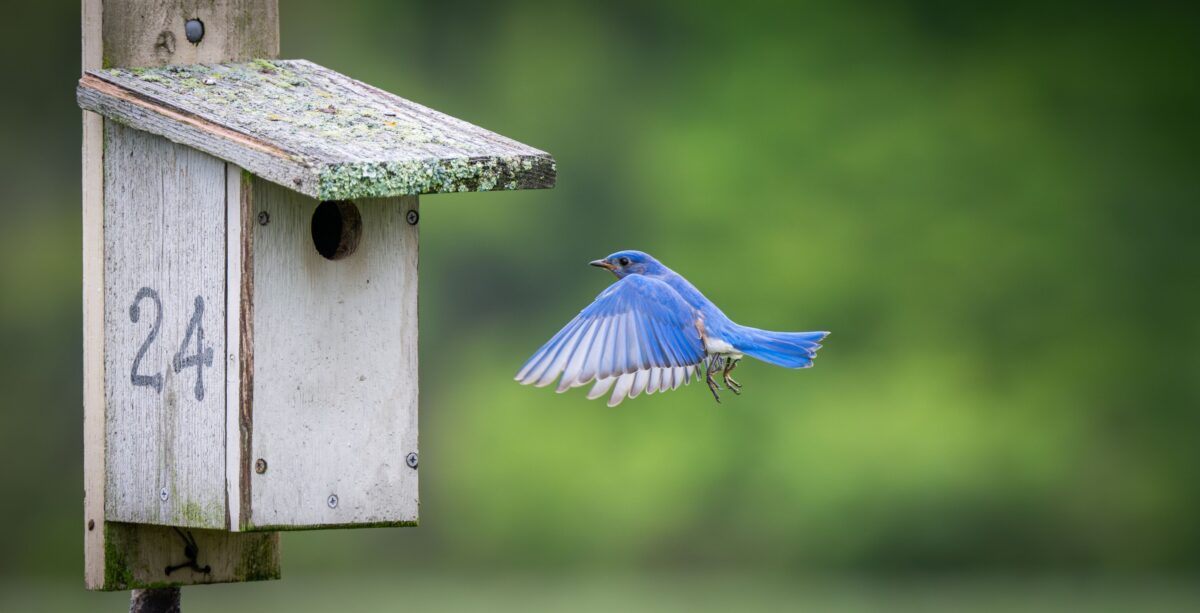
There’s a particular kind of quiet that settles over a yard when the bluebirds stop coming. One week you’re watching a pair ferry twigs and grass into the box, the next you’re staring at an empty entrance hole, wondering if you imagined the whole thing. It’s a common enough experience among people who put up nest boxes, and it usually has less to do with bad luck and more to do with a handful of predictable, explainable causes that even seasoned birders sometimes overlook.
A Predator Made an Appearance Near the Box
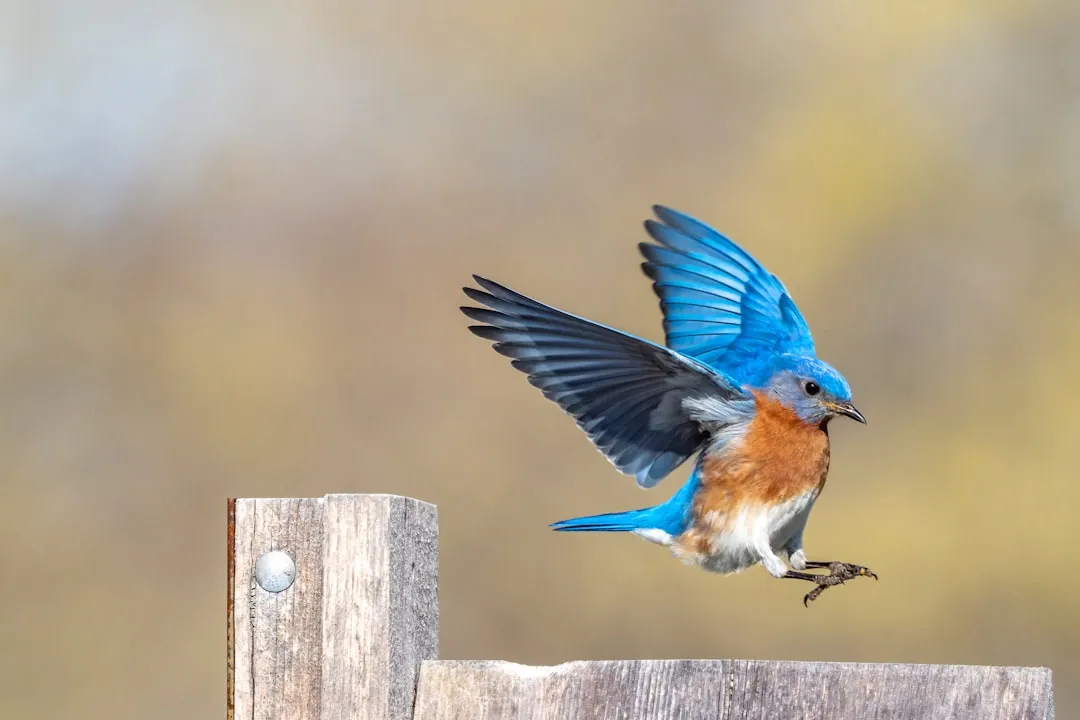
Predators are often the first suspect, and for good reason. Raccoons, snakes, and outdoor cats are the three animals most likely to threaten a backyard bluebird nest, and evidence of their visits, scratches on the pole, disturbed nesting material, or broken eggshells scattered below, is usually easy to spot if you know what to look for. These three animals, cats, raccoons, and snakes, are the main predators bluebirds face in the average backyard, and while cats mostly threaten adult birds, raccoons and snakes will actually reach into the box to take eggs and nestlings.
Interestingly, research suggests bluebirds are not quite as jumpy as people assume. A recent study found that simply observing a predator at the nest box one time is not likely to cause abandonment. In a controlled experiment using a rubber snake positioned at the entrance hole, the results were counter-intuitive, since bluebirds were no more likely to abandon their nest after being presented with a rubber snake than when presented with a harmless bird. What does seem to matter is repetition. Frequent visits by a predator would almost certainly discourage nesting, so a single scare might not be the end of the story, but a pattern of return visits usually is.
House Sparrows or Starlings Took Over the Territory
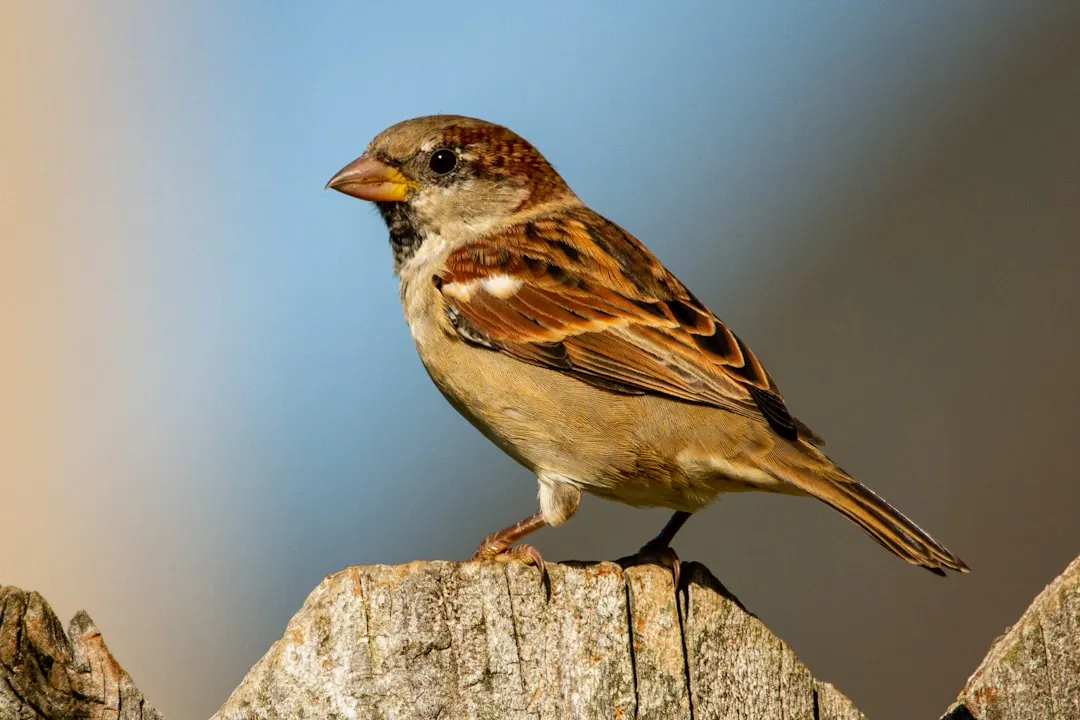
Competition for cavities is fierce, and bluebirds often lose that fight. House Sparrows are probably the number one enemy of bluebirds, capable of entering the box’s small round hole, and known to attack and kill adult bluebirds, sometimes trapping them inside, while destroying eggs and nestlings. If your bluebirds vanish right around the time a scrappy little brown and gray bird starts hanging around the box, that’s rarely a coincidence.
Starlings pose a similar problem, though they’re usually kept out by hole size alone. Starlings can be aggressive nestbox stealers, though the frequency of this problem drops to none if the box restricts the entrance to about one and a half inches in diameter. House wrens are a subtler threat. Wrens are very territorial and will sometimes enter a bluebird box to destroy eggs by piercing them with their long beak, which can lead the bluebirds to abandon the nest entirely. Checking the box for a messy nest of grass, feathers, or small punctured eggs can tell you a lot about who’s really behind the disappearance.
The First Brood Simply Finished and Moved On
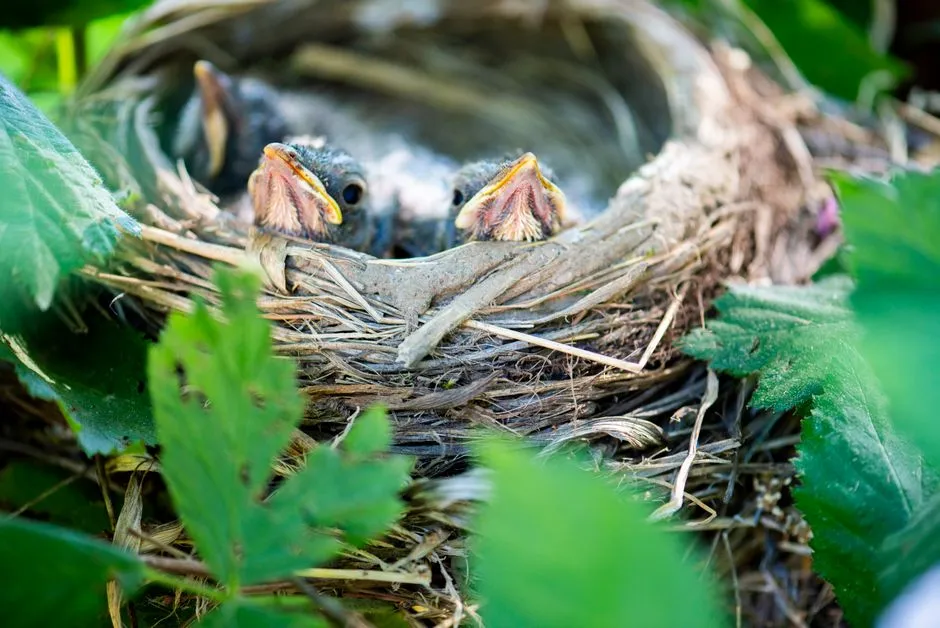
Not every disappearance is a tragedy. Sometimes the parents you were watching successfully raised their young and the whole family cleared out within a matter of hours, which can look sudden if you weren’t watching closely. Usually, the entire brood of fledglings leaves the box within two hours, and the young can fly fifty to one hundred feet on their first flight, trying to land in a bush or low branch to avoid predators.
After that first flight, the adults don’t necessarily vanish forever. The adults continue to care for the young and teach them to forage, with the male often continuing that job while the female begins her second or third nest. If your box goes quiet for a week or two after a successful hatch, there’s a reasonable chance the same pair, or a related pair, will be back to start a fresh clutch. It’s worth resisting the urge to declare the nest a failure until you’ve given it a proper stretch of time.
Weather Turned Against Them
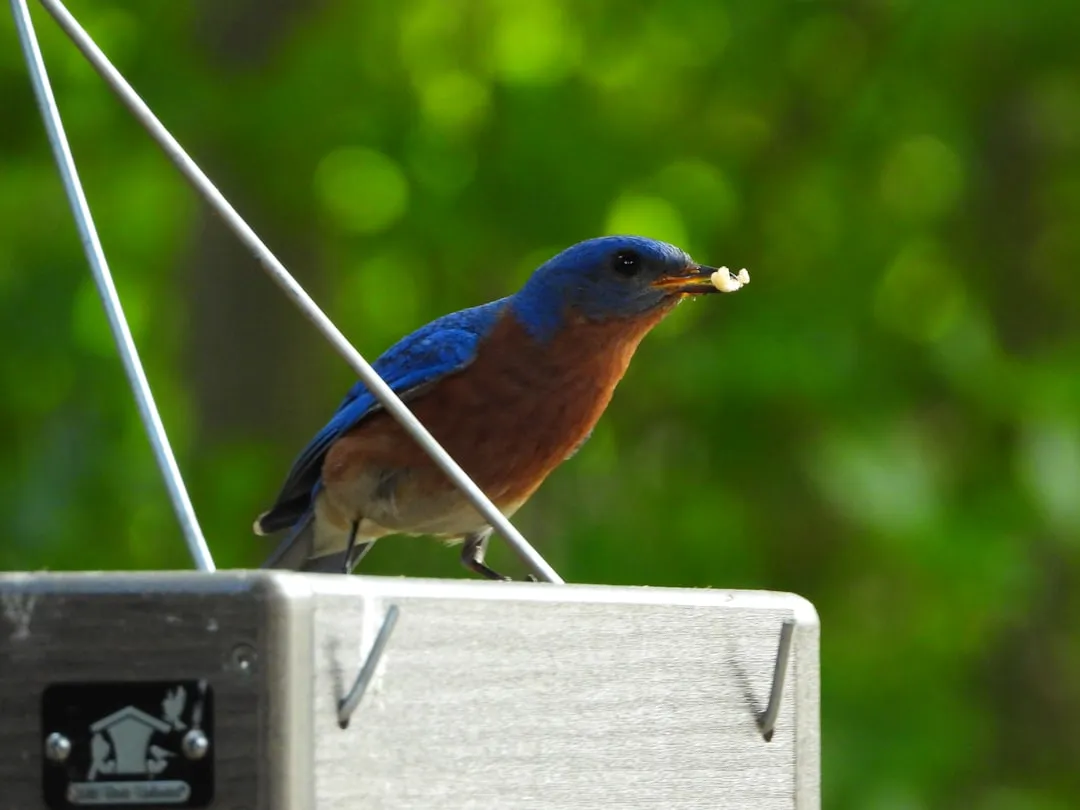
Bluebirds are surprisingly sensitive to temperature swings, especially early in the season. Cold weather suppresses insect population growth and makes them less mobile and harder to detect, forcing bluebirds to spend more time looking for food, sometimes ignoring the eggs or temporarily moving to areas where food can be found. A cold snap that seems mild to us can be enough to push a pair off the nest for days at a time.
Heat carries its own risks, particularly in boxes with poor airflow. Overheating becomes an issue during summer months, and if a nest box climbs above 107 degrees Fahrenheit, the eggs and nestlings cannot survive, at which point the parents realize the eggs are no longer viable and either start over or move to a new site. This is one reason ventilation slots matter so much in box design. A box baking in full afternoon sun is often a quieter box, not because the birds gave up on parenting, but because the physics of the situation left them no good option.
One of the Parents Was Lost
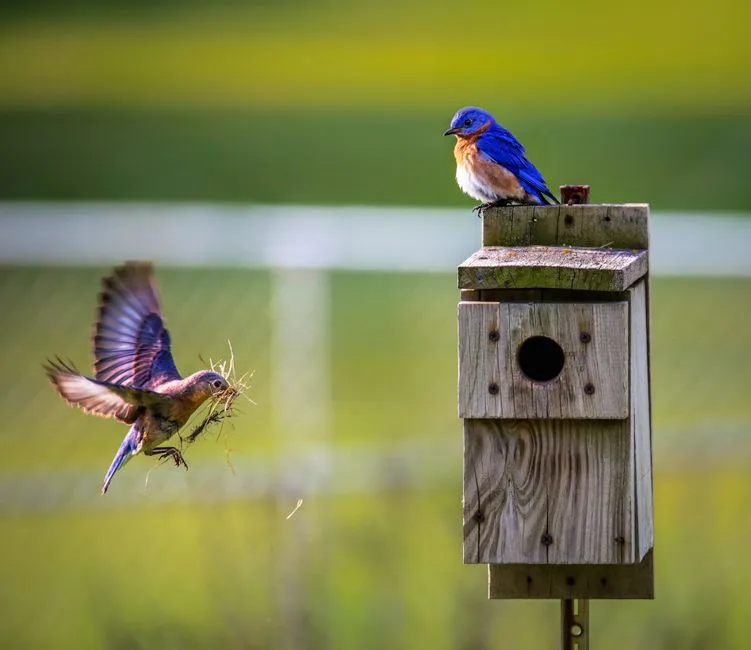
It’s an uncomfortable possibility, but it happens more than people realize. Based on field observations, a mated bluebird pair is more likely to abandon its eggs if either the male or the female has died. A single bluebird trying to incubate eggs and forage alone is fighting long odds, and instinct often steers the survivor toward starting over with a new mate rather than persisting.
This dynamic can look strange from the outside, especially if you’d grown attached to watching a particular pair. Whether a male or female bluebird dies, the other is barely able to hatch and raise the young on their own, and while some will try, the more common outcome is finding a new mate and restarting breeding. If you notice only one adult coming and going where there used to be two, and that pattern continues for more than a few days, this is one of the more likely explanations, particularly if there’s no obvious sign of a predator raid.
Something Changed Around the Box Itself
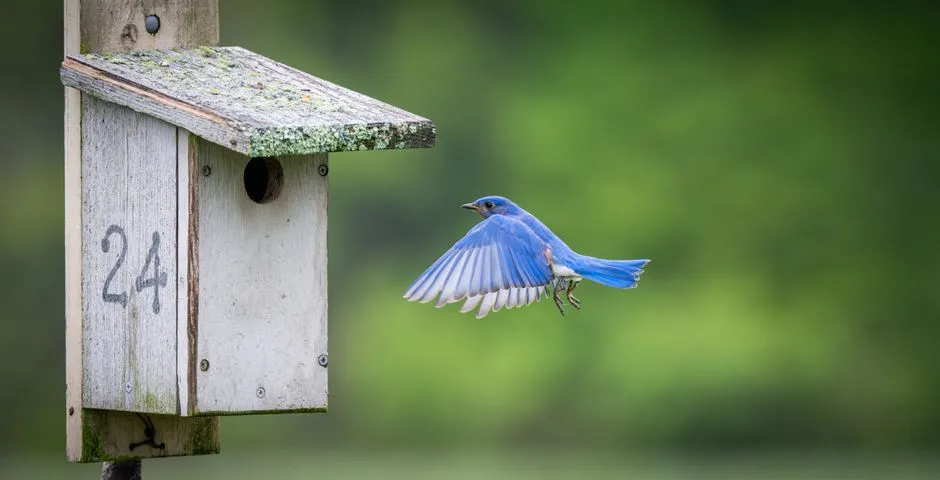
Bluebirds are more particular about their surroundings than many backyard birds. They are very sensitive to their environment, and unlike species that adapt easily, they need certain conditions to feel safe, so if something changes or feels wrong, they may leave quickly. A new shed, a parked vehicle, freshly applied paint, or even a garden hose left in an unfamiliar spot can be enough to unsettle a pair that had otherwise seemed committed.
Placement problems that seemed fine at first can also surface later in the season. Bluebirds prefer open spaces and low grass, rarely nesting in wooded areas, and their boxes need to sit in the right spot, facing away from busy roads or noisy places. Wasps building under the roof are another quiet disruptor. Wasps will force bluebirds to abandon the nest box, so it is wise to prevent them from building a nest there in the first place. None of these triggers are dramatic on their own, but bluebirds seem to weigh small details more heavily than we’d expect.
Sometimes the Reason Stays a Mystery
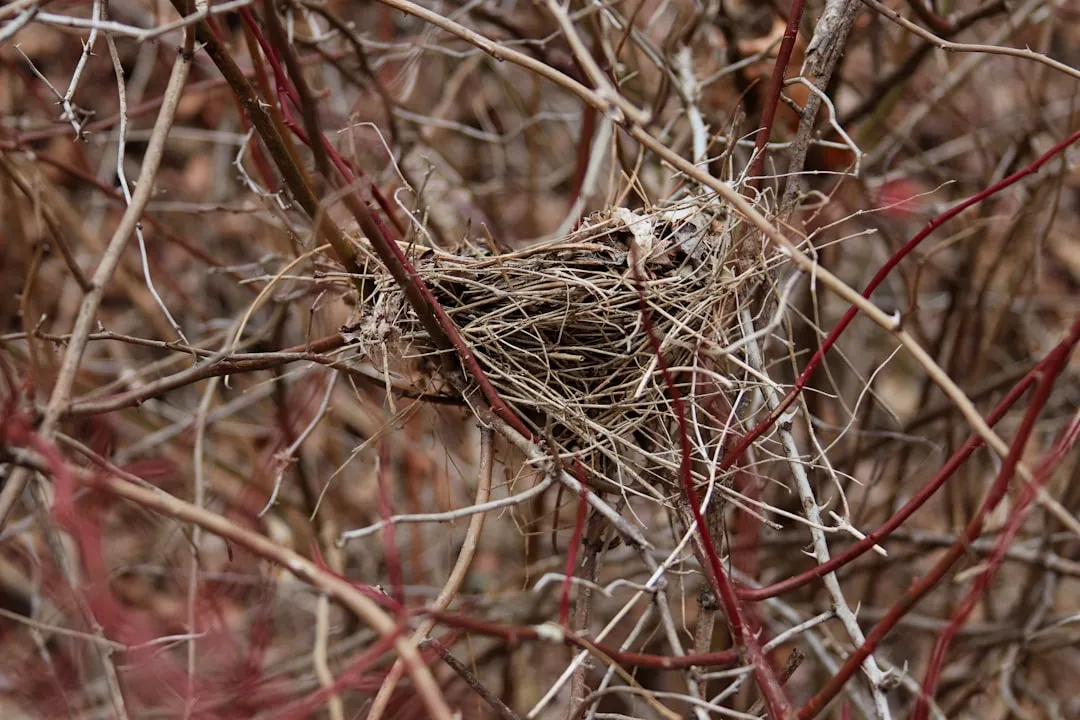
After ruling out predators, competitors, weather, and the natural end of a nesting cycle, some cases simply don’t resolve into a clean explanation. If it has been several weeks since you last saw the parents, something happened, whether a predator took one of them or the pair decided nesting there had become risky, and often we may never know the real reason. That uncertainty can be frustrating for anyone who was genuinely invested in a pair’s success.
What research does suggest is that failure at one site changes future behavior. Parents are very likely to avoid a nest site that has previously failed due to predators, so if a nest box has stopped attracting birds, relocating it may be worth considering. Wildlife groups generally recommend patience before assuming the worst. Leaving eggs in the box for at least two weeks after signs of abandonment is standard advice, and if no adults return in that window, it’s reasonable to remove and dispose of the eggs, then clean the box for future use. Even then, a fresh pair often discovers the same box later in the same season.
A Final Thought
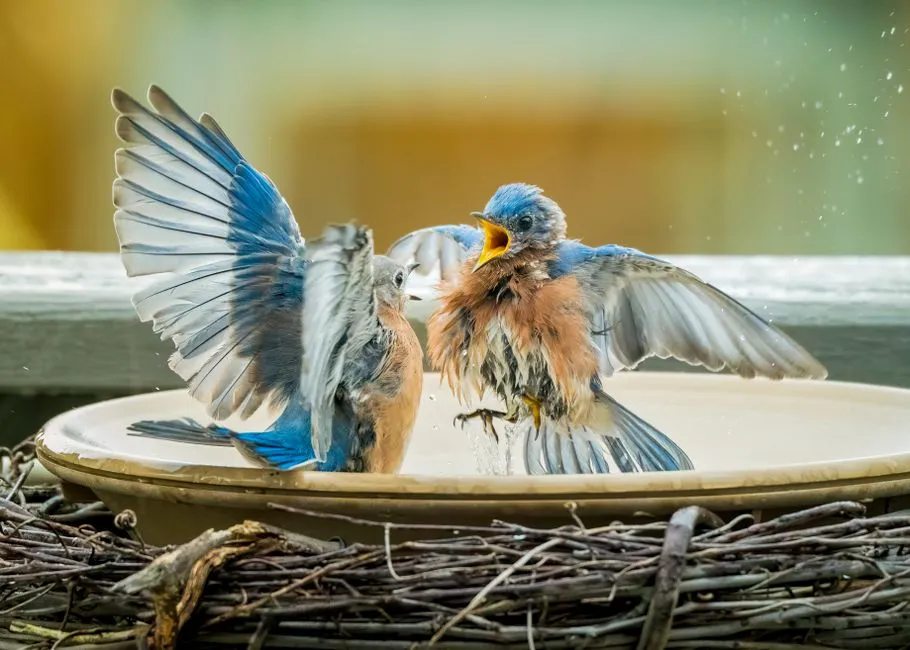
After going through all the likely explanations, I’ll admit a slight bias toward patience over panic. Most people jump straight to worst case scenarios, assuming a lost pair means a failed yard or a box that did something wrong, when the truth is usually more mundane: a cold week, a nosy sparrow, a family that simply finished its job and moved along quietly. Bluebirds are resilient in ways that don’t always match the emotional weight we put on watching them.
None of this means vigilance is pointless. A predator guard, a well ventilated box, and a spot away from dense brush genuinely tip the odds in your favor, and they’re worth the effort. Still, an empty box in July isn’t always a verdict on your yard. More often than not, it’s just bluebirds being bluebirds, following instincts that were working long before anyone ever nailed a wooden box to a pole.
