
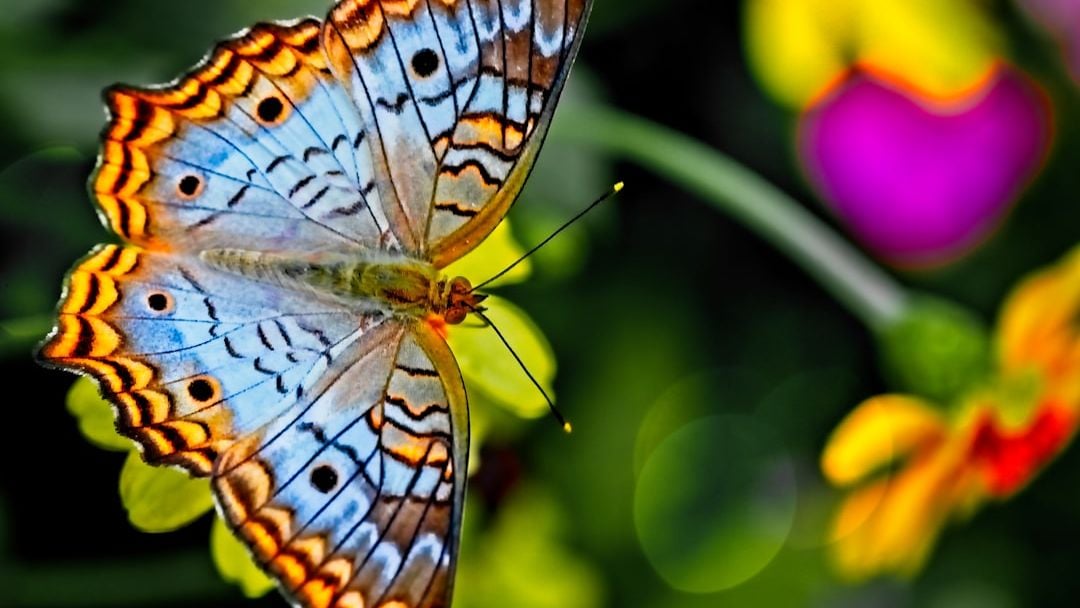
Butterflies drifting along beside you as you walk through a garden or down a quiet path can feel like more than chance. Their delicate wings keep pace with your steps, landing nearby again and again, and the moment lingers in memory long after they flutter off.
People often wonder what draws these insects so persistently. The answer lies in a straightforward biological drive that researchers have documented across many species and environments.
The Pull of Salt and Sweat
🔥 Would you like to save this?
We'll email this post to you, so you can come back to it later!
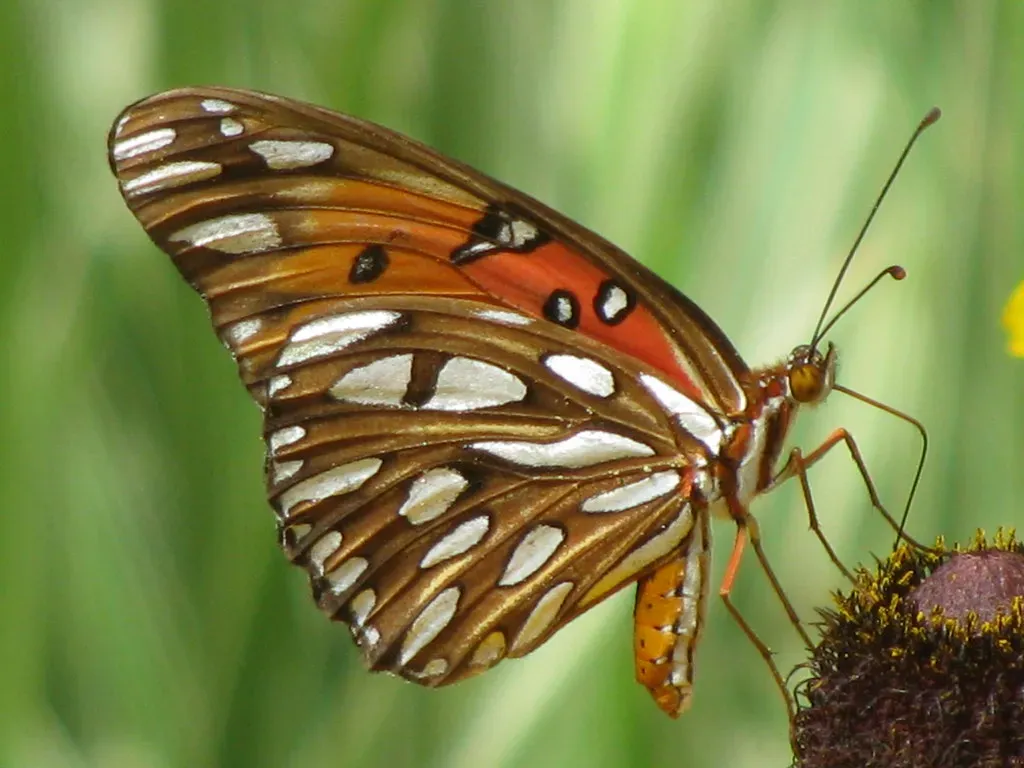
Butterflies require sodium and other minerals that nectar alone cannot supply in sufficient amounts. Human skin releases these through sweat and natural oils, creating a ready source that males in particular seek out during their active periods.
This behavior explains why certain individuals notice more encounters than others. Those who have been active outdoors or carry stronger scents from exertion become temporary targets for the insects searching for nutrients.
Puddling as a Survival Strategy
🔥 Would you like to save this?
We'll email this post to you, so you can come back to it later!
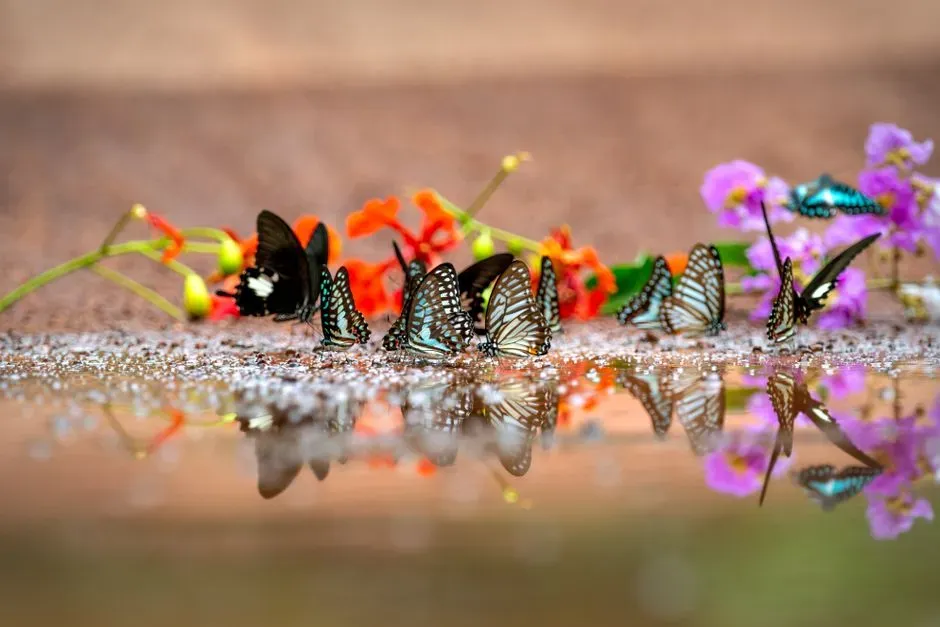
Male butterflies gather at damp patches of soil or along stream banks to drink and extract salts in a process called puddling. The same instinct extends to other moist surfaces when natural puddles are scarce.
They can spend extended time at these sites, ingesting large volumes of liquid while retaining the valuable minerals. This habit supports their overall health and prepares them for later stages of life.
Transferring Nutrients During Mating
🔥 Would you like to save this?
We'll email this post to you, so you can come back to it later!
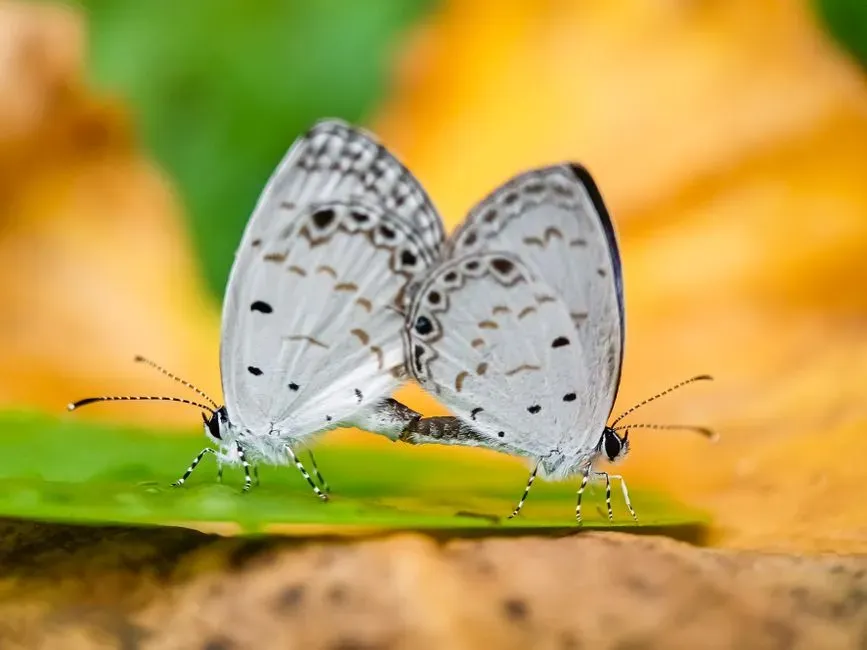
The minerals collected through puddling play a direct role in reproduction. Males package some of these resources into a gift passed to females during mating, which helps nourish developing eggs.
Without adequate salts, the quality of this transfer declines and reproductive success can suffer. The drive to locate sodium therefore influences much of their daily movement and choice of resting spots.
Why Certain People Attract More Attention
🔥 Would you like to save this?
We'll email this post to you, so you can come back to it later!
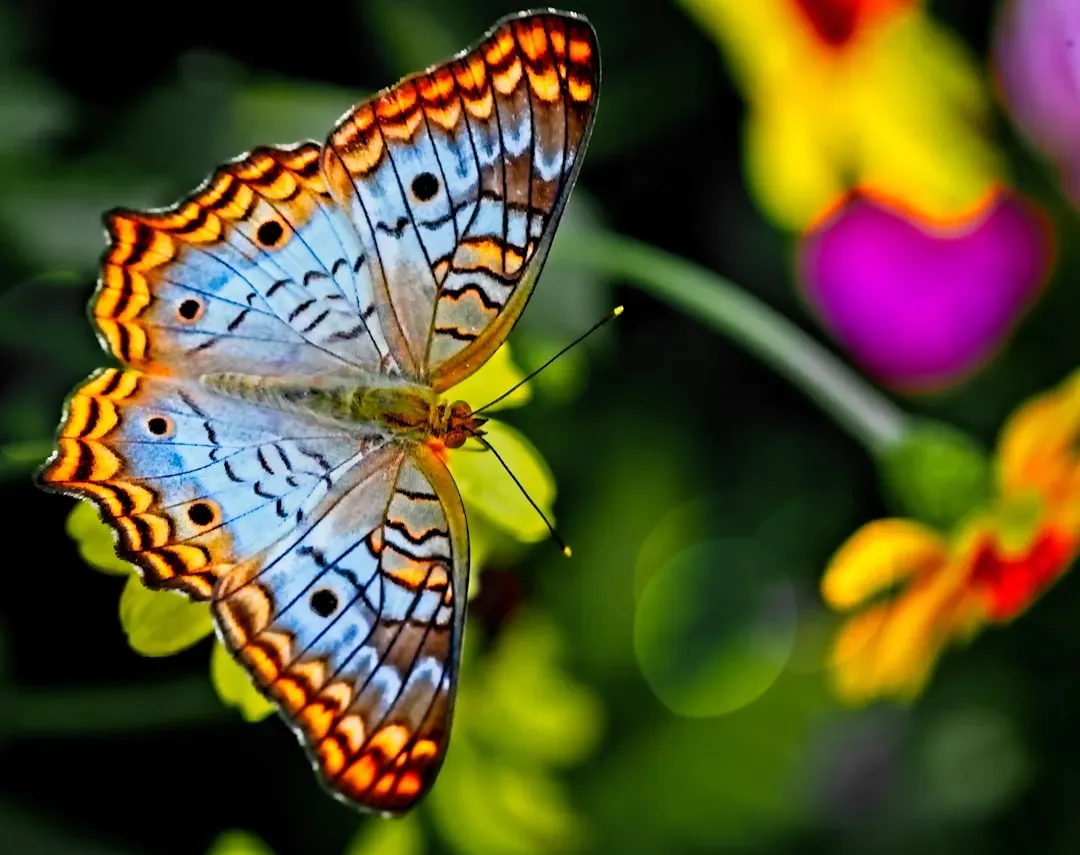
Individual differences in body chemistry influence how appealing someone appears to butterflies. Diet, activity level, and even the fabrics worn can alter the strength of the chemical signals released through the skin.
Bright clothing or perfumes may add visual or scent cues that compound the attraction. The combination creates a stronger invitation for the insects to investigate and linger.
Separating Symbolism From Science
🔥 Would you like to save this?
We'll email this post to you, so you can come back to it later!
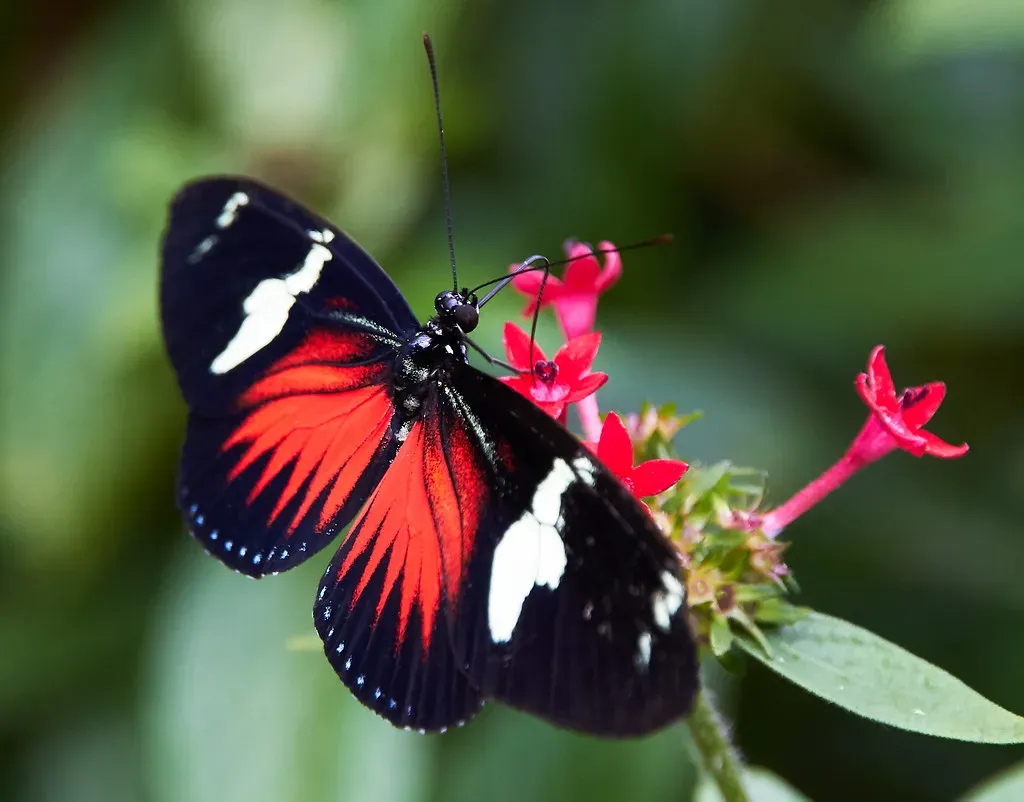
Cultural stories often attach deeper meanings to butterfly visits, yet the consistent pattern across observations points to nutrition rather than coincidence or message. The insects respond to environmental cues that humans happen to provide.
Understanding this mechanism removes some of the mystery while leaving room for appreciation of the encounter itself. The interaction remains striking even when explained through basic biology.
Observing the Behavior in Everyday Settings
🔥 Would you like to save this?
We'll email this post to you, so you can come back to it later!
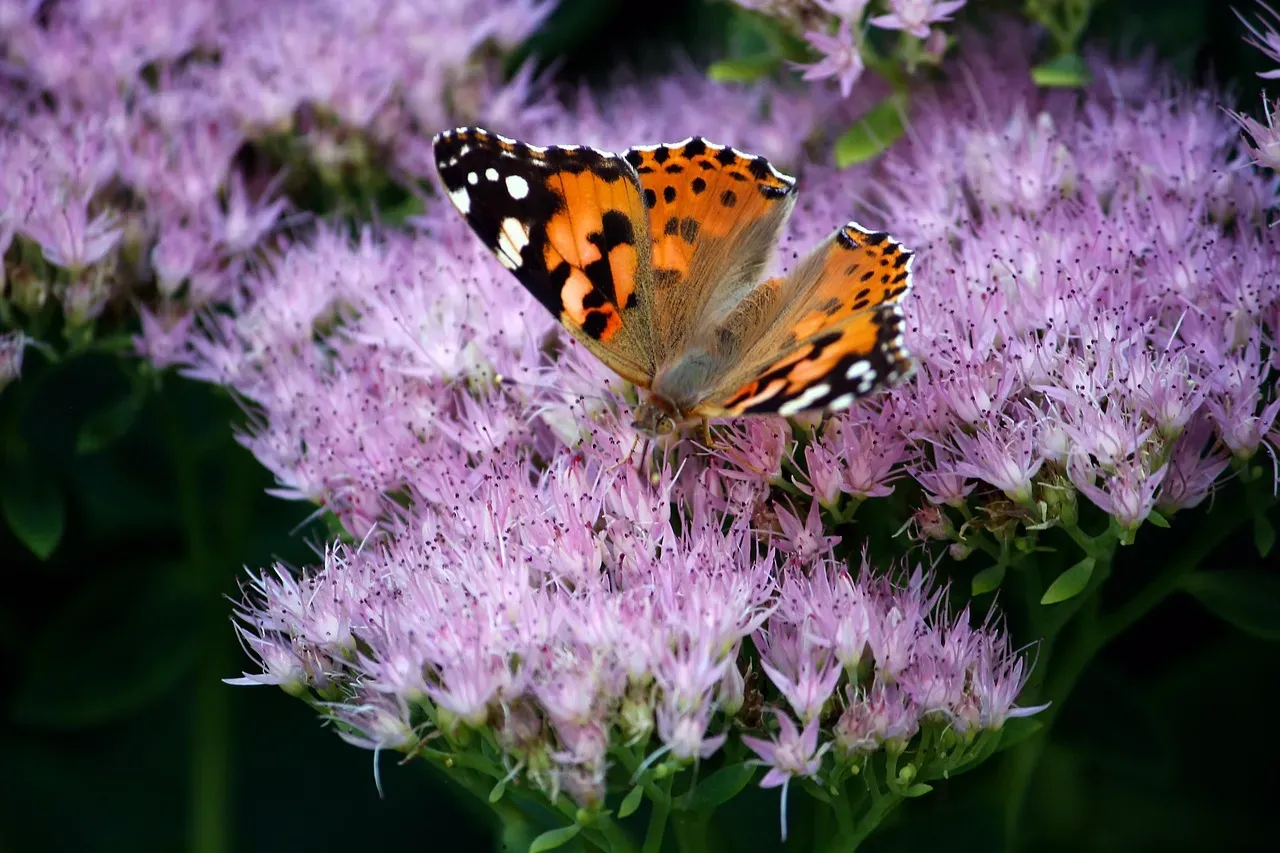
Gardens, parks, and hiking trails offer frequent opportunities to witness these moments. Butterflies may circle or land briefly before moving on once the immediate resource is sampled.
Repeated visits from the same area suggest the insects have learned reliable locations rather than forming any attachment to a person. Their movements reflect learned spatial patterns tied to food sources.
A Quiet Reminder of Shared Spaces
🔥 Would you like to save this?
We'll email this post to you, so you can come back to it later!
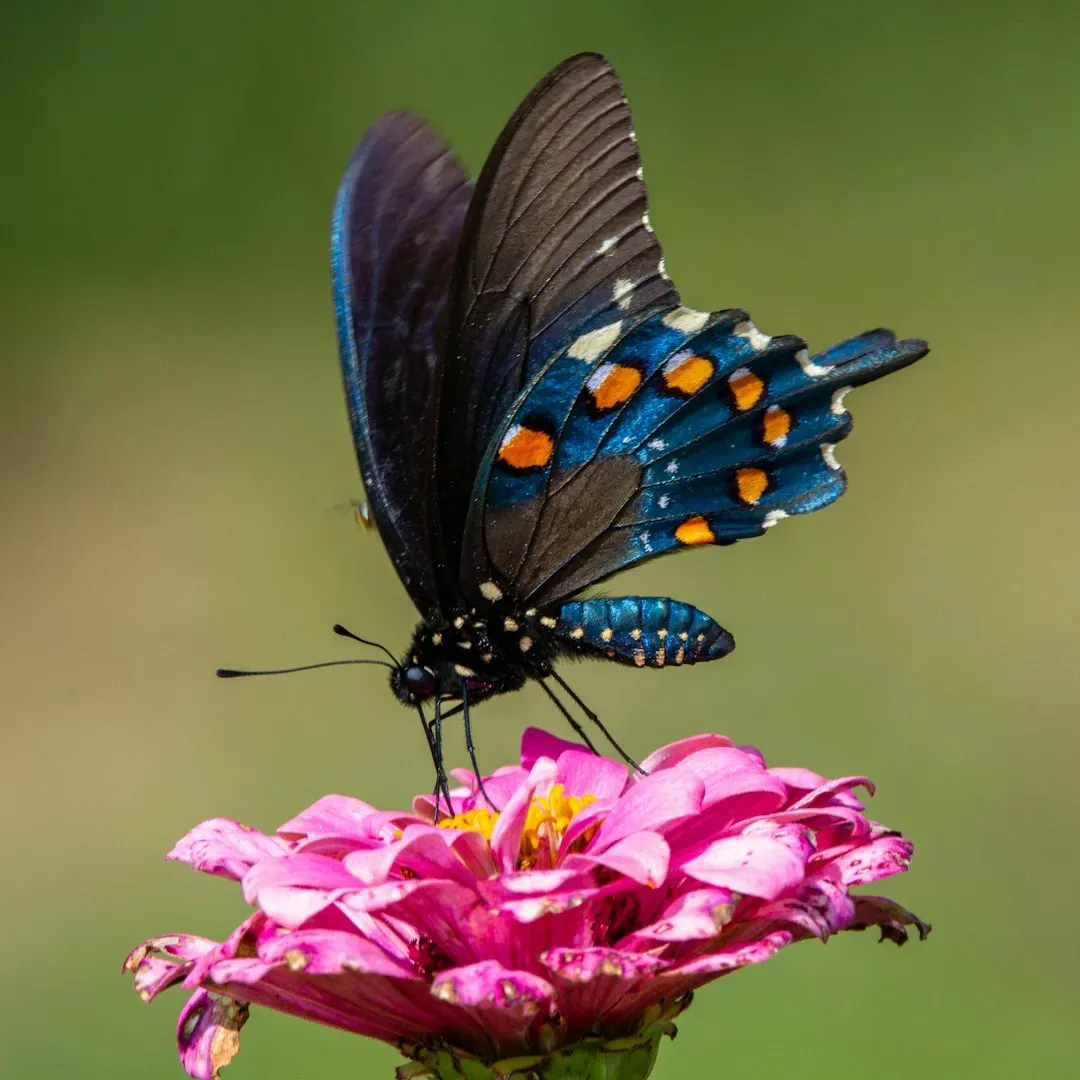
Recognizing the practical reason behind these encounters encourages a different kind of attention to the natural world around us. Small adjustments in how we move through outdoor spaces can turn fleeting sightings into more frequent, grounded observations.
In the end, the butterflies are simply following an ancient need that occasionally aligns with our own paths. That alignment offers a modest but real connection worth noticing as we continue on our way.

- What Egyptian God Are You According to Your Zodiac Sign - November 5, 2026
- Embracing the Quiet Magic of Adopting a Senior Dog - November 5, 2026
- Scientists May Have Miscalculated Our Global Warming Timeline - November 5, 2026