
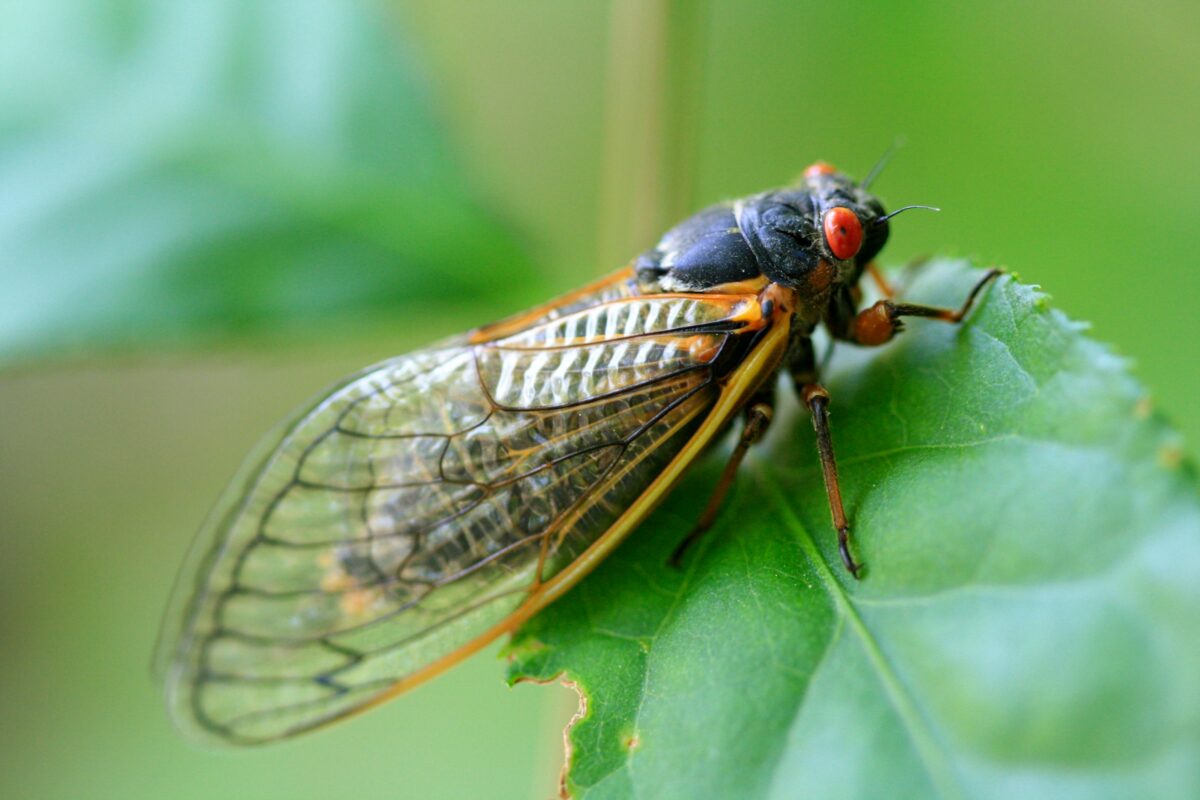
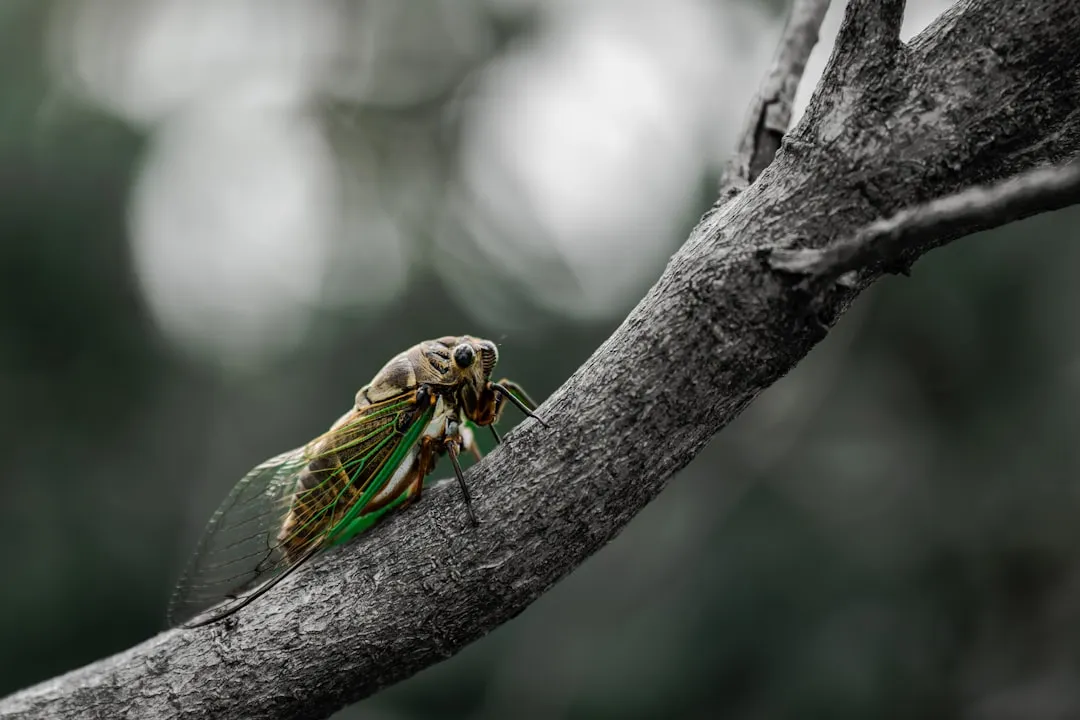
The sudden silence of cicadas, those relentless summer serenaders, can be as startling as their deafening chorus. One moment, the air is filled with their buzzing symphony; the next, an eerie quiet prevails. This abrupt cessation isn’t random but a fascinating aspect of cicada behavior, deeply intertwined with their survival strategies and environmental interactions.
Environmental Triggers: The Role of Weather
🔥 Would you like to save this?
We'll email this post to you, so you can come back to it later!
Cicadas are highly sensitive to weather conditions. Rain, for instance, prompts them to seek shelter and fall silent. Despite their water-resistant wings, heavy rainfall poses risks, leading cicadas to hunker down under leaves or within tree bark crevices until the storm passes. This behavior ensures their safety during adverse weather.
Temperature fluctuations also influence cicada activity. As ectothermic creatures, their body temperature – and consequently their activity levels – are dictated by the ambient environment. A sudden drop in temperature, often accompanying rain or the onset of evening, can render their muscles less efficient, leading to a natural pause in their incessant calls.
Predator Presence: A Survival Mechanism
🔥 Would you like to save this?
We'll email this post to you, so you can come back to it later!
The abrupt silence of a cicada chorus often signals the detection of a predator. This collective muting serves as a defense mechanism, making it harder for predators to locate individual cicadas. Birds, for example, are common predators; their approach can trigger an immediate cessation of cicada songs, as the insects prioritize survival over mating calls.
This behavior isn’t limited to natural predators. Human disturbances, such as loud noises or sudden movements, can also cause cicadas to go silent. The synchronized stop in their chorus is a testament to their acute sensitivity to environmental changes and threats.
Energy Conservation: Balancing Act
🔥 Would you like to save this?
We'll email this post to you, so you can come back to it later!
Singing is an energy-intensive activity for cicadas. When environmental conditions become unfavorable – be it due to temperature drops, rain, or predator threats – cicadas conserve energy by ceasing their calls. This strategic pause ensures they have the stamina to resume their mating songs when conditions improve, optimizing their chances of reproduction.
This energy conservation is crucial, especially considering the short adult lifespan of cicadas. By selectively choosing when to sing, they maximize the effectiveness of their calls during optimal conditions, ensuring the continuation of their species.
Artificial Light: Disrupting Natural Rhythms
🔥 Would you like to save this?
We'll email this post to you, so you can come back to it later!
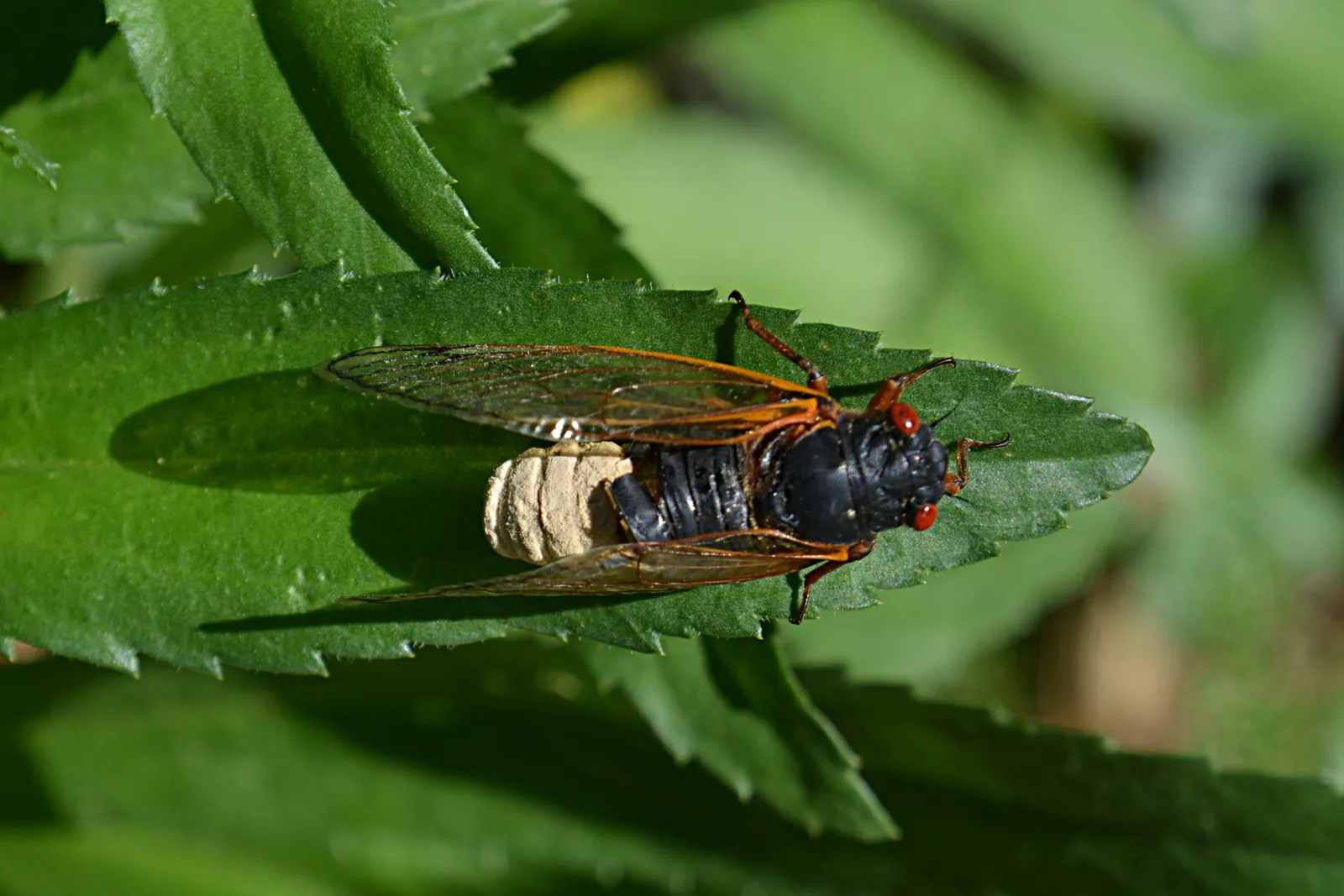
In urban environments, artificial lighting can disrupt the natural rhythms of cicadas. Streetlights and other artificial sources can confuse cicadas, leading them to continue their calls into the night. This disruption can cause irregular periods of silence and activity, deviating from their typical diurnal patterns.
Such disruptions highlight the impact of human activities on natural behaviors. While cicadas have adapted to various environmental cues over millennia, the relatively recent introduction of widespread artificial lighting presents new challenges to their established patterns.
Life Cycle Stages: Natural Progressions
🔥 Would you like to save this?
We'll email this post to you, so you can come back to it later!
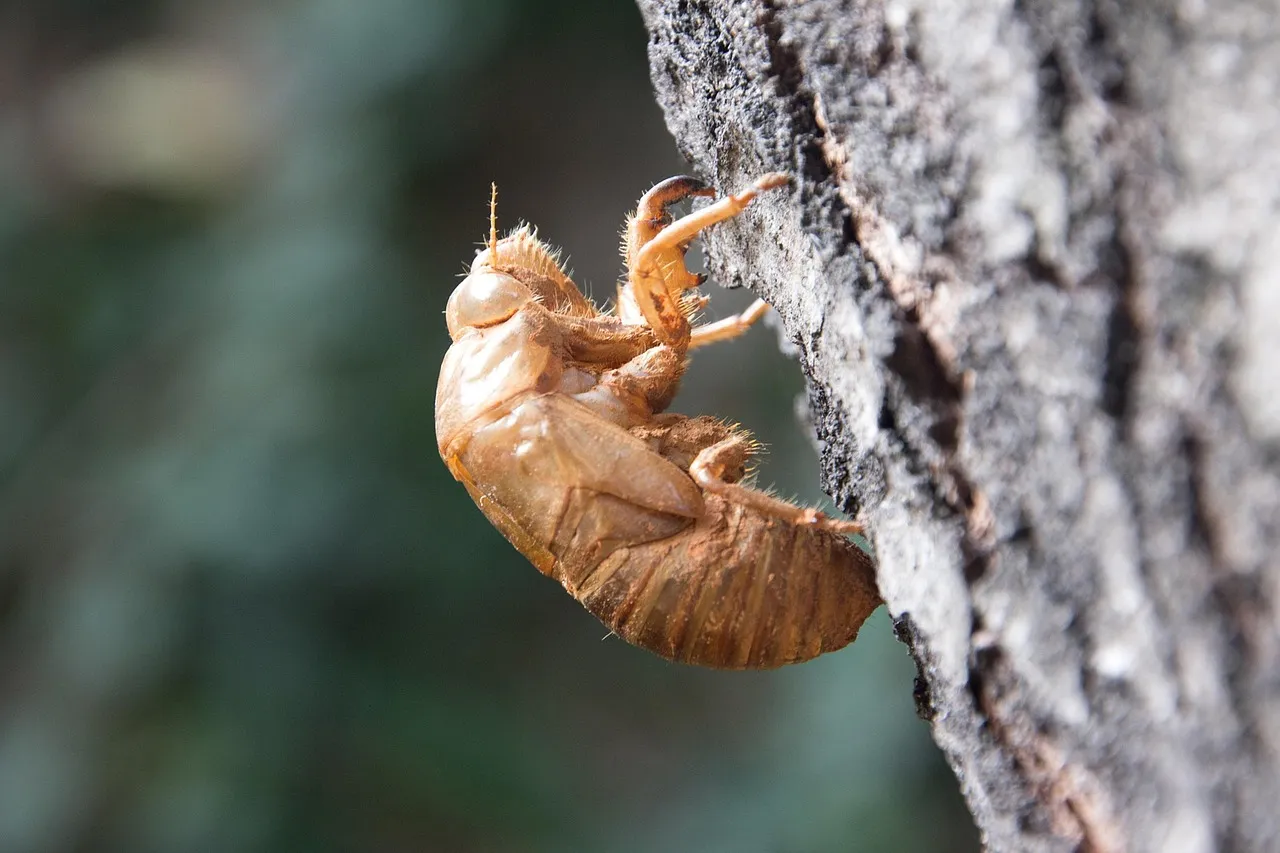
The life cycle of cicadas also plays a role in their periods of silence. After emerging from their nymphal stage, cicadas go through a period of maturation before they begin their characteristic singing. This initial silence is a natural part of their development, as they prepare for the reproductive phase of their lives.
Similarly, as the mating season concludes, the chorus gradually diminishes. The end of their adult stage is marked by a return to silence, as the next generation of nymphs begins their lengthy subterranean development, awaiting their turn to emerge and continue the cycle.
Species Variations: Not All Cicadas Are Alike
🔥 Would you like to save this?
We'll email this post to you, so you can come back to it later!
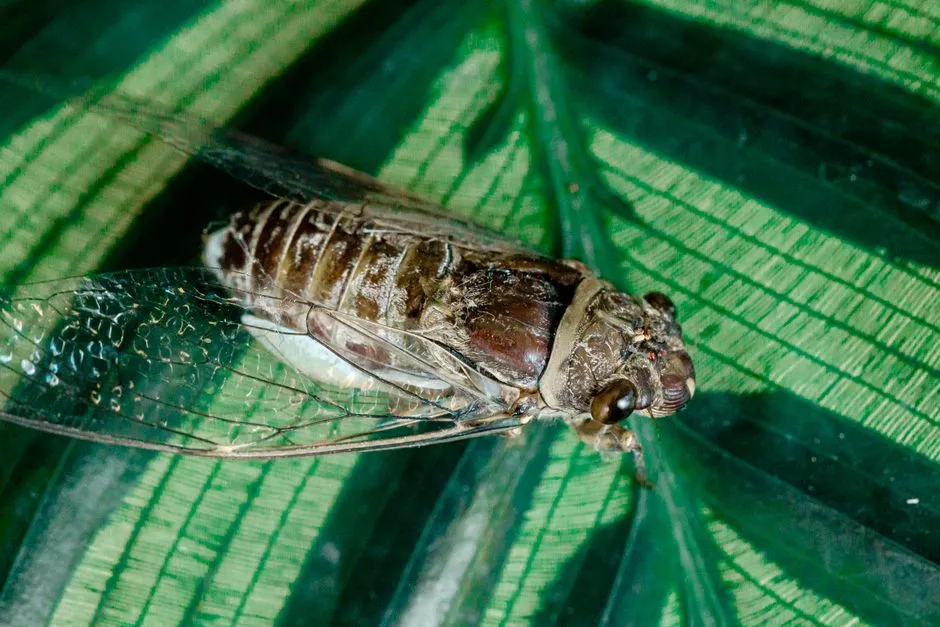
Different cicada species exhibit varying behaviors regarding their singing patterns. While many are diurnal, some species are known to sing at night, especially in warmer climates. These variations can lead to unexpected periods of silence or activity, depending on the species present in a given area.
Understanding these species-specific behaviors adds depth to our appreciation of cicadas. It reminds us that nature is not monolithic; even within a single group of insects, there exists a rich tapestry of behaviors and adaptations.
Human Perception: The Sound of Silence
🔥 Would you like to save this?
We'll email this post to you, so you can come back to it later!
For humans, the sudden silence of cicadas can be both a relief and a curiosity. After hours of relentless buzzing, the quiet can be startling, prompting questions about the cause. This interplay between sound and silence serves as a reminder of the dynamic nature of our environment and the intricate behaviors of the creatures that inhabit it.
Moreover, these moments of silence offer an opportunity for reflection. They prompt us to consider the delicate balance of ecosystems and the myriad factors that influence the behaviors of even the smallest inhabitants.
Conclusion: Embracing the Rhythms of Nature
🔥 Would you like to save this?
We'll email this post to you, so you can come back to it later!
The sudden silence of cicadas is a multifaceted phenomenon, rooted in environmental cues, survival strategies, and life cycle stages. It serves as a testament to the adaptability and complexity of these insects. As we navigate our increasingly urbanized world, it’s essential to recognize and respect these natural rhythms, understanding that even the smallest creatures have intricate lives deeply connected to the environment. So, the next time the cicada chorus abruptly stops, take a moment to appreciate the delicate dance of nature unfolding around you.

- 7 Everyday Habits That Can Make Your Senior Dog Happier - November 5, 2026
- 10 Enigmatic Structures That Continue to Puzzle Scientists Today - November 5, 2026
- 10 Strange Ruins in the Americas That Challenge What We Know About Early History - November 5, 2026