
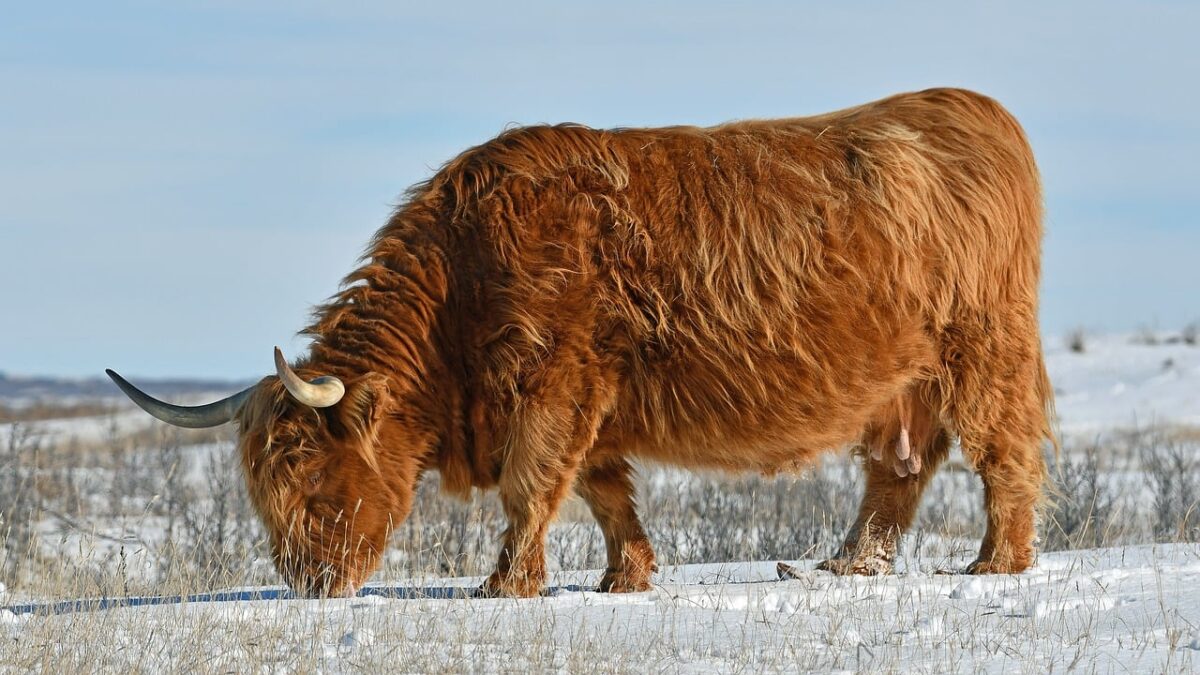
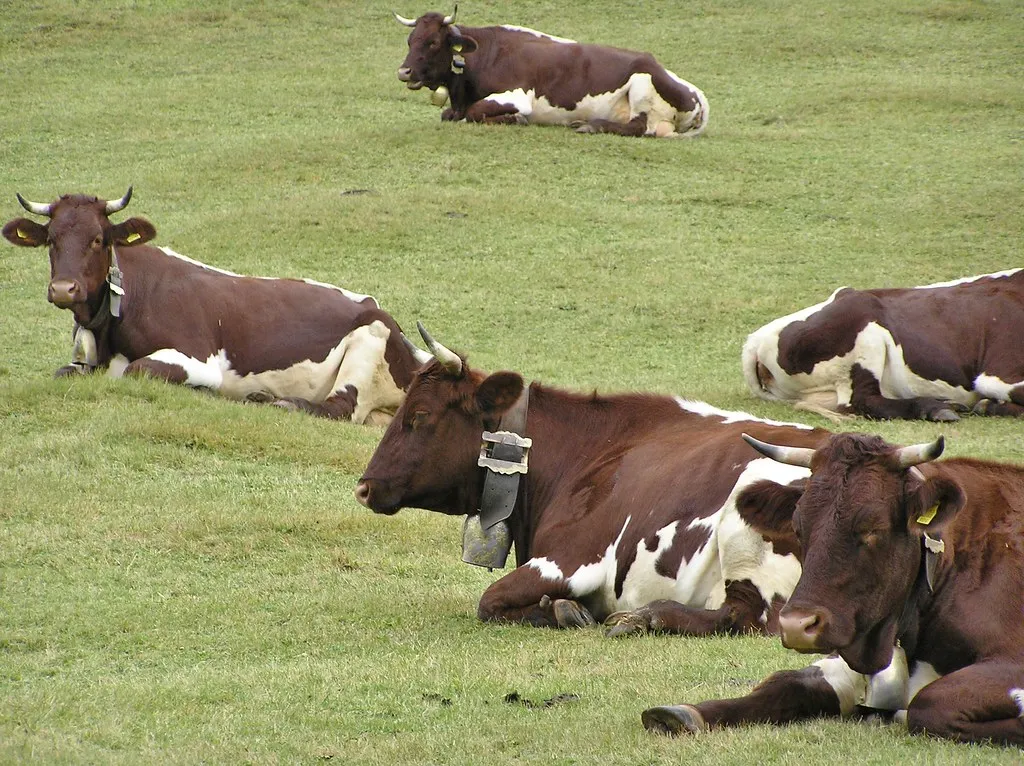
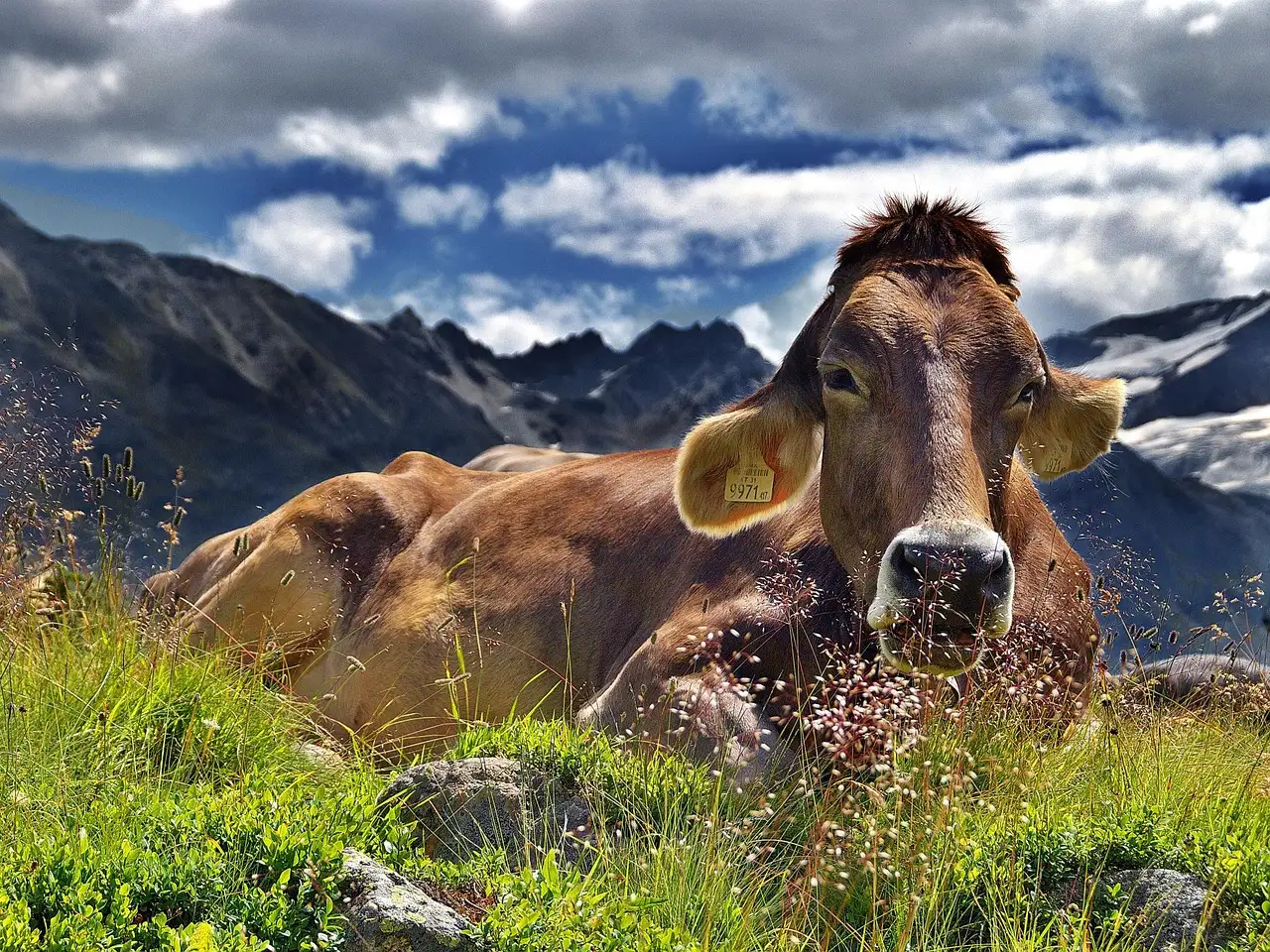
Ask almost anyone who grew up near a pasture, and they’ll have heard the saying. When the cows lie down in the field, rain is on the way. It gets passed along at kitchen tables and fence lines like a weather report with no radio required.
The odd part is how long it has stuck around. Plenty of old weather sayings have faded, yet this one still gets repeated, often with a shrug and a little smile. So what are people actually claiming, and does any of it hold up? The answer sits somewhere between honest observation and wishful pattern spotting.
Where the Saying Comes From
🔥 Would you like to save this?
We'll email this post to you, so you can come back to it later!
Farmers lived by the sky long before forecasts existed. Livestock were watched all day, every day, so changes in their behavior were hard to miss. A herd that suddenly settled into the grass became a small, memorable signal.
Versions of the belief turn up in rural traditions across Europe and North America, usually told as a rule of thumb rather than a promise. Folklore like this tends to travel by word of mouth, which means details shift from place to place. Some people say rain is hours away, others say a day, and a few say it only works in certain seasons.
What Folklore Says the Cows Are Sensing
🔥 Would you like to save this?
We'll email this post to you, so you can come back to it later!
The traditional explanation is simple. Animals feel something in the air that people can’t, and they respond by getting comfortable before the weather turns. Falling air pressure is the most common culprit named in these stories.
It’s a satisfying idea, and it fits the way people think about animals as natural barometers. Still, folklore rarely explains the mechanism. It just records what the observer saw and trusts the pattern.
Is There Science Behind the Barometer Theory?
🔥 Would you like to save this?
We'll email this post to you, so you can come back to it later!
This is where things get cloudy. Air pressure does drop ahead of many storm systems, and animals can be sensitive to changes in their environment. However, I’m not aware of solid, widely accepted evidence showing that cattle reliably lie down because of a pressure drop.
Researchers who study cattle behavior have found that weather does influence how much time cows spend lying or standing. Yet that’s different from proving a cow can predict rain. Anecdotes are plentiful, but clean proof for this specific saying is thin.
The Ordinary Reason Cows Lie Down
🔥 Would you like to save this?
We'll email this post to you, so you can come back to it later!
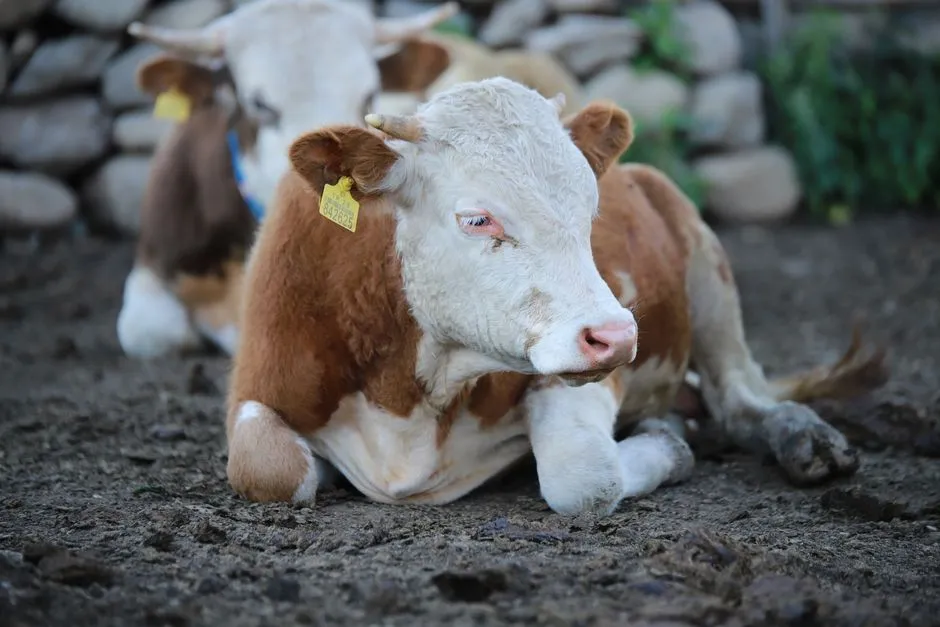
Cows spend a large share of each day resting, often well over half of it, and lying down is when they chew their cud and recover. So a herd lying down is simply normal behavior at many points in the day. That alone creates a lot of chances for coincidence.
If cows are lying down on a hundred afternoons and it rains on some of them, the memorable ones get retold. Nobody tells the story about the day the herd rested and the sky stayed blue. Human memory quietly keeps the hits and drops the misses.
Why Herds Tend to Move Together
🔥 Would you like to save this?
We'll email this post to you, so you can come back to it later!
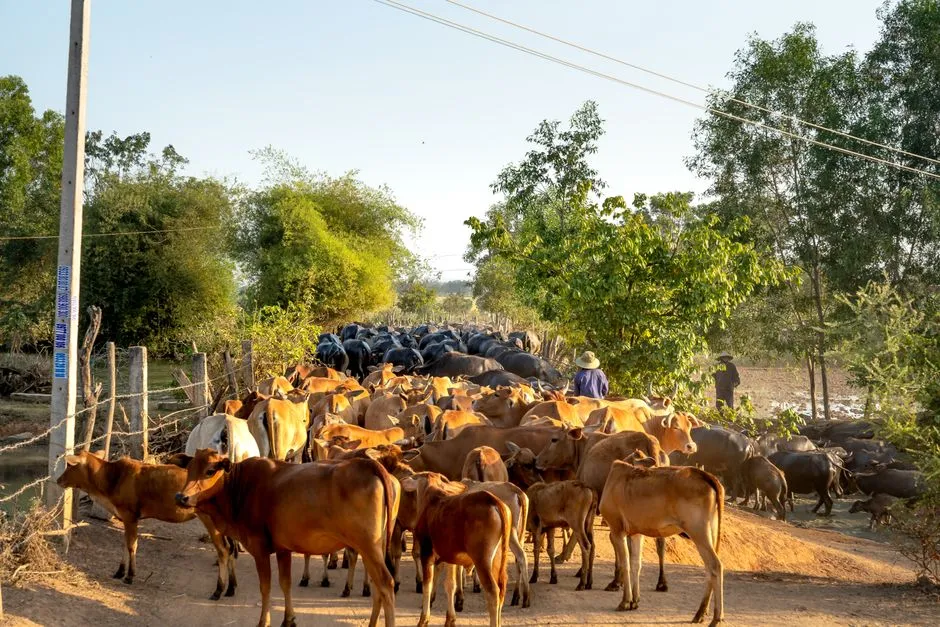
Cattle are social animals, and they often synchronize their behavior. When a few animals start grazing, others follow, and the same goes for resting. That’s why the scene looks so striking, with a whole group settling down at nearly the same moment.
So the togetherness itself isn’t mysterious. One or two cows lying down can nudge the rest into doing the same. The open question is only whether something about the weather gave that first nudge.
Other Weather Clues Cows Might Respond To
🔥 Would you like to save this?
We'll email this post to you, so you can come back to it later!
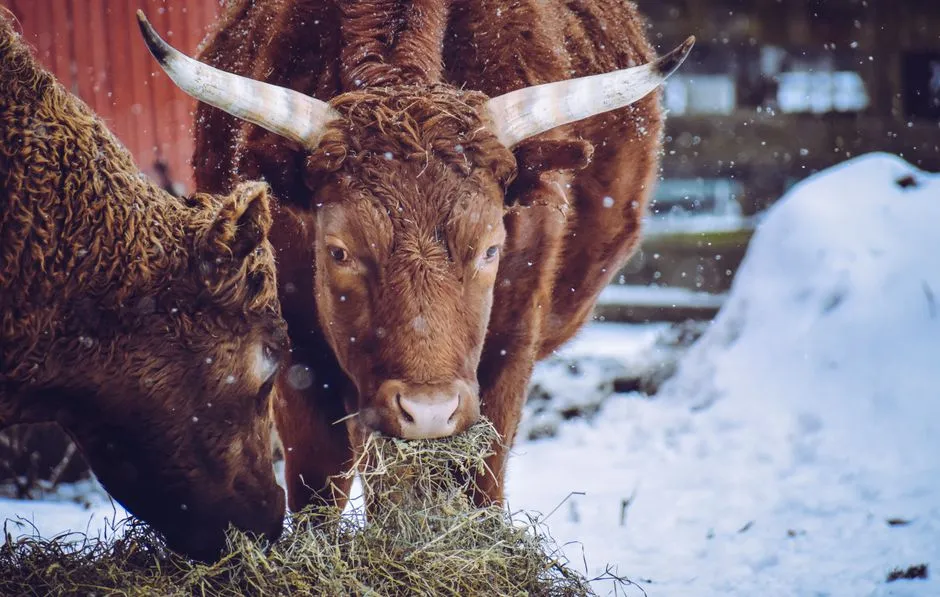
Before a storm, the air often turns heavy, humid, and still. Wind can shift, temperatures can change, and biting insects are said to become more bothersome. Any of these could change how comfortable a cow feels standing or resting.
Cattle also have sensitive hearing and smell, so distant thunder or changing scents on the breeze might register before people notice. That’s a plausible idea, though it’s an educated guess rather than something this folklore can prove. It’s also worth knowing that cows generally prefer not to lie on soaked ground, which complicates the story once rain actually arrives.
Why the Folklore Still Feels Believable
🔥 Would you like to save this?
We'll email this post to you, so you can come back to it later!
Part of the appeal is how much sense it makes emotionally. A herd gathering low to the ground feels like animals bracing for something. People love finding quiet intelligence in the natural world, and farm animals give us plenty of chances to imagine it.
There’s also a practical truth in how these sayings work. They were never meant to be laboratory results, only one clue among many, like cloud shapes, wind direction, and a stiff knee. Used that way, the cow rule is harmless, and sometimes it even lines up with the forecast.
How to Use the Saying Without Trusting It Too Much
🔥 Would you like to save this?
We'll email this post to you, so you can come back to it later!
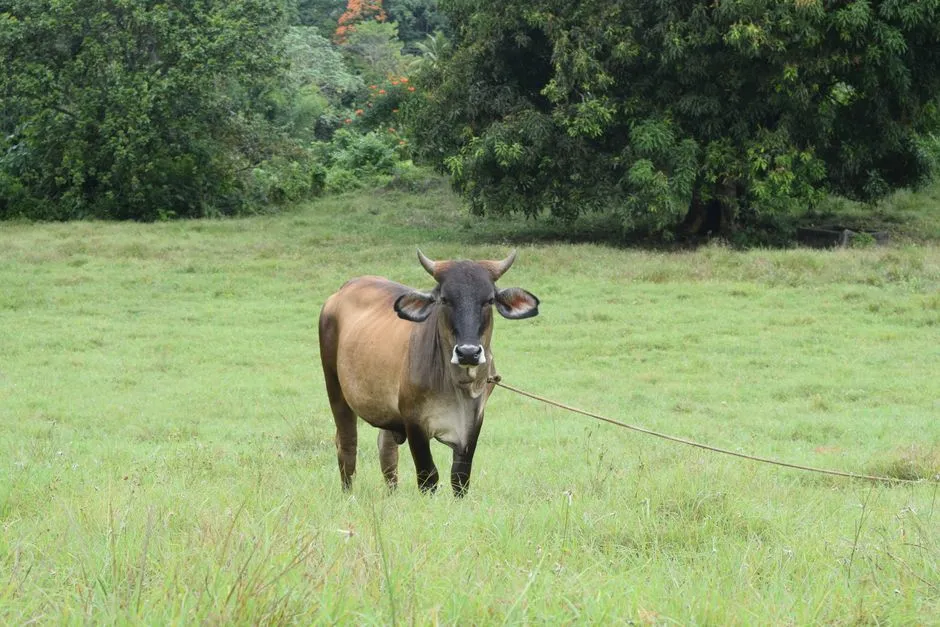
If you spot a herd lying down and want to play along, check the sky and a modern forecast too. Look for other signs, such as thickening clouds, rising humidity, or a change in the wind. A single behavior in a single field tells you very little by itself.
Treat it as a fun observation rather than a plan for your picnic. If the cows are lying down and it’s a mild, quiet afternoon, they may just be resting. Bring an umbrella anyway if the forecast says so.
Final Thoughts
🔥 Would you like to save this?
We'll email this post to you, so you can come back to it later!
My view is that the saying deserves affection more than belief. The evidence that cows predict rain by lying down is weak, and the everyday explanations, rest, cud chewing, and herd habits, do most of the work. Still, I’d never tell someone to stop repeating it.
Old sayings keep us looking at the fields, the sky, and the animals around us, and that attention is worth something. A cow lying in the grass may not be a forecast, but noticing it means you were paying attention. That habit is what the folklore has really been teaching all along.

- 7 Everyday Habits That Can Make Your Senior Dog Happier - November 5, 2026
- 10 Enigmatic Structures That Continue to Puzzle Scientists Today - November 5, 2026
- 10 Strange Ruins in the Americas That Challenge What We Know About Early History - November 5, 2026