
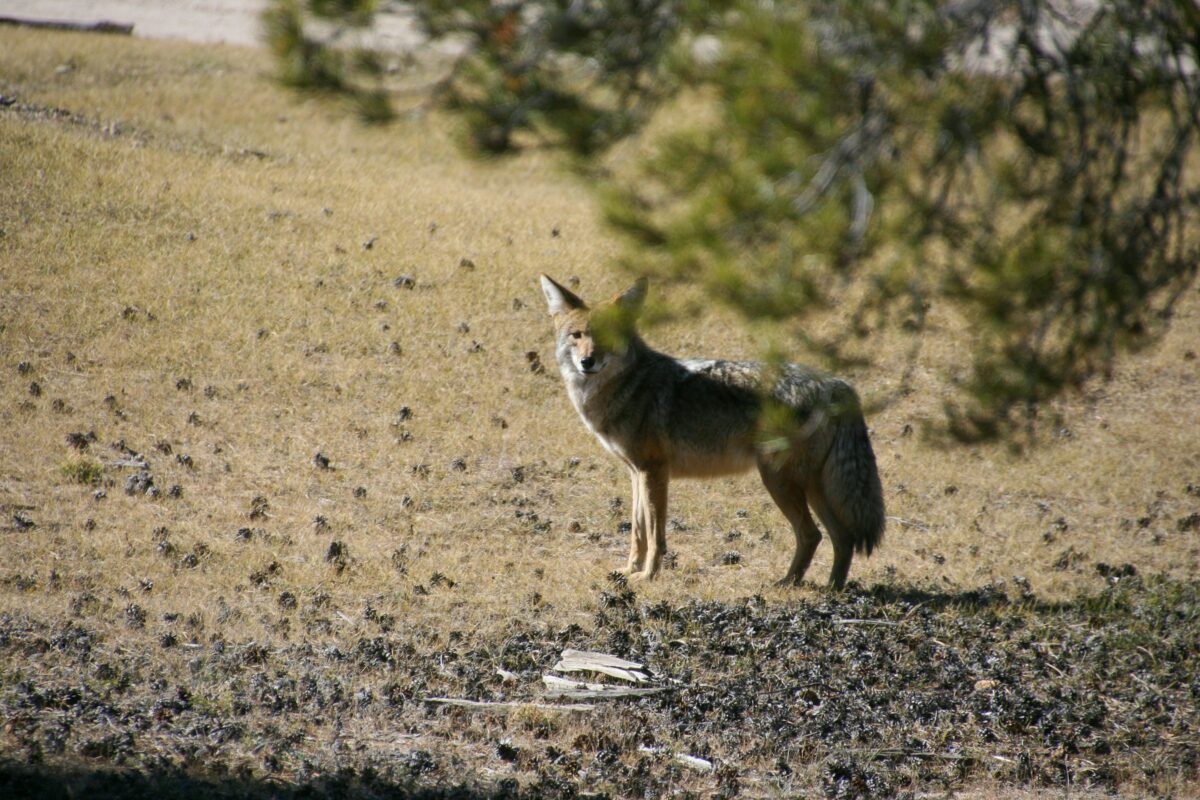
Spotting a coyote padding across a suburban lawn or along a city trail in full sunlight often catches people off guard. Most expect these animals to stick to the edges of dawn and dusk, so a daytime appearance invites questions about what might be shifting in their world or ours.
The sight can spark curiosity mixed with a touch of unease, yet it rarely points to anything dramatic on its own. Instead, it usually reflects practical adjustments these adaptable creatures make as they share space with growing human populations.
Typical Coyote Activity Patterns
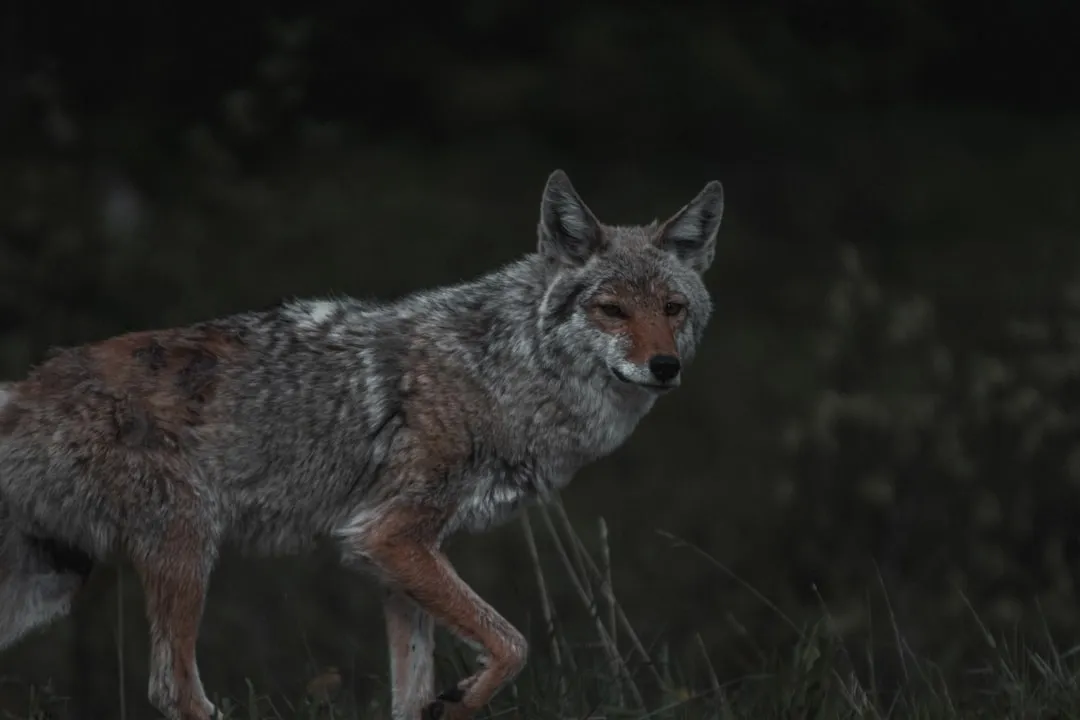
Coyotes generally favor crepuscular hours, moving most actively around sunrise and sunset when prey is available and temperatures stay comfortable. They rest during the heat of the day in dens or thick cover to conserve energy. This rhythm helps them avoid larger predators and human activity in many rural settings.
Still, their schedule shows flexibility based on local conditions. In quieter areas they may stick closer to those traditional times. Observations from wildlife agencies confirm this baseline behavior holds across much of their range in North America.
Common Triggers for Daytime Visibility
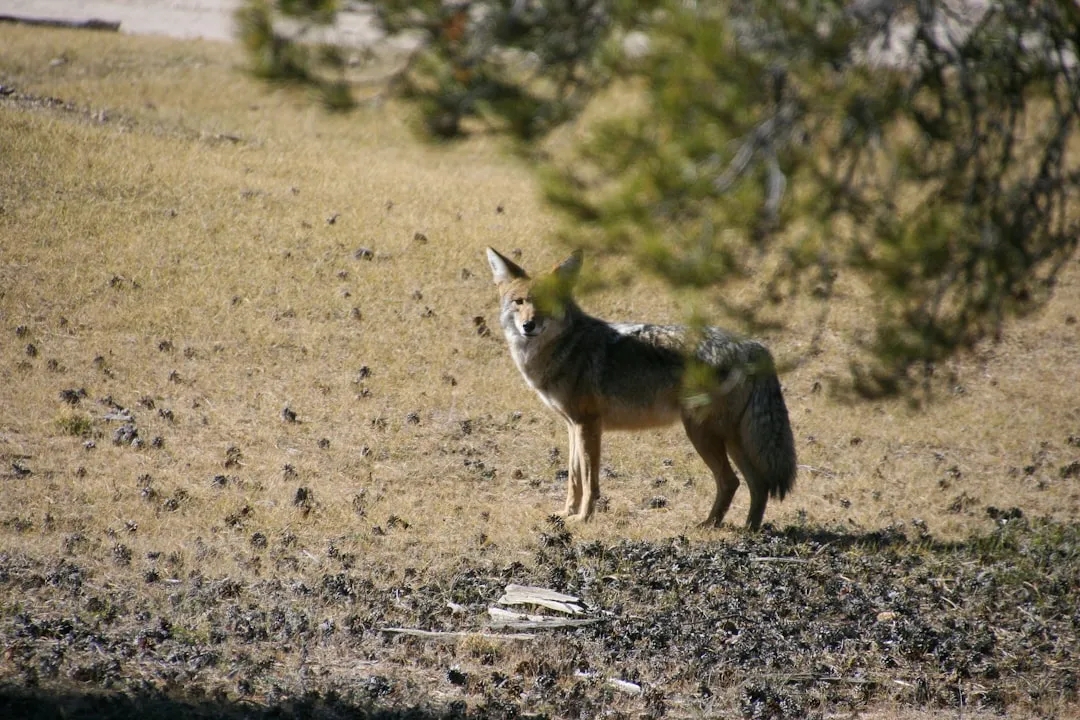
Food availability often pulls coyotes into daylight hours. Easy sources like unsecured trash, pet food left outside, or small rodents active during the day can override their usual caution. In places where natural prey thins out, they simply follow what sustains them.
Seasonal demands also play a role. During pup rearing periods, adults may hunt more frequently regardless of light levels to meet increased needs. Mild weather or reduced competition from other carnivores can further encourage these shifts without any underlying problem.
Urban and Suburban Adaptations
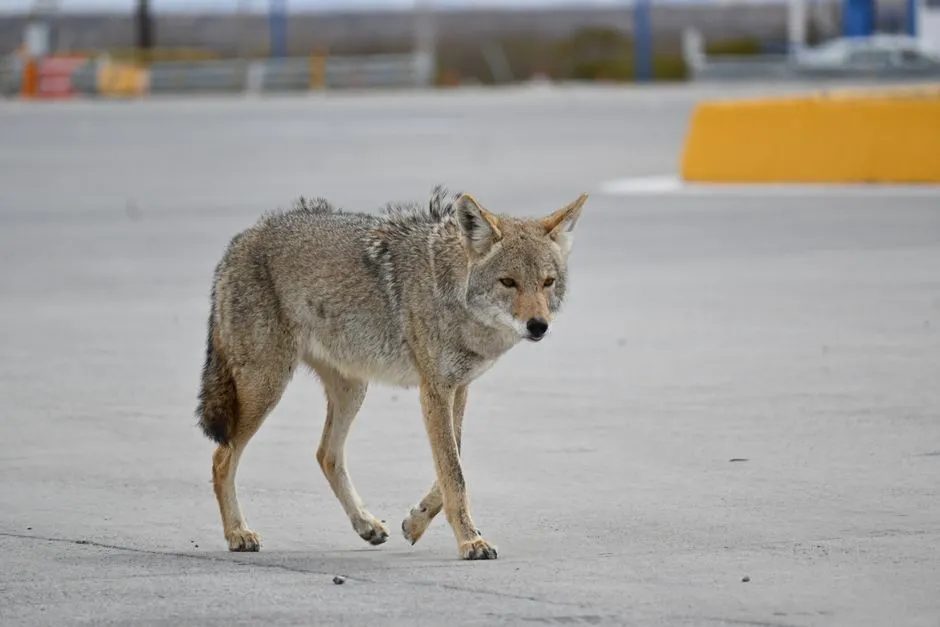
Coyotes have learned to navigate developed landscapes with surprising success. Parks, green belts, and backyard edges provide shelter and hunting grounds that keep them close to people. Over time this proximity reduces their wariness, leading to more frequent daytime crossings.
Human routines influence the pattern too. When neighborhoods quiet down during work hours, coyotes may treat those windows as safe foraging periods. Studies from various city wildlife programs show this habituation occurs gradually rather than overnight.
Health Indicators to Consider

Daytime activity alone does not signal illness in most cases. Healthy coyotes can appear active whenever opportunity arises, especially in familiar territory. Rabies or other diseases tend to produce more erratic movements or aggression rather than simple schedule changes.
Observers should watch for other signs if concern arises. An animal that seems disoriented, unusually bold toward people, or unable to move normally warrants a call to local animal control. Routine sightings without those red flags usually indicate normal variation.
Effects on Neighborhood Ecosystems
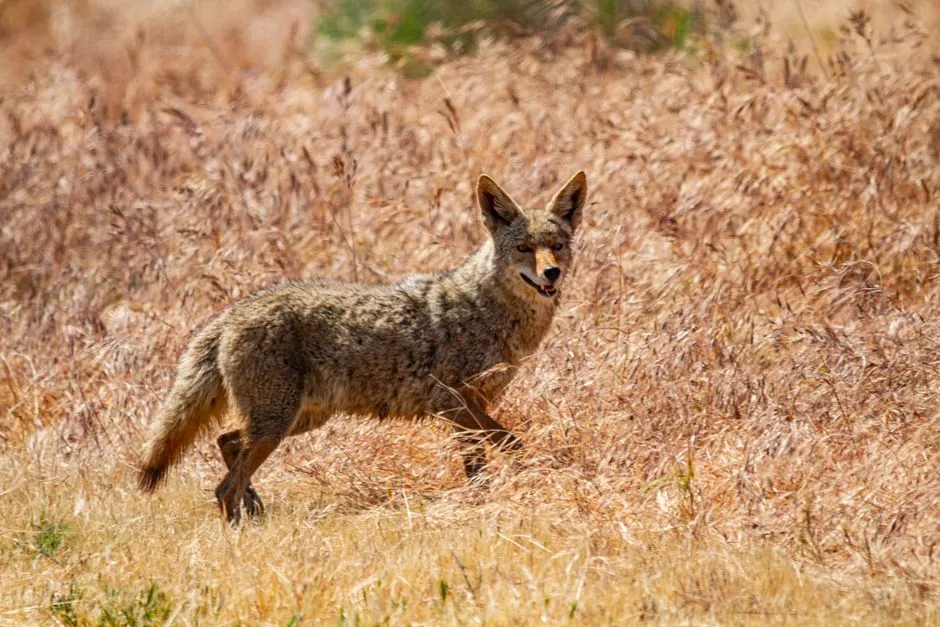
These animals help control rodent populations that might otherwise damage gardens or spread into homes. Their presence can support a more balanced local food web even in built environments. At the same time, they occasionally target small pets or backyard poultry when other options run low.
Overall the impact stays modest when residents take basic precautions. Coyotes fill a niche that benefits biodiversity without dominating it. Communities that track sightings often find the animals integrate without major disruption.
Steps for Safe Coexistence
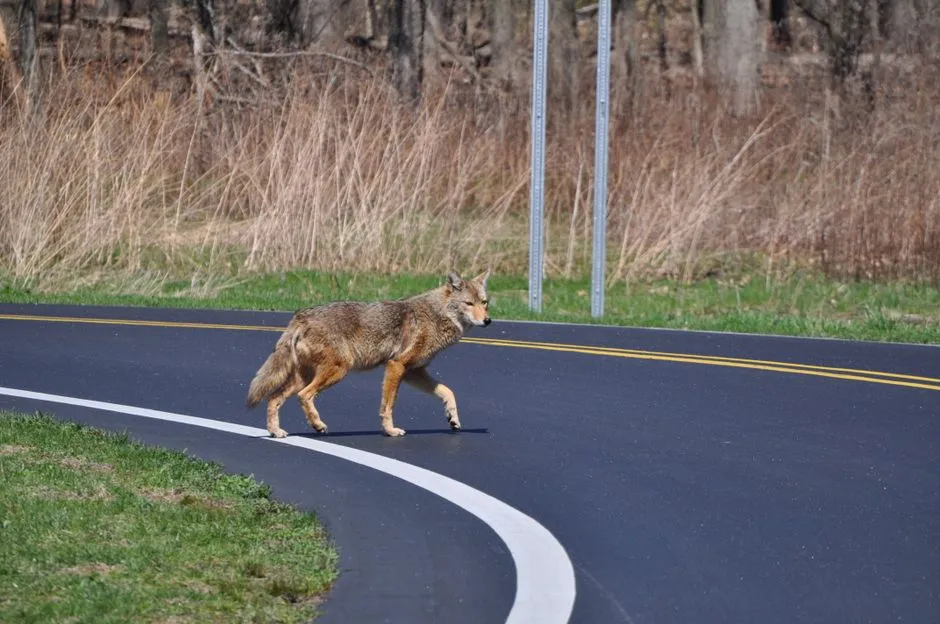
Securing garbage bins and removing outdoor food sources reduces the appeal of daytime visits. Motion lights and fencing around yards can further discourage close approaches. Keeping pets supervised during walks adds another layer of protection for both sides.
Education helps most of all. Learning to recognize normal coyote behavior prevents unnecessary alarm while encouraging respect for their space. Local extension offices and wildlife groups provide tailored guidance that fits specific regions.
Looking Ahead at Shared Landscapes
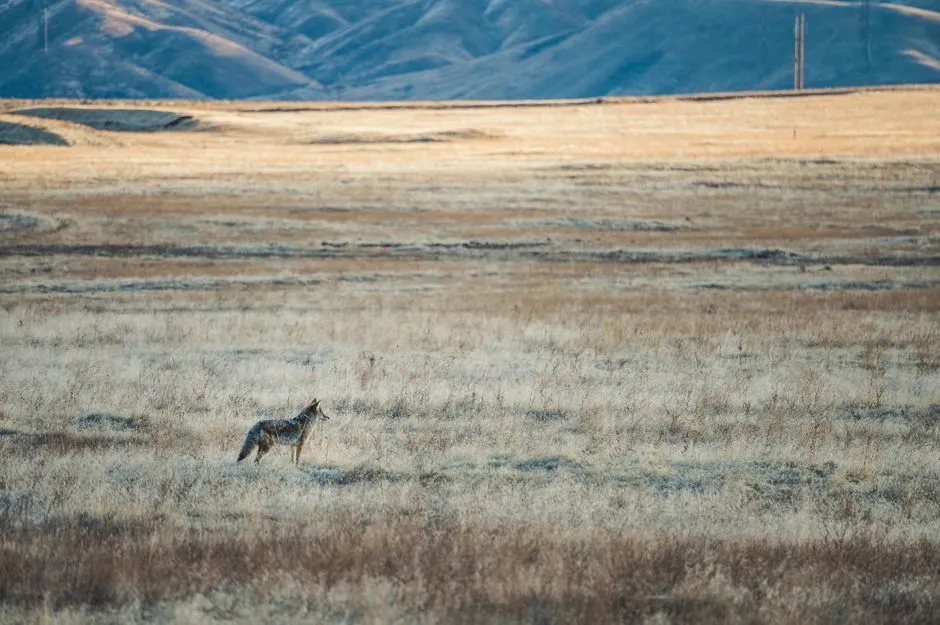
Coyotes will likely continue adjusting to human expansion because they have already proven remarkably resilient. Rather than viewing daytime appearances as warnings, it makes sense to treat them as reminders that wildlife adapts alongside us. Thoughtful habits on our end keep encounters manageable and infrequent.
In the end, these moments highlight an ongoing choice about how we share the places we call home. Paying attention without overreacting supports both safety and the quiet persistence of animals that have learned to live near us. That balance feels worth maintaining as neighborhoods keep growing.
