
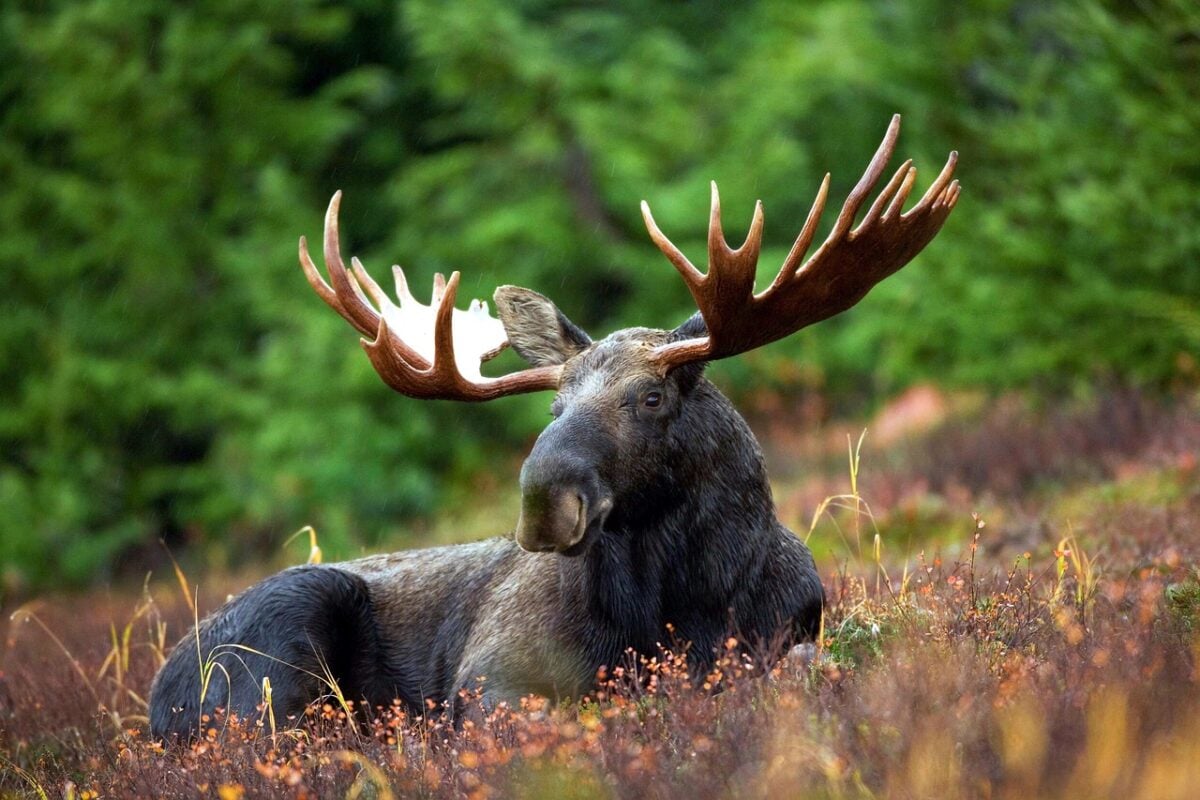
Imagine a serene meadow at dawn, where a herd of elk grazes peacefully, their movements synchronized like a well-rehearsed ballet. Suddenly, they halt in unison, heads raised, ears twitching. This abrupt cessation isn’t random; it’s a window into the intricate world of elk behavior. Let’s delve into the reasons behind this sudden stillness and what it reveals about these majestic creatures.
Heightened Vigilance: The Watchful Pause
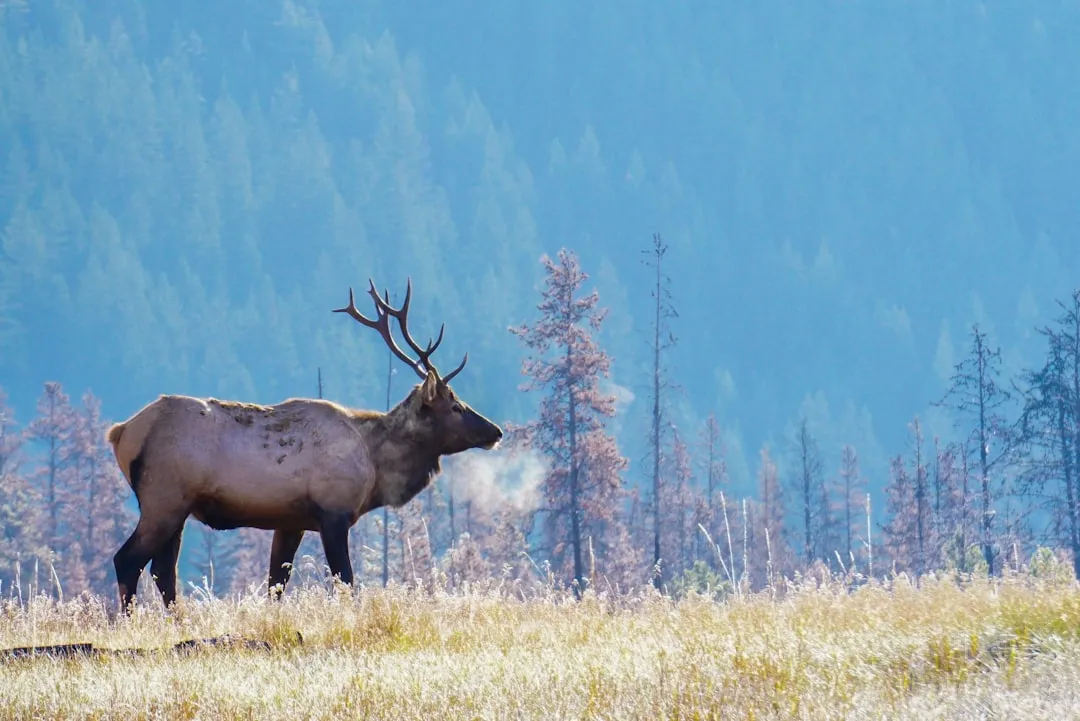
Elk are always on alert, their survival hinging on their ability to detect threats. When they abruptly stop grazing, it’s often a collective response to a perceived danger. This synchronized pause allows them to assess their surroundings, pinpoint potential threats, and decide on the next course of action. Such behavior underscores their acute sensitivity to environmental cues and their reliance on group dynamics for safety.
In areas with known predator activity, this vigilance becomes even more pronounced. The presence of wolves, for instance, can lead to increased alertness among elk, causing them to halt their feeding to scan for danger. This behavior not only aids in immediate survival but also influences their long-term habitat preferences and movement patterns.
Environmental Disturbances: Nature’s Interruptions
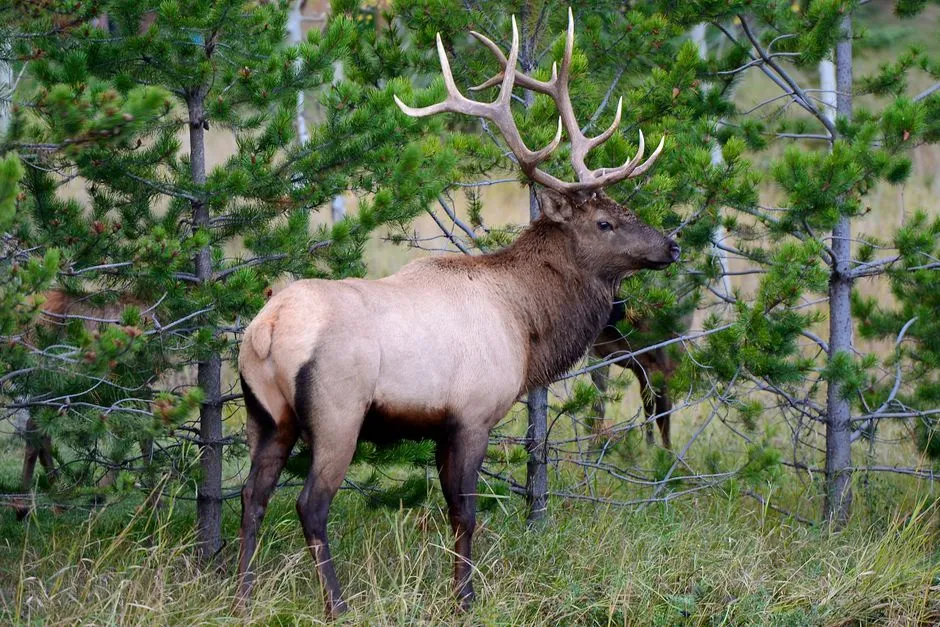
Natural events like sudden weather changes or unexpected noises can disrupt an elk’s grazing routine. A sudden gust of wind, the crack of a falling branch, or the distant rumble of thunder can prompt the herd to stop and assess the situation. This pause ensures they remain attuned to their environment, ready to react to any potential threats or changes.
Such responsiveness is crucial, especially in habitats where environmental conditions can shift rapidly. By staying alert to these disturbances, elk can make informed decisions about when to continue feeding or seek shelter, ensuring their well-being in the face of nature’s unpredictability.
Human Encroachment: The Unseen Predator
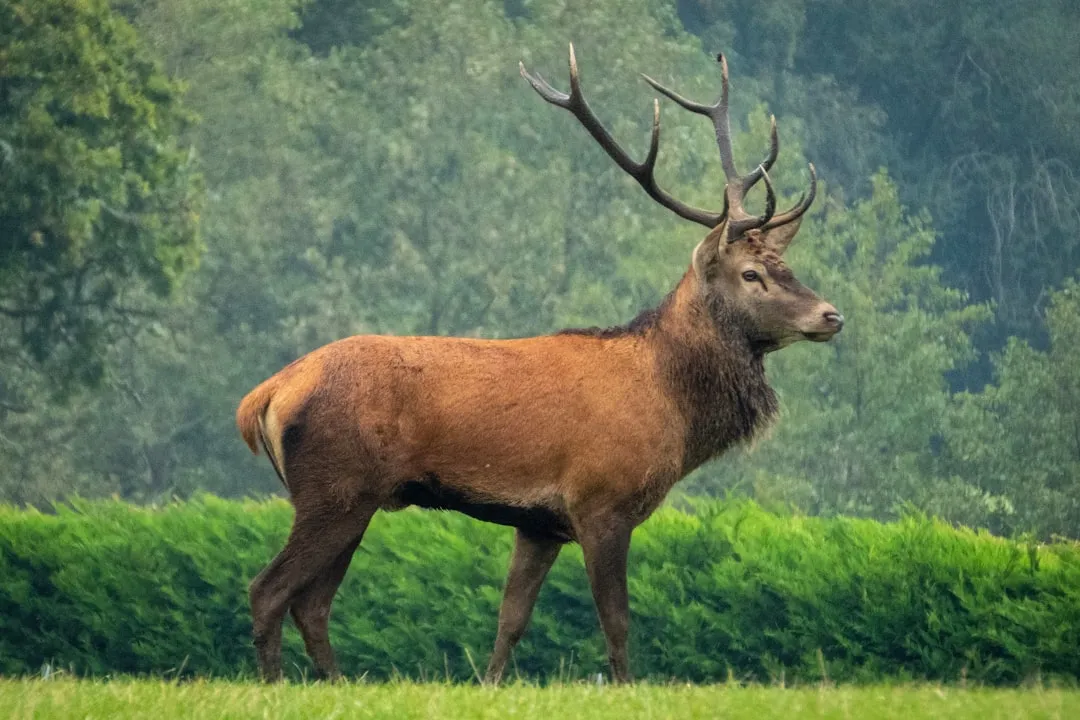
Human activities, from hiking to logging, can significantly impact elk behavior. The mere scent or sound of humans can cause a herd to halt their grazing, perceiving humans as potential threats. This reaction is particularly evident in areas where elk have had negative encounters with humans, leading to heightened wariness and altered feeding patterns.
Studies have shown that human interference can affect how much elk interact with each other. For instance, supplemental feeding has been observed to increase elk grouping behavior, while hunting activities can lead to reduced grouping. Such changes in behavior highlight the profound impact human presence can have on elk social structures and daily routines.
Social Dynamics: The Herd’s Hierarchy
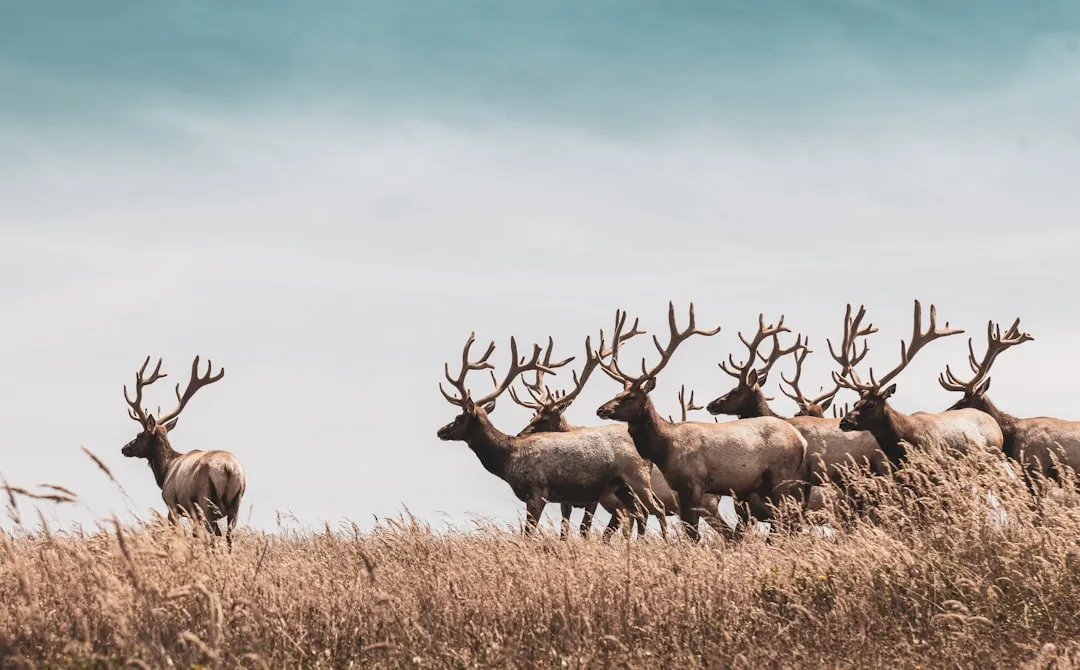
Within an elk herd, social structures play a pivotal role in their behavior. Dominant individuals often dictate the group’s movements and feeding patterns. If a leading elk senses something amiss and stops grazing, the rest of the herd is likely to follow suit. This collective behavior ensures the group’s safety and cohesion.
During the rutting season, these dynamics become even more pronounced. Bulls may halt grazing to engage in displays of dominance or to challenge rivals, leading to temporary pauses in the herd’s feeding activity. Such interactions are vital for establishing hierarchies and ensuring the continuation of the species.
Seasonal Shifts: Nature’s Calendar
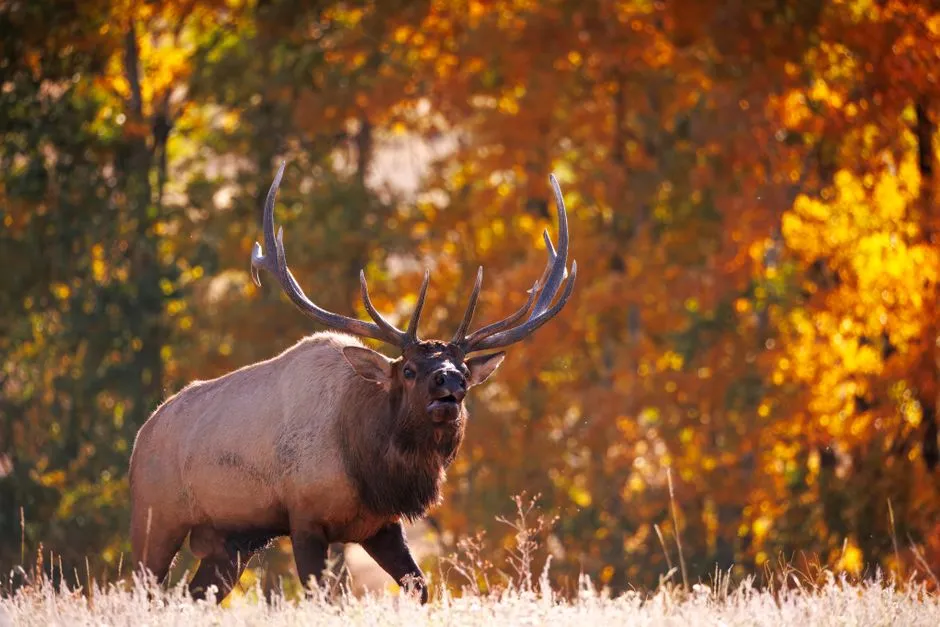
As seasons change, so do the behaviors of elk. The onset of the rut in late summer and early fall brings about significant shifts in their routines. Bulls become more focused on mating, often reducing their feeding time and increasing their vigilance. This change can lead to more frequent pauses in grazing as they monitor for rivals or potential mates.
Similarly, the approach of winter prompts elk to alter their feeding habits. They may stop grazing to move to areas with better forage or to seek shelter from harsh weather conditions. These seasonal adjustments are crucial for their survival, ensuring they have the necessary resources to endure changing environments.
Health and Well-being: Listening to the Body
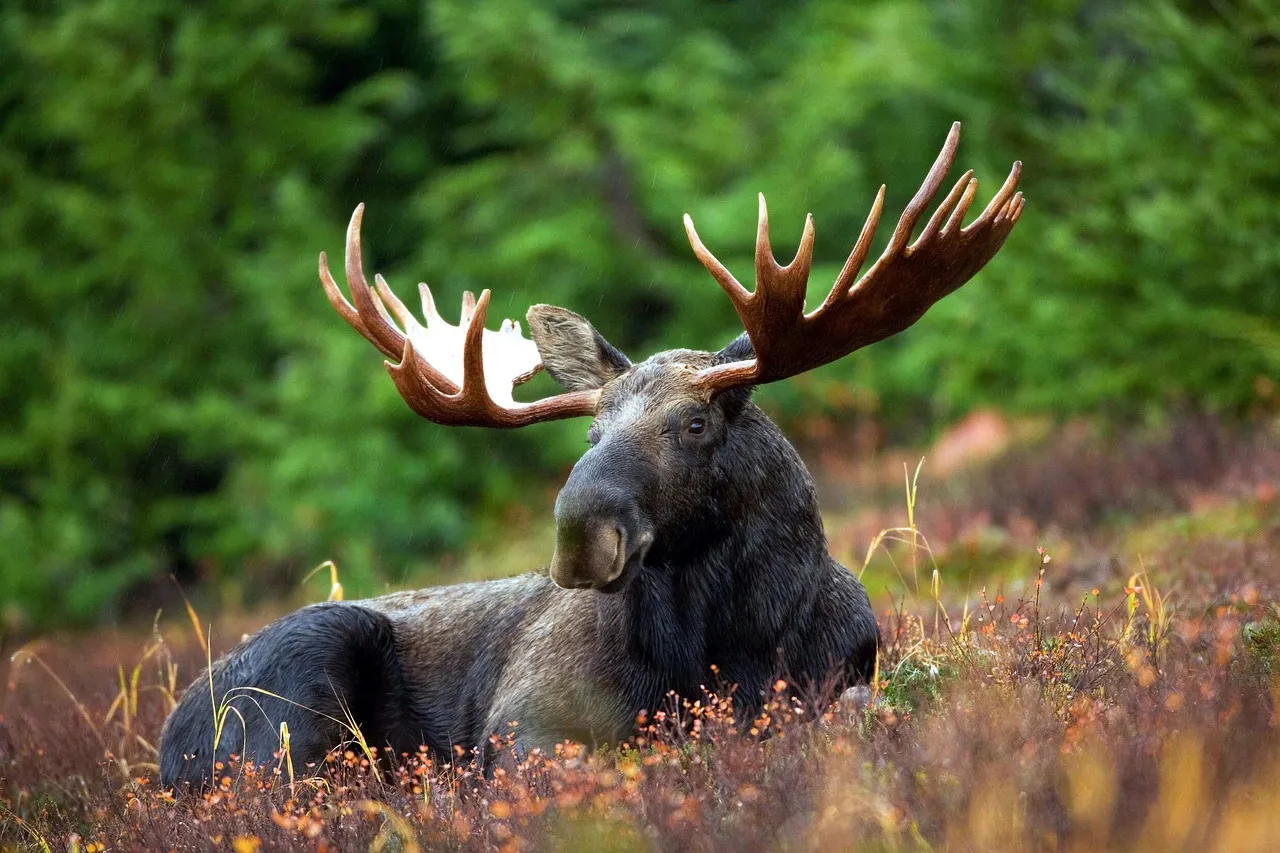
Sometimes, an elk may stop grazing due to health issues. Illness, injury, or fatigue can cause an individual to pause, affecting the herd’s overall behavior. Observing such pauses can provide insights into the health status of the group and highlight the importance of monitoring wildlife for signs of disease or distress.
For instance, the spread of diseases like Chronic Wasting Disease can lead to noticeable changes in elk behavior, including reduced feeding activity. Understanding these signs is vital for wildlife management and conservation efforts, ensuring the health and longevity of elk populations.
Conclusion: Deciphering the Silent Signals
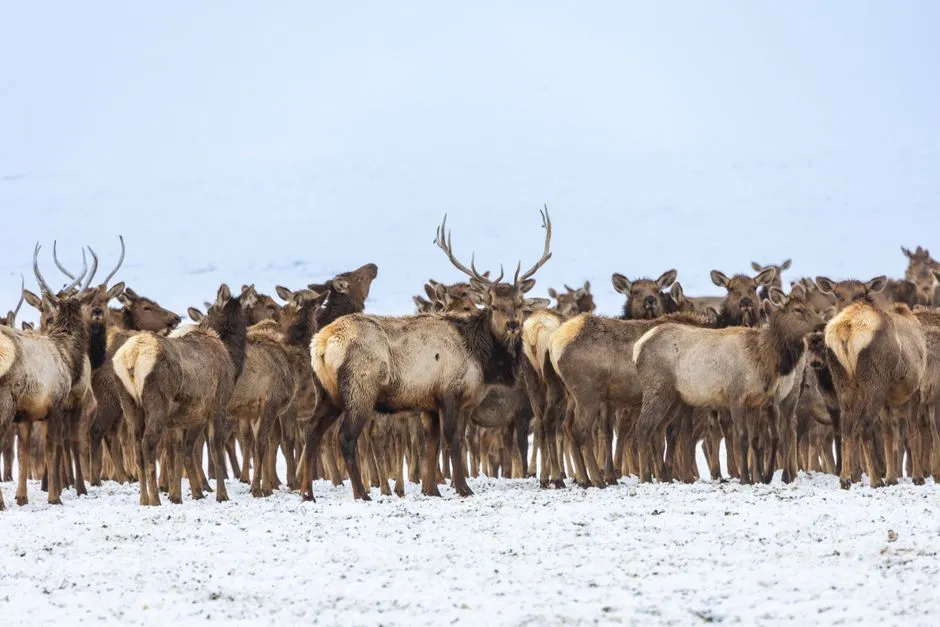
The sudden halt in grazing among elk is more than just a pause; it’s a complex interplay of environmental awareness, social structures, and survival instincts. By paying attention to these moments, we gain a deeper appreciation for the nuanced behaviors of these magnificent animals. So, the next time you witness an elk herd freeze in unison, remember: they’re communicating volumes in that silent pause. What other secrets might nature be whispering to those who take the time to listen?
