
The Subtle Signals Of Environmental Change
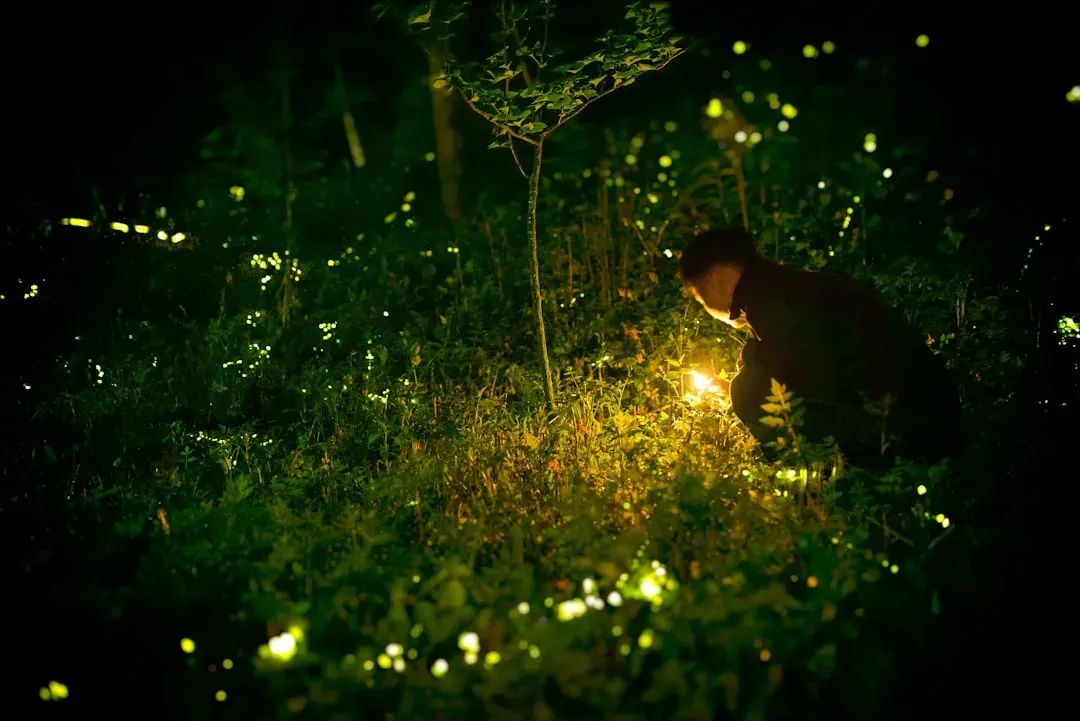
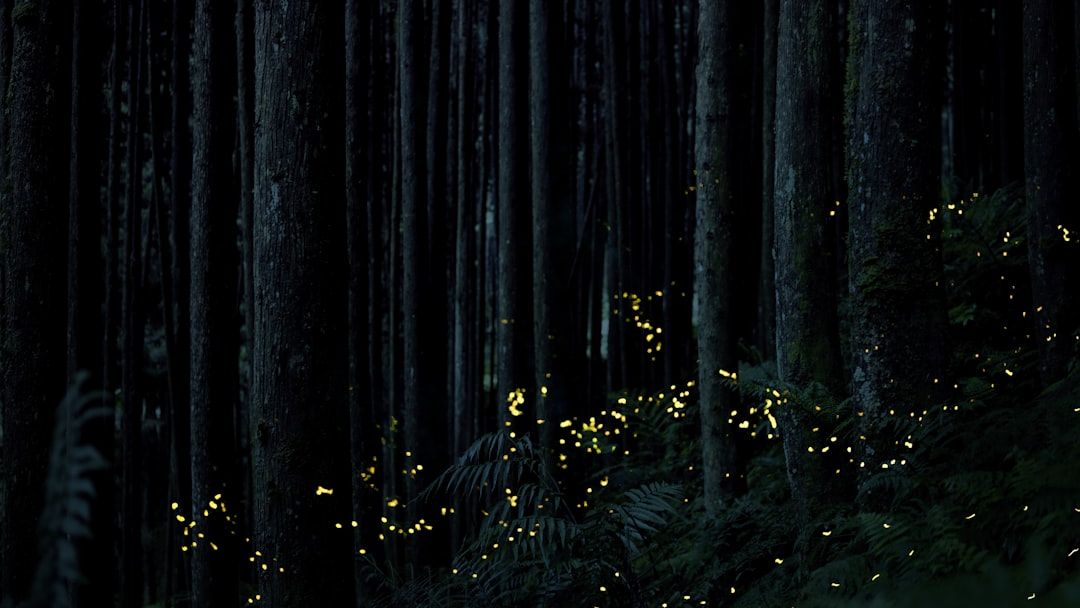
Fireflies serve as quiet indicators of local conditions because they need specific moisture levels, darkness, and plant cover to complete their life cycle. When those elements shift even slightly, the insects may move on or fail to return in noticeable numbers. Their absence can reflect gradual pressures that build over several seasons rather than one sudden event.
People who have watched the same yard for years often notice the change first during peak summer weeks. The pattern tends to appear across neighborhoods rather than isolated spots, which points to shared influences like surrounding development or routine maintenance practices. Paying attention to these patterns helps connect the dots between daily choices and the insects that once appeared reliably.
How Artificial Lights Disrupt Their Life Cycle
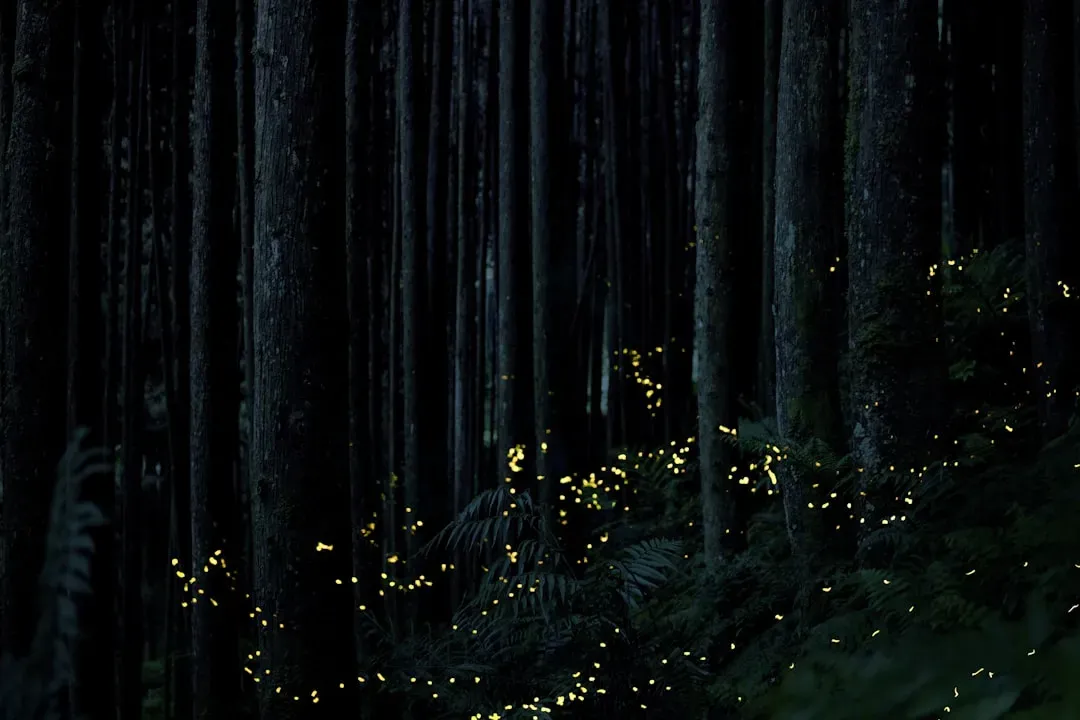
Fireflies rely on darkness to find mates through their distinctive flashes, and steady outdoor lighting interferes with that communication. Porch lights, street lamps, and security fixtures left on through the night can reduce successful reproduction over time. Even modest amounts of light pollution accumulate when many homes in an area follow similar habits.
Young fireflies, known as larvae, also spend much of their time in soil and leaf litter where extra light reaches them less directly yet still alters the overall habitat quality. Turning off unnecessary lights during their active months often brings visible results within a season or two. Simple adjustments like using motion sensors or warmer colored bulbs make a measurable difference without major expense.
Loss Of Natural Habitats In Modern Yards
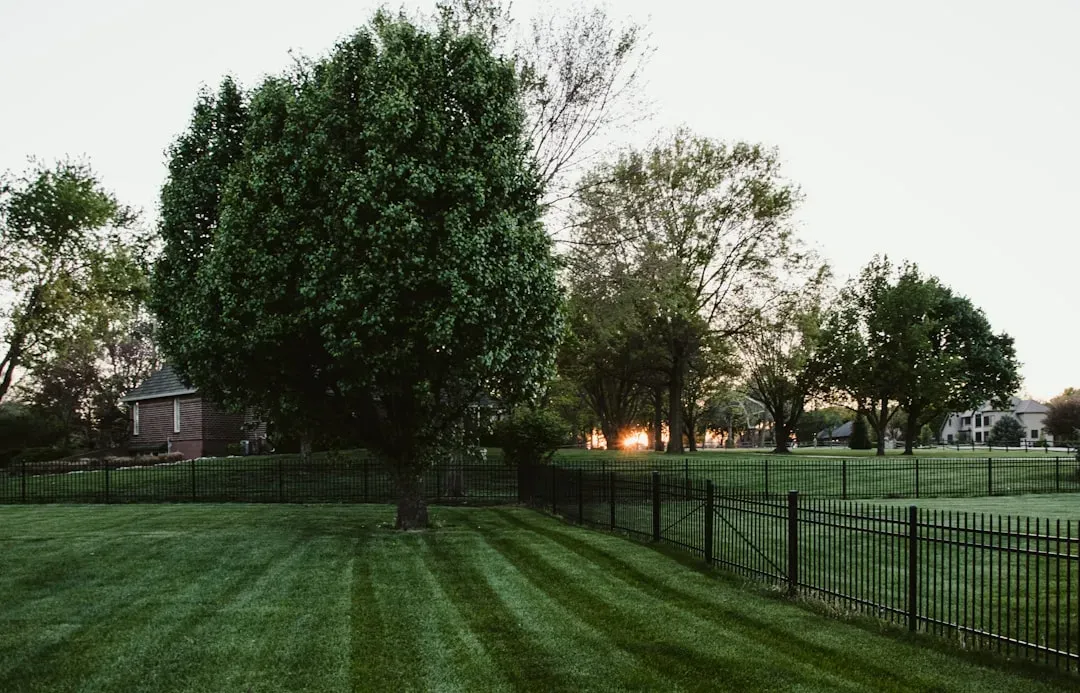
Fireflies thrive in areas with tall grass, leaf litter, and native plants that hold moisture and provide shelter. Many yards now feature closely mowed lawns and fewer wild edges, which removes the cover larvae need to survive winter and early spring. Removing fallen leaves or clearing brush entirely can eliminate the microhabitats these insects depend on.
Small patches left unmowed or planted with native species create stepping stones that support local populations. Yards that keep some natural debris tend to retain more fireflies than those kept uniformly tidy. Over several years these small differences add up across a neighborhood.
The Hidden Dangers Of Common Lawn Chemicals
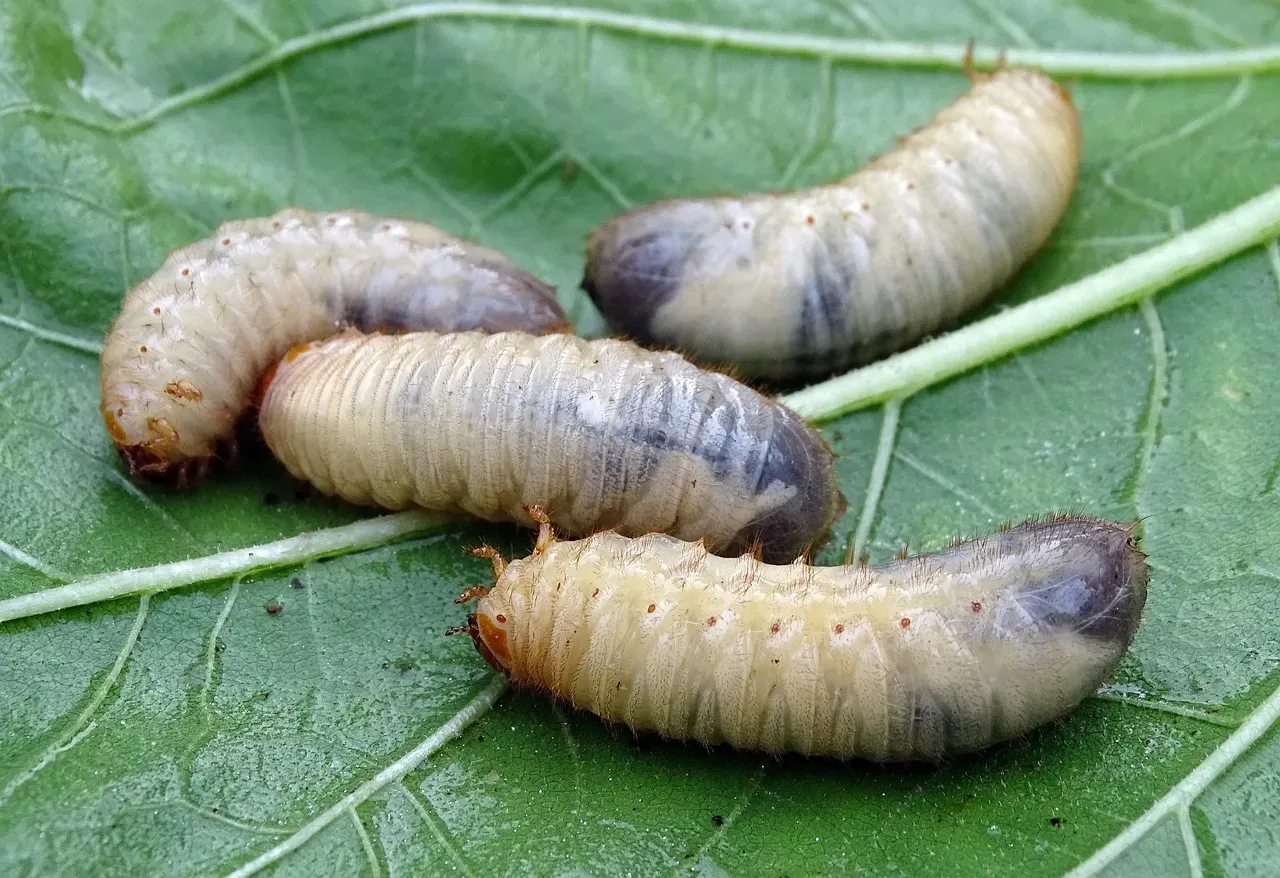
Pesticides and herbicides applied to grass and gardens can harm firefly larvae that live in the soil and feed on other small creatures. Even products labeled for general use may affect non target insects when applied broadly or repeatedly. Runoff from treated areas reaches nearby damp spots where larvae develop.
Many gardeners have shifted toward targeted treatments or organic alternatives that spare beneficial species. Reducing chemical use during the firefly breeding season often coincides with other improvements in soil health. The change requires patience because populations rebuild gradually once the pressure eases.
Shifts In Weather Patterns And Their Effects
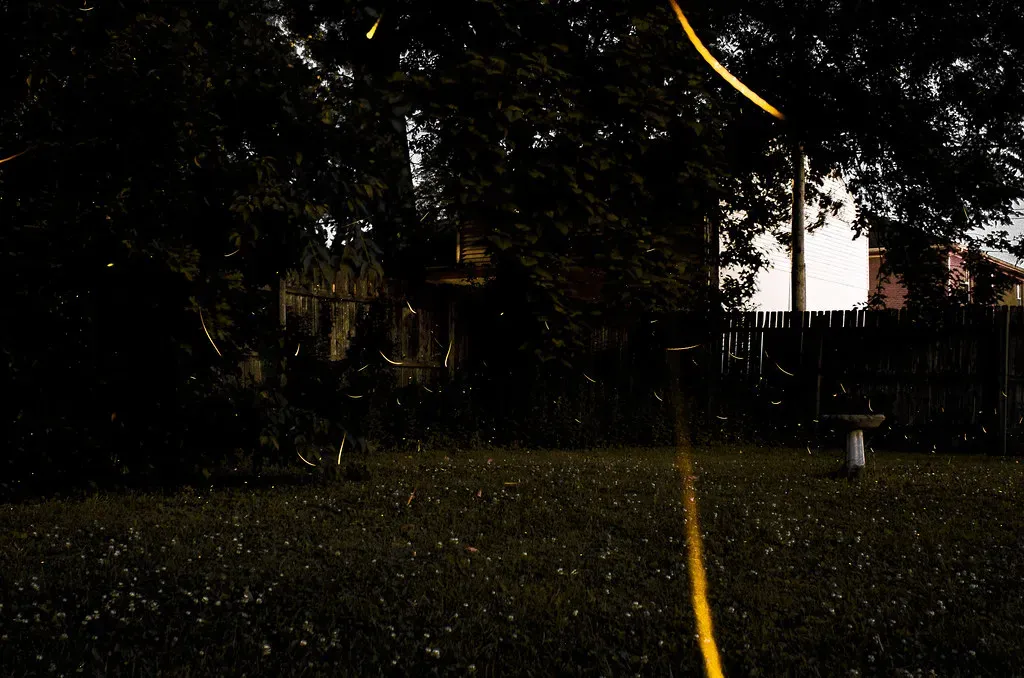
Fireflies need consistent moisture during their larval stage, and drier summers or erratic rainfall can reduce survival rates in exposed yards. Warmer winters sometimes disrupt the timing of their emergence, leaving adults active when conditions no longer support them. These variations do not eliminate fireflies everywhere but can lower numbers in places already stressed by other factors.
Tracking local rainfall and temperature trends over a few seasons reveals patterns that align with fewer sightings. Yards with better water retention through mulch or native plantings often fare better during dry spells. The insects remain resilient when multiple conditions stay favorable.
Steps To Bring Fireflies Back To Your Space
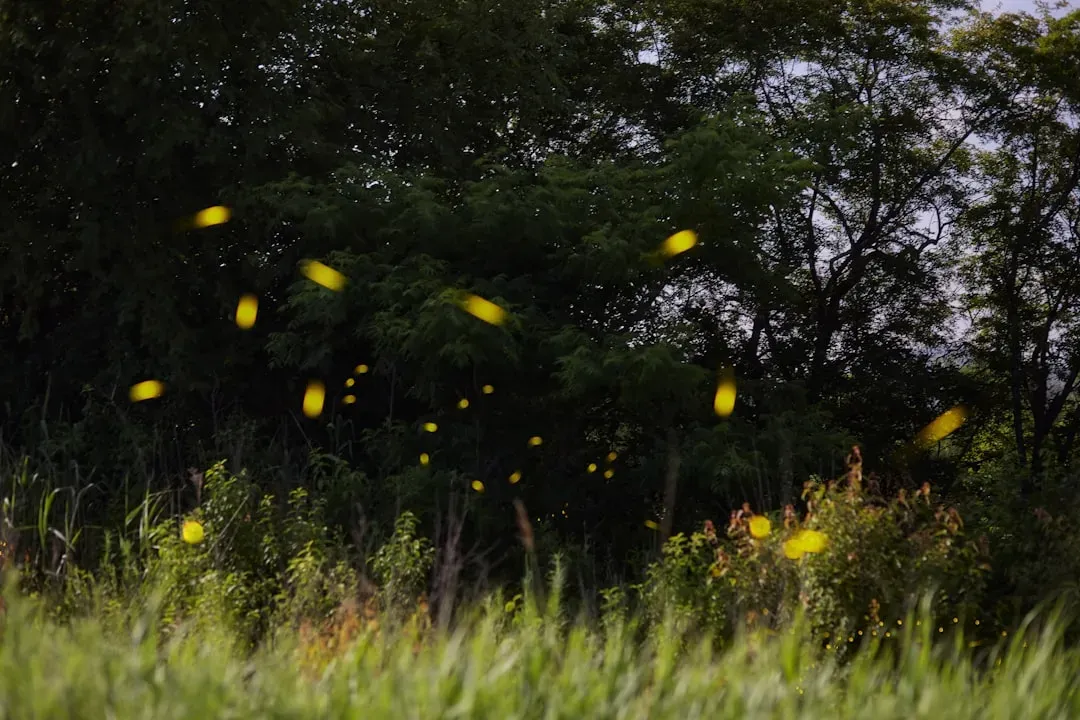
Start by creating a small unmowed corner with leaf litter and native grasses that hold moisture through the season. Reduce outdoor lighting during peak activity months and choose fixtures that direct light downward. These changes cost little yet address two of the most common barriers at once.
Limit broad pesticide applications and opt for spot treatments only when truly needed. Adding a shallow water feature or keeping a damp log pile provides additional shelter. Neighbors who coordinate similar efforts often see faster returns because fireflies move across connected spaces.
Reflecting On What Their Absence Tells Us
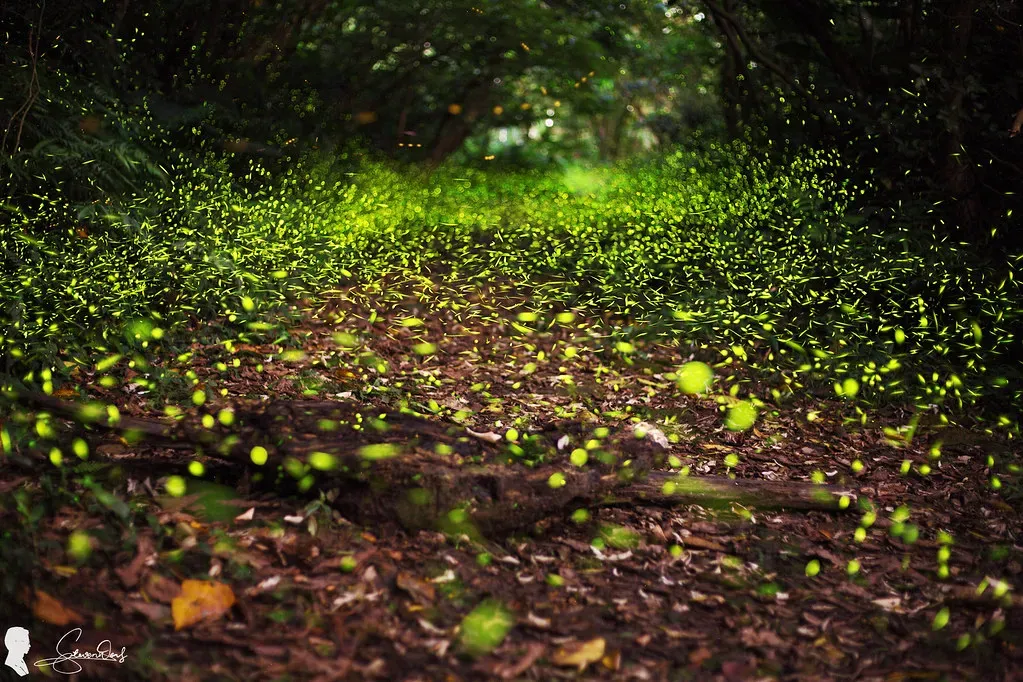
Fireflies disappearing from a familiar yard rarely signals catastrophe on its own, yet it highlights how everyday surroundings shape the presence of even small wildlife. The same conditions that affect these insects also influence other beneficial species that support gardens and local ecosystems. Paying attention turns a simple observation into a prompt for modest adjustments that benefit the whole space.
Bringing them back requires consistency rather than dramatic overhaul, and the results often arrive quietly over successive summers. In the end their return reminds us that small, repeated choices shape the character of the places we call home.
