
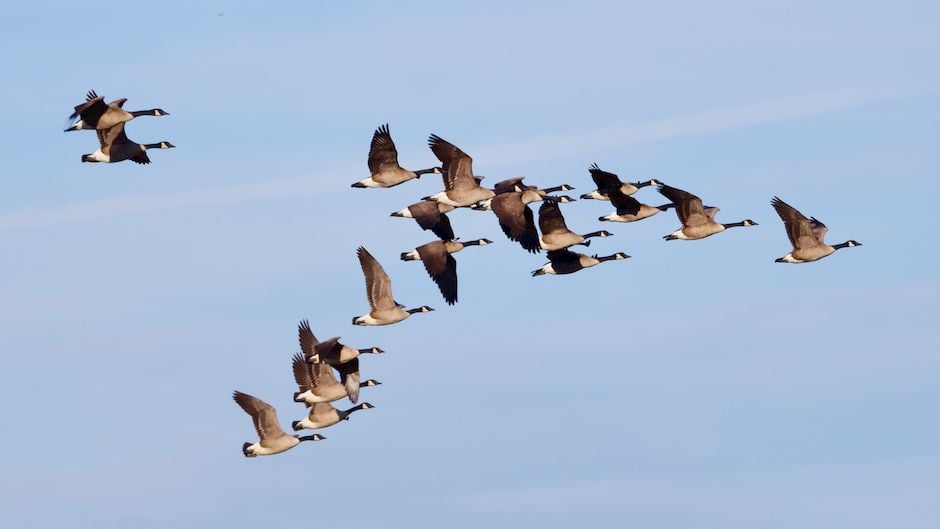
Geese have long followed reliable rhythms, lifting off in predictable waves as autumn chills set in. Lately though, those patterns have started to wobble in noticeable ways. Observers across North America report flocks lingering longer or shifting routes entirely, raising quiet questions about what the birds are responding to and what it might foreshadow.
These adjustments are not random. They reflect deeper environmental pressures that affect timing, distance, and even whether some groups migrate at all. Understanding the signals behind the shifts offers a window into broader changes unfolding across landscapes and seasons.
Temperature as the Primary Cue
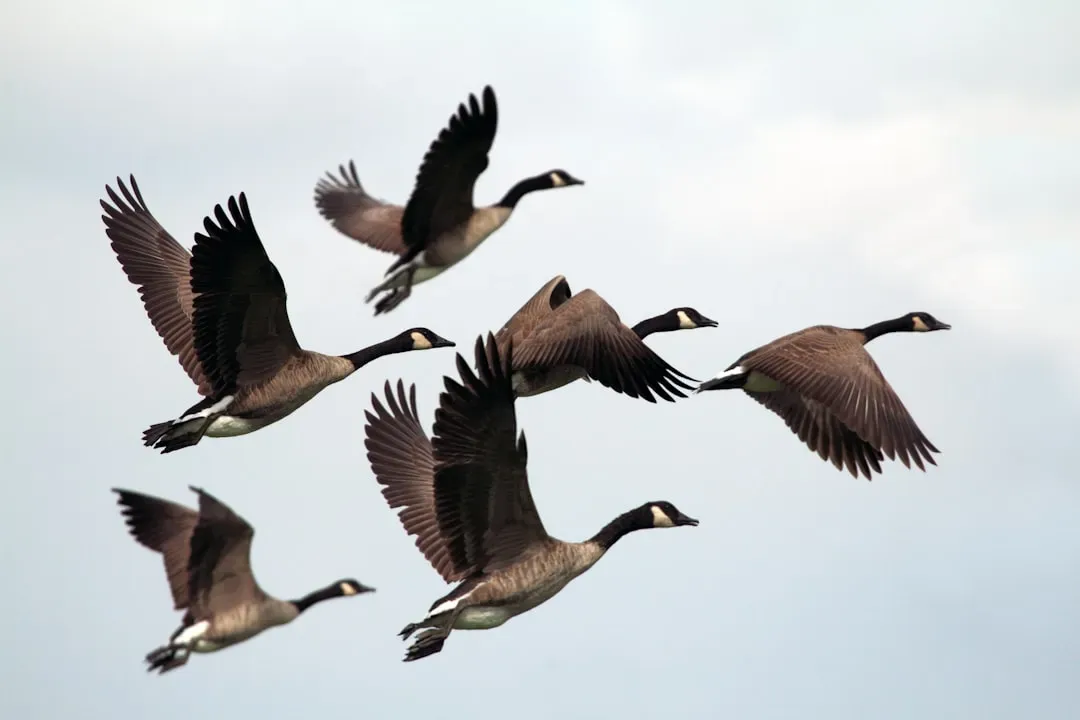
Geese rely heavily on falling temperatures to decide when to head south. Milder autumns delay the arrival of those cooling signals, so birds stay put longer on northern grounds where food remains available. This response makes sense for energy conservation, yet it also means departures now happen weeks later than they did decades ago in many regions.
Warmer conditions do more than postpone flights. They alter the entire window during which geese feel the urge to move, stretching or compressing migration periods depending on local weather trends. The result is a less synchronized departure across populations, with some flocks leaving early while others wait for clearer signs of winter.
Shifts Driven by Changing Seasons
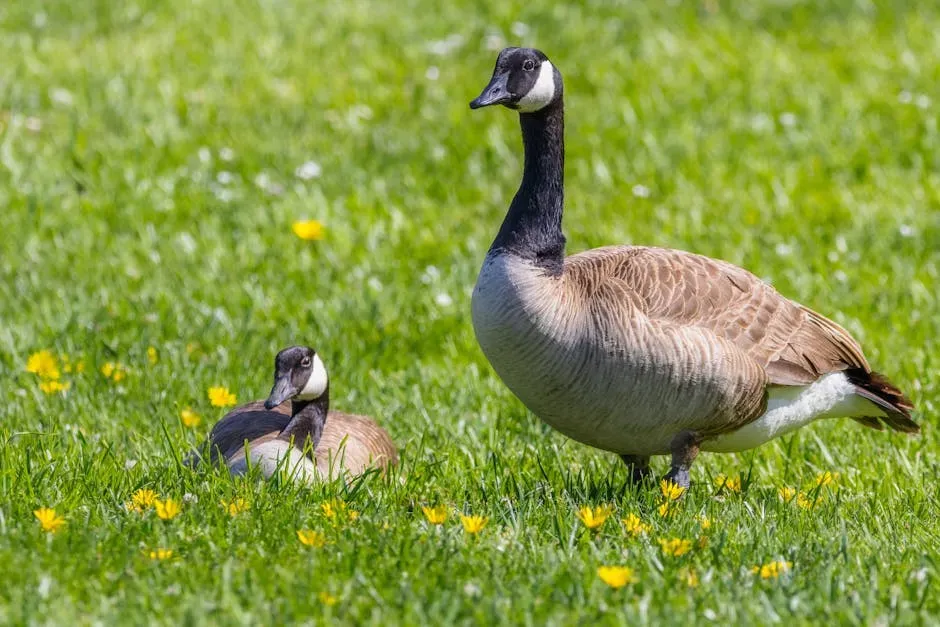
Climate patterns influence more than just daily temperatures. Longer growing seasons and reduced snow cover keep feeding areas viable deeper into fall, removing the urgency that once pushed geese onward. Studies tracking Canada geese show consistent delays in southward movements tied directly to these milder conditions.
At the same time, unpredictable weather events can still force sudden departures. A sharp cold snap after a warm stretch sometimes triggers mass movements that appear abrupt to human watchers. These mixed signals create the impression of sudden change even when the underlying drivers have been building gradually.
Shorter Routes and New Destinations
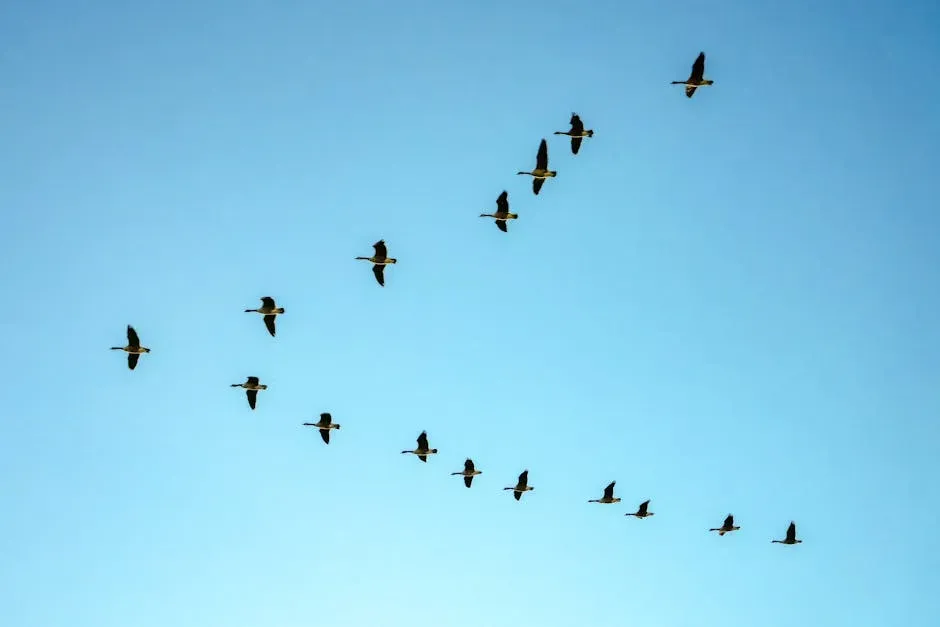
Many geese now travel shorter distances overall. Instead of pushing all the way to traditional southern wintering grounds, increasing numbers settle in mid-latitude areas that once would have been too cold. This short-stopping behavior reduces risks and energy costs while taking advantage of human-altered landscapes rich in crops and open water.
The trend shows up clearly in population data from the Midwest and Northeast. Birds that previously wintered in the Carolinas or further south now remain in states like Michigan or Illinois through much of the season. Such flexibility demonstrates geese adapting in real time, though it also concentrates larger numbers in fewer locations.
Consequences for Breeding Cycles
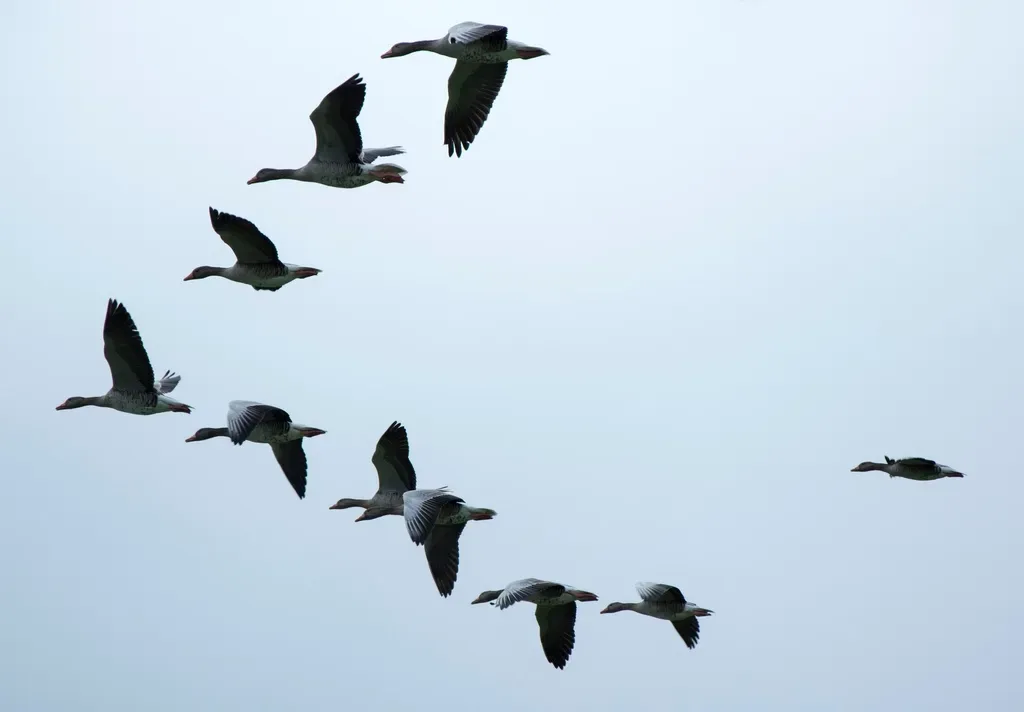
Altered fall timing can ripple forward into spring breeding success. Birds that linger north longer may return to nesting areas earlier or in better condition, potentially boosting reproduction rates in some populations. Yet mismatches with peak food availability at breeding sites can offset those gains.
Delayed migrations sometimes compress the time available for rest and refueling along the way. Parents arrive with less margin for raising young before the next southward push, creating subtle pressures on family groups that compound over multiple seasons.
Broader Ecological Ripple Effects
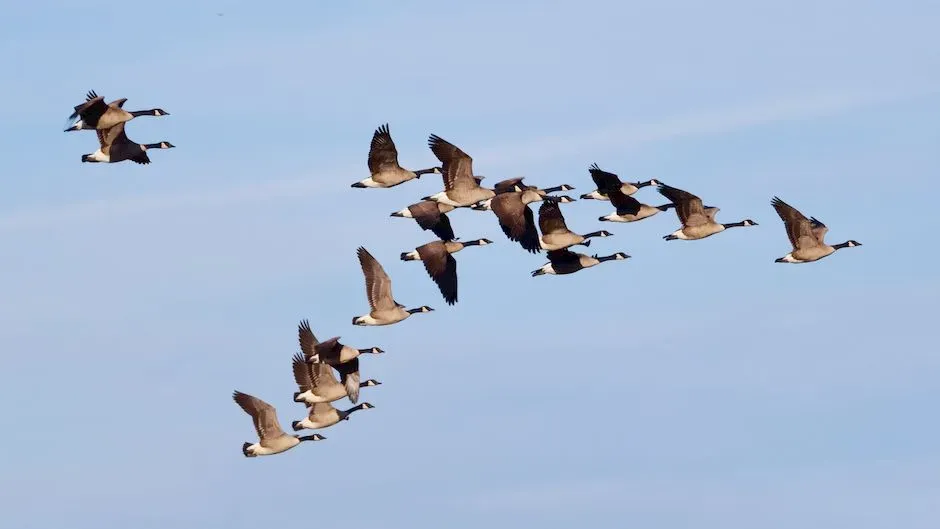
Changes in goose movements affect the plants, insects, and other animals that share their habitats. Later departures can mean heavier grazing pressure on northern wetlands during critical regrowth periods. Earlier or altered arrivals in southern zones shift competition dynamics with resident species.
These adjustments also influence predator-prey balances and nutrient cycling across flyways. Geese serve as mobile links between distant ecosystems, so modifications to their schedules redistribute resources and interactions in ways that scientists are still mapping out.
Human Encounters and Management Challenges
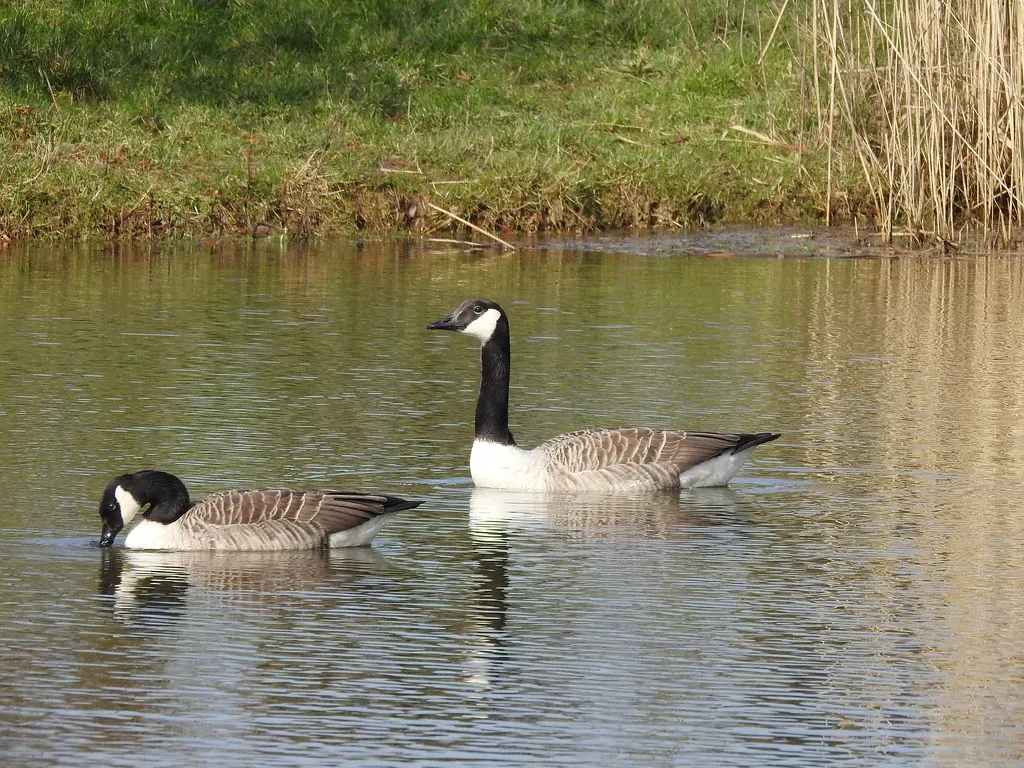
More geese staying north or shifting winter ranges brings them into closer contact with people. Urban parks, golf courses, and agricultural fields see increased numbers, leading to conflicts over droppings, crop damage, and aircraft safety near airports. Wildlife managers now track these resident or short-distance groups more closely than before.
Public observations of unusual timing often spark local discussions about what the birds are sensing. Hunters, birders, and farmers notice the differences first and sometimes adjust their own activities in response. These real-world interactions highlight how migration changes translate into everyday adjustments for communities along the routes.
Signals of Larger Environmental Change
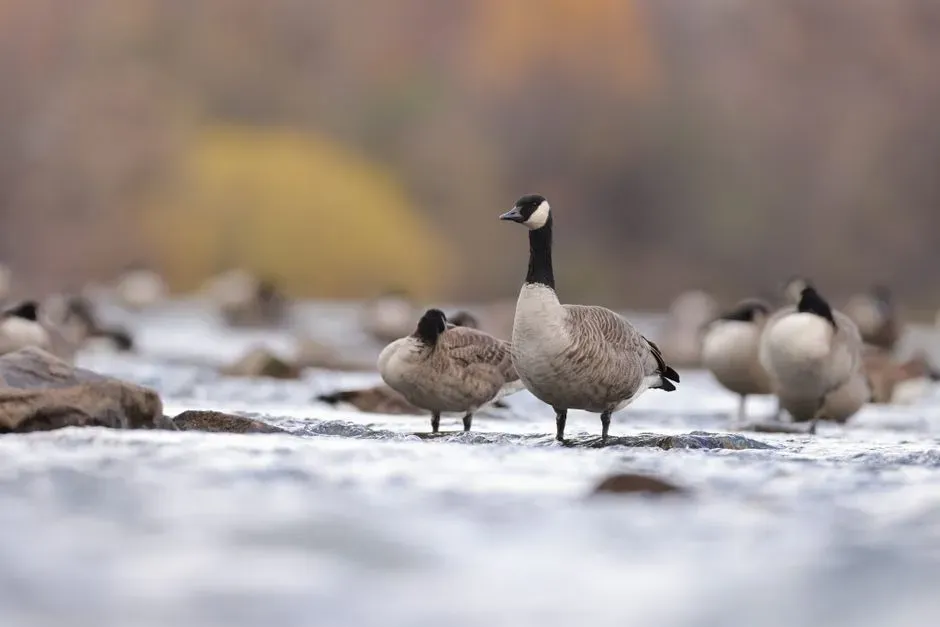
Geese serve as visible indicators of shifting climate conditions across continents. Their flexible responses reveal both resilience and limits, showing how even adaptable species face ongoing adjustments as temperatures and habitats evolve. Continued monitoring will clarify whether these patterns stabilize or accelerate.
In the end, sudden-seeming changes in migration timing remind us that natural systems operate on delicate balances. Paying attention to the geese offers one practical way to track wider transformations and consider how human actions might support or hinder the birds navigating them. Their evolving journeys invite a measured respect for the adaptability already on display while underscoring the value of protecting the landscapes that make such flexibility possible.

- What If You Never Groomed Your Dog? - August 1, 2026
- Why Is Dog Socialization So Crucial (Or Else)? - August 1, 2026
- Are You Your Horse’s Favorite Human? 7 Signs They’ve Truly Bonded With You - August 1, 2026