
Seasonal Migration Patterns
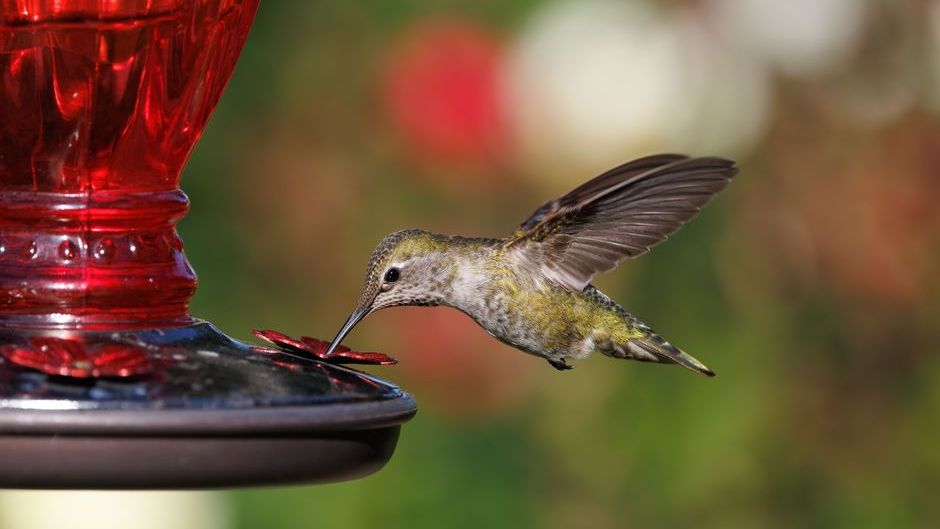
Hummingbirds follow ancient routes that take many species hundreds or thousands of miles each year. Males often depart first in late summer, with females and young birds following as daylight shortens and temperatures drop. This staggered timing means a once busy garden can empty out gradually or quite suddenly depending on your location and the local population.
Even in milder regions some birds keep moving in search of reliable nectar farther south. Your yard might simply mark one stop on a longer journey rather than a permanent home. Keeping feeders clean and full during these transition periods still offers vital refueling spots for travelers heading onward.
The Demands of Nesting Season
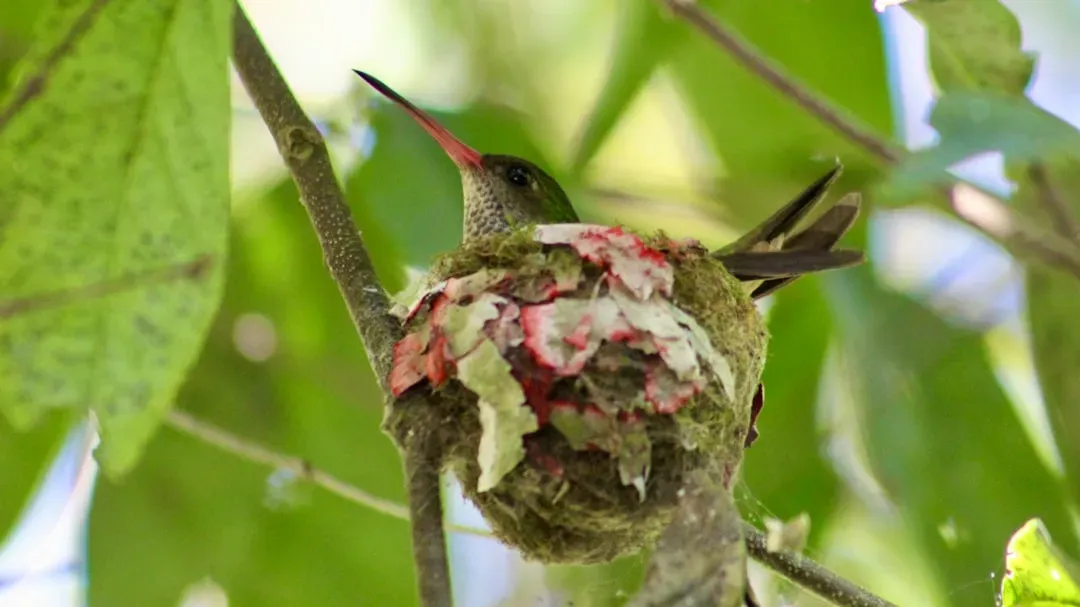
During breeding months female hummingbirds focus intensely on building nests and raising chicks. They become more secretive and spend less time at obvious feeding stations to avoid drawing attention to their hidden nests. This shift in behavior can make it seem as though the birds have left entirely when they are actually nearby but occupied elsewhere.
Males may also reduce visits while defending territories or seeking out insects for extra protein. Once the young fledge the activity often picks up again with added numbers from the new generation. Patience during these weeks usually rewards observers with renewed visits later in the season.
Shifts in Natural Food Availability
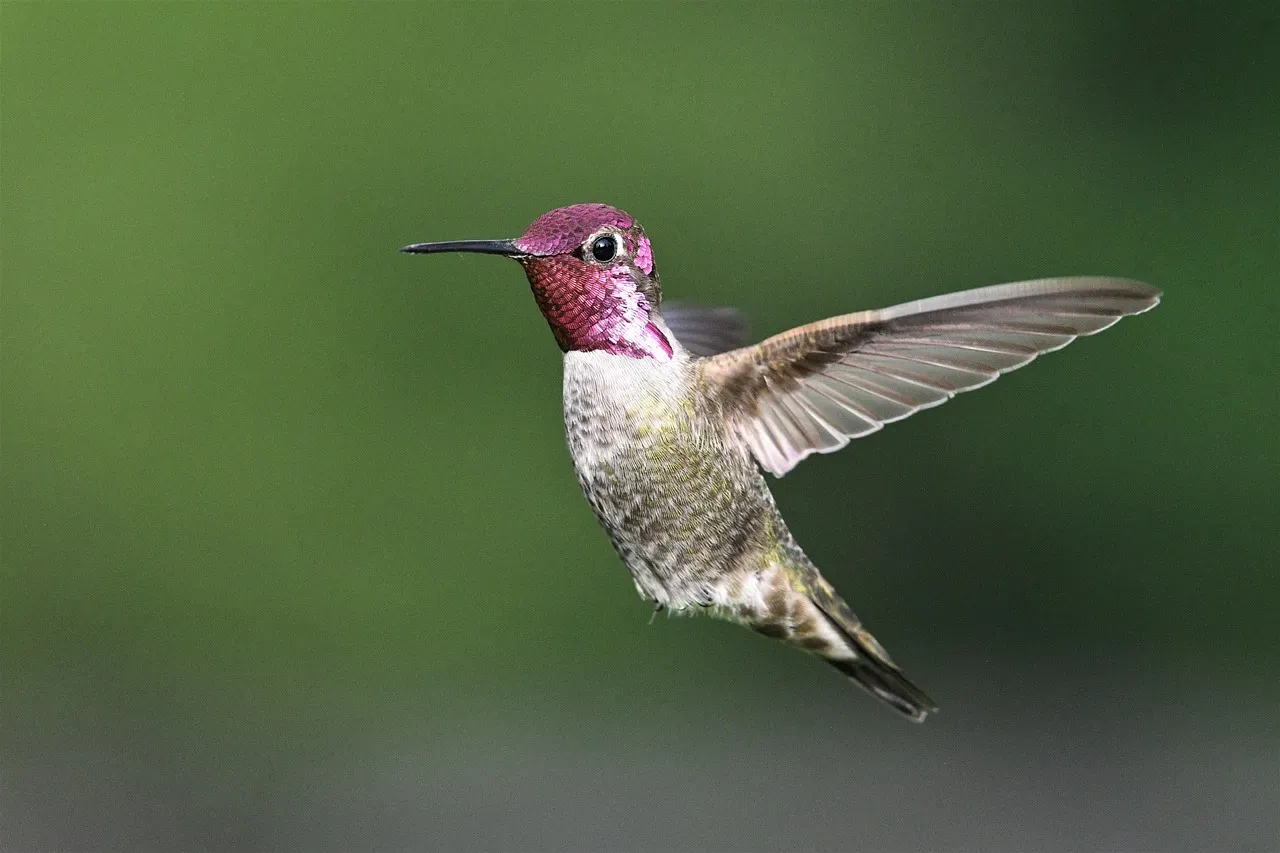
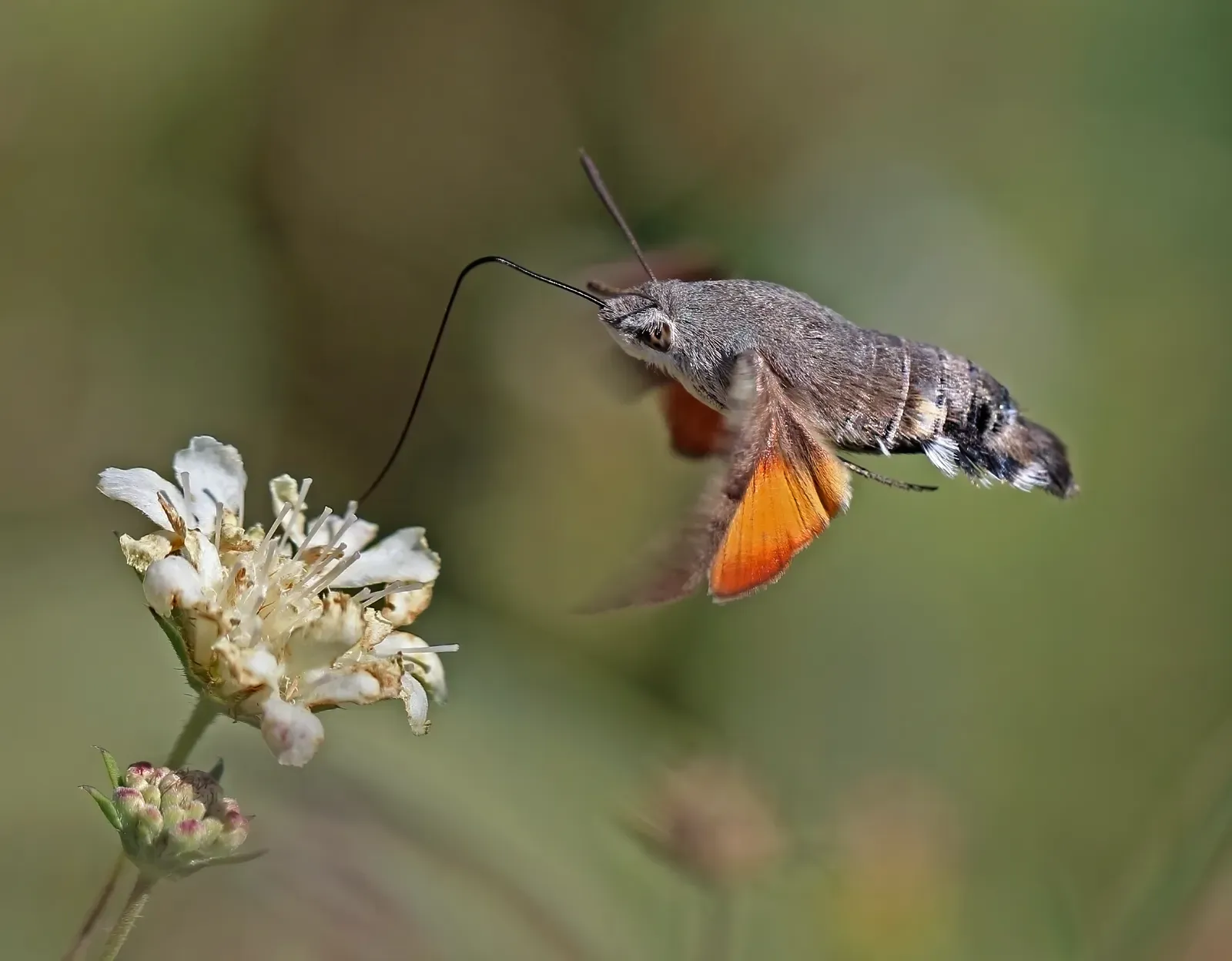
Gardens are not the only source of nectar and insects available to hummingbirds. When nearby wildflowers or trees burst into bloom the birds may favor those abundant natural options over artificial feeders. This preference for fresh sources explains many sudden drops in backyard sightings during peak summer months.
Insects also become more plentiful in warmer weather providing another key part of their diet. Your feeder then serves more as a backup than a primary draw. Maintaining a variety of native plants alongside clean feeders helps bridge gaps when natural supplies fluctuate.
Issues with Your Feeder Setup
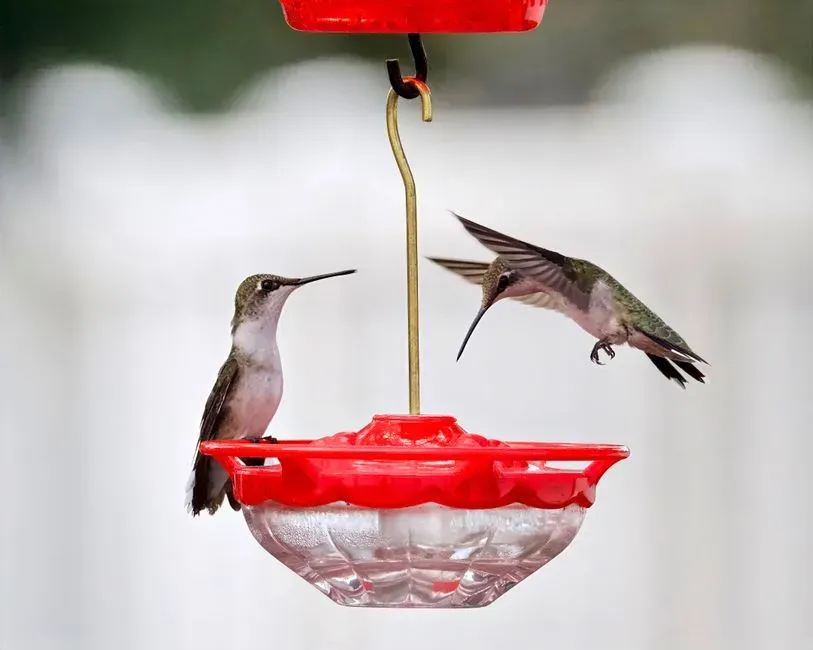
Hummingbirds notice changes in nectar quality quickly and will avoid spoiled or fermented solutions. Warm weather speeds up mold growth so nectar that sat too long can drive birds away until it is refreshed. Regular cleaning every few days keeps the offering appealing and safe.
Placement matters too since aggressive individuals or nearby disturbances can make a feeder less inviting. Moving it slightly or adding more stations sometimes redistributes traffic and brings birds back into view. Small adjustments often restore the lively scene without much effort.
Presence of Predators or Disturbances
Cats, larger birds, or even curious pets can create enough pressure for hummingbirds to seek quieter spots. These tiny fliers stay alert to threats and will steer clear of areas that feel unsafe after a close call. Consistent predator activity leads to temporary absences that resolve once the risk passes.
Human activity like construction or frequent lawn care can produce similar effects by disrupting routines. Giving the garden some quiet periods allows the birds to regain confidence. Over time most return once conditions stabilize again.
Territorial Behavior Among the Birds
Individual hummingbirds guard prime feeding areas fiercely especially during peak activity times. A dominant male might chase others away leaving only one or two visitors visible at your station. This internal competition reduces the overall numbers you notice even though the broader population remains steady.
Adding extra feeders spaced apart can ease these conflicts and allow more birds to share the resources. Watching the dynamics reveals how complex their social interactions really are. Such behavior is a normal part of their survival strategy rather than a sign of trouble.
Broader Environmental or Population Factors
Weather events such as heavy storms or unusual temperature swings sometimes alter local insect and flower availability. Birds respond by ranging farther in search of better conditions which can empty a single garden for days or weeks. These shifts are often temporary and tied to larger seasonal patterns.
Longer term changes in habitat or migration success also influence how many birds appear each year. Supporting conservation efforts and planting year round nectar sources contributes to healthier populations overall. Observing these cycles connects your backyard to wider ecological stories unfolding across regions.
Watching hummingbirds come and go reminds us how closely their lives intertwine with the rhythms of seasons and landscapes. Small consistent actions in our own spaces can make a real difference for these remarkable travelers. In the end their occasional absences highlight the resilience of nature when we give it room to unfold.