

#1 The Timing Isn’t Random, It’s Biological
🔥 Would you like to save this?
We'll email this post to you, so you can come back to it later!
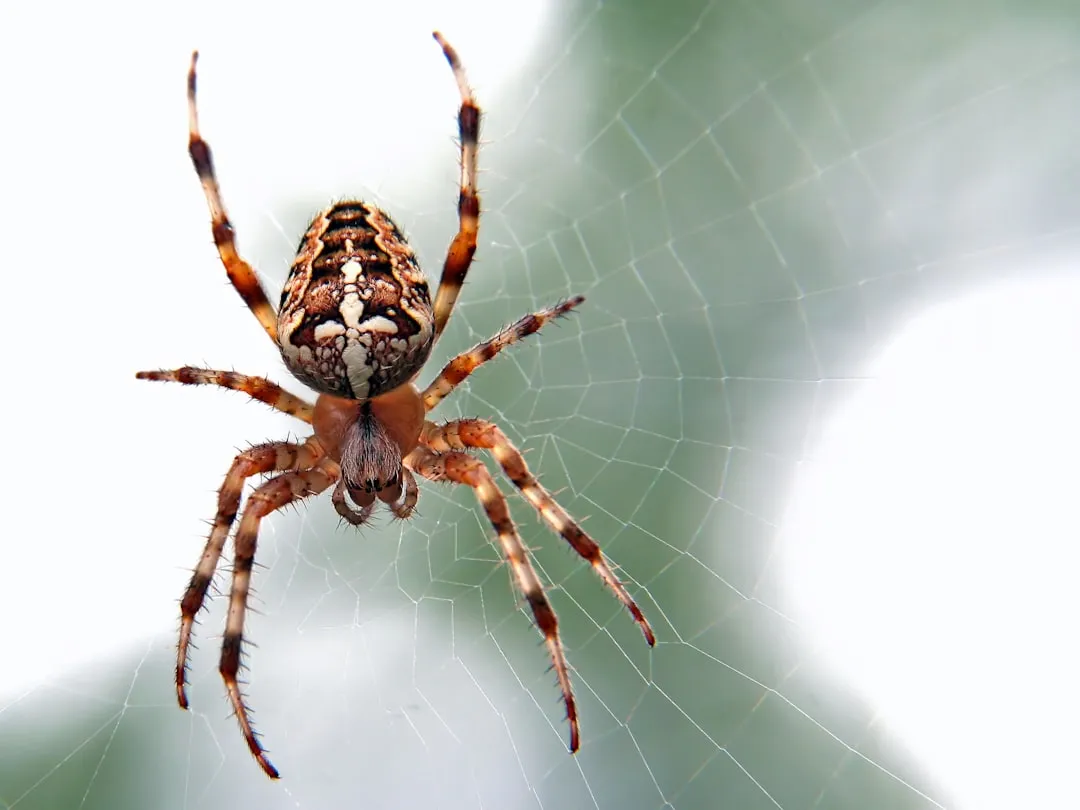
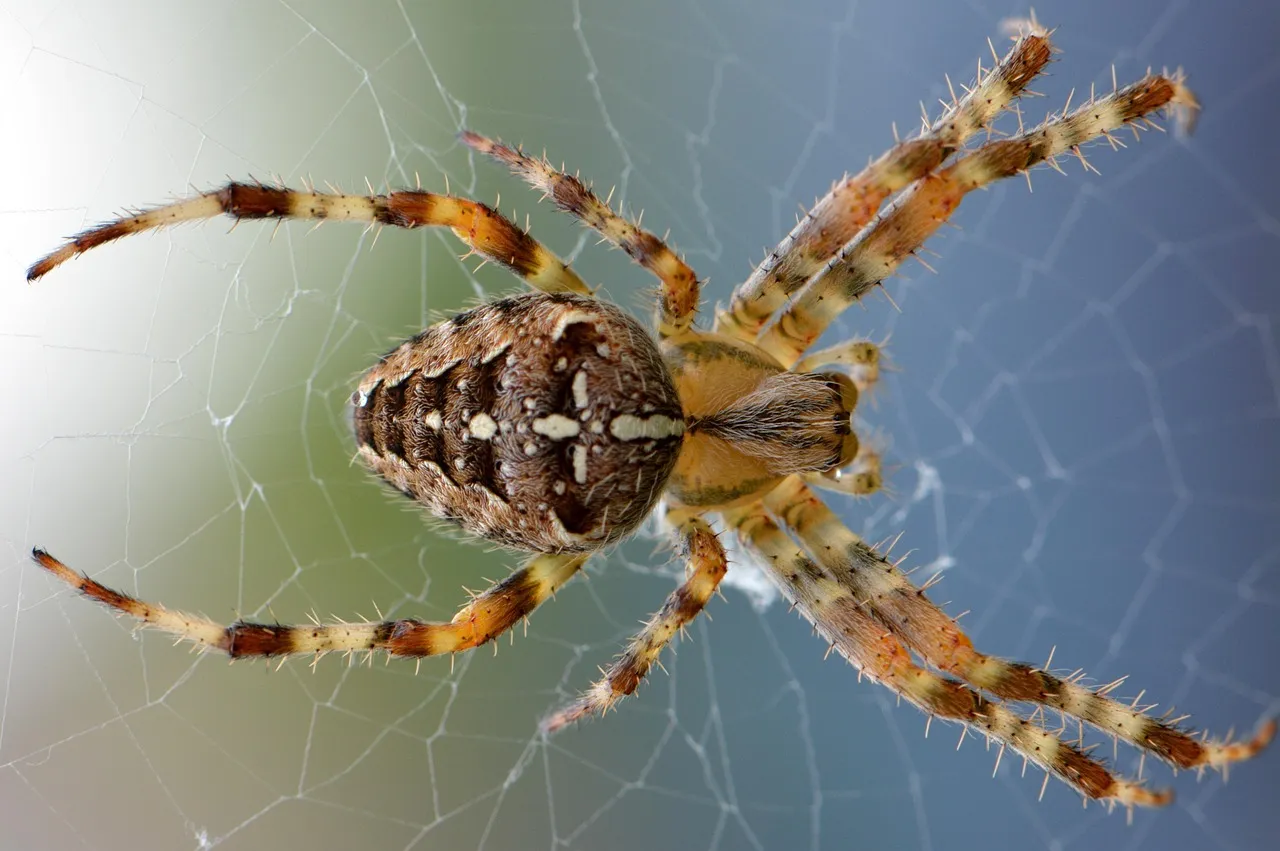
Spiders that build orb webs, the classic wheel shaped design most people picture, tend to do their major construction work at dusk or after dark. This isn’t a coincidence or a quirk of a single stubborn spider. Many orb weaving species are nocturnal by nature, meaning their internal rhythms are tuned to low light conditions, and porches with an outdoor light left on become prime real estate.
The reason ties directly back to food. Nighttime is when flying insects like moths, gnats, and beetles are most active, especially if they’re drawn toward a porch light. A spider that builds fresh silk each evening is essentially setting the table right before dinner service begins, timing its work to when prey density is at its peak.
#2 Your Porch Light Is Basically an Insect Magnet

🔥 Would you like to save this?
We'll email this post to you, so you can come back to it later!
If webs keep showing up specifically near a lit fixture, that’s not a coincidence either. Artificial light attracts night flying insects through a phenomenon scientists still debate the exact mechanics of, though disruption of their navigation by celestial light cues is the leading explanation. Whatever the precise cause, the practical effect is the same: bugs swarm the light, and spiders position themselves nearby to intercept them.
This is why the same corner of a porch can become a repeat construction site night after night. The spider isn’t randomly choosing a spot, it’s returning to a location with a proven track record of catching dinner. If you’ve ever wondered why the web always seems to reappear in the exact same gap between the post and the ceiling, the answer is simply that the spot works.
#3 Web Rebuilding Is a Nightly Necessity, Not a Choice
🔥 Would you like to save this?
We'll email this post to you, so you can come back to it later!
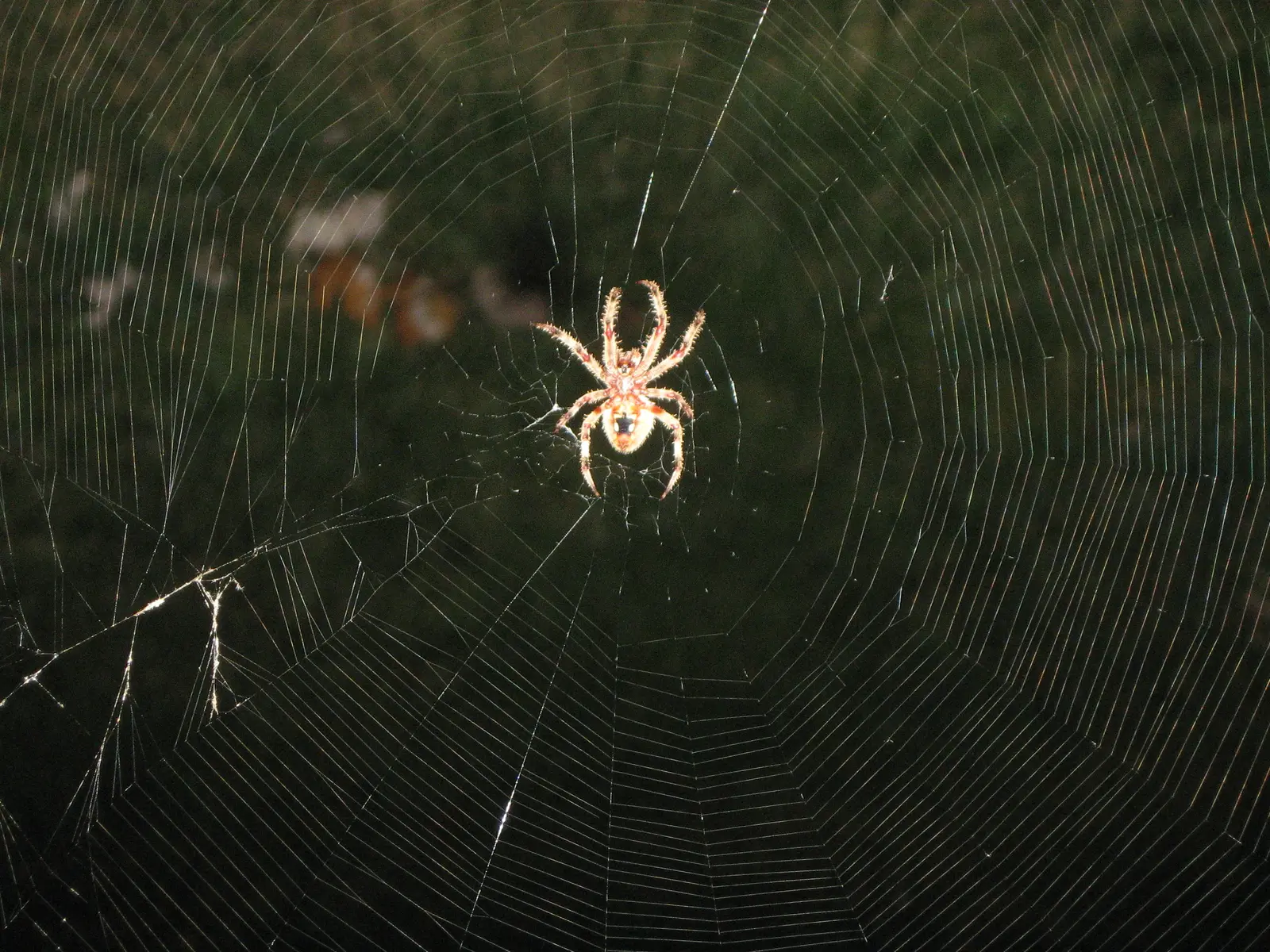
Many people are surprised to learn that orb weaving spiders often tear down and rebuild their entire web on a near daily basis. Silk isn’t indestructible. Wind, rain, struggling prey, and even the spider’s own movements degrade the sticky spiral threads over time, reducing how effectively the web catches anything.
So each evening’s fresh web isn’t excess enthusiasm, it’s basic maintenance. The spider typically consumes the old silk, recycling the proteins before spinning new thread, which is an efficient biological trick that conserves energy. Seeing a new web every night is really just evidence of a healthy, functioning spider going through its normal routine.
#4 It Often Signals a Specific Season
🔥 Would you like to save this?
We'll email this post to you, so you can come back to it later!
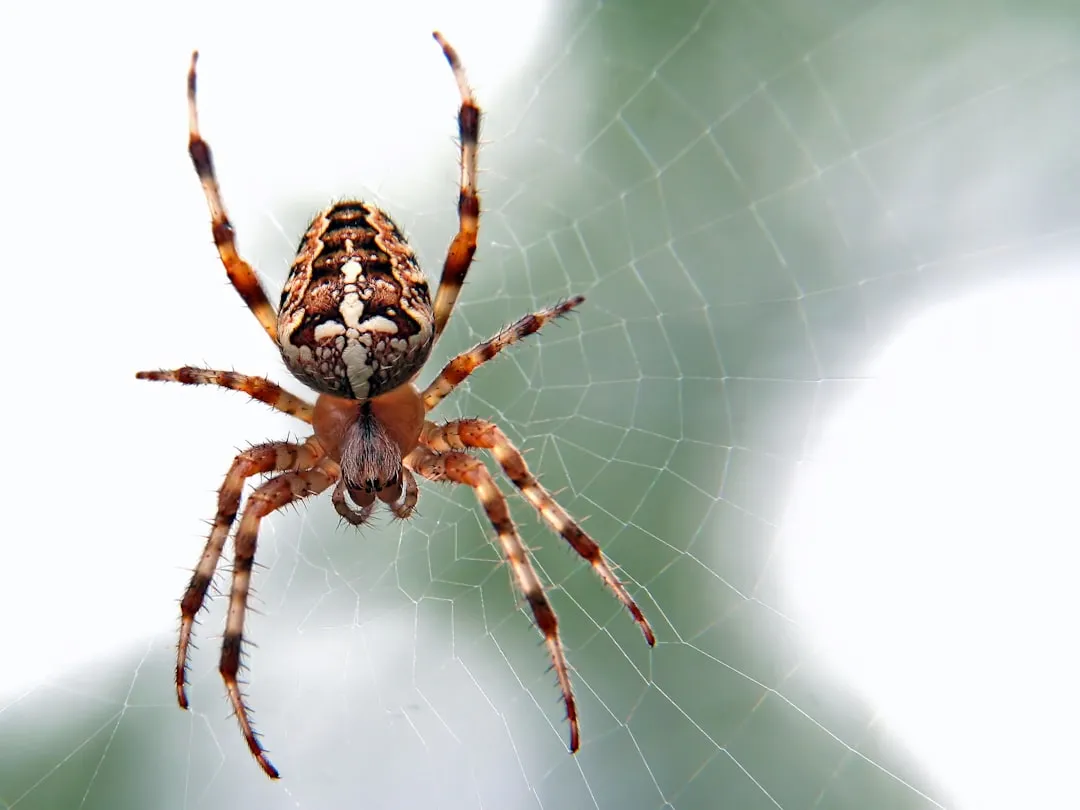
Porch webs tend to become noticeably more frequent and more elaborate in late summer and early fall in many regions. This lines up with the life cycle of common orb weavers, many of which reach their largest size and most active egg laying period during these months. What looks like a sudden infestation is frequently just the natural growth curve of spiders that have been present, quietly and less visibly, all season long.
By the time autumn approaches, these spiders are often mature adults working to store enough energy for reproduction before the cold arrives. That urgency can translate into larger webs, more frequent rebuilding, and webs placed in more conspicuous spots as the spider maximizes its feeding opportunities. It’s less an invasion and more a seasonal peak that was building the whole time.
#5 The Species Matters More Than People Realize
🔥 Would you like to save this?
We'll email this post to you, so you can come back to it later!
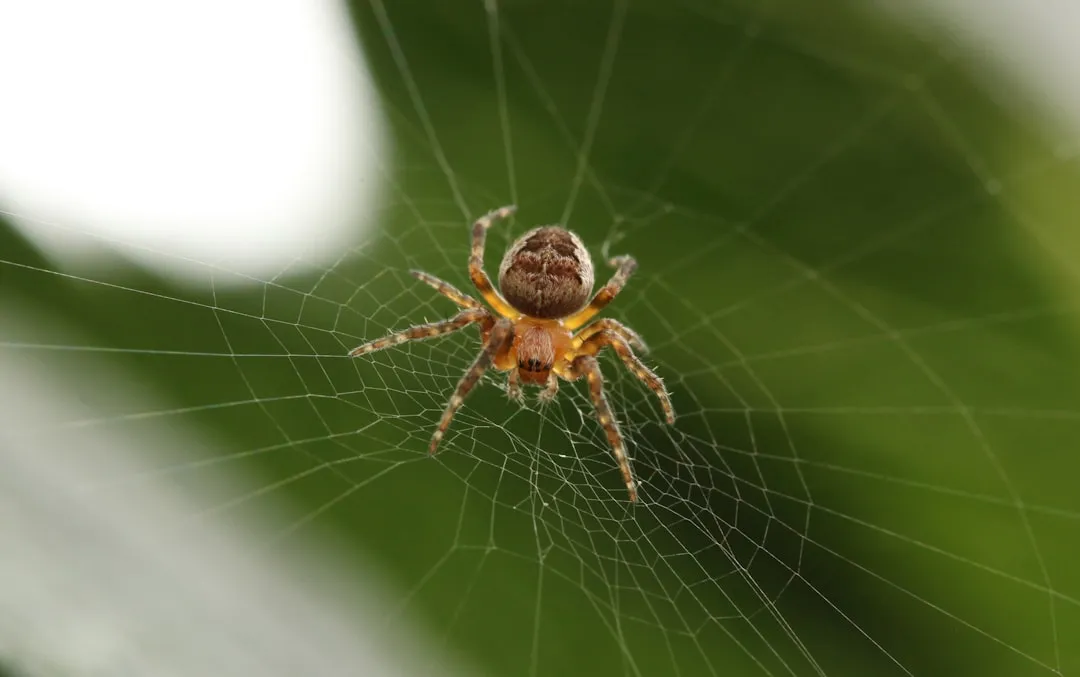
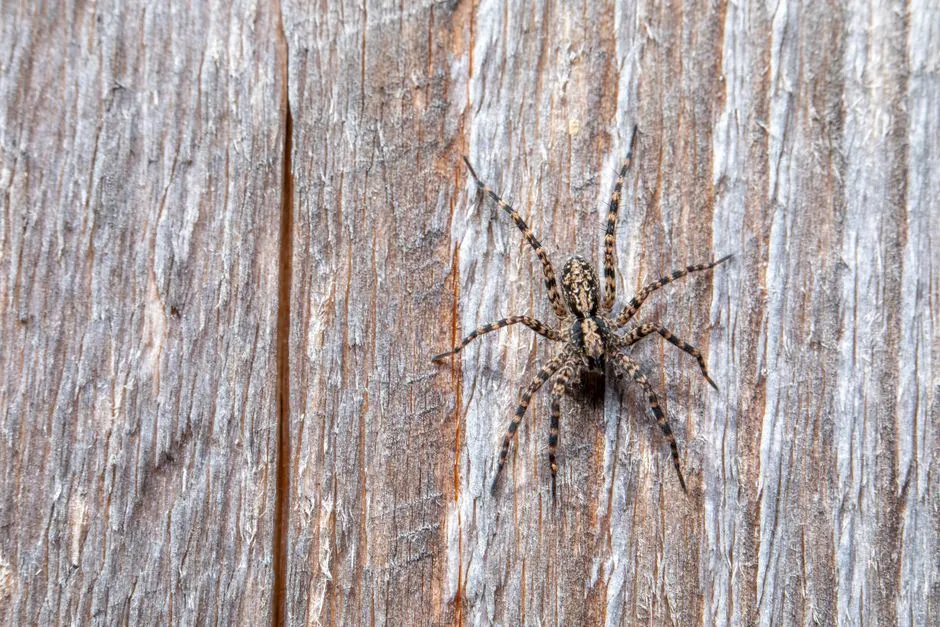
Not every web building spider behaves the same way, and the specific pattern, size, and location of a porch web can hint at which species is responsible. Some spiders favor tight corners and vertical surfaces, while others prefer open spans between two fixed points, like a railing and a hanging plant. Recognizing these differences isn’t just a fun bit of trivia, it can help homeowners understand whether they’re dealing with a species known for being harmless and beneficial or one that might warrant more caution.
Most common porch dwelling orb weavers found around homes are not dangerous to humans and are generally reluctant to bite unless directly handled. Their presence is far more about insect control than any threat to people. Taking a moment to actually look at the web’s shape and the spider’s coloring, rather than reacting purely on instinct, tends to lead to a more accurate read on the situation.
#6 A Web Filled Porch Is Often a Sign of a Healthy Local Ecosystem
🔥 Would you like to save this?
We'll email this post to you, so you can come back to it later!
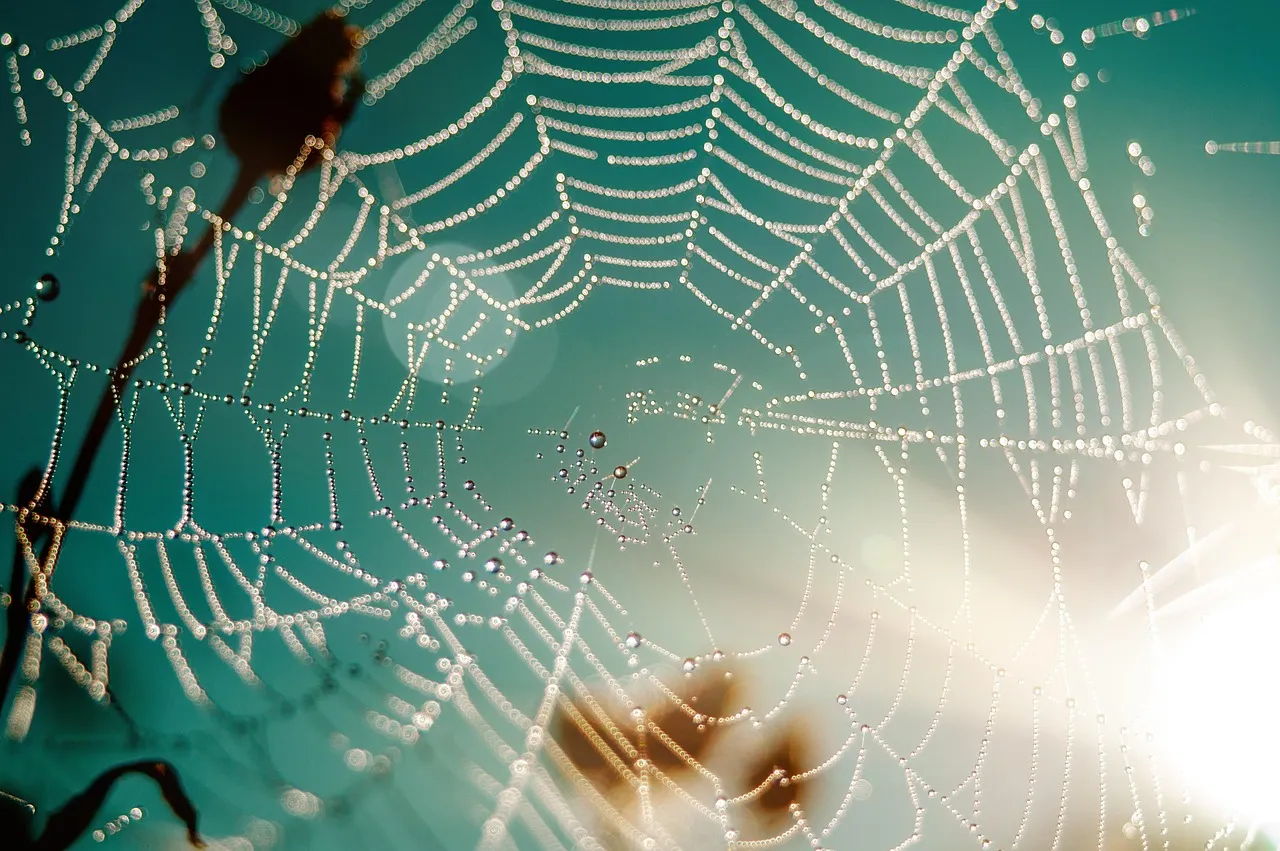
Spiders don’t set up shop in places without food, so a porch that consistently attracts web builders is usually a porch with a steady insect population nearby. That can point to healthy vegetation, standing water sources, or simply a location that sits along an active flight path for local insects. In that sense, the spiders are more of a symptom than a cause, responding to conditions that already existed before they arrived.
This dynamic also means spiders are quietly performing pest control most people never think to credit them for. A single web can intercept dozens of flying insects over the course of a season, reducing the number of mosquitoes, gnats, and moths that might otherwise make their way indoors. Removing every web on sight often just means those insects return unchecked, at least until another spider moves in to fill the gap.
#7 What You Can Actually Do About It
🔥 Would you like to save this?
We'll email this post to you, so you can come back to it later!
For homeowners who’d rather not share porch space with nightly web construction, the most effective long term fix usually isn’t destroying webs but changing the conditions that attract spiders in the first place. Switching porch lights to yellow toned or insect resistant bulbs can reduce the number of flying insects drawn to the area, which in turn makes the spot less appealing to spiders looking for an easy meal. Trimming back nearby vegetation and reducing clutter also removes some of the shelter spiders use during the day.
For those who’d rather coexist, simply relocating a web with a broom to a less trafficked corner of the porch, rather than destroying it outright, can be a reasonable middle ground. It’s worth remembering that a spider forced to rebuild constantly is spending energy it could otherwise use for growth or reproduction, so frequent disruption isn’t harmless even if it feels like a minor inconvenience. A little patience, paired with a basic understanding of what the spider is actually doing, usually leads to a calmer outdoor space for everyone involved.
The Bottom Line
🔥 Would you like to save this?
We'll email this post to you, so you can come back to it later!

- 7 Everyday Habits That Can Make Your Senior Dog Happier - November 5, 2026
- 10 Enigmatic Structures That Continue to Puzzle Scientists Today - November 5, 2026
- 10 Strange Ruins in the Americas That Challenge What We Know About Early History - November 5, 2026