
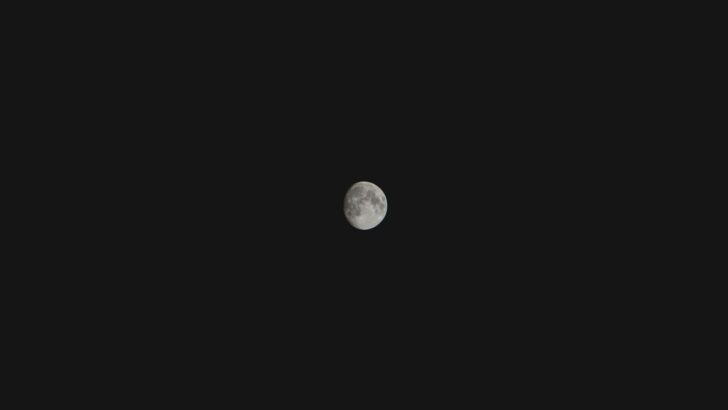
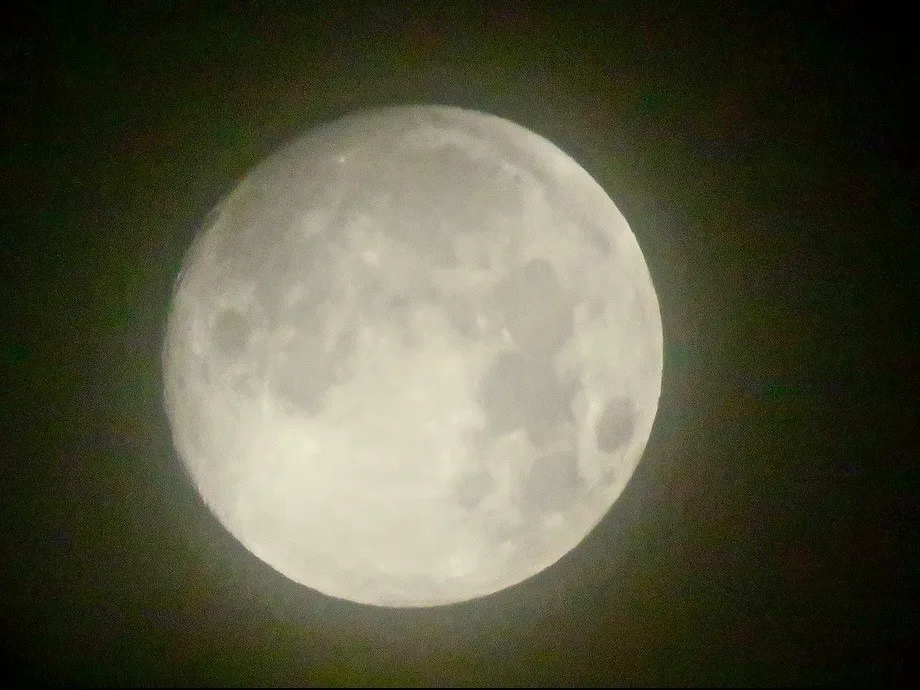
You step outside on a cold, clear evening, glance up, and something is off. The Moon is there, bright and familiar, yet a pale smudge of light sits off to one side like a ghost twin. For a moment you wonder if your eyes are playing tricks.
People have been having this exact moment for thousands of years, and they rarely shrugged it off. Old sky watchers treated a doubled Moon as a message, a warning, or a forecast. The real explanation is just as interesting as the folklore, and the two overlap more than you might expect.
The Faint Twin Has a Name: The Moon Dog
🔥 Would you like to save this?
We'll email this post to you, so you can come back to it later!
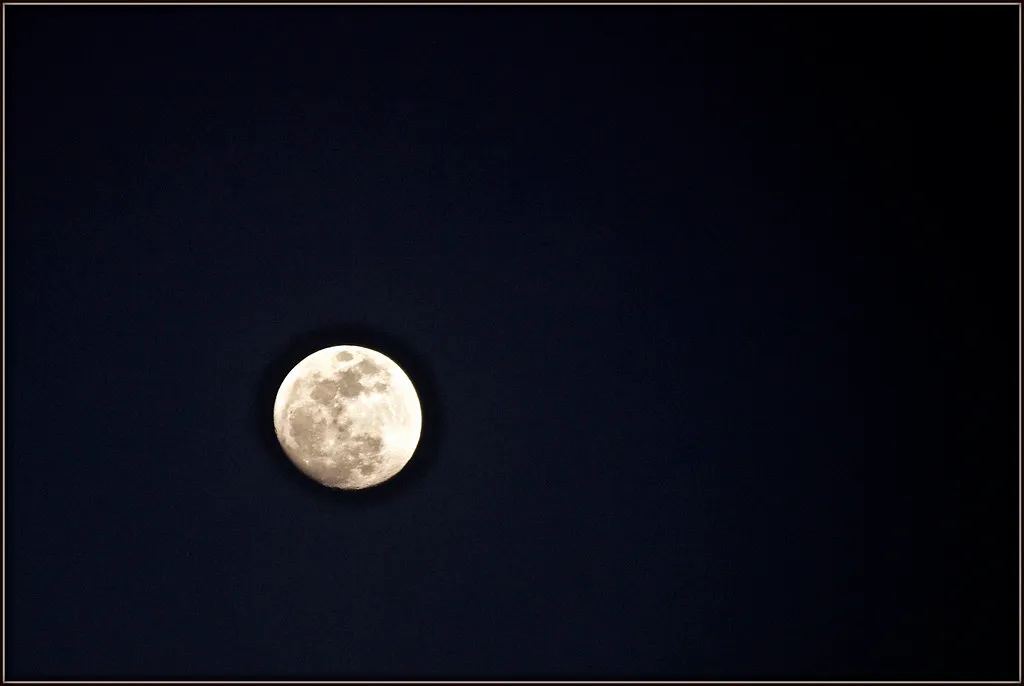
The scientific term is paraselene, which comes from Greek roots meaning “beside the Moon.” Most people simply call it a moon dog. It’s the lunar cousin of the better known sun dog, a bright patch of light that appears next to the Sun.
A moon dog usually shows up as a soft, whitish glow, sometimes with a faint reddish tint on the side nearest the Moon. It’s much dimmer than the real thing, which is why folklore so often describes it as a pale or ghostly companion. Because moonlight is weak to begin with, the effect is subtle, and you often need a bright, nearly full Moon to catch it.
Sometimes there are two, one on each side of the Moon. Other times you only see one, or the glow is so faint it looks like a thin patch of haze. That variety is part of why the sightings feel so personal and so strange.
What Is Actually Happening Up There
🔥 Would you like to save this?
We'll email this post to you, so you can come back to it later!
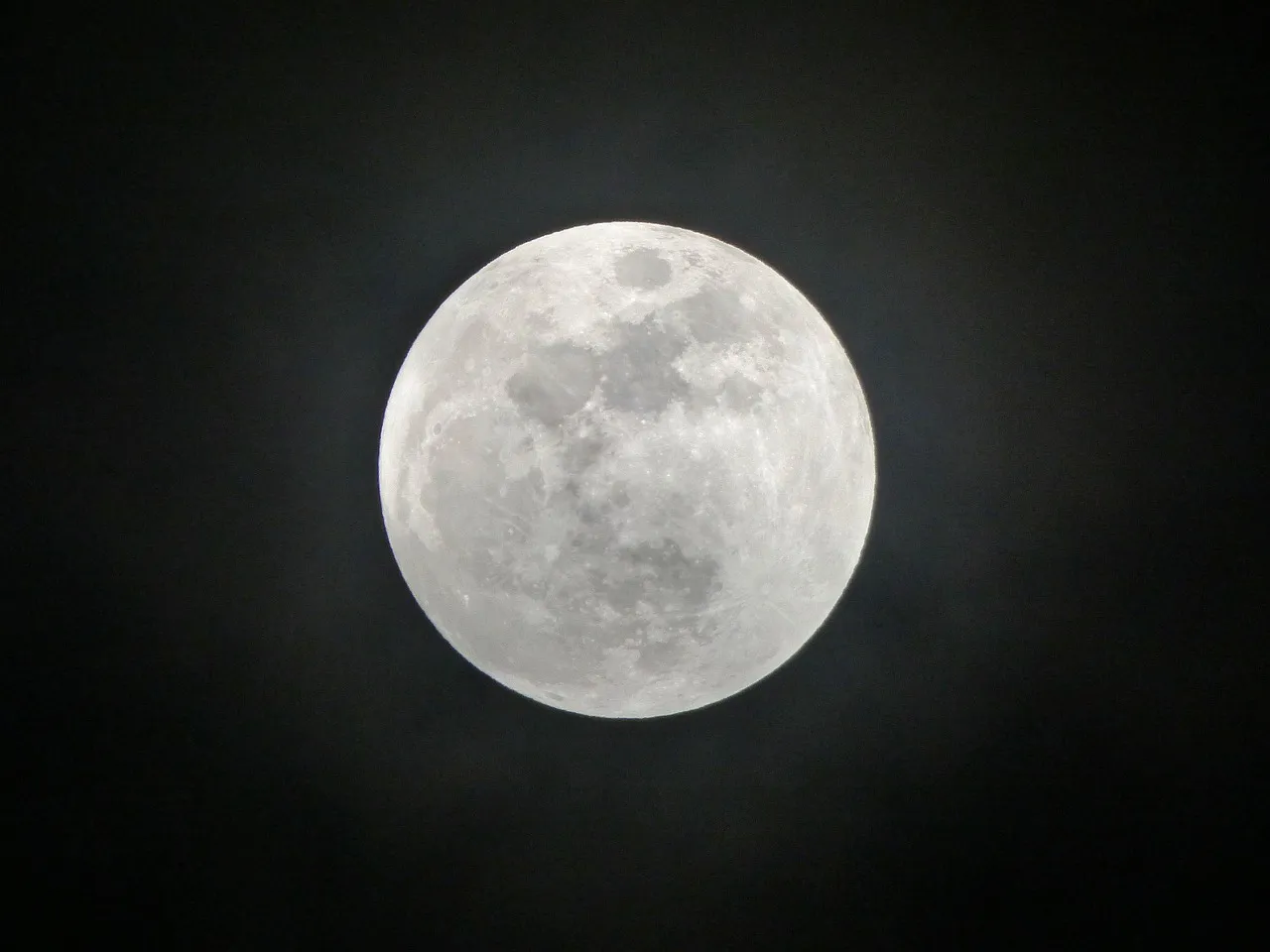
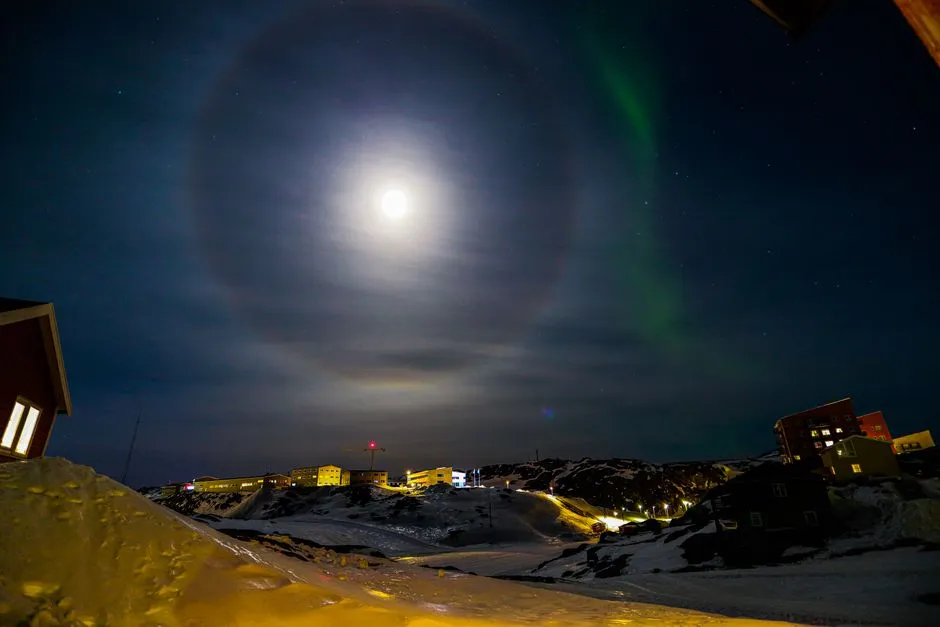
Moon dogs form when moonlight passes through thin, high clouds made of tiny ice crystals, usually cirrus or cirrostratus. If many of those crystals are flat, six sided plates drifting with their faces roughly horizontal, they act like tiny prisms. They bend the light and send it toward your eye from a specific angle.
That angle is about twenty two degrees from the Moon, which is why moon dogs sit at a predictable distance. A handy way to gauge it is to hold your hand at arm’s length and spread your fingers wide. The span from thumb tip to pinky tip is roughly that size.
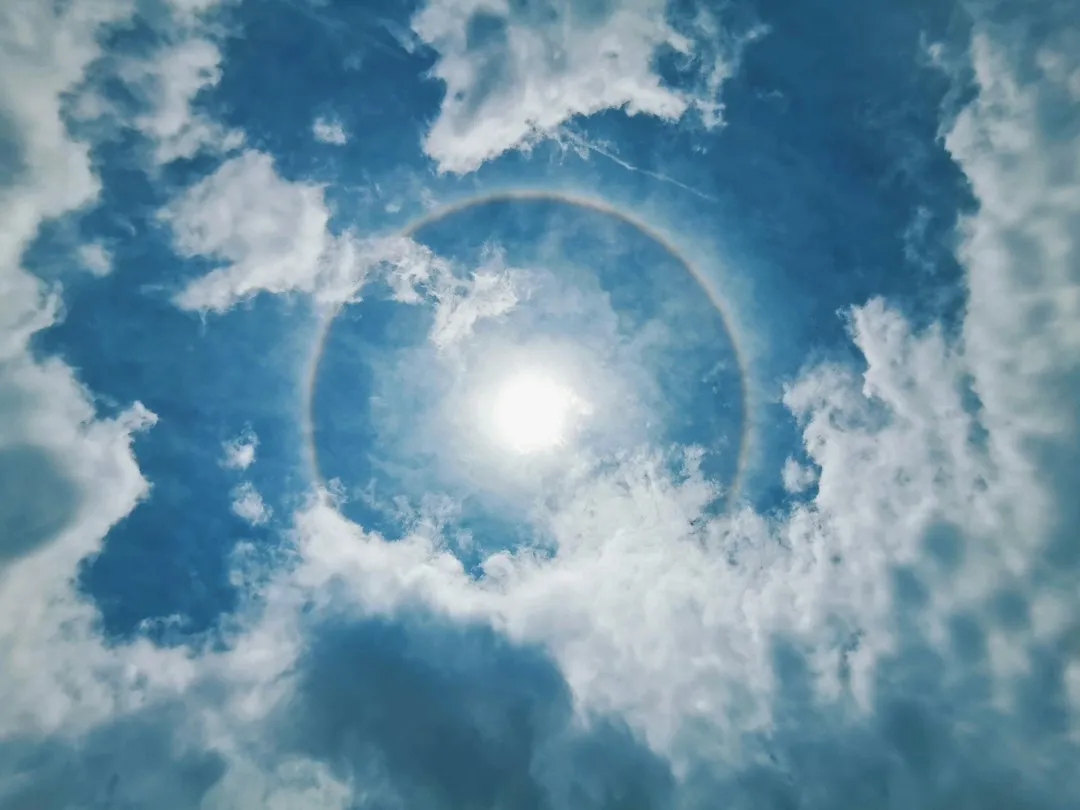
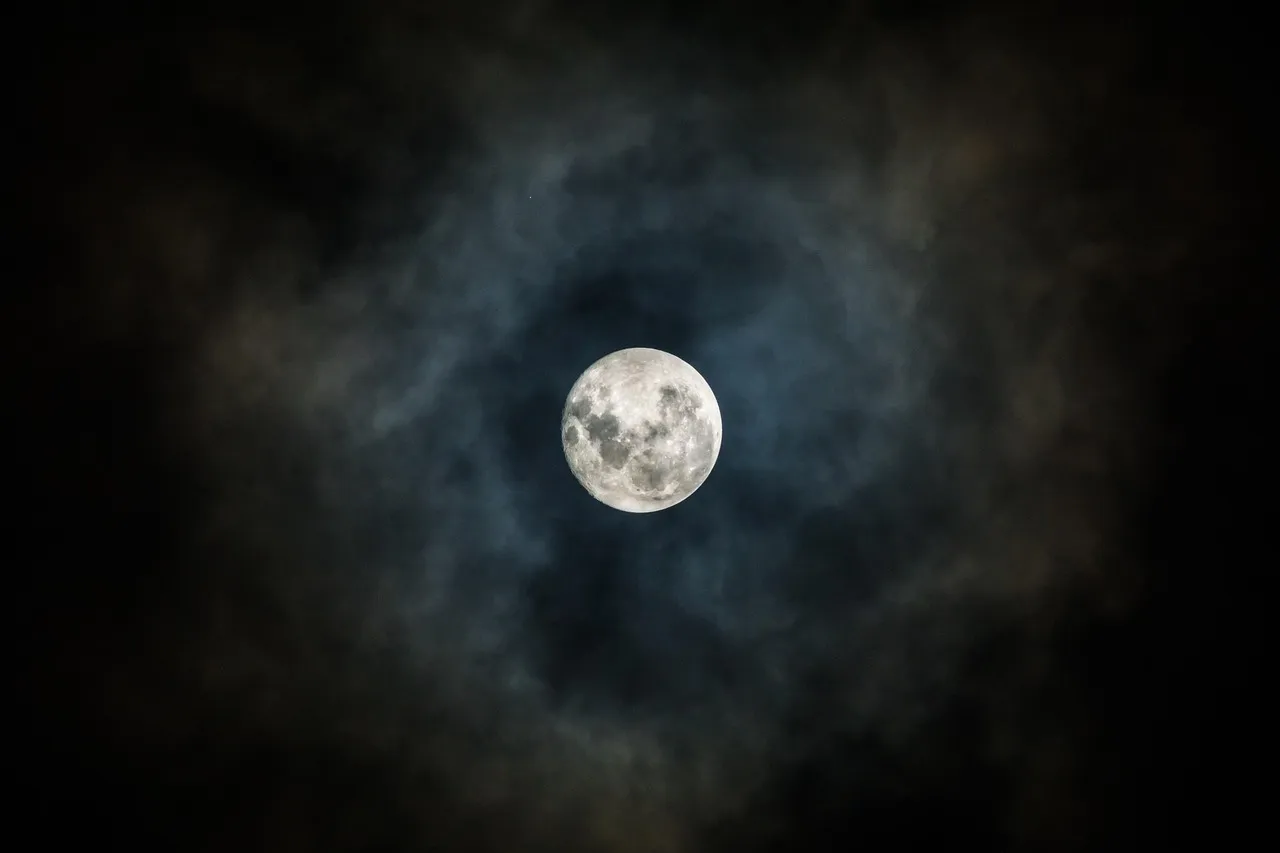
The same ice crystals often produce a full halo, a faint ring around the Moon at that same twenty two degree radius. Moon dogs are essentially the brightest spots on that ring. So if you see one, it’s worth scanning the sky for the rest of the circle.
Why Ancient Observers Took It Seriously
🔥 Would you like to save this?
We'll email this post to you, so you can come back to it later!
Before telescopes and weather satellites, the sky was the only calendar and almanac available. Anything that broke the usual pattern got noticed and recorded. Greek and Roman writers, including Aristotle and Seneca, discussed halos and false suns in their natural philosophy, trying to explain them as products of reflection in clouds.
Roman historians also had a habit of listing unusual sky events among prodigies, the odd signs that supposedly accompanied political turmoil or disaster. Several suns or moons showing up in the heavens was the kind of thing that made it into those accounts. Whether the writers saw genuine halo displays or repeated stories they’d heard is hard to say, but the pattern is clear: doubled lights meant something.
It’s easy to smile at that now. Yet if your whole world depended on harvests, voyages, and weather, a sky that suddenly looked wrong would feel like information worth acting on.
The Weather Folklore Behind a Doubled Moon
🔥 Would you like to save this?
We'll email this post to you, so you can come back to it later!
The most widespread folk reading of a ring or twin glow around the Moon is practical rather than mystical. It means weather is coming, usually rain or snow within a day or two. Sailors, farmers, and shepherds across many cultures passed this idea along in rhymes and sayings, often in slightly different forms.
There’s a reasonable logic to it. The high ice clouds that create these effects often spread ahead of an approaching warm front, and a warm front frequently brings steady precipitation. So the folklore isn’t random superstition. It’s pattern recognition built over generations.
Here are the typical folk readings people attached to the sight:
- A single moon dog or halo suggests a change in weather is on the way.
- A brighter, more defined ring was often read as a sign of nearer or heavier weather.
- Two moon dogs, one on each side, were treated as an especially strong omen.
- In some traditions, a doubled Moon was also a warning about luck, travel, or illness.
How Accurate Is the Forecast, Really?
🔥 Would you like to save this?
We'll email this post to you, so you can come back to it later!
Here’s the honest answer: partly right, but far from perfect. High cirrostratus clouds do often arrive before a frontal system, so the halo and moon dog signal has real meteorological backing. Yet not every thin ice cloud means a storm is coming, and some systems stall, weaken, or pass by.
Modern forecasters would treat a moon dog as one clue among many, not a prediction. Pressure trends, wind shifts, and satellite imagery do the heavy lifting today. Still, it’s a nice reminder that people used to extract useful forecasts from nothing but patience and careful looking.
If you want to test the folklore yourself, note the date when you see one and check the weather over the next two days. A small personal log can be more convincing than any article. Results will vary, and that’s fine.
When the Second Moon Isn’t in the Sky at All
🔥 Would you like to save this?
We'll email this post to you, so you can come back to it later!
Not every doubled Moon is a moon dog. Sometimes the culprit is much closer to home, and it’s worth ruling these out before reaching for ice crystals or omens.
- Astigmatism or tired eyes can split a bright point of light into a ghost image.
- Dirty or fogged glasses and windows can create a faint reflected copy.
- Camera lenses and phone screens often produce lens flare or reflections that look like a second Moon.
- Thin haze or smoke can scatter light into a glowing patch near the Moon.
A quick test helps. Look with one eye closed, then the other, and move your head slightly. If the twin shifts or vanishes, it’s your eyes or your glass. If it stays put at the same spot relative to the Moon, you’re probably looking at a real atmospheric effect.
Real Second Moons That Astronomers Talk About
🔥 Would you like to save this?
We'll email this post to you, so you can come back to it later!
Here’s a twist: Earth really does have some quirky companions, though none you’d spot beside the Moon on a casual evening. Astronomers have identified small asteroids called quasi satellites, which loop around in step with our planet without truly orbiting it. They’re tiny and far too faint to see without serious equipment.
There are also temporary captures, sometimes nicknamed mini moons, where a small space rock lingers near Earth for a few months before drifting away. These are detected by survey telescopes, not by eye. Another long discussed idea involves faint dust concentrations near stable points in the Earth Moon system, though how well those are confirmed is still debated.
So the folklore twin and the scientific twins are different things entirely. The glow beside the Moon is light bent by ice. The real companions are rocks and dust, invisible to us and quietly keeping pace.
My Take: Keep the Wonder, Keep the Skepticism
🔥 Would you like to save this?
We'll email this post to you, so you can come back to it later!
I think the best way to treat a second Moon is to hold both ideas at once. The folklore isn’t foolish, because it captured a genuine link between those ice clouds and coming weather. The science doesn’t make the sight any less striking, either.
What I’d push back on is the leap from “this is a sign” to “this will definitely happen.” Old sky lore was a toolkit for making educated guesses, not a guarantee, and the better storytellers always knew that. Treating it as entertainment with a kernel of truth feels honest.
Next time you catch that pale twin hovering beside the Moon, take a minute. Find the halo, estimate the angle with your hand, and check the forecast. You’ll be doing what sky watchers have done for millennia, just with a bit more physics in your pocket.

- 7 Everyday Habits That Can Make Your Senior Dog Happier - November 5, 2026
- 10 Enigmatic Structures That Continue to Puzzle Scientists Today - November 5, 2026
- 10 Strange Ruins in the Americas That Challenge What We Know About Early History - November 5, 2026