
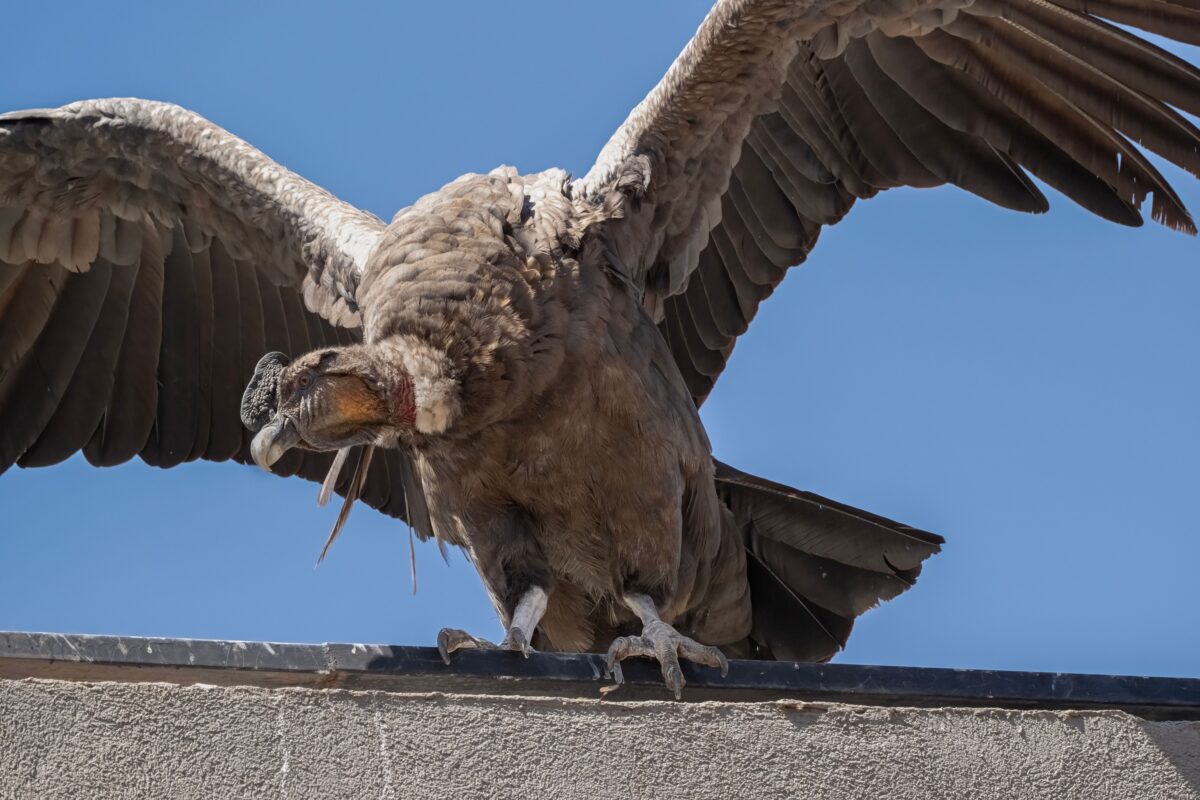
#1 The rooftop is basically a cliff to a vulture
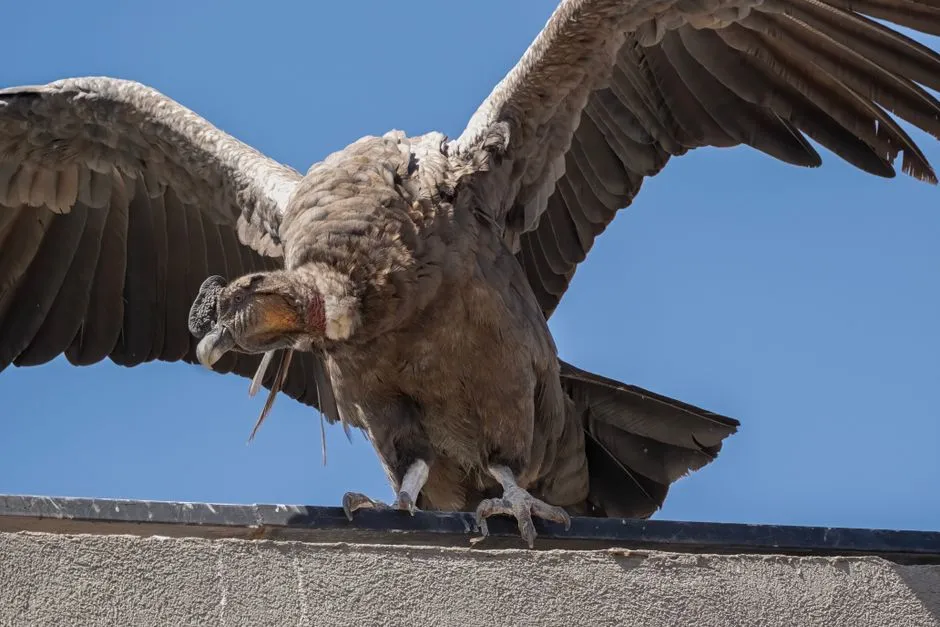
Vultures did not evolve with houses in mind, but the instincts that guide them toward rooftops are ancient ones. Vultures evolved to use elevated, open perches such as cliffs, dead trees, and rocky outcrops, which provide a wide field of view, allowing them to scan for food while remaining safe from ground predators. A roof checks every one of those boxes without the bird having to travel far from a neighborhood it already knows.
As suburbs and small towns have spread into what used to be open countryside, rooftops have simply become the nearest substitute for the natural high ground vultures have always preferred. Rooftops have become extensions of their natural habitat, offering advantages that mimic cliffs, open ground, and sunlit perches. Seen that way, the bird isn’t doing anything strange. It’s just applying an old survival strategy to a new landscape.
#2 Warmth matters more than most people realize
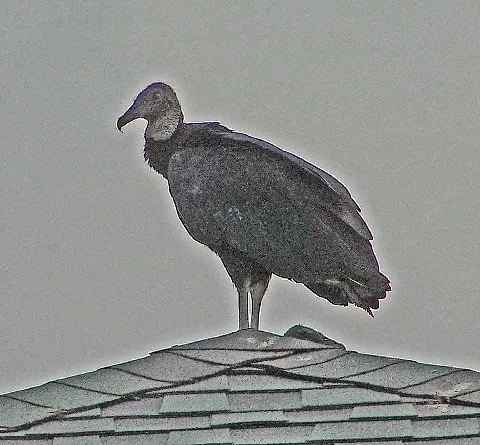
Anyone who has walked barefoot across a dark shingle roof on a summer afternoon knows how much heat those surfaces can hold. Vultures know it too, and they use it to their advantage on cool mornings or after a cold night. Rooftops, especially those with dark surfaces, absorb heat, making them ideal spots for vultures to warm up during cooler mornings.
This is one of the simplest explanations for rooftop gatherings, and it’s often overlooked because it seems almost too mundane. A large bird with a body built for gliding, not generating heat through constant movement, benefits enormously from a warm surface to perch on before the day’s flying begins. In that sense, a rooftop functions less like an ominous stage and more like a sunny patch of pavement that happens to have a good view.
#3 That wide-winged pose has a name and a purpose
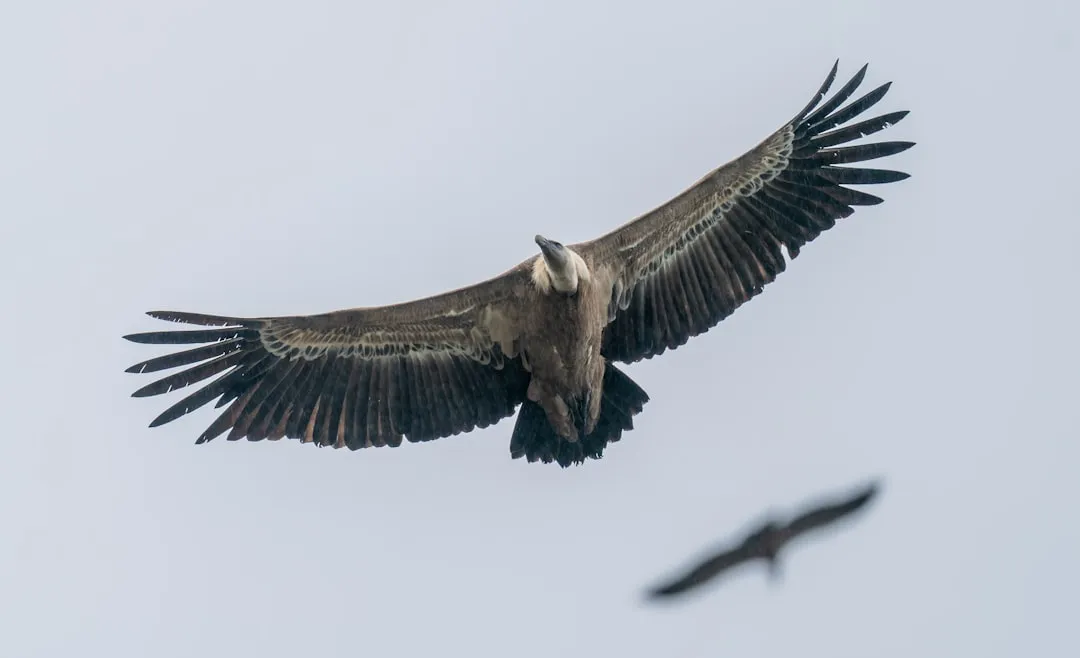
The stance that unsettles so many onlookers, wings stretched wide, head slightly lowered, bird standing perfectly still, is called the horaltic pose, and it shows up constantly in rooftop sightings. Vultures often stand with their wings extended in this common behavior, and while the pose can look majestic or even threatening, it’s actually something vultures do to dry their wings off and help their bodies warm up after it rains.
There’s a hygienic angle to it as well, which tends to surprise people who assume the posture is purely dramatic. The sunlight and wind can also help get rid of bacteria and parasites hiding in their feathers. A roofline offers exactly the kind of open, unobstructed exposure to sun and breeze that makes this feather maintenance routine actually work, which is part of why vultures gravitate toward high, flat surfaces after a storm rolls through.
#4 These are deeply social birds, not solitary omens
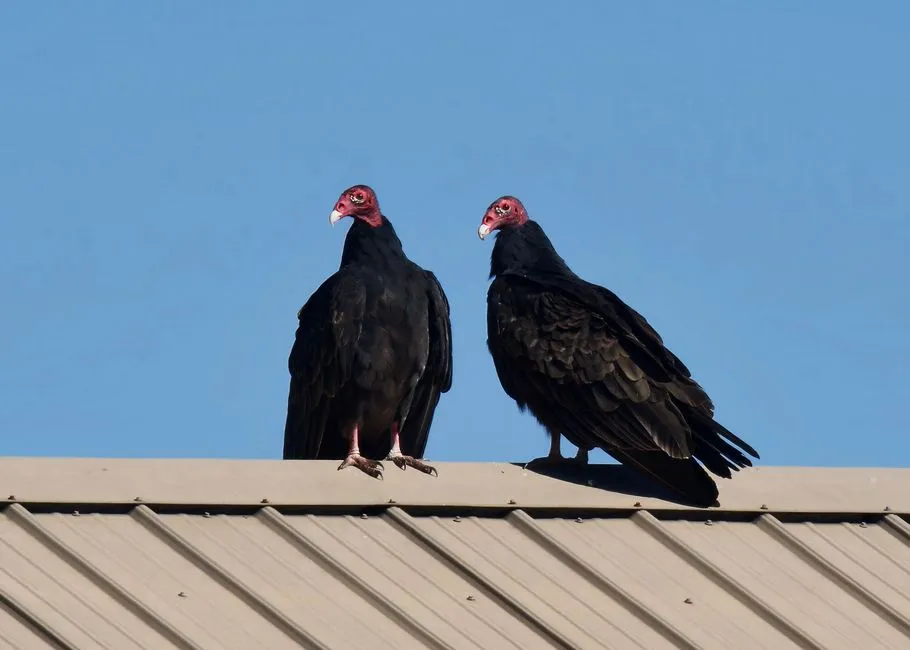
Vultures are frequently painted as lone, brooding figures circling in isolation, but that image doesn’t match how they actually live. Vultures are often perceived as solitary, but they are actually highly social birds, and gathering on rooftops is part of a broader social system that includes communal roosting, shared feeding, and information exchange.
What looks like a still, silent gathering is actually a fairly active social scene if you know what to watch for. When vultures gather, they are not simply resting; they are observing each other, establishing hierarchy, and maintaining group cohesion, and younger birds learn from more experienced individuals, gaining insight into feeding locations and safe behaviors. A rooftop full of vultures, in other words, is closer to a neighborhood meeting than a warning sign.
#5 A roof gathering rarely means death is nearby
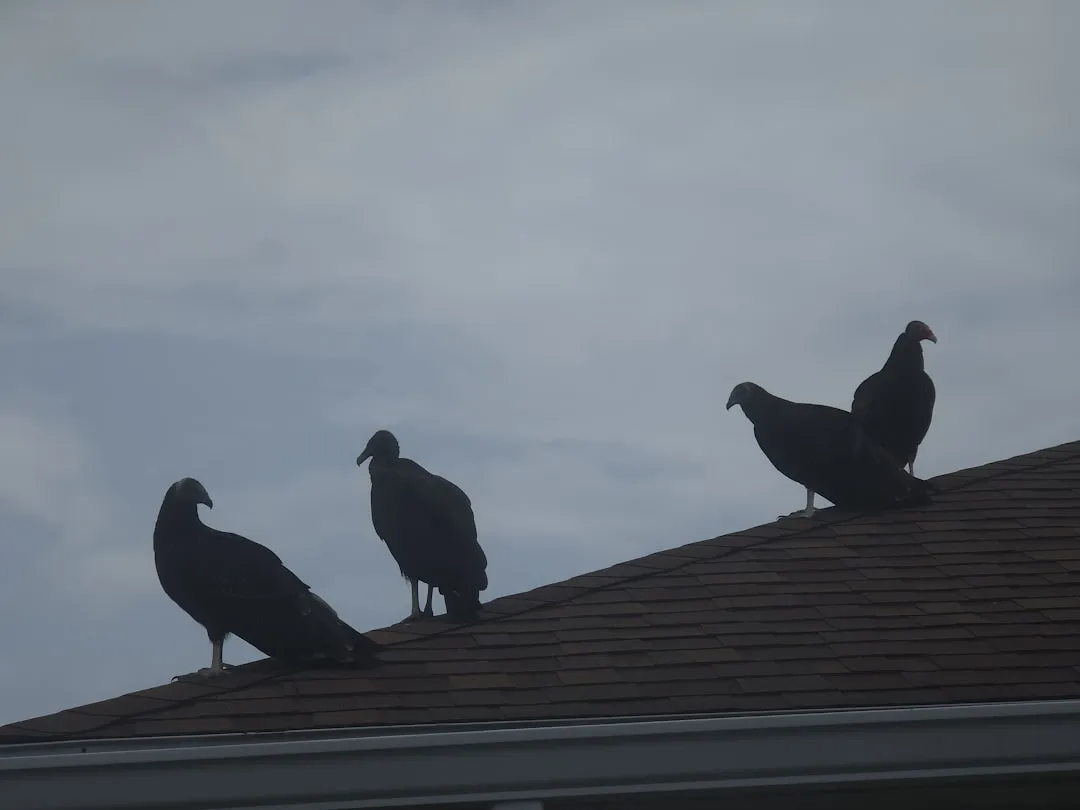
This is probably the single biggest misconception tied to the whole phenomenon, and it’s worth addressing directly. One of the most common fears among homeowners is that vultures gathering on a roof indicate something dead nearby, but while vultures are scavengers, their presence does not necessarily signal an immediate food source, since much of their time is spent searching rather than feeding, and perching is a natural part of that process.
Even when there is a food source somewhere in the area, the connection to any one rooftop is usually loose at best. While vultures do not feed on rooftops, they are drawn to areas where food is accessible within a reasonable distance, and roadways, fields, and wooded edges can all provide opportunities, so a house located near these features may become part of a larger foraging circuit, making its roof a convenient resting point along the way. The bird isn’t marking your house. It just happens to sit on the way to somewhere else.
#6 Turkey vultures and black vultures don’t behave quite the same way
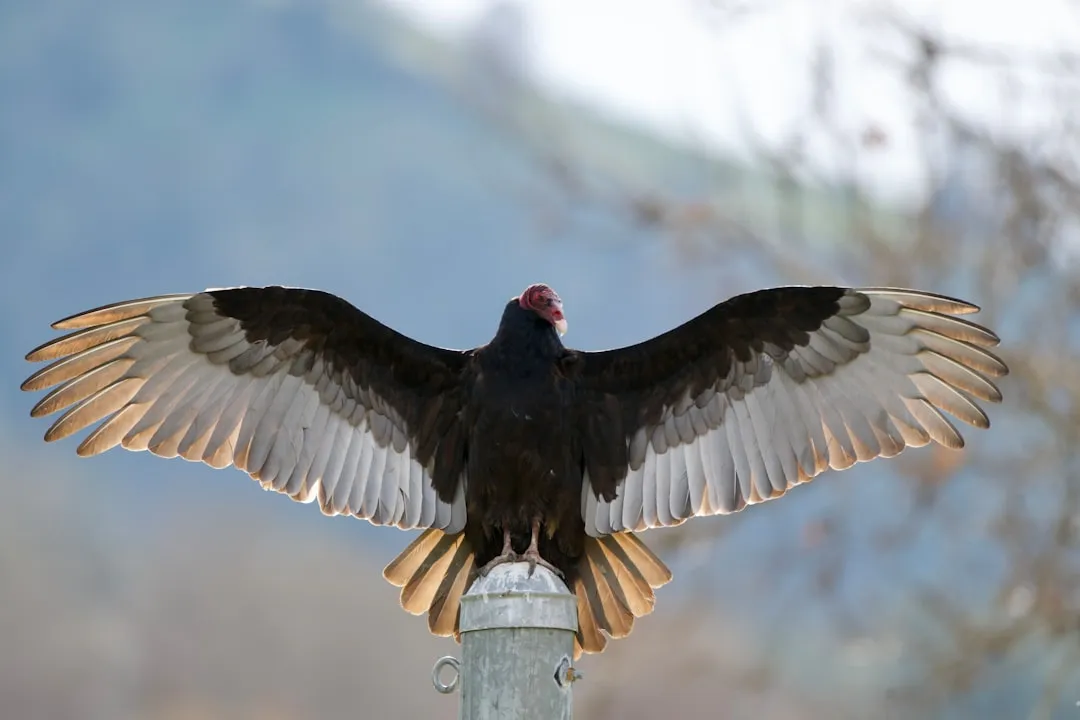
Not every rooftop gathering is the same species, and the difference actually changes what’s likely going on. Turkey vultures have an incredibly keen sense of smell, allowing them to detect the scent of decaying flesh from great distances, while black vultures rely more on sight and often follow turkey vultures to carcasses.
This distinction matters if you’re trying to figure out whether a nearby smell or an actual visible food source is drawing a crowd. Both black and turkey vultures have excellent eyesight, though turkey vultures also have an incredible sense of smell to find carrion, while black vultures have a much weaker sense of smell. A rooftop full of turkey vultures, then, is a slightly stronger hint that something in the vicinity has died than the same scene made up mostly of black vultures, who are more often just following the crowd or the view.
#7 Folklore casts a longer shadow than the science does
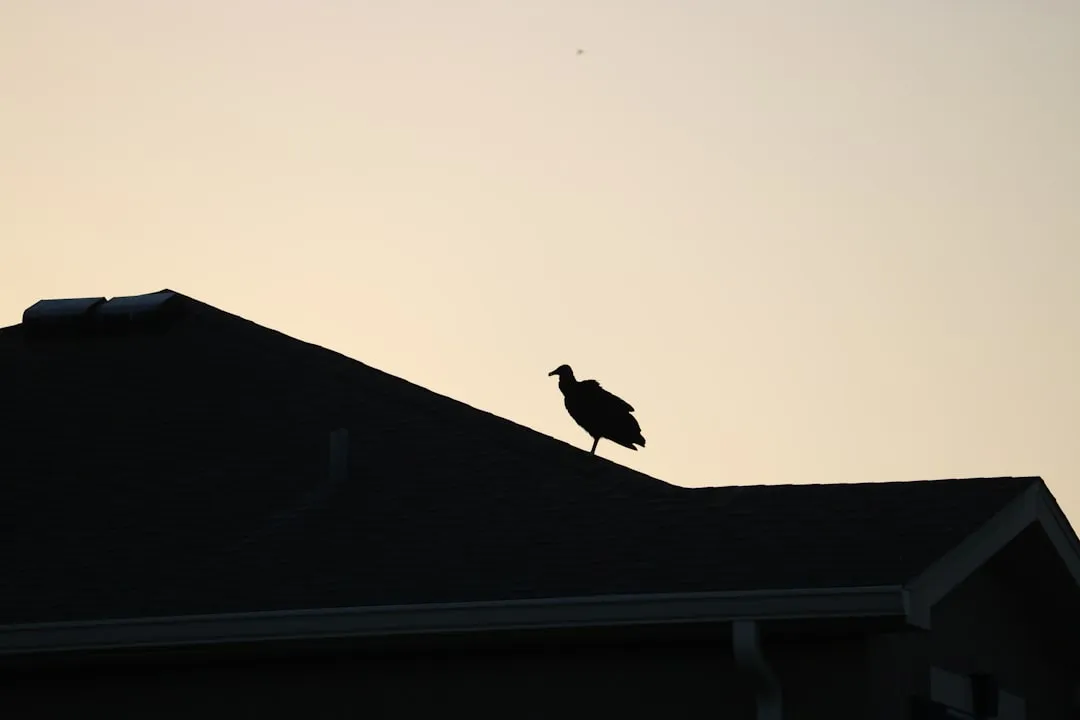
Long before anyone understood thermoregulation or communal roosting, cultures around the world had already decided what a vulture on a roof meant, and it usually wasn’t good. Because vultures devour abandoned corpses rather than killing their prey, they are held to be an omen of coming death, with some traditions claiming the bird can sense death days in advance.
That symbolism hasn’t faded much, even in an era of wildlife cameras and citizen science. Modern folklore, especially in parts of Appalachia and the American South, still treats a rooftop full of vultures as a sign worth talking about at length, even when the explanation on offer has nothing to do with biology. Explore Appalachian folklore on vultures as death birds, omens of sickness, and superstitions tied to these scavengers. None of that folklore is backed by evidence, but it persists because the image itself is genuinely striking, and striking images tend to outlive tidy explanations.
#8 There’s a legal reason nobody should try to scare them off with force
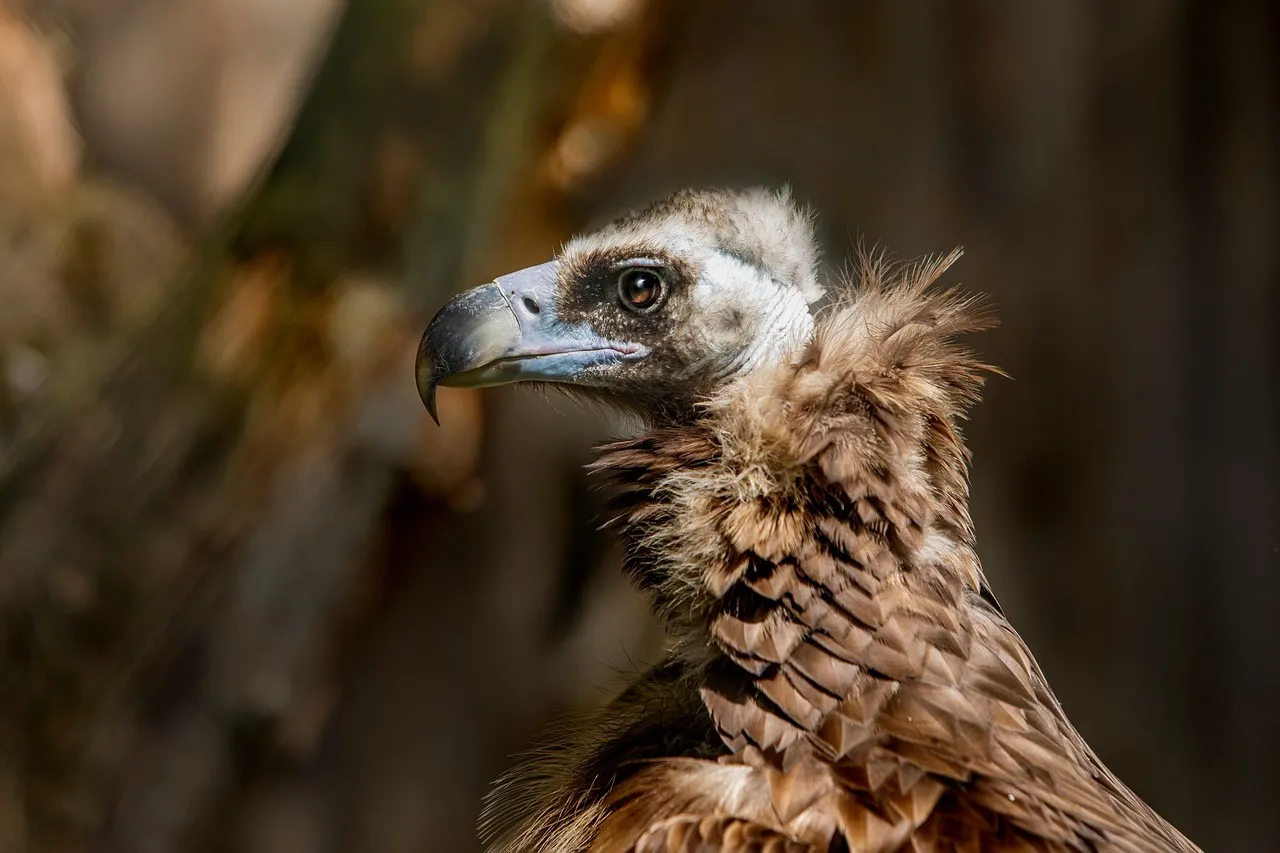
Whatever the reason for a rooftop gathering, one practical fact matters more than any of the folklore: these birds cannot legally be harmed or removed without a permit in the United States. Vultures are federally protected by the Migratory Bird Treaty Act, administered by the U.S. Fish and Wildlife Service, and a permit is required to trap, kill, relocate, or otherwise handle vultures or their eggs.
The protection exists because vultures do genuine ecological work that few other animals can replicate. Their digestive systems are highly acidic, allowing them to consume carcasses infected with diseases that would be fatal to other animals, preventing the spread of diseases such as anthrax, botulism, and rabies, while their efficient scavenging reduces the need for costly and potentially harmful carcass removal methods. For homeowners genuinely bothered by roost damage to shingles or vents, the accepted path is nonlethal deterrence and habitat modification, not force, and definitely not anything that risks a federal fine.
Final Thoughts
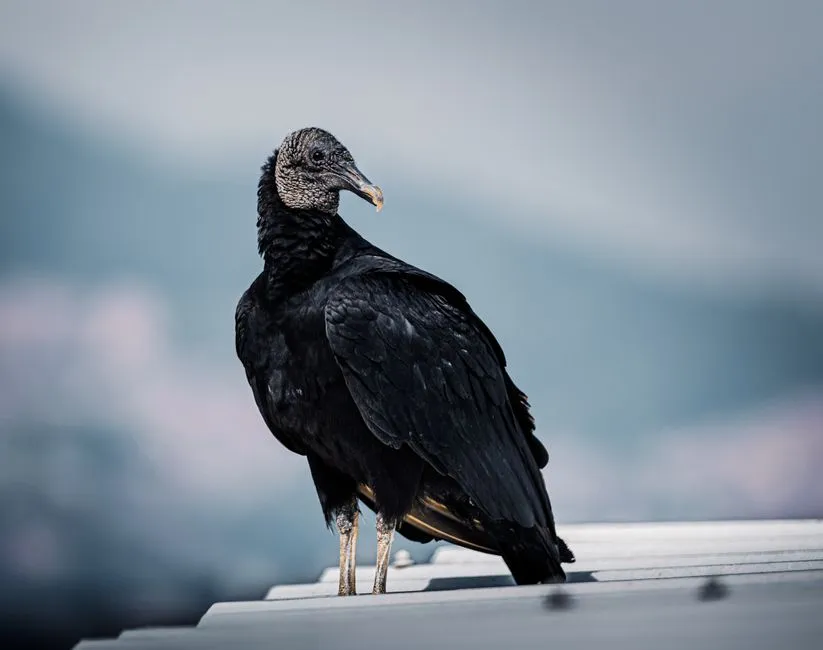
I’ll admit there’s something almost comical about how much dread gets packed into a scene that, once you understand it, boils down to birds warming up, drying off, and catching up with each other on a convenient patch of high ground. The folklore surrounding vultures is old and colorful, and it’s not going anywhere soon, but it doesn’t hold up particularly well against what field biologists have actually documented about these birds’ habits.
If anything, the rooftop gathering deserves more curiosity than fear. It’s a small window into a highly social, remarkably resourceful species that has quietly adapted to sharing our neighborhoods, using our architecture the same way its ancestors used cliffs and dead trees. That’s a more interesting story than an omen, and it happens to be the true one.

- 11 Ways Your Cat Is Secretly Protecting You Every Day - August 14, 2026
- 10 Mistakes People Make When Camping in Wolf Country - August 14, 2026
- 8 Dog Breeds That Form the Strongest Bond With One Person - August 14, 2026