
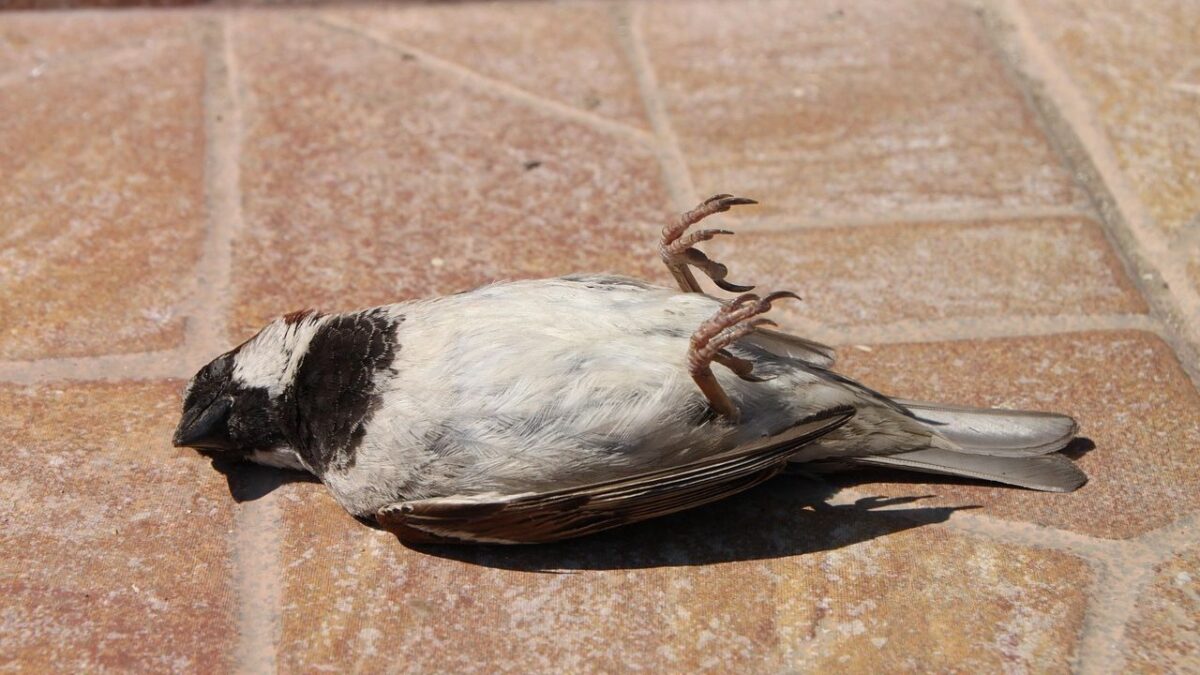
Finding a dead bird right at your front door tends to stop people in their tracks. The sight feels sudden and out of place, prompting questions about whether it carries some larger message. Behavioral ecologists approach the same scene with a different set of questions focused on animal movement, predation patterns, and urban environments.
Instead of looking for omens, they trace the event back to observable behaviors and ecological pressures that shape bird lives every day. The result is usually a straightforward explanation rooted in how birds navigate human spaces rather than anything mysterious.
Everyday Encounters That Lead to Doorstep Discoveries
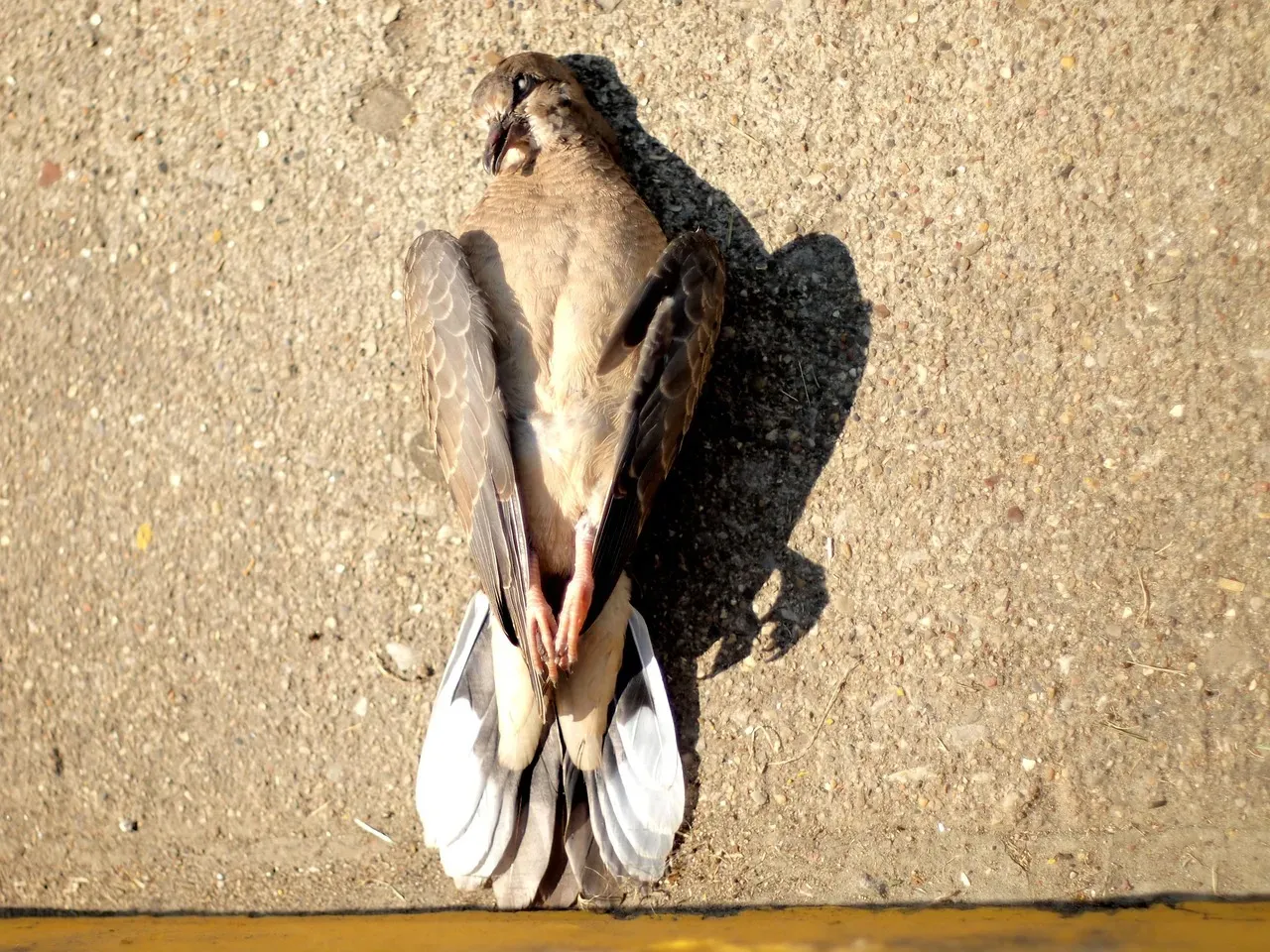
Birds move through neighborhoods in search of food, water, and shelter, and their paths sometimes cross with the edges of homes. A bird that dies nearby can end up on a doorstep through simple proximity or the actions of another animal. Ecologists note that these incidents happen more often than most residents realize because daily routines rarely include checking for small carcasses.
Urban and suburban yards offer perches, insects, and seeds that attract a range of species. When a bird succumbs to exhaustion, injury, or illness in that setting, the body may rest against a door or step before it is noticed. The location itself rarely signals intent from the bird.
Predation Patterns Involving Domestic Cats

Domestic cats remain one of the most frequent reasons a dead bird appears near a human entrance. Cats hunt opportunistically and often bring prey back to familiar territory, which frequently includes the area right outside their owner’s door. Behavioral studies show that even well fed cats continue this instinct because the act of hunting satisfies separate drives from hunger.
Ecologists track how cat ranges overlap with bird activity zones around houses. A bird killed in the yard or on a nearby roof can be carried a short distance and deposited at the threshold. This pattern repeats across many households without any connection to the bird’s own choices.
Window Strikes and Built Environment Risks
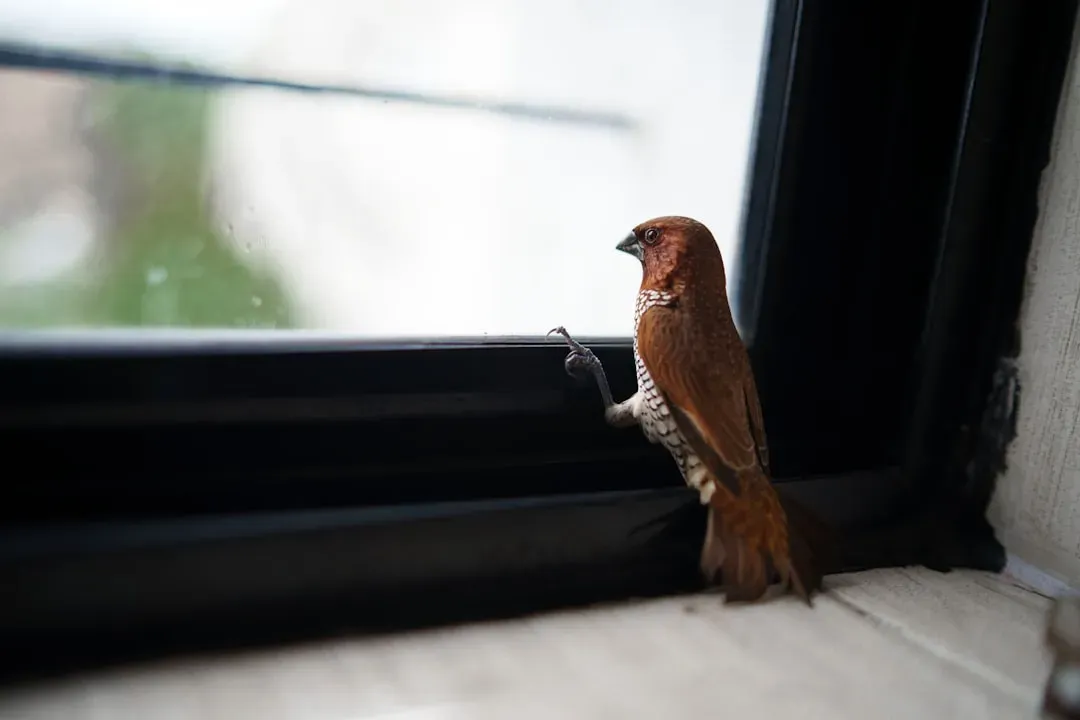
Reflective glass on homes creates illusions of open space or continued habitat that confuse flying birds. A collision with a window near the front door can leave the bird on the ground directly below or slightly displaced by wind or another animal. Researchers have documented millions of such strikes each year in residential areas alone.
Behavioral ecologists examine how birds perceive these surfaces during different light conditions and flight speeds. The doorstep location often results from the simple geometry of where the window sits relative to the entrance rather than any targeted behavior. Mitigation efforts like decals or screens reduce these events when applied consistently.
Disease and Natural Mortality Factors
Bird populations experience periodic die offs from viruses, parasites, and environmental stressors that weaken individuals. A bird that succumbs to illness may land or fall in any convenient spot, including near a doorstep where it rested earlier. Ecologists monitor these events to understand broader population health rather than isolated incidents.
Seasonal changes in food availability or weather can increase vulnerability for certain species. When mortality rises, the chance of finding a body in any given yard grows accordingly. The doorstep placement remains incidental to the underlying health issue.
Territorial and Nesting Behaviors
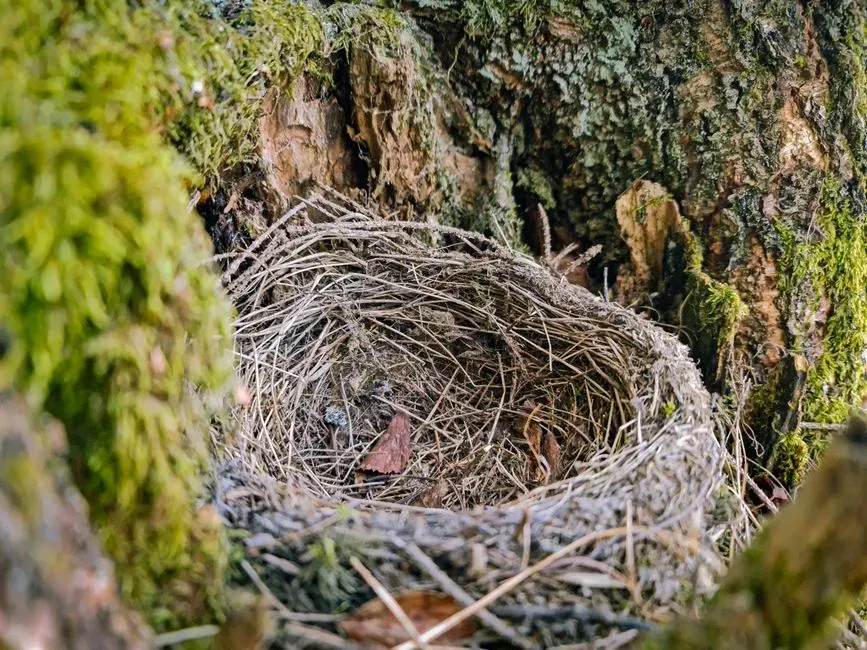
During breeding season, birds defend small areas that sometimes include parts of human property. Conflicts with rivals or failed nesting attempts can lead to exhaustion or injury close to the defended site. A bird that dies in that context may end up near the nearest structure, such as a front step.
Ecologists observe that these territorial disputes follow predictable patterns tied to resource distribution. The presence of a doorstep does not alter the bird’s strategy but simply marks one boundary of the contested space. Most such events stay hidden until a resident steps outside.
Seasonal and Migration Influences

Migration periods bring large numbers of birds through urban corridors where they encounter unfamiliar obstacles. Tired migrants sometimes rest on or near buildings, and a small percentage do not survive the stopover. Doorsteps can become resting or final spots simply because they offer a flat surface at ground level.
Ecologists map migration routes against city layouts to predict where mortality clusters occur. The timing of a discovery often aligns with peak movement rather than any unique property of the location itself. Weather shifts during these periods can further concentrate losses in residential zones.
Interpreting the Event and Moving Forward

Behavioral ecologists consistently frame these findings as data points about how wildlife interacts with human dominated landscapes. The doorstep serves as one visible marker among many unseen deaths that occur daily across neighborhoods. Paying attention to patterns over time can reveal local pressures on bird populations without assigning symbolic weight.
Residents who encounter such a bird can note the species, condition, and surrounding features to contribute informal observations that align with professional monitoring efforts. Simple actions like keeping cats indoors during peak bird activity or adding window markers support healthier coexistence. In the end, the discovery highlights the constant negotiation between expanding human spaces and the animals that must navigate them, a process that continues regardless of any single doorstep.
