
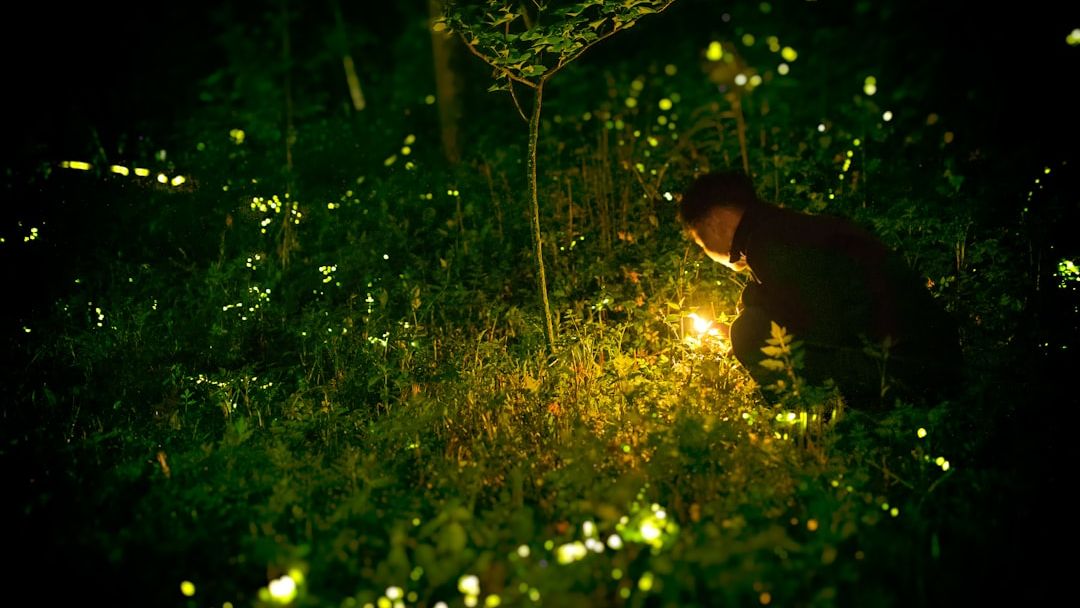
One evening you step outside and notice the backyard glowing with more tiny lights than you remember from past summers. The flashes seem brighter and more frequent, turning an ordinary dusk into something quietly remarkable.
That extra abundance often prompts questions about what the insects are responding to in their surroundings. It can point to shifts in weather, local conditions, or even larger patterns that shape their world each year.
Weather Conditions That Favor Fireflies
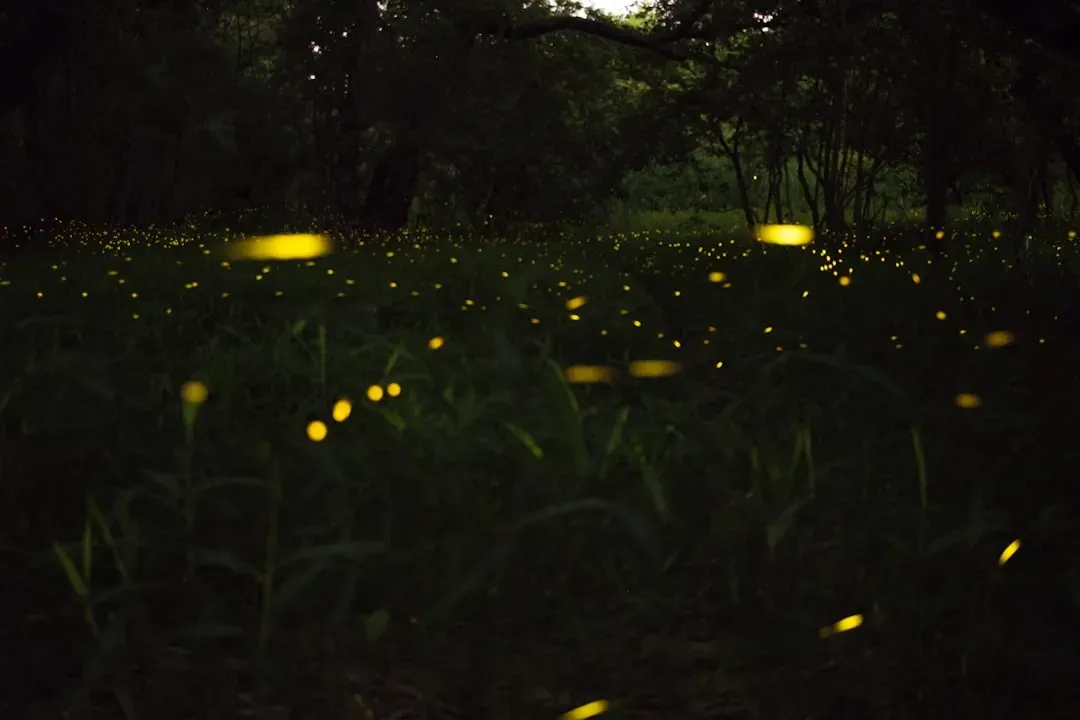
Fireflies thrive when nights stay warm and the air holds steady moisture after periods of rain. Those conditions help larvae develop in the soil and give adults the humidity they need to stay active without drying out quickly.
Extended stretches of mild temperatures also extend the window when adults emerge and begin their light displays. A season with balanced rainfall and fewer extreme dry spells tends to support larger numbers of these beetles showing up at once.
The Influence of Habitat Preservation
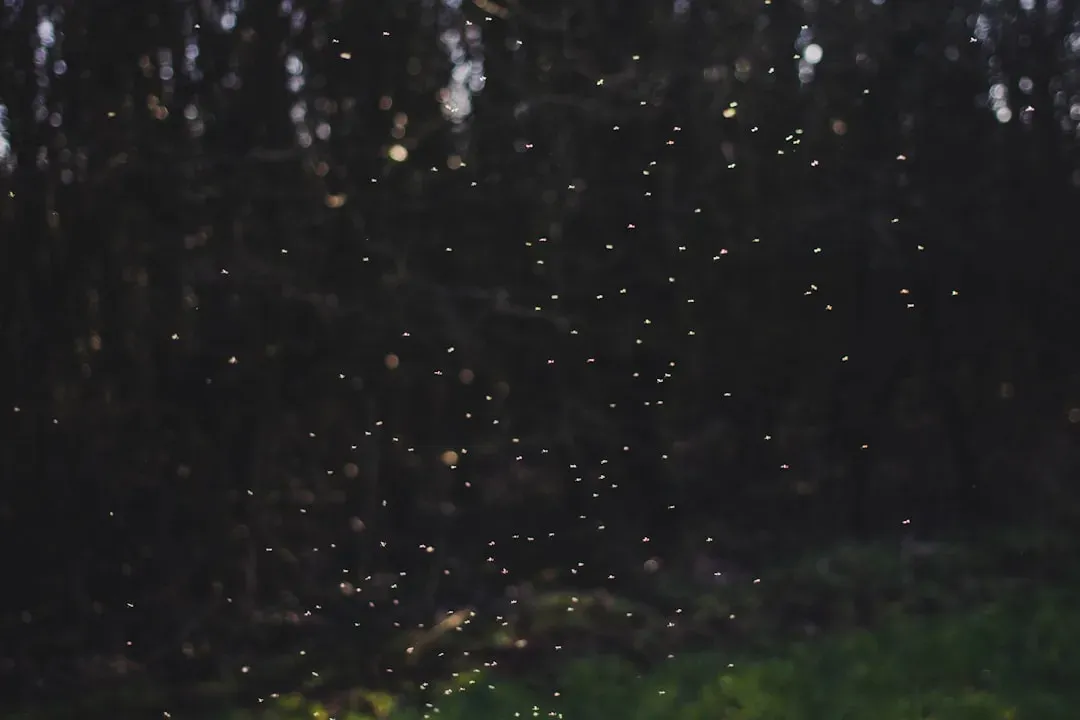
Areas that keep patches of tall grass, leaf litter, and undisturbed soil give fireflies the shelter and food sources they require through their life stages. When yards or nearby fields avoid heavy mowing or chemical use, more individuals survive to reach the flashing adult phase.
Even small changes like leaving a corner of the lawn unmowed or adding native plants can create pockets where populations build over successive years. These protected spots become reliable gathering places once the right weather arrives.
How Darkness Affects Their Visibility
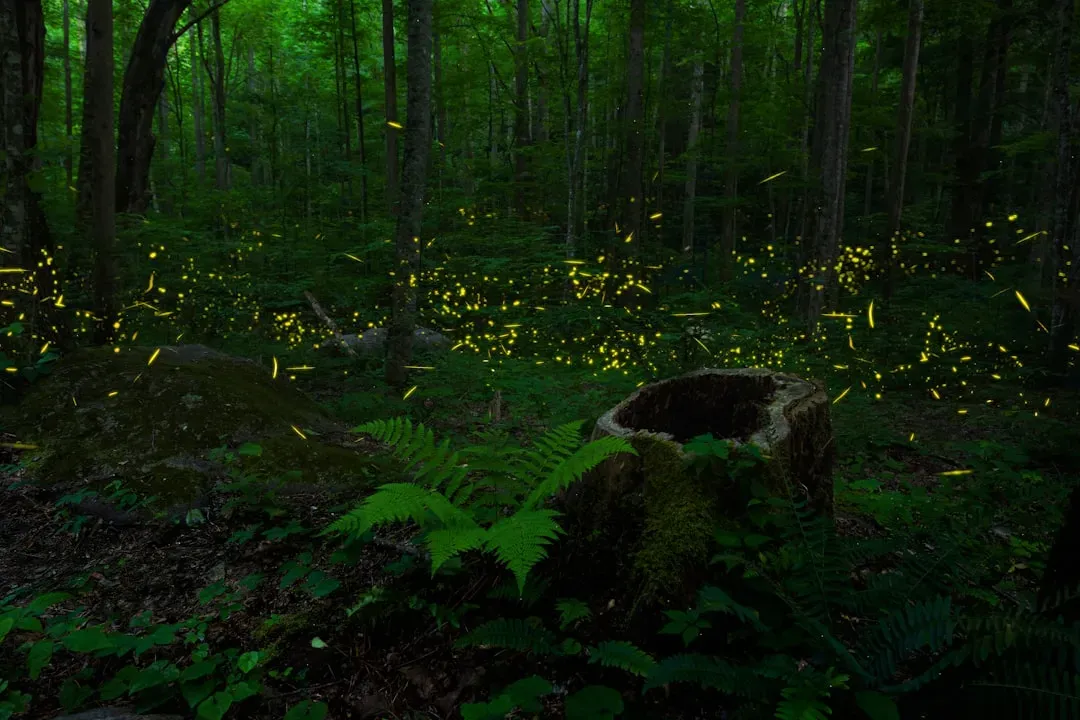
Fireflies rely on darkness to make their signals stand out against the background. When streetlights or porch lights stay off or get shielded, the contrast increases and more flashes become noticeable to observers.
Communities that reduce unnecessary outdoor lighting during peak season often report seeing greater numbers simply because the insects face less competition from artificial glow. The same population may exist, yet it appears more abundant under darker skies.
Understanding Firefly Life Cycles
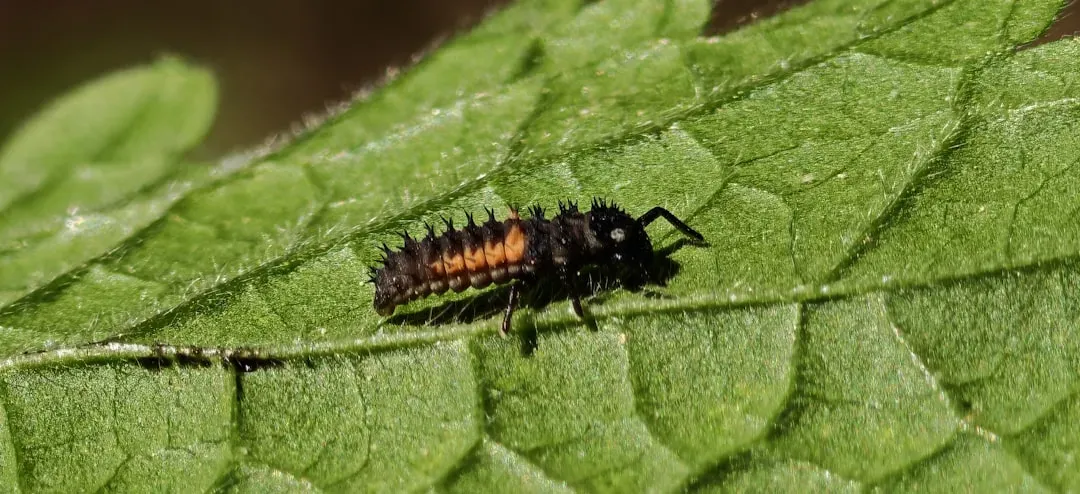
These insects spend most of their lives as larvae underground, feeding on small prey before emerging as adults for just a few weeks of mating displays. A strong larval year followed by favorable emergence weather can produce a noticeable spike in sightings.
Because different species have slightly staggered schedules, overlapping peaks sometimes create the impression of an unusually busy summer. Tracking the timing across several weeks helps distinguish a true increase from a simple shift in when they appear.
Broader Environmental Indicators
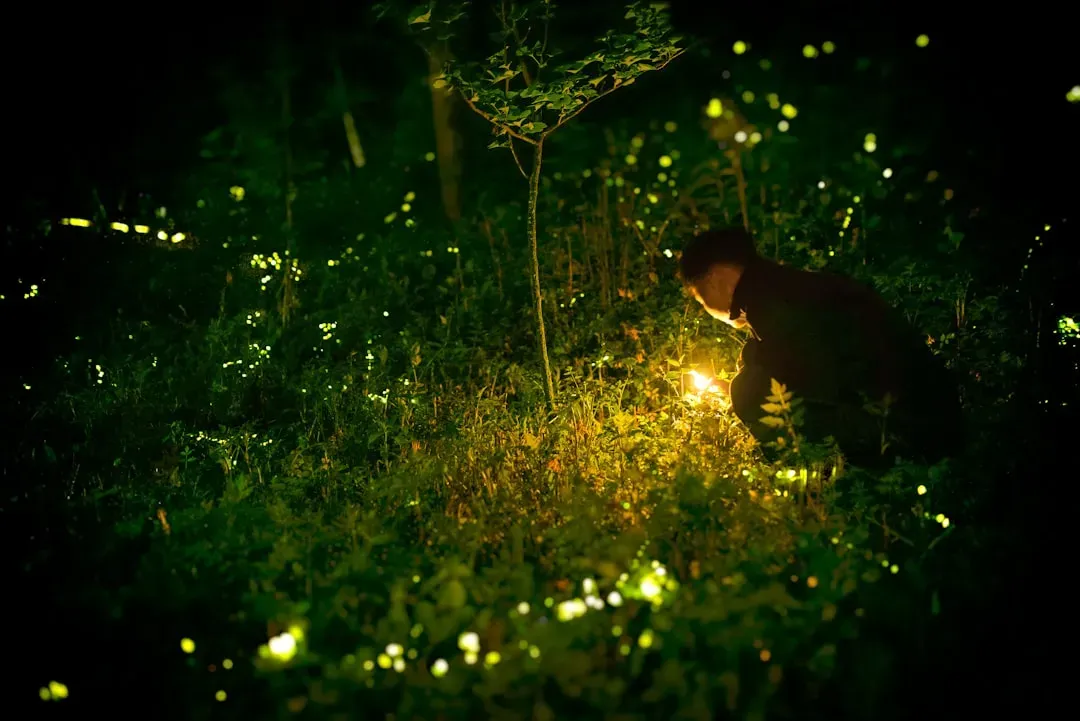
Fireflies serve as quiet markers of local ecosystem balance because they need clean water, stable soil, and minimal pesticide exposure to complete their cycle. An uptick in numbers can reflect improvements in those basic requirements.
At the same time, their presence reminds observers that many small creatures respond quickly to changes in moisture and vegetation. Paying attention to them offers one way to notice how a neighborhood or park is faring from one season to the next.
Embracing These Moments in Nature
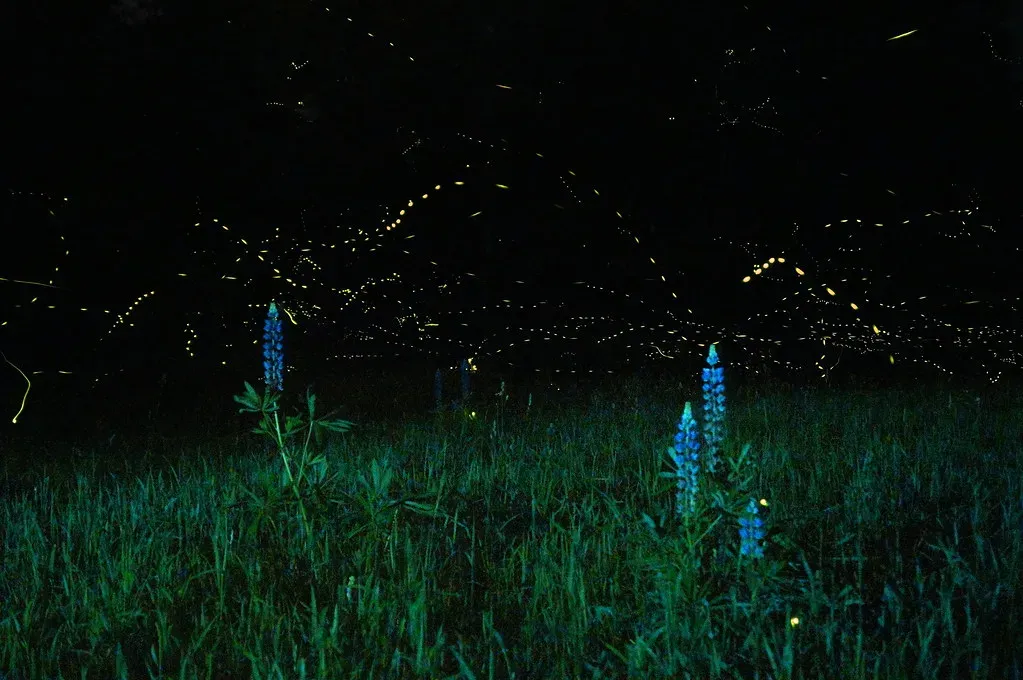
Seeing more fireflies invites a simple pause to watch without needing to explain every cause. The display itself becomes a reminder that even familiar summer evenings can hold quiet surprises when conditions align.
Taking time to enjoy the sight also encourages small habits that support the insects, such as dimming lights or preserving a bit of wild space. In the end, the extra glow offers a gentle nudge to notice and value the living details that share the season.
