
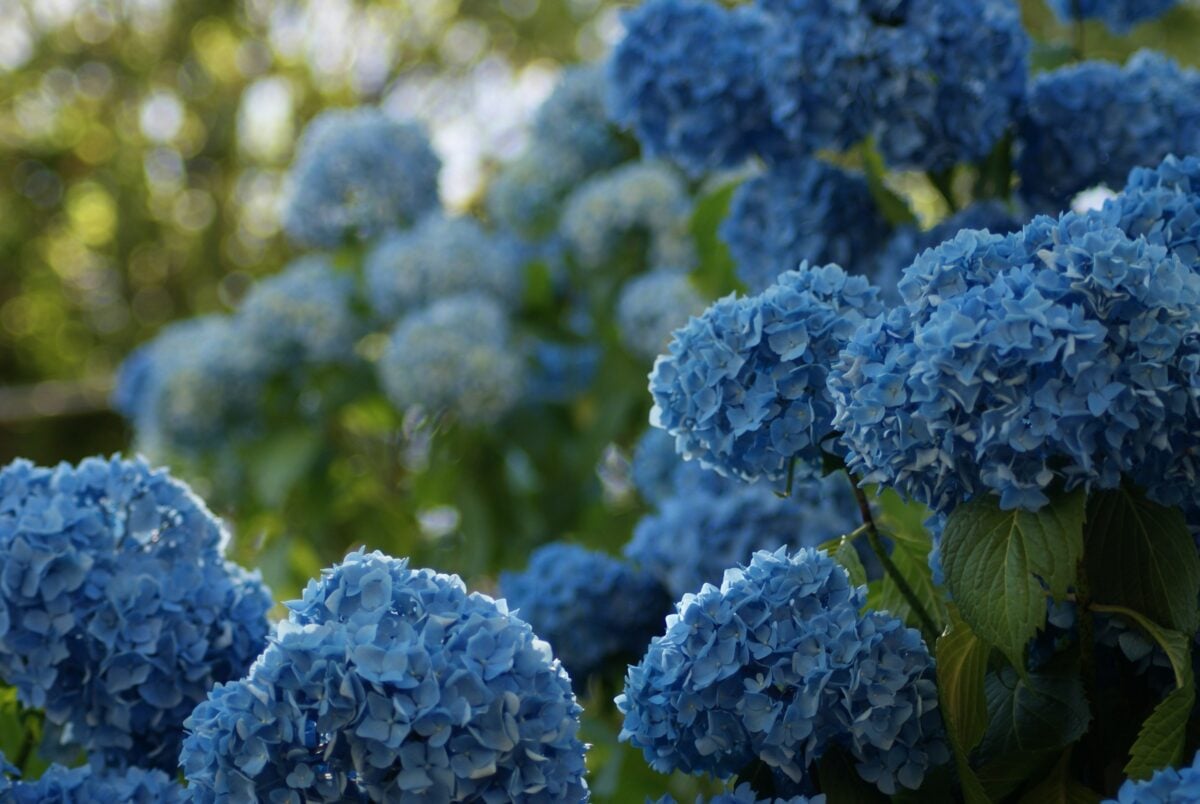
You water it, you admire it, and every summer it greets you with a wall of glossy green. Then you wait for the blooms, and they never really arrive. A few sad buds, maybe one or two flowers hiding near the base, and that’s it.
It’s a frustrating pattern, mostly because the plant looks so healthy. Yet leafy growth without flowers is usually a message, not a mystery. Hydrangeas are fairly consistent about what they need, and the cause tends to be one of a handful of things.
Your Hydrangea Type Decides Everything
🔥 Would you like to save this?
We'll email this post to you, so you can come back to it later!
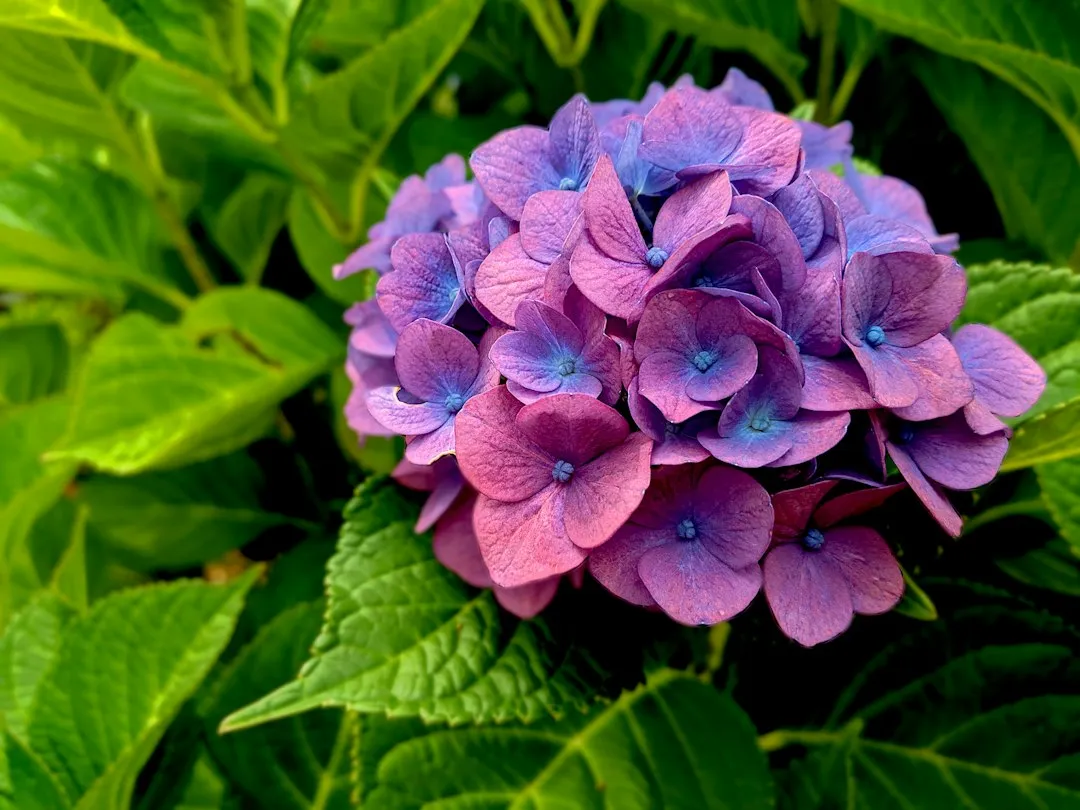
Not all hydrangeas bloom the same way, and this is the most common source of confusion. Bigleaf (Hydrangea macrophylla) and oakleaf types generally set their flower buds on old wood, meaning stems that grew the previous season. Panicle and smooth hydrangeas bloom on new wood, which grows in the current season.
If you don’t know which type you have, check the leaf shape and flower shape. Mopheads and lacecaps with rounded, toothed leaves are usually bigleaf, while cone shaped blooms point to a panicle. Once you know the type, you can match your care to how it actually forms buds.
Pruning at the Wrong Time Removes the Buds
🔥 Would you like to save this?
We'll email this post to you, so you can come back to it later!
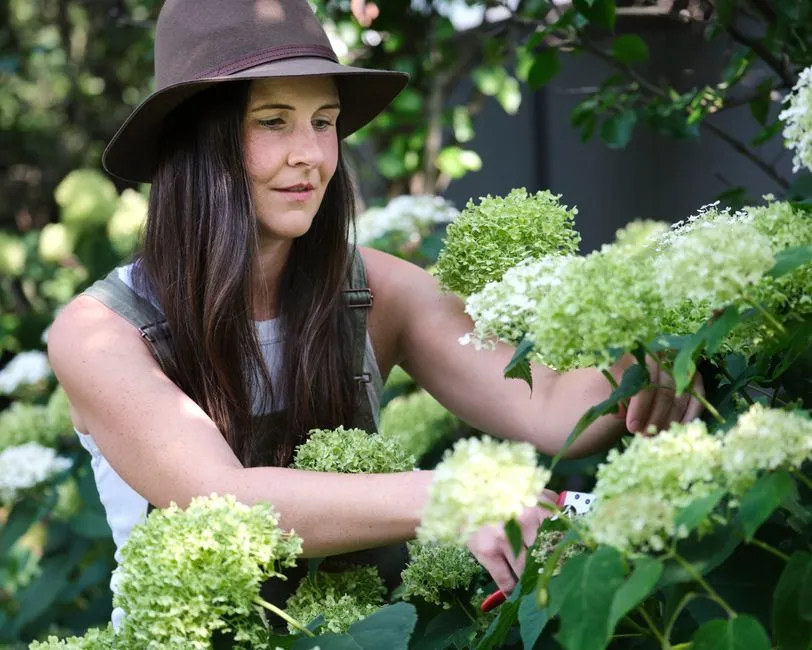
This is the classic culprit for old wood bloomers. If you cut a bigleaf hydrangea back in late fall, winter, or spring, you may be snipping off flower buds that were already formed. The plant then pushes out lush leaves but has nothing to flower with.
For these types, light pruning right after flowering in summer is safer. Panicle and smooth hydrangeas are more forgiving and are typically pruned in late winter or early spring. When in doubt, prune less, since many hydrangeas need very little cutting.
Winter and Spring Cold Can Kill Flower Buds
🔥 Would you like to save this?
We'll email this post to you, so you can come back to it later!
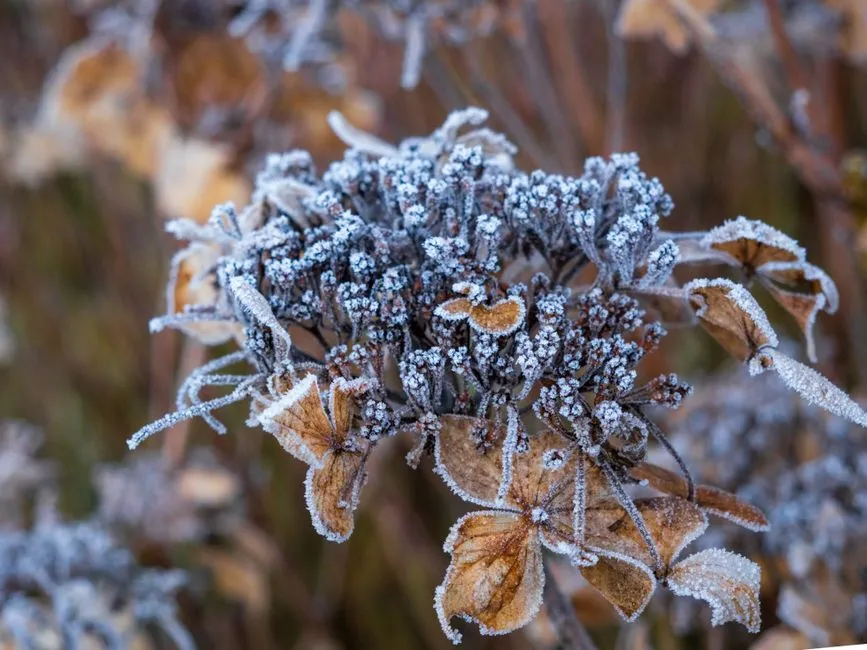
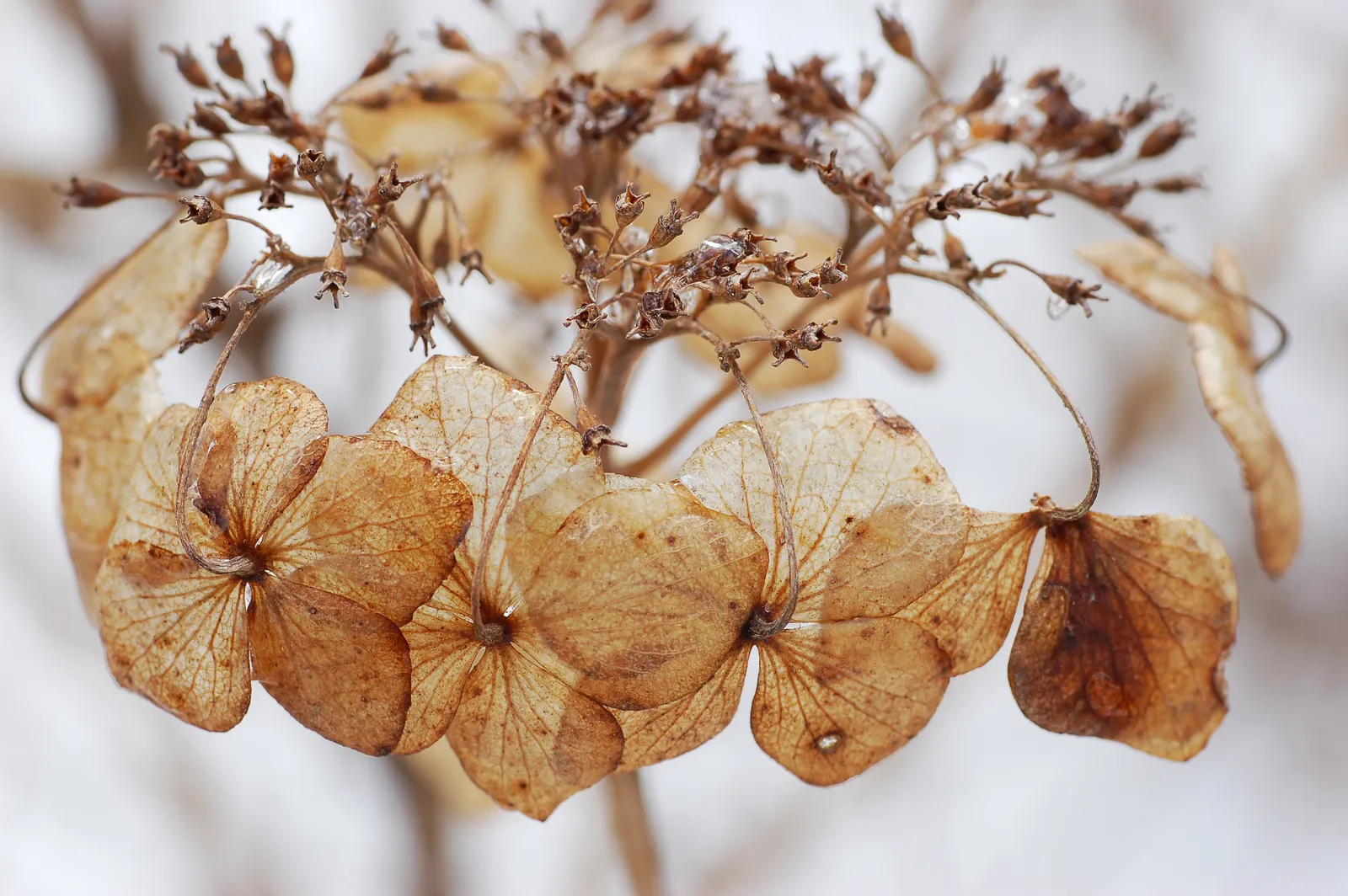
Here’s a sneaky one. The plant survives winter just fine, the stems leaf out in spring, and yet the buds on those stems were killed by cold. A late frost after new growth begins can do the same damage.
Bigleaf hydrangeas are especially prone to this in colder regions. Covering the plant during cold snaps, adding mulch around the base, or choosing a reblooming variety that also flowers on new growth can help. Some gardeners also move potted plants to a sheltered spot for winter.
Too Much Nitrogen Fuels Leaves Instead of Flowers
🔥 Would you like to save this?
We'll email this post to you, so you can come back to it later!
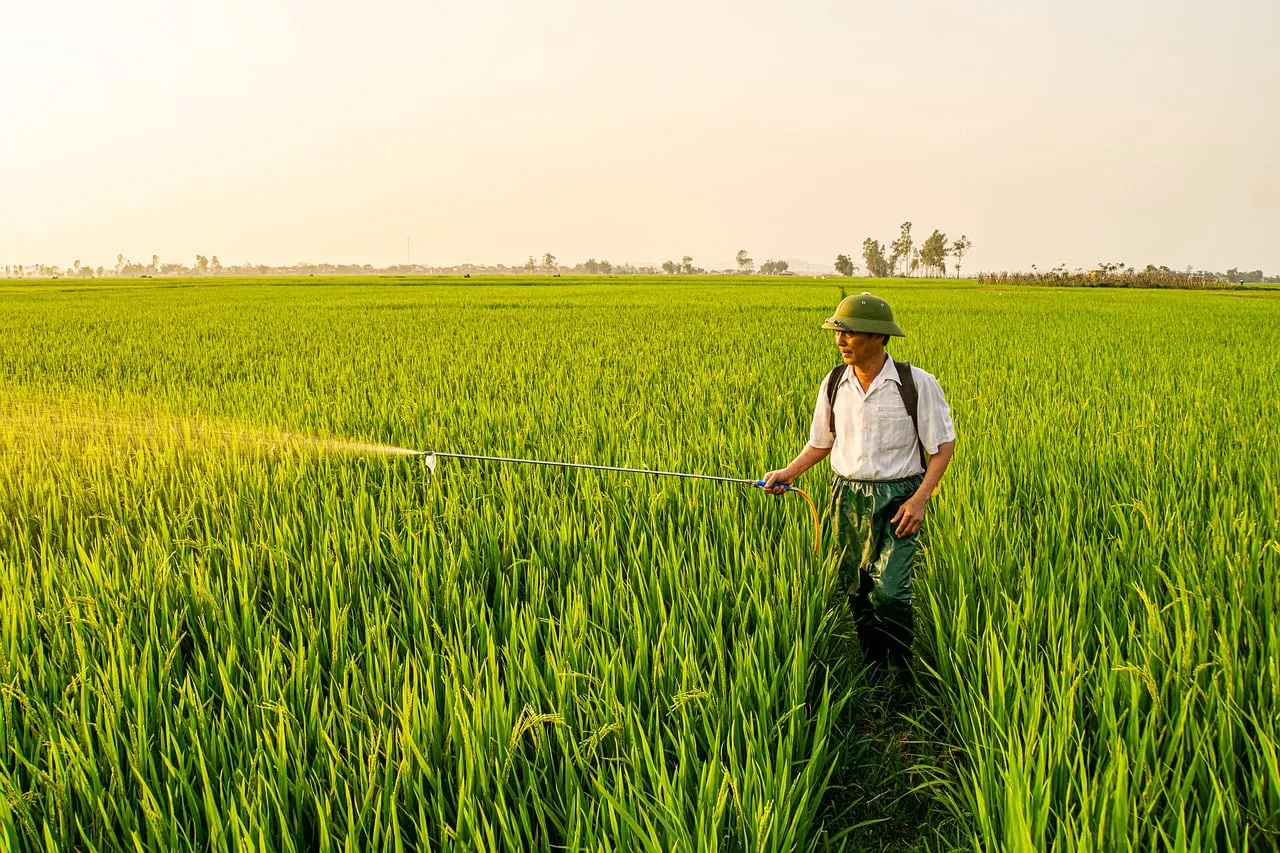
Nitrogen encourages leafy green growth. If your hydrangea sits near a lawn that gets regular fertilizer, or if you feed it with a high nitrogen product, you may be pushing foliage at the expense of blooms. That fits the picture of a big, healthy looking plant that doesn’t flower.
A balanced fertilizer, or one with a bit more phosphorus, is a better choice, applied sparingly. Often a layer of compost in spring is plenty. If your soil has never been tested, a basic soil test can tell you what’s actually missing before you add anything.
Sun, Shade, and Where the Plant Is Planted
🔥 Would you like to save this?
We'll email this post to you, so you can come back to it later!
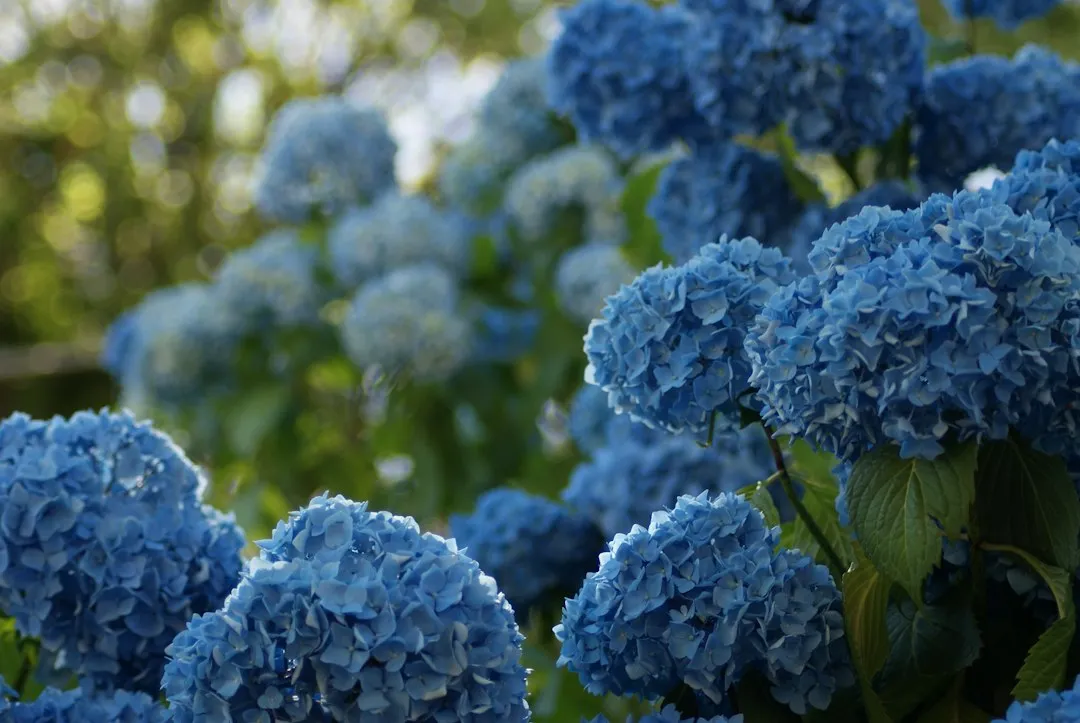
Hydrangeas are famous for liking some shade, but too much of it can reduce flowering. Most do best with morning sun and some protection from harsh afternoon heat. Deep shade under mature trees often yields leaves and little else.
Root competition matters too. A hydrangea planted close to a large tree or shrub may be fighting for water and nutrients. Panicle hydrangeas generally tolerate more sun than bigleaf types, so a sunnier spot may suit them better.
Young Plants, Stress, and Other Hidden Factors
🔥 Would you like to save this?
We'll email this post to you, so you can come back to it later!
Sometimes the answer is simply time. A newly planted hydrangea may spend a year or two building roots before it blooms well. Drought stress, heavy deer browsing, or damage from pests can also set blooming back, even when the leaves look fine.
Consistent moisture helps, particularly during hot spells, since hydrangeas are thirsty plants. A couple of inches of mulch keeps roots cooler and soil evenly damp. If nothing else explains it, keep notes for a season so patterns start to show.
Final Thoughts
🔥 Would you like to save this?
We'll email this post to you, so you can come back to it later!
My view is that most people blame the plant when the real issue is the calendar and the pruning shears. Healthy leaves tell you the roots are working, so the fix is rarely drastic. Identify your type, hold back on pruning and nitrogen, and protect those buds from cold.
If you’ve done all that and still get nothing, consider swapping in a reblooming or new wood variety suited to your climate. There’s no shame in it. A hydrangea that blooms reliably beats a stubborn one you keep apologizing for.

- Embracing the Quiet Magic of Adopting a Senior Dog - November 5, 2026
- Scientists May Have Miscalculated Our Global Warming Timeline - November 5, 2026
- Marine Biology Says When Dolphins Suddenly Go Silent in Open Water It's Not Rest – They've Detected a Predator You Cannot See and Their Survival Strategy Reveals How They Read Danger - November 5, 2026