
You walk out one autumn and the ground is carpeted in acorns, or the maple keys are piled in drifts along the fence. Last year there was almost nothing. The year before that, hardly a thing either.
It feels like the tree has made some kind of announcement. In a sense, it has, though the reasons behind it are less mysterious than they look, and a lot more interesting than most people expect.
Masting: The Name for What You’re Seeing

🔥 Would you like to save this?
We'll email this post to you, so you can come back to it later!
Ecologists call this pattern masting. It describes trees of the same species producing very large seed crops in some years and very little in between. The word comes from “mast,” an old term for nuts that fall from forest trees, especially those used to feed livestock.
Oaks, beeches, hickories, pines, spruces and many other species do it. The swings can be dramatic, and they often happen across whole neighborhoods or regions at once, not just in a single yard.
Why a Tree Would Skip Years and Then Splurge
🔥 Would you like to save this?
We'll email this post to you, so you can come back to it later!
Making seeds costs a tree a great deal of energy and nutrients. A tree that spent heavily every year would have less to put toward growth, defense and repair. Skipping years lets it build up reserves.
Researchers have offered several explanations for why this pays off, and they aren’t mutually exclusive. The most discussed idea is predator satiation, which I’ll get to next. Another is better pollination, since wind-pollinated trees tend to get more seed set when many neighbors flower together.
Predator Satiation: Overwhelming the Hungry
🔥 Would you like to save this?
We'll email this post to you, so you can come back to it later!
Squirrels, mice, deer, jays and insects all eat seeds. If a tree produced a modest crop every year, those animals could keep their numbers steady and eat most of it. A lean stretch keeps seed eaters in check, since their populations tend to shrink when food is scarce.
Then comes the bumper crop. There’s far more than the animals can eat, so some seeds get buried, forgotten or simply left lying, and those are the ones that can sprout. It’s a bit like a shop that can’t be emptied by shoplifters because the shelves are suddenly overstocked.
The Weather Cues Behind the Surge
🔥 Would you like to save this?
We'll email this post to you, so you can come back to it later!
Trees seem to respond to environmental signals, and weather is a big one. Temperature and rainfall during the period when flower buds form can strongly influence how heavy a crop will be. For some species, the conditions of one or two seasons earlier matter as much as the current year.
Because neighboring trees experience the same weather, they often react in sync. That’s one reason a heavy year can seem to hit an entire area. Still, scientists haven’t pinned down the exact signaling for every species, so it’s fair to say the picture is incomplete.
Is Your Tree Stressed or Just Doing Its Thing?
🔥 Would you like to save this?
We'll email this post to you, so you can come back to it later!
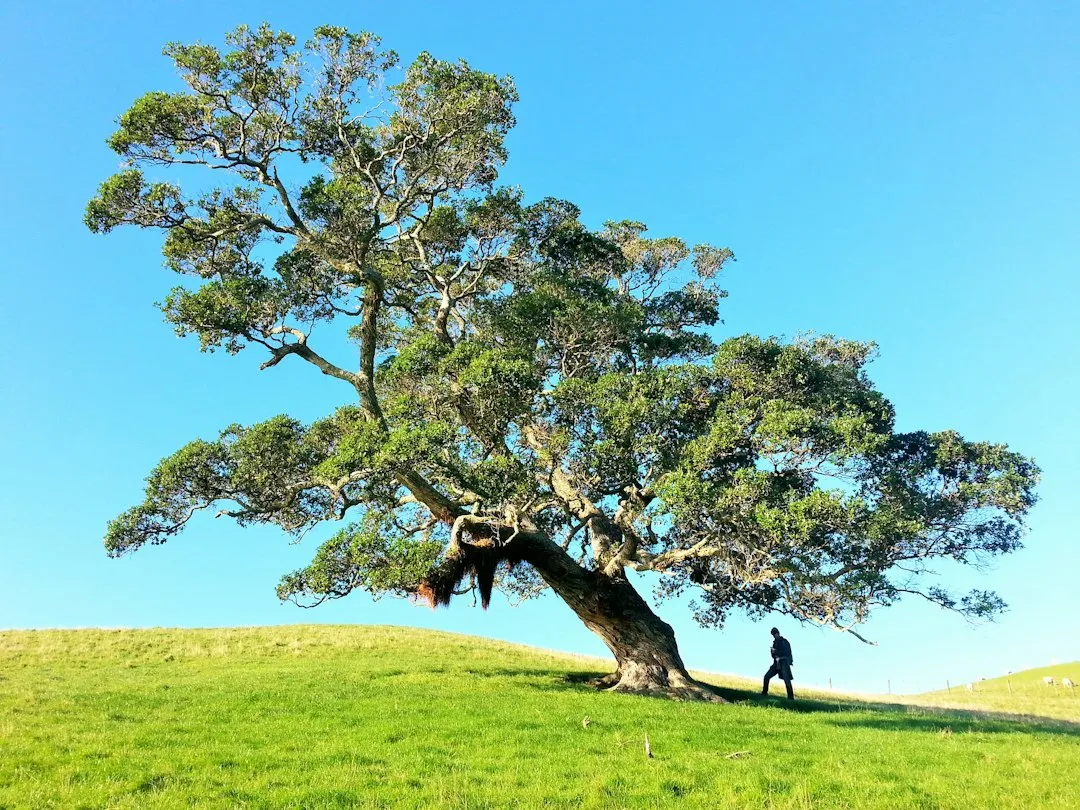
You may have heard that a sudden heavy seed crop means a tree is dying. That’s sometimes said about trees under stress, and some trees do flower or fruit heavily when they’re struggling. Yet a big crop after quiet years, by itself, is very often just normal masting.
The better test is the rest of the tree. Look for thinning leaves, dead branches, fungus on the trunk, peeling bark or poor leaf color. If those show up too, it’s worth asking a certified arborist to take a look. If the tree otherwise looks healthy, you’re probably just watching a natural rhythm.
What to Do With All Those Seeds
🔥 Would you like to save this?
We'll email this post to you, so you can come back to it later!
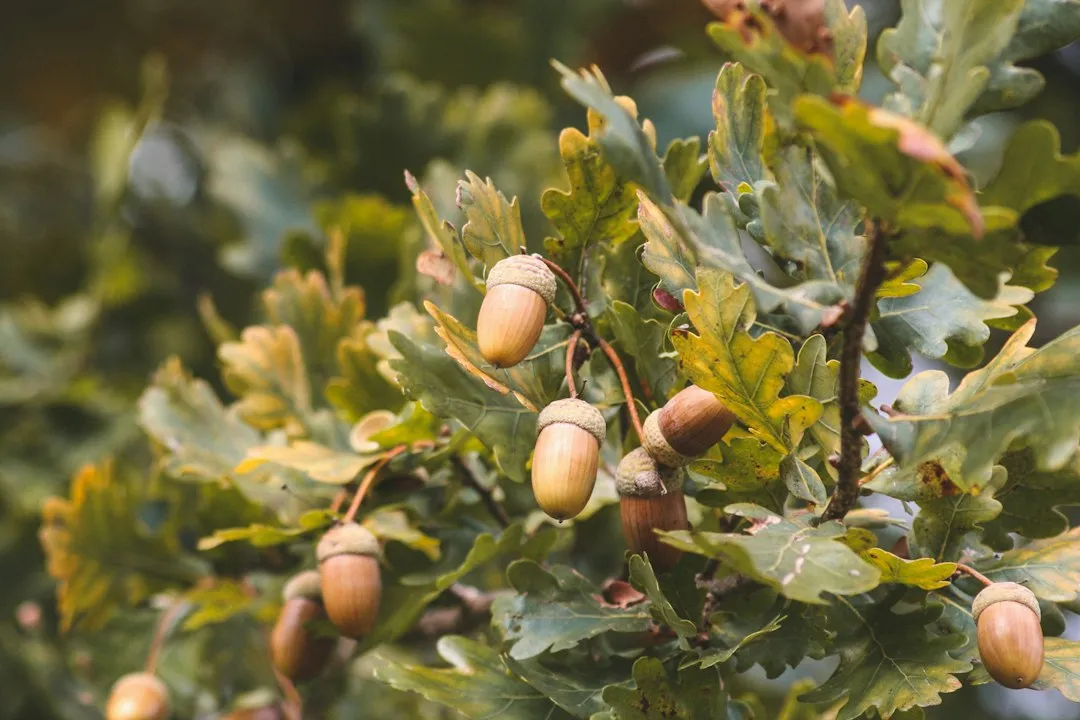
Expect a mess, and perhaps a noisy one if squirrels and jays move in. Raking and composting work fine for most seeds, and acorns can be a hazard underfoot on paths and driveways, so sweeping them regularly is sensible. Pets can get sick from eating some kinds, acorns among them, so keep an eye on dogs.
Many seedlings may pop up the following spring. You can pull them, mow them or pot a few if you’d like new trees. Wildlife will be grateful for whatever you leave, and a lean year is likely to follow, so the surplus is a brief gift rather than the new normal.
Final Thoughts
🔥 Would you like to save this?
We'll email this post to you, so you can come back to it later!
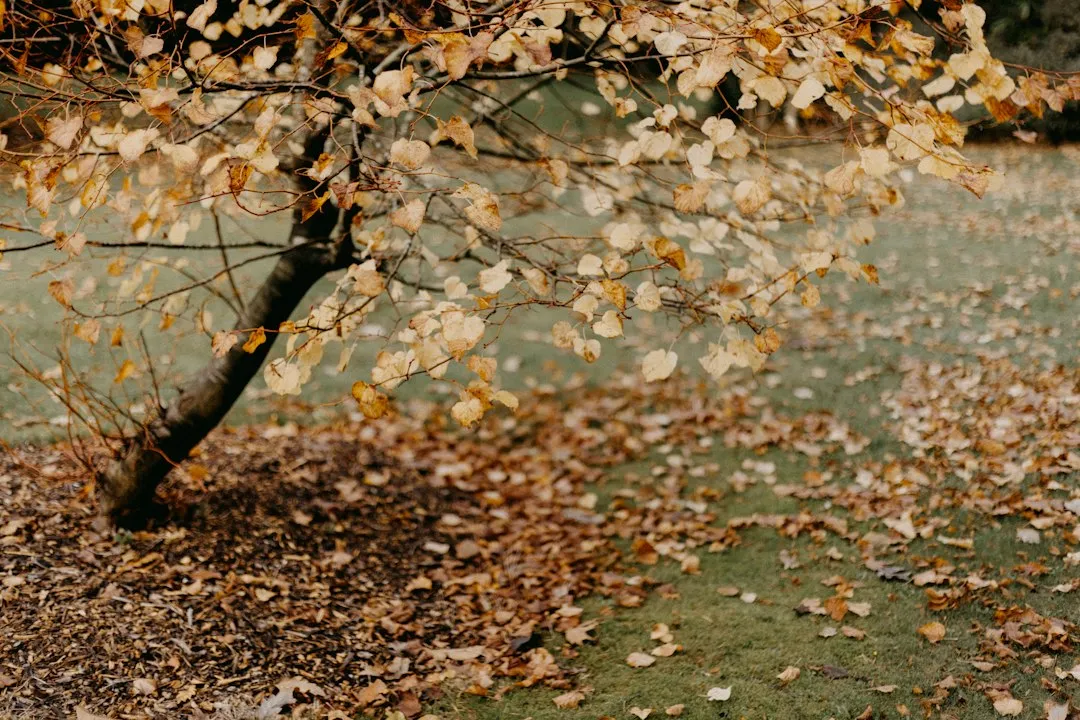
I think there’s something quietly admirable about a tree that waits, saves and then spends everything at once. It’s a strategy that looks like patience, even if no one’s deciding anything. Before you assume something’s wrong, give it a good look, and if it’s healthy, enjoy the show.
The mess is annoying, sure. Still, a once-in-a-few-years spectacle in your own yard is worth a little sweeping.

- 7 Everyday Habits That Can Make Your Senior Dog Happier - November 5, 2026
- 10 Enigmatic Structures That Continue to Puzzle Scientists Today - November 5, 2026
- 10 Strange Ruins in the Americas That Challenge What We Know About Early History - November 5, 2026