
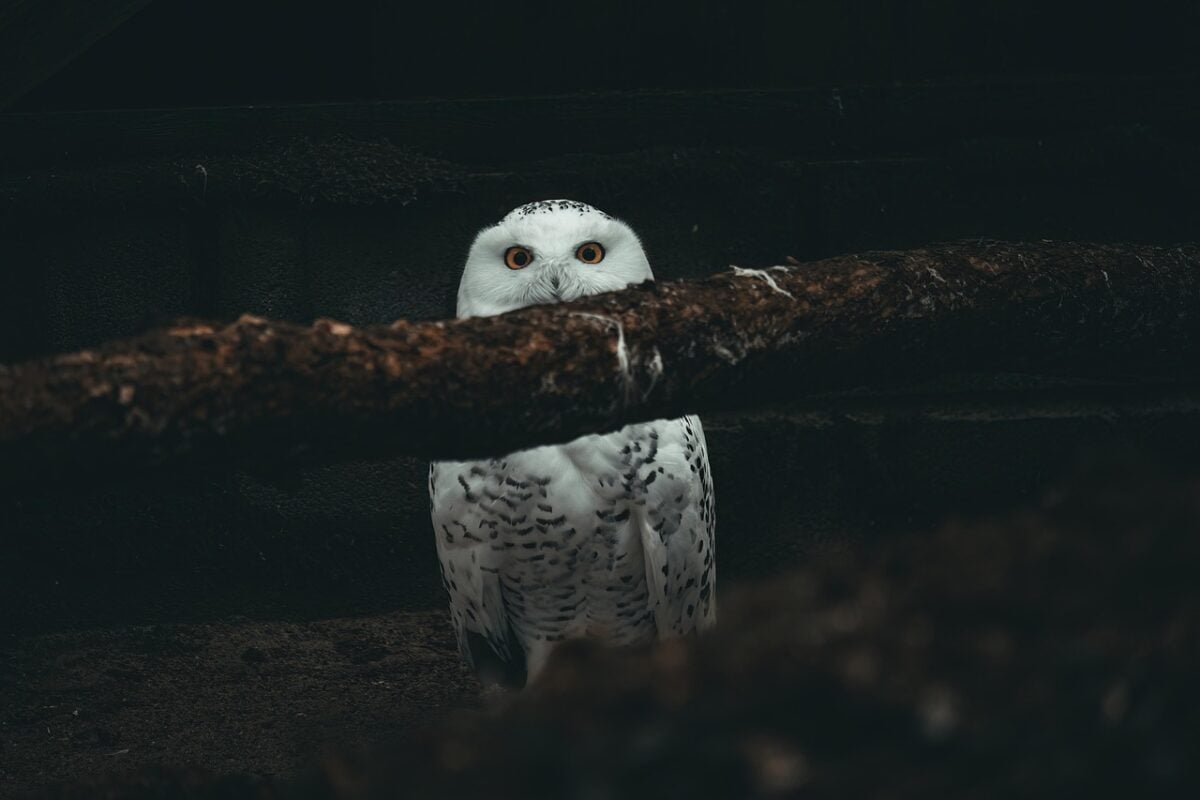
Picture a quiet night, the porch light off, and a low call drifting from the trees beside your house. Most of us would glance out the window, maybe shrug. For much of human history, though, that sound could change the mood of an entire household.
Owls have a strange hold on the human imagination. They fly almost silently, they hunt in the dark, and their faces look oddly like ours. It’s no surprise that so many cultures built stories around them, and the stories don’t agree with each other at all.
Why the Owl Became a Symbol in the First Place
🔥 Would you like to save this?
We'll email this post to you, so you can come back to it later!
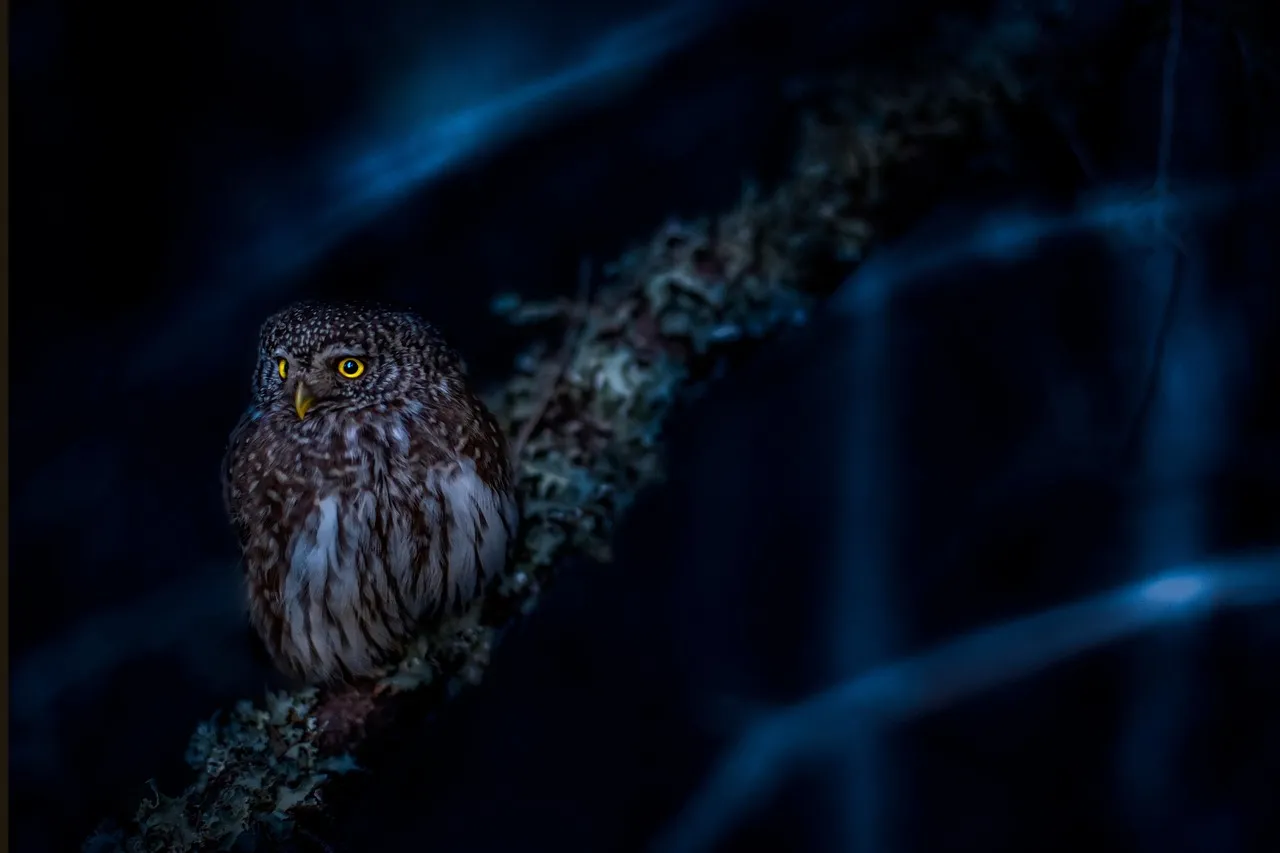
Folklore usually grows out of something people can actually observe. With owls, there’s plenty. Most species are nocturnal, so they show up when people feel least in control, in darkness, when sight is limited and imagination fills the gaps.
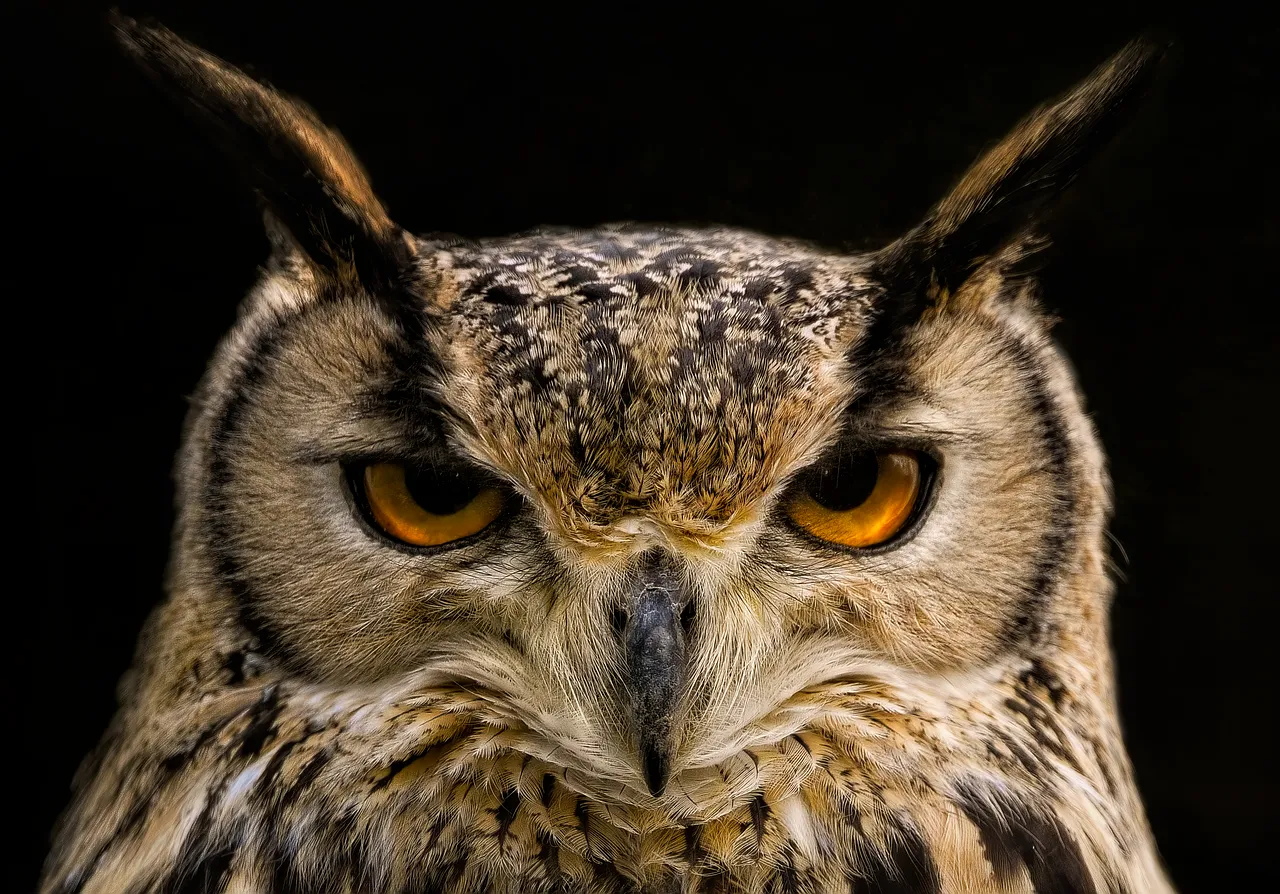
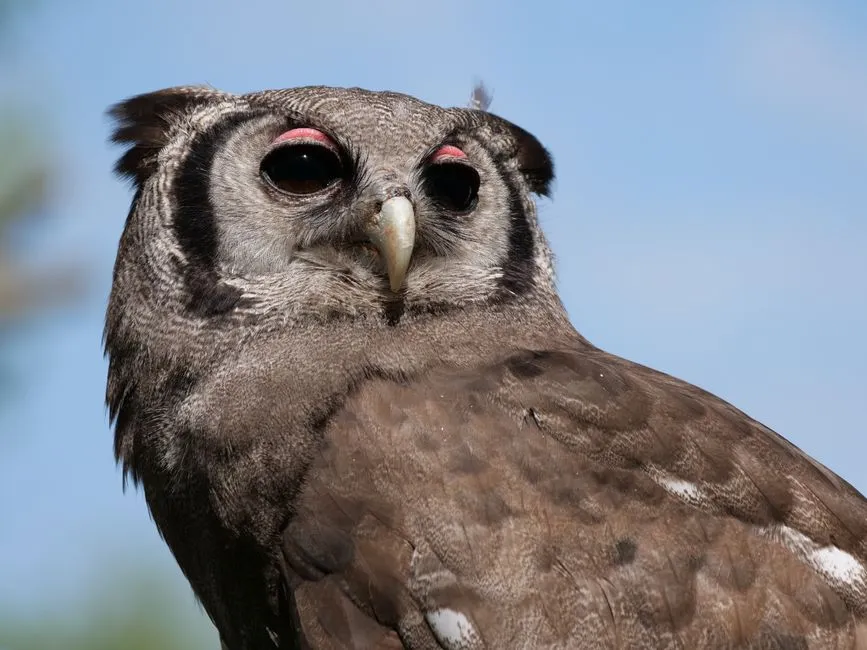
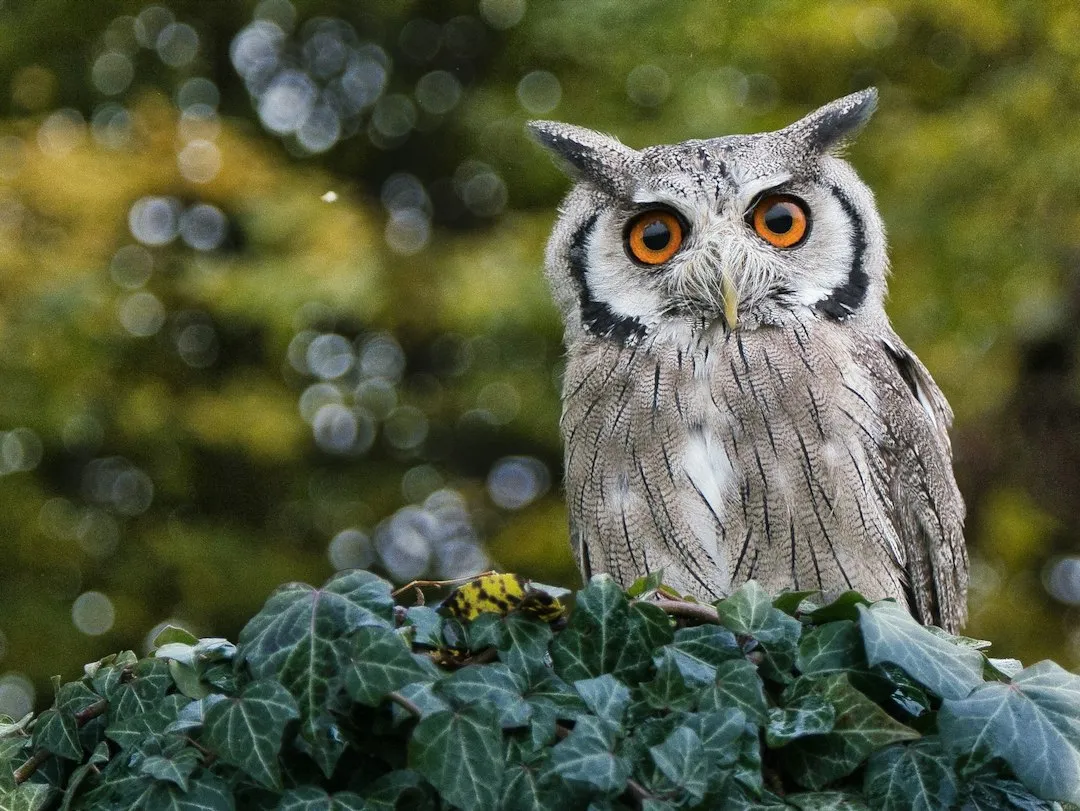
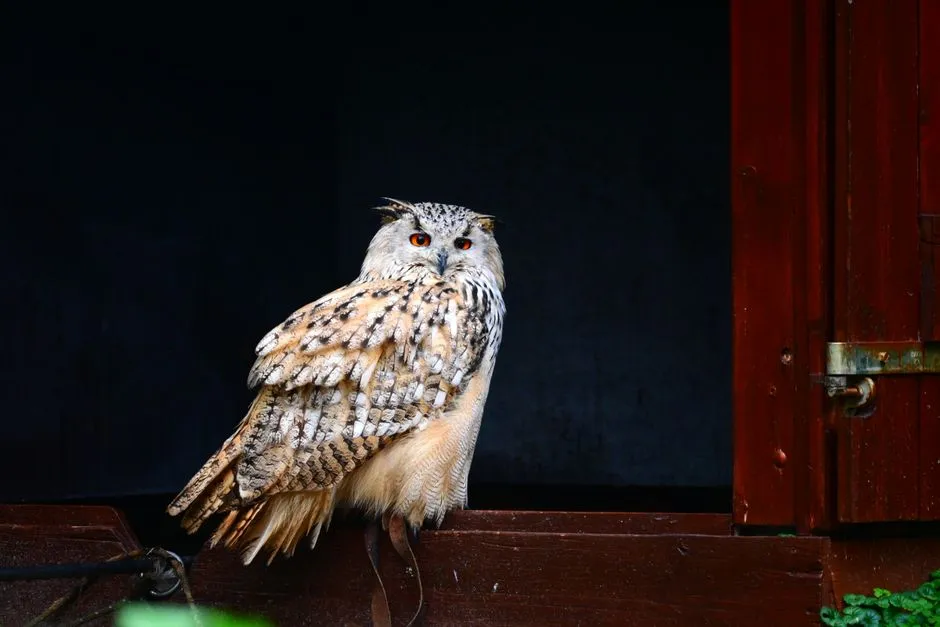
Their biology adds to the effect. Owls have forward facing eyes, a flat facial disc, and the ability to turn their heads a remarkable distance. Their feathers have soft edges that muffle the sound of flight, so a bird can seem to appear from nowhere.
Then there’s the voice. Hoots, screeches, trills and barks all belong to different species, and some of them sound uncomfortably human at a distance. Put those traits together and you can see why people read meaning into a visit.
Omens of Death and Bad News in Many Traditions
🔥 Would you like to save this?
We'll email this post to you, so you can come back to it later!
The most widespread belief is also the grimmest. In many parts of the world, an owl near a house at night was taken as a warning that illness, misfortune or death was coming. Ancient Roman writers recorded owls as bad omens, and later authors tied them to the deaths of notable figures.
Similar ideas turned up in parts of Europe, the Middle East, South Asia and Africa. In some communities, hearing an owl call a person’s name or land on a roof was treated as a sign that someone in the home was in danger. These beliefs varied by region, and details changed from village to village.
It’s worth being careful here. Folklore was passed along orally, so collectors often recorded only a slice of what people believed. Saying that “everyone” in a culture thought one thing usually flattens a more tangled reality.
The Owl as Witch, Spirit or Shapeshifter
🔥 Would you like to save this?
We'll email this post to you, so you can come back to it later!
Fear of owls often blended with fear of the supernatural. In parts of Europe, the owl was linked with witchcraft, and some stories claimed witches could take the bird’s form to move around unseen. Roman tales described a creature called the strix, a night bird that fed on the vulnerable, which helped feed the idea of owls as hostile.
Many Indigenous traditions in North America also connected owls with the spirit world. Meanings differ widely between nations, though. In some, owls were linked to the dead or to messages from ancestors, while in others they carried quite different roles, so no single reading fits all.
In parts of Africa and Asia, owls were sometimes tied to sorcery, and a night visitor near a home might lead people to perform protective rituals. Those practices were meant to push away harm, not to harm the bird itself, though sadly owls have sometimes suffered because of such fears.
When an Owl Meant Wisdom and Protection
🔥 Would you like to save this?
We'll email this post to you, so you can come back to it later!
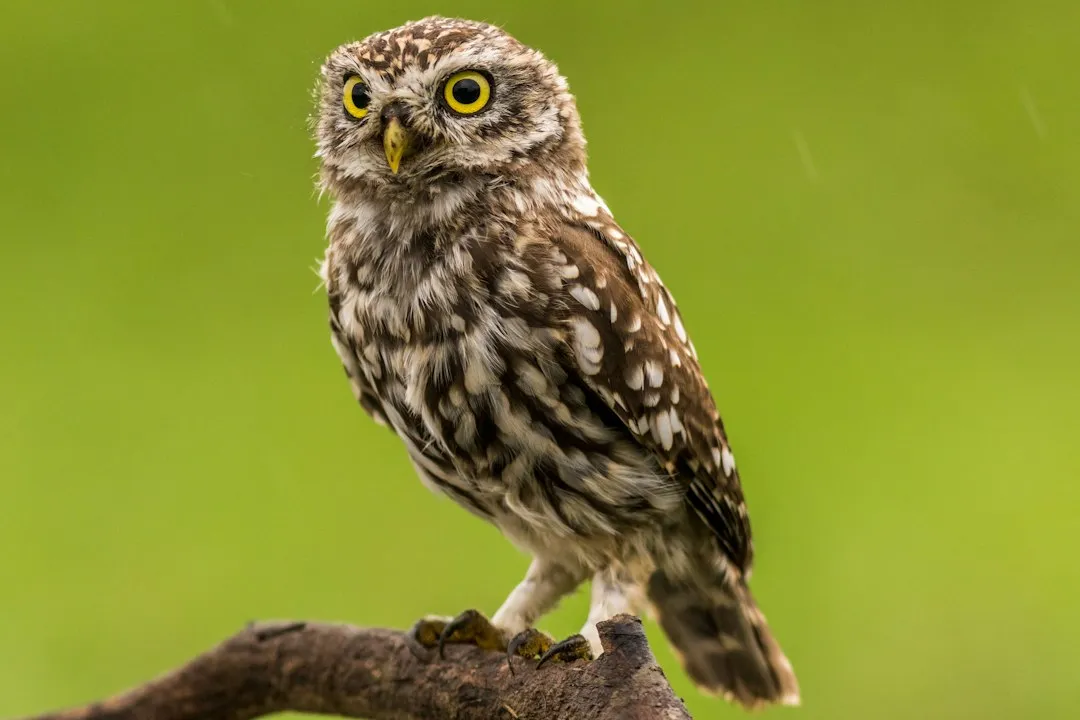
Not every culture saw a threat. In ancient Greece, the little owl was associated with Athena, goddess of wisdom, and it appeared on Athenian coins. An owl nearby could be read as a sign of favor, even of victory.
That link is probably where the modern idea of the wise owl comes from. It survives today in school logos, book covers and cartoons, which shows how a positive symbol can outlast a negative one in popular culture.
Some other traditions also treated owls as guardians. In certain communities, the bird was seen as a watcher over a household or a field, partly because owls hunt rodents that damage stored food. A practical benefit and a symbolic one tended to travel together.
Regional Differences You Might Not Expect
🔥 Would you like to save this?
We'll email this post to you, so you can come back to it later!
The same bird could mean opposite things a few hundred miles apart. In Japan, owls have been associated with good fortune, and the word for owl can be read in a way that suggests protection from hardship. Owl charms are still sold there as lucky items.
In parts of the Himalayas and India, owls have complicated roles. They are tied to the goddess Lakshmi as a vehicle in Hindu tradition, which links them with wealth, yet in some local beliefs the same bird is considered unlucky. Both ideas can exist side by side.
This is the main lesson of owl folklore. Meaning came from local experience, religion and storytelling, not from the bird itself.
Everyday Rituals People Used to Ward Off the Omen
🔥 Would you like to save this?
We'll email this post to you, so you can come back to it later!
When people believed an owl’s call carried bad news, they often had a response ready. Folk remedies recorded in various places include throwing salt into a fire, turning a piece of clothing inside out, or saying a protective phrase. The exact steps differed, and many were passed down within families.
These customs say something about how people coped with uncertainty. A ritual gave a frightened household something to do, and doing something is often calming. Even if the omen was imagined, the relief could be real.
Some of these habits lingered long after the original beliefs faded, turning into half joking superstitions. People may still knock on wood or toss a pinch of salt without thinking about where it came from.
What an Owl Near Your Home Actually Means Today
🔥 Would you like to save this?
We'll email this post to you, so you can come back to it later!
From a biological point of view, the explanation is far less dramatic. Owls look for food, and homes with gardens, barns, old trees or open fields often have plenty of mice, voles and other small prey. Many species also use trees near houses for roosting or nesting.
Calls have practical purposes too. Owls use their voices to mark territory, attract mates and keep in touch with partners or young. Seasonal changes matter, and late winter is often a time when some species become especially vocal.
If you’re curious, you can learn which species lives nearby by checking local bird guides or wildlife organizations. Listening to recordings helps you match the sound you heard. It turns a spooky moment into a small act of discovery.
Final Thoughts
🔥 Would you like to save this?
We'll email this post to you, so you can come back to it later!
I find it hard to treat owl folklore as just silly. The stories show how people tried to make sense of an animal that was beautiful, quiet and slightly unsettling, and they reveal far more about us than about the bird.
My own view is that the omen of doom deserves to retire. An owl outside your window is a sign of a healthy local ecosystem, and likely a free pest controller. Keep the old stories for their charm, but let the owl be an owl.

- 7 Everyday Habits That Can Make Your Senior Dog Happier - November 5, 2026
- 10 Enigmatic Structures That Continue to Puzzle Scientists Today - November 5, 2026
- 10 Strange Ruins in the Americas That Challenge What We Know About Early History - November 5, 2026