

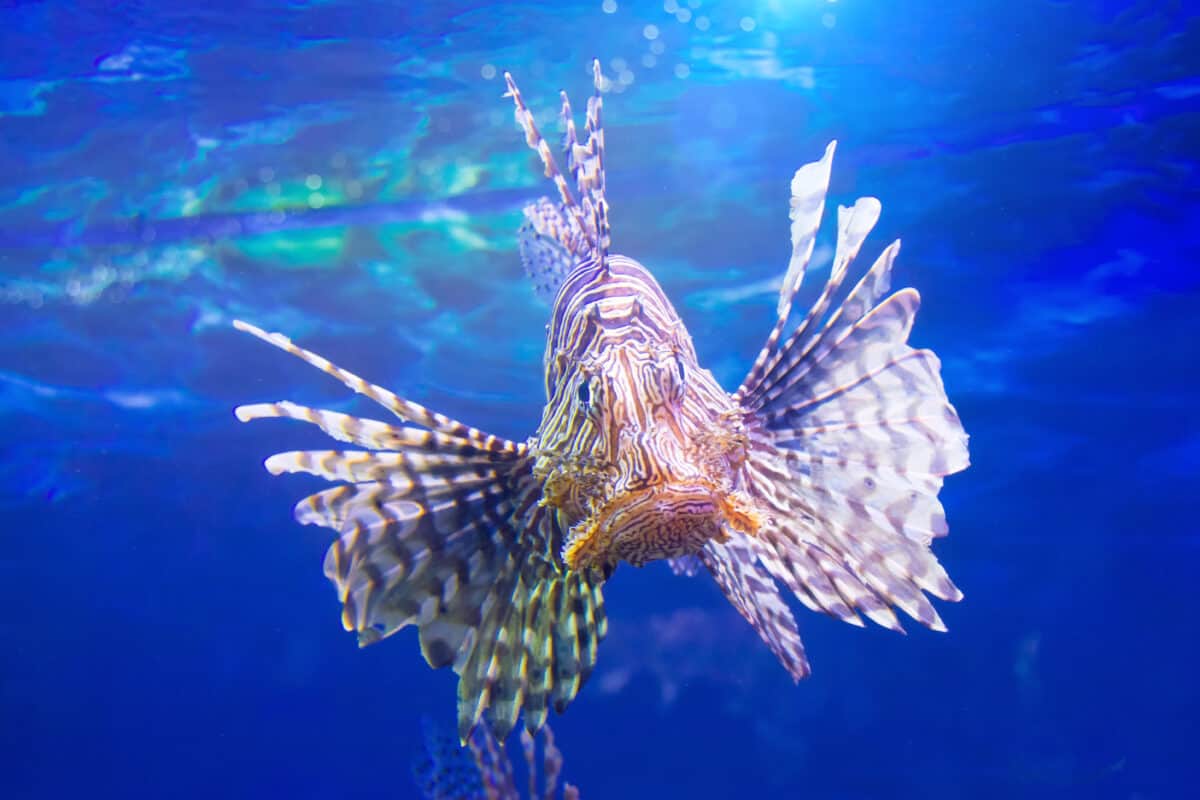
Beneath the waves of the Atlantic Ocean, Caribbean Sea, and Gulf of Mexico lurks one of the most notorious marine invaders of our time: the lionfish. With their striking appearance—distinctive red and white stripes, fan-like pectoral fins, and venomous spines—these fish might seem like beautiful additions to any ecosystem. However, their presence outside their native Indo-Pacific waters has triggered one of the most rapid and ecologically damaging marine invasions ever documented. The story of the lionfish invasion combines human negligence, remarkable biological adaptations, and devastating ecological consequences, creating a perfect storm of invasive success that continues to challenge marine conservation efforts worldwide.
The Native Origins of Lionfish

Lionfish (Pterois volitans and Pterois miles) are naturally found throughout the tropical and subtropical regions of the Indo-Pacific Ocean, from Australia and Malaysia to Indonesia, the Philippines, and southern Japan. In these native waters, they exist as part of a balanced ecosystem, where natural predators, competitors, and parasites keep their populations in check. The vibrant coral reefs of the Indo-Pacific have co-evolved with lionfish over millions of years, developing ecological relationships that prevent any single species from dominating.
Within their native range, lionfish typically occupy depths from 1 to 300 feet and inhabit various marine environments, including coral reefs, rocky outcrops, seagrass beds, and mangroves. They have evolved as specialized ambush predators, using their unique coloration and fin structures to corner prey in reef crevices. This evolutionary history in balanced ecosystems is crucial to understanding why their introduction elsewhere has proven so problematic—they’ve brought millions of years of predatory evolution to ecosystems unprepared for their hunting prowess.
The Introduction to Atlantic Waters
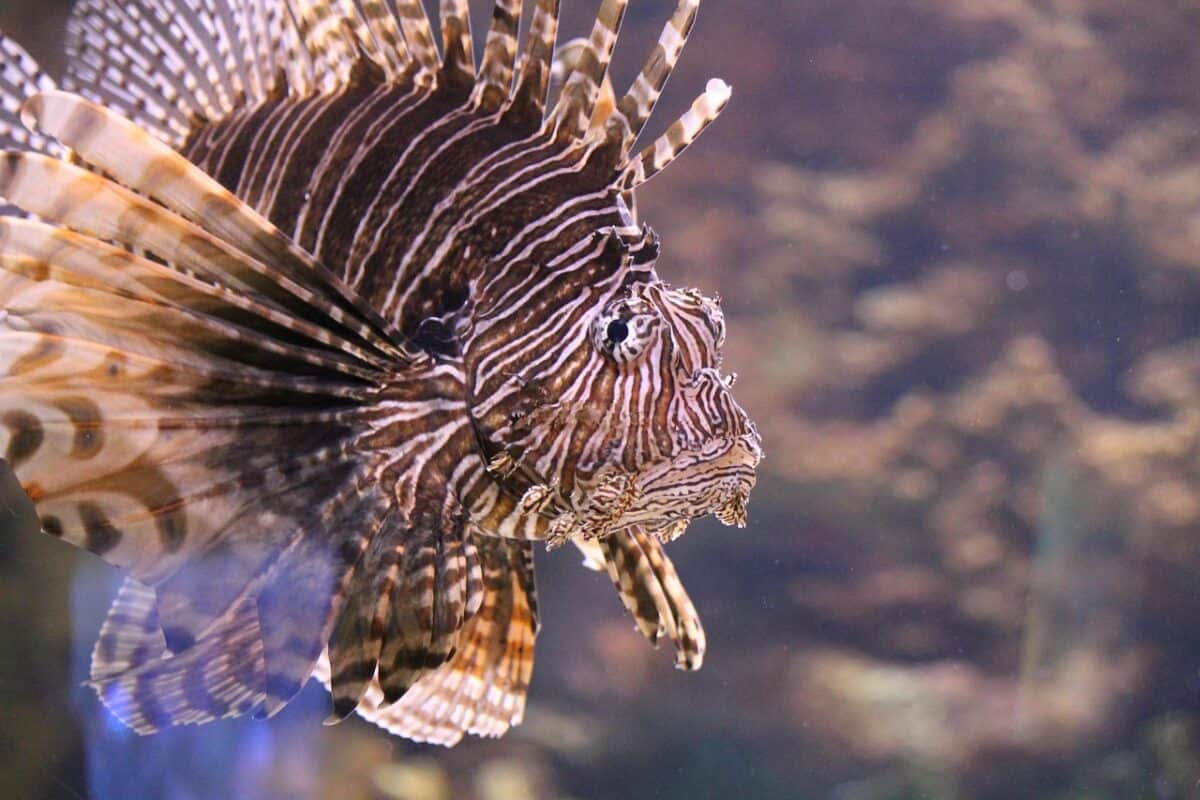
The lionfish invasion began in the mid-1980s when the first documented sightings occurred off the coast of Florida. The most widely accepted theory about their introduction points to the aquarium trade. Lionfish are popular ornamental aquarium fish due to their striking appearance, but they can be challenging to maintain in home aquariums due to their size, dietary needs, and venomous spines. It’s believed that well-intentioned but misguided aquarium owners released unwanted lionfish into Atlantic waters, either directly or during hurricanes that damaged coastal aquariums.
Genetic studies support this theory, showing that the entire Atlantic invasion likely stemmed from a small founder population of fewer than 10 individual lionfish. This represents one of the most successful marine invasions from such a small initial population in recorded history. By the early 2000s, lionfish had established breeding populations along the southeastern coast of the United States. Their spread continued at an alarming rate, and by 2010, they had colonized nearly the entire Caribbean Sea, parts of the Gulf of Mexico, and had been spotted as far north as New York and as far south as Brazil.
Exceptional Reproductive Capabilities

A key factor in the lionfish’s invasive success is their extraordinary reproductive strategy. Female lionfish can produce up to 2 million eggs per year, releasing them in gelatinous egg masses that float near the surface. Each female can spawn every 3-4 days year-round in warm waters, resulting in approximately 25,000 eggs per spawn. This reproductive rate far exceeds that of many native Atlantic reef fish, allowing lionfish populations to grow explosively even from a small founding population.
The planktonic lionfish larvae can drift for up to 40 days before settling, carried by ocean currents across vast distances. This larval dispersal mechanism has facilitated their rapid spread throughout connected water systems. Additionally, lionfish reach sexual maturity quickly—in as little as one year—further accelerating population growth. These reproductive adaptations, evolved to ensure species survival in their native range, have become problematic assets in their invaded territories where natural population controls are absent.
Voracious Predatory Behavior

Lionfish are exceptionally efficient predators, employing hunting strategies that native Atlantic prey species have never encountered. They use their large fan-like pectoral fins to corner prey against reef structures and blow jets of water to disorient small fish before rapidly striking. Studies have shown that a single lionfish can reduce juvenile fish populations on a small reef by 79% in just five weeks. Their stomachs can expand up to 30 times their normal size, allowing them to consume prey up to half their body length.
The diet of invasive lionfish includes over 70 species of fish and many invertebrates, including commercially and ecologically important species. Their indiscriminate feeding habits target herbivorous fish that keep algae in check on coral reefs, as well as the juveniles of larger predatory species important to commercial fisheries. One study estimated that a single adult lionfish can consume 30-40 fish per day. This predation pressure has severely impacted native fish recruitment, with some reef areas experiencing up to 95% reduction in native fish biomass following lionfish invasion.
Lack of Natural Predators

In the Indo-Pacific, several natural predators help control lionfish populations. Large groupers, sharks, and moray eels occasionally prey on lionfish, having co-evolved with them to recognize them as potential food despite their venomous defenses. Parasites and diseases specific to Indo-Pacific waters also help regulate lionfish numbers. However, in Atlantic waters, native predators initially showed no interest in consuming these unfamiliar, venomous newcomers.
This predator release—the absence of natural population controls—has been one of the most significant factors in the lionfish invasion success. Without predation pressure, disease, or parasites to limit their numbers, lionfish populations have exploded. While some promising signs have emerged in recent years, with certain native groupers and sharks in invaded areas beginning to occasionally prey on lionfish, this adaptation has been too slow and limited to significantly impact the established invasive populations. The ecological naïveté of Atlantic predators toward lionfish highlights how invasive species can benefit from evolutionary mismatches in new environments.
Habitat Versatility and Tolerance

Lionfish display remarkable environmental tolerance, thriving across diverse marine habitats that many native species cannot. They can be found from shallow mangrove systems to depths exceeding 1,000 feet on mesophotic reefs, and in temperatures ranging from 10°C to 35°C (50°F to 95°F). This wide depth and temperature tolerance has allowed them to colonize nearly every marine habitat throughout the western Atlantic, Caribbean, and Gulf of Mexico. Their ability to survive in both pristine and degraded environments gives them a significant advantage over specialist native species.
Additionally, lionfish can tolerate varying salinity levels, surviving in brackish estuaries and mangrove systems that serve as crucial nursery grounds for many commercially important fish species. They can endure long periods without food, with studies showing they lose weight very slowly during food scarcity compared to native predators. This metabolic efficiency, combined with their habitat versatility, makes them incredibly resilient invaders. Even after targeted removal efforts, remaining lionfish can quickly repopulate an area due to their ability to survive in refuges inaccessible to human intervention.
Ecological Impacts on Coral Reefs

The ecological consequences of the lionfish invasion have been severe, particularly for coral reef ecosystems already stressed by climate change, pollution, and overfishing. By reducing populations of herbivorous fish that consume algae, lionfish indirectly promote algal overgrowth that can smother and kill coral colonies. Research has documented up to 65% reduction in herbivorous fish biomass on invaded reefs, with corresponding increases in algal cover of up to 85% in some locations.
Beyond direct predatory impacts, lionfish alter the behavior of native fish through fear effects. Studies show that the presence of lionfish causes many small reef fish to reduce their foraging activities and hide more frequently, disrupting ecological functions like cleaning symbiosis and nutrient cycling. The cumulative impact includes reduced biodiversity, altered food web structures, and diminished reef resilience. Long-term monitoring programs have documented steady declines in reef fish diversity following lionfish colonization, with some sites experiencing local extinctions of small benthic species particularly vulnerable to lionfish predation.
Economic Consequences

The lionfish invasion carries significant economic costs for coastal communities dependent on healthy marine ecosystems. Commercial fisheries have reported declines in catches of economically valuable species like snappers and groupers, whose juveniles are heavily preyed upon by lionfish. The World Bank estimated that the lionfish invasion could cost Caribbean nations up to $200 million annually in lost fisheries revenue and declining tourism appeal. For small island nations where fishing and marine tourism represent substantial portions of GDP, these impacts are particularly devastating.
The dive tourism industry has experienced mixed effects. While some operations have capitalized on the invasion by offering special “lionfish hunting” dives, the overall degradation of reef ecosystems threatens the long-term viability of dive tourism. Coastal management agencies have also faced substantial costs implementing control programs, with some Caribbean nations spending millions on lionfish removal initiatives. These economic impacts disproportionately affect developing nations with limited resources to address invasive species while simultaneously coping with other environmental challenges.
Venomous Defense Mechanism
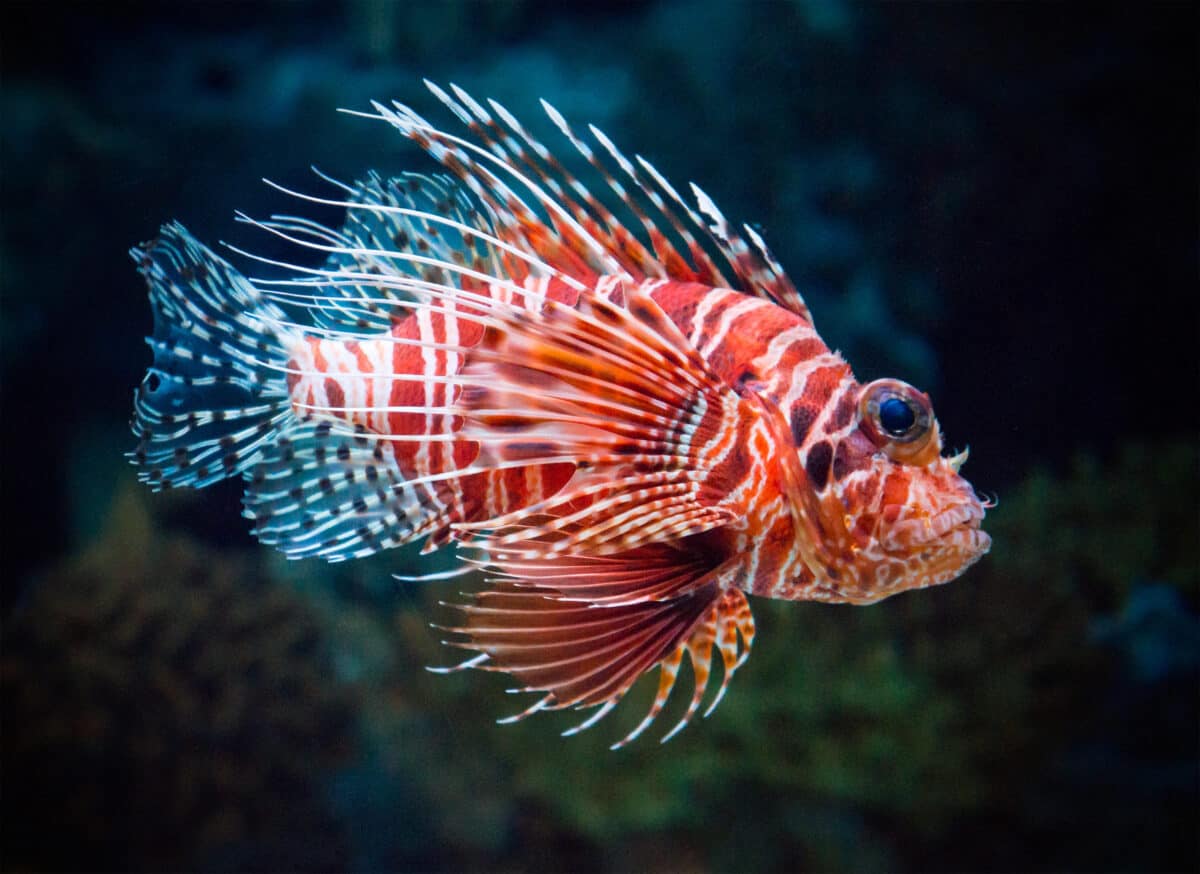
Lionfish possess 18 venomous spines—13 dorsal, 3 anal, and 2 pelvic—that deliver a defensive neurotoxin when disturbed. This venom causes intense pain, swelling, nausea, and in rare cases, paralysis or heart failure in humans. The venomous defense mechanism, while not directly contributing to their invasive capabilities, significantly complicates control efforts. Fishermen and divers must use specialized equipment and techniques to safely handle lionfish, increasing the cost and complexity of removal programs.
The venom defense also initially protected lionfish from native Atlantic predators unfamiliar with how to safely consume these newcomers. While the venom is denatured by heat (cooking renders lionfish perfectly safe and delicious to eat), it remains active even after the fish dies, posing risks during handling and processing. Public education about proper handling techniques has been crucial to developing lionfish fisheries as a control method. The venomous nature of lionfish also creates public safety concerns on beaches and for water recreation in heavily invaded areas, though actual stings are relatively rare and almost never fatal.
Control and Management Strategies
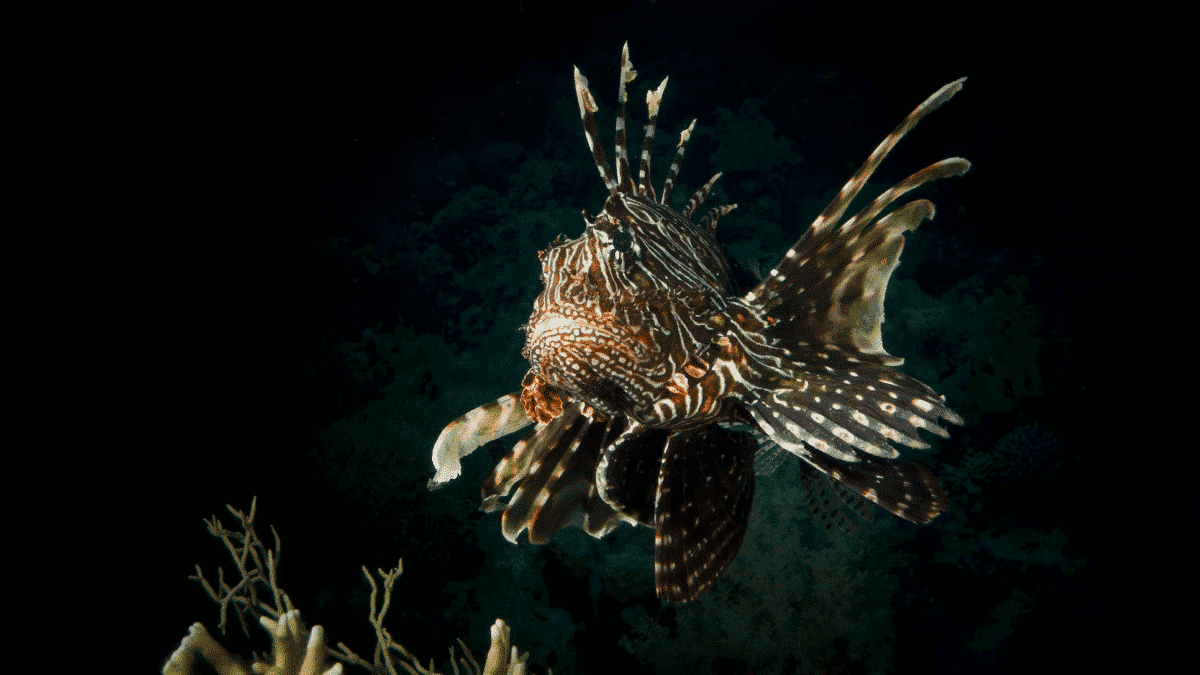
With eradication of lionfish now considered impossible in most invaded areas, management efforts focus on population control in high-priority ecological sites. Targeted removal by divers using specialized spears has proven the most effective direct control method. In areas where consistent removal pressure is maintained, lionfish populations can be reduced by up to 75%, allowing native fish populations to partially recover. Regular culling events, fishing tournaments, and dedicated “lionfish derbies” have become common throughout the Caribbean, removing tens of thousands of lionfish annually.
Market-based approaches represent another promising strategy, with campaigns promoting lionfish as a sustainable seafood choice. The white, flaky meat is compared to snapper or grouper in quality, and some high-end restaurants now feature lionfish on their menus. Technological innovations are also emerging, including specialized traps that attract lionfish while avoiding bycatch of native species, and underwater robots designed to hunt lionfish in depths beyond recreational diving limits. Biological control through predator conditioning—teaching native predators to target lionfish—remains experimental but shows some promise in localized areas where large groupers have learned to consume lionfish.
Scientific Research and Monitoring
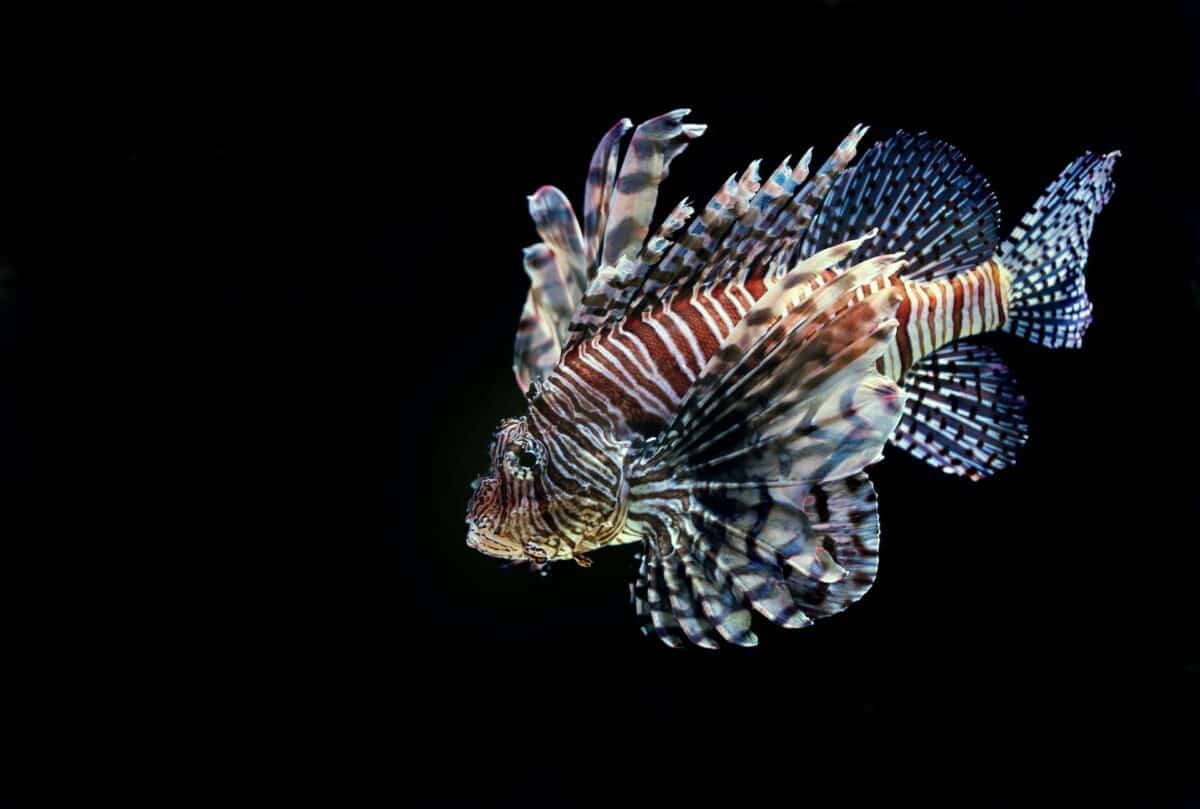
The lionfish invasion has stimulated extensive scientific research, providing valuable insights into invasion ecology, marine ecosystem dynamics, and management approaches. Long-term monitoring programs track lionfish densities, distribution patterns, and ecological impacts across the invaded range. Genetic studies have revealed the invasion’s founder population characteristics and spread patterns, while behavioral research continues to uncover the mechanisms behind the lionfish’s predatory success.
Citizen science has played a crucial role in tracking the invasion, with platforms like REEF (Reef Environmental Education Foundation) collecting thousands of lionfish sighting reports from recreational divers. These data inform adaptive management strategies and help prioritize control efforts. Research into lionfish biology has also yielded unexpected benefits, including biomedical applications of lionfish venom components and insights into evolutionary adaptations. The scientific community continues working to develop innovative control methods, including research into potential species-specific diseases or parasites that might control lionfish without harming native species.
Lessons for Future Invasions
The lionfish invasion offers critical lessons about preventing future marine invasions. The aquarium trade remains a primary pathway for marine introductions, highlighting the need for stronger regulations and public education about responsible pet ownership. Early detection and rapid response systems are vital, as the lionfish invasion progressed too far before significant control efforts began. Had removal programs started when lionfish were first detected in the 1980s, the invasion might have been contained.
The case demonstrates how quickly invasive species can establish and spread in marine environments, where boundaries are fluid and monitoring is challenging. It underscores the importance of the precautionary principle in species introductions and the need for international cooperation in addressing marine invasions that cross political boundaries. Perhaps most importantly, the lionfish invasion has raised public awareness about invasive species issues, potentially helping prevent similar ecological disasters in the future through greater vigilance and environmental stewardship.
The Ongoing Challenge of Lionfish Management
The lionfish invasion represents one of the most challenging marine conservation issues of our time, combining biological characteristics that make complete eradication virtually impossible with ecological impacts that threaten already vulnerable marine ecosystems. While control efforts have shown success in reducing lionfish populations in localized areas, maintaining these reductions requires consistent, long-term commitment of resources and community engagement. The invasion continues to expand its range, with lionfish recently documented in the Mediterranean Sea, likely introduced through the Suez Canal from their native Red Sea habitat.
Despite the challenges, there is cautious optimism in the scientific and conservation communities. Innovative control technologies continue to develop, and growing consumer markets for lionfish meat provide economic incentives for removal. Perhaps most encouragingly, some native ecosystems show signs of adaptation, with certain predators beginning to incorporate lionfish into their diets and some reef systems demonstrating resilience despite lionfish presence. The lionfish saga reminds us of both human responsibility for environmental change and the power of coordinated action to address even the most daunting ecological challenges. As we continue to learn from this invasion, the knowledge gained will prove invaluable in protecting marine ecosystems from future threats.

- Why You Shouldn’t Chase Butterflies With Nets - July 22, 2026
- The Animal Kingdom’s Best Dads Ranked - July 22, 2026
- The Most Vulnerable Fish Species in U.S. Rivers Today - July 22, 2026