
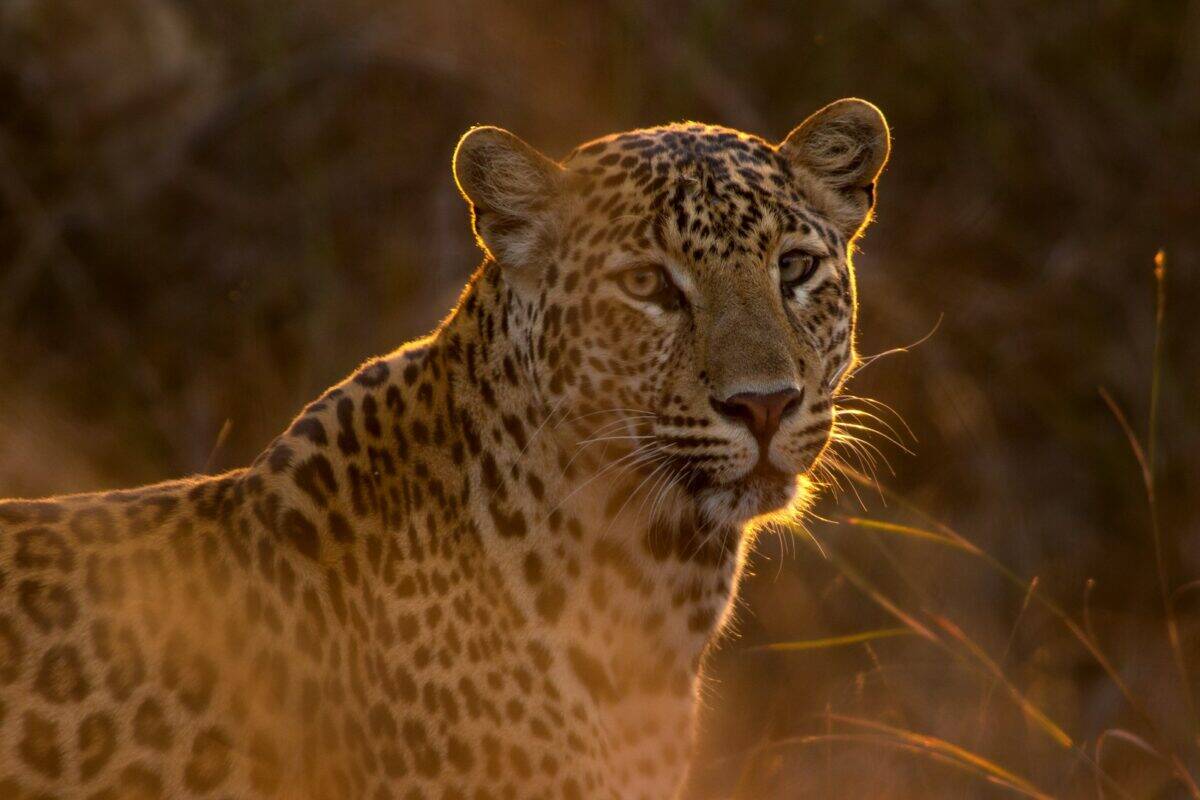
Across the diverse landscapes of our planet, from the dense jungles of Asia to the sweeping savannas of Africa, big cats reign as some of nature’s most formidable and enigmatic predators. Their combination of raw physical power, evolutionary adaptations, and elusive behavior has captivated human imagination for millennia. These magnificent creatures—lions, tigers, jaguars, leopards, snow leopards, cheetahs, and cougars—embody both terrible beauty and primal mystery. They command respect not only for their hunting prowess and physical capabilities but also for their increasingly precarious existence in our rapidly changing world. This exploration delves into what truly makes these apex predators so powerful and shrouded in mystery, examining their extraordinary adaptations, behaviors, and the complex relationship they share with humans and their environments.
The Definition and Classification of Big Cats
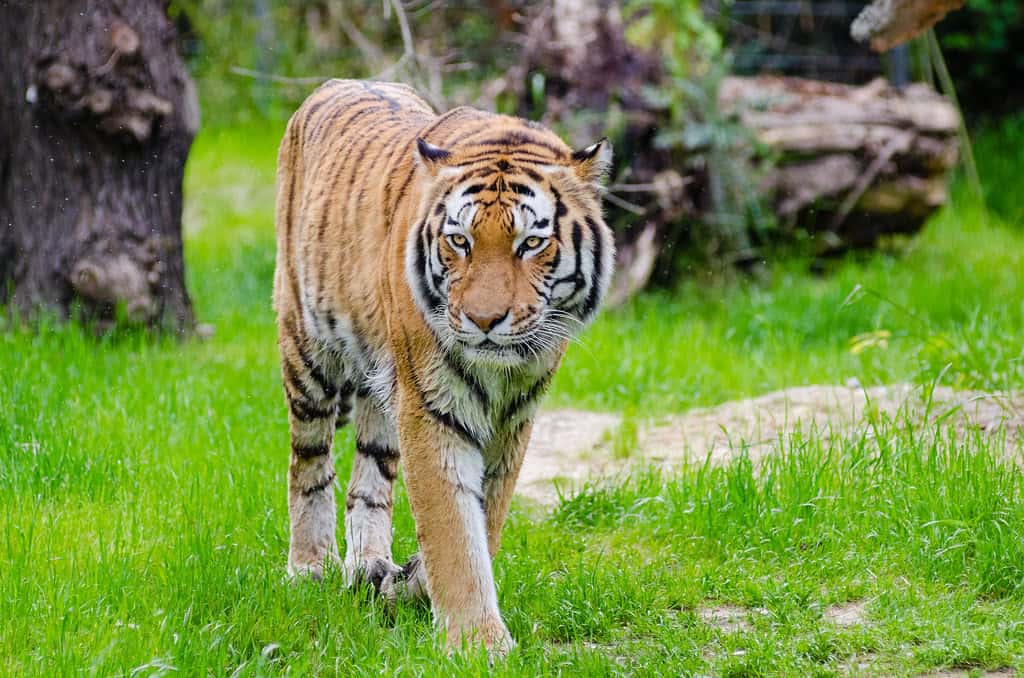
The term “big cat” traditionally refers to members of the genus Panthera, which includes lions, tigers, jaguars, and leopards. These species share a unique adaptation: a modified hyoid bone that allows them to roar—a sound that has become synonymous with their power and dominance. However, in broader discussions, the classification often extends to include cheetahs, snow leopards, and cougars (mountain lions), creating what zoologists sometimes call the “big seven.” These magnificent felines belong to the family Felidae and represent the apex of feline evolution, having developed specialized adaptations that make them supreme hunters. Their taxonomic classification reflects not only their biological relationships but also their evolutionary history, tracing back millions of years to when these specialized carnivores began to diverge from smaller feline species. Understanding this classification helps us appreciate both their shared characteristics and their unique adaptations to different ecological niches.
Evolutionary Marvel: The Origins of Big Cats

The evolutionary journey of big cats began approximately 10.8 million years ago when the Panthera lineage split from other felids. Fossil evidence suggests that early big cats resembling modern jaguars appeared in Asia around 2 million years ago, before dispersing across continents. This remarkable evolutionary history has been shaped by dramatic climate changes, continental drift, and adaptive radiation into various ecological niches. The Pleistocene epoch (2.6 million to 11,700 years ago) was particularly significant, witnessing the emergence of iconic species like the saber-toothed cats alongside ancestors of modern big cats. Through countless generations of natural selection, these predators developed their specialized hunting techniques, social structures, and physical attributes. Today’s big cats represent the survivors of a once more diverse group of large felids, having weathered extinction events that claimed many of their relatives. Their continued existence is a testament to their extraordinary adaptability and evolutionary success in the face of changing environments and competition.
Physical Prowess: The Anatomy of Power

The physical capabilities of big cats are nothing short of extraordinary. A tiger can weigh up to 660 pounds and generate enough force in its paws to shatter the skull of large prey with a single blow. Their muscular frames are built for both explosive speed and sustained power, with specialized adaptations for their hunting styles. Lions possess shoulder muscles that allow them to pin down struggling prey, while a jaguar’s exceptionally powerful bite can pierce turtle shells and crocodilian armor. The skeleton of big cats represents an evolutionary masterpiece, balancing strength with flexibility. Their spine can flex and extend dramatically, contributing to their incredible leaping abilities—a leopard can jump up to 20 feet horizontally and 10 feet vertically. This physical prowess extends to their sensory systems as well. Their vision is six times more sensitive in low light than human eyesight, allowing them to hunt effectively at dawn and dusk. Their whiskers serve as sophisticated sensory organs that detect minute changes in air currents, while their hearing can pick up the high-frequency sounds of small prey animals from remarkable distances. These anatomical adaptations collectively create predators of unparalleled efficiency.
Masters of Stealth: Hunting Techniques and Adaptations
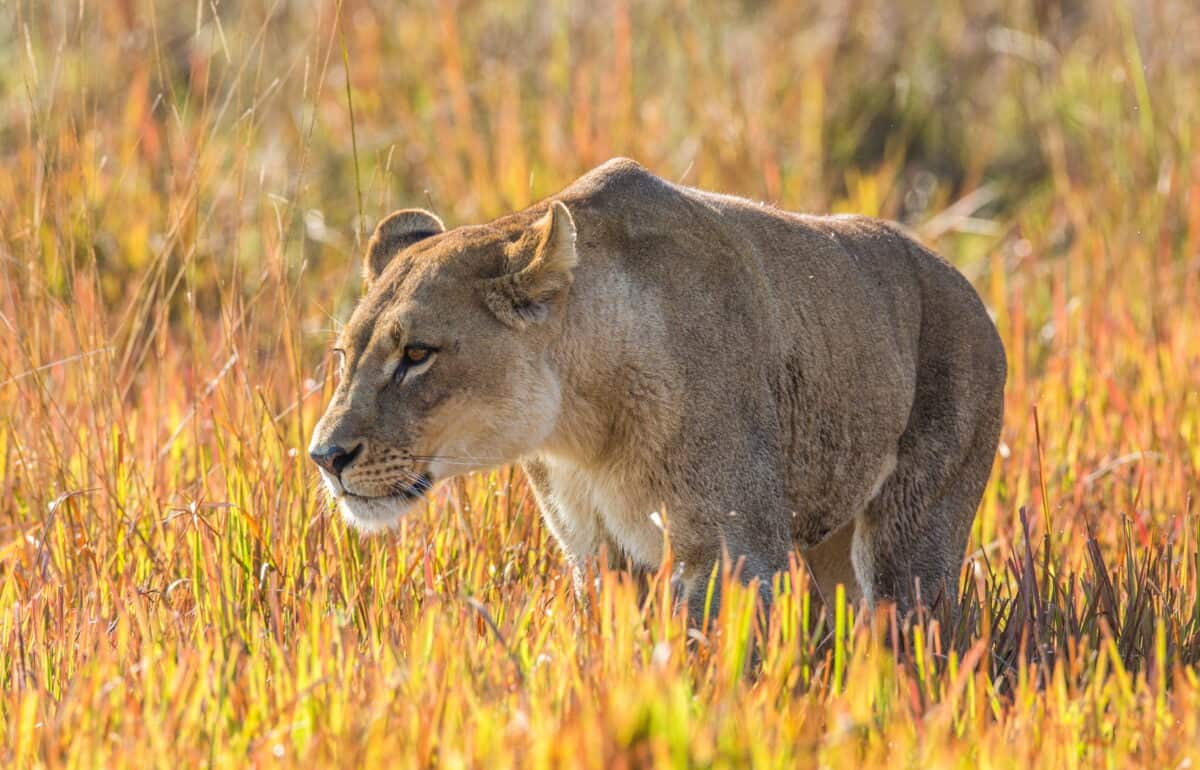
The hunting prowess of big cats represents one of nature’s most refined predatory systems, combining patience, stealth, and explosive power. Unlike pack hunters like wolves, most big cats are solitary ambush predators, with lions being the notable exception. Their hunting techniques have evolved to maximize success while minimizing energy expenditure—a critical balance in the wild. Tigers and jaguars can move through dense forest undergrowth with barely a sound, their footfalls muffled by specialized foot pads. Leopards use their extraordinary climbing abilities to store kills in trees, away from scavengers and competitors. The cheetah, while technically not able to roar, has evolved an entirely different strategy, using its unmatched acceleration (0 to 60 mph in under three seconds) to chase down prey in open habitats. Snow leopards have adapted to high-altitude hunting with oversized nasal cavities that warm inhaled air and prevent lung damage in their frigid mountain habitats. Each species has developed specialized techniques suited to their environment and available prey, from the lion’s coordinated pride hunting to the jaguar’s technique of piercing the skulls of prey with precision bites. These varied hunting strategies reflect millions of years of evolutionary refinement and ecological specialization.
The Eyes of a Predator: Exceptional Sensory Abilities
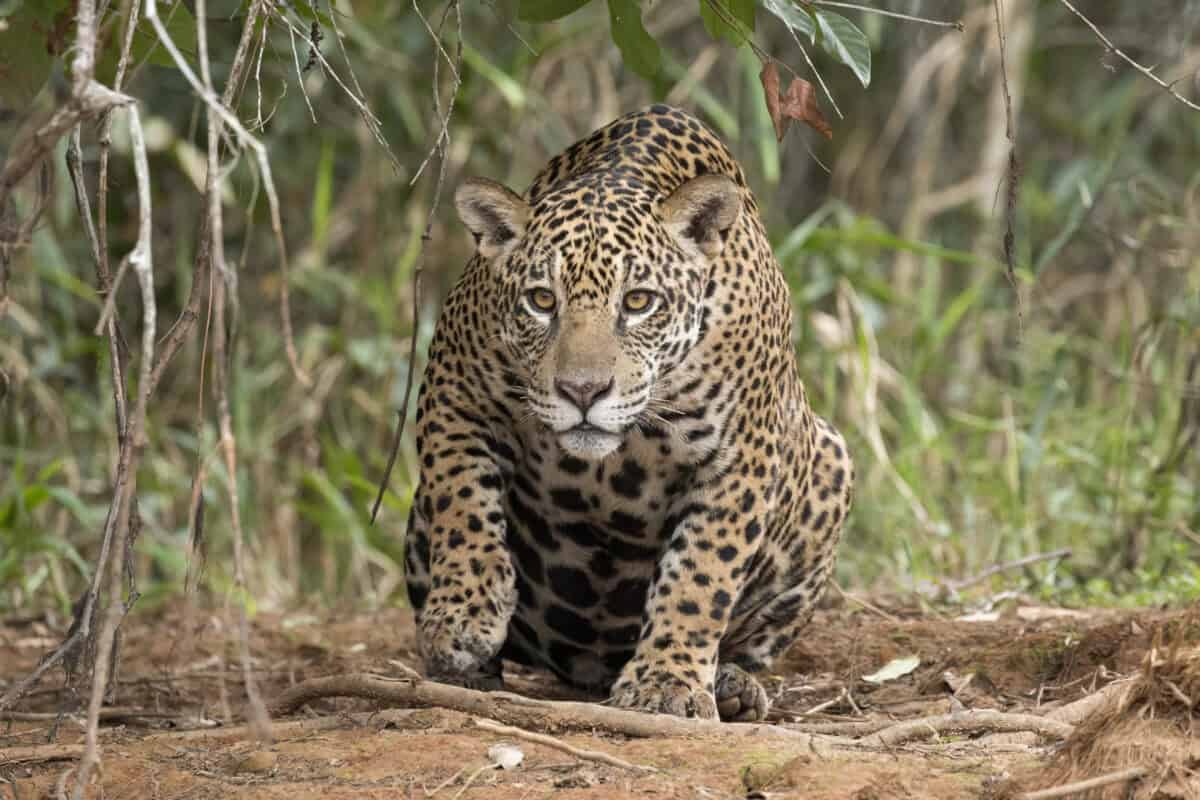
The sensory capabilities of big cats have evolved to create the perfect predatory toolkit, with vision being perhaps their most remarkable sense. Their eyes contain a higher concentration of rod cells than human eyes, making them exceptionally sensitive to movement and allowing them to detect prey in extremely low light conditions. This nocturnal advantage is further enhanced by the tapetum lucidum—a reflective layer behind the retina that effectively gives their eyes a second chance to capture available light, creating their distinctive eyeshine. Beyond vision, big cats possess acute hearing that can detect the high-frequency sounds made by small prey animals at considerable distances. Their sense of smell, while not as refined as that of canids, is still approximately fourteen times more sensitive than human olfaction and plays a crucial role in territorial marking and reproductive behavior. Perhaps most remarkable are their whiskers (vibrissae), which function as sophisticated environmental sensors. These specialized hairs can detect minute air movements, helping cats navigate in darkness and precisely locate prey during the final moments of a hunt. These combined sensory adaptations allow big cats to effectively monitor their environment, track prey, and navigate territories that can span hundreds of square miles.
Social Structures: From Solitary Hunters to Pride Living

The social organizations of big cats represent a fascinating spectrum of behaviors, from the strictly solitary existence of tigers to the complex social pride structure of lions. This diversity of social strategies reflects different ecological pressures and evolutionary adaptations. Lions stand as the only truly social big cats, living in prides typically consisting of related females, their offspring, and a coalition of males. This social structure allows them to defend large territories and cooperatively hunt larger prey than individual lions could manage alone. At the opposite end of the spectrum, tigers maintain largely solitary lives, with adult males and females coming together only briefly for mating. Their territories are marked with scent, scratches, and vocalizations to minimize potentially dangerous confrontations. Between these extremes lie species like cheetahs, where males sometimes form coalitions to defend territory, and leopards, which occasionally share kills with offspring but otherwise maintain solitary lifestyles. These varied social systems have profound implications for conservation efforts, as they affect population densities, genetic diversity, and the amount of habitat required to maintain viable populations. Understanding these social dynamics provides critical insights into both the evolutionary history of big cats and their current conservation needs.
Vocalizations and Communication: More Than Just a Roar
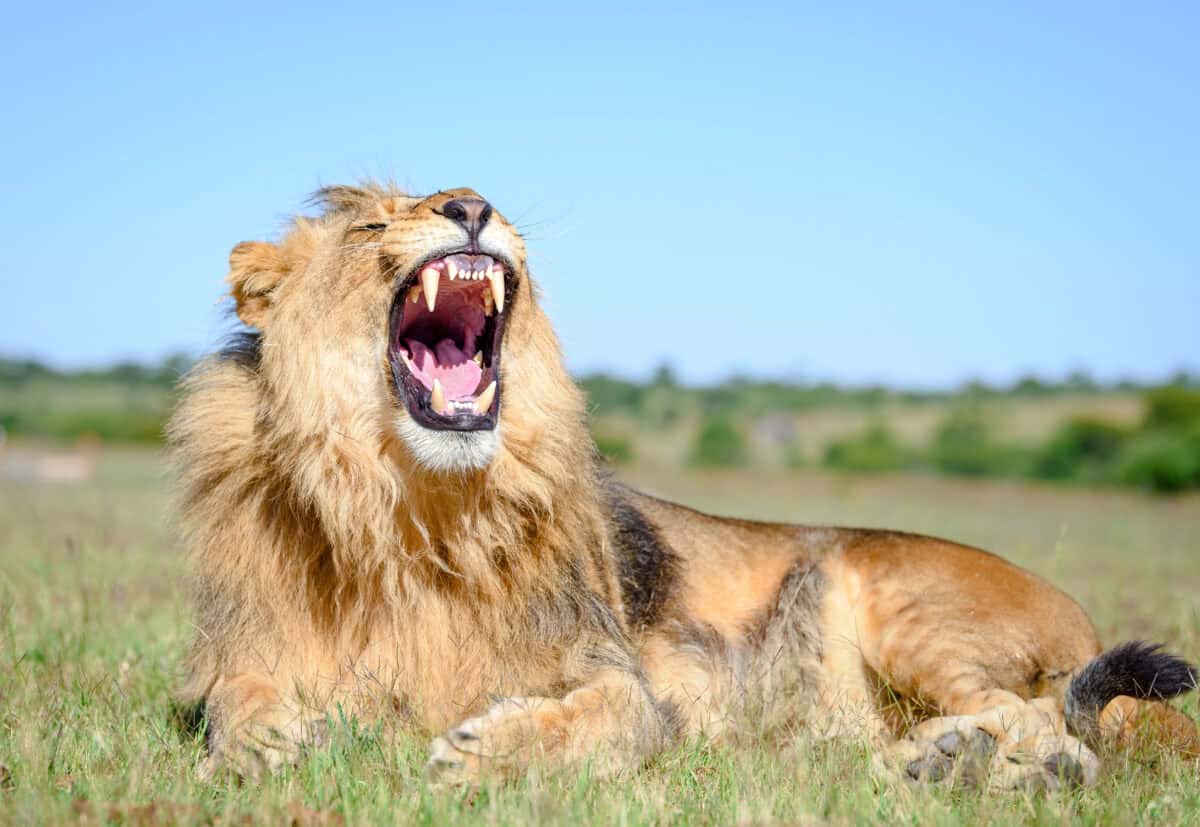
The communicative repertoire of big cats extends far beyond their iconic roars, encompassing a sophisticated system of vocalizations, body language, and chemical signaling. True roaring—a capability exclusive to lions, tigers, jaguars, and leopards—is made possible by their specialized hyoid apparatus and serves to advertise territory, intimidate rivals, and coordinate group movements in the case of lions. A male lion’s roar can be heard up to five miles away and contains specific acoustic information that allows pride members to recognize individuals. Beyond roaring, big cats employ a remarkable array of sounds: tigers emit infrasonic growls below human hearing range that can travel across great distances; cheetahs and cougars communicate with distinctive bird-like chirps and whistles; snow leopards use low-frequency “chuffing” sounds as friendly greetings. Non-vocal communication is equally sophisticated, with tail positions, ear movements, and facial expressions conveying nuanced information about emotional states and intentions. Perhaps most important to their social lives is chemical communication through scent marking. By depositing urine, feces, and secretions from specialized glands, big cats create an invisible landscape of information detailing their identity, reproductive status, and territorial claims. This multilayered communication system enables complex social interactions while minimizing direct confrontations that could lead to injury.
Reproduction and Cub Rearing: Ensuring the Next Generation
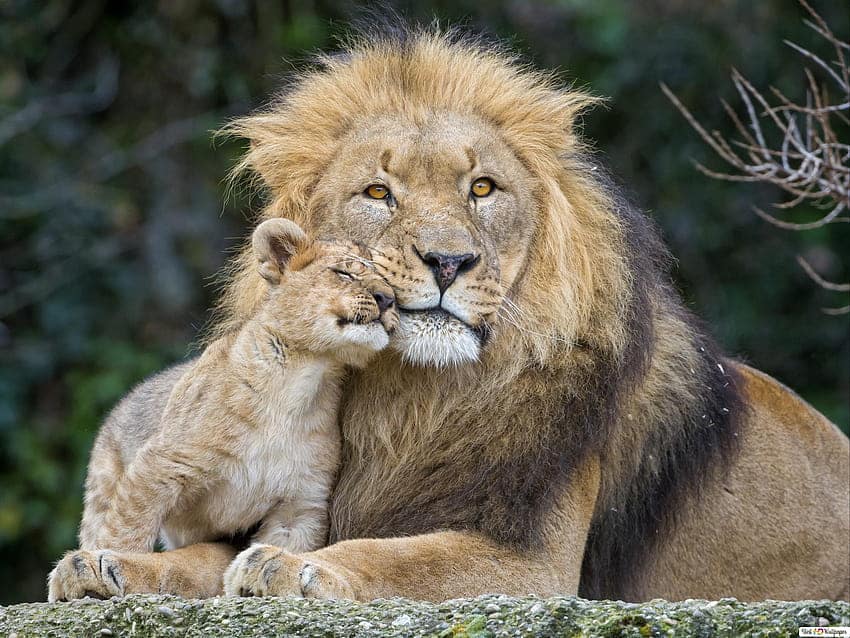
The reproductive biology and parental care of big cats reflect the delicate balance between investing in offspring and ensuring parental survival in challenging environments. Female big cats typically reach sexual maturity between 2-4 years of age, while males mature slightly later. Most species are polyestrous, with females coming into heat multiple times per year if not pregnant. Gestation periods range from approximately 90 days in smaller species like the cheetah to 110 days in tigers. Litter sizes typically range from 2-4 cubs, born blind and completely dependent on their mother. The vulnerability of cubs contributes significantly to the mystery surrounding big cats, as females often hide their young in secluded dens, emerging only to hunt. Maternal investment is substantial, with mothers nursing cubs for 3-6 months while simultaneously teaching hunting skills through graduated experiences with prey. In lions, the communal pride structure allows for shared nursing and protection of cubs, increasing survival rates. Male involvement varies dramatically across species—from the protective role of male lions within the pride to the potential infanticide practiced by incoming male tigers taking over a territory. This reproductive strategy, while seemingly harsh, ensures that males invest resources only in their own genetic offspring. Cubs typically remain with their mothers for 1-3 years, learning essential survival skills before dispersing to establish their own territories, completing the cycle of life for these magnificent predators.
Mythological Significance: Big Cats in Human Culture

Throughout human history, big cats have occupied a privileged position in mythology, religion, and cultural symbolism across civilizations. Their power, beauty, and mysterious nature have made them potent symbols in the human imagination. In ancient Egypt, the goddess Bastet took the form of a lioness, later evolving into a domestic cat deity, while the Sphinx combined a lion’s body with a human head, representing power and wisdom. Hindu tradition reveres tigers, with the goddess Durga often depicted riding a tiger as a symbol of power over evil. In Mesoamerican cultures, the jaguar was associated with rulership, warfare, and shamanic transformation, appearing prominently in Olmec, Maya, and Aztec iconography. Norse mythology features the goddess Freyja traveling in a chariot pulled by cats, while in Chinese culture, tigers represent courage, power, and protection against evil spirits. These cultural associations continue into modern times, with big cats serving as national symbols—the tiger for India, the lion for England and many African nations. The persistent fascination with these animals in human culture speaks to their psychological impact: they represent aspects of nature that are simultaneously beautiful and dangerous, familiar yet ultimately unknowable. This cultural significance adds another dimension to their conservation value, as big cats represent not only ecological importance but also irreplaceable cultural heritage.
Conservation Challenges: Threats to the World’s Big Cats

Despite their power and adaptability, all big cat species face unprecedented threats in the modern world, with populations declining at alarming rates. Habitat loss stands as perhaps the most significant challenge, with human development fragmenting once-continuous ranges into isolated patches. Tigers have lost 93% of their historical range, while lions now occupy only about 8% of their former territories. Illegal wildlife trafficking continues to devastate populations, with tiger parts commanding extraordinarily high prices in traditional Asian medicine markets despite lacking scientific evidence of efficacy. Human-wildlife conflict presents another critical challenge, as expanding human settlements bring people and livestock into contact with predators, often resulting in retaliatory killings. Climate change introduces new threats, altering prey distributions and habitat suitability. For species like the snow leopard, warming temperatures are literally shrinking their mountain habitats. Trophy hunting, while regulated in some regions, has contributed to population declines, particularly when poorly managed. The genetic consequences of these pressures are increasingly apparent, with inbreeding depression affecting isolated populations. Conservation efforts must address these multiple, interconnected threats through habitat protection, anti-poaching measures, conflict mitigation, and captive breeding programs. The status of big cats serves as a barometer for the health of entire ecosystems, making their conservation a priority not just for the species themselves but for biodiversity as a whole.
Scientific Discoveries: New Insights into Big Cat Biology
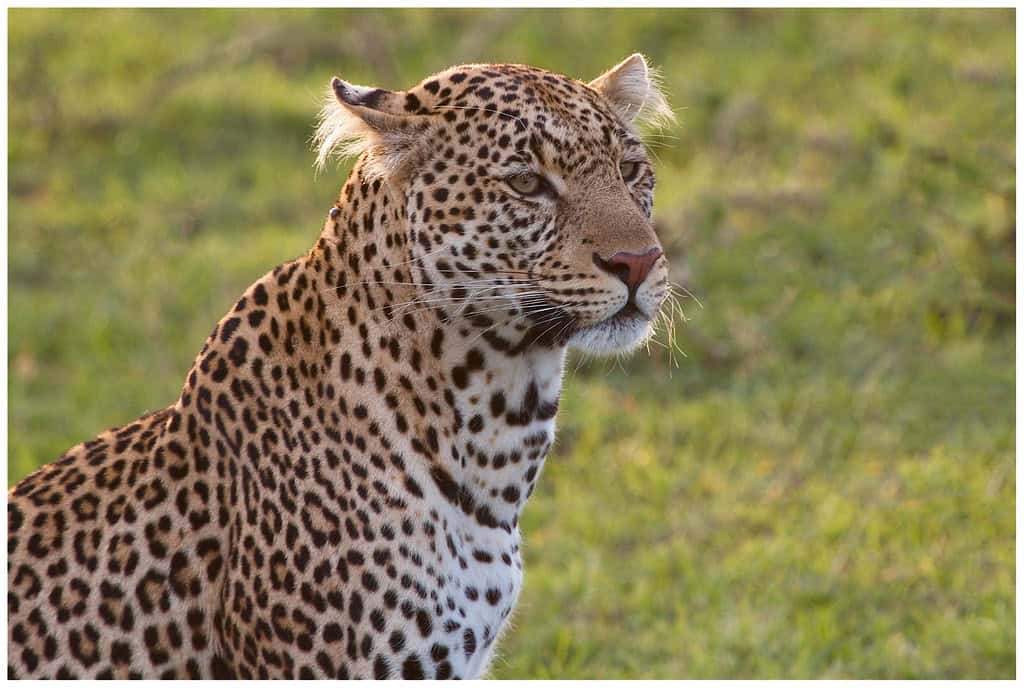
Recent scientific advances have revolutionized our understanding of big cat biology, ecology, and behavior, shedding new light on these mysterious predators. Genetic research has clarified taxonomic relationships, revealing, for example, that the snow leopard is more closely related to tigers than previously thought. DNA analysis of scat samples now allows researchers to monitor populations non-invasively, providing critical data on numbers, diet, and health without disturbing these elusive animals. Advanced GPS collaring technology has transformed our knowledge of movement patterns, revealing that tigers require much larger territories than previously estimated—up to 800 square miles for male Siberian tigers. Camera trap networks have documented previously unknown behaviors and discovered populations in unexpected areas, including melanistic (black) leopards in Africa and jaguars returning to regions where they were thought extinct. Bioacoustic research has decoded some of the complexities of big cat vocalizations, demonstrating that roars contain individual signatures comparable to human voices. Physiological studies have revealed remarkable adaptations, such as the cheetah’s enlarged heart and respiratory system that support its incredible acceleration. Conservation technologies are advancing rapidly, with artificial intelligence now being deployed to analyze camera trap images, track poaching networks, and predict human-wildlife conflict hotspots. These scientific discoveries not only satisfy human curiosity about these charismatic animals but also provide essential knowledge for effective conservation strategies in a rapidly changing world.
Conclusion: The Enduring Allure of Nature’s Perfect Predators

The power and mystery of big cats continue to captivate human imagination, representing both the pinnacle of predatory evolution and a profound connection to wilderness that resonates in our collective consciousness. Their combination of physical prowess, sensory adaptations, and behavioral sophistication makes them arguably the most perfectly designed predators on land, the product of millions of years of evolutionary refinement. Yet, despite their power, they remain vulnerable to human activities, with all species facing significant conservation challenges that threaten their continued existence. The fate of big cats in the 21st century will ultimately be determined by our willingness to coexist with these magnificent creatures, protecting sufficient habitat and addressing the human activities that threaten their survival. As we continue to unravel the scientific mysteries of their biology and behavior, we gain not only knowledge but also a deeper appreciation for their ecological importance and intrinsic value. The enduring allure of big cats serves as a powerful reminder that even in our technologically advanced world, there remain aspects of nature that inspire awe, respect, and a sense of wonder that connects us to the wild heart of our planet.

- Why You Shouldn’t Chase Butterflies With Nets - July 22, 2026
- The Animal Kingdom’s Best Dads Ranked - July 22, 2026
- The Most Vulnerable Fish Species in U.S. Rivers Today - July 22, 2026