
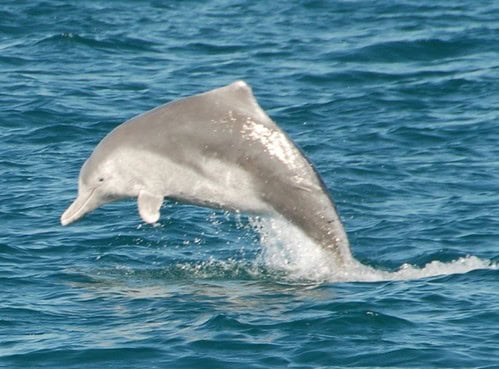
The Indo-Pacific humpback dolphin (Sousa chinensis) represents one of the ocean’s most fascinating yet imperiled marine mammals. With their distinctive appearance and complex social behaviors, these coastal dolphins have captured the attention of marine biologists and conservationists worldwide. However, their proximity to rapidly developing coastlines has placed them in a precarious position, facing numerous threats that have led to their classification as vulnerable on the IUCN Red List. This article explores the unique characteristics of these remarkable creatures and the challenges that make them both rare and increasingly endangered in their native waters across the Indo-Pacific region.
Geographic Distribution and Population Status
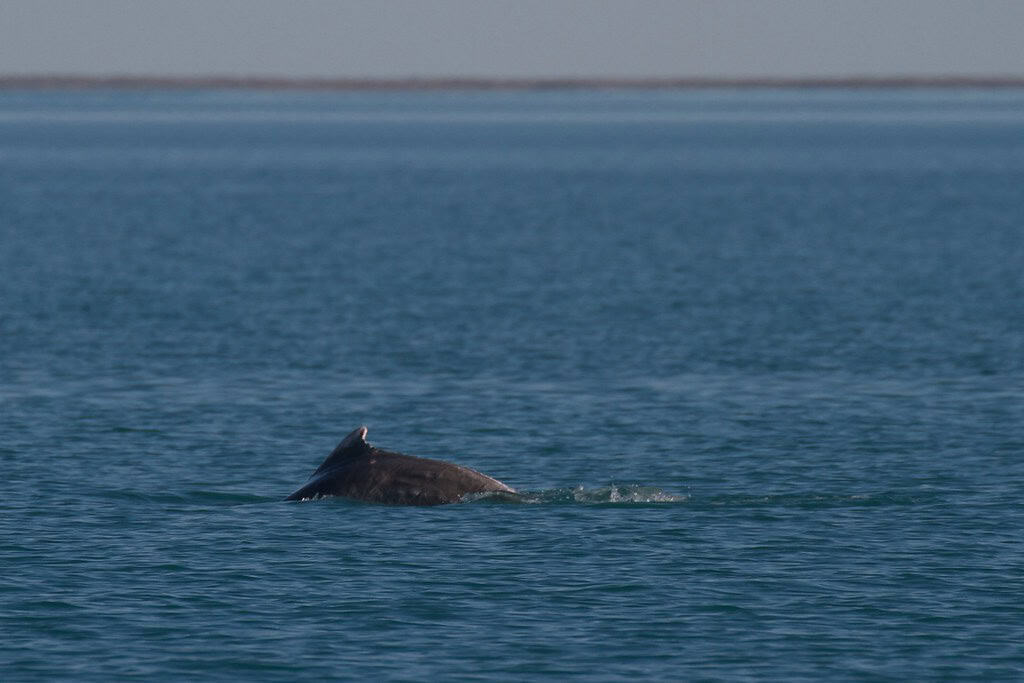
Indo-Pacific humpback dolphins inhabit the coastal waters of the Indian and Pacific Oceans, ranging from eastern Australia through Southeast Asia to China and the western portions of the Indian Ocean. Unlike many dolphin species that prefer deep offshore waters, these dolphins are primarily found in shallow, coastal habitats, including estuaries, river mouths, and mangrove channels. This restricted habitat preference naturally limits their distribution and abundance.
Current population estimates suggest fewer than 10,000 mature individuals exist across their entire range, with many subpopulations numbering only in the dozens or hundreds. The Hong Kong population, one of the most studied, has declined to approximately 60 individuals, while the Taiwan Strait population is estimated at fewer than 100 dolphins. This fragmentation into small, isolated populations makes them particularly vulnerable to local extinction events and reduces genetic diversity, further compromising their long-term survival prospects.
Distinctive Physical Characteristics
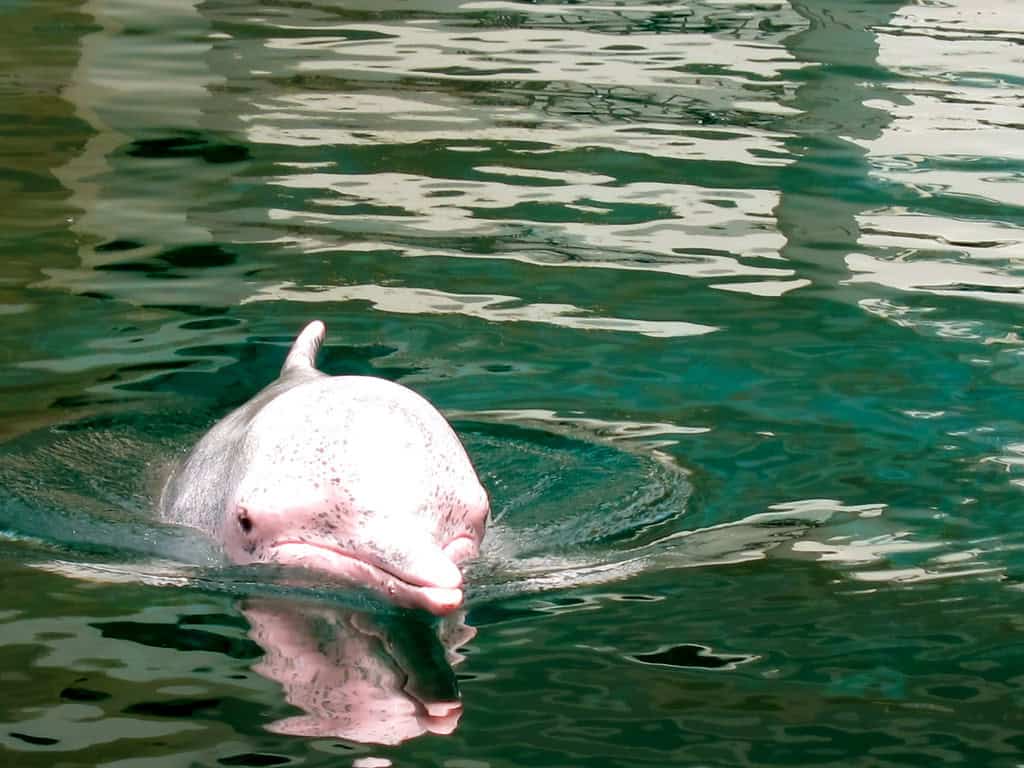
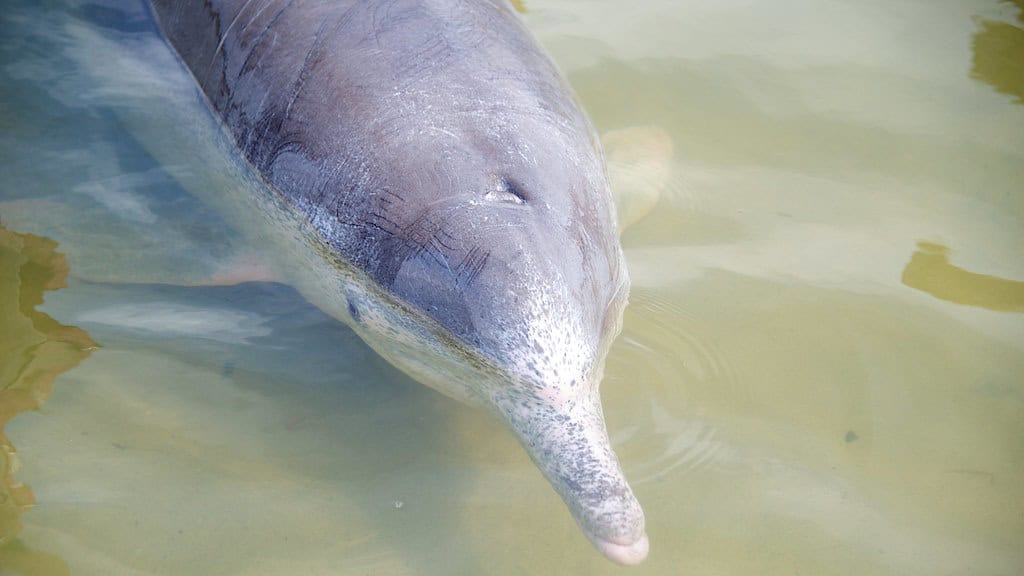
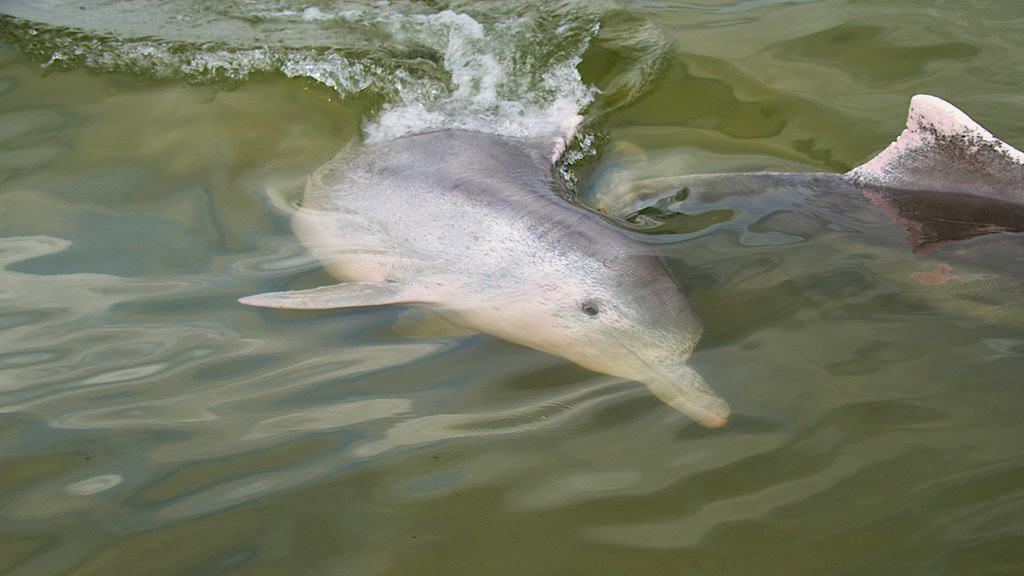
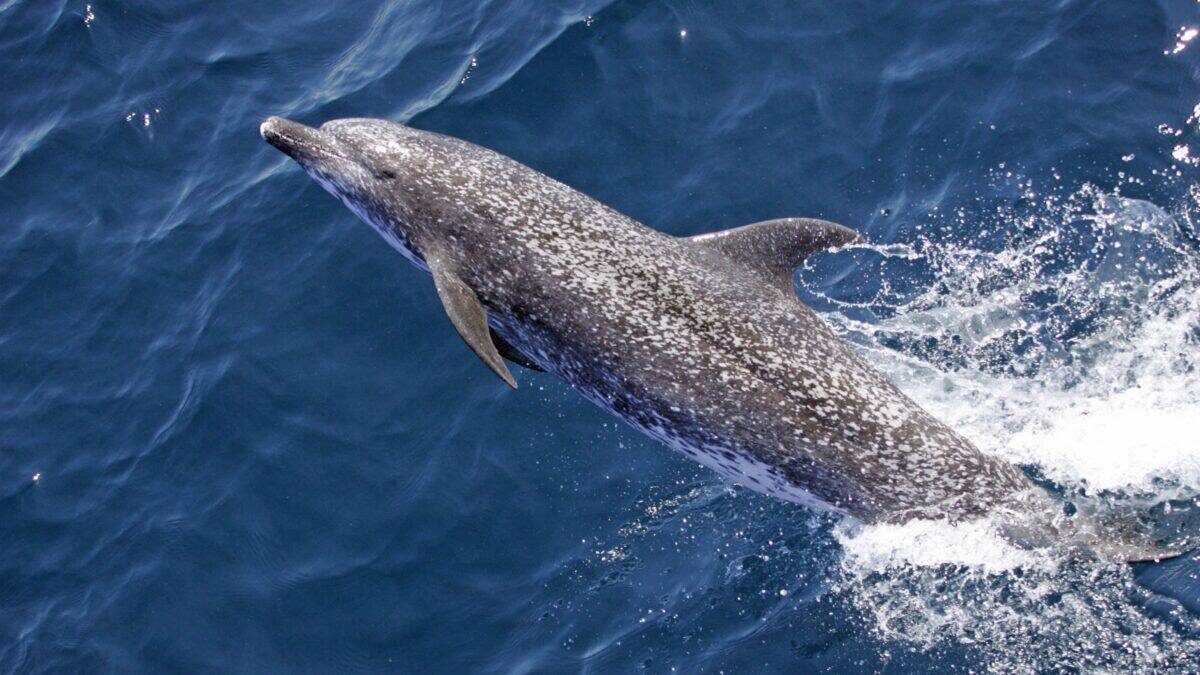
The Indo-Pacific humpback dolphin earns its name from the distinctive hump located beneath its dorsal fin, though this feature varies in prominence among individuals. Adults typically reach lengths of 2-3.5 meters (6.6-11.5 feet) and weigh between 150-230 kg (330-510 pounds). Perhaps their most captivating feature is their coloration, which changes dramatically throughout their lifetime. Calves are born dark gray but develop a striking pink coloration as they mature, particularly in Chinese waters where adults can appear almost white or pink due to an abundance of blood vessels near the skin surface.
These dolphins also possess a longer, more slender beak compared to many other dolphin species, and their dorsal fin is shorter and wider at the base. Their physical adaptations are perfectly suited to the shallow, often murky waters they inhabit, where maneuverability is more important than the speed required in open ocean environments. These unique physical characteristics make them easily distinguishable from other dolphin species when spotted in their natural habitat.
Specialized Coastal Habitat Requirements

Unlike oceanic dolphin species that roam vast stretches of open water, Indo-Pacific humpback dolphins are coastal specialists, rarely venturing more than a few kilometers from shore. They prefer waters less than 25 meters (82 feet) deep, often concentrating around river mouths, estuaries, and mangrove forests where freshwater and saltwater mix. These estuarine environments provide rich feeding grounds with abundant fish populations that form the cornerstone of their diet.
This specialized habitat preference creates a double-edged sword for their survival. While these productive coastal ecosystems provide ideal feeding conditions, they also represent some of the most heavily impacted marine environments on the planet. The dolphins’ reliance on these specific habitats means they cannot simply relocate when their environment becomes degraded. Their limited habitat flexibility makes them particularly vulnerable to coastal development and habitat modification, contributing significantly to their declining numbers across much of their range.
Feeding Ecology and Dietary Specialization

Indo-Pacific humpback dolphins are opportunistic feeders with a diet primarily consisting of various fish species that inhabit coastal and estuarine waters. They typically consume between 10-15 kg (22-33 pounds) of food daily, targeting bottom-dwelling fish, cephalopods like squid, and occasionally crustaceans. Their feeding technique often involves herding fish against mudflats or mangrove roots, a specialized behavior that demonstrates their adaptation to coastal environments.
Research has shown that these dolphins display remarkable dietary flexibility within their habitat constraints, shifting prey preferences seasonally or in response to local abundance. However, this dietary specialization also makes them vulnerable to overfishing and fishery collapses. When commercial fishing depletes their preferred prey species, the dolphins cannot easily switch to oceanic prey alternatives due to their coastal habitat requirements. This dependency on healthy fish stocks in increasingly overfished coastal waters represents a significant threat to their long-term survival.
Social Structure and Behavioral Adaptations

Indo-Pacific humpback dolphins typically live in small groups of 2-10 individuals, though larger aggregations of up to 30 dolphins may form temporarily in areas with abundant food resources. Their social structure appears to be relatively fluid, with associations between individuals changing frequently—a pattern known as a “fission-fusion” society. Despite this fluidity, strong bonds do form between mothers and calves, with offspring remaining dependent for 3-4 years, one of the longer dependency periods among small cetaceans.
These dolphins have developed sophisticated communication systems including clicks, whistles, and body language. They engage in complex social behaviors such as cooperative hunting, play, and tactile interactions that strengthen social bonds. Interestingly, researchers have documented distinct cultural differences between populations, with unique hunting techniques and social behaviors passed down through generations. This cultural diversity represents an important aspect of their adaptation to local environmental conditions but also means that when a local population disappears, unique cultural knowledge is lost forever.
Reproductive Biology and Slow Population Growth
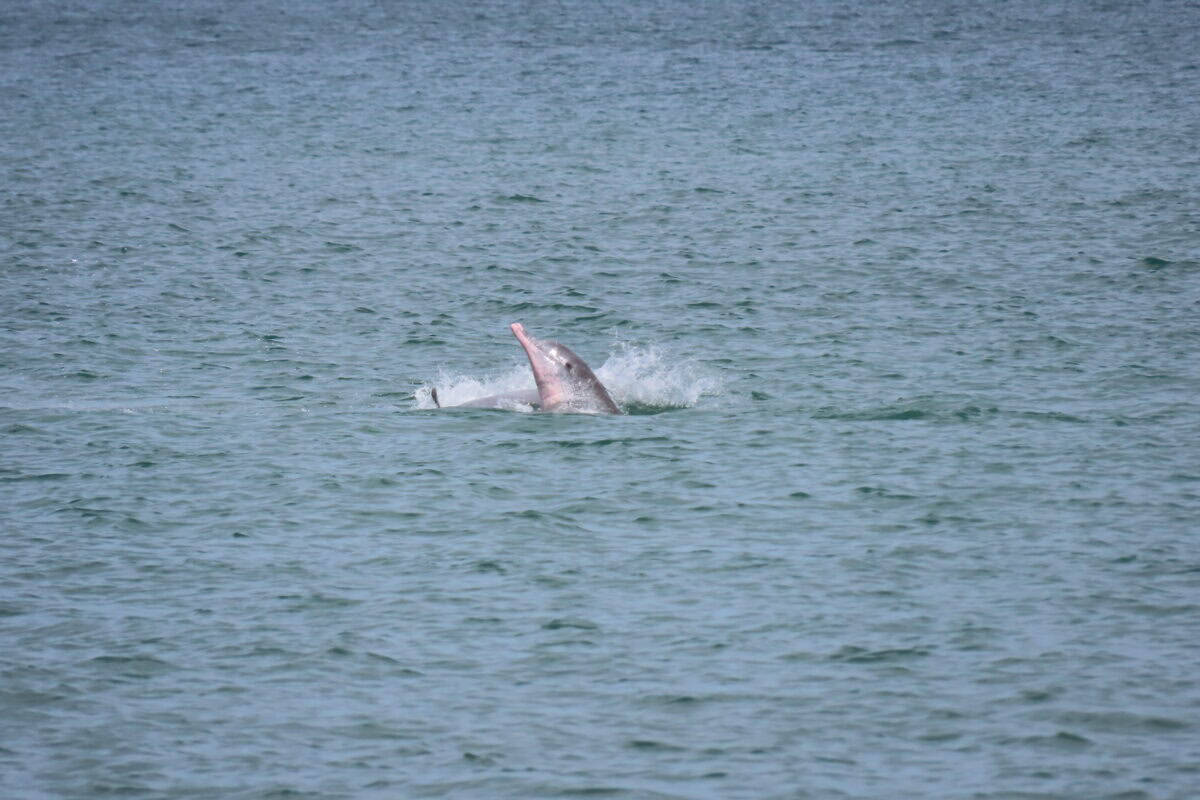
The reproductive biology of Indo-Pacific humpback dolphins contributes significantly to their vulnerability. Females typically reach sexual maturity between 9-10 years of age, while males mature slightly later at 10-13 years. This late maturation, combined with a gestation period of approximately 10-12 months and an interbirth interval of 3-5 years, results in extremely slow population growth rates. A female may produce only 4-5 calves throughout her entire reproductive lifespan of about 40 years.
This slow reproductive rate means populations recover very slowly from declines, making them particularly vulnerable to threats that increase mortality. Even small increases in adult mortality can trigger population collapses, as the birth rate cannot compensate for these losses. Conservation biologists estimate that even under ideal conditions, humpback dolphin populations can grow at a maximum rate of only about 2-4% annually—far slower than the rate at which many populations are currently declining due to human impacts.
Threats from Fishing Activities and Bycatch
Entanglement in fishing gear represents one of the most significant direct threats to Indo-Pacific humpback dolphins. Gillnets, which are extensively used in artisanal and commercial fisheries throughout their range, are particularly lethal. These nearly invisible mesh panels, set to catch fish, indiscriminately trap dolphins who cannot detect them with their echolocation. Once entangled, dolphins frequently drown as they cannot surface to breathe. Studies in the Pearl River Estuary of China have documented that bycatch accounts for approximately 10% of annual dolphin mortality.
Beyond direct mortality, fishing activities also impact these dolphins through resource competition. Overfishing throughout their range has drastically reduced prey availability in many areas. As coastal fish stocks collapse, dolphins face nutritional stress that can lead to reduced reproductive success, compromised immune function, and increased susceptibility to disease and parasites. The combined effects of direct mortality and resource depletion from fishing have created a situation where many populations cannot sustain themselves against these pressures.
Habitat Destruction and Coastal Development
Coastal development represents perhaps the most pervasive threat to Indo-Pacific humpback dolphins. Throughout their range, particularly in rapidly industrializing regions of China and Southeast Asia, mangrove forests and estuaries are being destroyed at alarming rates to make way for ports, industrial zones, aquaculture facilities, and urban expansion. Hong Kong alone has lost over 60% of its natural coastline to reclamation projects, directly eliminating critical dolphin habitat. The remaining populations are increasingly confined to ever-shrinking patches of suitable environment.
Beyond direct habitat loss, coastal development brings numerous secondary impacts. Increased vessel traffic, underwater noise pollution, and changes in freshwater flow from damming and water diversion all degrade habitat quality even where physical structures remain intact. Sedimentation from construction activities can smother the benthic habitats that support prey species, while industrial and urban runoff introduces pollutants that accumulate in dolphins’ tissues. This combination of direct habitat loss and quality degradation has pushed many local populations to the brink of extinction.
Impact of Marine Pollution and Contaminants

As top predators in coastal food webs, Indo-Pacific humpback dolphins bioaccumulate environmental contaminants to dangerous levels. Studies of stranded dolphins have revealed extraordinarily high concentrations of persistent organic pollutants, including PCBs, DDT, and flame retardants. In Hong Kong’s dolphins, PCB concentrations have been measured at levels exceeding 40 parts per million—well above the threshold known to cause reproductive failure and immune suppression in marine mammals. These toxins accumulate in the dolphins’ blubber and can be mobilized during periods of nutritional stress.
Heavy metals such as mercury, lead, and cadmium also pose significant threats, particularly in industrialized estuaries where these pollutants enter marine ecosystems through industrial discharge. Additionally, the rising problem of plastic pollution affects these coastal dolphins both through direct ingestion and through the transfer of microplastics and associated toxins through the food chain. The combination of these various pollutants creates a “cocktail effect” that may be more harmful than any single contaminant alone, suppressing immune function and reproductive success even when not directly lethal.
Acoustic Disturbance and Underwater Noise

Indo-Pacific humpback dolphins, like all cetaceans, rely heavily on sound for navigation, finding prey, and communication. Their coastal habitat, unfortunately, overlaps with some of the world’s busiest shipping lanes and construction zones, creating an increasingly noisy underwater environment. Studies have documented noise levels in parts of the Pearl River Delta that regularly exceed 140 decibels—comparable to standing near a jet engine and well above levels known to cause behavioral disturbance in dolphins.
Research has shown that elevated noise levels cause these dolphins to abandon preferred habitat, disrupt feeding behavior, and interfere with social communication. Particularly concerning are the impacts of pile driving during port construction, with dolphins documented avoiding areas within 2-3 kilometers of active pile driving sites. Vessel noise from increasing boat traffic also masks the dolphins’ communication signals and echolocation clicks, reducing their ability to find food and coordinate social behaviors. As coastal development continues throughout their range, anthropogenic noise represents a growing but often overlooked threat to their survival.
Climate Change Vulnerabilities
Climate change poses multiple threats to Indo-Pacific humpback dolphins. Rising sea temperatures affect the distribution and abundance of their prey species, potentially creating mismatches between dolphin distribution and food availability. More frequent and intense storm events increase sedimentation in coastal waters, reducing water quality and visibility for these visual predators. Perhaps most significantly, sea level rise threatens to inundate the shallow coastal habitats these dolphins depend upon, particularly in areas where coastal development prevents the natural inland migration of mangrove forests and estuarine environments.
Ocean acidification, another consequence of increasing atmospheric carbon dioxide, threatens the base of marine food webs, potentially reducing overall ecosystem productivity in coastal zones. While the full impacts of climate change on these dolphins remain uncertain, their restricted habitat requirements and already compromised populations leave them with limited adaptive capacity. Unlike more mobile oceanic species, their coastal specialization means they cannot simply shift their range in response to changing conditions, making them particularly vulnerable to the accelerating effects of global climate disruption.
Conservation Challenges and Protection Efforts
Conserving Indo-Pacific humpback dolphins presents significant challenges due to their distribution across multiple countries with varying conservation priorities and capacities. While the species is legally protected throughout most of its range, enforcement remains inadequate in many areas. Protected areas have been established in some key habitats, such as the Taiwanese White Dolphin National Nature Reserve and marine protected areas in Hong Kong and Australia, but these often lack sufficient regulations on fishing, vessel traffic, and coastal development to provide meaningful protection.
International cooperation represents a critical but underdeveloped aspect of conservation efforts. Since dolphin populations often cross international boundaries, coordinated management is essential. Organizations like the Convention on Migratory Species (CMS) have attempted to facilitate regional cooperation, but implementation remains challenging. Community-based conservation initiatives that engage local fishers and coastal communities have shown promise in some areas, particularly when they provide economic alternatives that reduce pressure on marine resources. Despite these efforts, most populations continue to decline, highlighting the need for more robust, multifaceted conservation approaches.
The Future of Indo-Pacific Humpback Dolphins
The future of Indo-Pacific humpback dolphins hangs in a precarious balance, with their survival depending largely on humanity’s willingness to address the complex threats they face. Without significant intervention, many local populations will likely disappear within the next few decades, particularly in heavily developed regions of Southeast Asia and China. However, there remains reason for cautious optimism. Growing public awareness of these charismatic animals has increased pressure on governments to strengthen protection measures, while advances in conservation technologies offer new tools for monitoring and protecting remaining populations.
The conservation of these remarkable dolphins ultimately requires addressing fundamental challenges in how coastal zones are managed throughout their range. This means implementing ecosystem-based approaches that consider the needs of both wildlife and human communities, developing stronger international cooperation, and recognizing the intrinsic value of these intelligent marine mammals beyond their economic worth. As flagship species for coastal conservation, Indo-Pacific humpback dolphins represent not just a unique evolutionary lineage worth preserving, but also indicators of the health of the coastal ecosystems upon which millions of people depend for their livelihoods and well-being.

- This Tiny Insect Can Survive in Outer Space—Here’s How - July 21, 2026
- Could the Tasmanian Tiger Be Brought Back to Life? - July 21, 2026
- Why You Should Never Approach a Sleeping Hippo - July 21, 2026