
Everyone assumes national parks mean bumper-to-bumper traffic, sold-out shuttles, and elbowing strangers for a photo at the rim. Rangers know a very different truth. Some of the most jaw-dropping land in the entire park system sits almost completely empty, week after week, season after season.
That emptiness isn’t an accident, and it isn’t because these places are lesser. It’s because they ask more of you – more planning, more humility, more willingness to be uncomfortable. Rangers who work these quiet corners have stories they don’t usually share with tourists. We asked, and they didn’t hold back. Here’s what they wish every visitor understood before word gets out.
#18 – Great Basin National Park, Nevada: It’s Not “Just a Bunch of Desert”
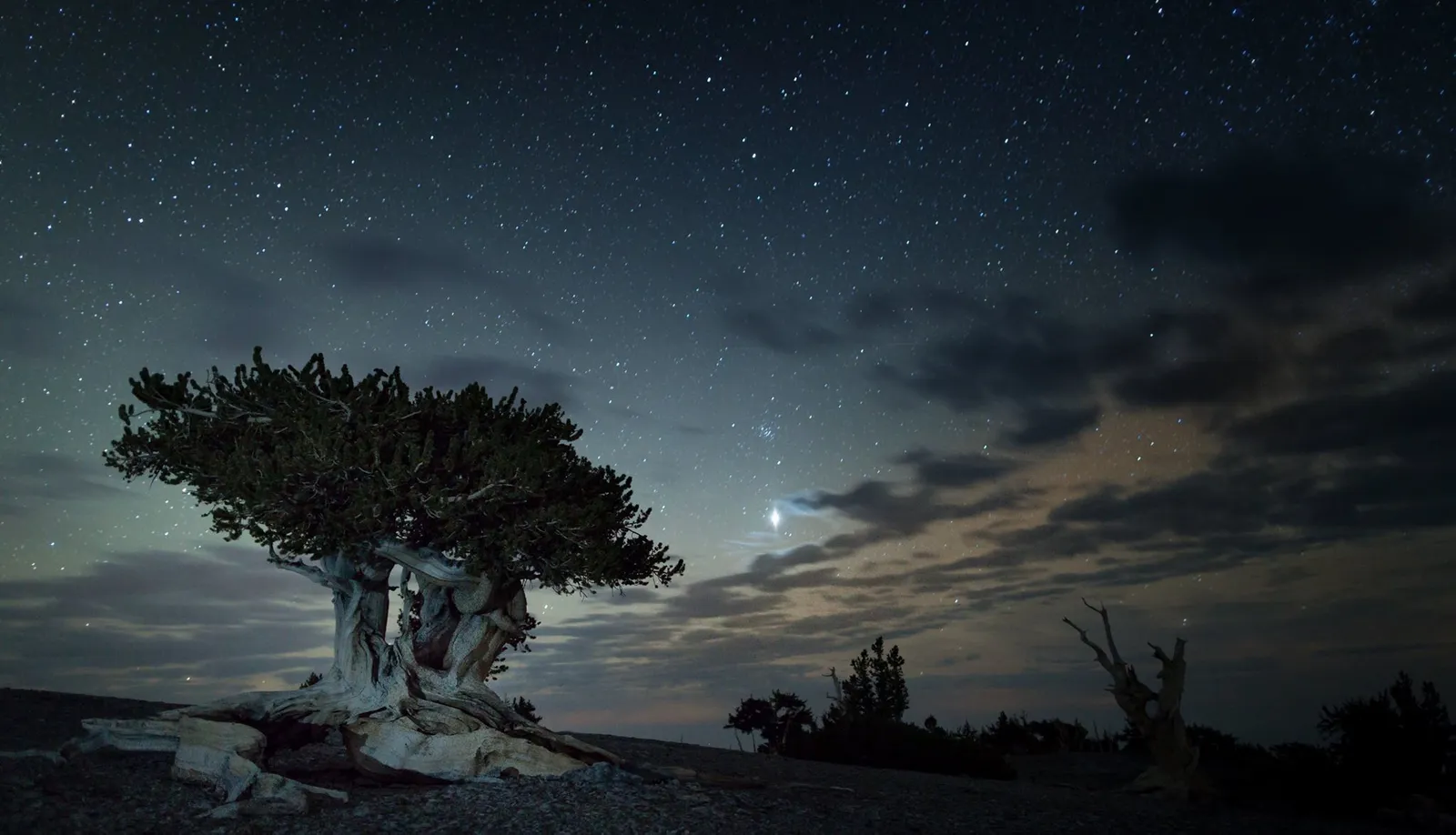
Rangers here say the biggest mistake visitors make is underestimating this place. From the highway, Great Basin looks like empty Nevada. Inside the boundaries, you’ve got one of the darkest night skies in North America, a 13,000-foot peak, and ancient bristlecone pines older than the Roman Empire.
People show up without layers, without water, and without any clue how fast conditions change between the sagebrush flats and the alpine trails. Stargazing events fill up, campgrounds book, and Lehman Caves tours sell out – yet the rest of the park stays eerily quiet. Rangers quietly roll their eyes at folks who complain there’s “nothing to do” because they never left the visitor center.
#17 – Congaree National Park, South Carolina: Flooded Doesn’t Mean “Closed”
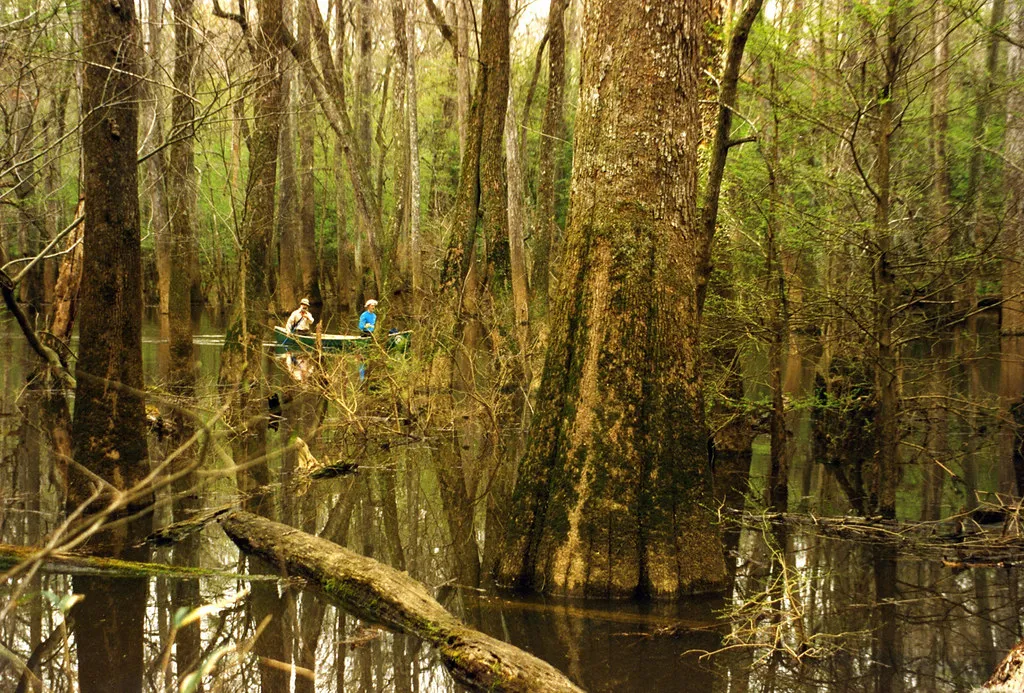
Most visitors assume “swamp,” skip it, or pull up, see high water, and turn around. Rangers say they’re stunned how many people don’t realize Congaree protects one of the tallest temperate deciduous forests on Earth, with trees rivaling old-growth redwoods in height.
Yes, it floods. That’s the point – the flooding is what keeps this ecosystem alive and the soil incredibly rich. Boardwalk closures are about safety, not inconvenience, and wading off-trail into knee-deep chocolate water isn’t adventurous, it’s how you trash sensitive soils and risk getting lost in a flat, look-alike forest. Rangers also wish people would stop treating the snakes like villains that need removing – they run the mosquito control department here.
Fast Facts
- Established by Congress as a national monument in 1976 and redesignated a national park in 2003.
- Covers approximately 26,000 acres along the Congaree River floodplain.
- The floodplain forest has one of the highest temperate deciduous forest canopies in the world, with an average height of over 100 feet.
- The Congaree and Wateree Rivers can flood up to 10 times a year, replenishing soil nutrients that sustain the forest habitat.
#16 – Guadalupe Mountains National Park, Texas: This Isn’t a Side Quest from Carlsbad Caverns
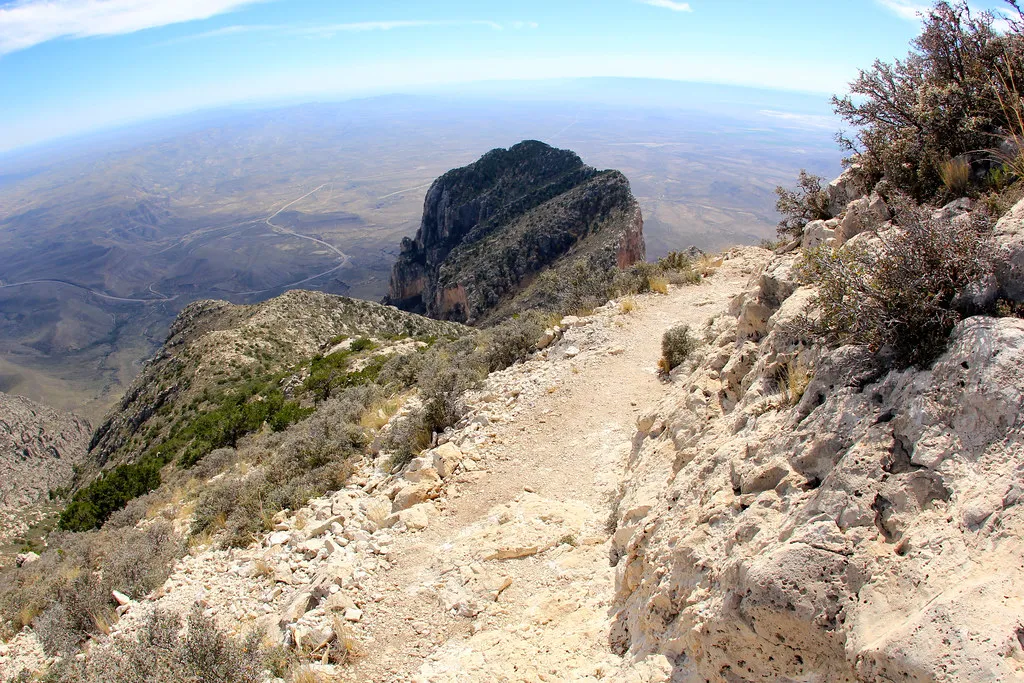
Guadalupe Mountains is the classic “since we’re here anyway” add-on, and rangers say that attitude gets visitors into trouble fast. This is one of the toughest, windiest, most exposed national parks in the lower 48, and people show up with half a water bottle and flip-flops fresh off a Carlsbad Caverns tour.
The trail up Guadalupe Peak looks straightforward on a map, but heat, altitude gain, and relentless wind catch people off-guard. Rangers wish hikers would start before sunrise in hot months and carry more water than they think they’ll need. They’re also tired of people assuming quiet means boring – fossil reefs, incredible fall colors, and near-silent canyons attract dedicated hikers who never post about it, by choice.
- Start before sunrise in hot months.
- Carry more water than you think you need.
#15 – North Cascades National Park, Washington: It’s Not a Scenic Drive, It’s Real Wilderness

North Cascades is often called the least-visited national park in the lower 48, and rangers say the reason is brutally simple: there’s almost no easy access. Most visitors drive through on Highway 20, snap a photo at Diablo Lake, and think they’ve “done” the park. In reality, the park itself is mostly roadless, steep, and demanding.
What frustrates rangers most is social media’s role in all this. People see neon-blue lakes and jagged peaks online and show up with no clue about avalanche hazard, river crossings, or trails that gain thousands of feet in a few miles. They wish more visitors trusted local forecasts and respected trail closures instead of chasing a stranger’s “secret campsite.” The wild feeling you’re chasing online is real here – but only if you earn it.
#14 – Lassen Volcanic National Park, California: It’s Not a “Budget Yellowstone”
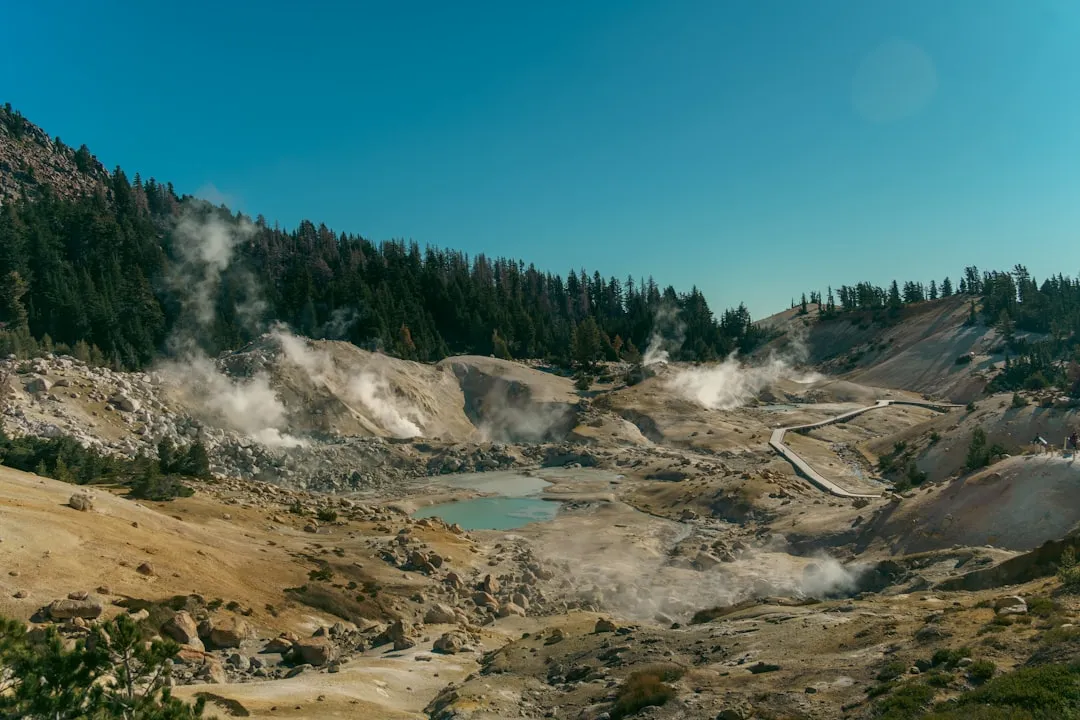
Lassen often gets pitched as “Yellowstone without the crowds,” and rangers kind of hate that comparison. Yes, there are steaming fumaroles, bubbling mudpots, and boiling springs – but this isn’t a geothermal theme park. The hydrothermal features are fragile, and off-boardwalk wanderers can literally break the crust and scald themselves.
Every closer-selfie shortcut damages something that took centuries to form. Rangers wish visitors would stop treating quiet as lesser – recent eruptions, shifting landscapes, and multiple volcano types packed into one compact area make this one of the best places in the country to safely watch active geology at work. You just have to slow down long enough to read a wayside sign.
#13 – Voyageurs National Park, Minnesota: You’re Supposed to Get Wet
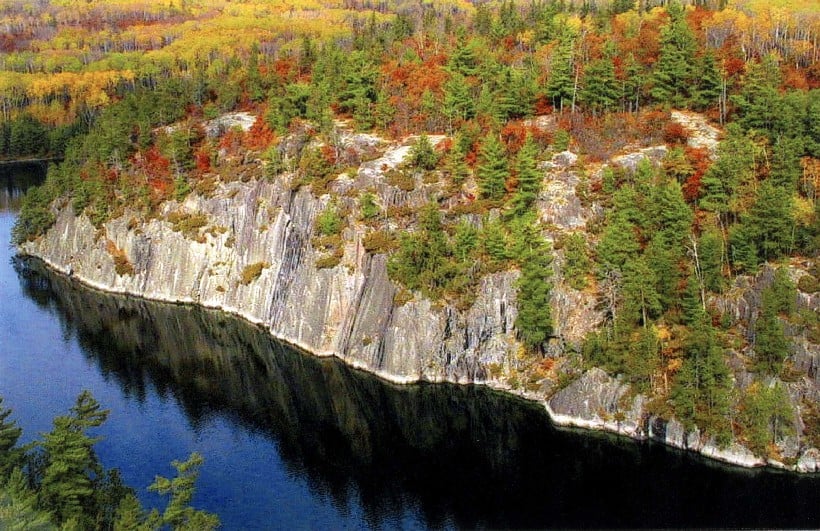
Rangers at Voyageurs are blunt: if you’re trying to stay on dry land, you’re missing the entire point. This is a water-based park where the real experience begins after you leave the dock. Yet many visitors pull into the lot, look for a big lodge or scenic road, and leave 20 minutes later saying there’s “nothing here.”
Rangers wish people came ready to rent a canoe, kayak, or boat and plan the trip like a lake vacation, not a roadside stop. They’re also increasingly worried about nighttime noise. Campsites once lit only by the Milky Way now echo with Bluetooth speakers and late-night party boats, and because sound carries across glassy water for miles, one loud group can ruin the stillness for dozens of others.
#12 – Big Bend National Park, Texas: Border Myths Are Scaring People Away
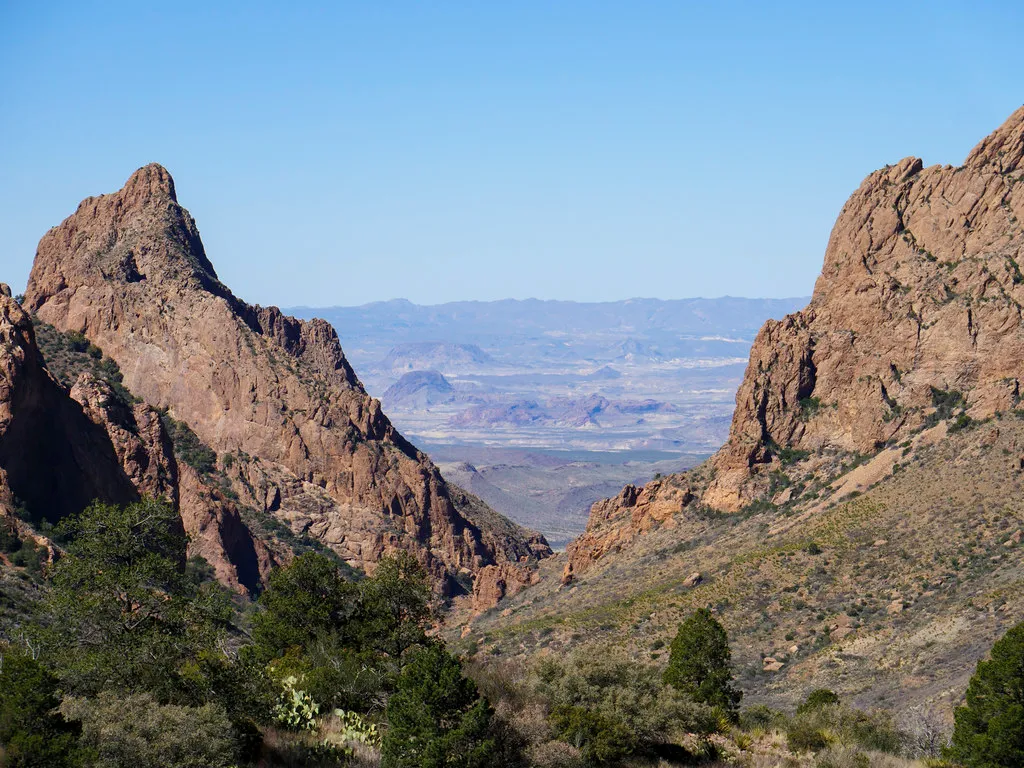
Big Bend might be the most misunderstood park on this list. Ask rangers, and they’ll tell you the same story: people cancel trips based on vague border fears while the park remains one of the calmest, safest, emptiest corners of the entire national park system. The real dangers here are heat, dehydration, and underestimating distance – not some action-movie version of the Rio Grande.
Rangers wish visitors did basic homework instead of relying on headlines, since trails are remote and rescues are difficult. They also wish people wouldn’t treat the river like an amusement ride – it’s an international boundary and a powerful natural force, not a backdrop for stunt photos. Ironically, the fear keeping crowds away is exactly what preserves Big Bend’s vast, echoing quiet.
Wilderness is not a luxury but a necessity of the human spirit.
Edward Abbey
#11 – Great Sand Dunes National Park and Preserve, Colorado: The Sand Will Beat You
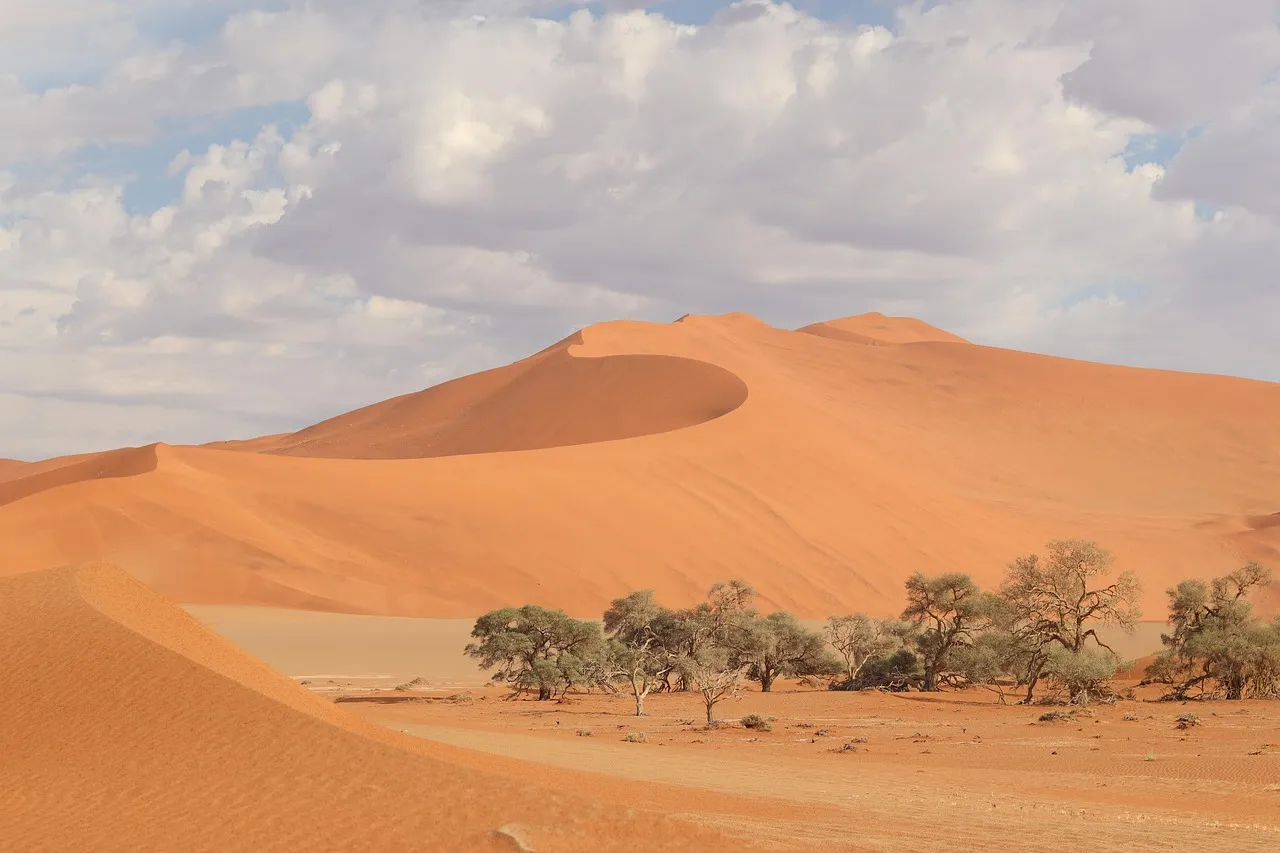
On Instagram, these dunes look like a playful sandbox with mountains behind them. Rangers will tell you a less glamorous truth: hiking the dunes is physically brutal, and summer sand temperatures can cook your bare feet in minutes. Visitors treat it like a quick scramble, head out at noon without water or hats, and then melt – literally and figuratively.
What rangers wish people understood is how dynamic this landscape really is. The dunes move, the creek flows differently every year, and sudden winds can erase your footprints, so heading into the highest dunes without a plan or backup navigation is how people get disoriented. And no, your drone isn’t allowed, no matter how epic the shot would look.
#10 – Black Canyon of the Gunnison National Park, Colorado: The Guardrail Isn’t a Suggestion
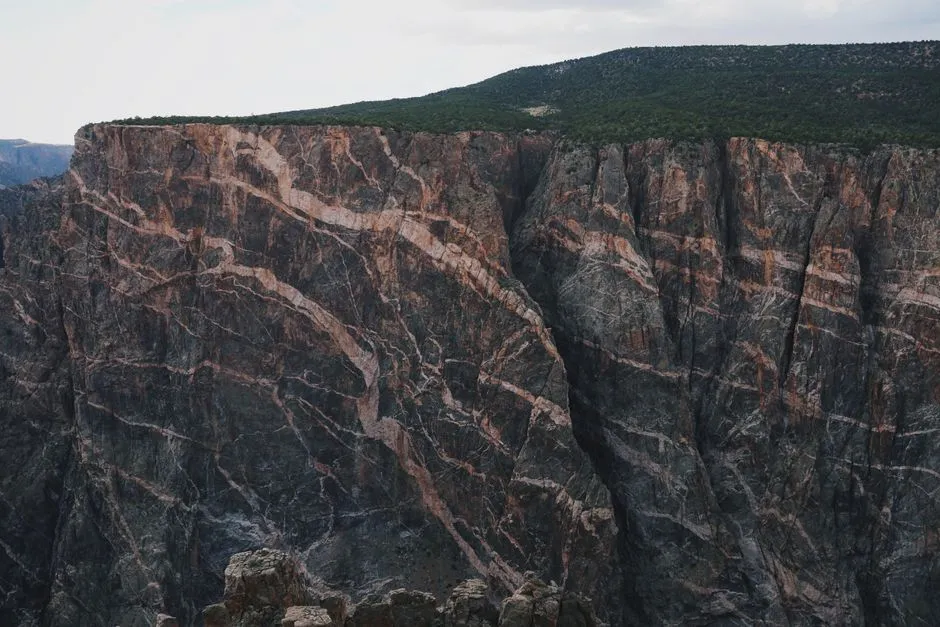
This is the park where rangers quietly say, “People don’t realize how close they are to not coming back.” The Black Canyon is one of the steepest, most sheer-walled canyons in North America, and those dizzying viewpoints are not the place to lean over fences for a better selfie.
Rangers regularly see visitors ignore warning signs at edges that drop hundreds of feet into the river below. They wish visitors respected the difference between the easy South Rim overlooks and the serious inner-canyon routes that require permits, climbing skills, and a willingness to scramble back up loose, unforgiving terrain – once you drop below the rim, there’s no quick rescue.
#9 – Petrified Forest National Park, Arizona: No, You Can’t Pocket a Souvenir
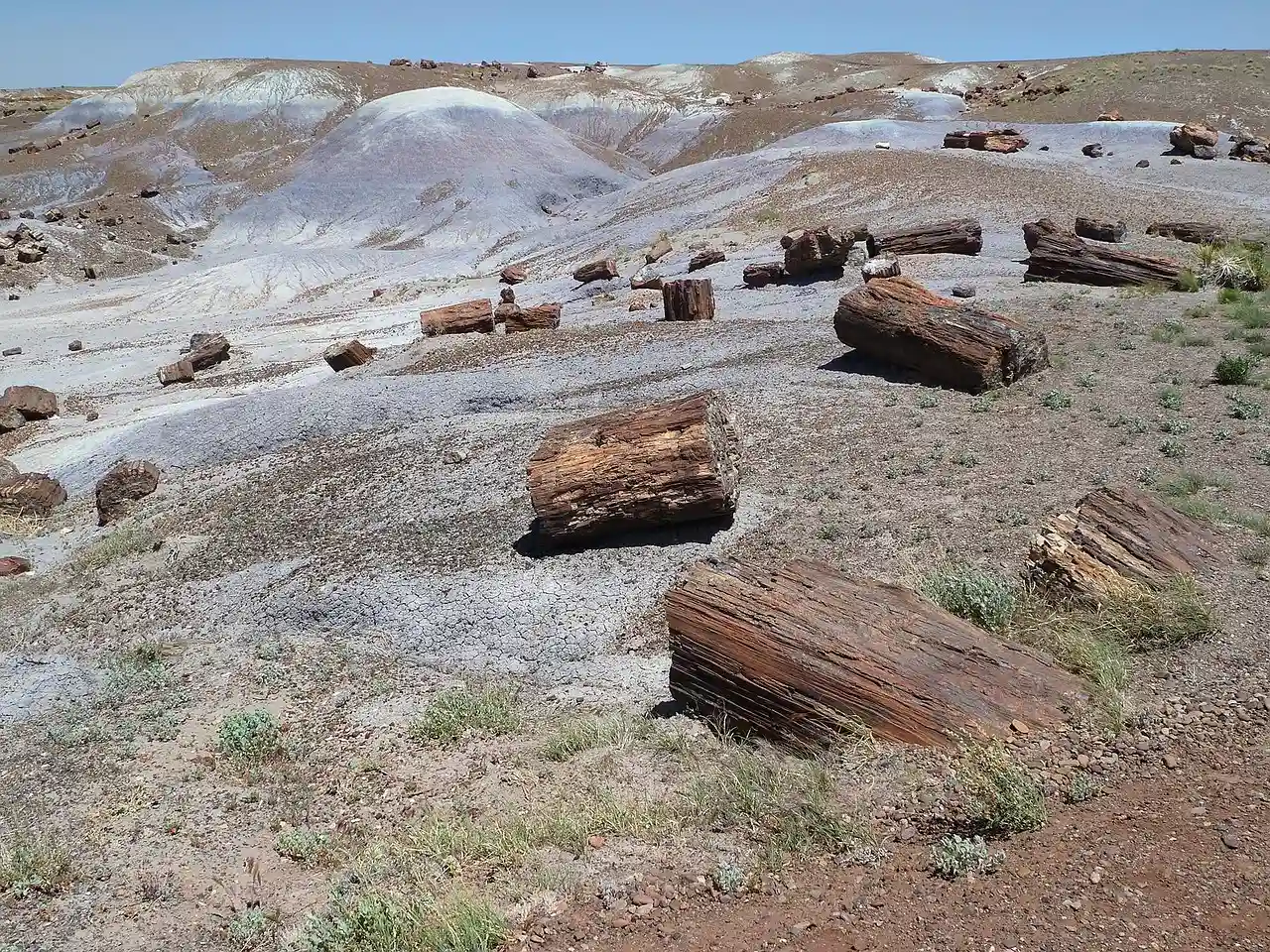
Rangers here deal with a uniquely frustrating problem: theft. Despite endless signs, people still sneak pieces of petrified wood into bags, strollers, and pockets, convinced one little piece won’t matter. The reality is brutal – if everyone did that, there would be nothing left.
Rangers spend a shocking amount of time tracking, recovering, and even receiving guilty mail from people returning stolen pieces years later, blaming bad luck. Fewer crowds mean less casual theft, but it also makes some people assume no one’s watching. They absolutely are – and they’d rather you slow down and actually read the story here, walking through an ancient, flooded forest turned to stone over millions of years.
At a Glance
- Originally established as a national monument on December 8, 1906, then redesignated a national park on December 9, 1962.
- Encompasses approximately 89,603 hectares (221,416 acres) of protected badlands and fossil beds.
- The fossilized remains of ancient trees date back approximately 211 to 218 million years.
- Today the park spans over 221,000 acres, with over 50,000 acres of designated wilderness where camping and backpacking are allowed.
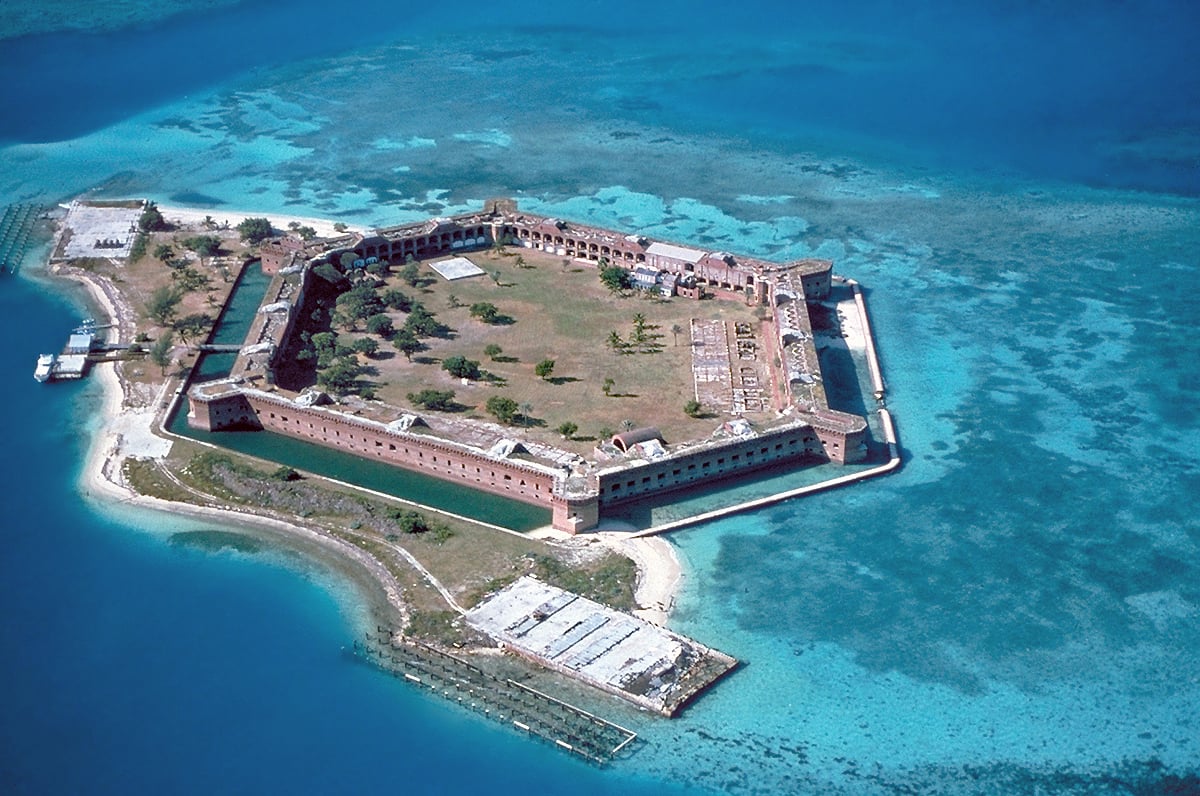
#8 – Dry Tortugas National Park, Florida: This Is a Logistical Expedition, Not a Beach Day
![#8 - Dry Tortugas National Park, Florida: This Is a Logistical Expedition, Not a Beach Day (U.S. National Park Service [1]; English Wikipedia, original upload 2 March 2005 by Brian0918, Public domain)](https://nvmwebsites-budwg5g9avh3epea.z03.azurefd.net/aatg/5e7e502fb39fd04bb1078197b6650ce0.webp)
Rangers in Dry Tortugas shake their heads at how casually some people treat this trip. You’re 70 miles off Key West on a tiny island fort in the middle of the Gulf of Mexico, with limited fresh water, changing seas, and no corner store. Yet visitors show up like they’re popping over to a resort, with no sun protection and zero understanding of how hard evacuation can be.
What rangers wish everyone knew is that the remoteness is the draw and the risk. Weather can cancel boats and seaplanes without warning, and snorkeling means respecting currents and delicate marine life, not standing on coral because your fins are tired. The people who prepare – mentally and physically – have transcendent experiences here. The ones who don’t leave bad reviews about things the park was never designed to provide.
#7 – Theodore Roosevelt National Park, North Dakota: The Silence Is the Main Attraction
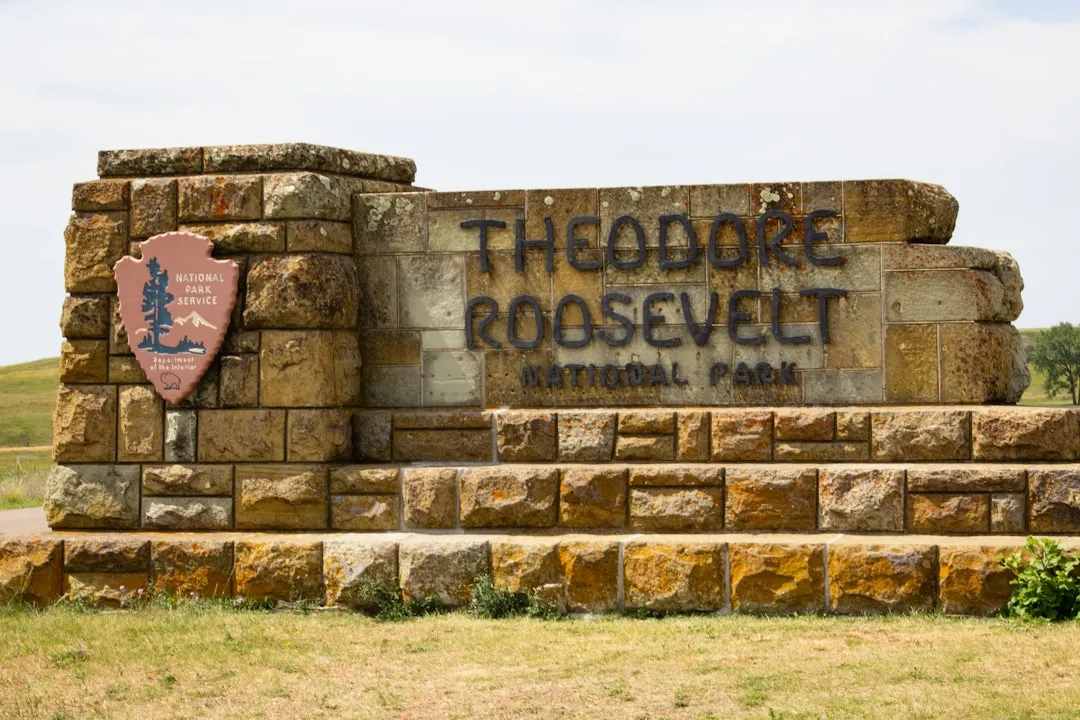
Most travelers blast through North Dakota on the interstate and never realize they just blew past one of the quietest, most wildlife-rich badlands in the country. Rangers say people assume “flyover state” means forgettable park – then the lucky few who actually stop are stunned by wild horses, bison herds, endless horizons, and night skies so dark they feel fake.
Rangers wish more visitors understood this park isn’t about one blockbuster view. It’s about the long, slow drive and the pullout where all you hear is wind and meadowlarks.
- Long, slow drives where you might not see another car for miles.
- Pullouts where all you hear is wind, meadowlarks, and the faint rumble of hooves.
They’re increasingly protective of that soundscape. Idling engines, blaring campground music, and drones buzzing over bison herds chip away at the very thing that makes this place special. If you’re bored here, rangers suspect what you really miss is noise and distraction – not better scenery.
#6 – Channel Islands National Park, California: The “Galápagos of North America” Isn’t a Day Spa
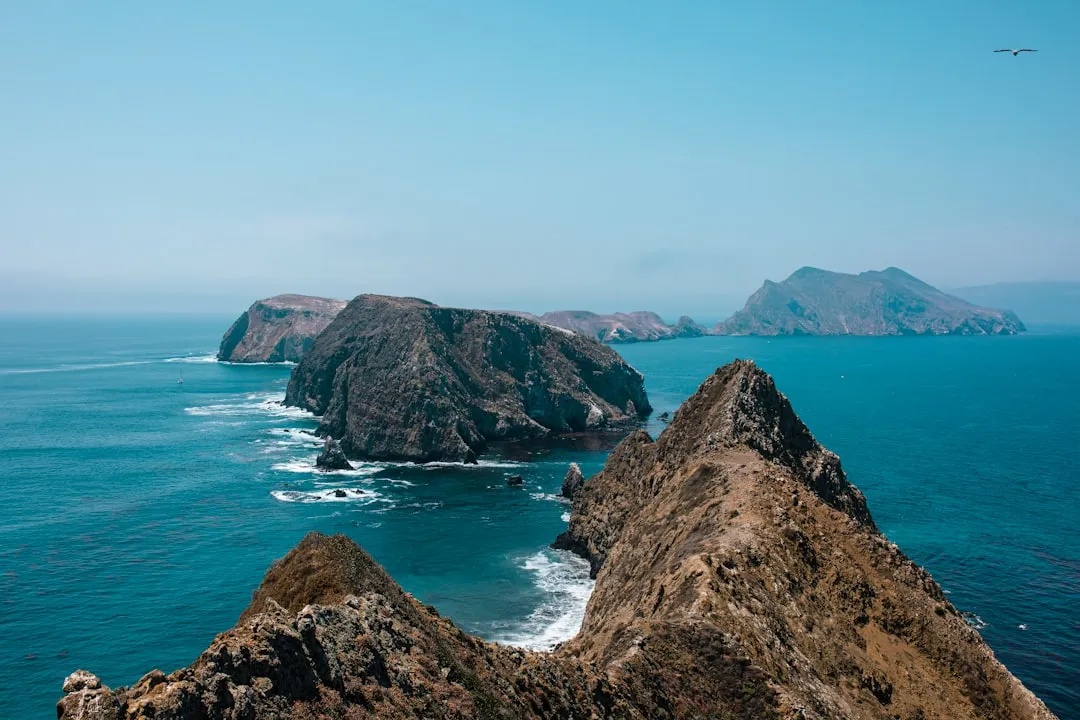
Channel Islands rangers live in a contradiction: they protect some of the rarest species and most intact ecosystems on the West Coast, yet many visitors treat it like a Santa Barbara add-on excursion. Boat rides can be rough, there’s no food court, no paved scenic loop, and almost no shade on some islands.
Rangers wish people understood this is fieldwork-level wilderness, not a resort overflow. Seeds on your shoes or a snack dropped on the trail can introduce invasive species or crush fragile plants that exist nowhere else on Earth. Kayaking into sea caves or snorkeling through kelp forests is mind-blowing, but it demands real respect for swells, tides, and marine life.
Why It Stands Out
- Made up of a chain of five islands and their surrounding marine environments off the coast of Southern California.
- More than 2,000 plant and animal species occur on the islands, including over 145 species found nowhere else on Earth.
- Contains about 145 endemic species, earning it the nickname “The Galapagos of North America.”
- The islands are only accessible by boat or ferry – there’s no bridge or drive-up entrance.
#5 – Big Bend Ranch State Park, Texas: Wilder Than the National Park – and Far Less Forgiving
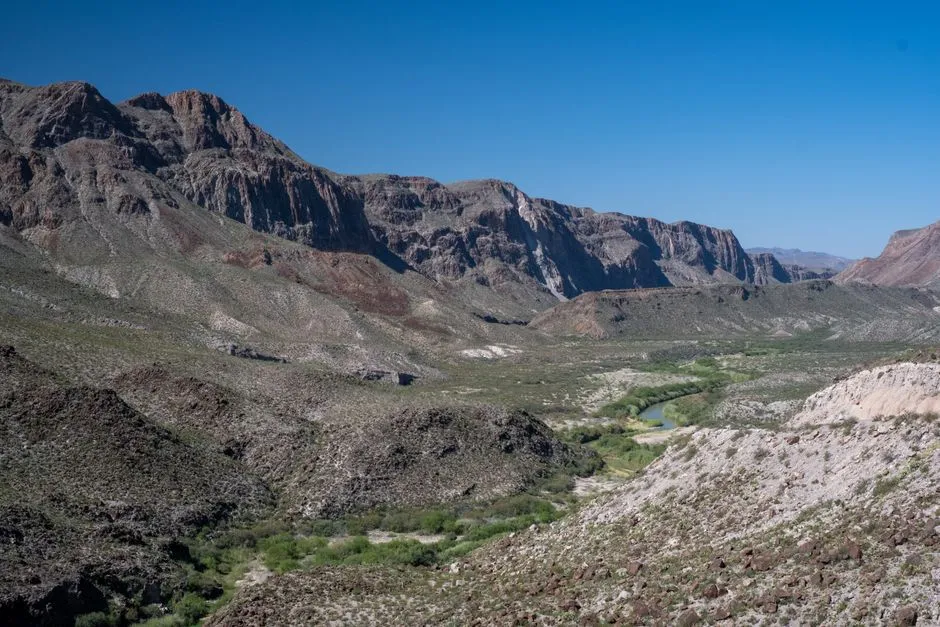
Rangers at this Texas state park are quick to point out: this is not national park lite. Big Bend Ranch is bigger, rougher, and far less developed than its more famous neighbor across the river. Visitors come here after Big Bend National Park expecting similar infrastructure – visitor centers, clear signage, easy trails – and are stunned to find rough roads, long distances, and almost no one around.
Here, “quiet” means truly on your own. Cell service is spotty to nonexistent, some roads require high-clearance or 4×4 vehicles, and if you blow a tire or misjudge a wash crossing, you might be waiting a while. Rangers also bristle at people ignoring fire bans because “it’s just a state park” – one careless campfire can erase decades of slow desert recovery.
#4 – Capitol Reef National Park, Utah: It’s More Than a Quick Pie Stop
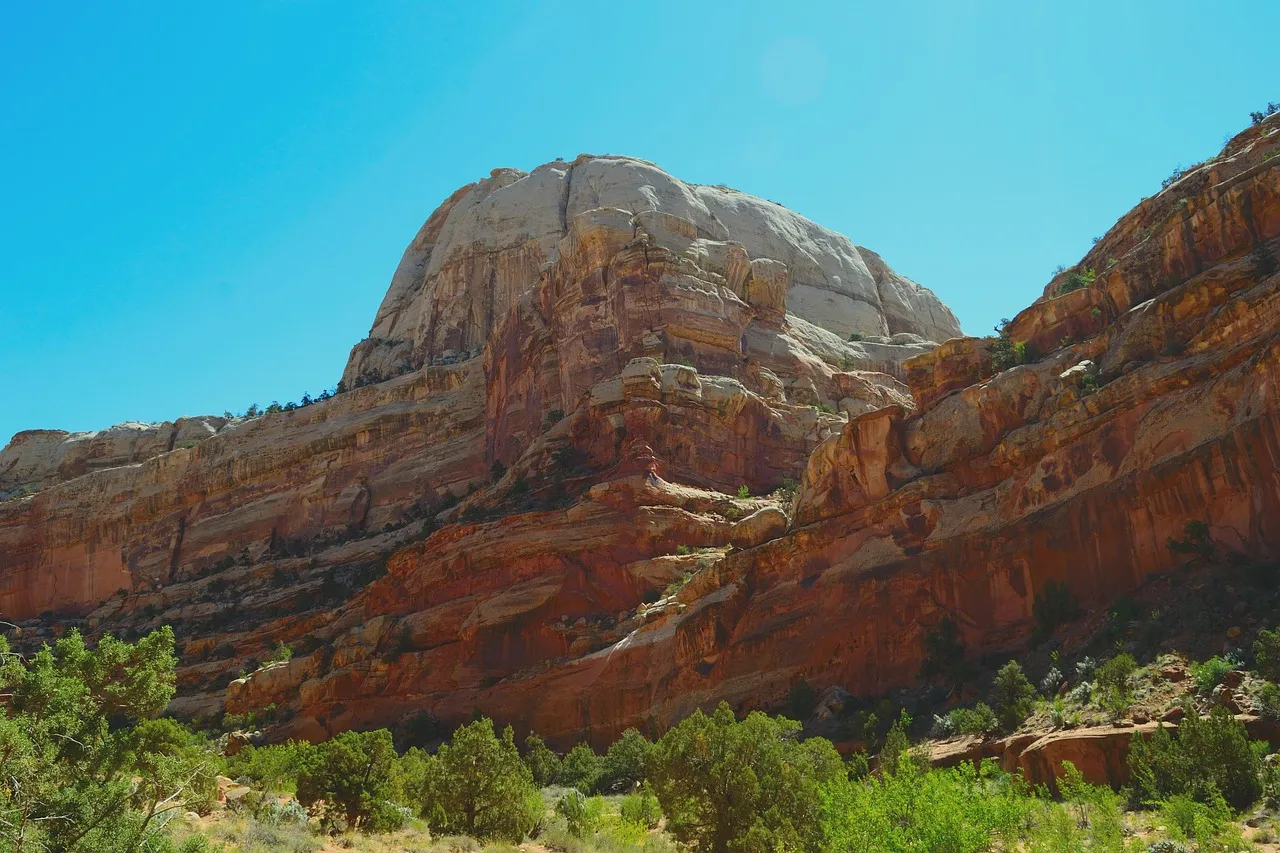
Capitol Reef might be Utah’s most underrated national park, and rangers say part of the problem is its drive-through reputation. Bus tours and road trippers stop for fruit pies and a few orchard photos, then bail, completely skipping the backcountry canyons and the Waterpocket Fold – the massive geologic wrinkle that defines the park. To rangers, that’s like visiting an art museum just to eat at the café.
They wish visitors understood how fragile the desert crust really is here. Those dark, bumpy patches of soil are living biological crust, and one careless footprint can undo decades of growth. Rangers are tired of watching social trails multiply as people chase unique angles for photos – they’d rather you slow down and notice how Mormon settlers, Indigenous peoples, and this wild geology collide in one narrow oasis.
#3 – City of Rocks National Reserve, Idaho: Climbers’ Paradise, Everyone Else’s Secret
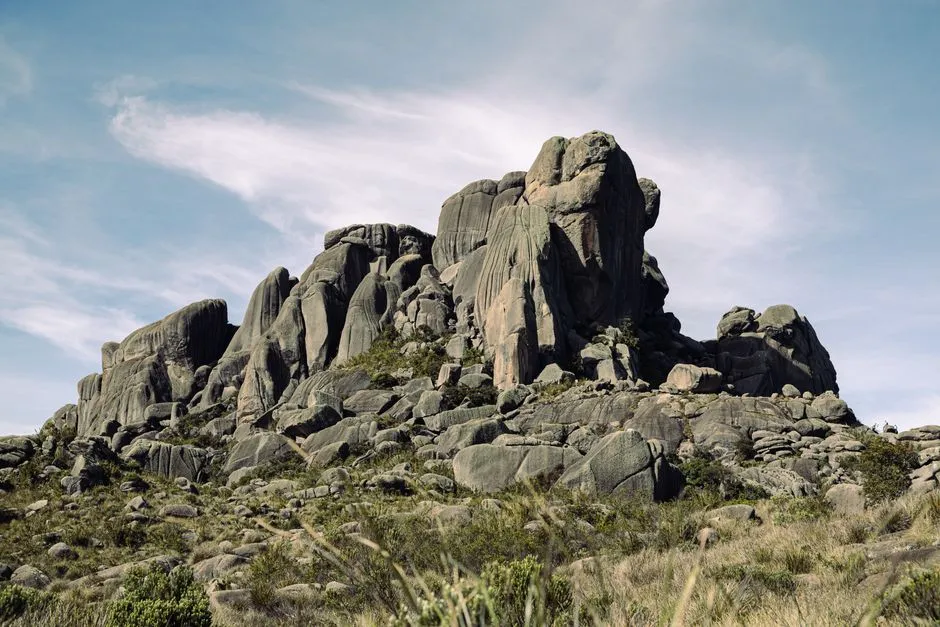
Technically a national reserve, not a park, City of Rocks flies so far under the radar that rangers joke half their job is explaining it exists. For climbers, though, this is holy ground – a granite playground with world-class routes and old emigrant inscriptions carved into the rock itself.
The disconnect comes when casual visitors roll in expecting a groomed scenic loop and instead find a maze of dirt roads and rock formations that require imagination to explore. Rangers wish people knew this is a place to get out of your car – short hikes, scrambling among boulders, sitting in a quiet saddle at sunset. The silence here is intense; a single loud group can dominate an entire valley.
#2 – Biscayne National Park, Florida: If You Never Leave the Shore, You Haven’t Been Here
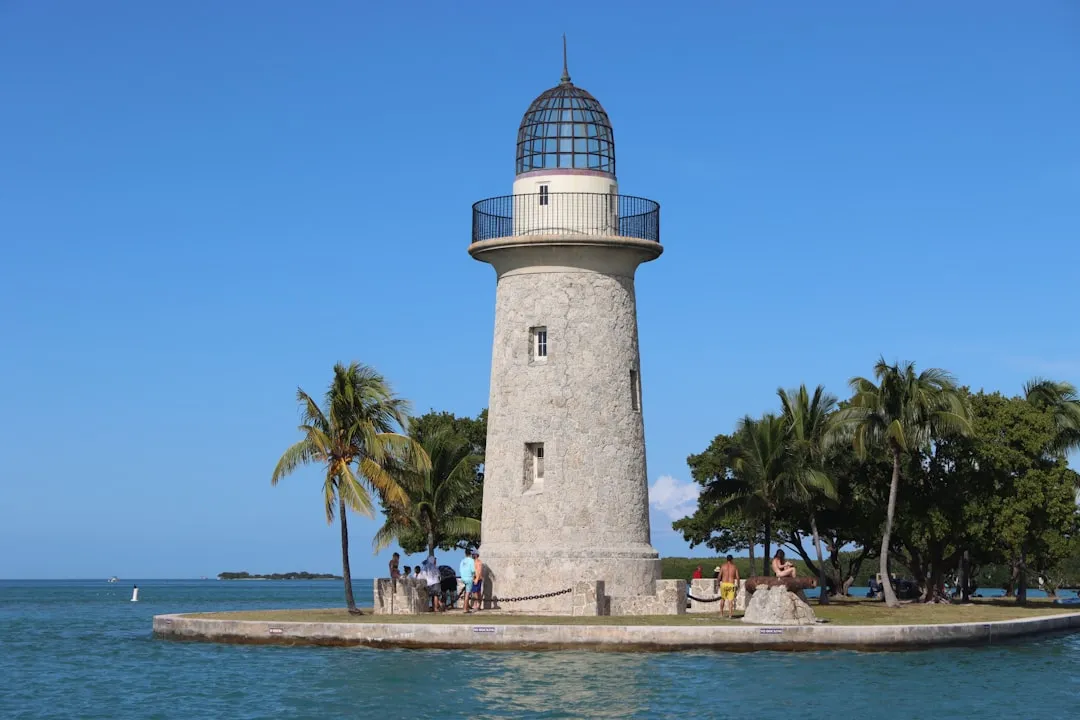
Biscayne might be the most misunderstood “boring” national park in America, and rangers are frankly tired of hearing it. Almost 95% of the park is water. The magic is in the coral reefs, mangrove shorelines, and shipwrecks – not the postage-stamp visitor center on the mainland – yet people drive in, look around, and leave within 30 minutes calling it a waste of time.
Rangers wish visitors realized you need to get on a boat – join a guided trip, rent a kayak, go snorkeling, or explore the marked Maritime Heritage Trail of shipwrecks. They’re also desperate for people to understand how fragile the reef system is. Standing on coral or tossing anchors wherever you please isn’t harmless – it’s how an already stressed ecosystem gets pushed past recovery.
Worth Knowing
- Established as a national monument in 1968 and enlarged into a national park in 1980, protecting 173,000 acres of mangrove shoreline, open bay, undeveloped keys, and living coral reef.
- Biscayne National Park is 95% water and includes part of the Florida Reef, the only living coral barrier reef in the continental United States.
- A selection of six of the most visit-able wrecks have been turned into the Maritime Heritage Trail for snorkelers and divers.
- The park includes the northernmost Florida Keys, just within sight of Miami.
#1 – Your “Local” Quiet Park: The One You Ignore Because It’s Too Close
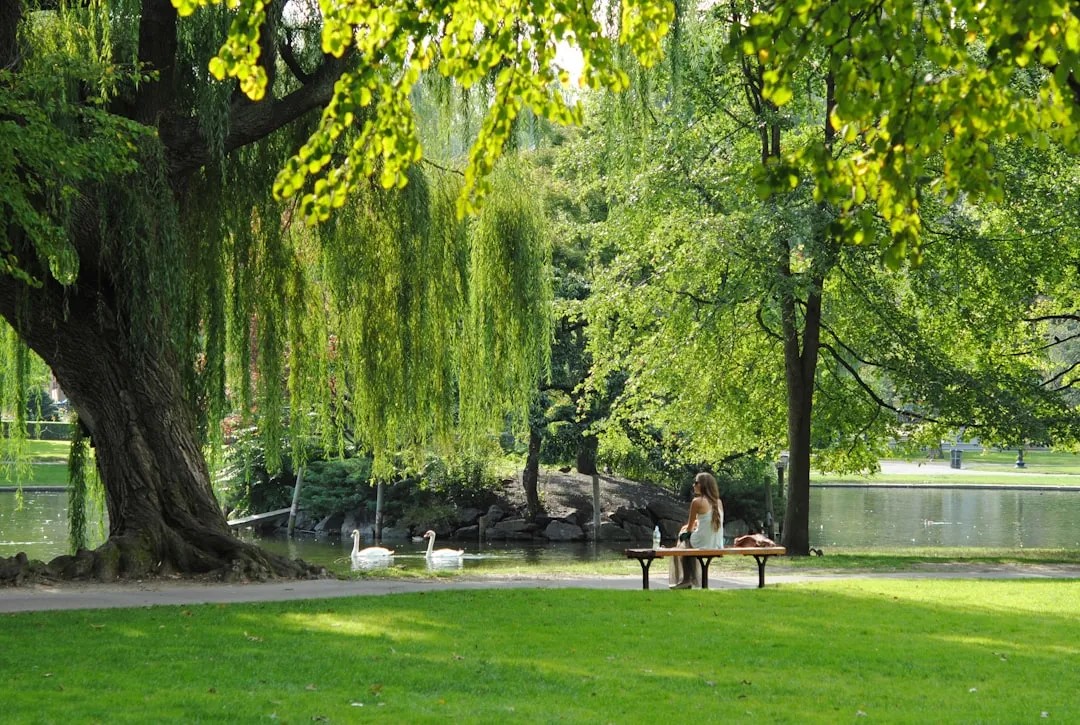
Ask rangers across the country what really bothers them, and many will say this: the quietest, most overlooked park is often the one in someone’s own backyard. It might be a small national park unit, a national monument, a wildlife refuge, or a state park you’ve driven past a hundred times. Locals assume they can go anytime, so they never do.
Meanwhile, that same park is where wildlife depends on consistency, and where a little local care would go the longest way. Rangers wish nearby residents would show up not just as tourists but as stewards – joining volunteer days, learning seasonal patterns, modeling good behavior for out-of-towners. The future of America’s quietest places won’t be decided by faraway tourists, but by the people who live an hour away and either ignore them or defend them.
The Bottom Line
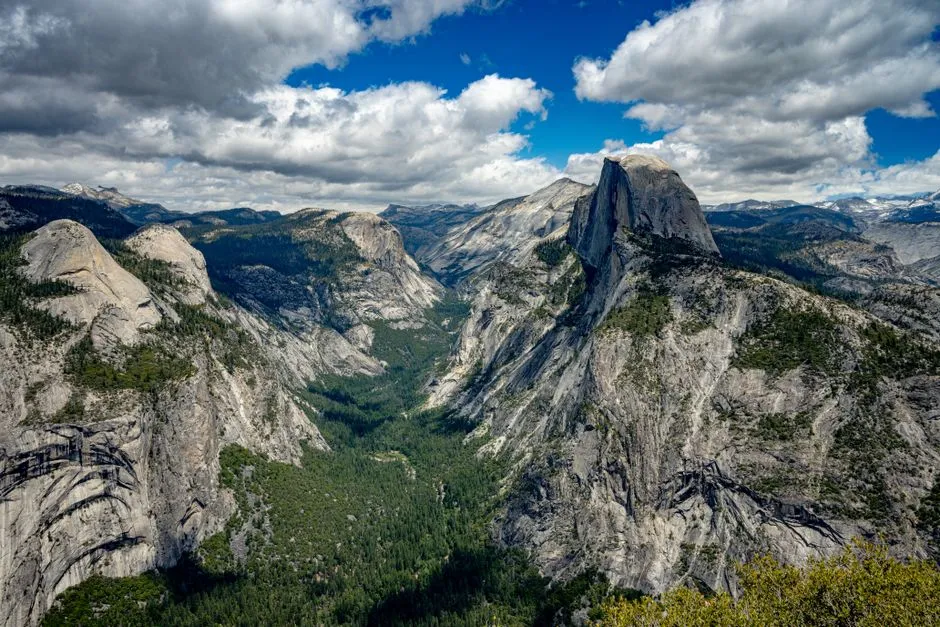
America’s quietest parks aren’t empty because they’re unworthy. They’re quiet because they demand more from you – more planning, more humility, more willingness to trade convenience for connection.
Rangers in places like Big Bend, Voyageurs, and Biscayne are practically shouting the same message into the void: these overlooked parks are where the national park ideal still actually works, if visitors don’t ruin it chasing easy thrills and perfect photos. Some travelers will always prefer crowded icons and gift shops, and that’s fine – the rest of us should be grateful for it, because it keeps these places quiet a little longer.
If you’re willing to respect the rules, accept the discomfort, and earn real silence instead of demanding it, these 18 spots – and the little-known park near your own home – might change how you travel forever. Which park do you think is the most underrated, and what do people still get wrong about it?
