
Every summer, millions of people drive into the Great Smoky Mountains convinced they’ve seen the “real” park. They haven’t. They’ve seen the traffic jam version – the version buried under leaves, noise, and heat haze, with half the mountain hidden behind a wall of green.
Ask the rangers who actually live inside this place year-round, and you’ll hear something different. They’ll tell you, almost like they’re letting you in on a secret, that summer is when the Smokies hide the best parts of themselves. November is when the mountain finally stops performing for the crowd and shows the people who stayed what it’s really made of.
#8 – The Forest’s “Skeleton” Finally Shows Its Secrets
🔥 Would you like to save this?
We'll email this post to you, so you can come back to it later!
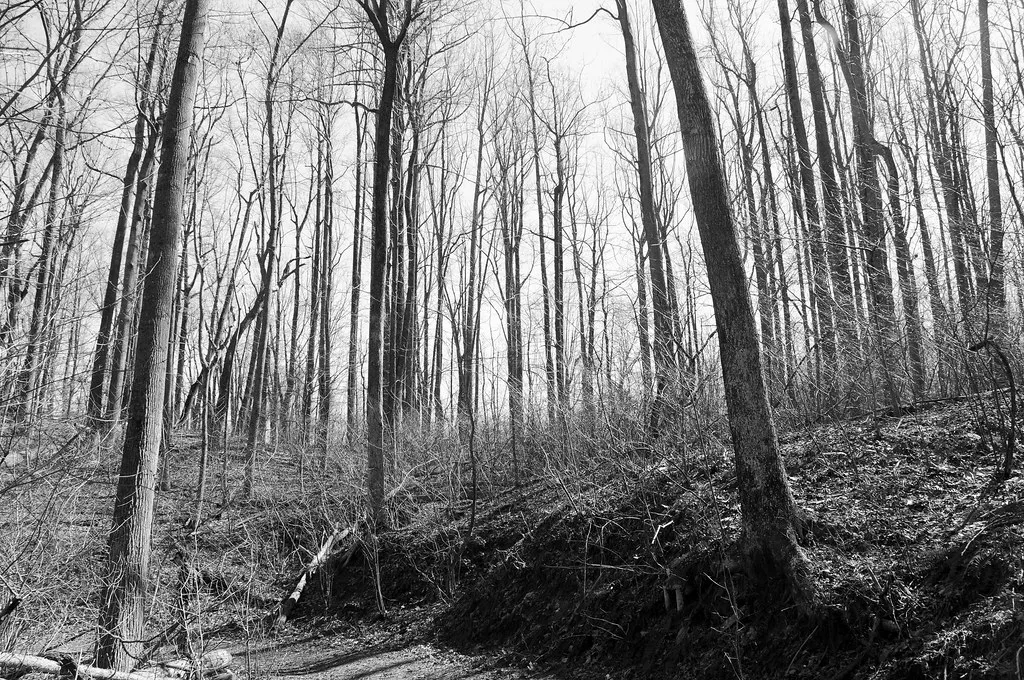
Rangers will tell you November is when the Smokies take their mask off. All summer, thick leaf cover hides everything past the first row of trees. By November, most of that cover is gone, and a completely different landscape appears almost overnight – what some rangers privately call the “skeleton view.”
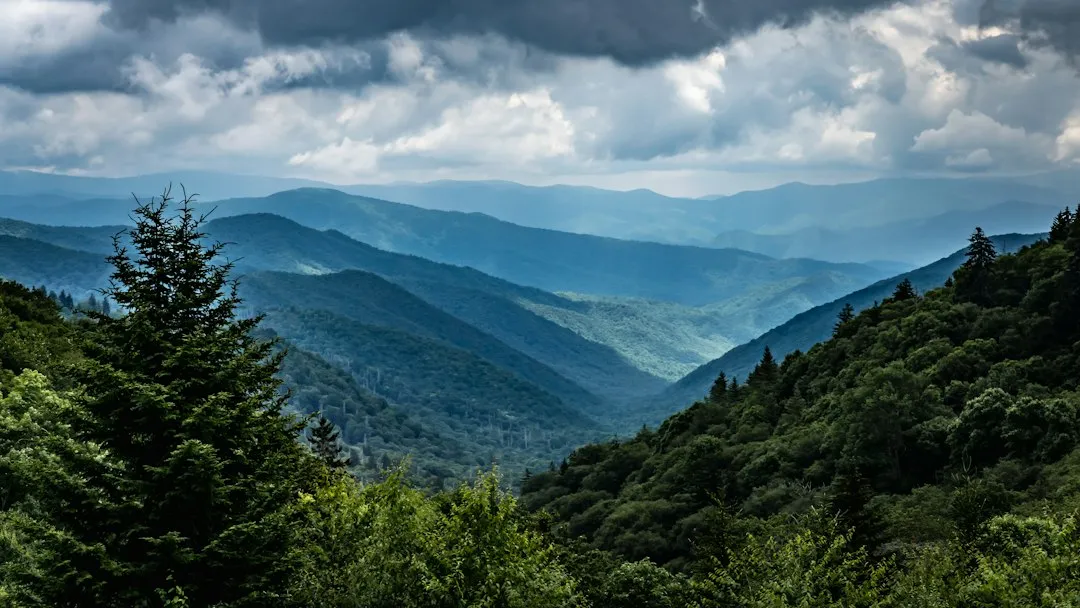
Hillsides that looked like solid green walls in July suddenly turn transparent. Trails that felt like green tunnels in August open into layered, blue-gray mountain vistas that stretch for miles. It genuinely looks like the park lost half its disguise in a single week.
Fast Facts
- Most deciduous trees across the Smokies have dropped their leaves by mid-to-late November
- Peak color usually hits in mid-to-late October, but the bare “skeleton view” comes weeks after
- Higher ridgelines lose their leaves well before the valley floors below
- Old homestead sites and cemeteries often only become visible from the trail once the canopy clears
This is when rangers spot things they know are out there but can never actually see the rest of the year: stone chimneys from cabins that vanished decades ago, collapsing barns leaning into the hillside, half-hidden family cemeteries, and faint terracing scars where mountain families once farmed impossibly steep slopes. The human history buried under the forest suddenly rises to the surface.
Some of the best “views” in November aren’t from the paved overlooks at all. They’re from ordinary, unremarkable trails that turn into surprise panoramas the moment the leaves let go. But that’s nothing compared to what rangers quietly start tracking at #7.
#7 – Wildlife Finally Comes Out of the “Tourist Shadows”
🔥 Would you like to save this?
We'll email this post to you, so you can come back to it later!
Rangers secretly prefer November for wildlife watching, and it’s not just because fewer tourists means fewer coolers getting raided by bears. By late fall, the daily circus of traffic jams, honking horns, and packed overlooks finally dies down. The whole park seems to exhale.
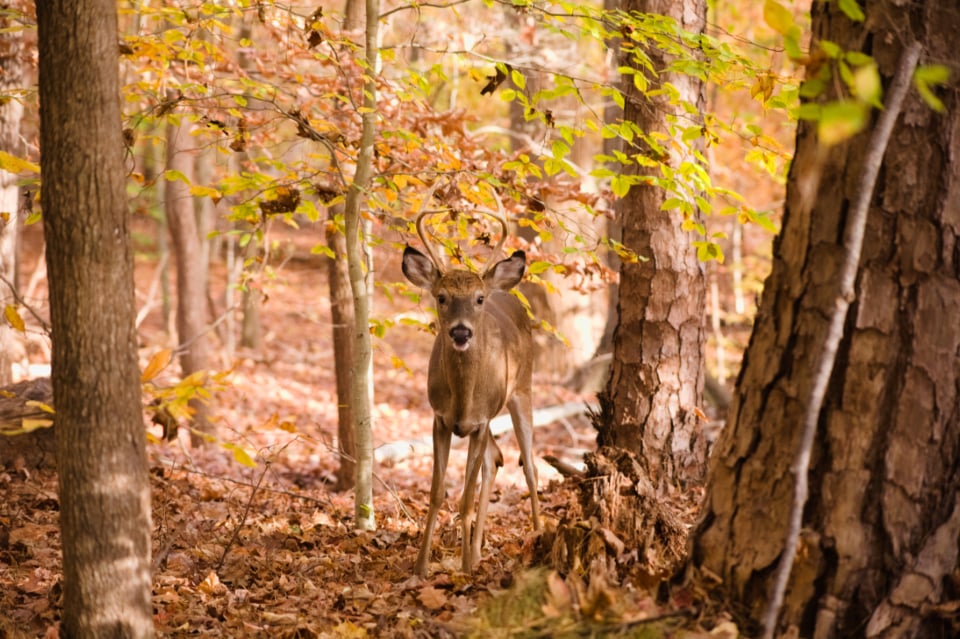
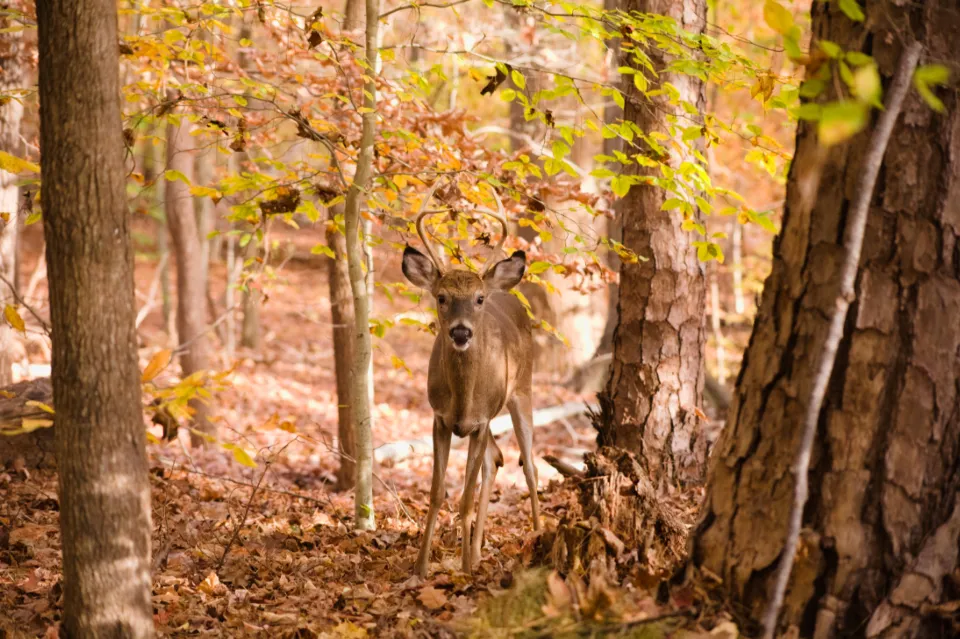
That’s when animals start slipping back into places they mostly avoid all summer. Deer graze closer to visitor centers than they’d ever dare in July. Wild turkeys strut across empty roads like they own them. Red foxes and coyotes skirt the tree lines at dawn, unbothered by the quiet.
Cooler temperatures and shorter days shift the entire schedule of the forest. Animals move more in open daylight, especially early morning and late afternoon, instead of hiding until dark. Rangers notice clearer tracks pressed into fresh mud or the season’s first light snow at higher elevations, and for the first time in months, they can actually hear birds instead of just engines and human chatter.
And then there are the bears. Despite what most visitors assume, November doesn’t mean the bears are already asleep. Rangers know it’s actually the late-season feeding frenzy – when bears are frantically packing on fat before den season, and some of the best, quietest bear sightings of the entire year happen far from any road. But that’s nothing compared to what rangers watch the sky do at #6.
#6 – Skies That Look Totally Wrong for the Smokies
🔥 Would you like to save this?
We'll email this post to you, so you can come back to it later!
Ask a ranger and they’ll tell you straight up: the November sky over the Smokies feels like a different planet. Most summer visitors assume the park is permanently hazy – that’s practically the whole reason it’s named the “Smoky” Mountains. In fact, they’ve never seen what’s actually possible up there.
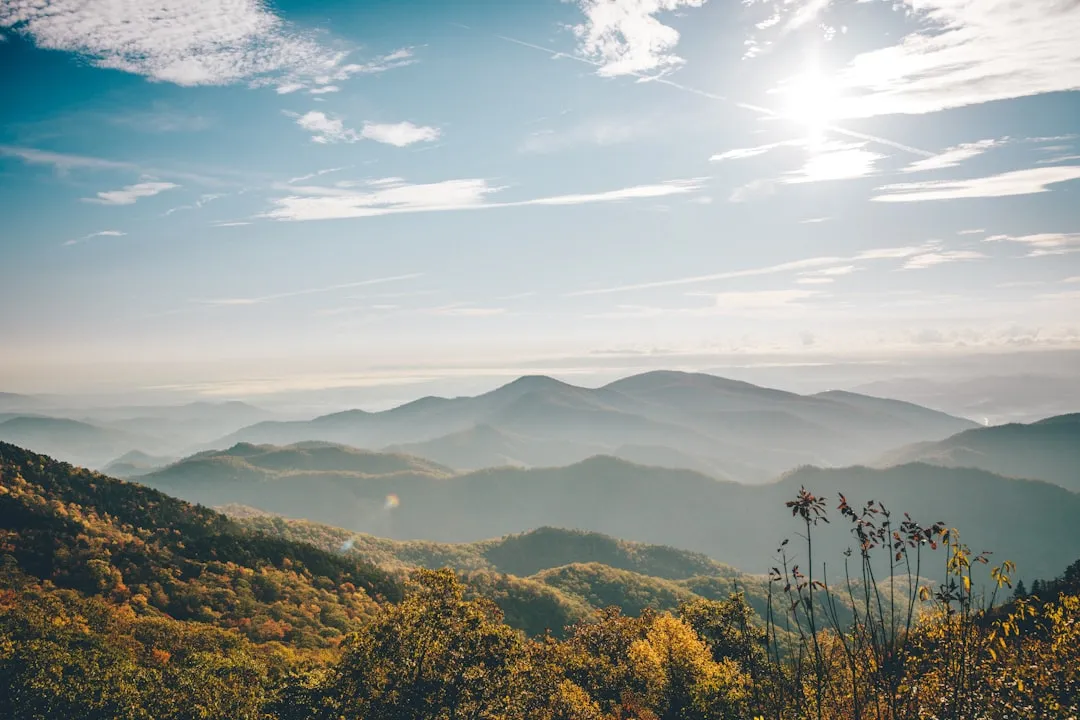
By November, cooler, drier air scrubs out most of that summer haze. The result is startling: sharp, knife-edge ridges stacked all the way to the horizon, with visibility stretching 60 to 100 miles on a clear day. The whole “smoky” effect shifts from a soft white blur into dramatic bands of blue and purple.
Quick Compare
- Summer sky: Hazy and humid, with visibility often limited to just a few miles
- November sky: Crisp and dry, with visibility stretching 60 to 100 miles
- Summer sunsets: Soft, muted colors dulled by thick humidity
- November sunsets: Sharper, more vivid oranges and reds
Rangers live for the late-afternoon light this time of year. The sun sits lower in the sky, throwing long shadows that make ordinary slopes look almost airbrushed. They’ll watch cloud layers pour over high ridges like slow-motion waterfalls while the valleys underneath stay perfectly clear. On certain mornings, temperature inversions trap fog down in the hollows, and you end up staring down at a white ocean with mountain peaks poking through like islands.
Then there are the storms. November is a transition month, so fronts move fast, winds shift without warning, and sunsets explode into neon oranges and reds that summer humidity usually flattens out. While most tourists are already back at the cabin before dark, rangers are still outside, watching the sky change its mind every few minutes. But even that drama doesn’t beat the strange, eerie quiet waiting at #5.
#5 – Trails Turn Into Eerily Quiet Time Capsules
🔥 Would you like to save this?
We'll email this post to you, so you can come back to it later!
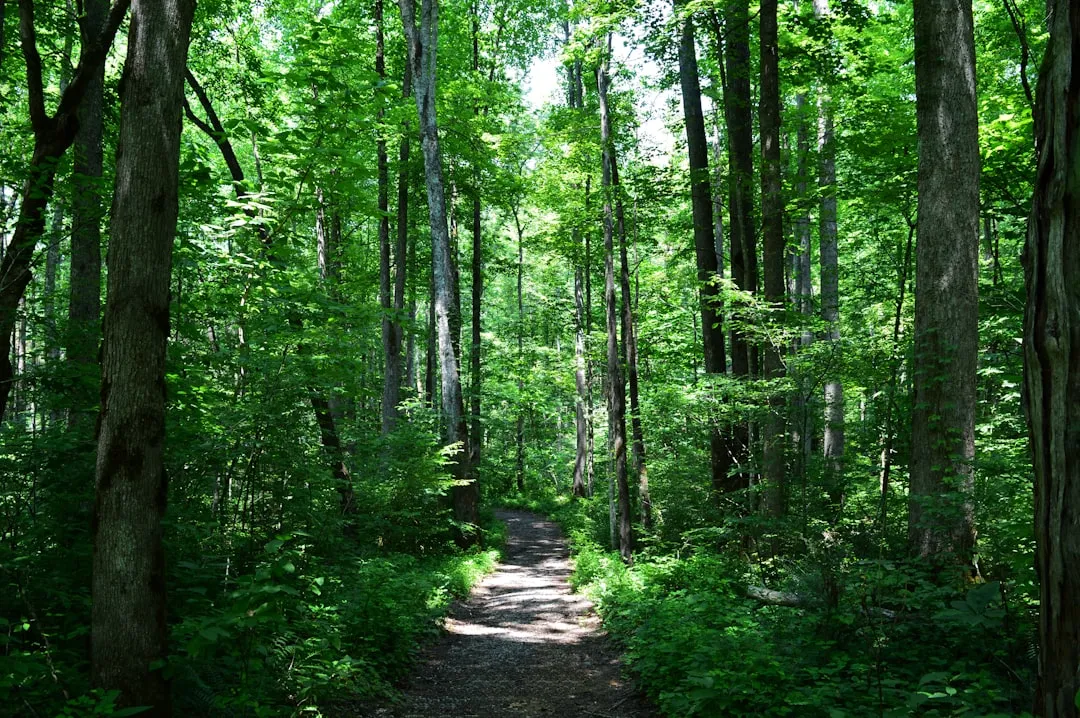
If you’ve only ever hiked the Smokies in June, you have no real idea how quiet November can get. Once the fall-color crowds disappear in late October, entire sections of the park go almost silent. You can hike for an hour and not hear a single other human voice.
Some rangers describe their November patrols as walking through “a museum after closing.” The scenery is exactly the same. The trails haven’t moved. But the constant background hum of other people is simply gone, and it changes the whole feel of the place.
Without leaf cover, sound also travels differently. Creek water echoes from much farther away than it does in summer. The dry crackle of leaves under deer hooves gives away their position long before you ever see them. Old cabins at places like Cades Cove or Cataloochee feel like completely different buildings – swarmed by selfie sticks in July, but on a cold November morning, a ranger might unlock the door and stand there completely alone, listening to wind tug at the boards.
That’s when they notice the details tourists rush right past on a crowded summer walkthrough: carved initials in old ceiling beams, hand tools left behind decades ago, faint smoke stains still darkening the rafters. The absence of people is honestly the single biggest change most visitors underestimate, and rangers quietly, privately love it. But the forest isn’t dead in November – it just moves its energy underground, which becomes obvious at #4.
#4 – The Forest Floor Turns Into a Color Map of What’s Coming Next
🔥 Would you like to save this?
We'll email this post to you, so you can come back to it later!
Tourists show up in October chasing red leaves in the canopy overhead. Rangers know the real show happens a month later, right at their feet. By November, most of the flashy leaves are already down, and that’s when the pattern actually becomes readable.
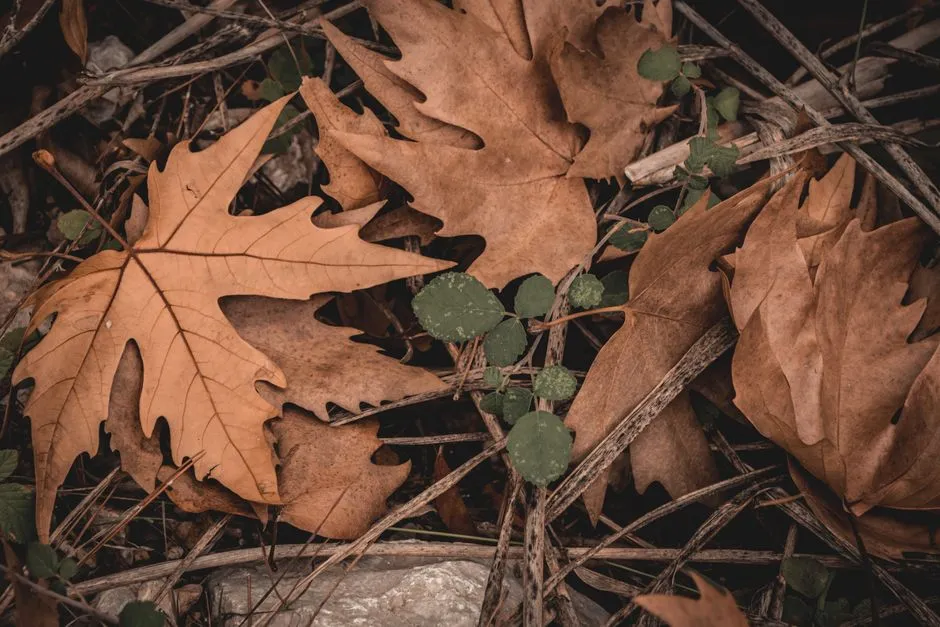
Rangers walk through ankle-deep carpets of color that quietly tell them exactly what kind of forest they’re standing in. Sugar maple leaves glow pale yellow. Red maple leaves burn a deep rusty red. Tulip poplar leaves lie scattered like big golden dinner plates. Oak leaves dry into tough, leathery browns that outlast almost everything else on the ground.
Worth Knowing
- Sugar maple leaves turn pale yellow and often signal richer, moister soil underneath
- Red maple leaves burn a deep rusty red across drier slopes
- Tulip poplar leaves drop early and lie scattered like golden dinner plates
- Thick mats of tough oak leaves can hint at a coming mast year, when acorns flood the forest
This isn’t just pretty scenery – rangers read it like a code. Deep drifts of maple and beech leaves point to richer, moister soil underneath. Thick mats of oak leaves signal drier slopes and hint at a coming mast year, when acorns will flood the forest floor and feed everything from turkeys to bears.
They also spot the quiet “wintergreen” plants most hikers walk right over: Christmas ferns, galax, patches of moss and clubmoss, and the very first rosettes of wildflowers that won’t actually bloom until April. In a strange way, rangers in November are already looking at next spring’s flowers. Add in bracket mushrooms, jelly fungi, and bright orange spots blooming on rotting logs, and the muted brown floor turns out to be one of the busiest, most detailed scenes in the whole park. Summer visitors stare up at the canopy. November rangers mostly look down – but sometimes they look straight into the mountain itself, and what they find at #3 would surprise anyone who thinks the Smokies are untouched wilderness.
#3 – Hidden Human Scars the Summer Greenery Tries to Bury
🔥 Would you like to save this?
We'll email this post to you, so you can come back to it later!
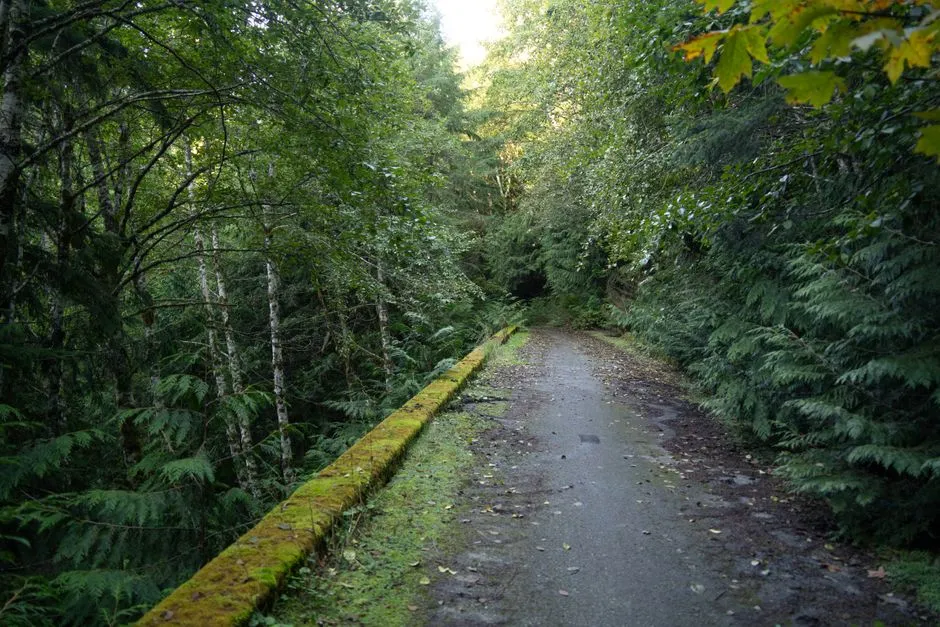
Rangers know a slightly uncomfortable truth about these mountains: the “wild” Smokies are covered in old human scars. All summer, dense vegetation camouflages almost every one of them. By November, in the bare, unforgiving light, they’re suddenly, almost embarrassingly visible.
Entire hillsides of unnatural, ruler-straight lines appear out of nowhere – old farm terraces cut into the slopes generations ago by families trying to grow crops on land that was never meant for it. What looked like random, tangled woods in July becomes obviously organized, human-shaped land in November’s flat light.
On patrol, rangers spot abandoned roads cutting unnaturally level paths around hillsides, earthen house mounds lined up with the remains of old chimneys, and collapsing rock walls that once fenced in fields and pastures long since swallowed by forest. They also see the newer, less romantic scars: social trails worn in by visitors cutting corners, creek banks eroding from repeated off-trail crossings, tree roots exposed where people wandered off the marked path.
With the leaves down, none of it can hide. November is quietly when many rangers start building their mental repair list for next year – closures, erosion fixes, trail reroutes – based on damage they can finally see with their own eyes. While most visitors drive through convinced they’re passing through untouched wilderness, rangers spend this month tracing the fingerprints left behind by loggers, homesteaders, and modern tourists alike. But not every hidden change is sitting quietly in the dirt. Some of it is loud, alive, and moving – and it’s impossible to ignore at #2.
#2 – The Soundtrack of the Park Completely Changes
🔥 Would you like to save this?
We'll email this post to you, so you can come back to it later!
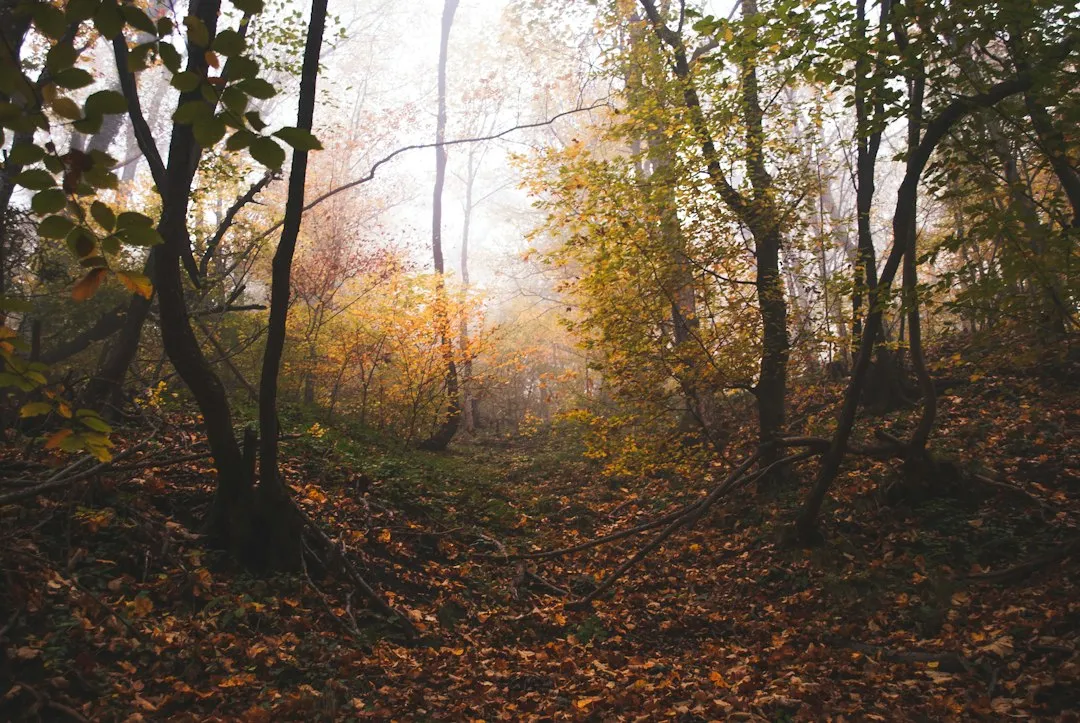
If you blindfolded a ranger and dropped them anywhere in the Smokies, many could probably guess the month just from the sound around them. November has its own unmistakable audio fingerprint, and it’s nothing like summer’s.
The insect chorus that screams nonstop all summer goes completely silent. The constant soft hiss of wind through full leaves disappears entirely. What’s left is a sharper, more minimal soundtrack that rangers learn to read almost instinctively. A single woodpecker hammering can echo through an entire empty hollow. A squirrel leaping through dry leaves can sound, for one startling second, like something much bigger is coming.
Birdlife shifts too. Most migrants have already left, replaced by resident species that band together into mixed flocks – chickadees, titmice, nuthatches, and kinglets moving through the bare trees like traveling gossip. Rangers can often locate an entire flock by sound alone, long before they spot a single bird, then watch it swirl past like a living cloud.
With fewer leaves muffling everything, owl calls carry farther down the valleys after dark, and coyotes yip across whole ridgelines on cold, clear nights. Summer visitors mostly remember the park as one wash of generic background noise. Rangers experience November as a series of sharp, individual sounds that somehow make the forest feel more alive, not less. And yet, for all this sensory change, the biggest difference might be something most visitors never even think to ask about: how rangers themselves move, think, and prepare once November arrives.
#1 – The Quiet Months When Rangers Actually See the Park Clearly
🔥 Would you like to save this?
We'll email this post to you, so you can come back to it later!
Here’s a slightly controversial truth from the people who work these mountains: November is when many rangers finally get to know the park again, instead of just managing the crowd trying to survive it. All summer, their days are dominated by traffic control, lost kids, overflowing trash cans, and rescues that were entirely preventable. They spend June through August reacting.
Then November hits, visitation collapses, and rangers finally get room to breathe. They walk trails they haven’t had time for in months. They talk longer with the handful of visitors still out there. They notice details that are simply impossible to catch during the July rush. In a real sense, they shift from crisis managers back into actual stewards of the land.
At a Glance
- Summer mode: Traffic control, lost hikers, overflowing trash, preventable rescues
- November mode: Trail scouting, backcountry checks, erosion and wildlife assessments
- Visitation drops sharply after October, freeing up time for real patrol work
- Damage assessed now often shapes next year’s closures, reroutes, and repairs
This is when they scout problem areas they were too swamped to reach all season, check remote backcountry sites while they’re still accessible but finally quiet, and watch how wildlife, water flow, and visitor damage have shifted since spring. It’s also when the weak spots reveal themselves – washed-out trail sections, unofficial campsites, damaged signs, and worn herd paths forming around popular photo spots that never existed the year before.
None of this makes it onto an Instagram reel. It’s cold, unglamorous, often solitary work. But this quiet November effort is genuinely what keeps the Smokies from buckling under the weight of next year’s millions of visitors. While summer crowds remember the traffic and the lines, rangers remember the cold mornings, the empty roads, and a park that finally, briefly, feels honest again.
Strip away the Instagram gloss and the July gridlock, and November is when the Great Smoky Mountains finally tell the truth about themselves – and rangers are almost the only ones around to listen. With the leaves down, they see the park’s bones, its scars, and its secrets: long-distance views, forgotten homesteads, real wildlife patterns, and the quiet damage left behind by another exhausting season.
Honestly, I think we’ve got it backwards. Everyone fights for a July slot and a fall-color weekend, then wonders why the Smokies felt more like a theme park than a wilderness. The rangers already know the secret: the mountain doesn’t perform for a crowd. It waits until the crowd leaves. If you actually want to meet the Great Smoky Mountains instead of just visiting them, November isn’t the consolation prize – it’s the real invitation. Would you trade one crowded summer trip for a colder, quieter November one, just to see the park the way the people who protect it actually do?

- 7 Everyday Habits That Can Make Your Senior Dog Happier - November 5, 2026
- 10 Enigmatic Structures That Continue to Puzzle Scientists Today - November 5, 2026
- 10 Strange Ruins in the Americas That Challenge What We Know About Early History - November 5, 2026