
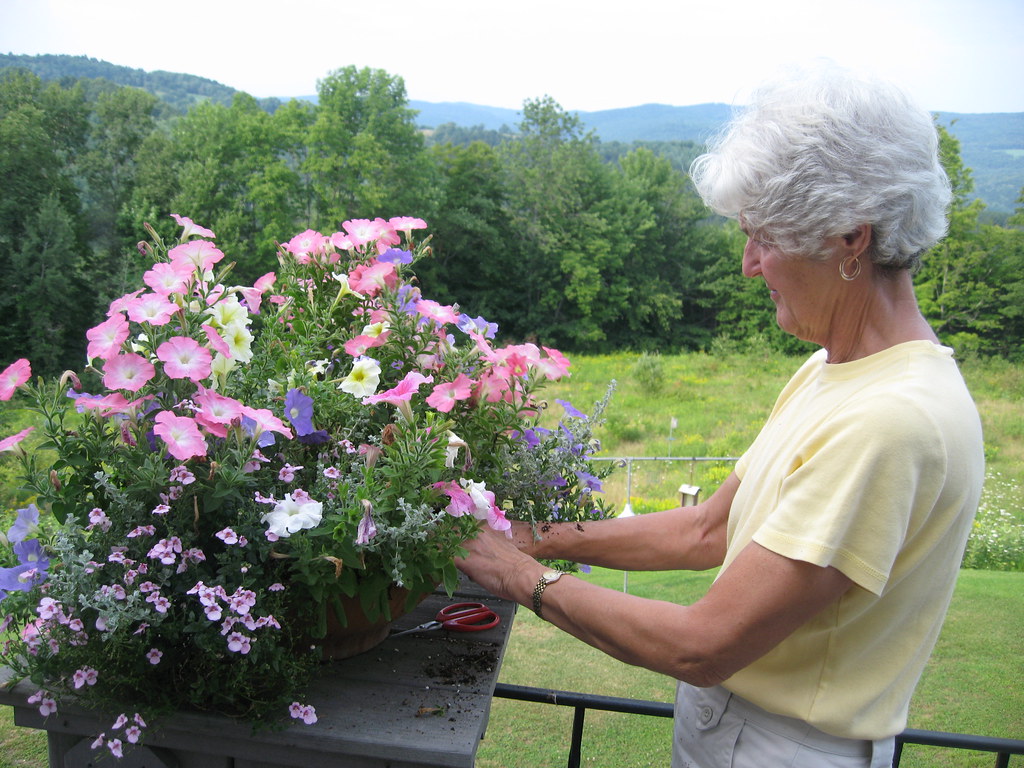
You think you’re getting away with something. One last string of 70-degree afternoons, the hose still uncoiled, the mower still parked by the shed instead of tucked away for winter. It feels like a gift, a little bonus round before the cold locks everything down.
Your garden does not see it that way. Underground and inside every stem, that final warm stretch triggers a chain reaction most gardeners never notice until spring shows the results – good or bad. Some of what happens next is quietly brilliant. Some of it is a trap. Here are the 14 changes that decide which one you get.
#1 – Root Systems Go Into Secret Overdrive Underground
🔥 Would you like to save this?
We'll email this post to you, so you can come back to it later!
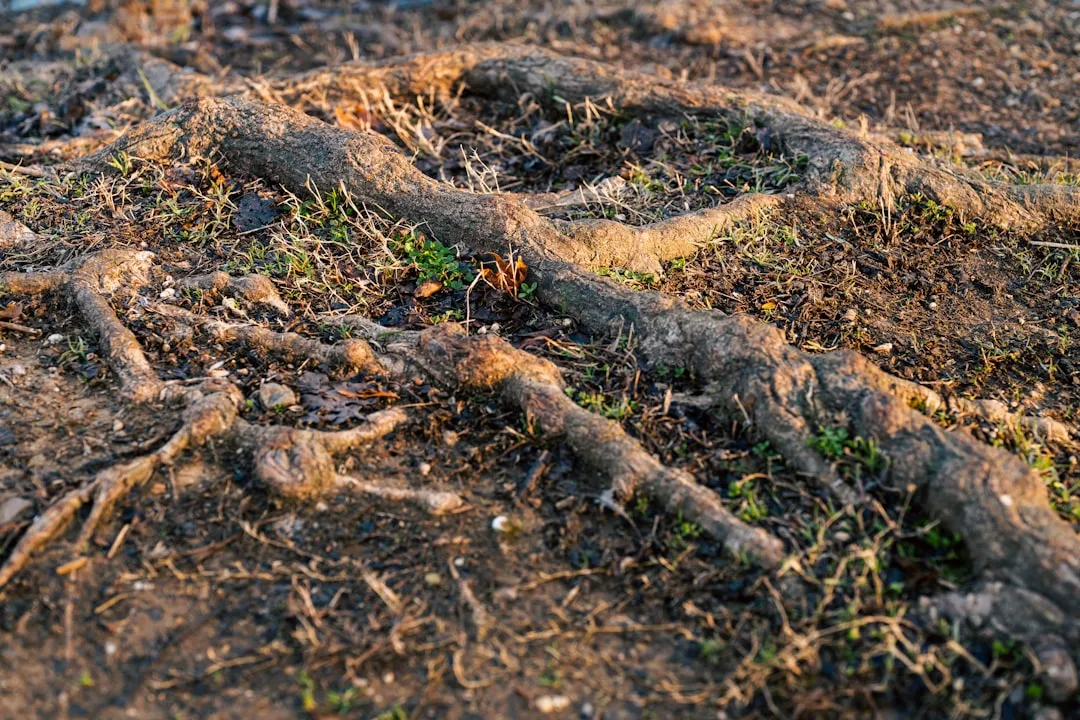
That random warm spell you enjoy in a T-shirt? Your plants are enjoying it too, just not where you can see it. Roots don’t obey the calendar – they respond to soil temperature. When the top few inches of soil stay warm but the air cools at night, perennials, shrubs, and even lawns quietly shift their energy into root expansion instead of leafy growth.
That’s why some gardens look frozen in place above ground while secretly building a stronger foundation below it. If moisture is available, hostas, daylilies, roses, and fruit trees deepen and widen their root networks during this stretch more than almost any other week of the year. Water lightly, toss down a thin layer of compost, and you’re setting up a more explosive spring. Skip it, and you’ve wasted a growth spurt that won’t come back around until next fall.
Fast Facts
- Roots can stay active in soil as cool as the low 40s°F, long after top growth has stopped.
- Cool air paired with warm soil is a better root-growth combo than the warmer air of early spring.
- A light watering plus a thin compost layer can maximize this underground window.
- Skip this week’s root push, and you’re waiting until next fall for the same boost.
#2 – Late Blooms Trick Plants Into Wasting Precious Energy
🔥 Would you like to save this?
We'll email this post to you, so you can come back to it later!
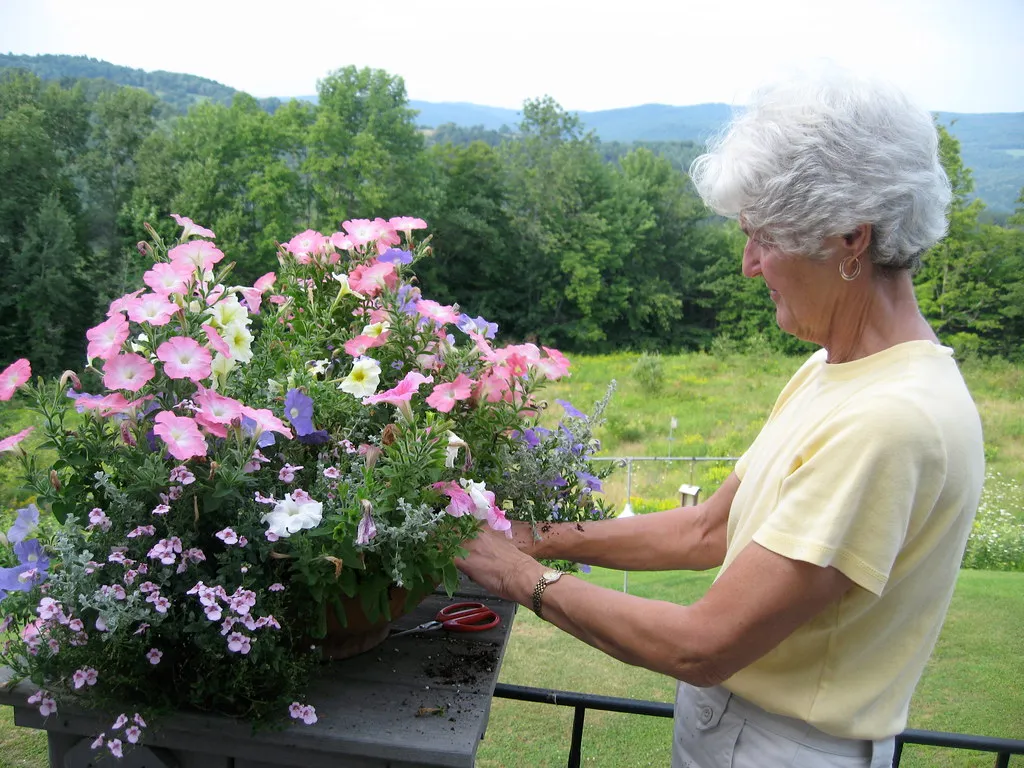
Everyone loves a random out-of-season rose or a fresh flush of coneflowers in October. It looks romantic. From the plant’s perspective, it’s a terrible financial decision. Day length is already short by the time that last warm week arrives, but the warmth can still coax one final push of flowers or tender foliage out of roses, hydrangeas, salvias, and stubborn annuals.
The problem is simple: every late flower is energy the plant isn’t spending on roots or next year’s buds. That’s why serious gardeners deadhead aggressively during this week, even when it feels a little cruel. They’re not tidying up – they’re forcing the plant to bank its resources. Let it chase those last blooms instead, and you may be trading next season’s real show for one pretty photo now.
#3 – Dormancy Signals Get Scrambled in Woody Plants
🔥 Would you like to save this?
We'll email this post to you, so you can come back to it later!
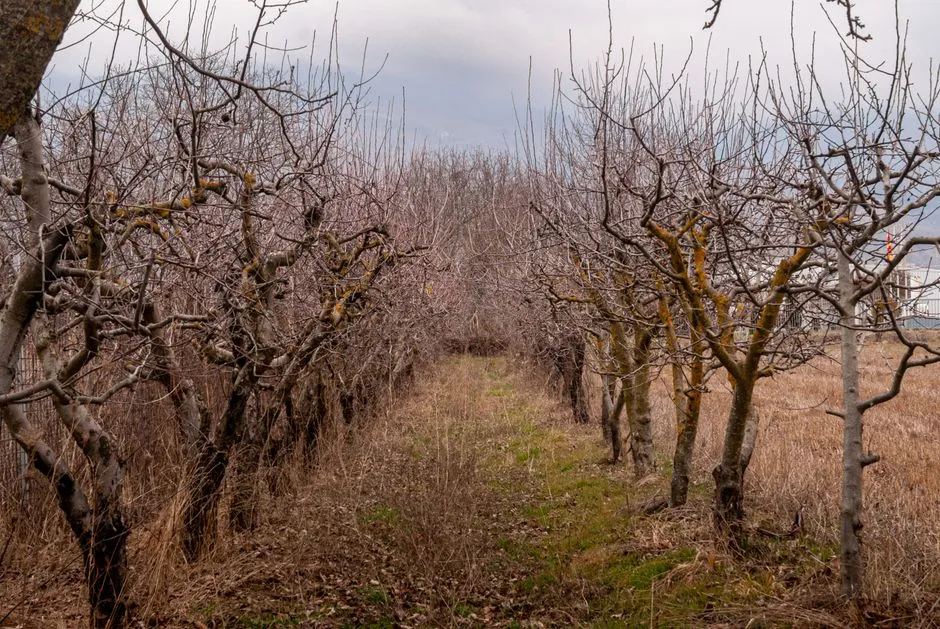
Most people assume plants just “go dormant” once it gets cold. Not even close. Dormancy is a tug-of-war between day length, temperature, and plant hormones, and that last warm week can temporarily jam the whole process. Lilacs, Japanese maples, and fruit trees may delay leaf drop, hold onto green tissue, or even attempt a tiny flush of new growth.
Here’s the ugly part: any fresh, tender tissue formed during that warm stretch is almost guaranteed to get zapped by the first hard frost. Once damaged, those tips become entry points for disease and winter dieback. Some experts now argue a warm late fall is actually worse for ornamentals than a steadily cool one, because it breeds false security. The smart move is to skip pruning during that warm week entirely and let the plant wind down on its own terms.
#4 – Soil Life Throws One Last Party Before Shutting Down
🔥 Would you like to save this?
We'll email this post to you, so you can come back to it later!
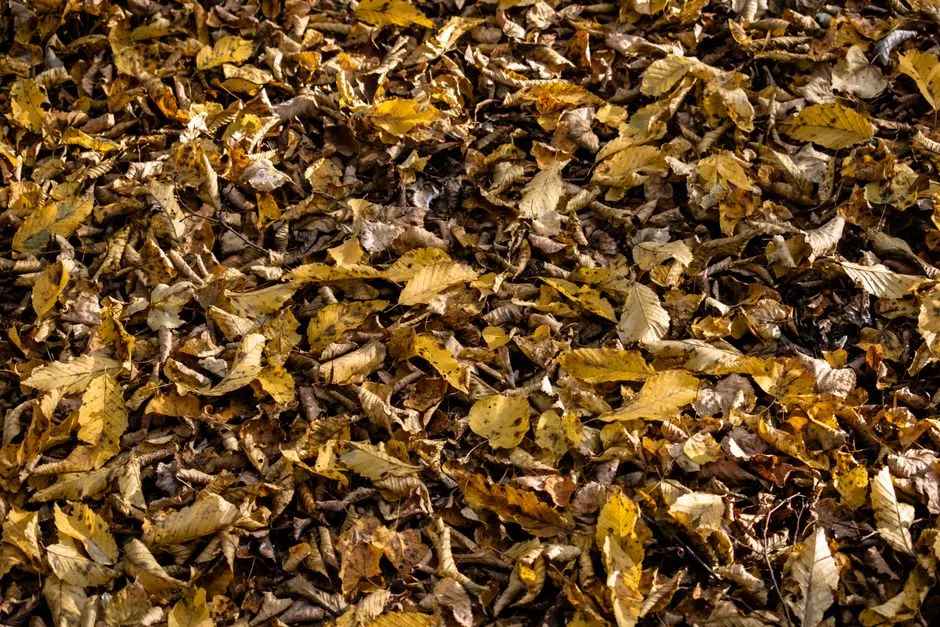
While you’re debating one last barbecue, the soil underneath your feet is having its final blowout of the year. That warm spell revs up microbial activity, earthworms, and decomposers, as long as there’s still moisture around. Fallen leaves, spent annuals, and grass clippings suddenly break down faster, releasing nutrients right when roots are quietly absorbing everything they can store.
The catch is that this burst is brutally short-lived. Once real cold arrives, microbial activity crashes and decomposition slows to a crawl. That’s why leaving a layer of fallen leaves right before or during that warm week is such a strategic move – you’re feeding soil life at its very last peak of the year. Bag and trash those leaves now, and you’re throwing away a timed nutrient bomb that won’t reload until spring.
#5 – Pests Get a Bonus Round (and So Do Their Predators)
🔥 Would you like to save this?
We'll email this post to you, so you can come back to it later!
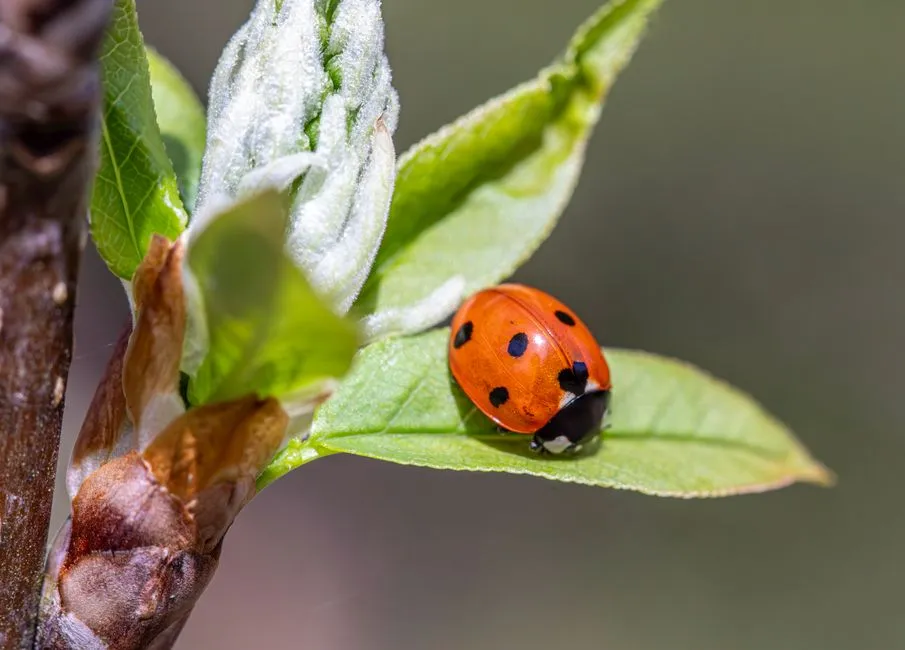
This is the part nobody likes hearing. The last warm week often hands certain pests one extra life cycle – aphids, whiteflies, spider mites, cabbage worms, even some beetles. They don’t know it’s the end of the season; they just know it’s warm enough to keep eating and reproducing. That’s why your kale suddenly looks shredded in mid-October or your roses get hit with a fresh aphid wave right when you’re mentally checked out of gardening.
What most people miss is that beneficial insects seize this exact window too. Lady beetles, lacewings, parasitic wasps, and pollinators work overtime on whatever nectar and prey is left. Nuke your beds with broad-spectrum spray during this stretch, and you often do more long-term damage than the pests ever could. Spot-treat the worst infestations, leave some hollow stems and seed heads standing, and you protect the very insects that will police your garden next year.
Quick Compare
- Pests: Aphids, spider mites, and cabbage worms often squeeze in one last generation before frost.
- Pests: Warm afternoons can trigger a fresh wave of feeding damage on kale, roses, and other tender plants.
- Beneficials: Lady beetles, lacewings, and parasitic wasps work the same warm days in your favor.
- Beneficials: Broad-spectrum sprays used now tend to hurt these helpers more than the pests.
#6 – Lawns Sneak In One Last Growth Spurt
🔥 Would you like to save this?
We'll email this post to you, so you can come back to it later!
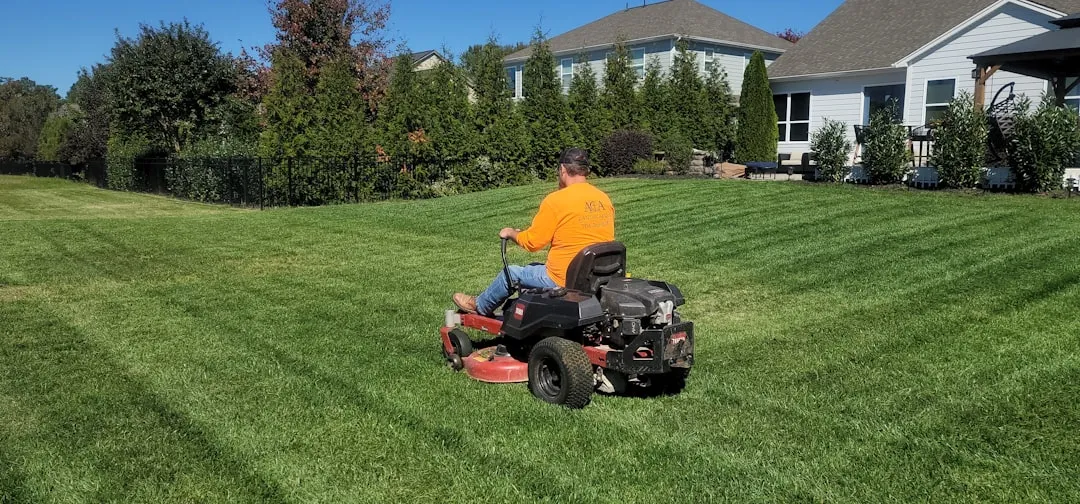
Most homeowners think their lawn stops growing once fall arrives. In reality, the last warm week is prime time for cool-season grasses like fescue, bluegrass, and rye. The air feels comfortable, the soil stays warm, and weed pressure drops – it’s basically turf heaven, and the grass knows it.
Here’s the part that annoys lawn traditionalists: one final, slightly lower mow paired with a well-timed fall feed during this week can matter more than half your spring effort combined. Scalp the lawn or leave it shaggy heading into winter, and you either stress the crowns or invite matting and snow mold. Get the timing right, and you’ll see denser turf and far fewer bare patches next year. Lawn pros treat this week like a secret reset button while everyone else has already put the mower away.
#7 – Seed Heads Turn Into a Winter Wildlife Buffet

🔥 Would you like to save this?
We'll email this post to you, so you can come back to it later!
By the time that last warm spell rolls around, most casual gardeners are in full tidy-up mode – ripping out dead annuals, cutting perennials to the ground, bagging every brown stem in sight. It looks clean. Ecologically, it’s a missed chance to set up an entire winter food system before it even gets started.
During those final warm days, seed heads on coneflowers, black-eyed Susans, sunflowers, grasses, and sedums finish drying and firming up right on schedule. Birds and small mammals start scouting these exact seed sources the moment insects begin to disappear. Leave the seed heads standing through that week and beyond, and you’re stocking a pantry for finches, chickadees, and sparrows all winter long. Strip everything bare instead, and you’re choosing aesthetics over a living ecosystem – which is a real choice, even if it doesn’t feel like one.
#8 – Annuals Stage a Beautiful, Brutal Final Sprint

🔥 Would you like to save this?
We'll email this post to you, so you can come back to it later!
The last warm week is the victory lap and the death march for most annuals at the same time. Petunias, zinnias, marigolds, basil, coleus – if they’ve survived this far, that warm spell often triggers one last ferocious burst of color or foliage. They look better than they have in weeks. Don’t be fooled: at this point, they’re burning through every reserve they have left.
Letting them limp along past this week often hurts your bigger garden strategy. They hog space, water, and your attention while you should be prepping beds, amending soil, and getting bulbs or cool-season crops in the ground. Enjoy the last show, then pull the annuals during or right after that warm week, while their root systems are still loose and easy to remove. That opens up prime real estate for garlic, onions, spring bulbs, or a late sowing of spinach – before the soil turns slimy and hard to work.
#9 – Bulbs and Cool-Season Crops Get Their Perfect Launch Window

🔥 Would you like to save this?
We'll email this post to you, so you can come back to it later!
Most people plant bulbs in some vague “before it freezes” window, which is exactly how you end up with underperforming tulips and patchy daffodils. The last warm week of the year is often the single best moment to get them into the ground in many temperate climates. Soil is still workable and warm enough for rapid root establishment, but air temps are cool enough to keep the bulbs from sprouting too soon.
The same logic applies to cool-season edibles. Spinach, garlic, shallots, overwintering onions, and hardy lettuces thrive when they’re planted into soil that’s warm but about to cool – roots develop fast while top growth stays modest and cold-tolerant. Gardeners who hit this window reliably report stronger stands and earlier harvests. Miss it, and you’ll probably still get results, but you’ll be fighting physics instead of using it.
At a Glance
- Tulips and daffodils root best when soil is still workable but air temps are dropping.
- Garlic and shallots benefit from that same warm-soil, cooling-air combination.
- Spinach and hardy lettuce planted now build roots while top growth stays modest and cold-tolerant.
- Missing the window won’t ruin the crop, but it slows down establishment considerably.
#10 – Moisture Stress Quietly Sets Up Winter Kill
🔥 Would you like to save this?
We'll email this post to you, so you can come back to it later!
Warm days, low humidity, cool nights – it feels crisp and cozy to us. For evergreens and shallow-rooted perennials, that exact combination is a recipe for stealth dehydration. Soil dries out faster than it looks, but because the air isn’t hot, most gardeners stop watering entirely right when the plants need it most.
Then winter arrives, roots are drier than they should be, and cold winds finish the job. A lot of winter dieback that gets blamed on “harsh cold” actually started as a dehydration problem during that last warm week. Rhododendron, boxwood, holly, new trees, and recently divided perennials are especially vulnerable. One deep, thorough watering during or right after that warm spell – before the ground freezes – protects them better than any burlap wrap ever will. Some pros call it the insurance soak, and skipping it because the hose is already put away is one of the most expensive mistakes you can make in a garden.
#11 – Fungal Diseases Migrate From Leaves to Soil
🔥 Would you like to save this?
We'll email this post to you, so you can come back to it later!
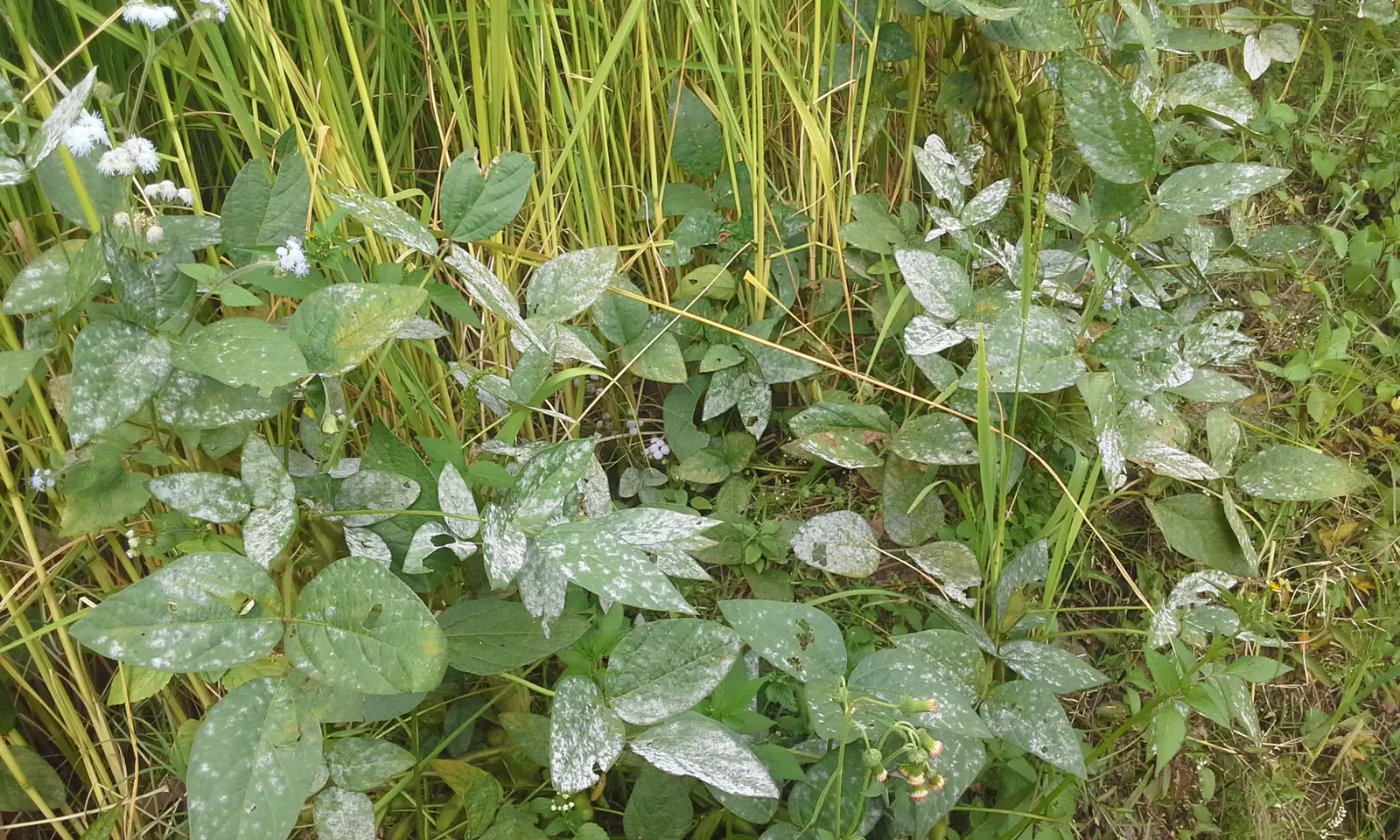
People obsess over powdery mildew, black spot, and leaf blights all summer, then relax the moment that last warm week shows up. That’s a mistake. As leaves yellow and drop, many fungal pathogens shift from active infection into overwintering mode, and that warm, slightly moist week decides exactly where they’ll spend the winter.
Infected leaves left sitting on the ground during that stretch become spore factories primed to hit next year even harder. For disease-prone plants like roses, peonies, phlox, tomatoes, and squash, this is the moment to remove and trash the obviously infected material – never compost it. But over-sanitizing every square inch of the garden strips away beneficial decomposers too. The smart move is targeted hygiene: clear diseased leaves around problem plants, leave healthy debris everywhere else to keep feeding the soil.
#12 – Color and Texture Hit Peak Contrast, If You Let Them

🔥 Would you like to save this?
We'll email this post to you, so you can come back to it later!
Ironically, the last warm week is often when a garden looks its most complex – and almost nobody is paying attention. Cool nights start pulling reds, purples, and golds out of foliage while the lingering warmth keeps some greens saturated and lush. Grasses plume, seed heads darken, and low sun angles make everything look more dramatic than it has all year.
And yet this is exactly when many gardeners start hacking everything down for winter, missing how seed heads catch frost or how dried perennials frame the first snow. Designers increasingly treat this week as an audit moment – walk the garden, take photos, note which shapes and textures still hold up this late. That’s your blueprint for smarter plant choices next year. Tidy too early, and you erase your best feedback tool of the entire season.
#13 – Small Microclimates Finally Reveal Themselves
🔥 Would you like to save this?
We'll email this post to you, so you can come back to it later!
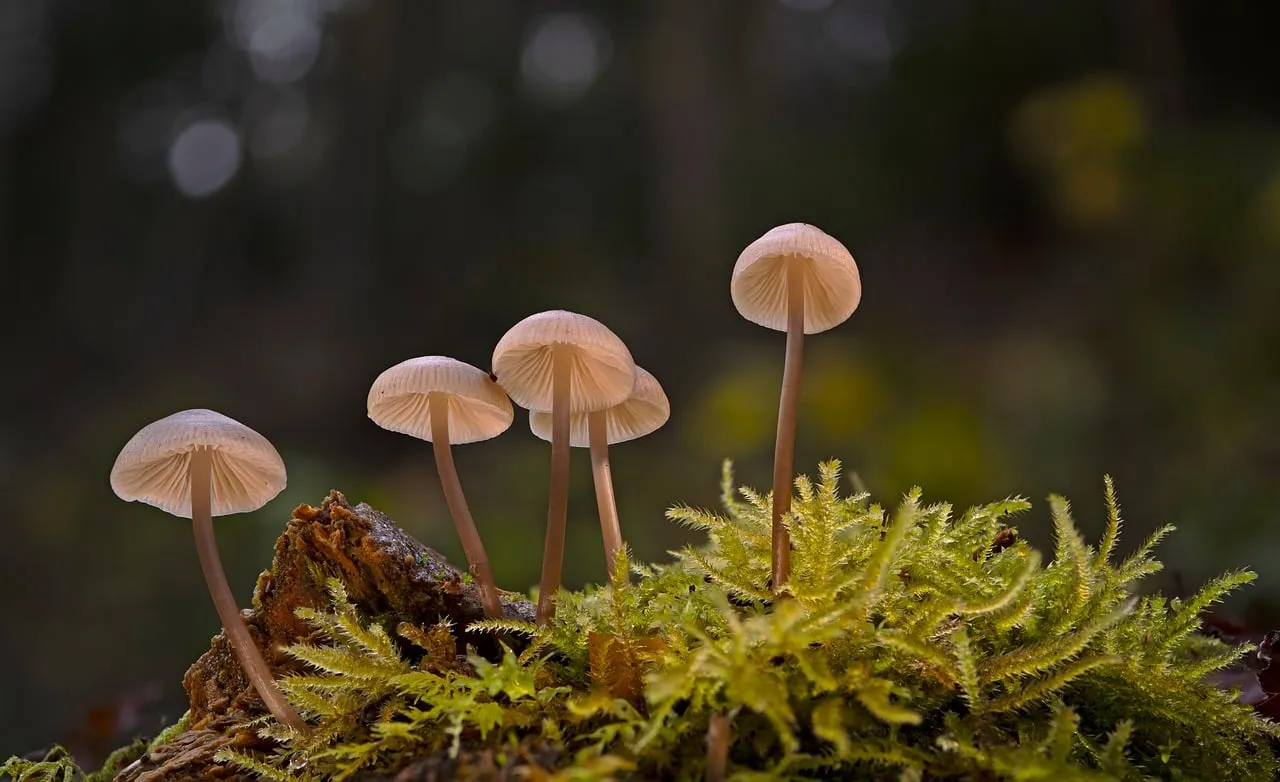
Every garden has microclimates – warm corners, cold pockets, wind tunnels, protected nooks – and the last warm week exposes them more clearly than any other stretch of the year, because temperatures are already flirting with plant limits. You’ll notice certain beds stay green longer, certain containers keep thriving, and certain patches frost earlier than the rest, sometimes just a few steps apart.
These patterns aren’t random – they’re your cheat sheet for next year’s planting decisions. That spot where basil is still alive when everything else has blackened? That’s where you can push a borderline perennial or a less hardy shrub. The corner where frost lingers first? Stop planting anything sensitive there and call it what it is: a cold sink. Walk the yard obsessively this week, note the differences, and redesign based on reality instead of catalog promises. Ignore the clues, and you’ll keep repeating the same mistakes for years.
Worth Knowing
- Warm corners near walls or pavement often stay frost-free days longer than open beds.
- Low spots and wind tunnels tend to frost first, even within the same small yard.
- Containers can lag several degrees behind in-ground beds on cold nights.
- Mapping these patterns now is far more reliable than guessing again next spring.
#14 – The Garden’s “Memory” for Next Year Gets Locked In
🔥 Would you like to save this?
We'll email this post to you, so you can come back to it later!
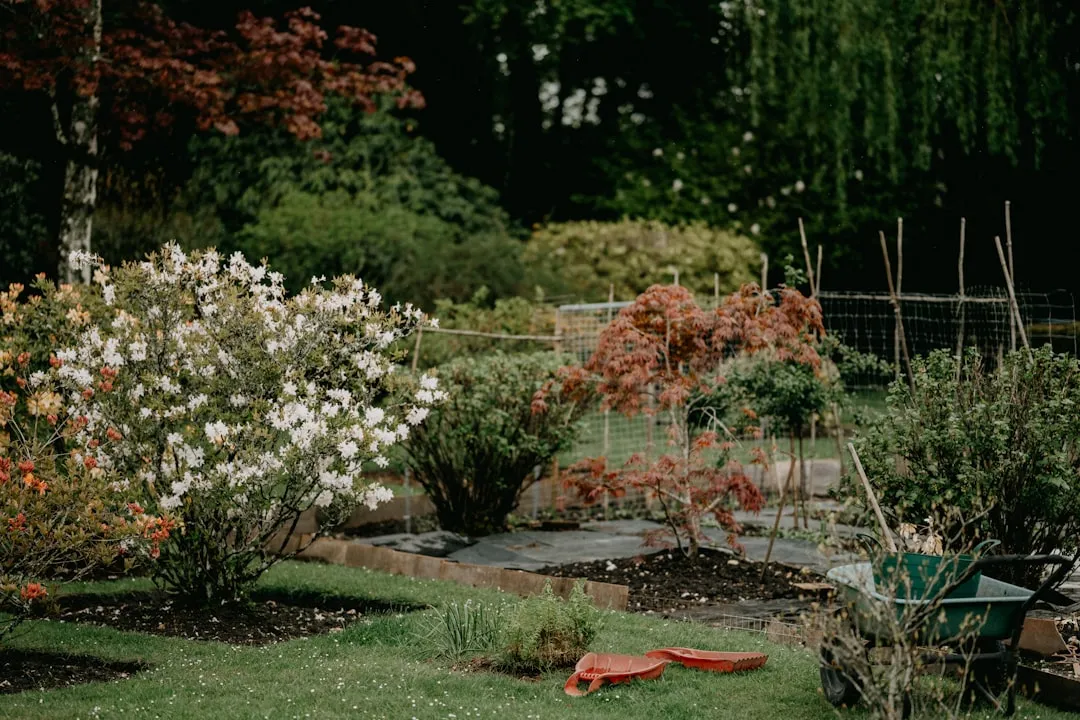
Here’s the part almost nobody talks about: by the time that last warm week ends, most of next year’s performance is already pre-loaded. Buds on fruit trees and shrubs are formed. Perennials have set their crown size. Bulbs have started rooting. Soil life has either been fed or starved, and pest and beneficial populations have already picked their overwintering sites. The garden isn’t ending – it’s saving a draft of itself for next year.
The most surprising part is that you still have more influence during this single week than at almost any point in spring. A final deep watering, a last round of targeted cleanup, a decision to leave seed heads standing, a choice to plant bulbs now instead of “later” – these moves imprint directly on your garden’s memory. Treat this warm spell like a casual bonus, and spring success will always feel random to you. Treat it like a closing argument instead, and the garden remembers exactly what you told it.
The Bottom Line

🔥 Would you like to save this?
We'll email this post to you, so you can come back to it later!
The last warm week of the year is not a polite fade-out. It’s a tight, high-stakes window where your garden quietly decides what kind of spring you’re going to get. Roots surge while you’re packing away the hoses. Pests and beneficials negotiate next year’s balance. Bulbs, buds, and soil life lock in their starting positions, whether you’re paying attention or not.
Here’s my honest take: whether your garden looks effortless next season has almost nothing to do with a “green thumb” and everything to do with what you did during this one weird, easy-to-dismiss week. Gardeners who treat it like a strategic closing chapter consistently outperform the ones who just enjoy the nice weather and call it a bonus. So ask yourself honestly – is your last warm week a lost opportunity, or the moment you quietly rig next year’s success?

- 7 Everyday Habits That Can Make Your Senior Dog Happier - November 5, 2026
- 10 Enigmatic Structures That Continue to Puzzle Scientists Today - November 5, 2026
- 10 Strange Ruins in the Americas That Challenge What We Know About Early History - November 5, 2026