
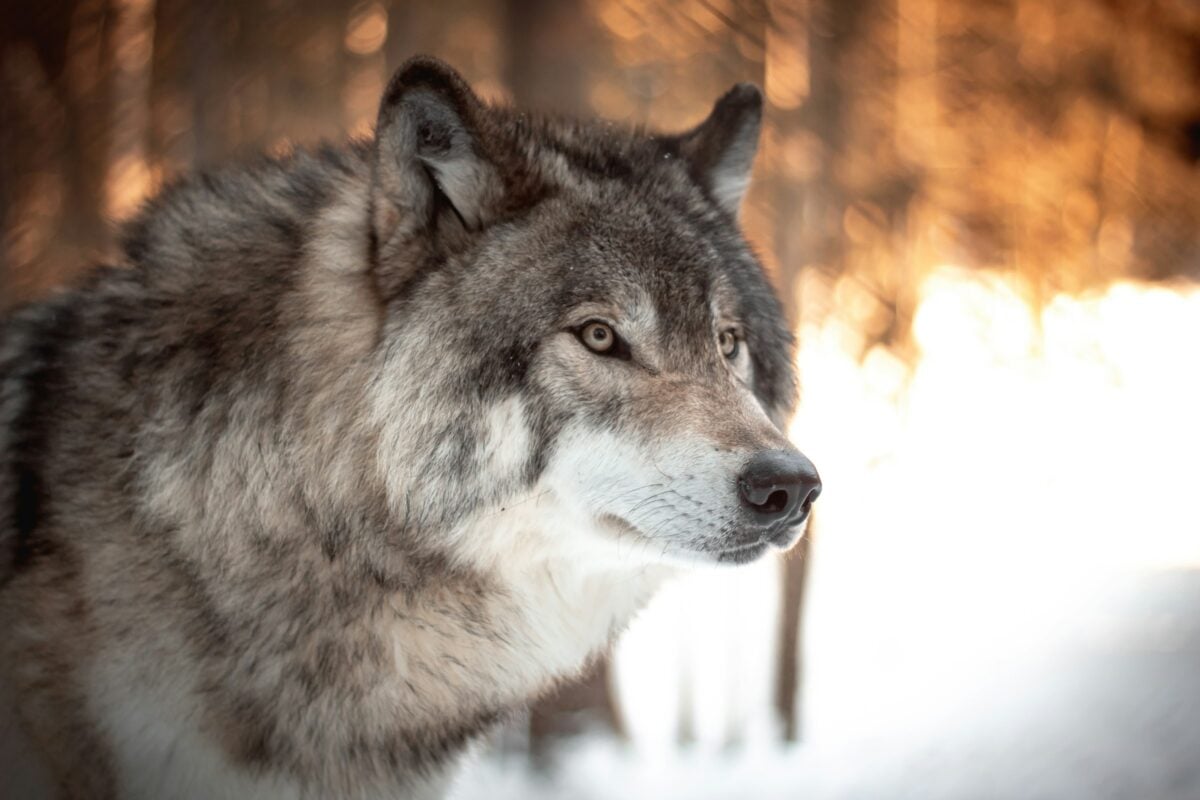
Imagine this: you’re nestled in the heart of Idaho’s wilderness, the campfire crackling, stars twinkling overhead. Suddenly, the unmistakable silhouette of a wolf appears at the edge of your campsite. Your heart races. What now? Encounters with wolves are rare, but being prepared can make all the difference. Let’s explore how to handle such a situation with confidence and respect.
Understanding Idaho’s Wolf Population

Idaho is home to a thriving population of gray wolves, reintroduced in the mid-1990s. These apex predators play a crucial role in maintaining ecological balance. While their presence enriches the wilderness experience, it also means campers should be aware of potential encounters.
Wolves are generally elusive and avoid human interaction. However, as their numbers have grown, sightings have become more common, especially in remote camping areas. Understanding their behavior is the first step in ensuring a safe coexistence.
Preventing Wolf Encounters at Your Campsite

The best way to handle a wolf encounter is to prevent one from happening. Wolves are attracted to food scents, so maintaining a clean campsite is essential. Store all food, trash, and scented items in bear-proof containers or hang them at least 10 feet off the ground and 4 feet away from tree trunks.
Avoid cooking near your sleeping area, and never leave food unattended. Even items like toothpaste or scented lotions can draw curious wildlife. By eliminating attractants, you reduce the likelihood of a wolf wandering into your camp.
What to Do During a Wolf Encounter
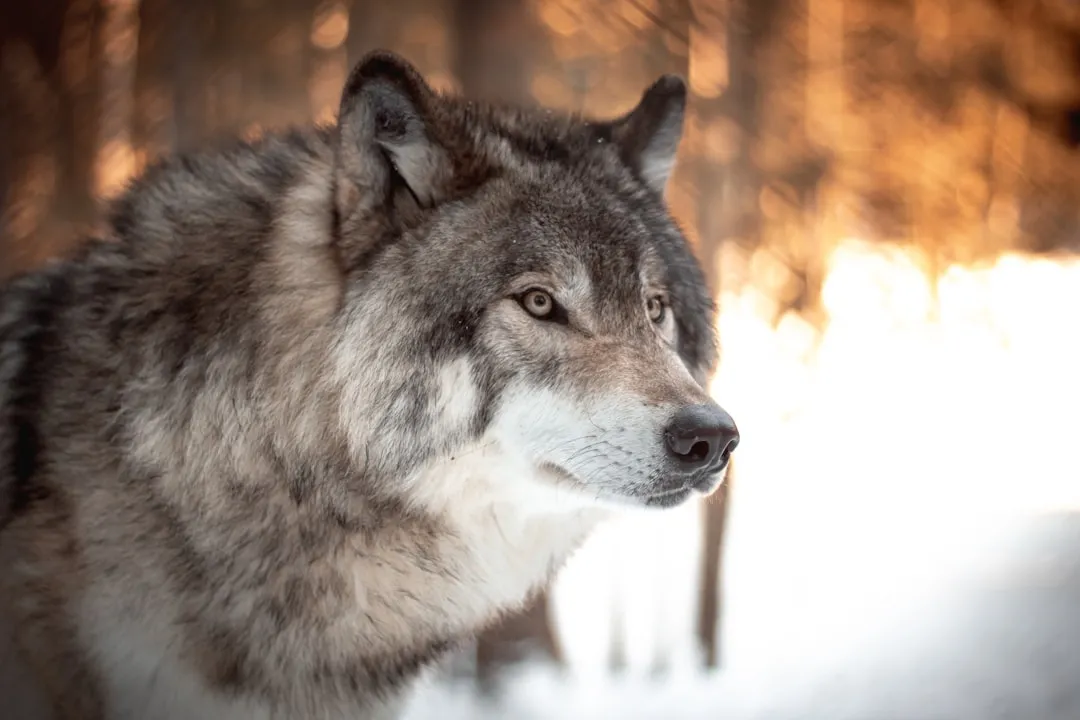
If a wolf does approach your campsite, it’s important to stay calm. Stand tall and make yourself appear larger by raising your arms or opening your jacket. Firmly and loudly tell the wolf to go away. Avoid direct eye contact, as this can be perceived as a threat.
Do not run. Running may trigger a chase response. Instead, slowly back away while facing the wolf. If the wolf continues to approach, throw objects toward it without turning your back. Most wolves will retreat when they realize humans are not easy prey.
Protecting Pets from Wolf Encounters

Dogs can inadvertently attract wolves, as they are seen as competitors or threats. Always keep your pets leashed and close to you. Unattended or free-roaming dogs are at significant risk, as wolves may perceive them as intruders.
If a wolf approaches while you have a dog, pick up small pets or keep larger ones close. Do not let your dog engage with the wolf. Retreat slowly and assertively, keeping your pet under control at all times.
Legal Considerations and Reporting
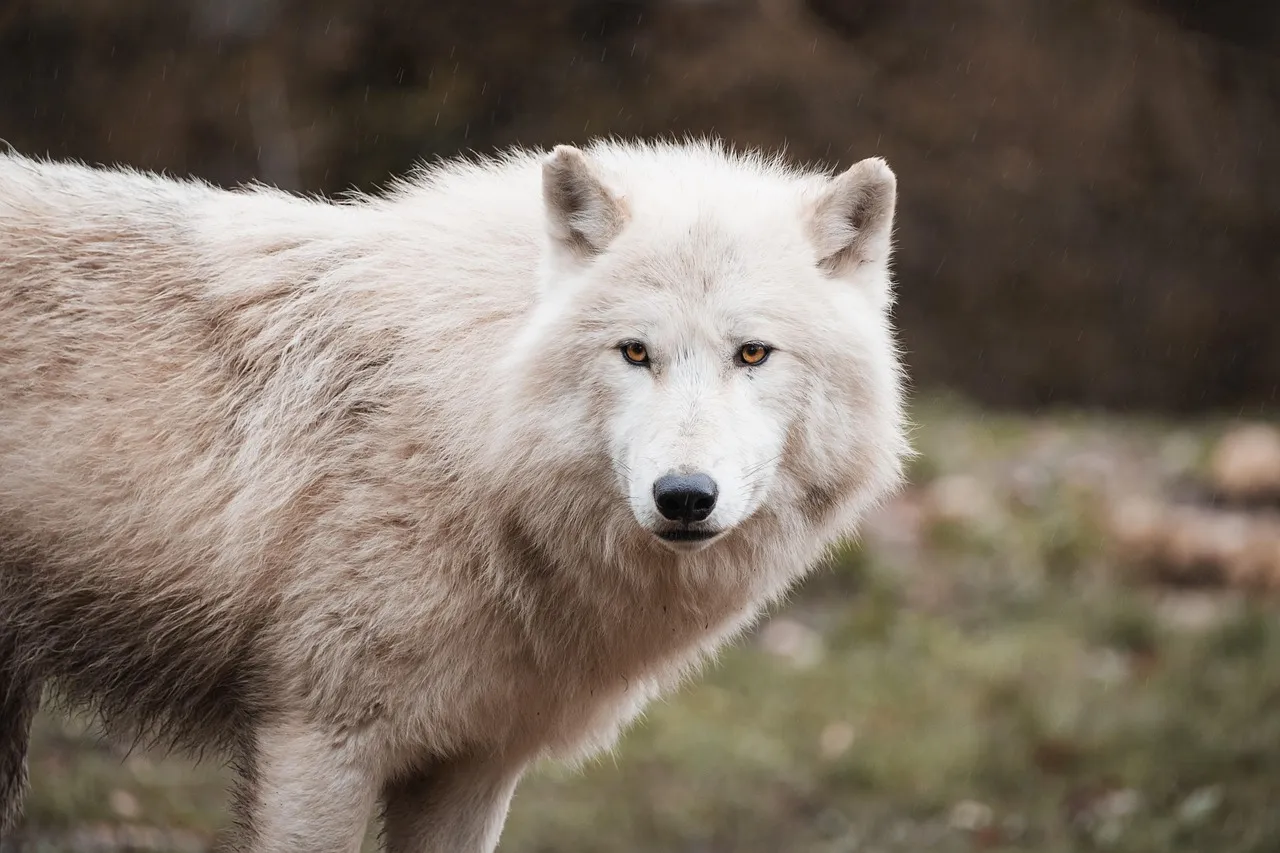
In Idaho, wolves are managed as a big game species. It’s illegal to harm or kill a wolf unless it’s in self-defense. If you encounter a wolf that behaves aggressively or shows no fear of humans, report it to the Idaho Department of Fish and Game. Your report can help wildlife officials monitor wolf behavior and take necessary actions to ensure public safety.
Remember, harming wildlife without cause can result in significant fines and legal consequences. Always prioritize non-lethal methods of deterrence and report any concerning behavior to the authorities.
Educating Yourself Before the Trip
Knowledge is your best defense. Before heading into wolf country, familiarize yourself with local wildlife guidelines. Attend informational sessions or workshops offered by local wildlife agencies. Understanding wolf behavior and safety protocols can empower you to handle encounters effectively.
Equip yourself with tools like bear spray, which can be effective against aggressive animals, including wolves. Ensure you know how to use it properly and keep it accessible at all times during your camping trip.
Conclusion
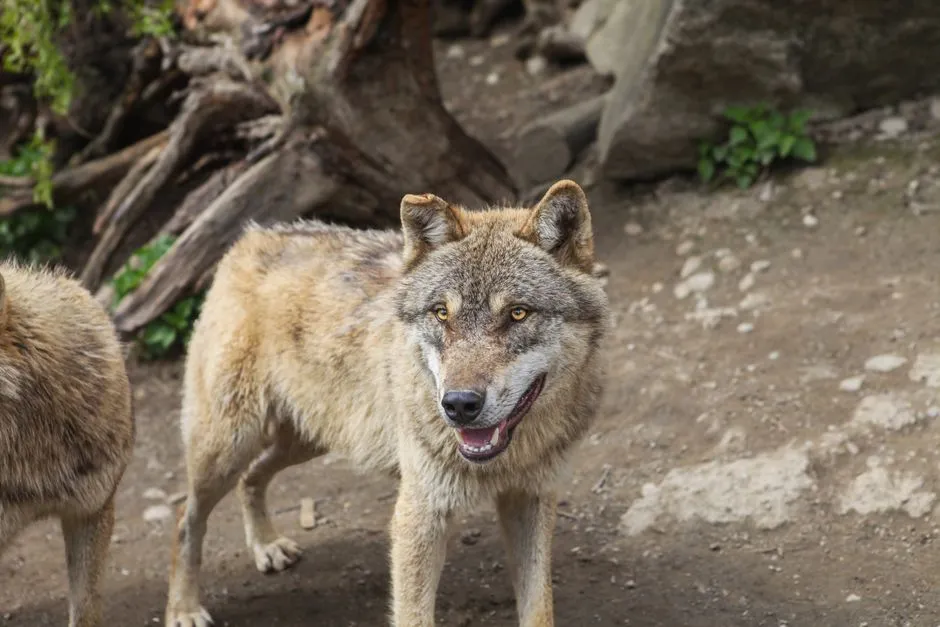
Encountering a wolf in Idaho’s wilderness is a rare and awe-inspiring event. By taking proactive measures to prevent encounters and knowing how to respond if one occurs, you can ensure a safe and respectful experience for both you and the wildlife. Remember, the wilderness is their home; we are merely visitors. How will you prepare for your next adventure?
