


Encountering a bear in the wild can be a terrifying experience, but knowing how to react can make all the difference in ensuring your safety. Join us as we go through 10 steps in what to do if you should come across a bear…
1. Stay Calm and Assess the Situation

🔥 Would you like to save this?
We'll email this post to you, so you can come back to it later!
2. Identify Yourself as a Human

🔥 Would you like to save this?
We'll email this post to you, so you can come back to it later!
3. Do Not Run

🔥 Would you like to save this?
We'll email this post to you, so you can come back to it later!
4. Use Bear Spray

🔥 Would you like to save this?
We'll email this post to you, so you can come back to it later!
5. Play Dead if a Grizzly Bear Attacks

🔥 Would you like to save this?
We'll email this post to you, so you can come back to it later!
6. Fight Back if a Black Bear Attacks

🔥 Would you like to save this?
We'll email this post to you, so you can come back to it later!

Image via Depositphotos
🔥 Would you like to save this?
We'll email this post to you, so you can come back to it later!
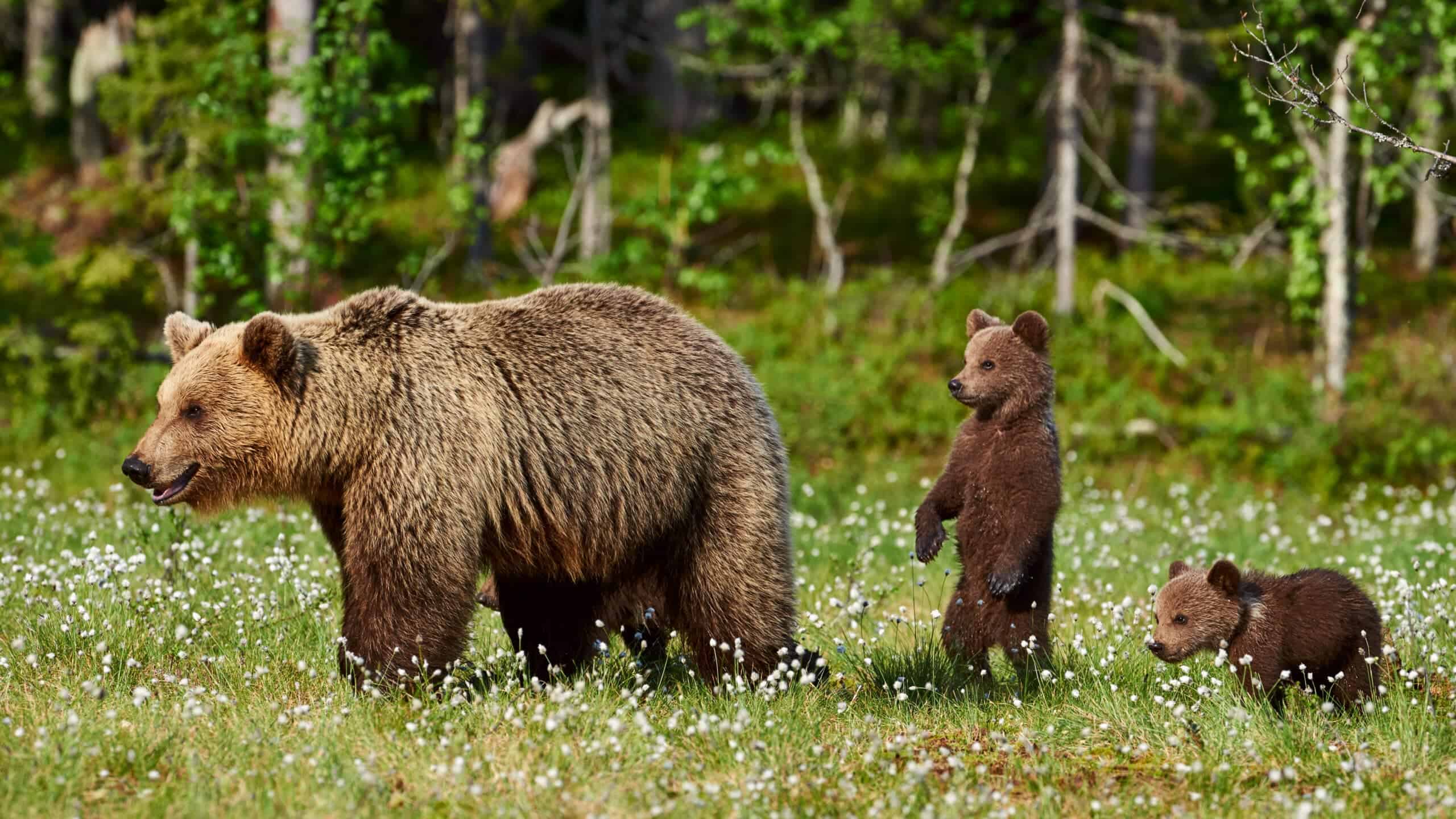
7. Protect Your Food
🔥 Would you like to save this?
We'll email this post to you, so you can come back to it later!
8. Travel in Groups

🔥 Would you like to save this?
We'll email this post to you, so you can come back to it later!
9. Avoid Bear Habitats

🔥 Would you like to save this?
We'll email this post to you, so you can come back to it later!
10. Report Bear Encounters

🔥 Would you like to save this?
We'll email this post to you, so you can come back to it later!
Brown Bear Physical Characteristics: Questions & Answers

🔥 Would you like to save this?
We'll email this post to you, so you can come back to it later!
What is the average size of a brown bear?

🔥 Would you like to save this?
We'll email this post to you, so you can come back to it later!
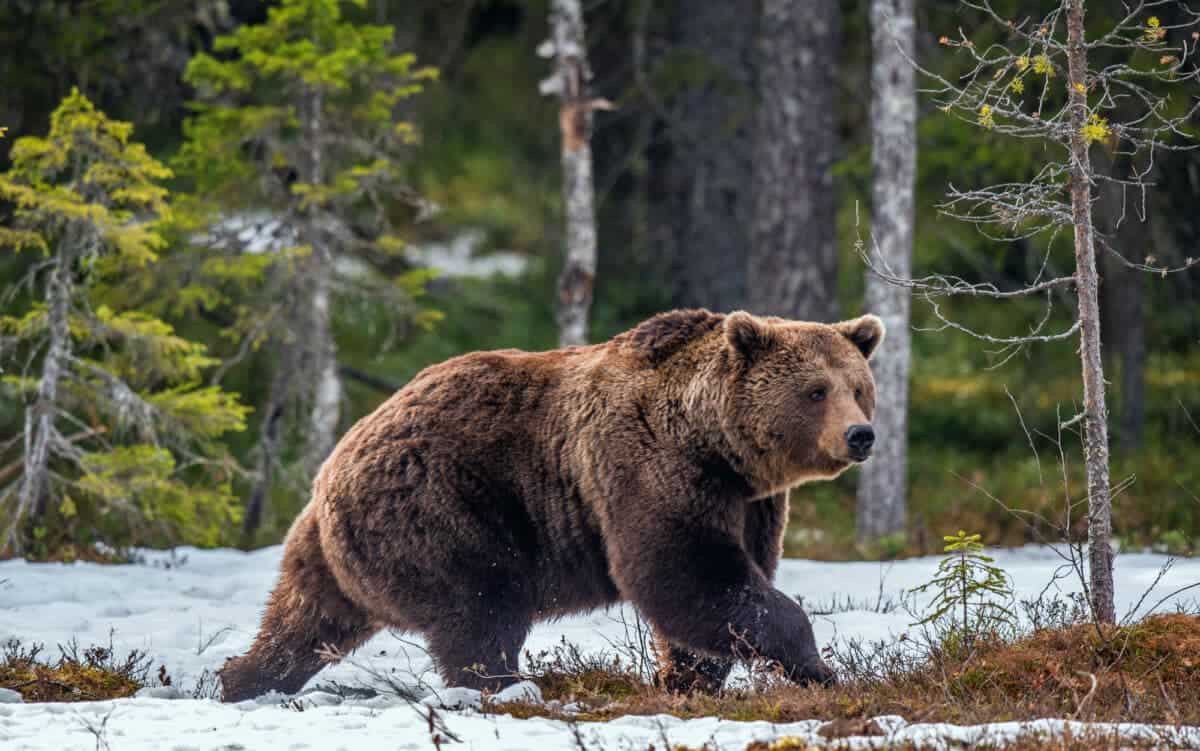
Adult brown bears weigh between 300 and 860 pounds, with some individuals reaching up to 1,500 pounds. They stand about 3 to 5 feet tall at the shoulder and can be over 9 feet tall when standing on their hind legs.
How long do brown bears live?

Image by Chris Weber with MidJourney
🔥 Would you like to save this?
We'll email this post to you, so you can come back to it later!
Brown bears usually live for about 20 to 30 years in the wild.
What color is a brown bear’s fur?

🔥 Would you like to save this?
We'll email this post to you, so you can come back to it later!
Brown bear fur can have different fur colors. They range from light tan or cream to dark brown or almost black. The fur is often lighter on their back and shoulders.
How powerful are a brown bear’s claws?

🔥 Would you like to save this?
We'll email this post to you, so you can come back to it later!
Brown bear claws are strong and can grow up to 4 inches long.
How fast can a brown bear run?
🔥 Would you like to save this?
We'll email this post to you, so you can come back to it later!
Brown bears are surprisingly fast and can run at speeds of up to 35 miles per hour.
What is the diet of a brown bear?

🔥 Would you like to save this?
We'll email this post to you, so you can come back to it later!
Brown bears are omnivores. They have a diet of foods such as berries, roots, insects, fish, small mammals, and occasionally larger animals like deer.
How do brown bears communicate?

🔥 Would you like to save this?
We'll email this post to you, so you can come back to it later!
Brown bears communicate through vocalizations like growls, roars, and grunts, as well as through body language and scent marking.
What kind of habitats do brown bears prefer?

🔥 Would you like to save this?
We'll email this post to you, so you can come back to it later!
Brown bears are highly adaptable. They can be found in forests, mountains, tundra, and coastal areas. They need large territories with ample food sources.
How do brown bears prepare for hibernation?

🔥 Would you like to save this?
We'll email this post to you, so you can come back to it later!
Before hibernation, brown bears enter a period of hyperphagia, where they consume large amounts of food to build up fat reserves. They then retreat to dens, which can be caves, hollow trees, or dug-out burrows.
Are brown bears solitary animals?

🔥 Would you like to save this?
We'll email this post to you, so you can come back to it later!
Yes, brown bears are generally solitary except for females with cubs or during the mating season.
Bottom Line
🔥 Would you like to save this?
We'll email this post to you, so you can come back to it later!
Overall, understanding how to respond during a bear encounter is important for making sure you are safe in bear country. Staying calm, using bear spray, and knowing when to fight back or play dead can save lives. By respecting these powerful animals and their habitats, we can coexist safely and minimize the risks of bear attacks!
Thanks for reading along for more, check out our related article link below!
Next up:

For any feedback please message Feedback@animalsaroundtheglobe.com
- Venomous Spiders Found in America - November 5, 2026
- Top 10 Best Spots for Whale Watching in the US - November 4, 2026
- Alaskan Malamute Vs. Bearded Collie - November 2, 2026