

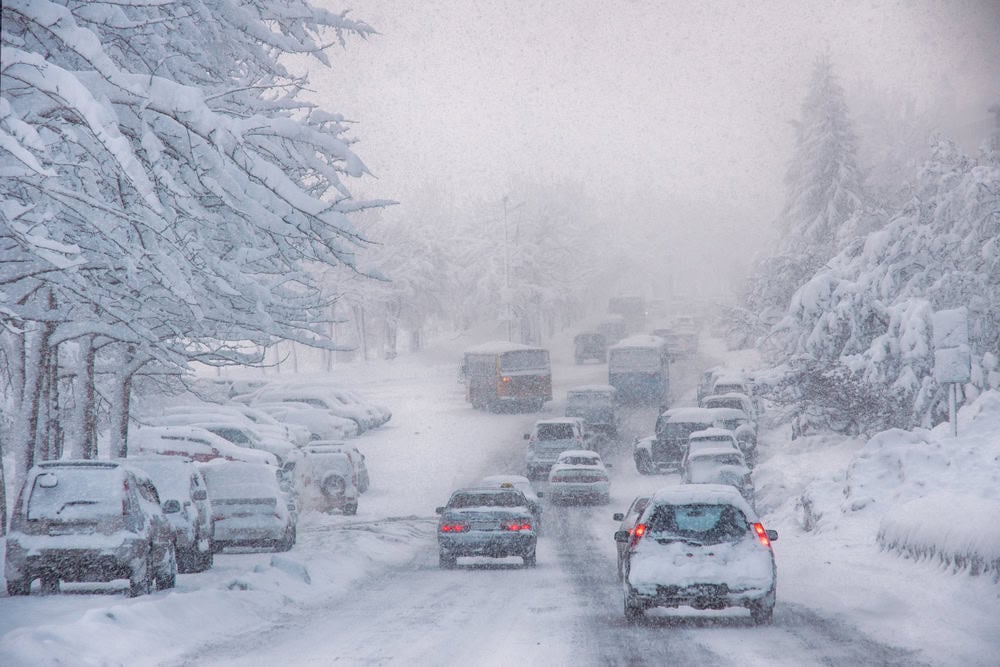
The 2024-25 winter season is shaping up to bring a range of weather patterns across the United States. According to various forecasts, the nation will experience warmer and drier conditions in some regions, while others will see colder and wetter weather. So, let’s explore what these forecasts tell us about the upcoming winter!
Warmer Winters for the South

Forecasters predict that the southern U.S. will have warmer-than-average temperatures this winter. This is partly due to the influence of El Niño, which tends to bring warmer conditions to the region. So, residents in the South can expect milder weather than in recent years!
Drier Conditions in Southern States

Along with warmer temperatures, the southern U.S. is also expected to see less precipitation. Specifically, drier conditions are common during El Niño winters, especially in states like Texas, Louisiana, and Florida. Unfortunately, this could lead to concerns about drought in some areas.
Colder and Wetter in the North
In contrast, the northern U.S. is predicted to experience colder and wetter weather. For example, regions like the Midwest and Northeast should brace for more snow and chilly conditions. Additionally, this shift in the north is also influenced by El Niño’s effects on jet streams.
Heavy Snowfall in Some Regions

Certain areas in the northern U.S. could see above-average snowfall this winter. Particularly, the Pacific Northwest and the Great Lakes region are likely to get hit the hardest. Consequently, residents in these regions should prepare for potential disruptions caused by winter storms.
Stormier Weather on the West Coast
The West Coast, especially California, might face increased storm activity this winter. This is because the interaction between El Niño and Pacific storm systems could bring more rain and wind to coastal areas. While this could help alleviate some drought concerns, it might also lead to flooding.
Impacts on Agriculture
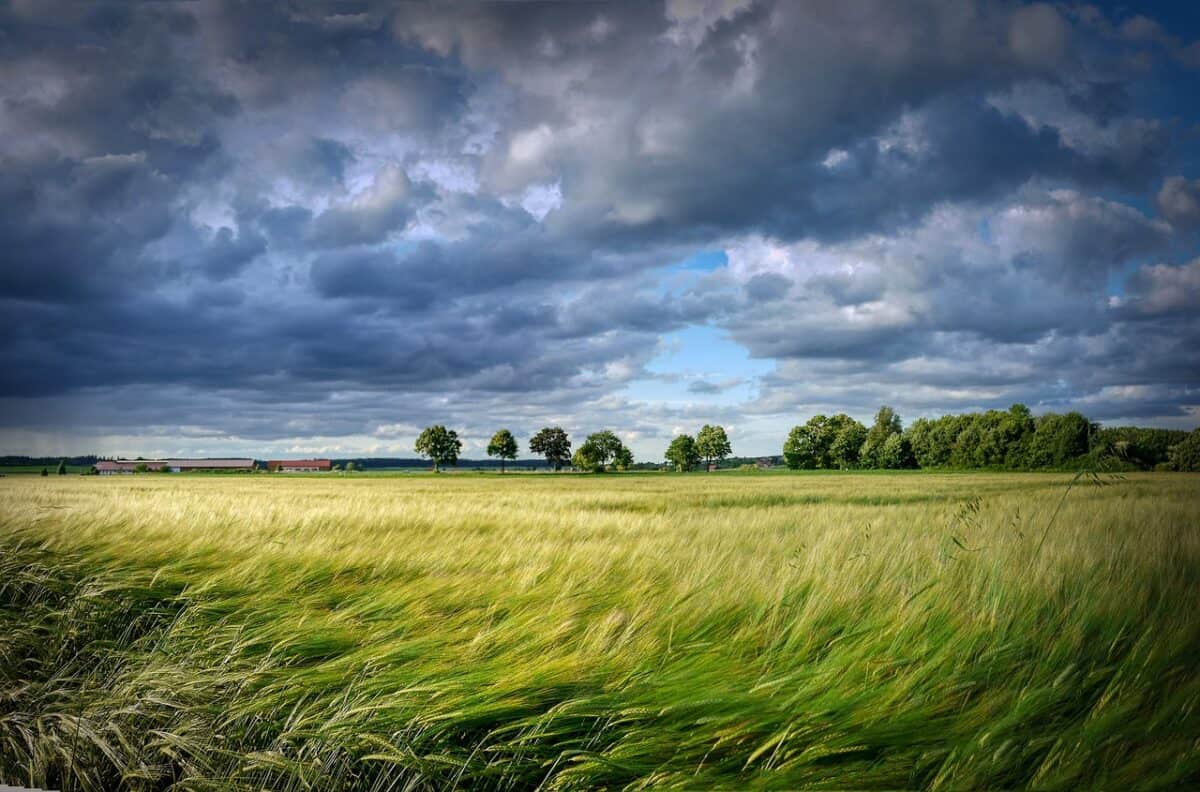
Winter weather will significantly impact agricultural regions across the country. Specifically, warmer, drier conditions in the South could stress crops and reduce yields. On the other hand, wetter conditions in the North may delay planting and harvests in the spring. It can be hard to find a good balance in nature when it comes to agriculture.
Effects on Energy Usage
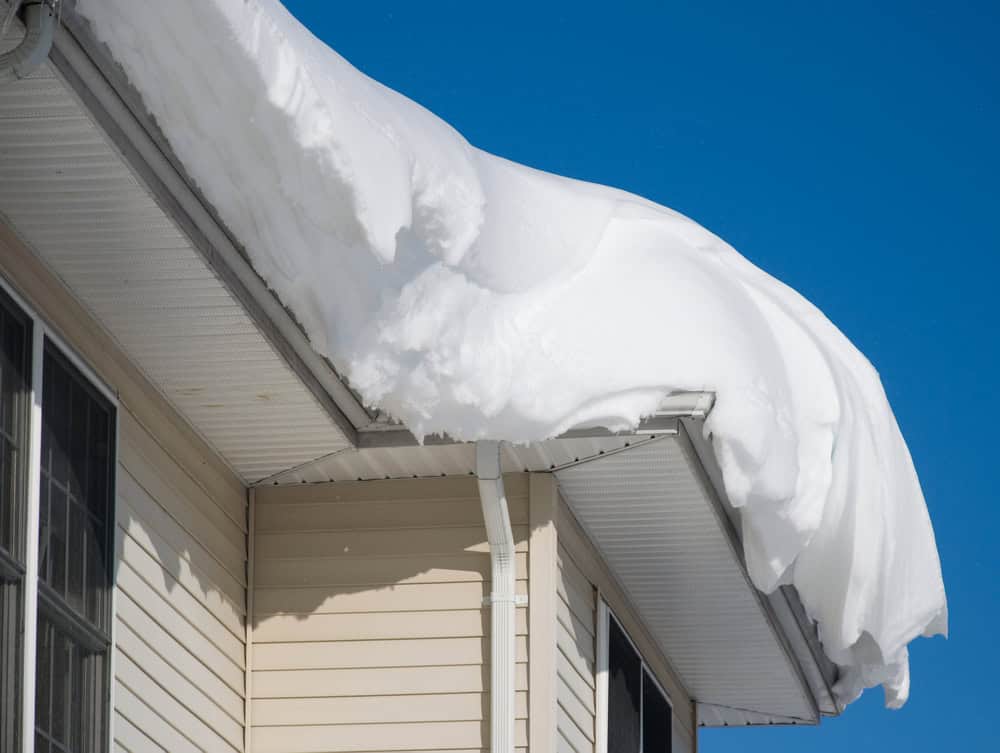
Energy demand will fluctuate across the U.S. due to the diverse winter conditions. So, southern regions may see reduced heating needs, while the North will likely experience a surge in energy use. In the coming months, homeowners and businesses should plan accordingly for these regional differences.
Transportation Disruptions
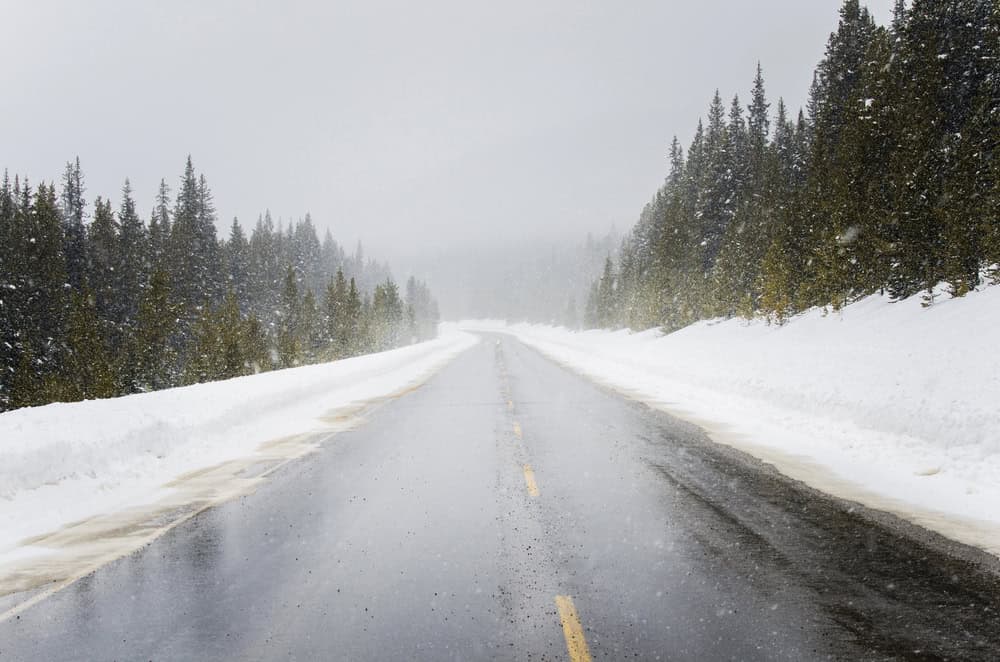
Winter storms could cause significant transportation challenges, particularly in the northern states. For example, snow and ice may lead to delays in air travel and hazardous driving conditions, especially in the holiday season. If you plan on traveling this winter, it’s important to stay updated on weather forecasts throughout the season!
El Niño’s Role in Winter 2024-25

The presence of a strong El Niño is the key driver behind this year’s winter weather patterns. As we covered, El Niño typically causes warmer and drier conditions in the South, while shifting the jet stream to bring colder, wetter weather to the North. These patterns are expected to shape the entire season, so this will surely be an El Niño characterized winter.
How Climate Change May Influence This Winter

Climate change is another factor that could influence the upcoming winter. In particular, warmer ocean temperatures and shifting climate patterns may amplify the effects of El Niño. Additionally, while it’s hard to predict specific impacts, long-term trends suggest more extreme weather events in the future.
Preparing for Winter Weather
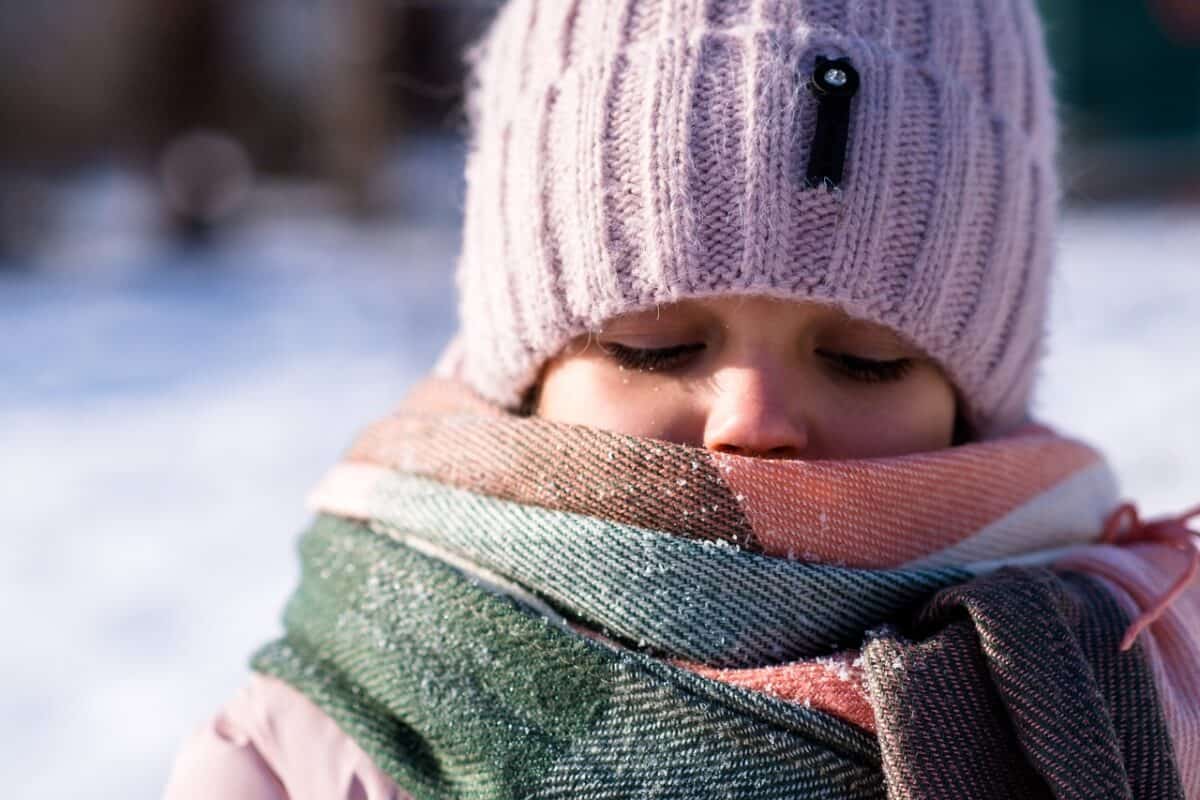
Whether you’re in the South or North, it’s important to prepare for the coming winter. Southern residents should be ready for dry spells and possible droughts, while northern regions should gear up for snowstorms and colder temperatures. Either way, stocking up on the appropriate amount of essentials and staying informed is key!
Conclusion: A Diverse Winter Ahead

The 2024-25 winter season will bring a variety of weather conditions to different parts of the U.S. From warmer, drier weather in the South to colder, wetter conditions in the North, everyone should prepare for a unique winter. Staying informed will help you navigate the challenges that lie ahead. What weather are you hoping for this winter?

- Dinosaur Cowboy Discovers Dueling Dinosaurs In Montana - July 14, 2026
- The Perfect Dog Breeds For People Who Love To Stay Home - July 13, 2026
- Why Your Dog Might Be Staring At You - July 7, 2026