

In the vast landscapes of Africa and Asia, elephant herds move with deliberate purpose, their complex social structures offering profound insights into family dynamics, cooperation, and emotional intelligence. These magnificent creatures, with their remarkable memories and deep familial bonds, have much to teach us about community, leadership, and resilience. Elephant societies, primarily matriarchal and multi-generational, showcase sophisticated communication systems and collaborative problem-solving that parallel and sometimes surpass human social structures. By examining elephant family dynamics, we can gain valuable perspectives on nurturing relationships, collective decision-making, and intergenerational knowledge transfer that remain relevant to our own societies.
The Matriarchal Foundation of Elephant Society
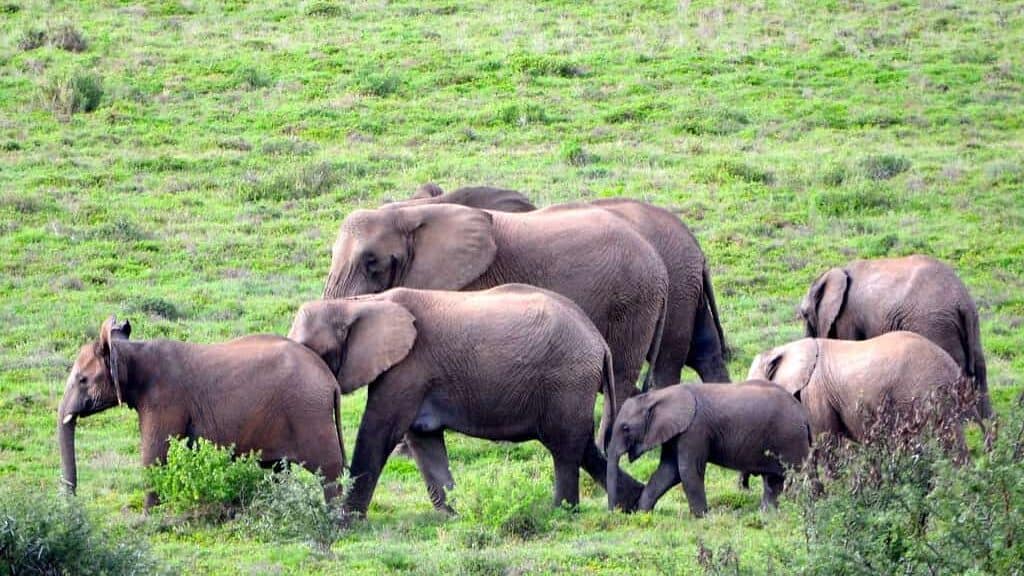
At the heart of elephant society lies a strong matriarchal structure where female leadership prevails. Herds are typically led by the oldest and most experienced female, known as the matriarch. This wise elder carries decades of environmental knowledge, migration routes, water sources, and danger awareness. Research from the Amboseli Elephant Research Project in Kenya has demonstrated that herds with older matriarchs (60+ years) navigate drought conditions more successfully than those with younger leaders, resulting in higher calf survival rates. The matriarch’s decision-making authority isn’t based on dominance or aggression but on wisdom and experience – a leadership model emphasizing knowledge, care, and foresight rather than strength alone. This offers human societies an alternative perspective on effective leadership that values accumulated wisdom and prioritizes the collective welfare of the group.
Multi-generational Living and Knowledge Transfer
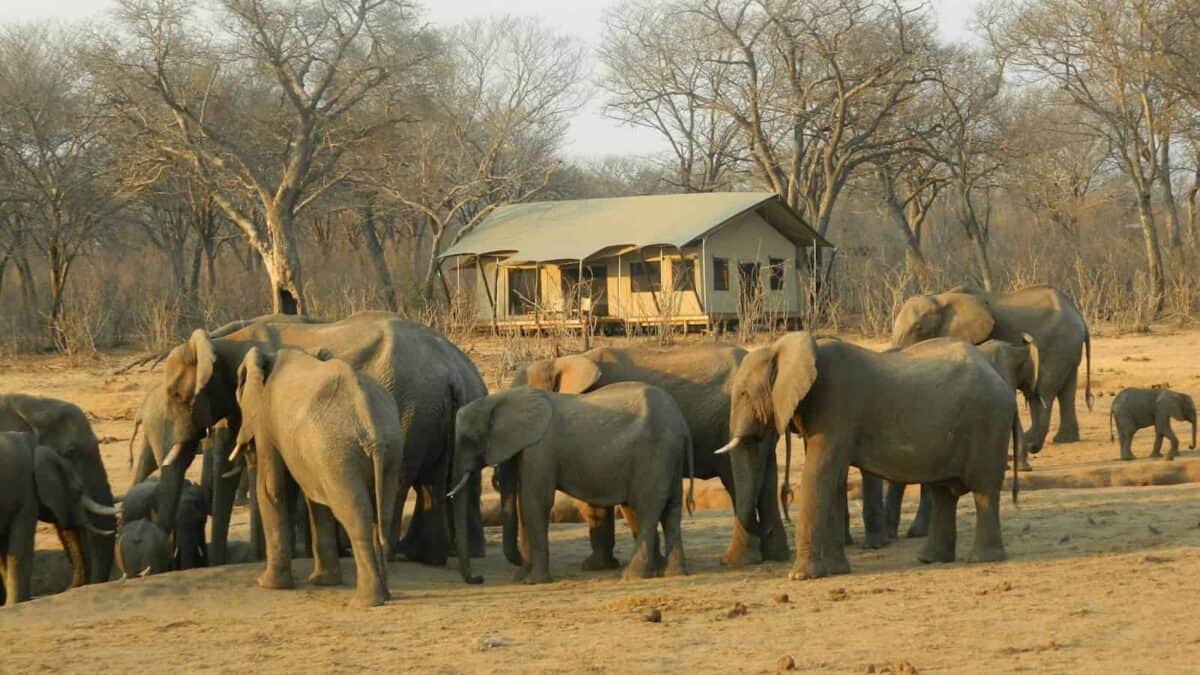
Elephants live in multi-generational family units where knowledge passes seamlessly from elders to youth. A typical herd consists of the matriarch, her daughters, and their offspring, sometimes spanning four generations within a single group. This structure facilitates remarkable knowledge transfer across generations. Older elephants teach younger ones essential survival skills: finding seasonal water sources during droughts, identifying nutritious plants, using tools, and recognizing dangers. Studies by Dr. Joyce Poole have documented specific instances where matriarchs lead their herds to water sources not used for decades, relying solely on memories from their youth. This intergenerational knowledge transmission system has allowed elephant societies to preserve critical survival information across centuries – a powerful reminder of the value of maintaining connections between our oldest and youngest community members in human society, particularly as globalization and technology rapidly transform traditional knowledge systems.
Collaborative Parenting and “Alloparenting”
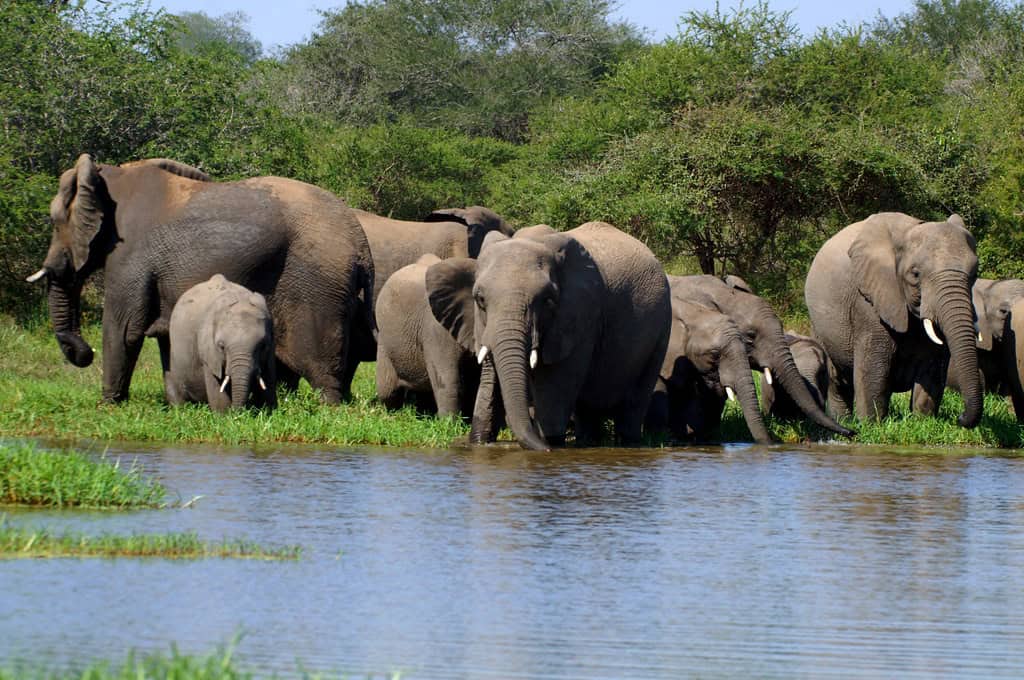
Elephant herds practice a form of collective parenting called “alloparenting,” where the raising of calves becomes a shared responsibility across the herd. Young female elephants, or “allomothers,” assist mothers by babysitting, protecting, and sometimes even nursing calves that aren’t their own. This cooperative child-rearing system provides multiple benefits: it allows biological mothers to forage more efficiently, creates learning opportunities for young females who will eventually become mothers themselves, and ensures calves receive constant protection from multiple guardians. Research in Amboseli National Park has shown that calves raised with allomothers have significantly higher survival rates than those without such support. This collaborative approach to parenting illustrates how interdependence, rather than strict independence, can create more resilient family systems – a perspective increasingly relevant in modern human societies where nuclear family structures often struggle without broader community support.
Emotional Intelligence and Empathy
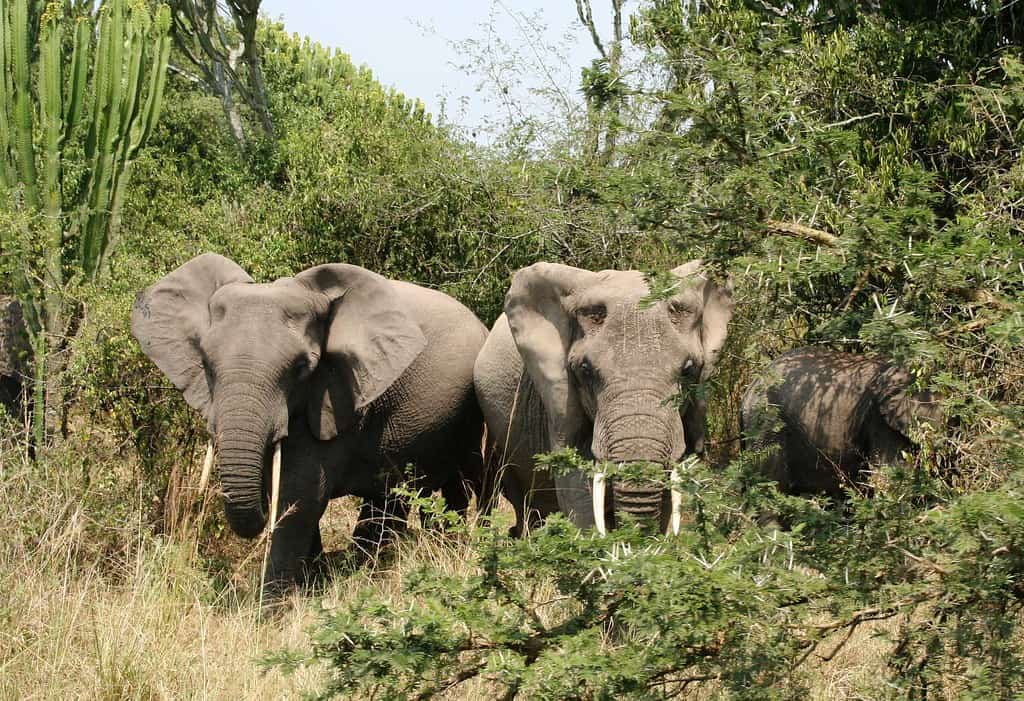
Elephants display remarkable emotional intelligence and empathy that rivals and sometimes exceeds human capabilities. They recognize themselves in mirrors (a rare ability among animals), suggesting self-awareness. More impressively, elephants regularly demonstrate concern for injured or distressed herd members, attempting to lift fallen companions, standing guard over sick individuals, and even returning to the remains of deceased family members years later. Dr. Karen McComb’s research has documented elephants showing particular interest in elephant bones compared to other animal remains, suggesting a special awareness of their own kind. These behaviors indicate a profound capacity for empathy – the ability to understand and share the feelings of others. In human contexts, emotional intelligence is increasingly recognized as crucial for healthy relationships, effective leadership, and mental wellbeing. The elephant’s natural emphasis on emotional awareness offers a powerful reminder that empathy isn’t merely a luxury but a fundamental survival adaptation for highly social species.
Communication Networks and Social Cohesion
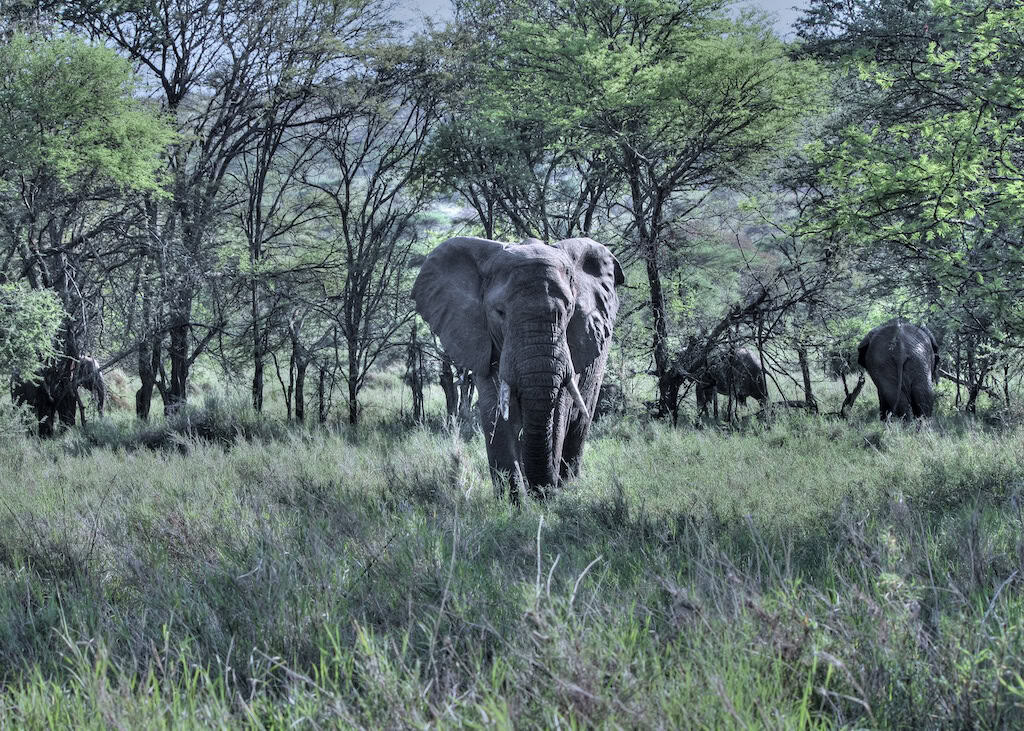
Elephants maintain sophisticated communication systems that facilitate social cohesion across vast distances. They communicate through multiple channels: low-frequency rumbles that can travel up to 6 miles underground, visual signals, tactile interactions, and complex vocalizations with dialect variations between herds. Cornell University’s Elephant Listening Project has identified over 70 distinct vocalizations, each with specific meanings – from danger warnings to mating calls, reunion celebrations, and coordination signals during group movement. Perhaps most remarkable is their ability to recognize and respond to the calls of specific individuals – even family members they haven’t encountered for years. Research has documented elephants immediately responding to recorded calls of family members separated for over a decade, demonstrating extraordinary social memory. This communication infrastructure allows elephant societies to maintain cohesive relationships despite physical separation, creating flexible social networks that adapt to environmental changes while preserving core family connections – a balancing act increasingly relevant in our globally mobile human societies.
Male Development and Bachelor Groups

While females remain with their birth herds for life, male elephants experience a dramatically different developmental path that offers insights into how societies manage gender differences. Young males typically leave their birth herds around puberty (12-15 years), either voluntarily or through gentle encouragement from the matriarch. This period of transition leads them to form loose “bachelor herds” with other males or to wander semi-solitarily. These bachelor groups serve as crucial social learning environments where younger males observe and learn appropriate behaviors from older bulls. Dr. Cynthia Moss’s decades of observation in Amboseli have shown that young males who spend time with older bull mentors develop more stable social behaviors and are less likely to exhibit problematic aggression during musth (a periodic state of heightened testosterone and mating behavior). The elephant model demonstrates how societies can create separate but complementary roles for different genders while maintaining important social connections across these divisions – providing mentorship structures that guide developing individuals toward socially appropriate behavior.
Conflict Resolution and Social Harmony
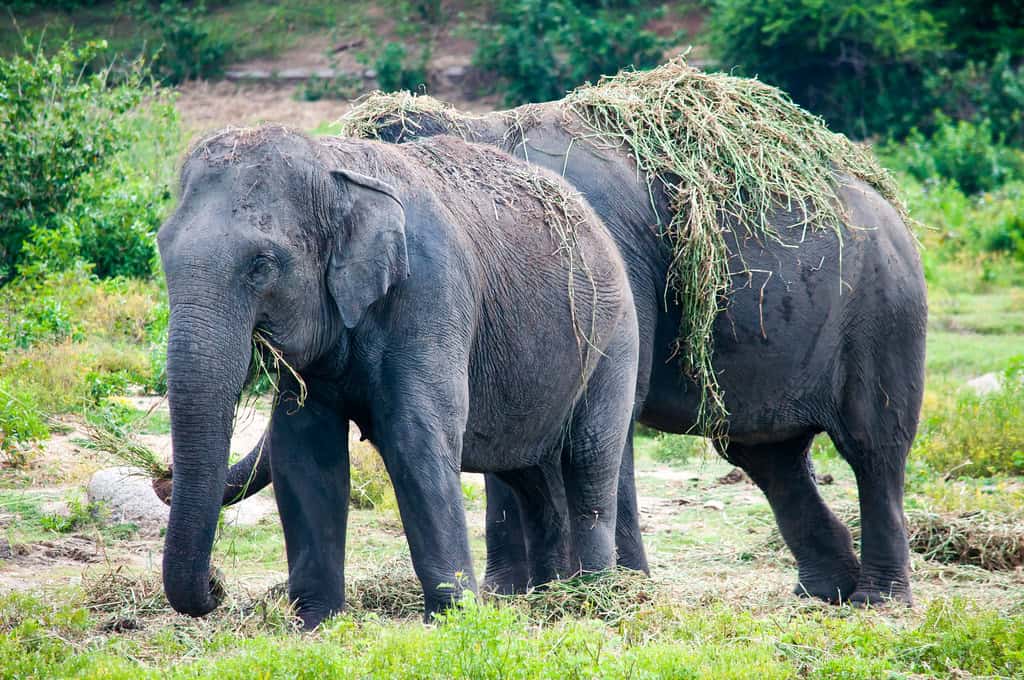
Despite their immense size and strength, elephants have developed sophisticated mechanisms for maintaining social harmony and resolving conflicts without destructive aggression. Researchers have documented elaborate greeting ceremonies when separated family members reunite, involving trunk intertwining, temporal gland secretions, synchronized rumbling, and physical contact that reinforces social bonds. When conflicts do arise – typically over resources or during mating periods – elephants employ a graduated response system, starting with warning displays that rarely escalate to physical confrontation. A study in Addo Elephant National Park documented that only 4% of confrontations between elephants resulted in physical contact, with most conflicts resolved through ritualized displays and vocalizations. This emphasis on non-violent conflict resolution has allowed elephant societies to maintain stable relationships across decades – a powerful counterexample to assumptions that dominance and aggression are inevitable in animal societies. Their approach offers valuable perspectives on how human societies might develop more effective non-violent conflict resolution systems.
Adaptability and Collective Decision-Making

Elephant herds demonstrate remarkable adaptability through collective decision-making processes that balance tradition with innovation. When facing environmental challenges like drought, habitat loss, or human encroachment, herds engage in what researchers call “distributed consensus” decision-making. Studies using GPS tracking collars have shown that while the matriarch initiates movement, the final direction emerges through a complex process where multiple adult females contribute through body positioning, vocalizations, and movement patterns. Iain Douglas-Hamilton’s research has documented cases where elephant herds split temporarily during resource scarcity, maintaining communication, and reuniting when conditions improve – a flexible adaptation to changing environments. This combination of respected leadership with distributed input allows elephant societies to draw on their collective intelligence while remaining adaptable to changing circumstances. As human organizations increasingly recognize the limitations of rigid hierarchical structures, the elephant model offers insights into balancing clear leadership with collective intelligence.
Grief, Loss, and Emotional Processing
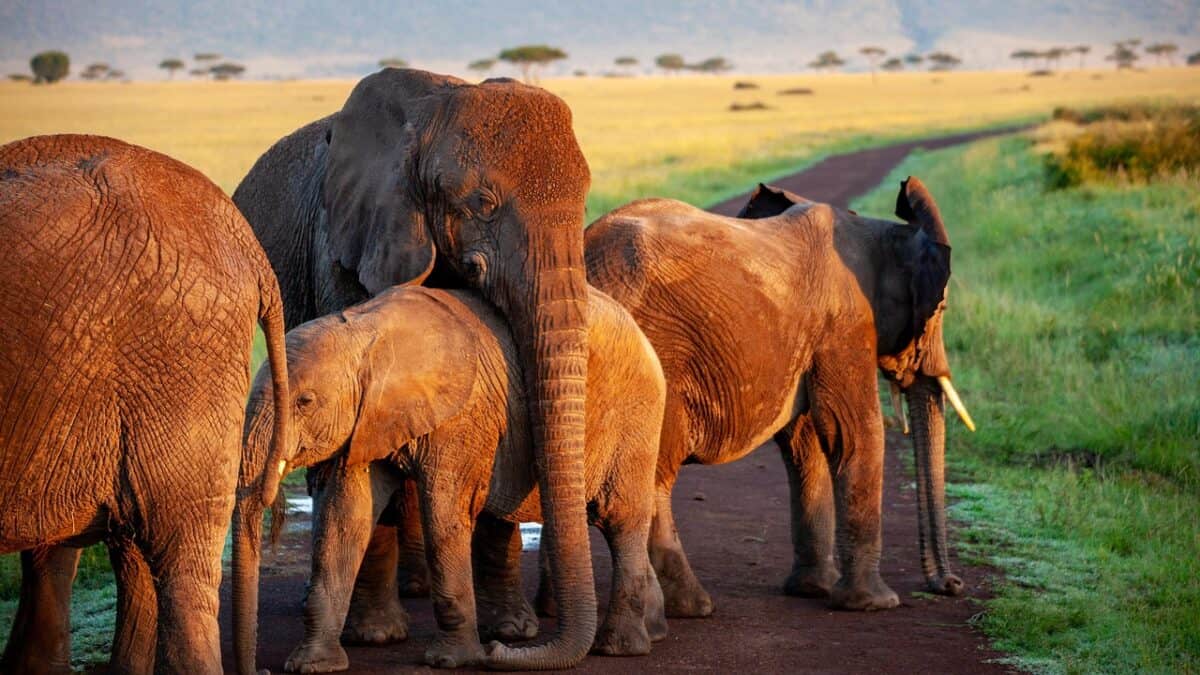
Perhaps one of the most profound aspects of elephant family dynamics is their response to death and loss, which reveals sophisticated emotional processing capabilities. Elephants show recognizable grief behaviors when family members die – standing vigil over deceased herd members, covering bodies with branches and soil, returning to the remains for years afterward, and showing heightened stress hormones and subdued behavior following deaths. In a well-documented case from Samburu National Reserve, an entire family stayed with a deceased matriarch for seven days, gently touching her body with their trunks before reluctantly moving on. Even more remarkably, elephants appear to recognize the specific bones of their family members among other elephant remains, showing particular interest in the skulls and tusks of those they knew. These behaviors suggest not just momentary emotional responses but longer-term processing of loss. As human societies often struggle with healthy grief expression, the elephant’s approach offers a reminder that acknowledging and processing loss collectively may serve important biological and social functions.
Cross-Species Cooperation and Awareness

Elephants display an unusual capacity for cross-species awareness and cooperation that extends beyond their own kind. Multiple documented cases show elephants assisting injured humans, protecting other species from predators, and even appearing to mourn human deaths in areas where they’ve had positive interactions with people. In Kenya’s Sheldrick Wildlife Trust, elephants previously rescued and returned to the wild have been observed bringing their injured wild-born calves to human caretakers for medical assistance – suggesting not only memory of positive human interaction but the ability to predict helpful behavior across species lines. Researchers have also documented elephants showing less aggression toward certain human ethnic groups that traditionally don’t hunt them compared to groups that have historically posed threats – indicating sophisticated discrimination abilities. This cross-species awareness highlights elephants’ exceptional cognitive flexibility and suggests that cooperation rather than mere competition can emerge as an evolutionary strategy. For human societies increasingly recognizing our ecological interdependence, the elephant’s model of cross-species awareness offers valuable perspectives.
Ecological Knowledge and Environmental Stewardship

Elephant family dynamics are intimately connected to sophisticated ecological knowledge that positions these creatures as ecosystem engineers and keystone species. Herds maintain detailed mental maps of resources across vast territories, often exceeding 500 square miles. They track seasonal water sources, remember fruiting schedules of various trees, and create pathways used by other species. Their feeding habits – consuming over 300 plant species but only partially digesting them – make them crucial seed dispersers, with a single elephant potentially dispersing over 3,000 seeds daily across miles of territory. Dr. Stephen Blake’s research in the Congo Basin has demonstrated that over 90% of certain tree species depend primarily on elephants for seed dispersal. By maintaining these ecological relationships, elephant families function as collective environmental stewards, actively shaping their habitats in ways that increase biodiversity. The sophisticated ecological knowledge preserved and transmitted through elephant family structures offers profound lessons about the potential for humans to develop more sustainable relationships with our environments through collective knowledge systems and intergenerational learning.
Resilience Through Social Bonds
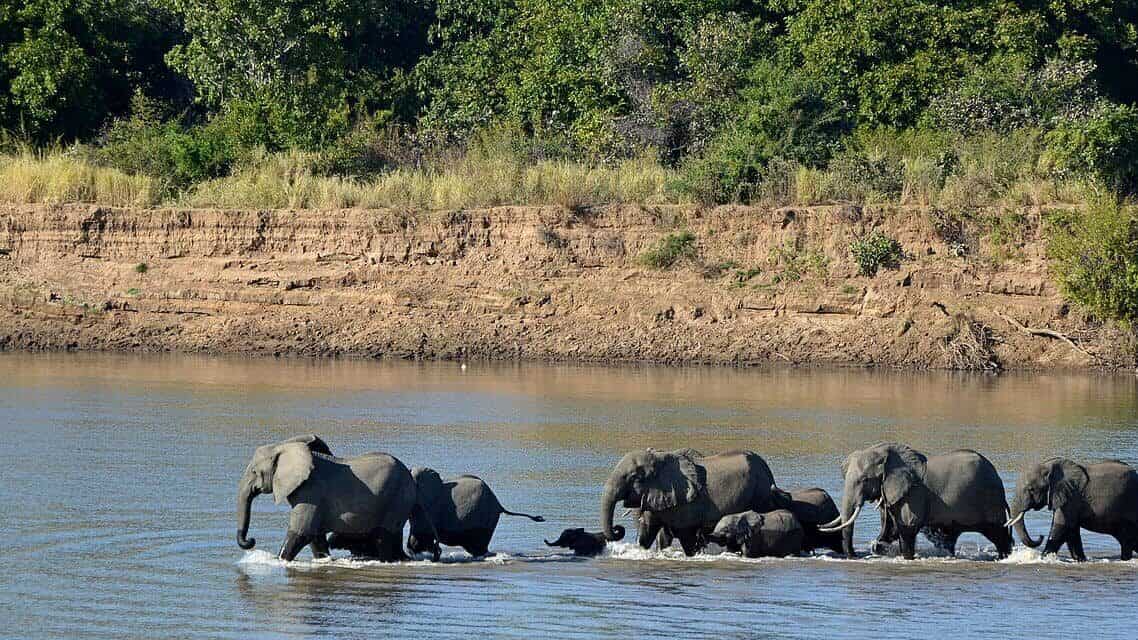
Perhaps the most remarkable aspect of elephant family dynamics is their extraordinary resilience in the face of severe challenges – from habitat loss and climate change to poaching and human conflict. This resilience stems directly from their social structures. Studies of elephant populations that have experienced traumatic events like poaching waves or culling operations show that survivors form new family units, adopt orphans, and adapt their behaviors while maintaining core social principles. Research in areas heavily impacted by poaching, like Mozambique’s Gorongosa National Park, shows that despite the loss of most mature adults during civil war, younger females established new matriarchal structures, adopted non-related orphans, and reconstructed social knowledge. This adaptability doesn’t come without cost – researchers have documented PTSD-like symptoms in elephants that have witnessed herd members being killed – but their fundamental commitment to maintaining social bonds allows elephant societies to recover and persist. This resilience through social cohesion offers powerful lessons for human communities facing disruption, suggesting that investing in social connections creates adaptive capacity that helps weather even the most severe challenges.
Applying Elephant Wisdom to Human Societies
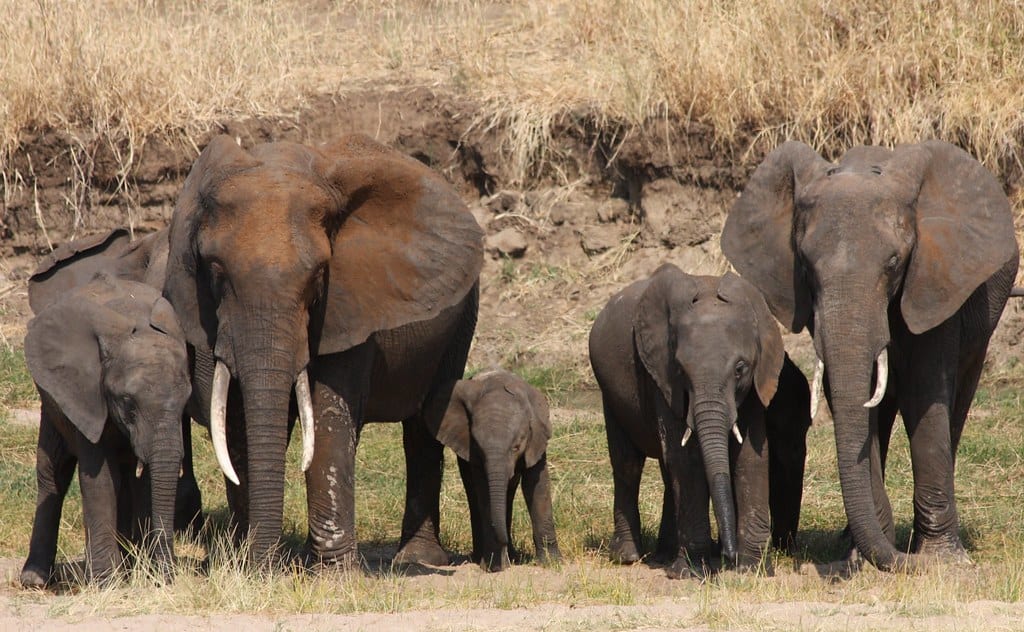
The sophisticated family dynamics of elephants offer more than just fascinating biological insights – they provide valuable perspectives that can inform human social structures. Their matriarchal leadership model demonstrates how wisdom-centered authority can effectively guide communities through challenges, challenging our often male-dominated leadership paradigms. Their collaborative parenting systems illustrate alternatives to isolated nuclear family units, showing how broader community involvement in child-rearing benefits both parents and children. The gentle mentorship of young males by elder bulls offers frameworks for guiding male development in human contexts. Perhaps most importantly, elephant societies demonstrate that cooperation, emotional intelligence, and knowledge-sharing can be more evolutionarily successful than competition and dominance – a profound reminder that our human capacities for empathy and collaboration may be our most valuable adaptations. As we face unprecedented global challenges requiring collective action, the elephant’s ancient wisdom about sustainable social structures offers timely lessons about resilience through connection. By studying these magnificent creatures not merely as biological curiosities but as fellow travelers with millions of years of social evolution, we gain fresh perspectives on human possibilities for creating more sustainable, empathetic, and resilient communities.

- Why You Shouldn’t Chase Butterflies With Nets - July 22, 2026
- The Animal Kingdom’s Best Dads Ranked - July 22, 2026
- The Most Vulnerable Fish Species in U.S. Rivers Today - July 22, 2026