
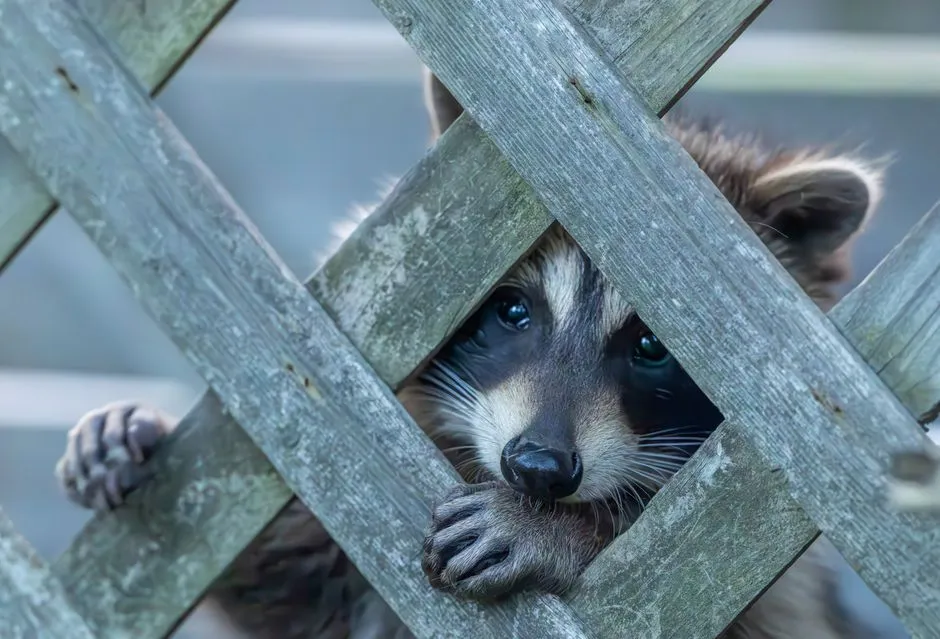
You probably think the deer that stopped showing up, or the raccoon that suddenly avoids your porch, made a random call. It didn’t. Wildlife biologists and rehabbers say almost every wild animal that crosses your property line runs a quiet, methodical background check first – one you’re passing or failing without ever knowing the test existed.
Every clipped hedge, motion light, and midnight bark from your dog is a data point in that check. Animals read your yard the way a burglar reads a house, deciding in seconds whether it’s worth the risk. Here are the 17 quiet signals they’re actually watching for – and the small, invisible verdicts they’re rendering about you every single day.
#1 – The Safe-Entry Test: Why They Hug Your Fence Line First
🔥 Would you like to save this?
We'll email this post to you, so you can come back to it later!
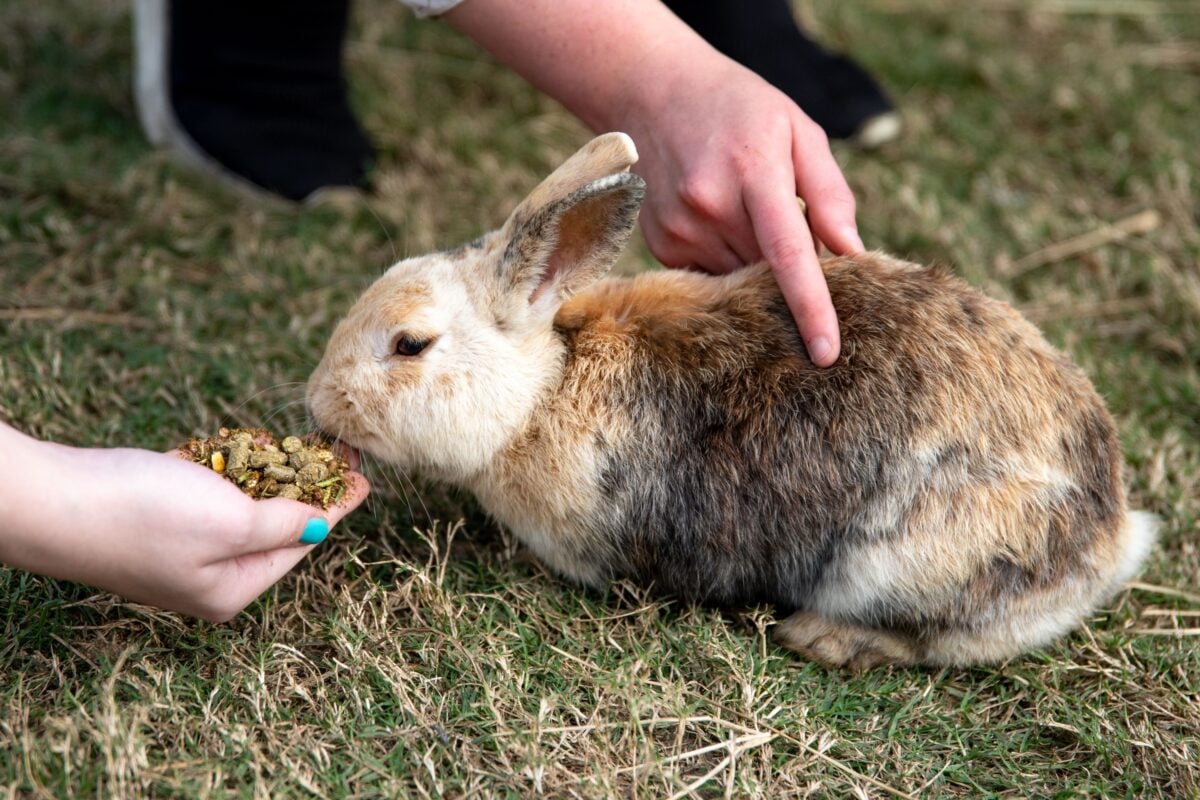
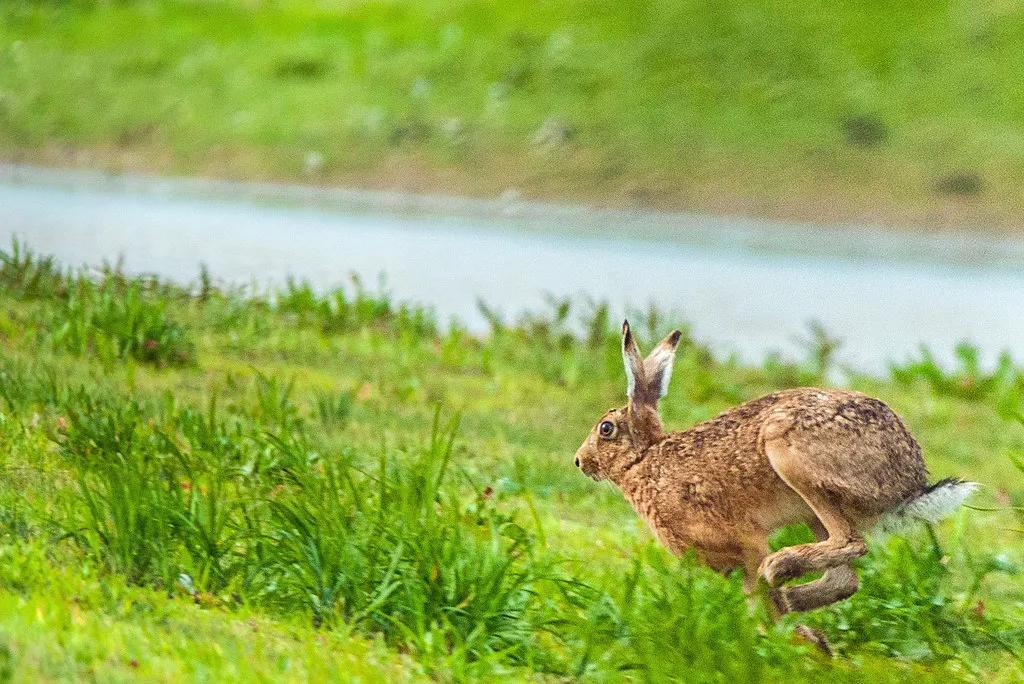
Wild animals don’t stroll into open space like cartoon characters. Raccoons, foxes, rabbits, even deer will hug fences, shrubs, and shadows before committing to your yard at all. To them, wide-open lawn means zero cover and an easy target, so a lot get one look at your putting-green front yard and simply keep walking.
You’ll see the proof in the paths that quietly form over time: a faint track along the same hedgerow, a narrow dirt line by the fence post, disturbed leaves under one low branch. That’s their version of a yes vote. If you start noticing more of that edge traffic, it means your perimeter just passed inspection.
#2 – Night Light Red Flags: When “Safety Lighting” Backfires
🔥 Would you like to save this?
We'll email this post to you, so you can come back to it later!
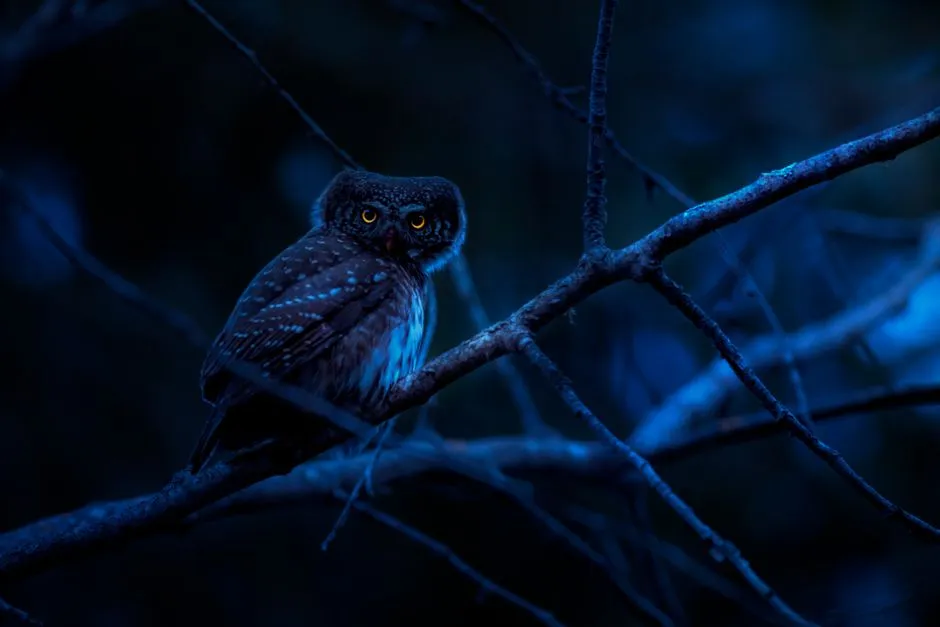
Most homeowners assume more light equals more safety. For a surprising number of wild animals, a floodlit yard reads as “not worth the risk.” Biologists call these glowing zones light barriers, and foxes, opossums, and owls will often reroute around them entirely rather than test their luck.
Watch how often your motion light fires with nothing visible afterward. That’s frequently a nervous animal testing the edge of the light, then bailing the second it clicks on. Raccoons are the exception – they’ll actually clock your light’s timing and slip through in the dark gaps between triggers, treating your own security system like a puzzle to solve.
Fast Facts
- Foxes, opossums, and owls are primarily active at night, so bright floodlighting cuts directly into their natural window of activity.
- A motion light that fires repeatedly with nothing visible afterward often means a cautious animal is testing the edge of the beam.
- Raccoons are known for learning routines quickly, including the on-off timing of security lights.
- Owls hunt using low-light vision, so a heavily lit yard can remove their key hunting advantage.
#3 – Noise Patterns: It’s Not the Volume, It’s the Rhythm
🔥 Would you like to save this?
We'll email this post to you, so you can come back to it later!
Animals don’t grade your yard on decibels. They grade it on predictability. A steady hum of distant traffic or a train that passes every evening becomes background noise they simply plan around. Random fireworks, sudden power tools, and unpredictable barking get filed under one label: chaos, which reads as unsafe territory.
You’ll spot this in the timing of your visitors. If rabbits, deer, or feral cats only ever appear in one tight window, say 3 to 4 a.m., they’ve found the quiet gap between your noise spikes. If that window suddenly shifts later or disappears completely after a loud stretch, congratulations – your yard just got downgraded on their internal map.
#4 – The Chemical Smell Check They Do Before They Ever See You
🔥 Would you like to save this?
We'll email this post to you, so you can come back to it later!
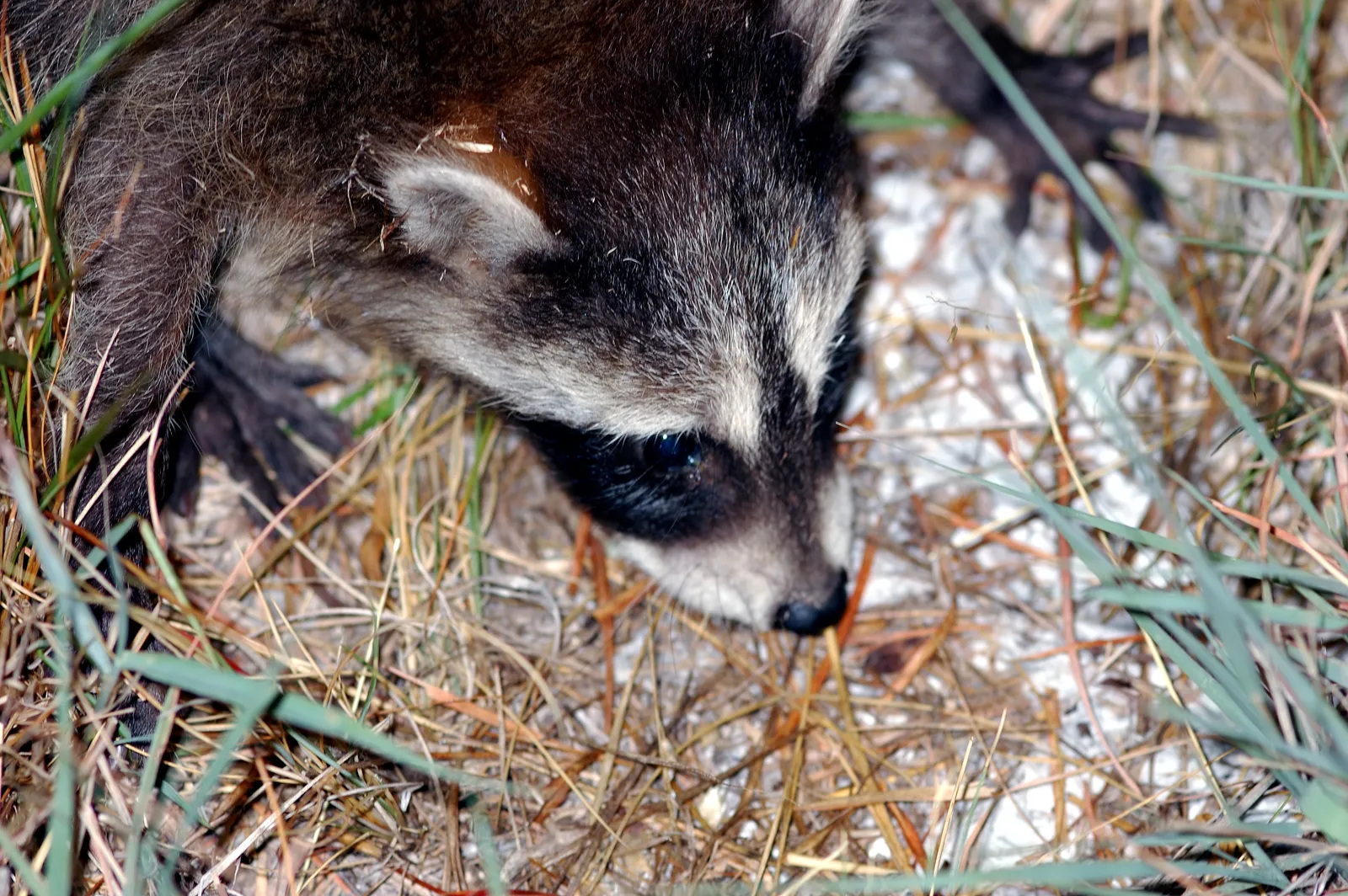
Long before an animal sees your yard, many of them smell it from the property line. Fresh fertilizer, herbicide, laundry-vent detergent, and heavily scented mulch all function as warning flags, and small mammals and amphibians are especially sensitive to them. A sharp chemical smell tells them the food might be tainted and the water might not be safe.
The signal shows up as a hard border. Tracks stop abruptly at the edge of a treated lawn or the gravel strip you spray for weeds, then pick back up on your neighbor’s side. Sometimes one bold species, usually raccoons, keeps cutting through anyway while everything else quietly reroutes around you.
#5 – Water: The Hidden Deal-Breaker Nobody Notices
🔥 Would you like to save this?
We'll email this post to you, so you can come back to it later!
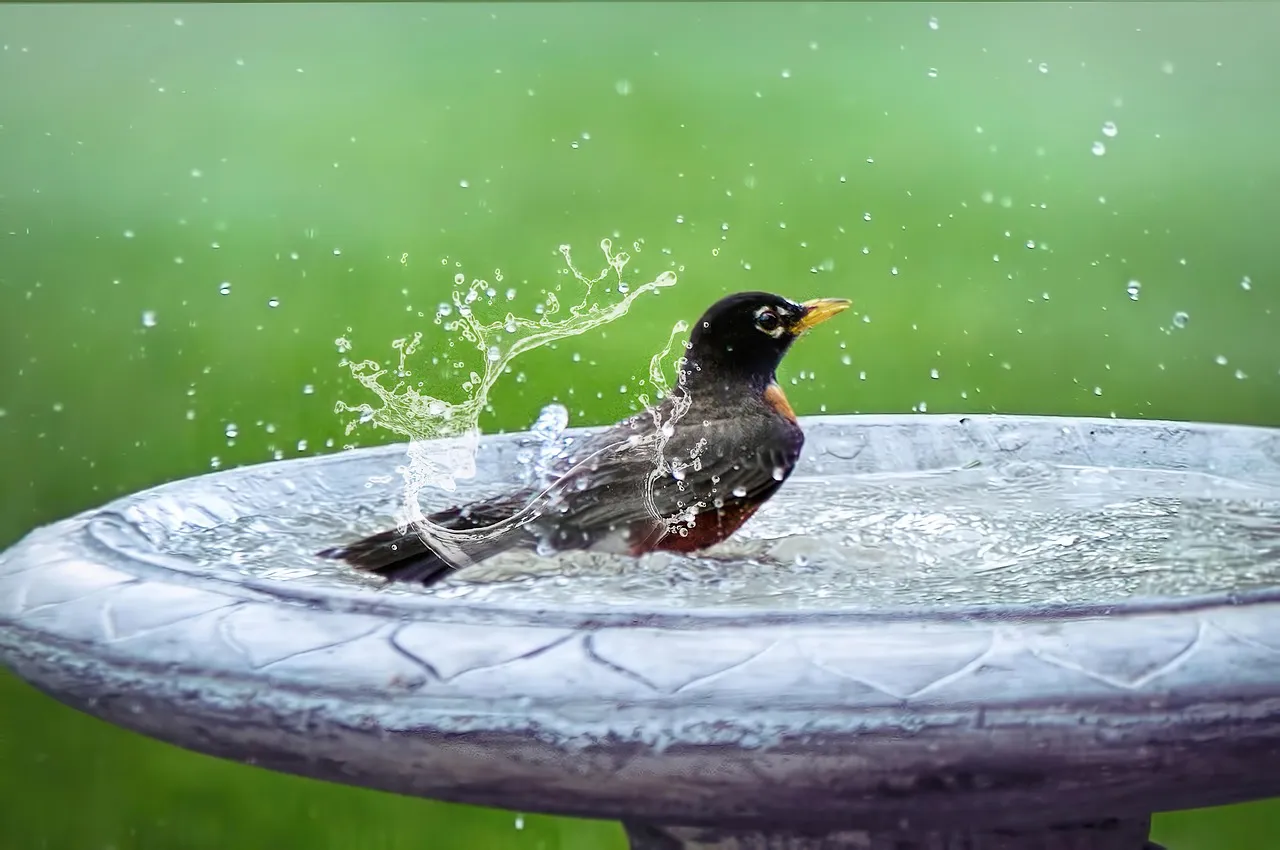
Humans obsess over bird feeders. Animals obsess over water. A yard with no reliable water source is usable in a pinch, but a yard with one consistent, low-disturbance water spot – a birdbath, a small pond, even a dripping AC line – quietly becomes the busiest hub on the block, often more important to visiting wildlife than any food you put out.
The clues are small but easy to spot once you know to look: muddy prints repeating around the same stone, birds queuing on the same railing at dawn waiting for a refill. A plain birdbath that never dries up will often out-draw the fanciest seed feeder on the market. Let it go dry a few times, though, and you’ll watch the visits drop off fast.
#6 – Hiding Spots vs. Open Lawn: The Billboard Effect
🔥 Would you like to save this?
We'll email this post to you, so you can come back to it later!
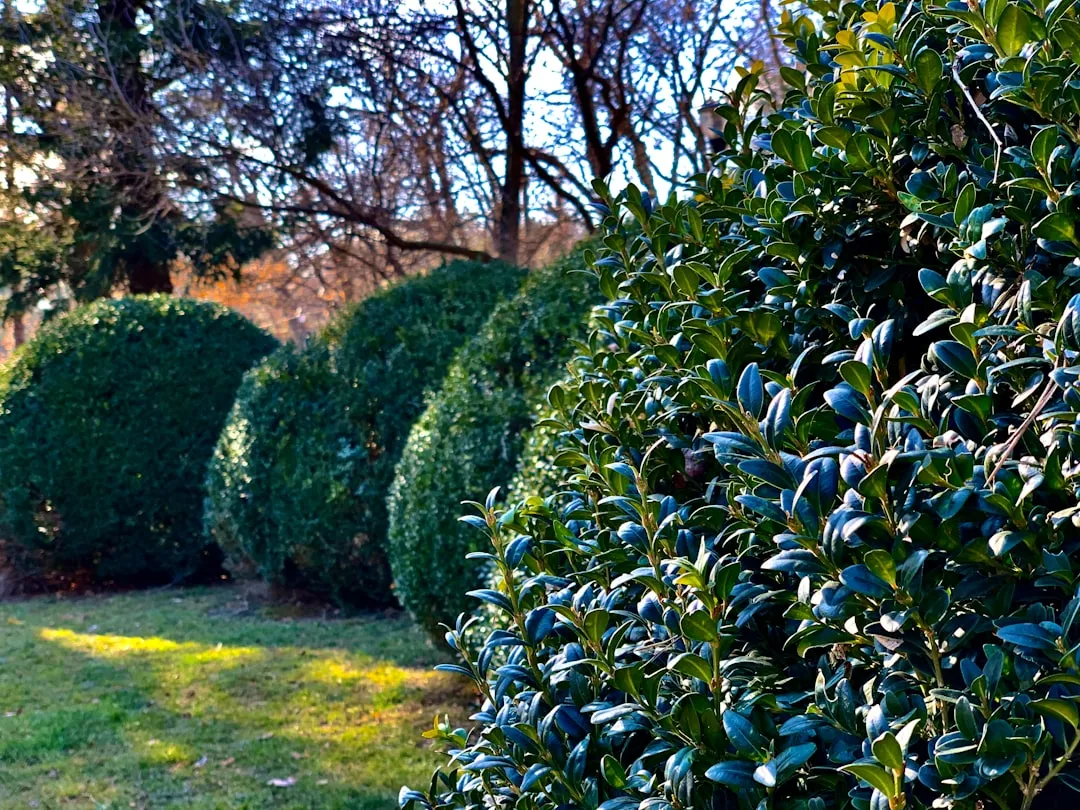
A wide, flat, perfectly edged lawn looks great to humans and looks like a billboard reading “you will be seen” to everything else. Rabbits, chipmunks, songbirds, even hawks are all looking for layered cover – low plants, mid-height shrubs, at least one dense tangled corner where they can vanish on command.
Their real test is speed of escape. If a squirrel can sprint from your oak tree to a shrub to a fence gap without crossing more than a few open feet, your yard passes. Ask it to cross twenty feet of bare grass with nothing to duck into, and most species simply won’t risk it, which is exactly why so many yards get fence-line visitors and nothing in the wide-open middle.
Gardening is no longer just an aesthetic pursuit; it’s an ecological act.
Douglas W. Tallamy
#7 – Predator Scent: What Your Dog (and Cat) Are Really Broadcasting
🔥 Would you like to save this?
We'll email this post to you, so you can come back to it later!
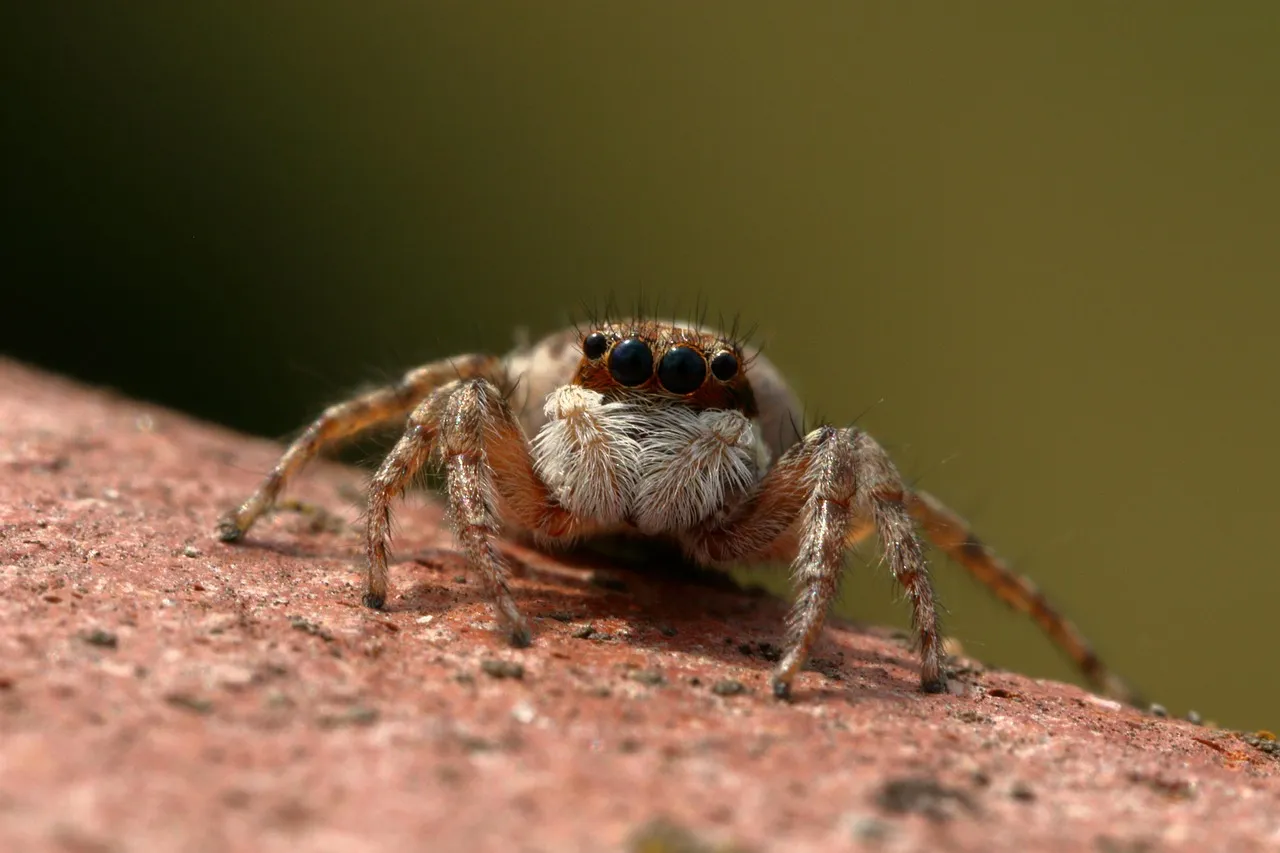
Pet owners like to think their dog scares everything off. It’s true, but the reality is more calculated than that. Wild animals are constantly reading predator scent left behind in urine, droppings, and fur, and a dog that patrols the whole yard can create what amounts to a high-risk scent field that deer and rabbits take seriously and avoid entirely.
Raccoons and skunks, on the other hand, do the math differently – they’ll time their visits for when your dog is reliably indoors. Cats leave an even sharper warning for small birds and rodents. If your songbirds only ever visit the highest feeder and never touch the ground, that’s not pickiness, that’s a very deliberate response to the cat situation on your property.
#8 – Food Reliability Score: How Animals Rate Your Generosity
🔥 Would you like to save this?
We'll email this post to you, so you can come back to it later!
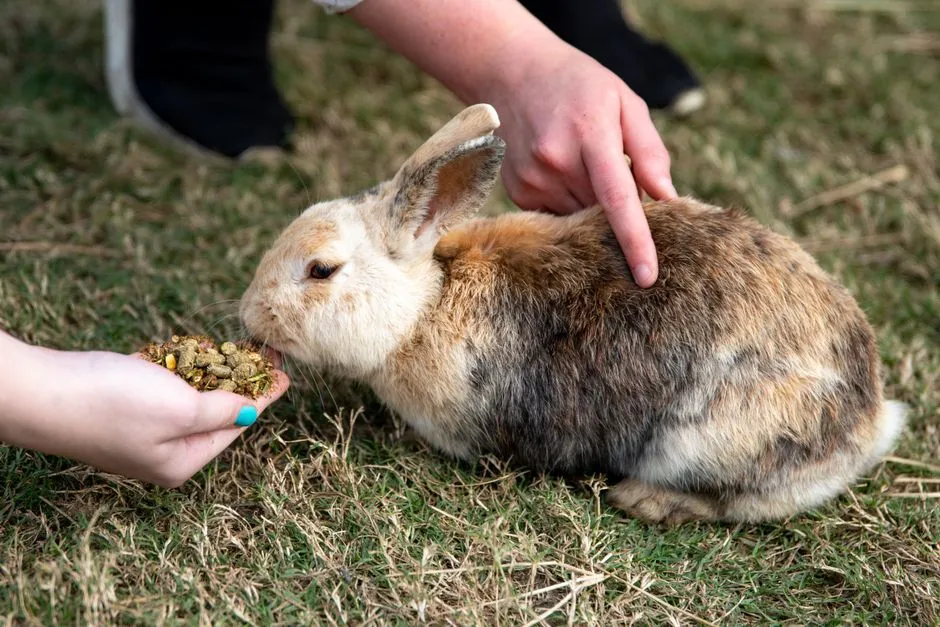
Animals don’t just clock that you feed them, they score how consistent you are about it. A feeder that swings between overflowing and empty for days tells them you’re unreliable. A garden stripped bare and suddenly netted overnight feels like a trap, while a compost pile that always has a little something on it becomes a trusted, recurring stop on their nightly loop.
Watch for raccoons or opossums working your trash cans first and your feeder second in the exact same order every night, or squirrels still digging at a patch of ground where you scattered seed weeks ago. Animals build mental food maps and rank yards by how often the last visit actually paid off. Feed sporadically, and you get demoted without ever knowing it happened.
#9 – Human Patterns: They’re Studying Your Schedule
🔥 Would you like to save this?
We'll email this post to you, so you can come back to it later!
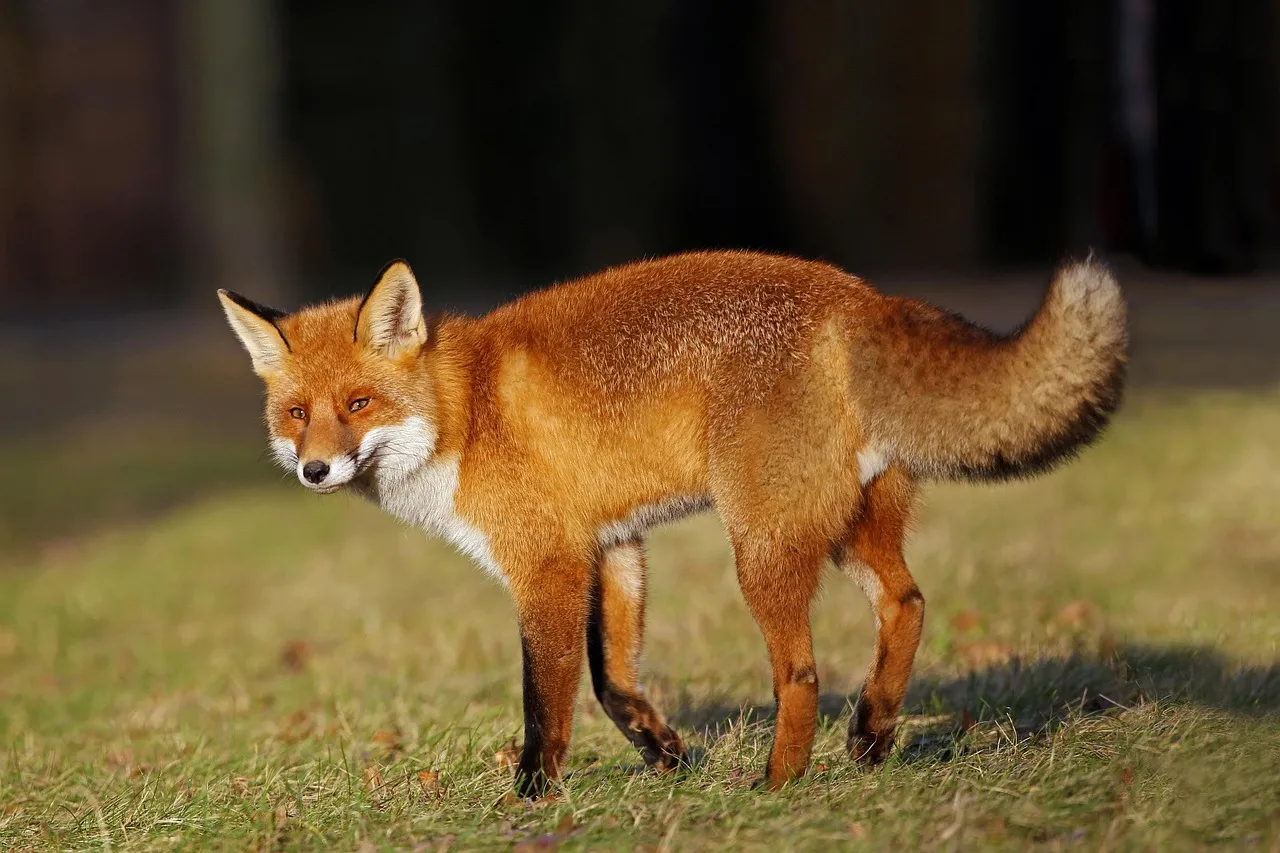
Here’s the part most homeowners never consider: animals study your routine like it’s a syllabus. They clock when the kids hit the trampoline, when the back door slams for the dog’s last potty break, when the porch light flips on for that first cup of coffee. Within a week or two, plenty of species have your entire schedule mapped into safe and unsafe windows.
Trail cameras prove it constantly – the same fox showing up at 4:20 a.m. three nights running, or a possum appearing like clockwork thirty minutes after your living room lights go dark. Change your routine, whether it’s a vacation, a new baby, or a shift to night work, and the wildlife pattern shifts right along with it, sometimes disappearing entirely while they quietly recalculate the risk.
At a Glance
- Trail camera footage regularly shows the same animal arriving within minutes of the same time each night.
- A shift in household routine, like a vacation or a new schedule, can reset an animal’s risk calculation almost overnight.
- Adaptable species such as raccoons and foxes tend to become the most frequent yard visitors.
- One-time disruptions rarely cause lasting change; it’s the repeated pattern that gets logged.
#10 – Vertical Structure: Reading Your Yard as a Sky Highway
🔥 Would you like to save this?
We'll email this post to you, so you can come back to it later!
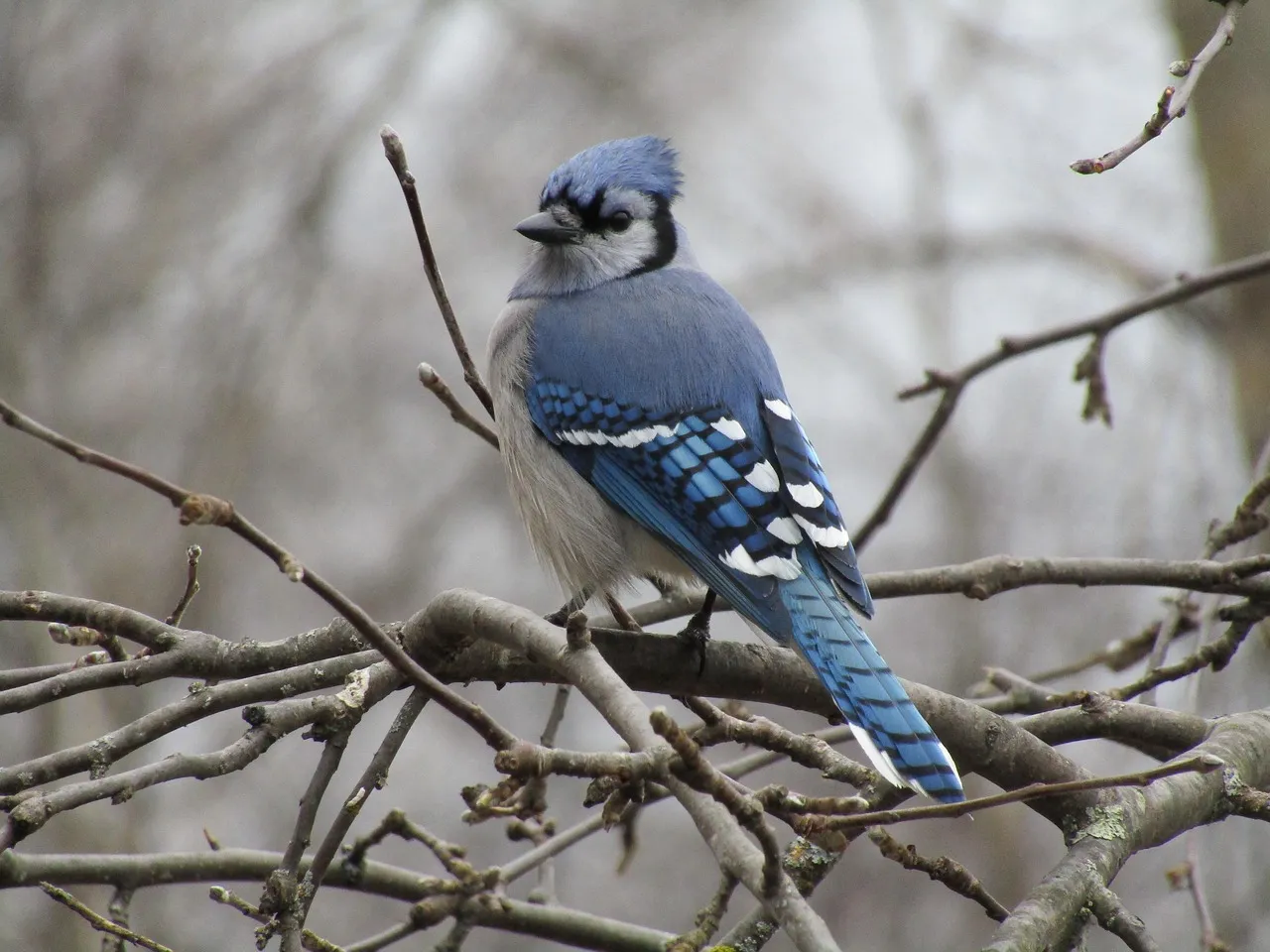
To birds, squirrels, and even some predators, your yard isn’t flat, it’s three-dimensional. They’re judging how easily they can move above ground, tree to tree, power line to roofline to fence top. One lonely ornamental tree stranded in a sea of grass is a dead end. Overlapping canopies, power lines, and a shed roof form a real network they can actually use.
Squirrels will pause and scan at the exact midpoint where the gap between two trees is widest, and birds will land on the same high wire every time before dropping into your shrubs below. Notice an animal detouring wide around one specific open gap, and you’ve found a segment they’ve flagged as too exposed. Heavy traffic along one invisible “sky lane,” on the other hand, means your layout just earned their approval.
#11 – Ground Texture: Why What’s Underfoot Matters More Than You Think
🔥 Would you like to save this?
We'll email this post to you, so you can come back to it later!
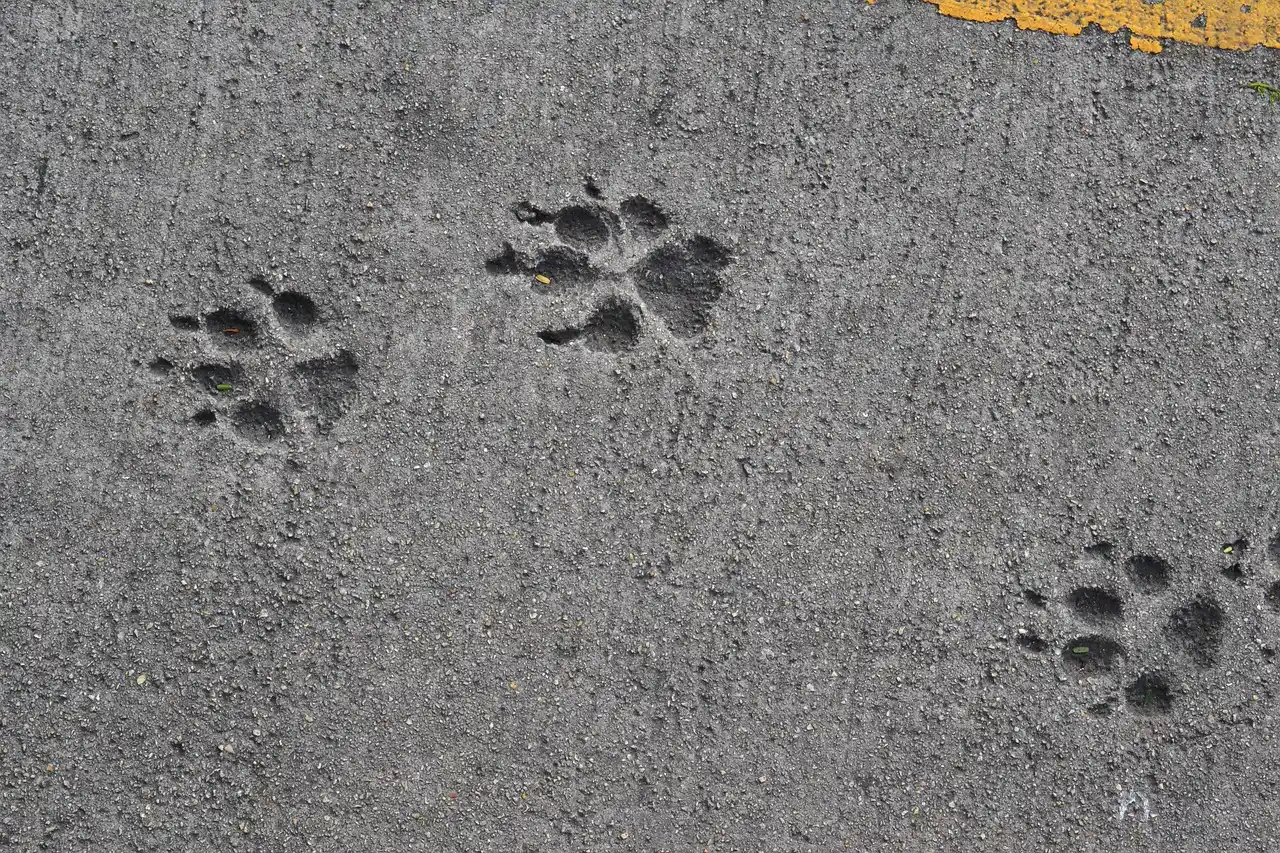
This sounds almost petty, but it’s completely real: plenty of animals care deeply about what’s under their feet. Short grass, bare soil, leaf litter, gravel, and mulch all carry different risks. Some small mammals avoid sharp gravel because it slows them down and exposes them mid-run, while amphibians will reject hot, dry mulch that dries out their skin.
You’ll see it in reptiles basking on the same warm stone but never once crossing the gravel strip three feet away, or rabbits carving side trails through soft leaf litter instead of hopping straight across rough bark chips. Spot a worn little runway pressed through tall grass but nothing across your neatly mulched bed, and that’s not chance – that’s a vote cast with actual feet.
#12 – Scent Posts: The Invisible Borders Drawn Across Your Lawn
🔥 Would you like to save this?
We'll email this post to you, so you can come back to it later!
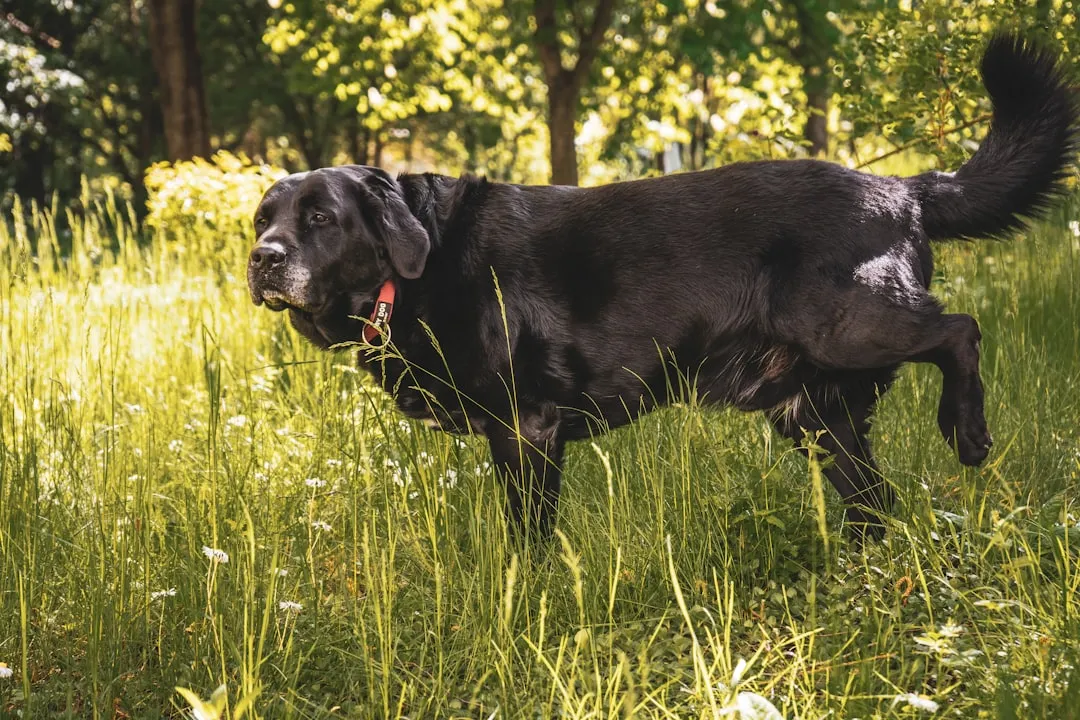
Wild animals don’t build fences, they build scent posts. Foxes, coyotes, raccoons, even rabbits leave urine, droppings, and gland secretions in key spots to mark territory as mine, safe, or avoid. Your yard may already sit inside several overlapping territories you’ll never see, but every animal passing through can smell each one clearly.
Look for droppings deliberately placed on top of rocks, logs, or garden ornaments, or one specific fence post that gets sniffed and dug at constantly while the others get ignored. When a new predator moves in and starts marking aggressively, smaller animals will often redraw their invisible borders overnight, abandoning routes and shrubs that used to be part of their regular circuit.
#13 – Shelter Potential: Are You a Snack Stop or a Home Base?
🔥 Would you like to save this?
We'll email this post to you, so you can come back to it later!
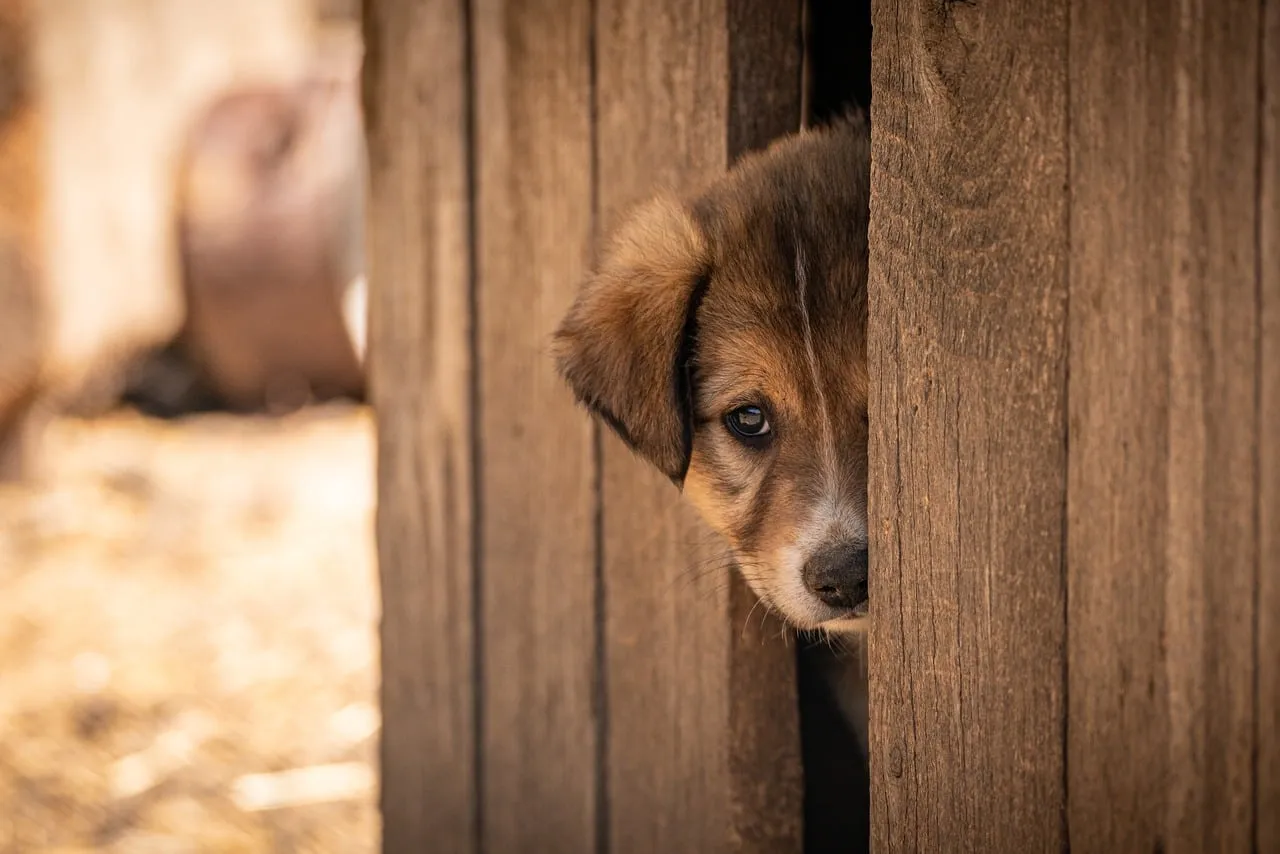
Animals aren’t just judging your yard as a place to eat, they’re auditing it as potential real estate. Gaps under sheds, loose deck boards, dense junipers, brush piles, and unused downspouts all get inspected as possible dens or emergency bolt-holes. A yard with zero hiding spots can still get visitors, but it almost never gets long-term residents.
Watch for soft excavation under the same step or shed corner that gets a little deeper every few days, or birds hauling single twigs to test a shaky eave before giving up entirely. When they finally commit, they go all in – a sudden burst of activity around one shrub or hole usually means they’ve decided this is home base, not just a buffet. Half-finished nests and shallow test holes mean you’re still failing the final safety check.
Worth Knowing
- Gaps under sheds, loose deck boards, and brush piles are among the most commonly inspected denning spots.
- A burst of concentrated activity around one shrub or hole usually signals a decision has already been made, not a test in progress.
- Half-built nests or shallow test holes mean the location is still under review.
- Yards that offer food but no real shelter tend to attract passersby rather than long-term residents.
#14 – Kid Energy and Vibration: The Tremors You Don’t Feel
🔥 Would you like to save this?
We'll email this post to you, so you can come back to it later!
It isn’t only noise. Vibration travels straight through the ground and structure of your property, and animals feel every bit of it. Running kids, trampoline bouncing, constant ball games, even heavy bass from a speaker send tremors that ripple across the whole yard. Some species adapt around it, others simply write the yard off as a high-disturbance zone and shift to nighttime visits or the quieter lot next door.
Wildlife often vanishes entirely during school breaks and reappears the moment weekdays and empty yards return, or deer will graze calmly on a quiet Tuesday morning but never show up for a loud Saturday afternoon. If your yard’s permanent vibe is “playground,” the cautious crowd will treat you as a corridor at best, while only the boldest raccoons and opossums gamble on the chaos for a meal.
#15 – Seasonal Shifts and Memory: They Don’t Forget a Bad Year
🔥 Would you like to save this?
We'll email this post to you, so you can come back to it later!
Animals don’t reset with the calendar, they remember. A yard that was bare and exposed in spring but grew into a lush, sheltered jungle by late summer will still get treated with caution until it’s been re-tested. If your feeders ran dry for weeks last winter, plenty of species won’t fully trust you again this year, no matter how full the feeder looks now.
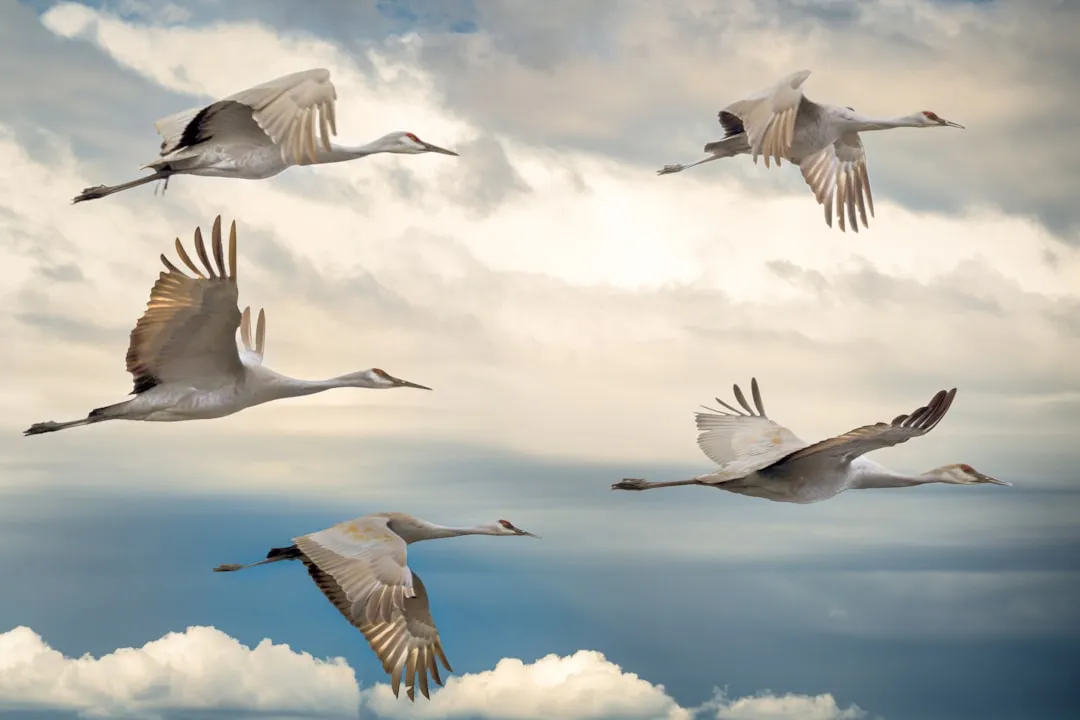
Watch for migratory birds showing up late to your feeders even while your neighbor’s yard is already swarming, or deer testing a single corner of the garden before ever rushing back to their old feeding spot. Their mental file on your property updates slowly, built on repeated wins or losses rather than one good week. One bad season won’t doom you, but one good season won’t buy blind loyalty either.
#16 – Human Scent: Fresh vs. Faded, and Why It Matters
🔥 Would you like to save this?
We'll email this post to you, so you can come back to it later!
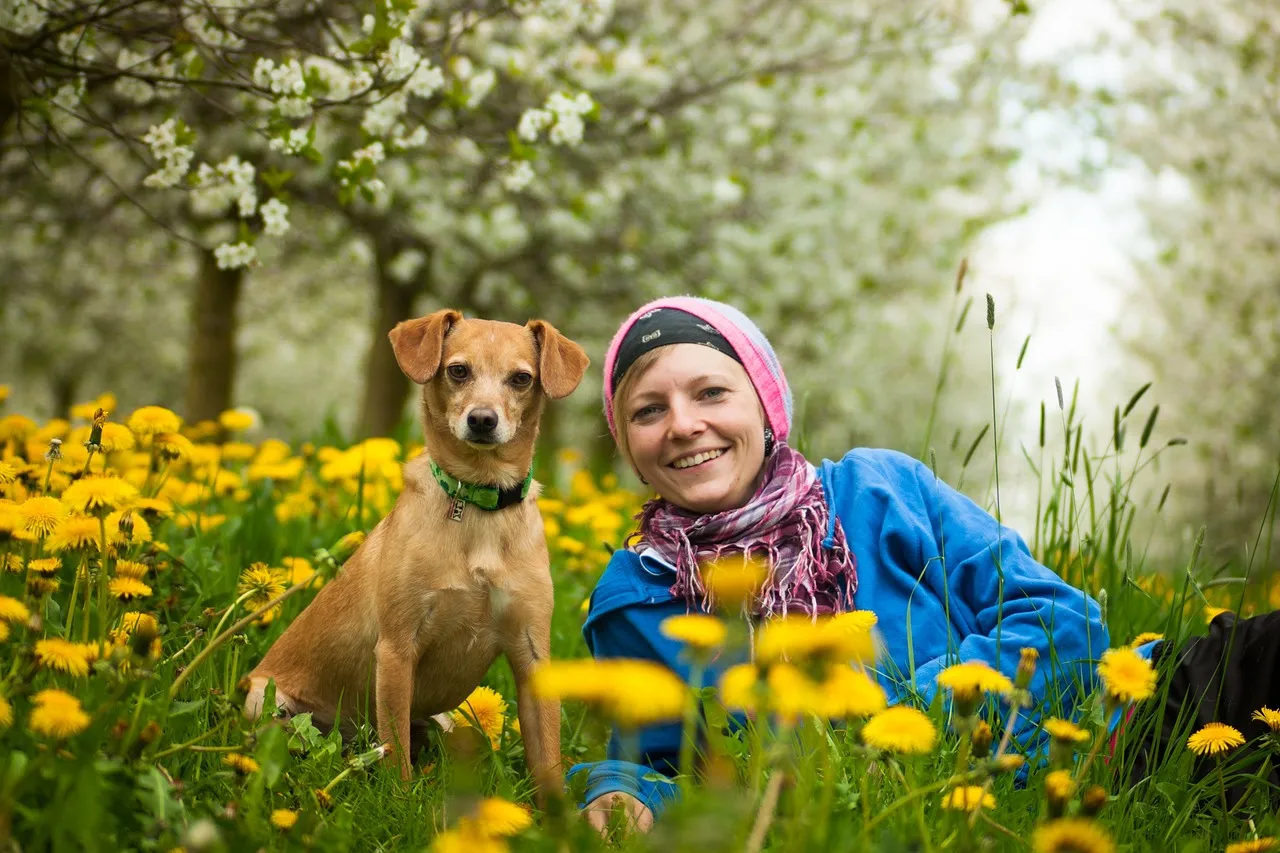
Here’s the surprising part: for a lot of wild animals, your personal scent is just another data point, not an automatic threat. Fresh human scent laid down on the same garden path day after day can push a timid species off that exact line, even while they keep using a parallel track just a few feet away. Let your scent show up somewhere new, though, and it gets treated as a possible incursion.
You’ll notice a raccoon trail shift a few feet to hug the opposite side of a fence once you start using that side more often, or birds quietly abandon a shrub you’ve taken to pruning while sticking loyally to the untouched bush right next to it. They’re not afraid of you in any dramatic sense, they’re adjusting to the pattern of your presence. Spend quiet time in the same spot every day, and more species will start showing up at the edges simply because you’ve become predictable.
#17 – The Final Verdict: Is Your Yard Worth the Risk?
🔥 Would you like to save this?
We'll email this post to you, so you can come back to it later!
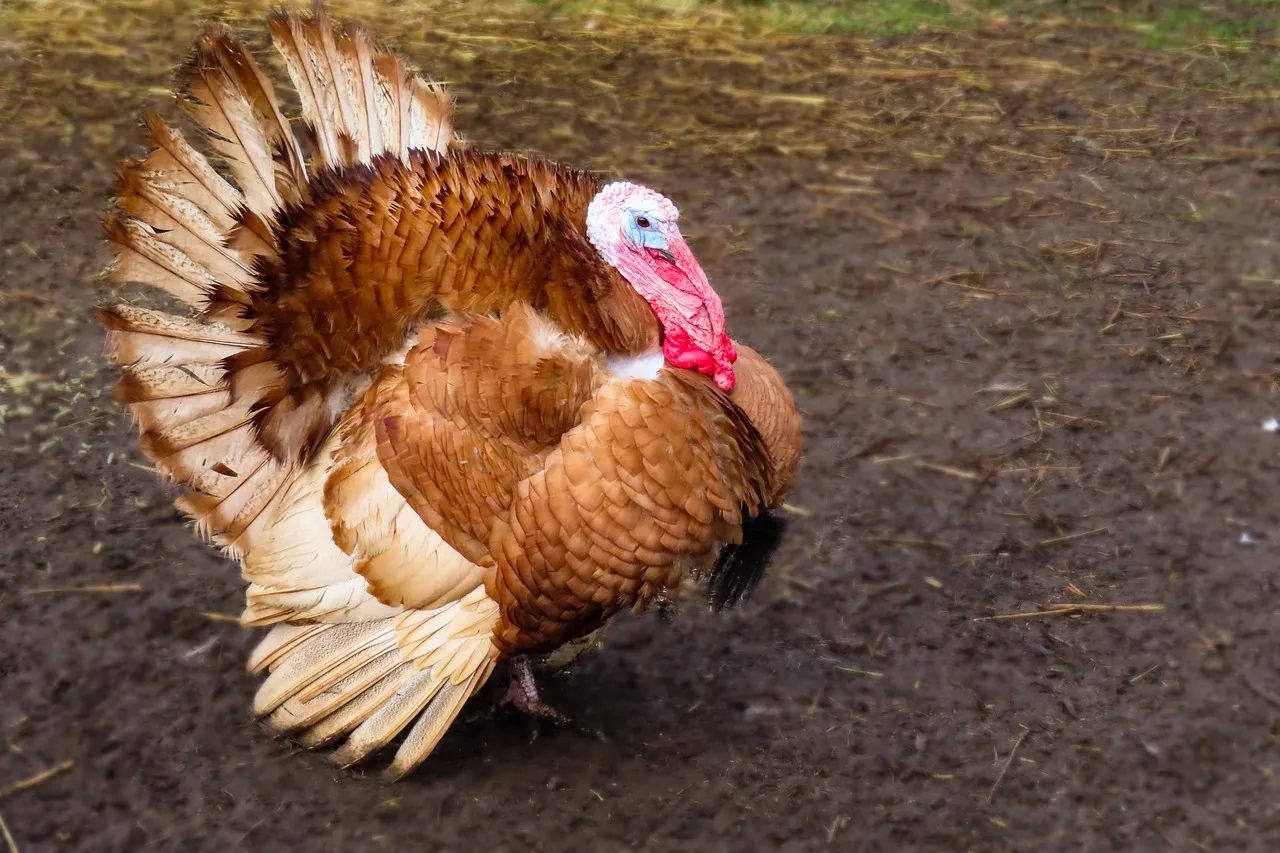
In the end, every wild animal reduces your yard to one invisible equation: is the reward worth the risk? Food, water, shelter, and travel routes get weighed against lights, noise, smell, predators, and disturbance. That verdict never comes from one visit, it’s built over dozens of tiny tests and micro-moments you’ll never notice unless you’re specifically looking for them.
Their quietest signal is also their most honest one: consistency. If the same fox, the same pair of doves, or the same family of rabbits keeps returning week after week, they’ve already rendered their verdict, and your yard scored high enough on their survival math to matter. If every visitor is a one-time stranger, you’re not a habitat, you’re just a hallway they pass through on the way to somewhere better.
Quick Compare
- Passing yard: the same visitors return on a predictable loop, week after week.
- Failing yard: every sighting is a one-time stranger passing through.
- Passing yard: food, water, and cover are all reasonably reliable.
- Failing yard: one or more essentials, like safety, water, or quiet, is consistently missing.
The Bottom Line
🔥 Would you like to save this?
We'll email this post to you, so you can come back to it later!
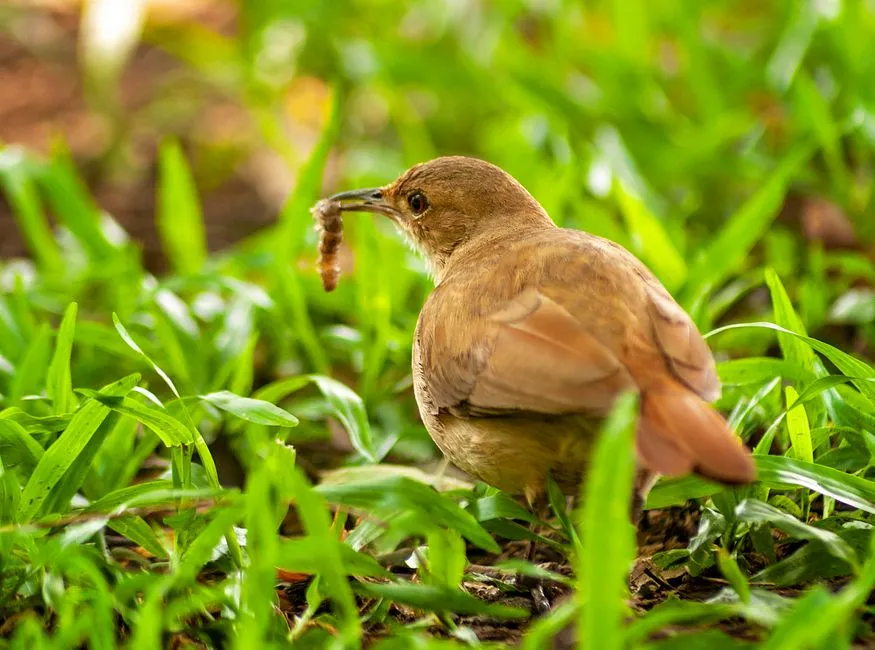
What wild animals decide about your yard isn’t mystical, it’s brutally practical. They’re grading you constantly on safe entrances, predictable noise, light levels, chemical smells, water reliability, cover, ground texture, and how chaotic your daily life looks from ground level. A yard that looks flawless to human eyes, flat, bright, and manicured, often reads to wildlife as exposed, risky, and not worth the gamble.
Meanwhile, the slightly messy yard with a brushy corner, a dependable water dish, and fewer chemical smells quietly becomes prime real estate without you ever advertising it. Here’s my honest take: if all you ever see is a squirrel sprinting through and nothing else, the animals already reviewed your property and moved on, and no amount of decorative feeders will fix that. Change the signals, not the decor, and the verdict will change on its own.

- 7 Everyday Habits That Can Make Your Senior Dog Happier - November 5, 2026
- 10 Enigmatic Structures That Continue to Puzzle Scientists Today - November 5, 2026
- 10 Strange Ruins in the Americas That Challenge What We Know About Early History - November 5, 2026