
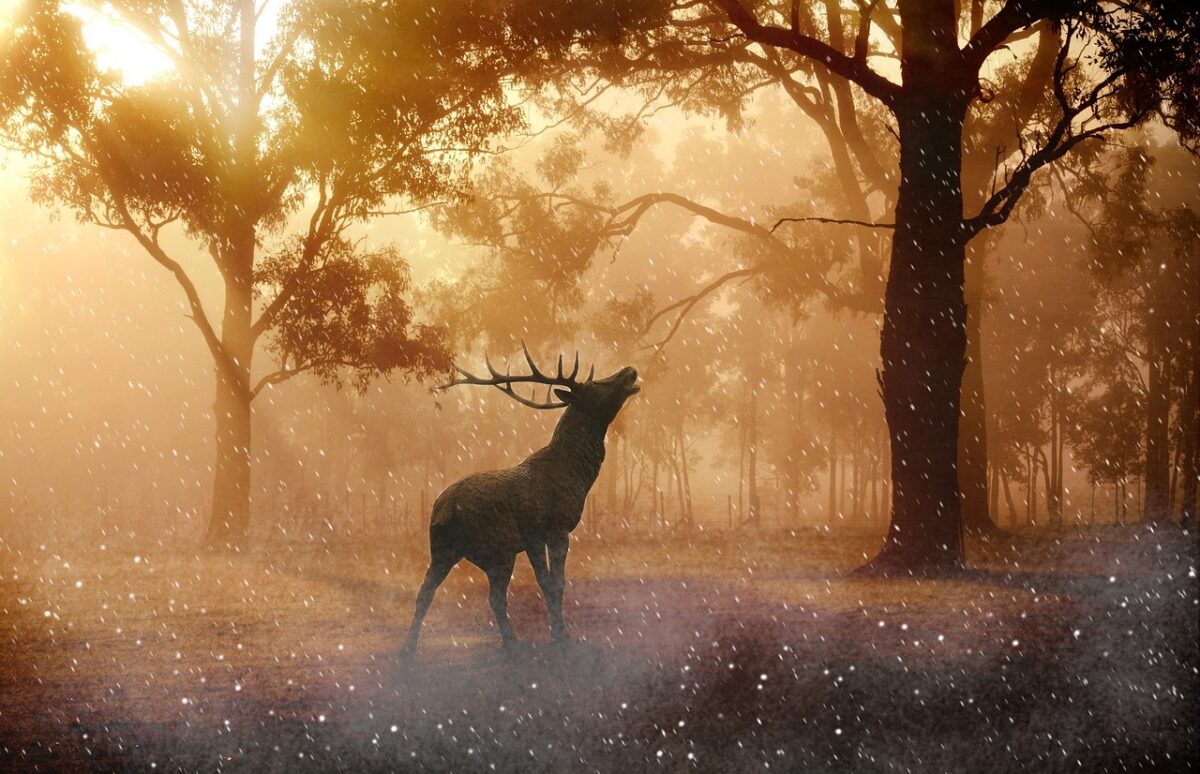
Most people think wild deer are just skittish lawn ornaments or a traffic hazard waiting to happen. Nothing more going on behind those big dark eyes, right? But quietly, wildlife biologists and seasoned hunters have been noticing something stranger: deer will often act completely differently around one specific person in a group, and almost nobody reads the signal correctly.
That friend who swears “deer just love me” isn’t imagining things. These animals are running constant background calculations on every human near them, and tiny shifts in posture, scent, and eye contact reveal exactly what they’ve already decided about you. Here’s what those easily-ignored behaviors actually mean, and why the deer might already know something about you that you don’t.
#1 – Standing Still And Staring: The “Laser Scan” You Think Is Curiosity
🔥 Would you like to save this?
We'll email this post to you, so you can come back to it later!
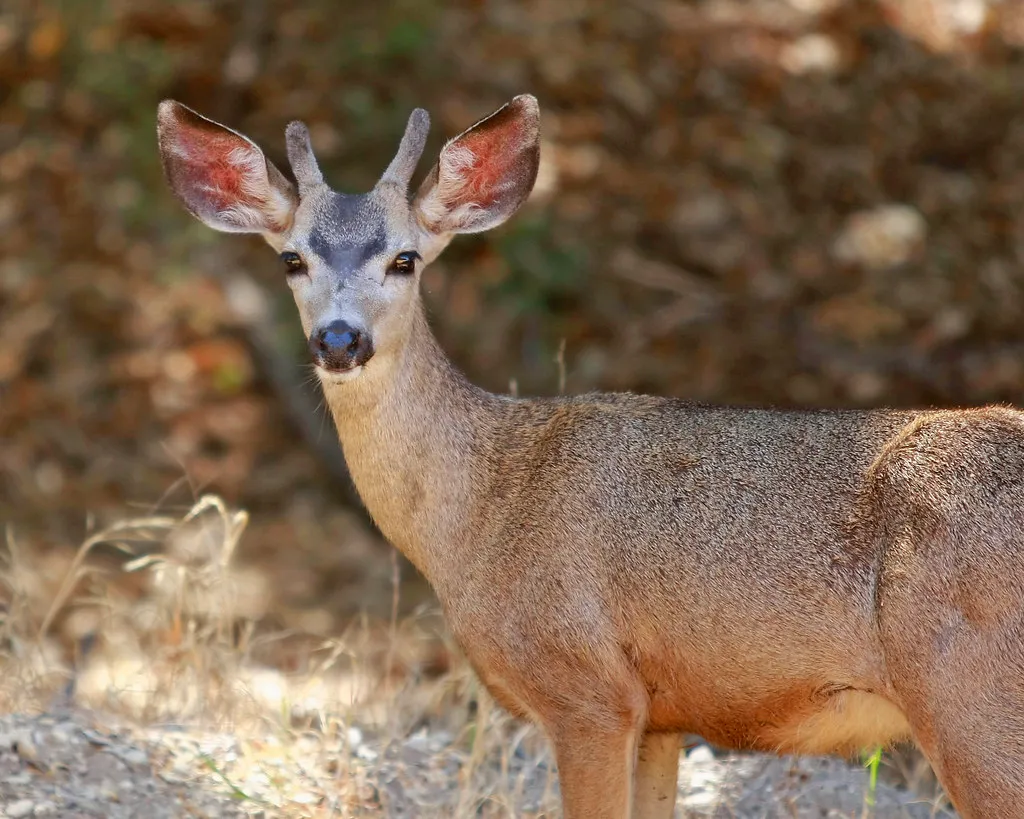
When a wild deer freezes and locks eyes with one person, most people assume it’s “saying hi” or just being curious. In reality, that dead-still stare is a high-alert risk scan, and if it keeps landing on you instead of anyone else in the group, that’s not an accident.
Deer survive by catching the smallest inconsistency in their surroundings. Clothing color, the set of your shoulders, even your breathing pattern can flag you as “off.” Seasoned bowhunters will tell you deer routinely single out the one tense or fidgety person in a group, even when everyone is standing shoulder to shoulder. That stare usually means: “If anyone here does something dangerous first, it’s probably you.” People who wave, talk, or step forward when stared at almost always trigger a flight response. The person who stays loose and boring is the one deer will sometimes keep watching but never bolt from.
Fast Facts
- Deer eyes sit on the sides of the head, giving them a panoramic field of view of roughly 300 degrees.
- That wide-angle vision comes at a cost: true depth perception is sharpest almost straight ahead, which is why deer tilt or angle their heads to judge distance.
- Deer are dichromatic, seeing blues and yellows well but struggling to distinguish reds and oranges the way humans do.
- Their eyes are built to detect motion and function in low light, which is why dawn and dusk sightings are so common.
#2 – Slow Sideways Steps: The “Testing” Approach People Overreact To
🔥 Would you like to save this?
We'll email this post to you, so you can come back to it later!
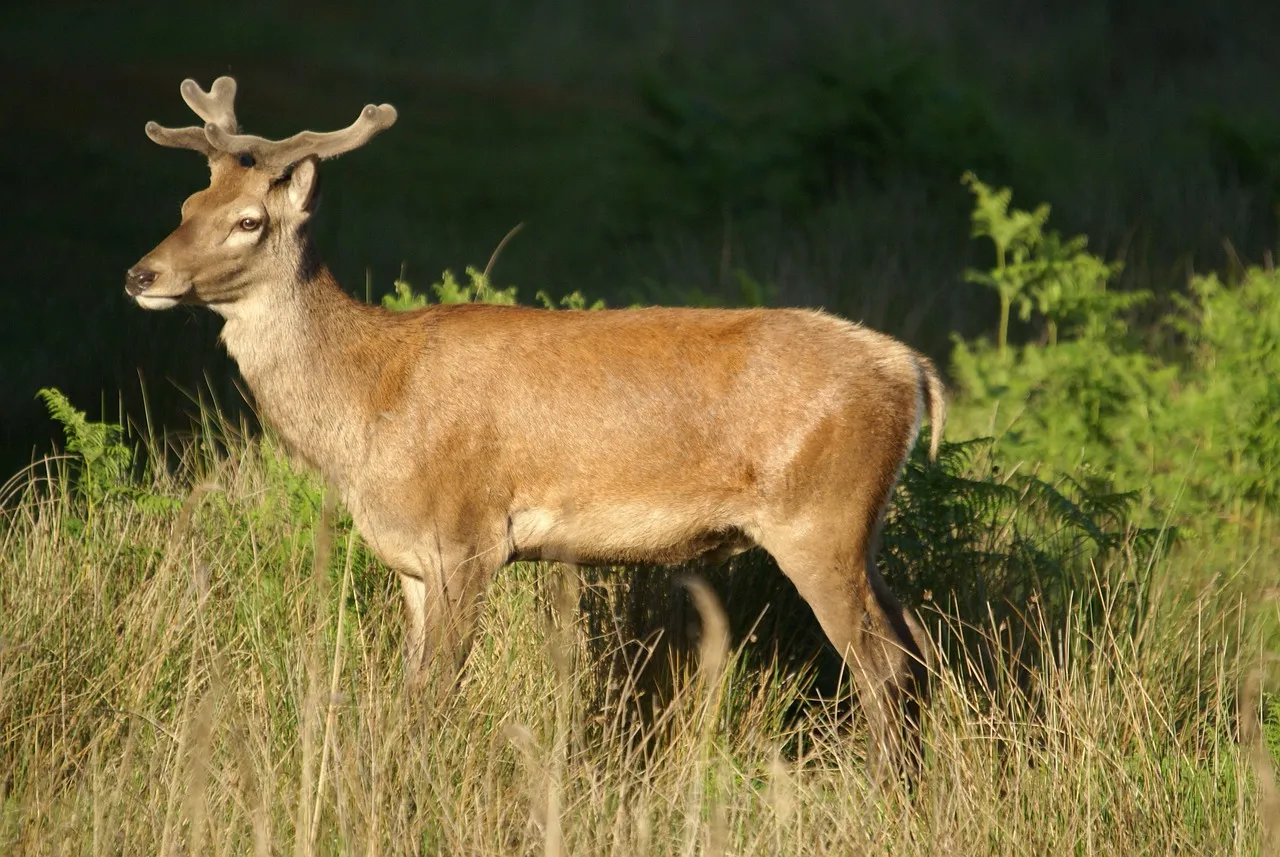
If a deer starts drifting sideways while still facing you, taking slow, deliberate steps, most people assume it’s sneaking off. It’s usually the opposite. That sideways drift is a controlled approach-and-test maneuver, and it’s almost always aimed at one specific person in the group.
Deer have poor depth perception straight on, so they angle their bodies to catch your scent, sharpen their view, and see how you react under a little pressure. Watch closely and you’ll notice one eye and one ear locking onto you while the rest of the body stays coiled to run. If it circles instead of backing straight away, it’s working hard to sort you into “safe,” “dangerous,” or “just weird.” People mistake this for the deer leaving, then get blindsided when it explodes into a sprint the moment they make one sharp move.
#3 – Tail Flicks And Half-Hops: Not “Cute,” But A Nervous Debate
🔥 Would you like to save this?
We'll email this post to you, so you can come back to it later!
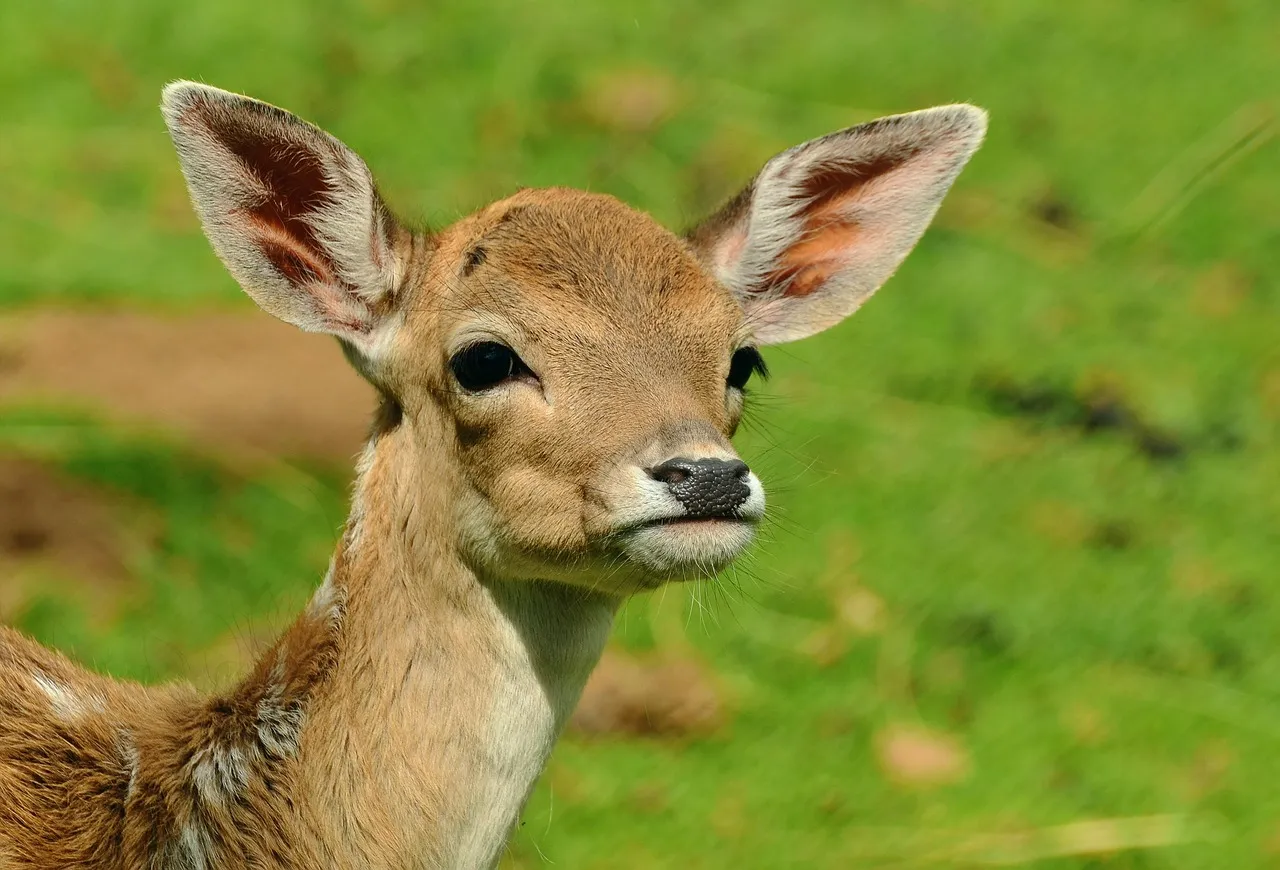
You’ve probably seen a deer give a quick tail flick or an awkward half-hop without fully bounding away. Social media loves to caption this “happy deer” or “playful.” Wildlife observers just roll their eyes, because this is a classic conflict signal. The animal is literally arguing with itself about whether one person is worth the risk.
A single lazy tail flick might just mean flies. But a string of sharp, repeated flicks with the head up and ears swiveling is the deer saying, “I don’t like this, but I’m not fully committed to leaving yet.” Add in those little half-hops, front legs dipping as if to launch and then stopping, and you’re watching real anxiety play out in slow motion. If its eyes keep snapping back to you through all of it, you’re the variable it hasn’t solved. Most people either rush closer and blow the moment, or assume the deer is “fine” and start talking louder.
#4 – Ears Locked On One Voice: The Person Deer Don’t Trust
🔥 Would you like to save this?
We'll email this post to you, so you can come back to it later!
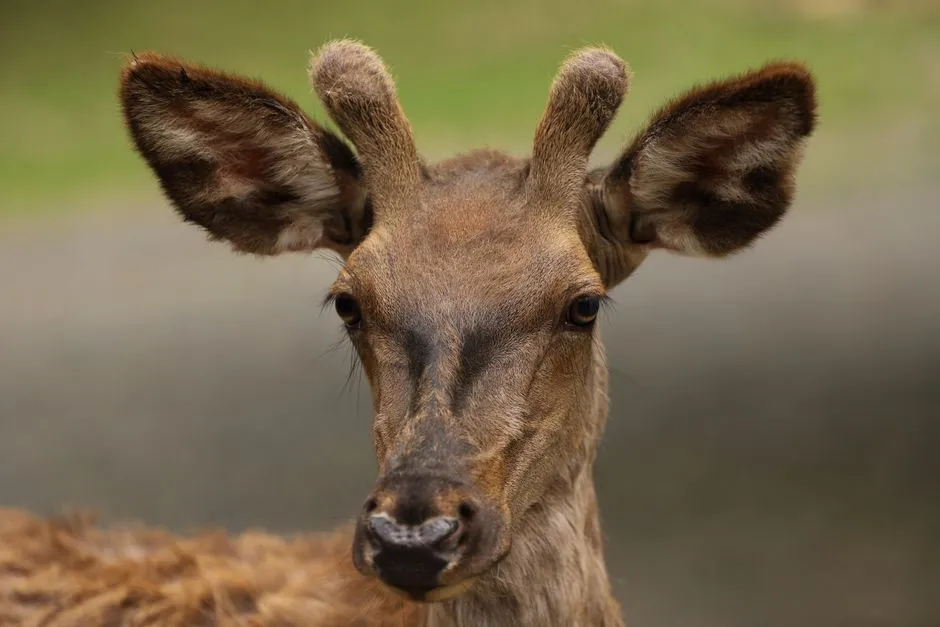
Deer ears are basically satellite dishes on a swivel, and they’ll tell you exactly whose presence is raising the group’s stakes. In a small crowd, watch closely: whenever one specific person talks, laughs, or even shifts their weight, the deer’s ears snap toward that sound instantly. Repeated ear-lock on a single person is a loud signal in deer language: “That’s the one I need to track.”
Most people assume it’s about volume, so they whisper. That’s not really the issue. A sharp, choppy, unpredictable voice is far more unnerving to a deer than a soft, steady one. That’s why the quiet friend who rarely speaks often gets ignored entirely, while the animated storyteller keeps spooking the herd without meaning to. Hunters and wildlife photographers learn this fast: if the ears keep tracking you even when others move, you’re the risk factor in that scene.
#5 – Head Bobs And Fake Grazing: The Bluff Almost Everyone Falls For
🔥 Would you like to save this?
We'll email this post to you, so you can come back to it later!
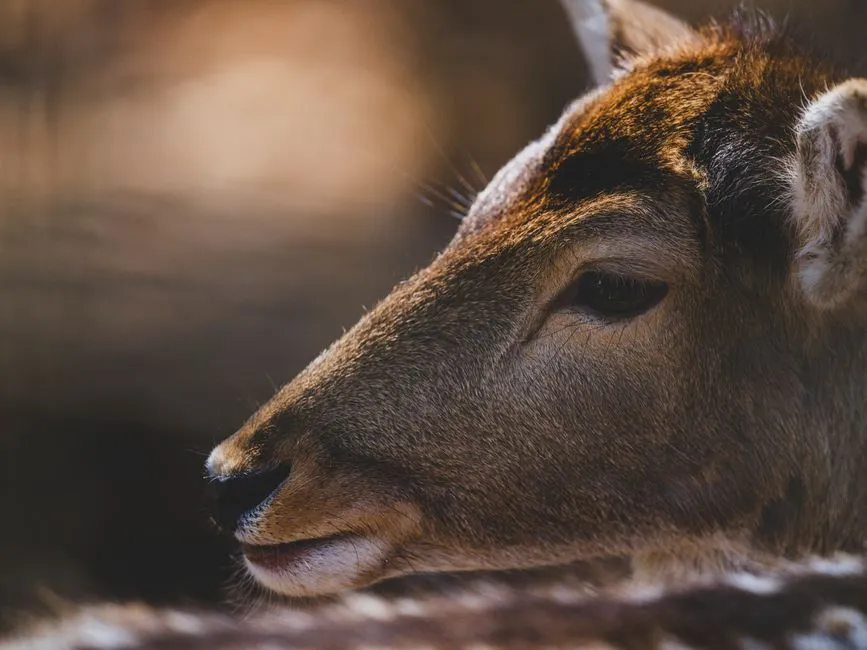
One of the strangest deer behaviors is the head bob: the animal dips its head like it’s about to graze, then snaps back up, staring straight at you. Casual observers think, “oh good, it relaxed.” In reality, it’s a setup. Deer will pretend to go back to normal, then check whether you drop your guard the second they look away.
Experienced trackers see this as a built-in lie detector. The animal acts finished with you, then verifies: do you move, point, or step closer the moment you think it’s not watching? Fake grazing with fast, repeated head lifts basically means, “I don’t quite believe you’re harmless.” The calmest people, the ones who don’t rush to reposition or nudge a friend to “look,” end up with far longer encounters. The person who moves the second the coast seems clear is usually the one who finally pushes the deer past its fear threshold.
#6 – Drifting Behind One Person: Quiet Trust Or Cover Strategy?
🔥 Would you like to save this?
We'll email this post to you, so you can come back to it later!
In semi-habituated areas like parks or campgrounds, a deer will sometimes edge closer and end up slightly behind one person instead of facing the whole group. People love this moment. They say “it chose me” and reach for their phone. The truth is more complicated, and a little less flattering.
That “chosen” person is often being used as mobile cover against everyone else, or against something farther off the deer doesn’t like. Watch where its eyes and ears point. If they’re locked past you, toward a parking lot or a dog on a leash, it may just be hiding in your silhouette. You’re safer to stand near than open space, but that doesn’t mean it trusts you personally. If it also keeps sniffing your jacket and inching closer whenever you step away, though, that’s a different story: it’s evaluating you as low-threat, almost herd. Most people never notice which version they’re getting.
Worth Knowing
- Deer often rely on a “many eyes” strategy in groups, taking turns watching for danger while others feed.
- A raised, flashing white tail, known as flagging, is a classic alarm signal used to warn the rest of the herd.
- Deer can hold a watchful posture for long stretches without moving, conserving energy while staying alert.
- Family groups, usually does with fawns, tend to stay closer together than bucks, which are more solitary outside the rut.
#7 – Repeated Sniffing And “Winding”: Your Scent File In Real Time
🔥 Would you like to save this?
We'll email this post to you, so you can come back to it later!
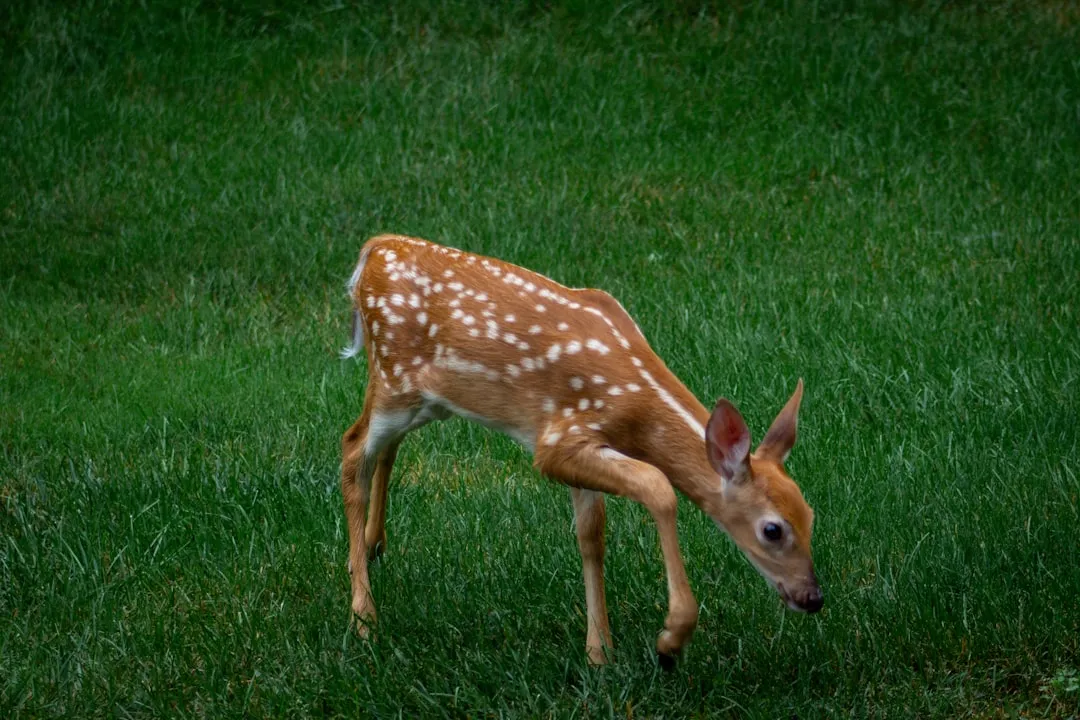
When a deer keeps lifting its nose, flaring its nostrils, and seeming to “taste” the air in your direction, it’s building a scent profile on you in real time. What surprises most new hikers is how personal this gets. In a group, a deer isn’t smelling everyone the same way; it’s sorting individual odor signatures against a lifetime of experience with predators, people, livestock, even specific colognes.
People who work outdoors, handle animals, or skip strong artificial scents tend to get neutral or curious reactions, sometimes even a deer leaning into the wind toward them without bolting. Heavy synthetic smells, perfume, fuel, strong detergent, often trigger a sharp head jerk and sudden stillness aimed at one person. That person instantly becomes the “problem” scent in the scene. Most people write this off as the deer being random or moody, when it’s actually running a life-or-death comparison built over thousands of years of evolution.
#8 – Hoof Stomps Aimed At You: The Warning Shot You Should Never Ignore
🔥 Would you like to save this?
We'll email this post to you, so you can come back to it later!
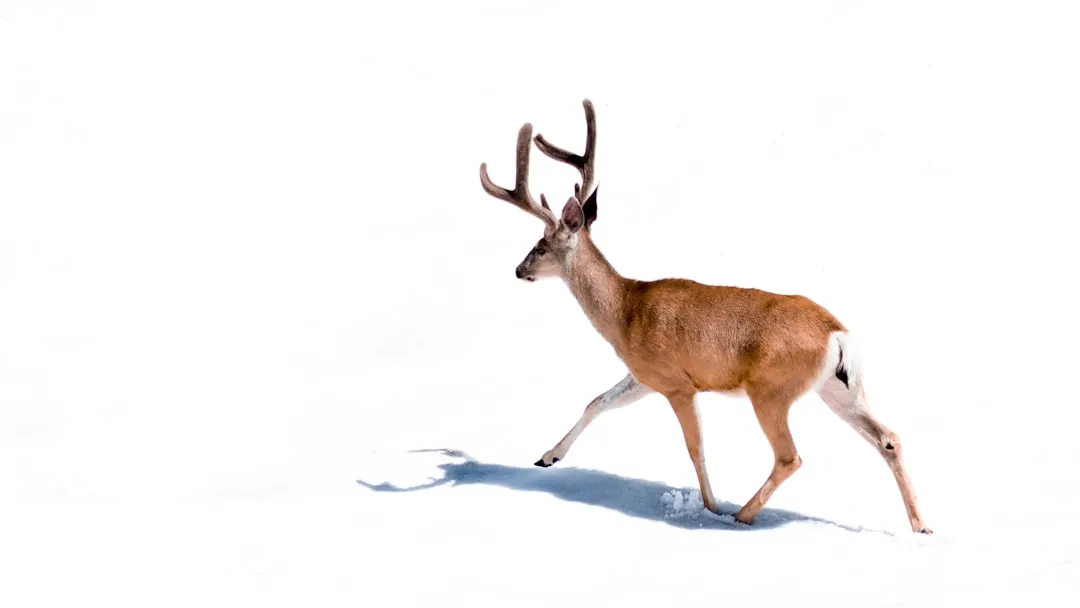
If a deer pins its ears back slightly, stiffens its neck, and starts stomping a front hoof in your direction, that is not cute, and it is not random. It’s a deliberate warning, almost always aimed at one perceived threat. Social media loves to laugh this off as a “tantrum.” Wildlife biologists are blunt about what it actually means: “I see you, I don’t like this, and I’m deciding whether to bolt or defend myself.”
This gets far more serious if fawns are nearby or if you’re standing between the deer and its escape route. Repeated, loud stomps combined with a snort and a lowered, glaring head aimed at one person is your final courtesy notice. Some deer will even angle their bodies to launch away or lunge, depending on your next move. Yet people routinely step closer for a better photo or try to shush the animal as if it’s overreacting. If you’re the one drawing those stomps, you are the problem in that moment, no matter how safe everyone else feels.
#9 – Choosing To Circle You Instead Of Fleeing: Advanced Pattern Reading
🔥 Would you like to save this?
We'll email this post to you, so you can come back to it later!
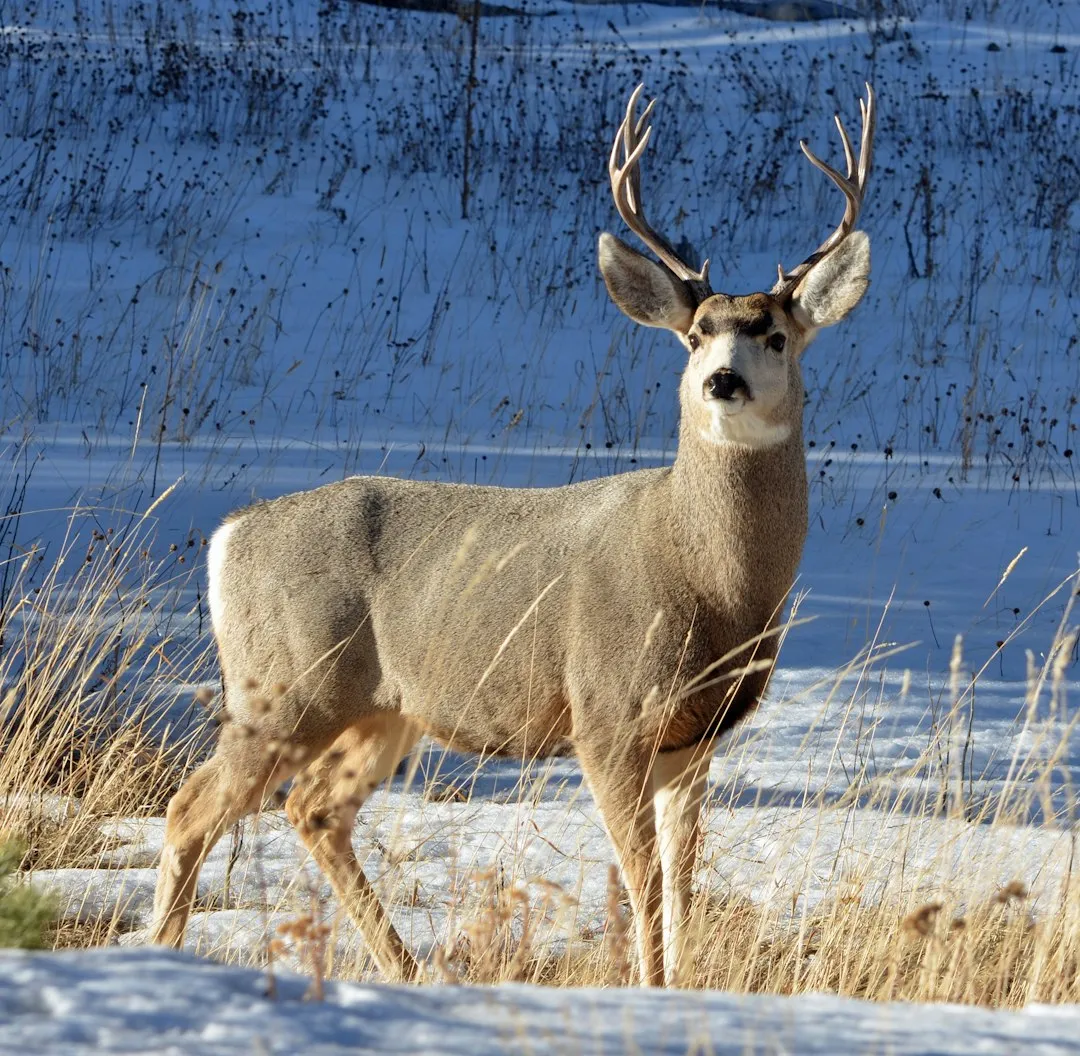
Most people only notice deer when they explode into a white-tailed blur and vanish. But pay attention during the rare moments when a deer doesn’t run, it circles instead. Sometimes it will arc slowly around a group while keeping its eyes pinned on one specific person the whole time. That loop isn’t wandering. It’s pattern reading, and if it’s centered on you, the deer is working hard to figure out how you behave.
This shows up most in places where deer face regular human contact but still deal with predators, so they can’t afford to flee at every sound. Circling gives them shifting wind angles and new sightlines to test you from different sides. If they circle but never fully turn their back on you, they haven’t signed off on you as safe. Do you track them with your head? Reach for your phone? Step into their path? People who keep their movements soft and minimal are usually the ones a deer will finally leave alone without panicking.
At a Glance
- White-tailed deer can sprint at speeds up to around 30 miles per hour once they finally decide to bolt.
- They can clear vertical obstacles nearly 8 feet high and broad-jump roughly 30 feet in a single bound.
- Despite that speed, deer prefer to conserve energy and often choose watching over running until a threat is confirmed.
- Sustained sprints are rare; deer typically favor short, explosive bursts followed by pauses to reassess.
#10 – Ignoring Everyone Else To Watch Your Hands: The Predator Filter
🔥 Would you like to save this?
We'll email this post to you, so you can come back to it later!
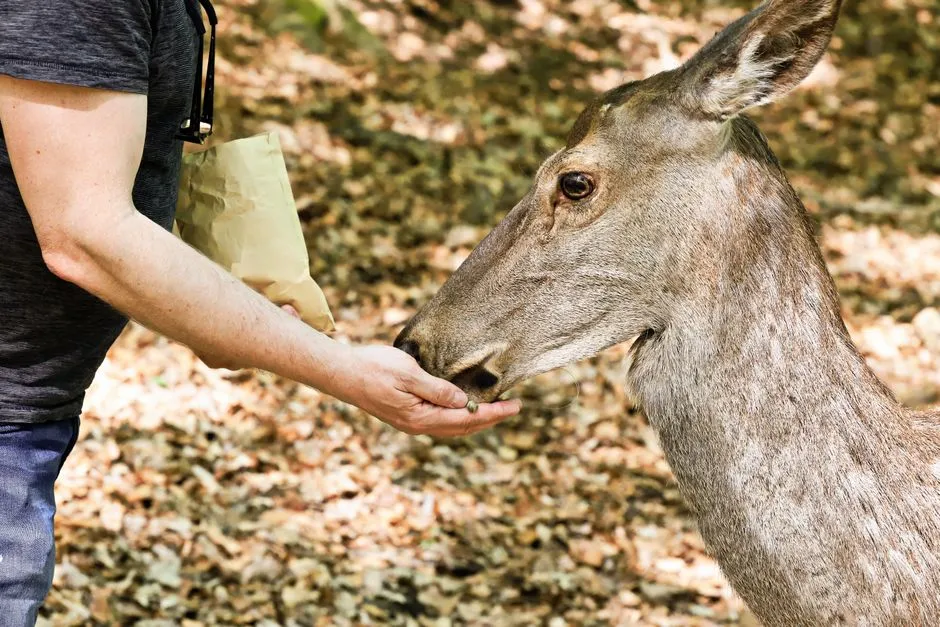
Deer know that danger usually starts with what predators do with their front limbs. If a deer seems to be ignoring your group but its eyes keep flicking specifically to your hands, when you reach into a bag, adjust a strap, or point at something, you’re watching a deeply wired predator filter lock onto you. This can happen even when you’re not the loudest or closest person there.
Hunters see this constantly: the moment a hand drifts toward a bow, binoculars, or even a hat brim, a deer’s attention narrows like a spotlight. If you’re the one constantly fidgeting, gesturing big, or digging things out of pockets, the deer’s brain tags you as the one most likely to strike first. That doesn’t mean it thinks you’re an actual predator, just that you’re making the same sudden, forward-focused movements predators make right before they attack. The still, hand-calm person standing right next to you can get approached or tolerated simply for not throwing off those micro-threat cues.
#11 – Relaxing Only When You Look Away: The Eye Contact Trap
🔥 Would you like to save this?
We'll email this post to you, so you can come back to it later!
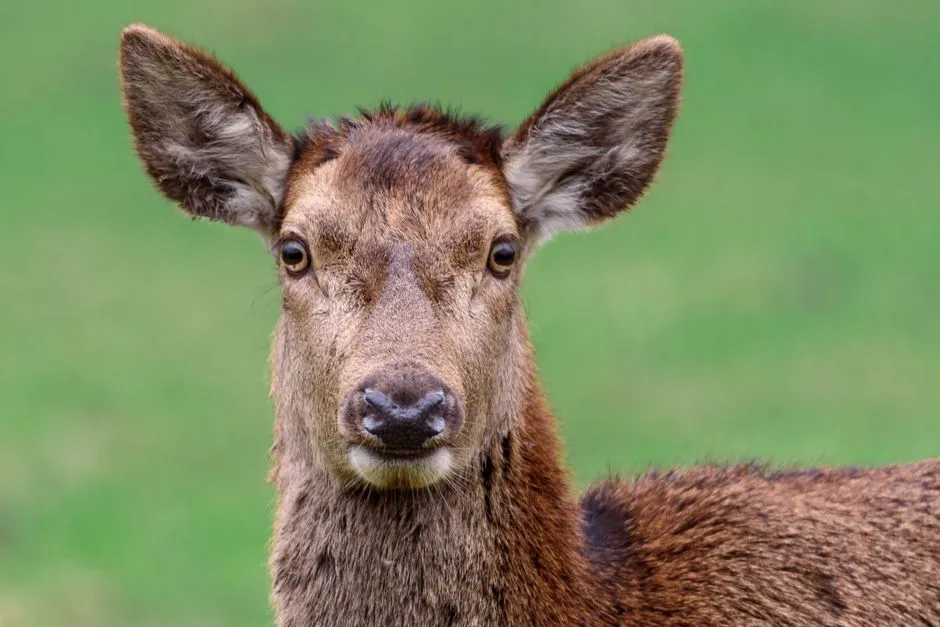
There’s a popular myth that you should make eye contact so an animal “knows you see it.” With deer, that instinct is often backward, especially when they’re already keyed up around you. Extended, unbroken eye contact can read as a predatory stare, and many deer won’t fully settle until the person they see as the main threat softens their gaze or looks away.
Watch for this pattern: the deer is tense and staring, you finally glance down or to the side, and its ears loosen and shoulders drop, sometimes it even goes back to feeding. Glancing away doesn’t mean turning your back or ignoring it entirely; it’s about taking the pressure off. If you’re the one boring holes into the deer with your eyes, you may be keeping it on edge while your calmer friend gets the “magical” close encounter instead. In some cases, the second you stop fixating, the deer steps closer to them, not you, which is exactly why some people swear deer love their partner more. It’s not love. It’s relief.
#12 – Coming Shockingly Close To One Person: Trust, Familiarity, Or A Dangerous Habit?
🔥 Would you like to save this?
We'll email this post to you, so you can come back to it later!
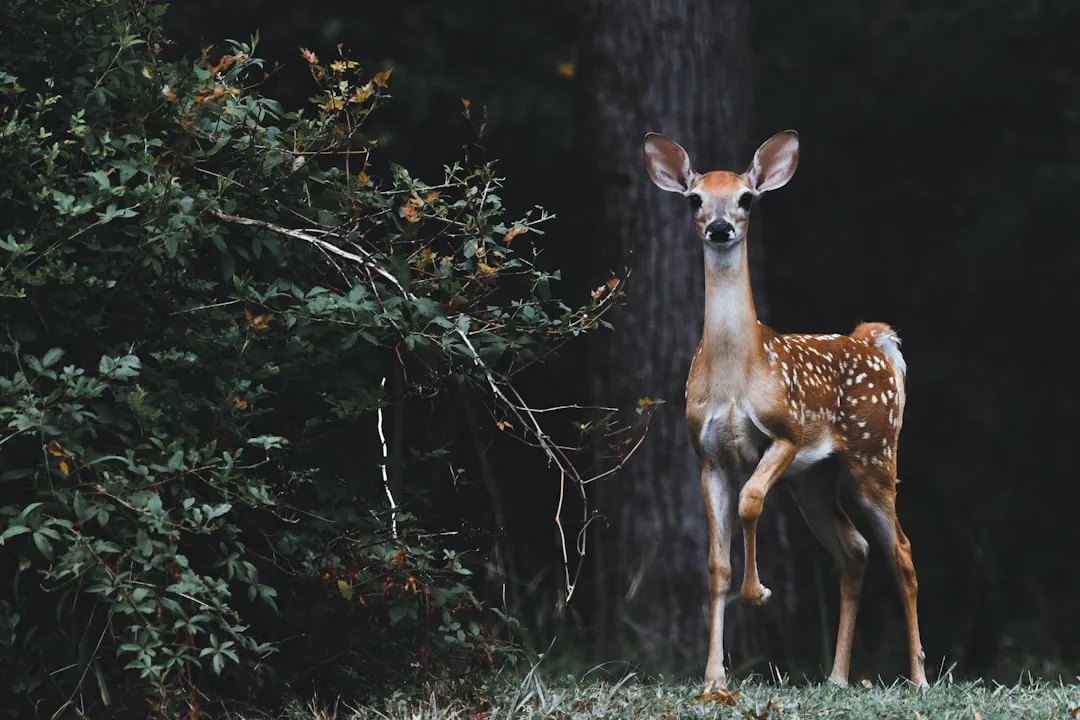
The most surprising behavior of all is when a truly wild or semi-wild deer chooses to walk disturbingly close to one specific person, sometimes within arm’s reach. People almost always read this as a mystical connection or proof they have a “gift” with animals. The blunter truth: it’s usually a mix of low perceived threat and past reinforcement, and it can be good, neutral, or genuinely bad for the deer depending on the context.
If you consistently move slowly, avoid sudden noise, and never chase or corner wildlife, a deer may start filing you away as background, no more threatening than a stump. Combine that with past experiences of being fed or left alone around humans, and you get those jaw-dropping close encounters. But this same closeness is exactly how deer become habituated, lose their natural wariness, and end up hit by cars or tangled with aggressive dogs. So yes, if deer routinely approach you more than anyone else, you’re broadcasting something real: calmer, less threatening, more predictable. Just don’t mistake their comfort with you for a safe situation for them.
Quick Compare
- Wild, wary deer: keeps a buffer of 20 to 30 feet or more, freezes or bounds away at sudden movement.
- Semi-habituated deer: tolerates people within a few yards, watches closely but doesn’t flee immediately.
- Habituated deer: will approach within arm’s reach, often linked to being fed by humans and a higher risk of vehicle collisions or conflict.
The Real Takeaway: Deer Aren’t Reading Magic, They’re Reading You
🔥 Would you like to save this?
We'll email this post to you, so you can come back to it later!
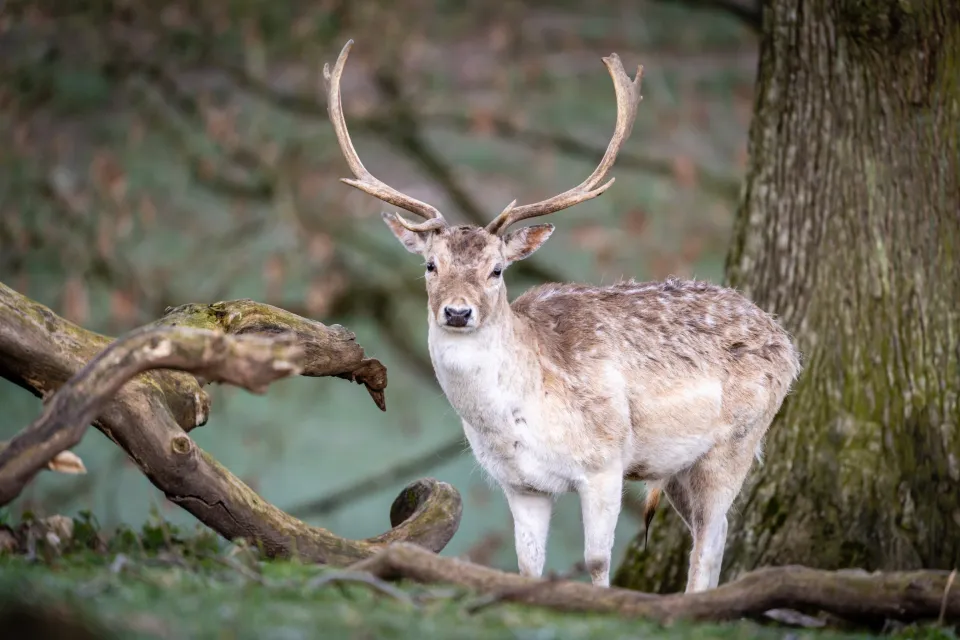
When wild deer act differently around one person, staring only at them, circling them, stomping in their direction, or walking startlingly close, it isn’t random and it isn’t magic. These animals are running constant micro-calculations on scent, posture, gaze, and the rhythm of your movement. If deer always seem spooked by you, or oddly drawn to you, that’s real feedback about how your body language lands in their world.
Most people either romanticize these moments or laugh them off, and both reactions miss the point entirely. In my opinion, treating deer like harmless props or spirit animals for your Instagram story does them a disservice. They’re cautious, intelligent prey animals trying to survive in a landscape we’ve already made confusing and dangerous for them. If their signals keep pointing at you specifically, the honest question isn’t “why do deer love me” or “why do they hate me.” It’s whether you’re willing to read what they’re actually saying, and whether that closeness is fair to the animal at all.

- 7 Everyday Habits That Can Make Your Senior Dog Happier - November 5, 2026
- 10 Enigmatic Structures That Continue to Puzzle Scientists Today - November 5, 2026
- 10 Strange Ruins in the Americas That Challenge What We Know About Early History - November 5, 2026