
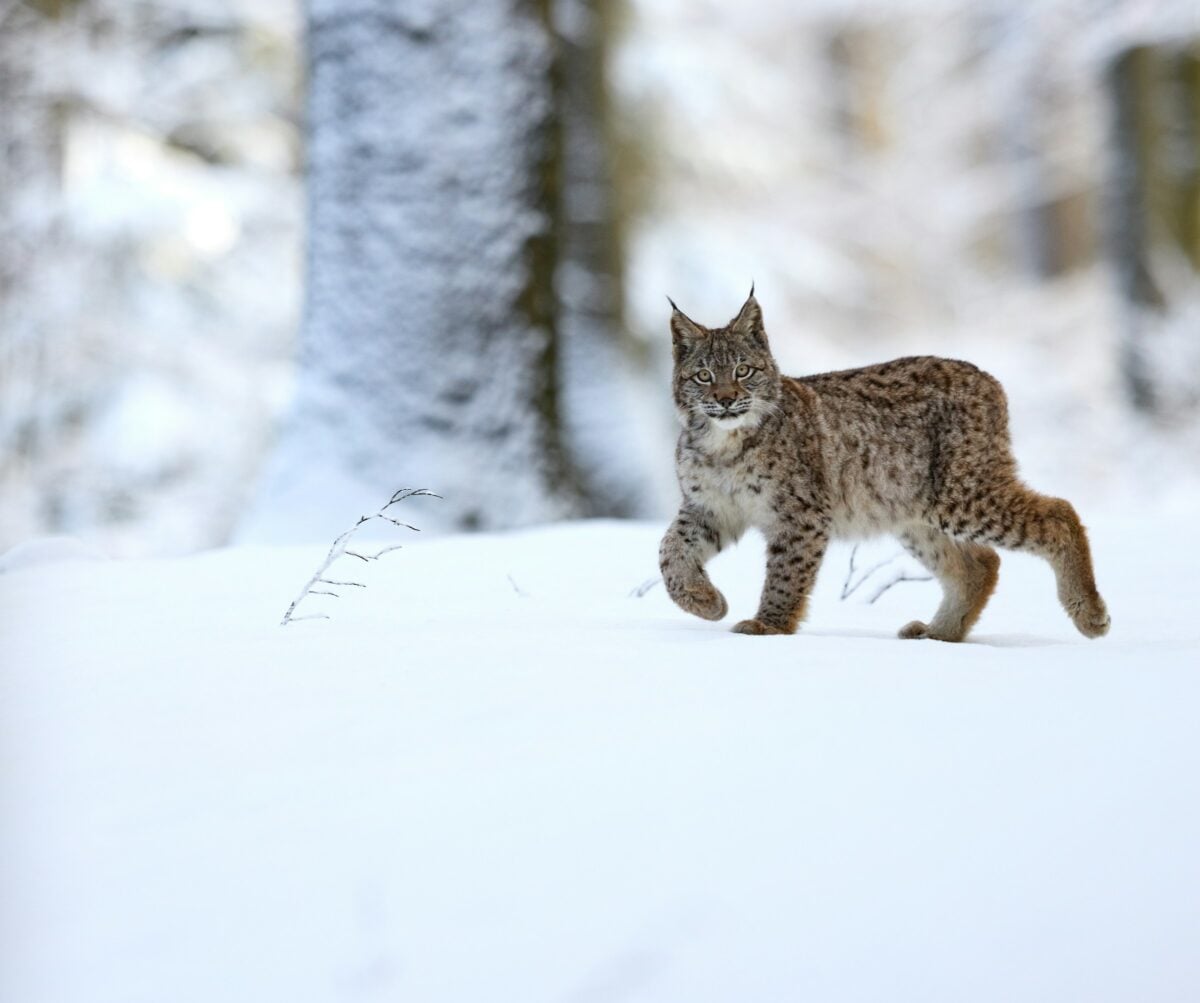
Most people think wildlife photography comes down to luck and a lens that costs more than a used car. It doesn’t. The photographers who keep landing those impossible, jaw-dropping frames are watching a calendar, not a gear catalog, and they’re circling one specific week like it’s the only holiday that matters: the first real cold snap of the season.
That’s the week everything quietly rearranges itself. Animal behavior shifts gears, the light turns almost unnaturally sharp, and places you’ve walked past a hundred times suddenly feel feral again. Casual shooters stay home, assuming “nothing’s happening yet.” They are dead wrong, and what follows is exactly what they’re missing, counted down from the subtle to the electric.
#16 – The First Frost on Fur and Whiskers
🔥 Would you like to save this?
We'll email this post to you, so you can come back to it later!
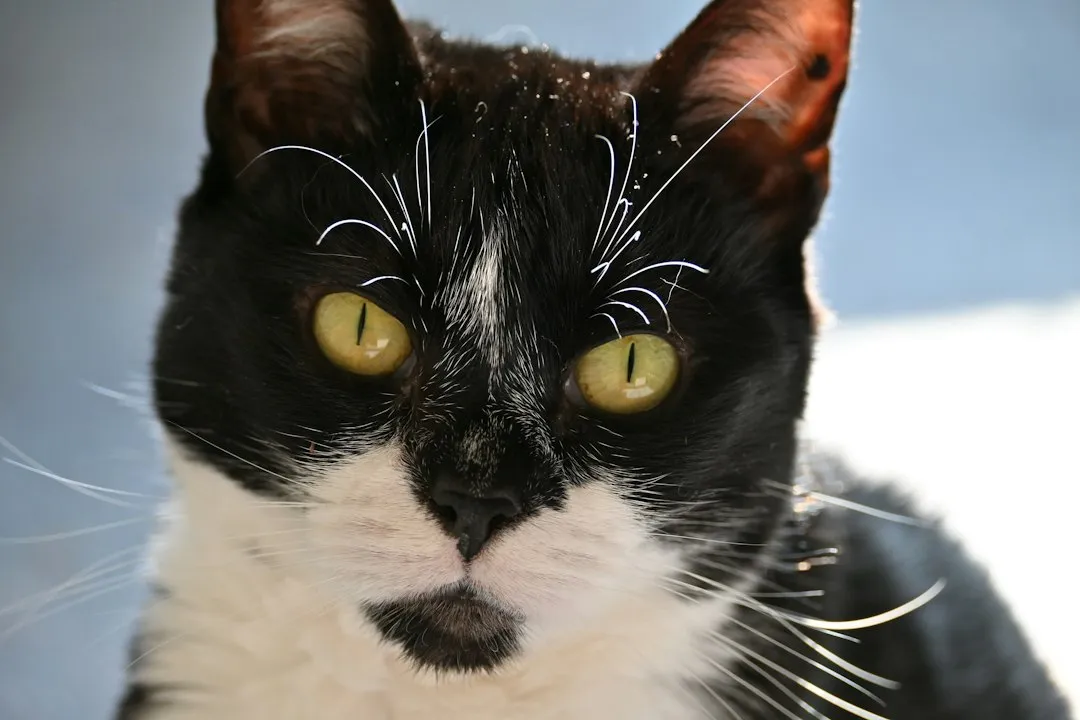
That first legitimate frost is the unofficial starting gun for the whole season. Wildlife photographers obsess over mornings when the temperature finally drops low enough to dust fields, rocks, and animal coats in ice crystals. This is when every hair and whisker starts catching light like fiber optics, especially on foxes, coyotes, and deer.
Instead of flat, slick summer coats, you suddenly get texture that glows at sunrise. Even a backyard squirrel looks cinematic when its frosty whiskers rim-light against a dark background – and most people scroll right past those shots, never realizing they were captured in a tiny twenty-minute window right after dawn.
- Look for clear skies overnight followed by sub-freezing dawn temperatures.
- Prioritize subjects that pause and sniff the air; their breath and fur will pop against the light.
But frost alone isn’t what pros are really chasing in that first cold spell, because #15 is what turns an ordinary breath into full drama.
#15 – Visible Breath Clouds in the Morning Light
🔥 Would you like to save this?
We'll email this post to you, so you can come back to it later!
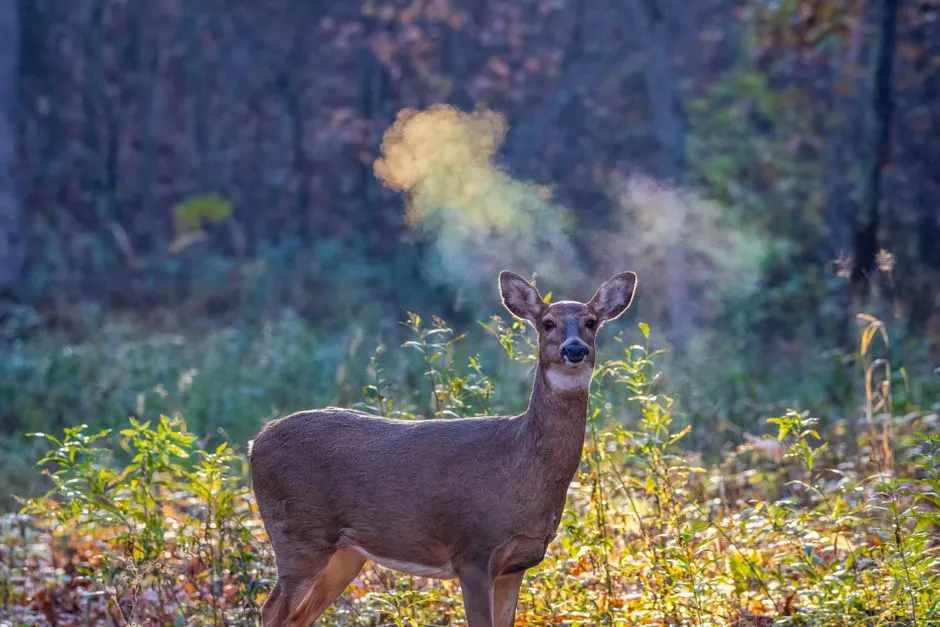
The first cold week is when animals finally “start breathing on camera.” Once the air is cold enough, exhaled breath condenses into dramatic clouds you usually only catch in big-budget documentaries. Experienced photographers deliberately position themselves so backlight cuts straight through those breath plumes, turning a flat portrait into something moody and cinematic.
Wolves, elk, bison, moose, even songbirds calling at dawn – all of them start emitting visible clouds that reveal tension, exertion, or calm in a single frame. The trick isn’t just being there; it’s reading wind, sun angle, and animal direction like a stage director. Most beginners shoot front-lit because it feels safer, then wonder why nothing they capture has any drama.
- Breath shows best when the background is dark and the sun sits behind the subject.
- Rapid breathing – rutting elk, running dogs, stressed prey – creates layered, overlapping clouds.
Visible breath is just the warm-up act, though. It’s #14 that quietly rewrites how predators actually hunt.
#14 – Predators Extending Their Hunting Hours
🔥 Would you like to save this?
We'll email this post to you, so you can come back to it later!
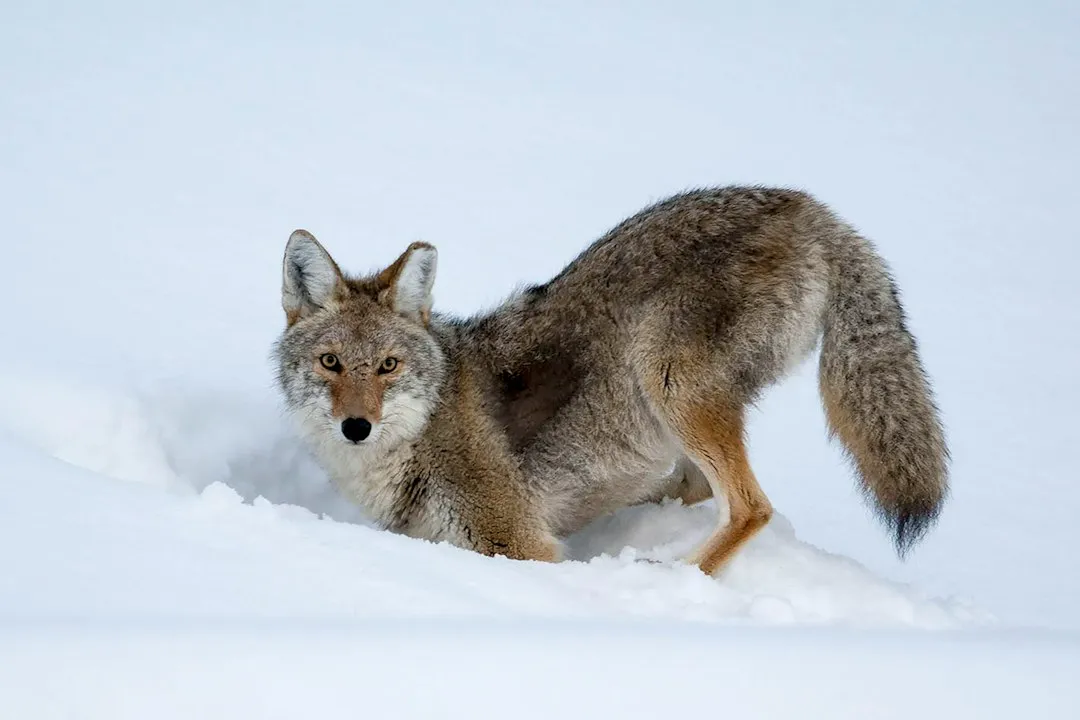
The first truly cold week rewrites the predator schedule almost overnight. As nights lengthen and temperatures fall, prey animals burn more energy simply staying warm. That forces them to feed longer and range farther, often during the exact “off” hours when casual photographers have already packed up and gone home.
Predators tune into this shift immediately. Foxes start quartering fields later into the morning. Coyotes cruise open country earlier in the afternoon. Owls slide from strictly nocturnal into haunting that thin, glowing edge of twilight most people skip entirely. New photographers assume it’s “too early in the season” for predator action – the experienced ones know this brief window is often the boldest hunting behavior you’ll see all year.
- There’s often a short, intense window of bold behavior before animals get pressured by hunters or traffic.
- Predators are hungrier but still in good condition, which makes for clean, powerful images.
Still, the real visual signal that “the season has started” usually shows up first on the horns and antlers in #13.
#13 – Steam Rising from Antlers and Backs
🔥 Would you like to save this?
We'll email this post to you, so you can come back to it later!
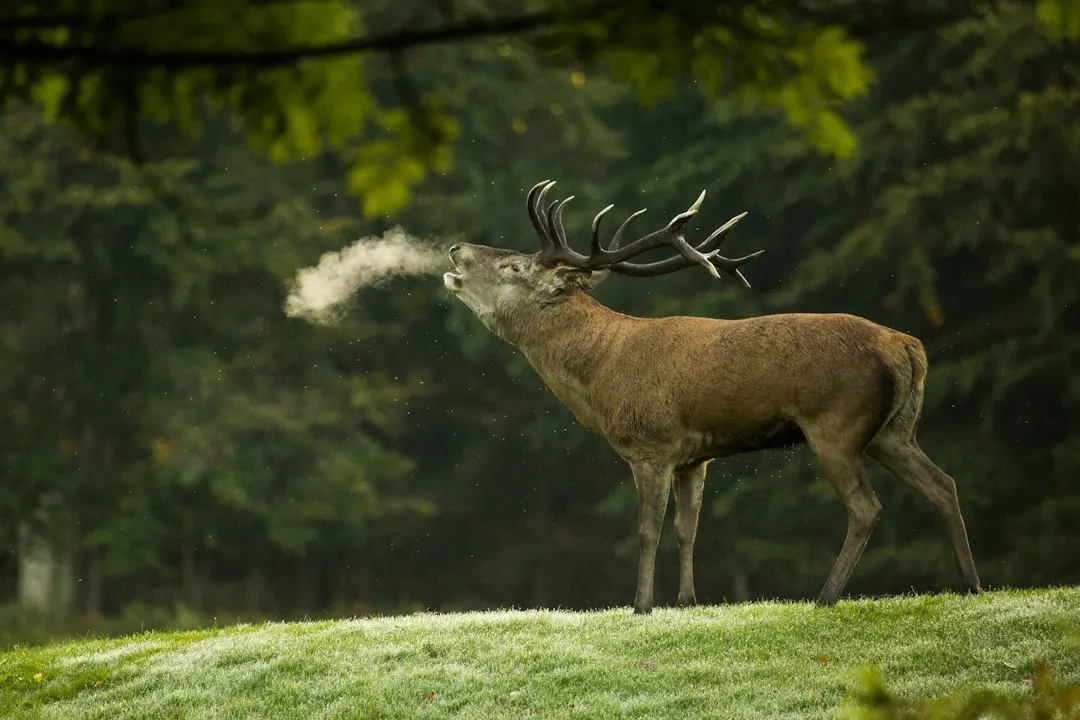
This is the shot that makes even non-photographers stop scrolling. Rutting elk, red deer, or moose standing in icy air will often literally steam. After fighting, running, or wallowing, their bodies radiate heat, and in that first cold week, it becomes visible – ghostly steam drifting off backs and antlers like something out of a myth.
Add a low sunrise and a nest of backlit grasses, and you’re one click away from an image that looks staged. What’s wild is how fast the window closes – the moment the sun climbs or a breeze picks up, the whole effect vanishes without a trace.
- Watch for still, cold mornings that follow a night of intense rut activity.
- Shoot low and slightly off-axis to catch the glowing edges of rising steam.
Fast Facts
- Elk and red deer rut typically peaks in September and October, right as the first cold mornings arrive.
- Visible steam usually needs near-freezing air paired with a calm, windless morning to show up on camera.
- The steam effect often disappears within minutes once direct sunlight warms the animal’s coat.
There’s a reason so many iconic deer and elk shots come from early cold snaps, not deep winter. But if antlers and steam feel dramatic, wait until you see what happens to entire herds and flocks in #12.
#12 – Herds and Flocks Condensing into Tighter Groups
🔥 Would you like to save this?
We'll email this post to you, so you can come back to it later!
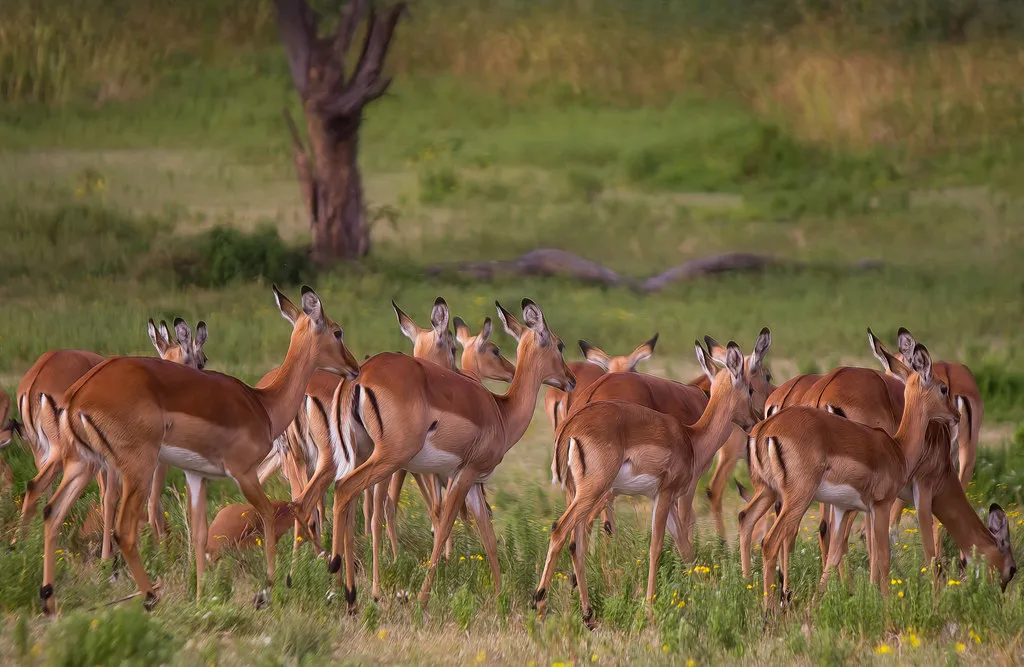
Cold doesn’t just change individuals – it rearranges whole landscapes. The first cold week often forces grazing herds and migrating birds to tighten into denser, far more photogenic clusters. Deer, elk, pronghorn, and bison bunch closer for warmth and safety as food patches shrink, while waterfowl and shorebirds pack into ice-free channels and the last open mudflats.
Instead of scattered, messy scenes, you suddenly get layered compositions: repeated forms, synchronized movement, clean lines. This is the rare week when wide and mid-range shots start beating your telephoto.
- Capture patterns and symmetry – dozens of heads lifting at once, wings frozen mid-beat.
- Use environmental context: frosted grasses, thin ice, low mist framing the whole group.
Some photographers actually complain these weeks look “too crowded.” Others argue this is exactly when behavior and design collide – and when those dense groups meet early weather extremes, you get the pure chaos of #11.
#11 – First Snow Flurries on Dark Coats
🔥 Would you like to save this?
We'll email this post to you, so you can come back to it later!
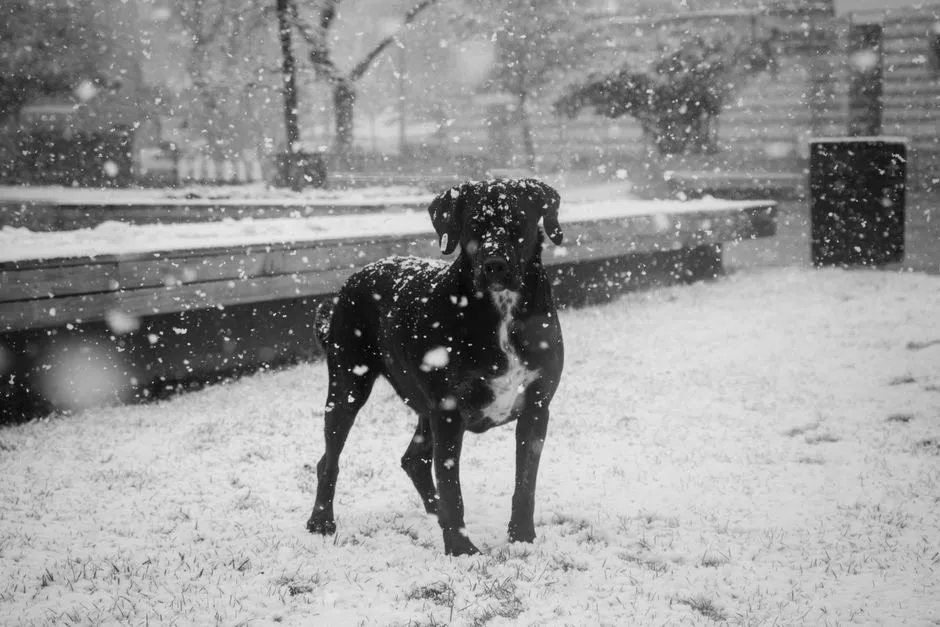
Nothing sells “wild” like snow landing on dark fur. Most people assume you need a full whiteout for those iconic winter shots, but plenty of pros quietly prefer the first sloppy, sideways flurries of the season – especially against bears, moose, wild horses, wolves, black-tailed deer, even ravens.
The contrast of fresh flakes clinging to a warm, dark coat is absurdly photogenic, and it’s more expressive than midwinter too – you see confusion, curiosity, mild irritation, instead of numb resignation. The first flurries are also wetter and clumpier, which means they actually show up on camera instead of vanishing into fine powder.
- Use faster shutter speeds to freeze individual flakes for a “3D” effect.
- Or slow it down just enough to streak the snow, so the animal looks like it’s moving through a storm.
But snow doesn’t just transform mammals – it turns birds you’d otherwise ignore into the headline act of #10.
#10 – Dark Raptors Against Stormy Skies
🔥 Would you like to save this?
We'll email this post to you, so you can come back to it later!
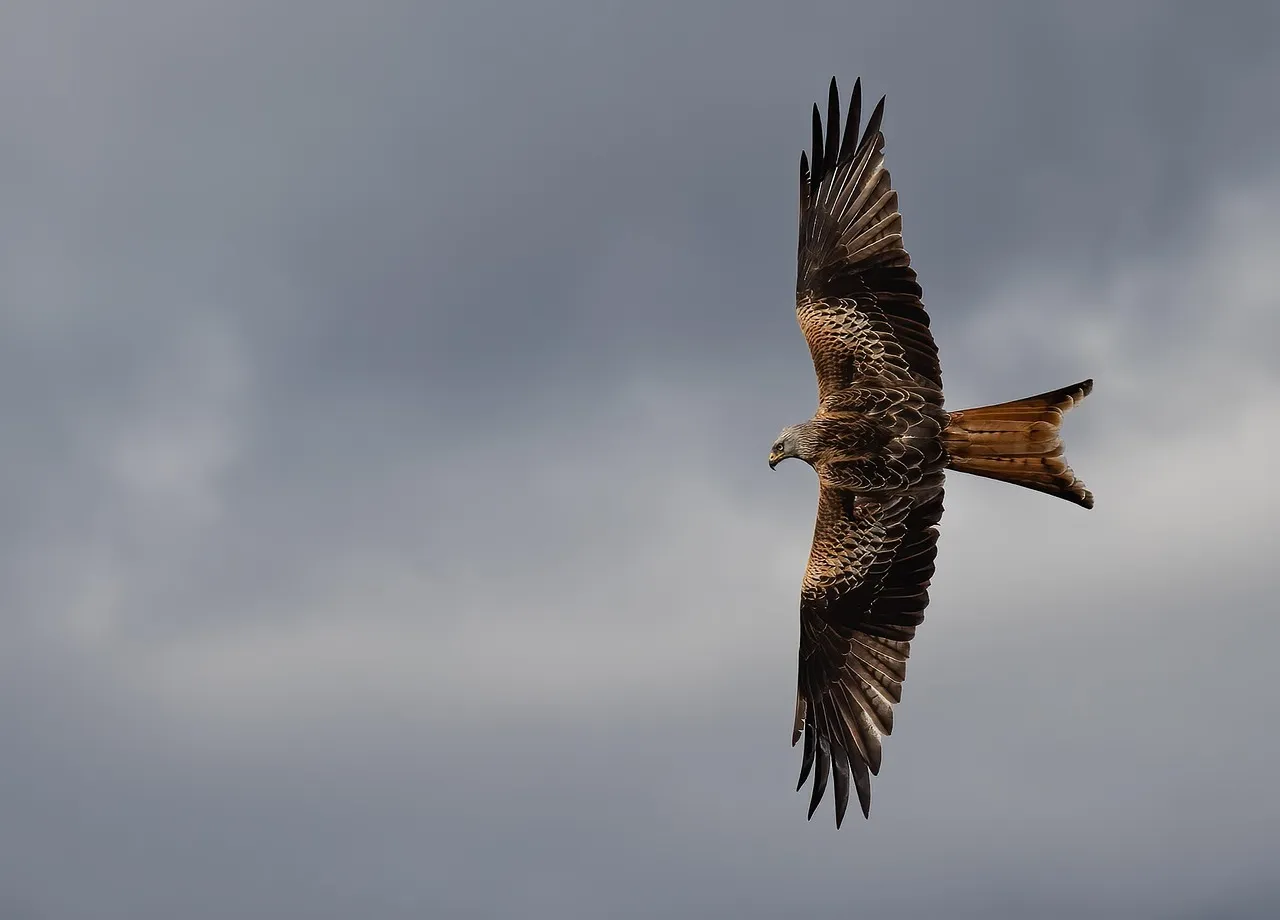
Cold fronts are raptor magnets. When the first serious front rolls through, it triggers a surge of migratory raptors riding the pressure change and strong winds. Photographers live for those moody, steel-blue skies with a single hawk, eagle, or falcon suspended in rough air.
Drop the temperature and birds often hunt lower than usual – over fields, wetlands, ridgelines – instead of staying high and distant. The drama is already baked in: harsh light, churning clouds, tight feathers fighting the wind. There’s a reason some photographers just call it “hawk weather.”
- Work the edge of the storm – just before or right after the front passes.
- Shoot fast bursts to catch wing positions in chaotic wind.
Raptors aren’t the only ones riding those first cold winds, though. Down along the water and mud, something a little stranger happens in #9.
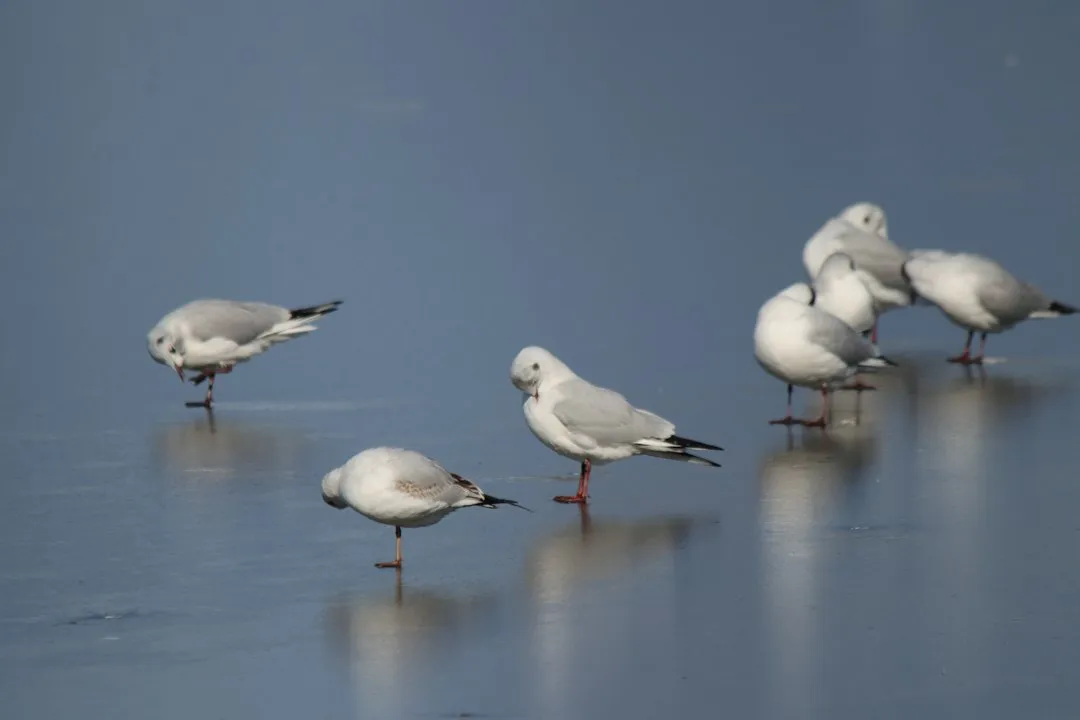
#9 – Shorebirds and Waterfowl Crowding the Last Open Water
🔥 Would you like to save this?
We'll email this post to you, so you can come back to it later!
That first skim of ice might look boring – unless you understand composition. During the initial cold week, ponds and marsh edges freeze in uneven, patchy shapes. Waterfowl and shorebirds abandon the thin ice fast and cram into whatever liquid pockets remain, usually right near shore.
For photographers, this is a gift: naturally clean backgrounds, tight groupings, and constant behavior on display as birds jostle, dive, and squabble over shrinking territory. Casual visitors complain “the ducks all moved.” Photographers quietly celebrate, because distance shrinks, tension rises, and interactions spike.
- Use higher vantage points to emphasize jagged ice shapes around dense clusters of birds.
- Wait for low, warm light to contrast against the cool blues of ice and reflection.
But if you really want to see animals acting out of character, the first cold week right after a warm spell sets the stage for #8.
#8 – “Confused” Transitional Behavior After a Sudden Drop
🔥 Would you like to save this?
We'll email this post to you, so you can come back to it later!
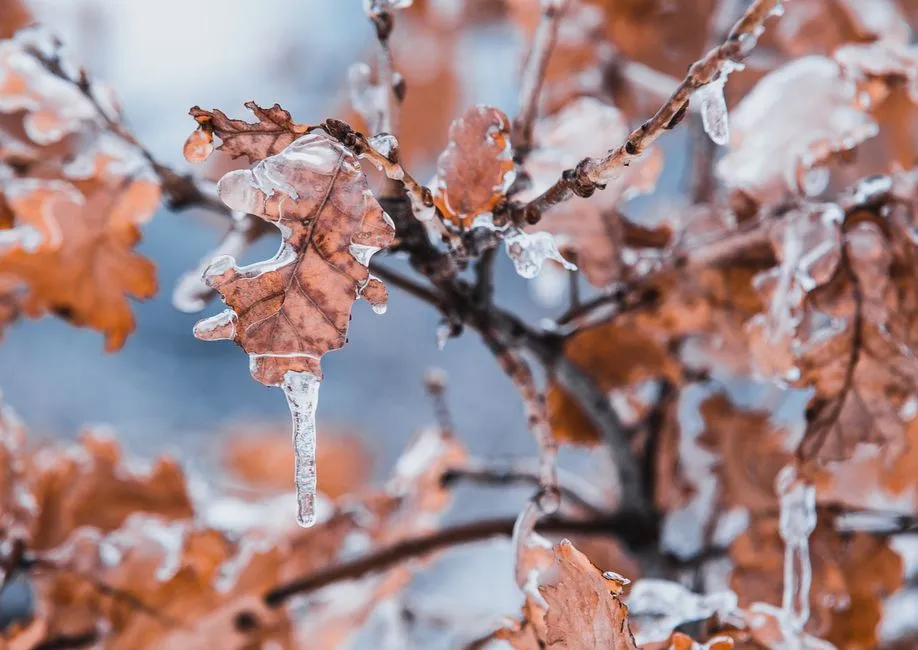
Nature doesn’t flip a tidy seasonal switch – and that mess is gold. When the first cold week lands hard on the heels of lingering warmth, animals behave in ways that feel oddly out of sync. Insects linger while frost bites the grass. Reptiles bask frantically on the last warm rocks, then vanish overnight.
Some mammals still wear thin summer coats even as their behavior already screams winter urgency – more sniffing, more movement, more frantic feeding. This mismatch produces rare, almost surreal frames: dragonflies over frosted reeds, half-molting deer glowing in an icy field. Some purists say this looks “wrong” against the textbook seasons; others argue it’s the most honest picture of climate and seasonal flux you’ll ever get.
- Watch the edges – forest meets field, water meets land, warm slope meets cold valley.
- Expect a short, intense window; transitional behavior can vanish within days.
Worth Knowing
- Cold-blooded species like reptiles and insects react almost instantly to temperature swings, while mammal coats and habits shift far more gradually.
- Late migrants such as dragonflies and butterflies can linger for days after the first frost, creating unlikely side-by-side scenes.
- This mismatch window is short-lived and usually settles into a consistent seasonal rhythm within a week or so.
And nowhere is that flux more obvious than in the skies and backgrounds of #7.
#7 – Razor-Sharp Air and Extra-Clean Light
🔥 Would you like to save this?
We'll email this post to you, so you can come back to it later!
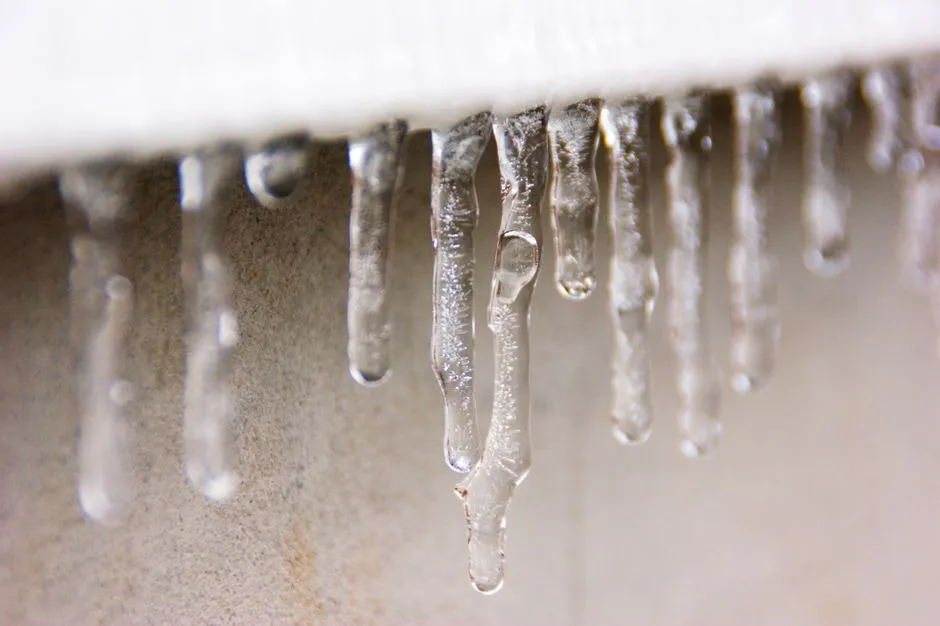
Cold doesn’t just change animals – it fundamentally rewires image quality. As humidity drops during the first cold week, haze clears out completely. You get crisp microcontrast and deep color saturation that were flat-out impossible in muggy late-summer air.
Distant ridgelines sharpen. Plumage detail on tiny birds pops like you upgraded your lens overnight. Photographers who obsess over “good glass” often forget that good air matters just as much. Newer shooters blame their gear when summer images look soft; veterans just smile and wait for that first cold front to reveal what their camera could actually do all along.
- Backlit scenes lose the milky glare and gain richer halos and sharper edges.
- Blue hour stretches slightly longer, with cooler, richer tones for silhouettes.
But technical clarity is only half the story. The cold also flips a social switch in #6.
#6 – Animals Dropping Their Guard Around Routine Human Activity
🔥 Would you like to save this?
We'll email this post to you, so you can come back to it later!
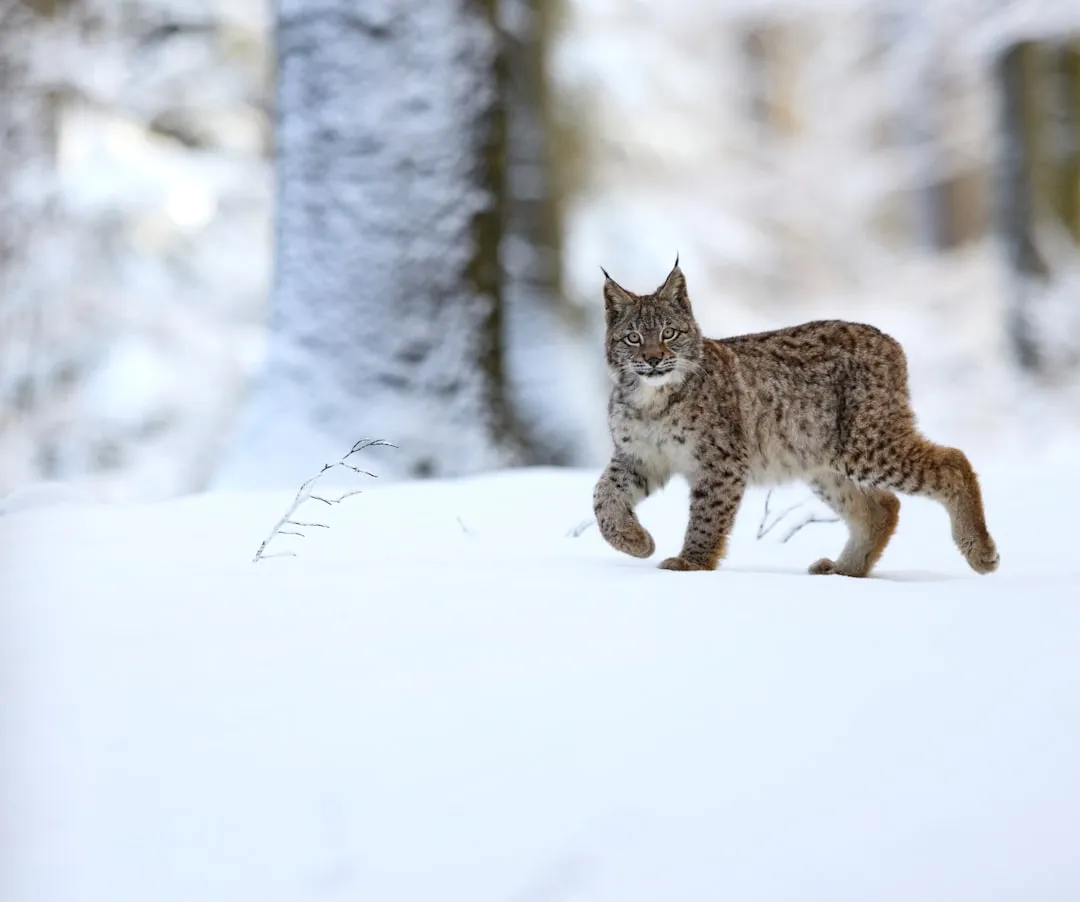
Like it or not, cold shifts the whole risk-reward equation. As food becomes less predictable, some wildlife tolerates human presence just a little more – especially near reliable resources like orchards, unfrozen streams by roads, late-harvest fields, even urban parks. The first cold week is when daylight appearances start showing up along field edges and trail margins that had been empty all autumn.
That doesn’t mean animals are becoming tame – it means their survival math just changed, and thoughtful photographers can work that margin without pushing it. This shift is genuinely controversial: some argue photographers should back off entirely once food stress ramps up, while others believe responsible, low-impact observation during this exact window can shift how people feel about the wildlife living around them.
- Use longer lenses and natural cover instead of pushing distance just because an animal “seems fine.”
- Watch for subtle stress signals: head bobbing, freezing in place, repeated glances, tail flicks.
But there’s one category of animal that answers the first cold week in an even more visually obvious way – see #5.
#5 – Winter Coats, Plumage Changes, and Color Shifts
🔥 Would you like to save this?
We'll email this post to you, so you can come back to it later!
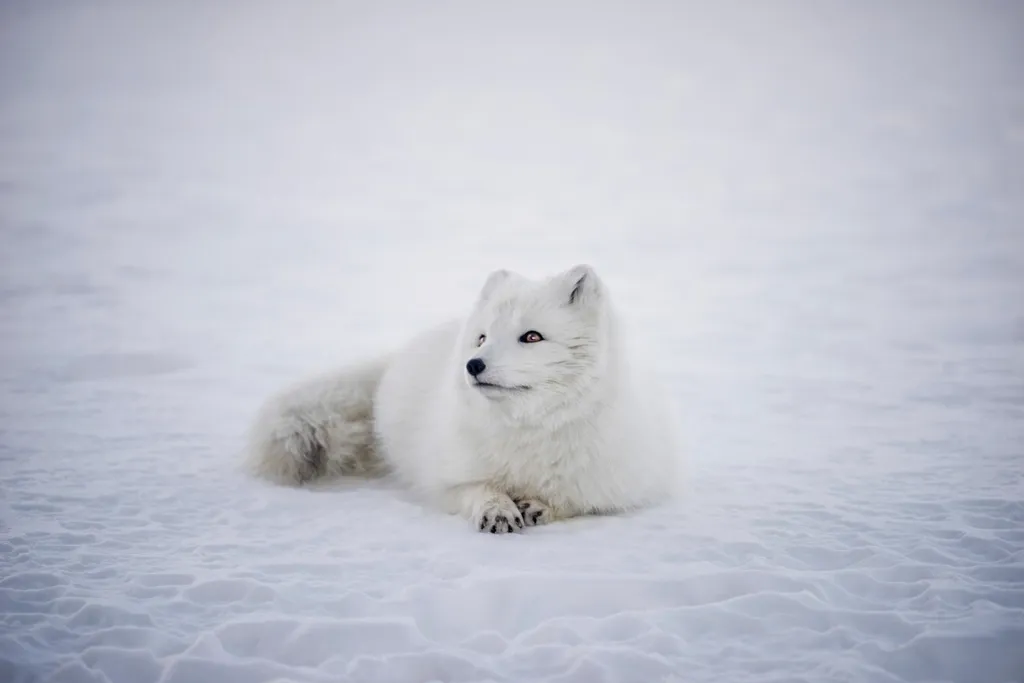
The first cold week is when wardrobe changes stop being subtle. Many mammals and birds transition into winter coats gradually, but the temperature drop usually lines up with the first genuine “wow, that’s different” moment. Foxes fluff into thick, sculpted shapes. Mountain goats and sheep start looking carved from stone.
Some birds shift into drabber, cryptic plumage, while others – certain waterfowl and gamebirds – burst into full, polished breeding or winter color right as the landscape around them turns dull. There’s an ongoing argument in the community: some swear the first cold week produces the most interesting mix of scruffy and sleek, while others hold out for peak, full winter fluff later on.
- Return to the same individuals or territories weekly to document the transformation.
- Use consistent framing to show a “before/after” that feels almost like time-lapse.
But both camps agree on one thing – night behavior after that first cold snap is wildly underrated, especially once you start paying attention to #4.
#4 – Nocturnal Activity Moving Closer to Dawn and Dusk
🔥 Would you like to save this?
We'll email this post to you, so you can come back to it later!
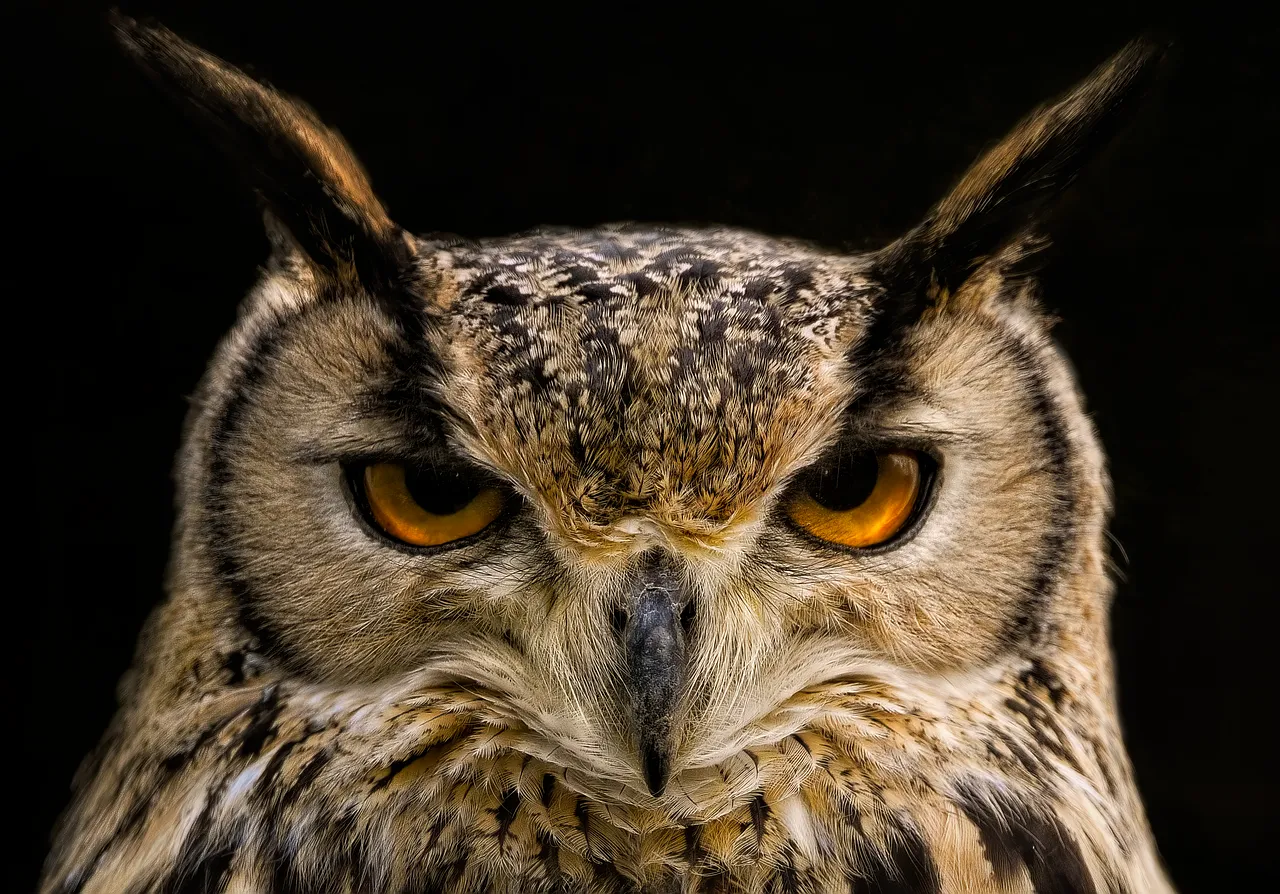
The first cold week can pull the night straight into your viewfinder. Shorter days and colder nights compress activity for many nocturnal and crepuscular species. Owls call earlier. Foxes and small carnivores linger later into the morning. Bats concentrate their foraging into shorter, more intense windows.
That means you can suddenly photograph “night” animals in usable blue-hour light, without pushing your sensor to its limits. Add a little frost or thin mist and you’ve got moody, forgiving light with animals that used to be nothing but a pair of glowing eyes in the dark.
- Scout roost trees, den sites, and hunting perches well before the first cold arrives.
- Use silent shutters and slow, deliberate movements to avoid spooking subjects in dim light.
At a Glance
- Owls often begin calling earlier in the evening as daylight hours shrink.
- Foxes and other small carnivores extend their foraging into the early morning twilight.
- Bats compress their feeding into shorter, more concentrated windows as insect activity drops off.
There’s real debate over how much artificial light, if any, is acceptable here – many experienced shooters skip flash entirely, arguing the first cold week already hands you enough twilight drama if you’re patient. And speaking of drama, the most haunting scenes of all tend to form right where land meets water in #3.
#3 – Ground Fog and Steam Mixing with Wildlife at Sunrise
🔥 Would you like to save this?
We'll email this post to you, so you can come back to it later!
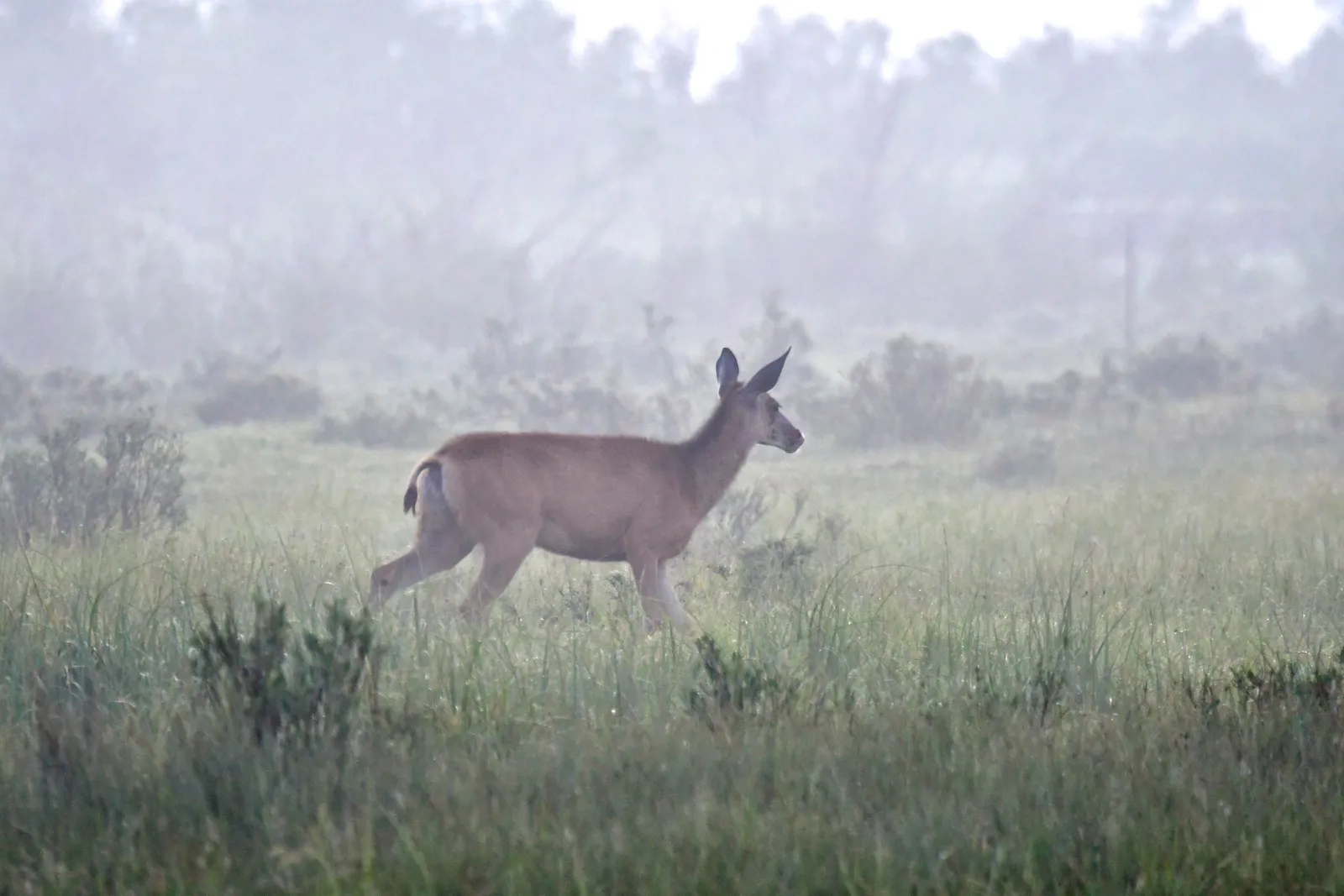
The first cold week is when the earth itself seems to start breathing. When cold air slides over relatively warmer water or damp ground, you get ground fog and rising steam that turn ordinary wetlands, rivers, and fields into something closer to a dream than a landscape.
Add a deer stepping through a veil of mist, cranes bugling from a glowing river, or a lone heron materializing out of nowhere, and you have a frame that feels painted rather than photographed. This atmosphere is at its most dynamic during the first cold week specifically, because the water is still relatively warm – by deep winter, the effect flattens out and mostly disappears.
- Get into position well before sunrise, then wait for the fog to hit the sweet spot – thick enough to feel mysterious, thin enough that it doesn’t erase your subject.
- Use backlight or side light to carve visible shafts and layers through the mist.
While everyone else is mesmerized by the mist, the real adrenaline junkies are already waiting for the chaos scenario in #2.
#2 – First Ice Forming… and Cracking Underfoot
🔥 Would you like to save this?
We'll email this post to you, so you can come back to it later!
The first ice is both a compositional gift and a genuine hazard. Shallow ponds and marshes start to skin over during the first cold week, creating mirrors, abstract patterns, and fragile platforms that curious animals will actually test with their own weight.
You might catch a fox treading gingerly, a heron forced to balance on a narrow ice edge, or a small mammal dashing across a glassy surface. The reflections and symmetry can be stunning right up until the ice breaks – and that moment of slip, splash, or scramble can produce an unforgettable sequence, if you’re already locked on and ready.
- Plan safe, conservative approaches; falling through first ice is a real danger, not a photography inconvenience.
- Use longer focal lengths to stay off unstable surfaces while still capturing the behavior up close.
Quick Compare
- New, clear ice is generally considered unsafe for any weight until it reaches roughly four inches thick.
- Cloudy or slushy ice is weaker than clear ice at the same thickness, so treat it with extra caution.
- Wildlife testing thin ice tend to move quickly and instinctively toward solid ground the moment it starts to crack.
Some shooters refuse to work around first ice at all, calling it not worth the risk. Others say those brief days when everything is half-frozen, half-liquid gave them the most original frames of their entire career. And yet, for most pros, none of it beats the sheer electric intensity of #1.
#1 – The Switch: When “Calm Autumn” Turns Into “Survival Season”
🔥 Would you like to save this?
We'll email this post to you, so you can come back to it later!
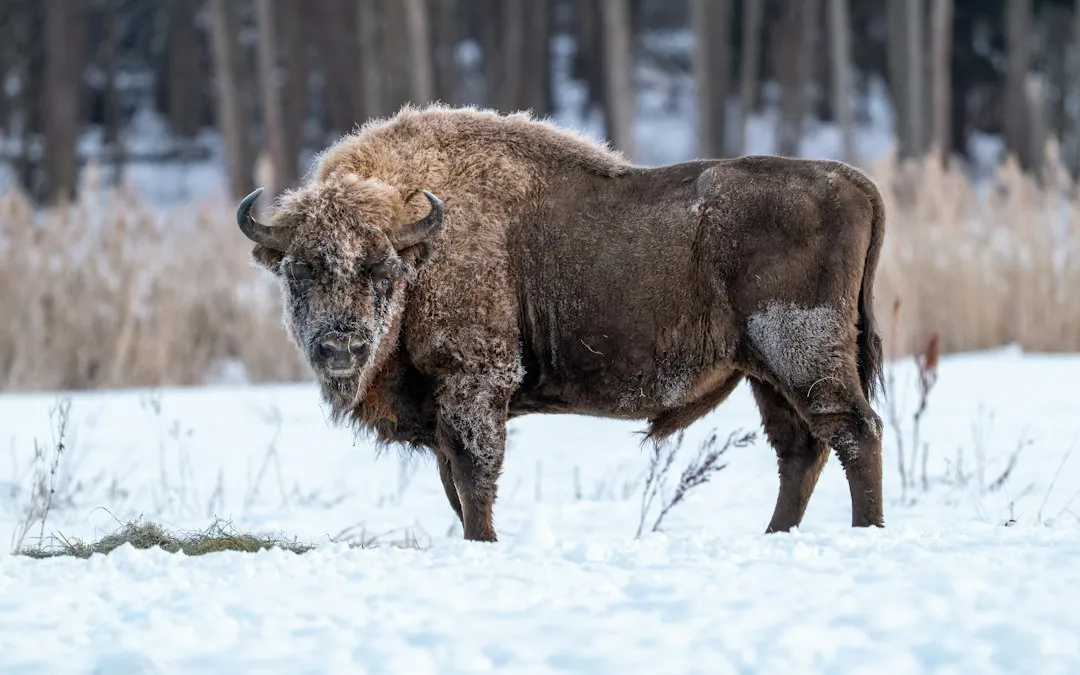
Every serious wildlife photographer can tell you the exact morning it “clicked.” The number one thing they wait for in the first cold week isn’t a specific animal or a weather trick at all – it’s an invisible behavioral threshold, the moment the entire landscape seems to lurch from casual to urgent.
Birds feed harder. Rodents move faster. Predators patrol with a different, sharper kind of focus. Even the silence feels heavier. You can stand in the exact field you’ve worked all autumn and feel, in your bones, that you’re no longer photographing scenery – you’re photographing survival.
- Slow down, shoot less, and watch more – patterns reveal themselves fast once you stop chasing.
- Accept that some of the best “shots” never leave your memory – they’re routes and routines you’re quietly studying for the rest of winter.
Some people call this shift romantic exaggeration, insisting animals just keep doing what they’ve always done. But ask anyone who’s spent years standing out there, calendar after calendar, and they’ll tell you the same thing: the first real cold week is when the wild stops pretending to be gentle – and your images finally start showing what life actually costs.
The first cold week isn’t just “nice wintery weather” for wildlife photographers – it’s the pressure point where light, behavior, and landscape all snap into a different state at once. Frosted whiskers, steaming antlers, compressed herds, moody raptors, confused transitional behavior, drifting mist, cracking ice, and that eerie sharpening of the air all arrive in one tight, fragile window that most people completely miss.
Here’s the opinion I’ll stand behind: the biggest mistake casual shooters make is waiting around for postcard snowdrifts and a perfect white blanket. By the time that arrives, half the most revealing moments are already gone, used up, over. If you want images that feel alive instead of staged and predictable, you don’t wait for pretty winter – you chase raw, awkward, unglamorous cold snap number one, every single year, without exception.
So which of these sixteen moments would actually drag you out of a warm bed before sunrise – and which ones do you think are overhyped?

- 12 Surprising Facts About North American Mountain Lions You Never Knew - November 5, 2026
- Wild Salmon Populations Are Rebounding in the Pacific Northwest, A Sign of Healthier Rivers - November 5, 2026
- 8 Fascinating Facts About Owls You Never Knew - November 5, 2026