
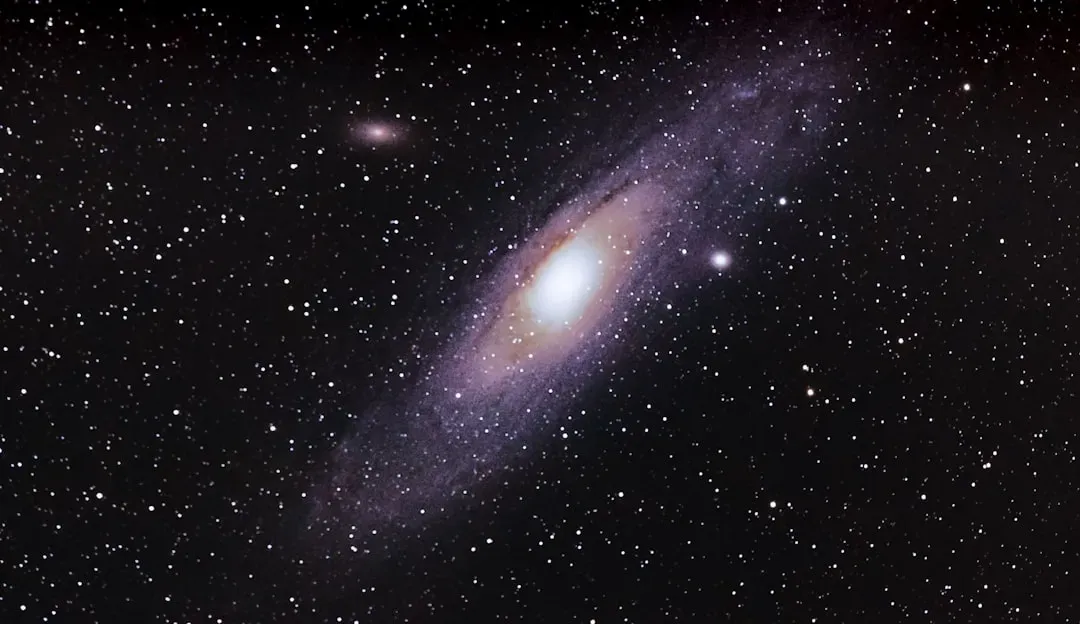
Look up on a clear night and somewhere in that vast darkness above, Andromeda waits. It’s the closest major galaxy to ours, a neighbor sitting roughly two and a half million light years away. Most people don’t realize it, though, that this faint smudge visible to the naked eye is actually hurtling toward us at hundreds of thousands of miles per hour. Honestly, it sounds terrifying when you phrase it like that.
For decades, astronomers believed a cosmic collision between the Milky Way and Andromeda was inevitable, a dramatic finale written in the stars themselves. The collision is predicted to happen in about 4.5 billion years between the two largest galaxies in the Local Group. Yet recent studies using data from the Hubble and Gaia space telescopes have thrown a curveball into this long-standing prediction. In 2025, researchers found that when the gravitational pulls from both the Large Magellanic Cloud and the Triangulum Galaxy are taken into account, the chance for a collision is much lower, with about 50% probability for no collision during the next 10 billion years. Still, whether it’s a definite smash or a cosmic near miss, the question lingers: what would this mean for Earth?
The Collision May Not Be as Inevitable as We Thought
For years, the science was clear. In 2012, a landmark study using Hubble concluded that both galaxies would be gravitationally drawn into one another for a head-on collision in four to five billion years. Astronomers tracked the sideways motion of Andromeda with painstaking precision, measuring star positions over several years. The verdict seemed final.
Fast forward to 2025, though, and the picture has become murkier. When just the Milky Way and Andromeda were simulated, they merged in slightly less than half of the cases, but with the inclusion of the Large Magellanic Cloud, those chances dropped back down to a coin flip. Turns out, when you factor in other massive neighbors like M33 and the Large Magellanic Cloud, the gravitational dance becomes far more complicated than a simple two-galaxy tango. It’s hard to say for sure, but this new uncertainty offers a strange sense of cosmic relief.
Earth Will Already Be Uninhabitable by Then
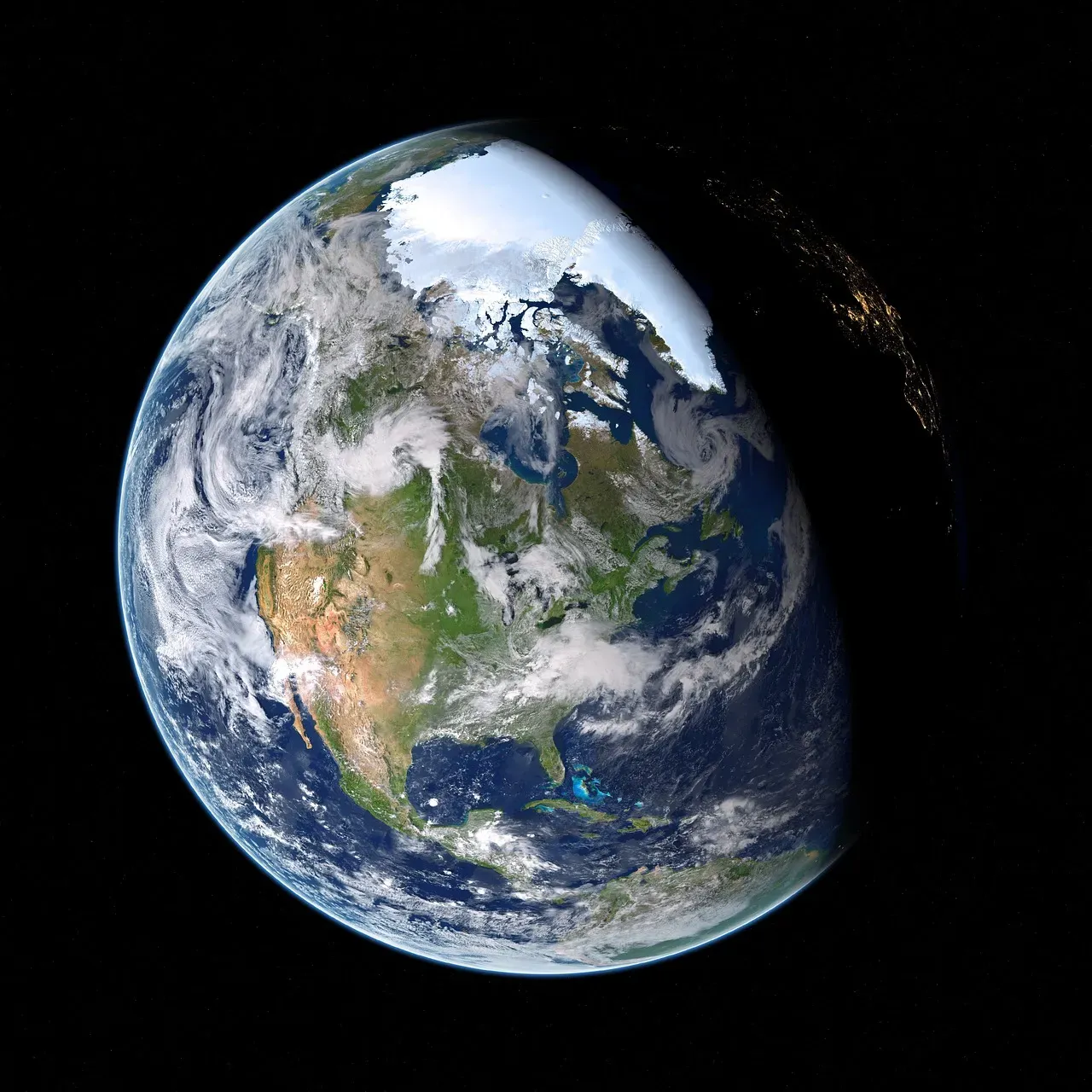
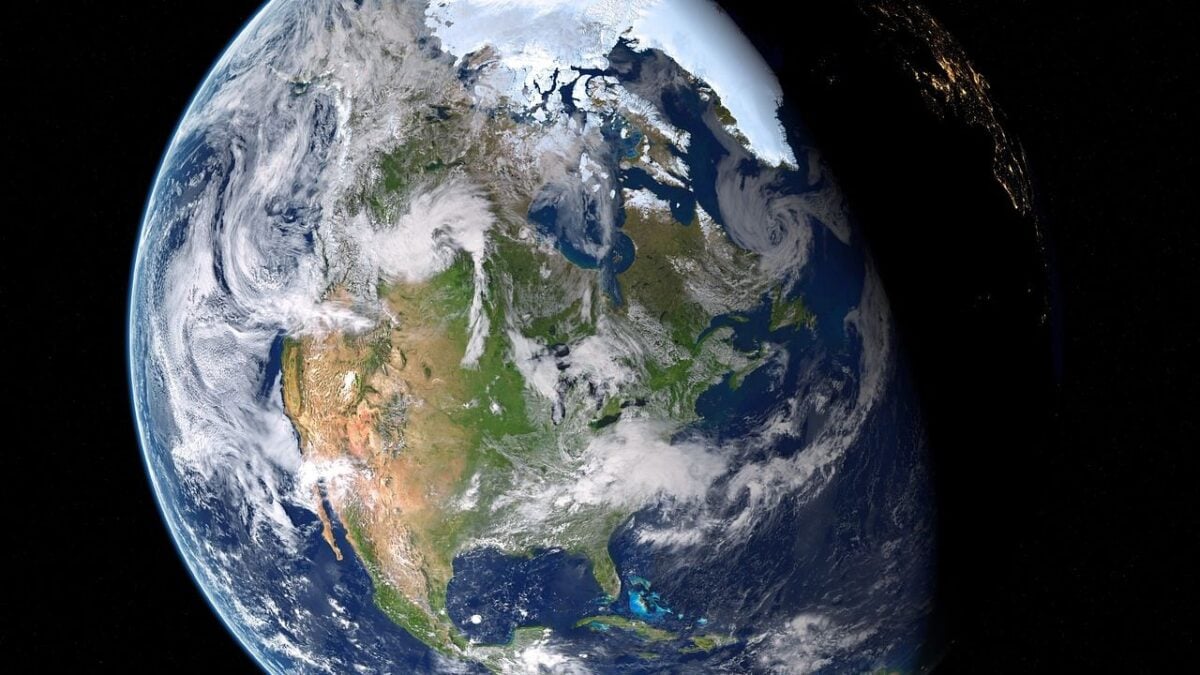
Here’s the thing about worrying whether Earth survives a galactic collision: we won’t be around to witness it anyway. By the time the two galaxies may collide, the surface of the Earth will have already become far too hot for liquid water to exist, ending all terrestrial life, estimated to occur in about 0.5 to 1.5 billion years due to gradually increasing luminosity of the Sun. Our star is slowly getting brighter, and that increased radiation will eventually trigger a runaway greenhouse effect similar to what happened on Venus.
So the real existential threat isn’t a galaxy merger billions of years down the line. It’s our own Sun turning Earth into an uninhabitable wasteland long before Andromeda even gets close. The short answer is that the end of the Sun is far worse for our planet than the collision with Andromeda. Kind of puts things in perspective, doesn’t it?
Stars Won’t Actually Smash Into Each Other
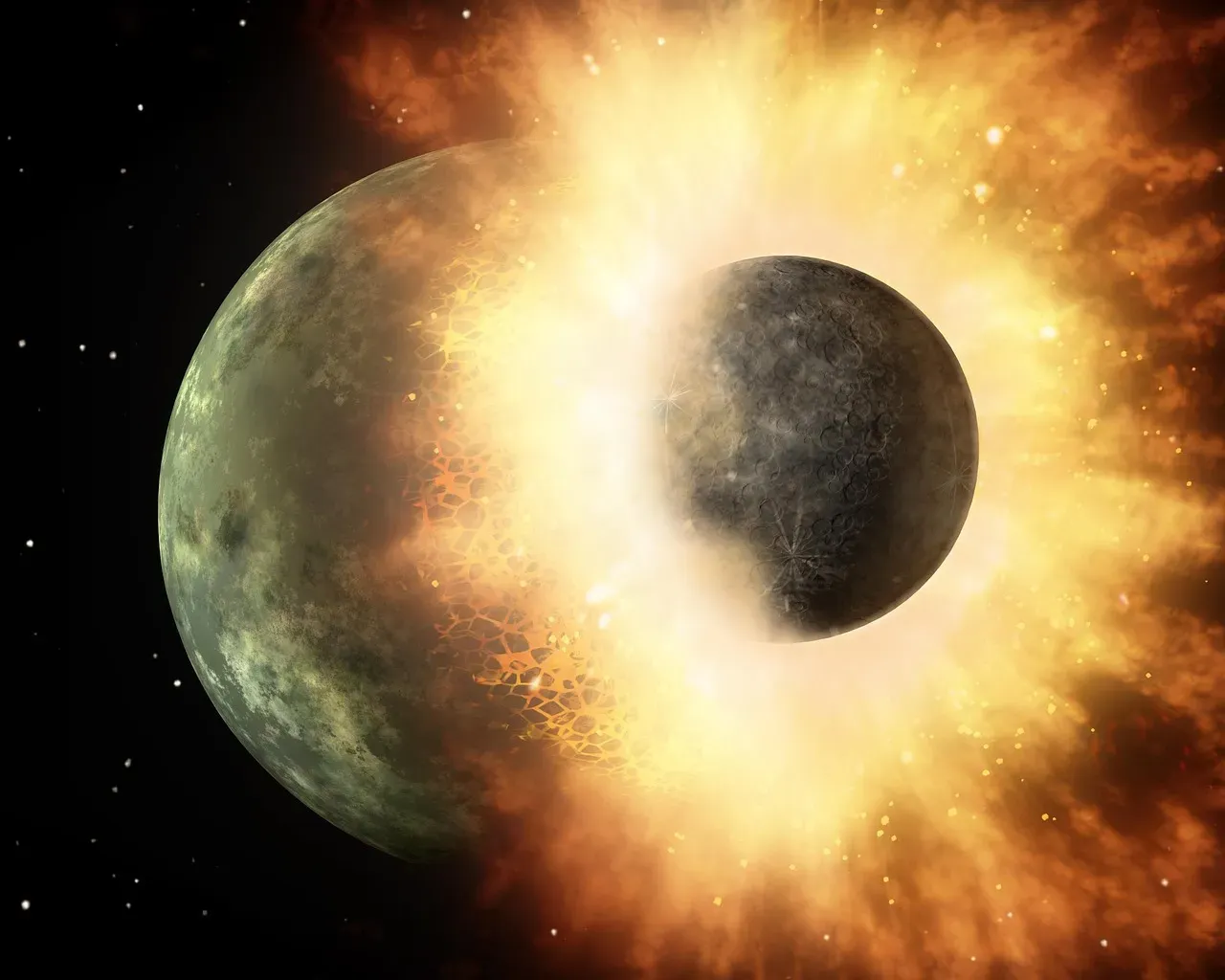
Let’s be real, the term “galactic collision” sounds catastrophic. Images of exploding stars and cosmic chaos come to mind. In reality, though, galaxies are mostly empty space. While the Andromeda Galaxy contains about 1 trillion stars and the Milky Way about 300 billion, the chance of even two stars colliding is negligible because of the huge distances between the stars. Think of it this way: if the Sun were a ping pong ball, the nearest star would be a pea sitting roughly 680 miles away.
When a galactic merger takes place, the two galaxies are like ghosts; they simply pass through each other because stars inside galaxies are separated by such great distances, thus the stars themselves typically don’t collide when galaxies merge. The collision is more like two clouds of fireflies drifting through one another. Dramatic, yes, but not in the explosive Hollywood sense you might imagine.
Our Solar System Could Get Flung Into the Cosmic Suburbs
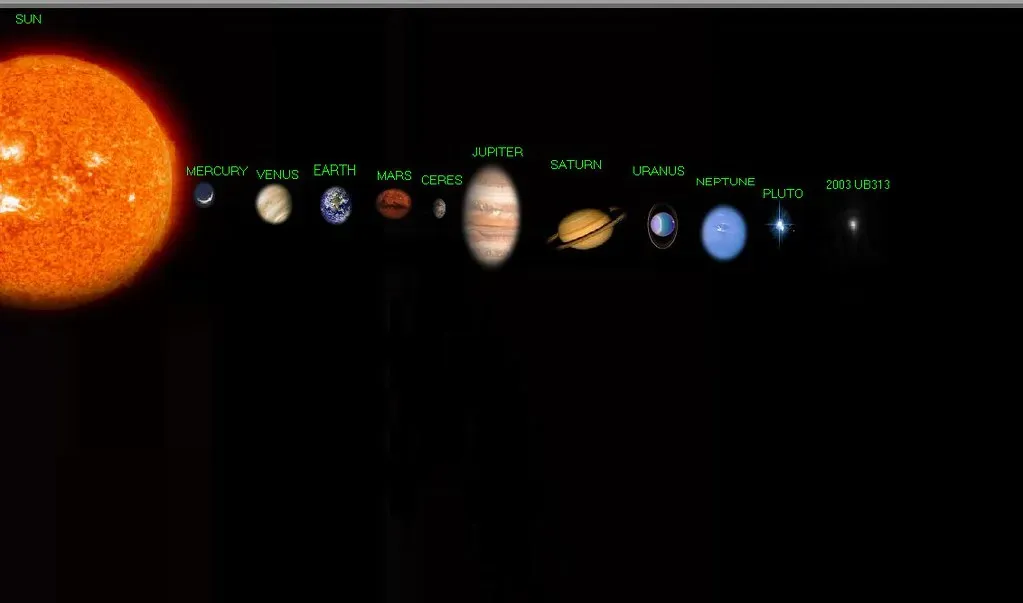
Even though individual stars probably won’t collide, that doesn’t mean the solar system will remain untouched. Gravity works in mysterious ways, and when two galaxies merge, stellar orbits get thoroughly scrambled. Scientists predict a 50% chance that in a merged galaxy the solar system will be swept out three times farther from the galactic core than its current position. Right now, we’re nestled comfortably in a spiral arm called the Orion Spur. After the merger, we might find ourselves at the fingertips of the new galaxy’s outer edges.
There’s even a more extreme possibility. Scientists also predict sometime during the collision, there is a 12% chance that the solar system could be entirely ejected from the newly formed galaxy. Imagine that, our entire solar system sent sailing into the void of intergalactic space. Such an event would have no adverse effect on the system and the chances of any sort of disturbance to the Sun or planets themselves may be remote. We’d still have our Sun, after all. The view, however, would be profoundly different.
The Night Sky Would Transform Into Something Unrecognizable
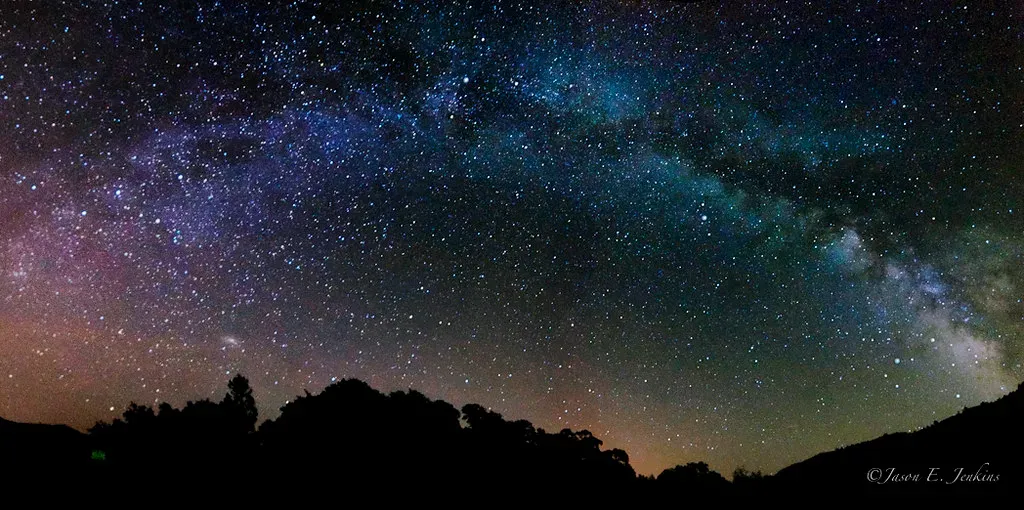
If somehow life persisted on Earth or if future space-faring humans observed from afar, the visual spectacle would be unlike anything we’ve ever seen. At 2 billion years, the mutual pull of gravity between the two galaxies brings Andromeda closer, increasing its visibility, and at 3.75 billion years, Andromeda and the Milky Way prepare for their initial collision. Andromeda would gradually dominate more and more of the night sky, eventually stretching from horizon to horizon.
At 3.85 billion years, the sky brightens from the emergence of newly formed stars, and at 3.9 billion years, clouds of ionized gas fill the sky. The collision would trigger bursts of star formation as gas clouds collide and compress. The familiar constellations we grew up with would be erased, replaced by a chaotic swirl of light and stellar nurseries. It’s weirdly beautiful to think about, even if none of us will be there to see it.
A New Elliptical Galaxy Called Milkomeda
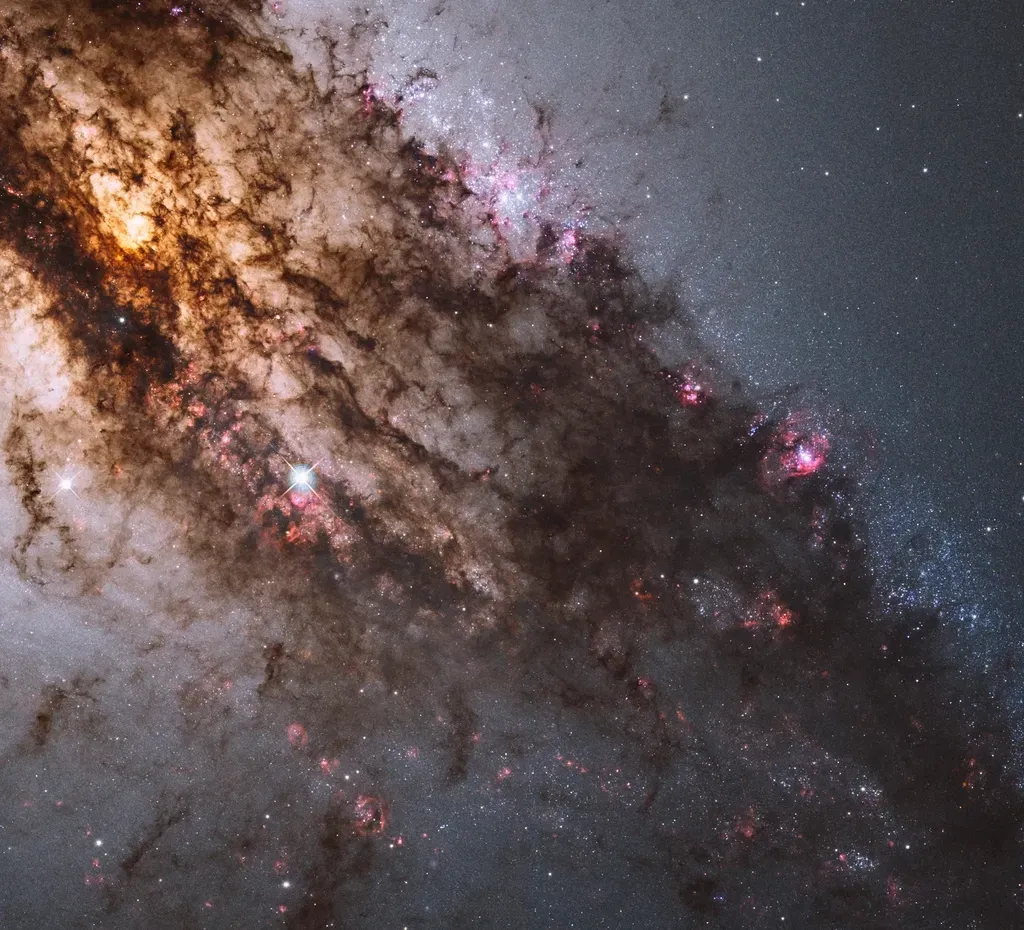
After billions of years of gravitational tug-of-war, the Milky Way and Andromeda wouldn’t just bounce off each other. Computer simulations show that it will take an additional two billion years after the encounter for the interacting galaxies to completely merge under the tug of gravity and reshape into a single elliptical galaxy. This new cosmic structure has already been nicknamed Milkomeda or Milkdromeda, depending on who you ask.
According to simulations, this object would probably be a giant elliptical galaxy, but with a centre showing less stellar density than current elliptical galaxies. Instead of the beautiful spiral arms we associate with both galaxies today, the result would be a blob-like elliptical galaxy. The black hole pair will end up forming a binary at the heart of the new, larger galaxy, and interaction with their surroundings means that the pair will spiral inwards, emitting gravitational waves as they do so, with the two merging in only about 17 million years. It’s a complete transformation, the end of both galaxies as we know them.
Conclusion: Earth’s Fate Is Already Sealed
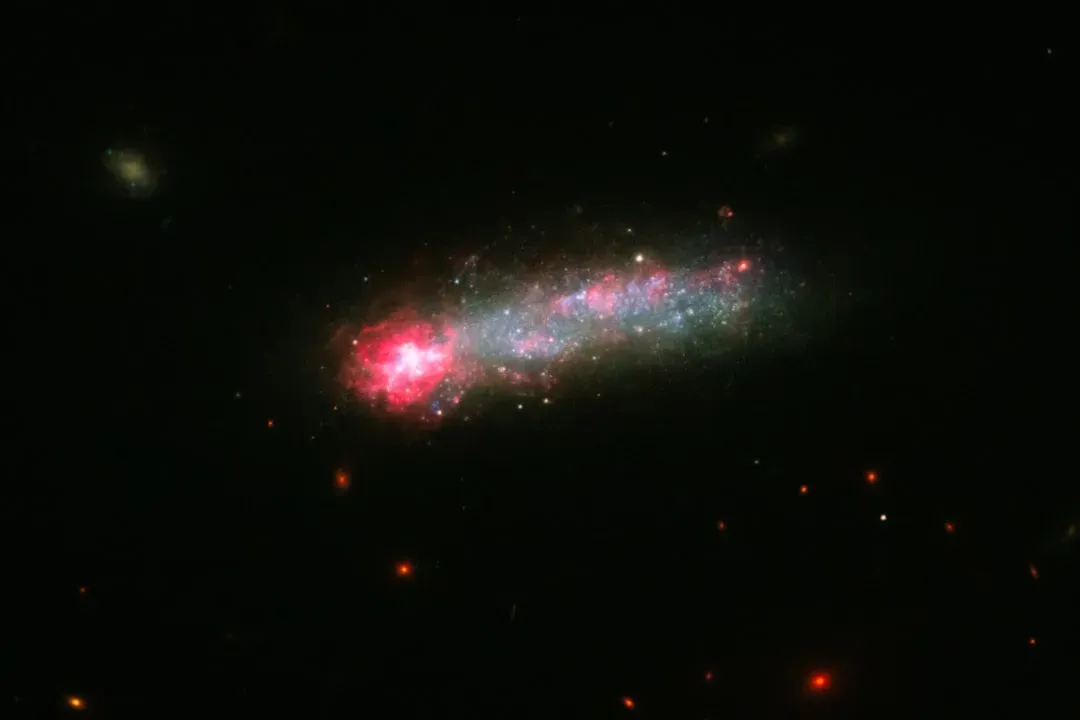
So what will really The honest answer is: probably nothing directly, because Earth as a habitable world will already be long gone. While that merger would mean the end of our galaxy, it would not necessarily be the end of the Sun or the Earth, and collisions between stars or planets are extremely rare during galaxy mergers. The real danger isn’t a cosmic smashup billions of years away; it’s the slow, inevitable brightening of our own Sun.
Still, there’s something oddly comforting about the fact that our solar system will likely survive the merger, even if it gets kicked to the outskirts of a newly formed galaxy. The universe will carry on, stars will continue to shine, and somewhere in that distant future, the remnants of our solar system will orbit in a galaxy we would barely recognize. What do you think, though? Does knowing we won’t be around make the whole thing less fascinating, or does it make you appreciate the cosmic ballet even more? Tell us in the comments.

- What Will Happen to Earth When Andromeda Collides With the Milky Way? - July 24, 2026
- 10 Plants That Repel Mosquitoes in Texas - July 24, 2026
- 8 Facts About the Ute People and Their Historic Ties to the Rocky Mountains - July 24, 2026