
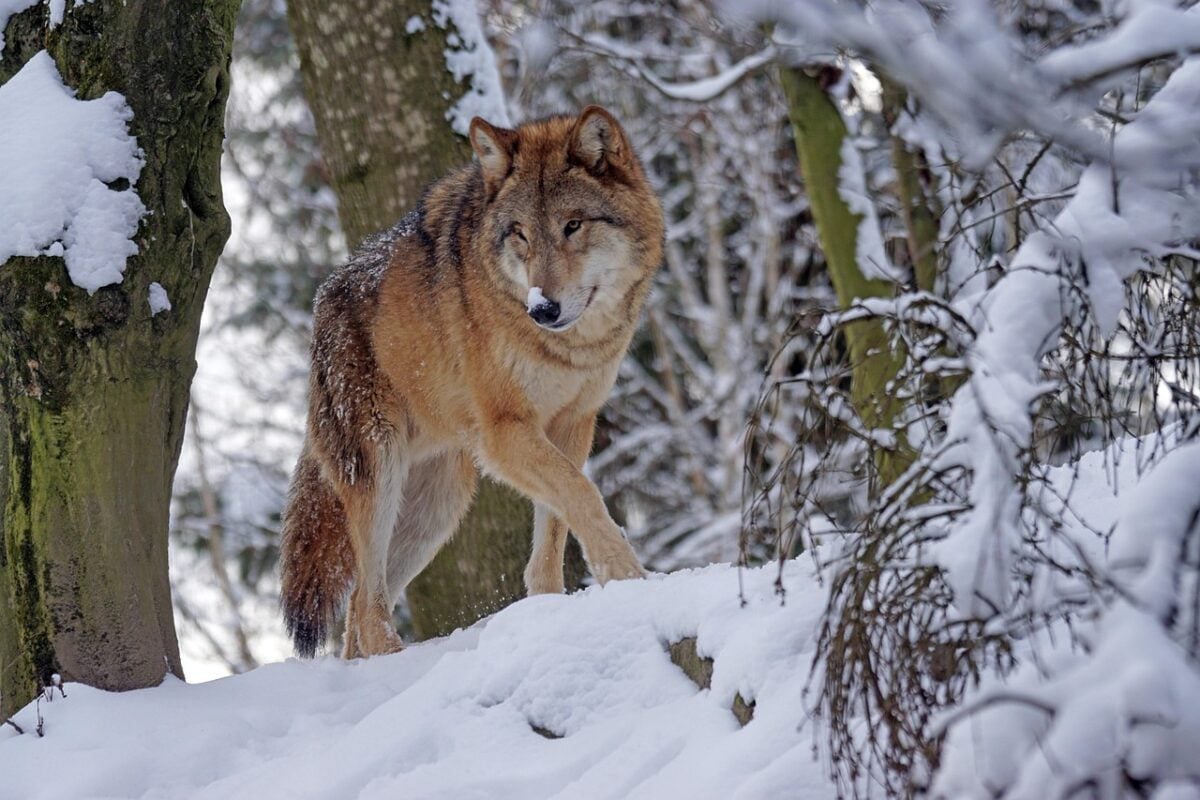
Encountering a wolf in the wilds of Minnesota can be a thrilling yet daunting experience. These majestic creatures, once on the brink of extinction, have made a remarkable comeback in the state. However, such encounters come with responsibilities. Knowing what actions to avoid is crucial for your safety and the well-being of the wolf.
Do Not Approach the Wolf
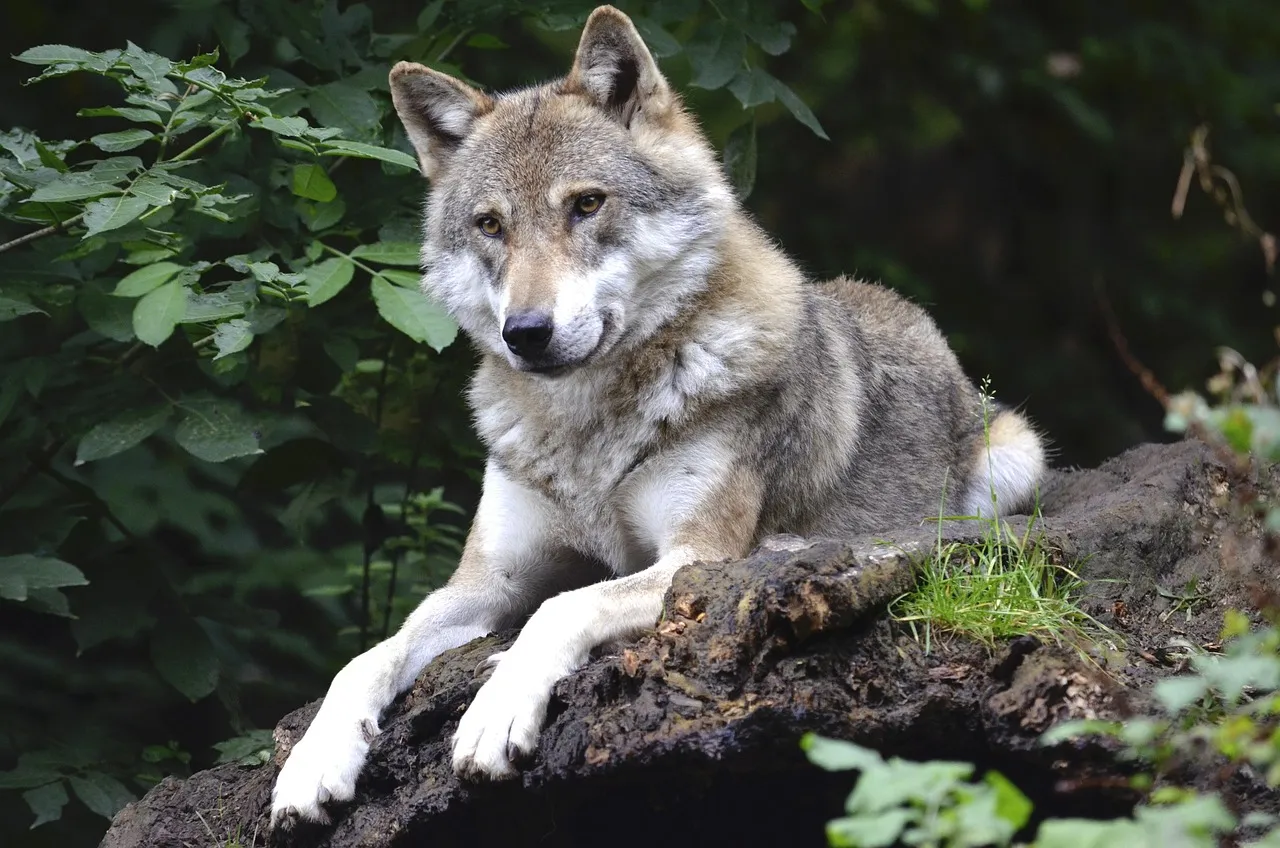
Wolves are naturally wary of humans and prefer to keep their distance. Approaching a wolf can be perceived as a threat, potentially provoking defensive behavior. It’s essential to respect their space and observe from afar.
Maintaining a safe distance not only ensures your safety but also prevents the wolf from becoming habituated to human presence. Habituation can lead to increased human-wolf conflicts, which often result in negative outcomes for the animal.
Do Not Feed the Wolf
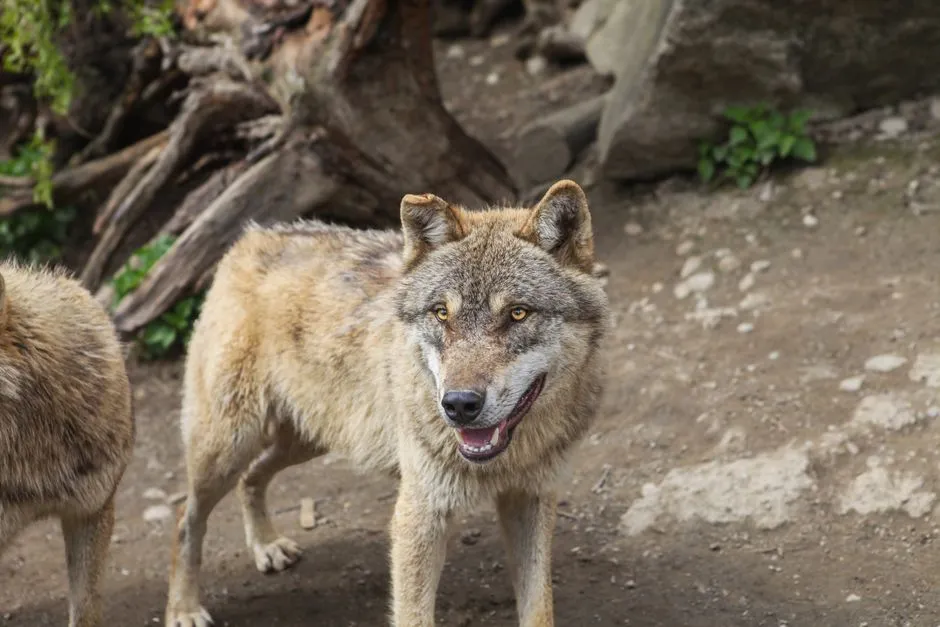
Feeding wildlife disrupts their natural foraging behaviors and can make them dependent on human-provided food. This dependency can lead to aggressive behavior when food is not provided, posing risks to both humans and the wolf.
Moreover, feeding wolves can attract them to human-populated areas, increasing the likelihood of conflicts. It’s imperative to let wolves hunt and scavenge as nature intended.
Do Not Run Away
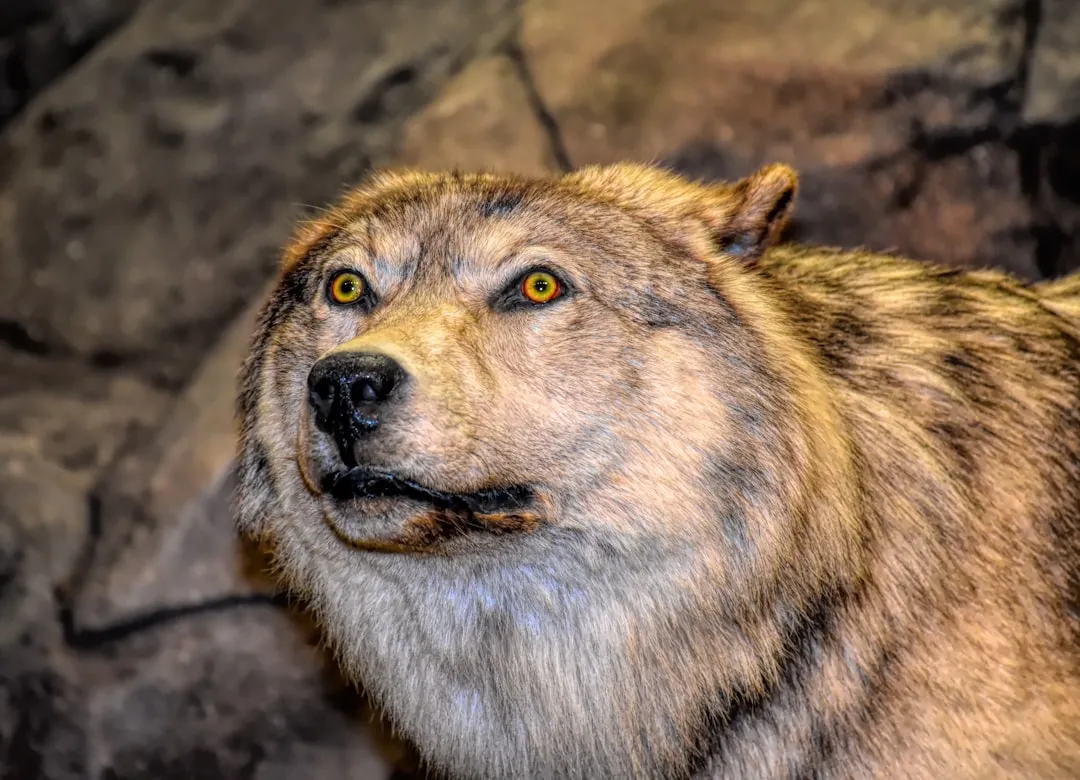
Running can trigger a wolf’s predatory instincts, prompting it to chase. Instead, stand your ground, maintain eye contact, and slowly back away without turning your back on the animal.
By remaining calm and assertive, you signal to the wolf that you are not prey. This behavior reduces the chance of escalating the encounter into a dangerous situation.
Do Not Turn Your Back
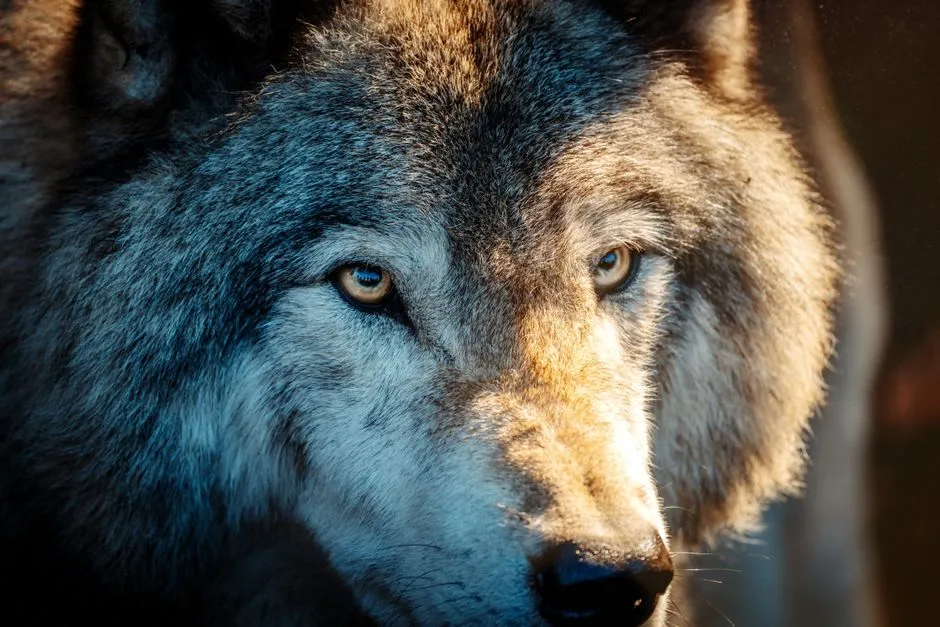
Turning your back on a wolf can be interpreted as a sign of vulnerability. Always face the wolf and back away slowly to demonstrate awareness and control.
This approach helps in monitoring the wolf’s behavior and ensures you can react appropriately if the situation changes.
Do Not Corner the Wolf
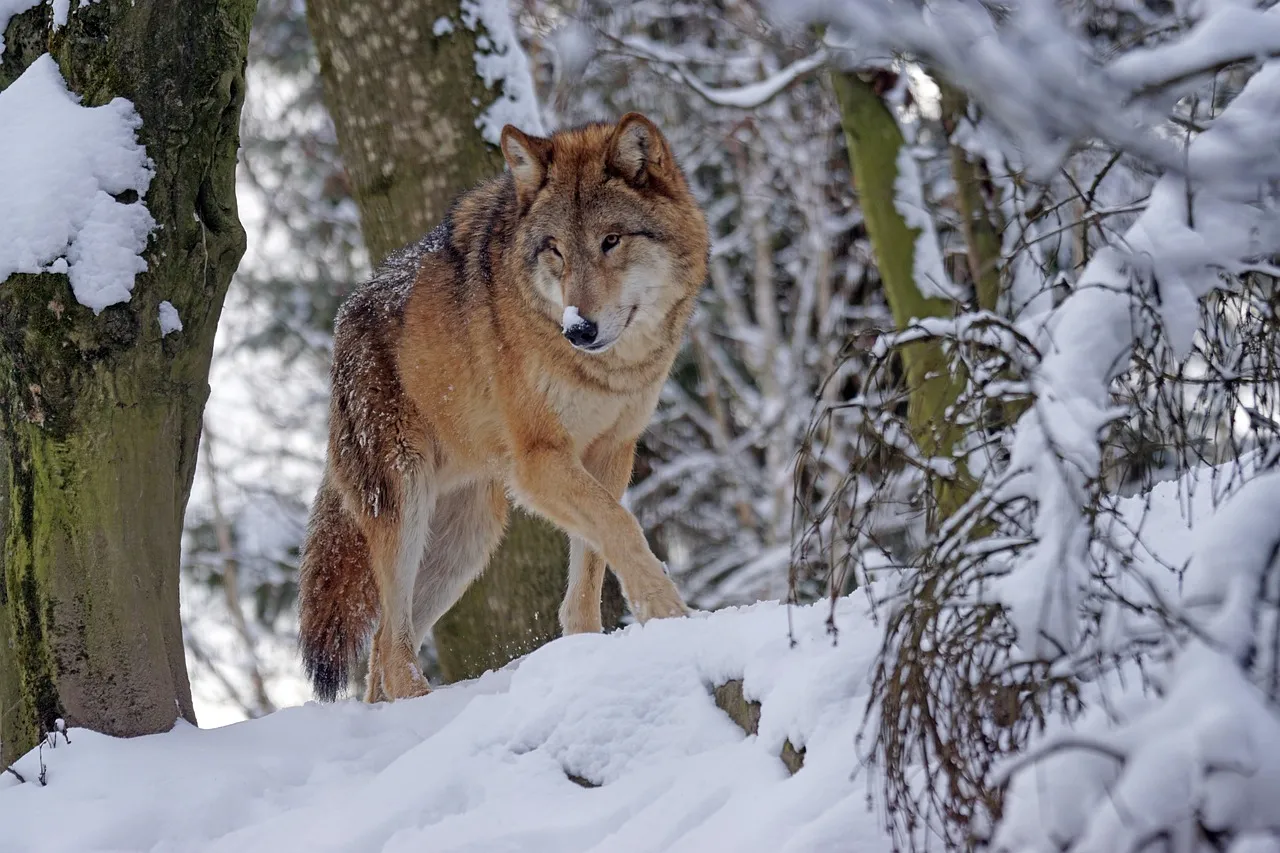
Ensure the wolf has a clear escape route. Cornering or trapping a wolf can lead to aggressive defensive actions. Allowing the wolf to retreat peacefully is the safest outcome for both parties.
Remember, wolves prefer to avoid human interaction. Providing them an exit reduces stress and potential aggression.
Do Not Attempt to Domesticate or Capture
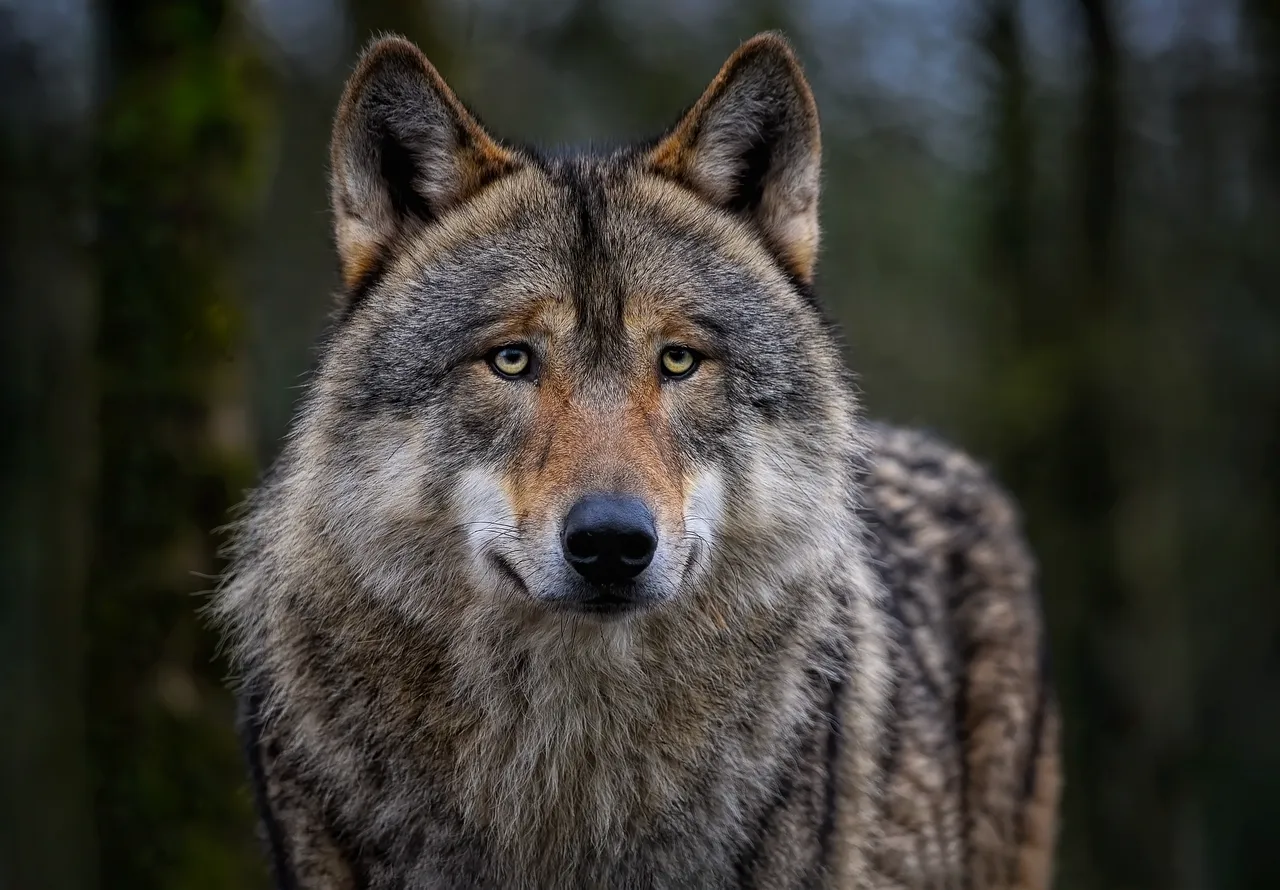
Wolves are wild animals with instincts and behaviors that differ significantly from domestic dogs. Attempting to capture or domesticate a wolf is dangerous and often illegal.
Interfering with wild wolves can disrupt their social structures and survival skills. It’s best to admire them from a distance and leave them undisturbed.
Do Not Ignore Local Regulations
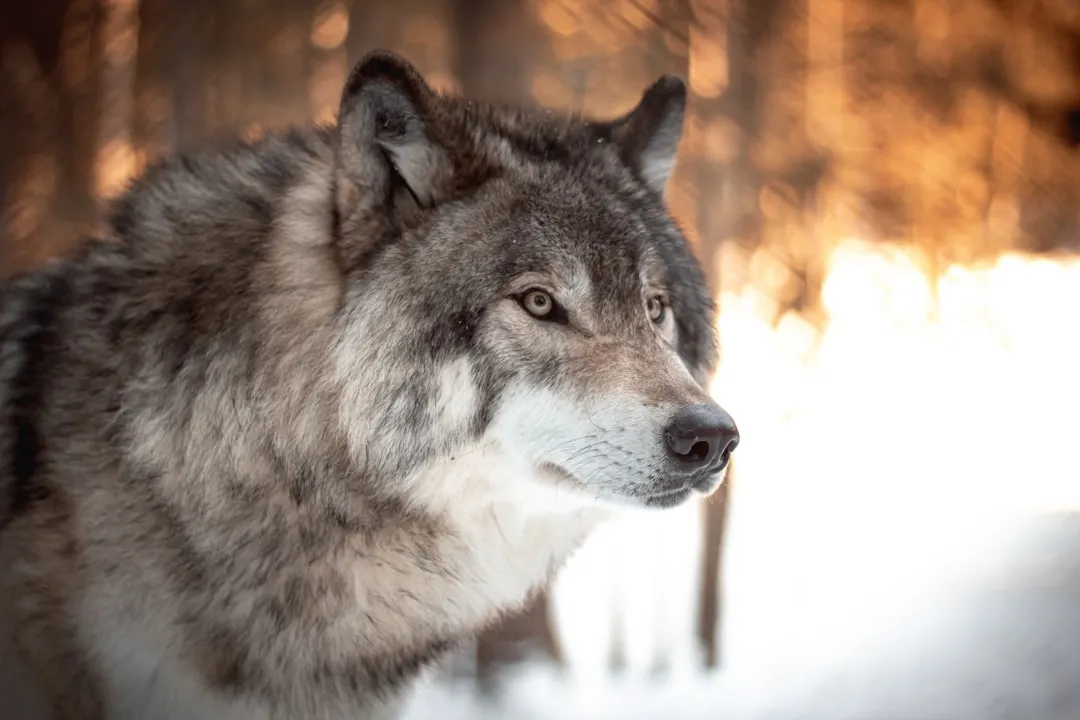
Minnesota has specific laws and guidelines regarding interactions with wolves. Familiarize yourself with these regulations to ensure both your safety and the protection of the wolf population.
Being informed about local wildlife laws helps in promoting coexistence and conservation efforts. Always adhere to guidelines set by wildlife authorities.
In conclusion, while encountering a wolf in Minnesota’s wilderness is a rare and awe-inspiring event, it’s essential to prioritize safety and respect for wildlife. By avoiding these actions, you contribute to the harmonious coexistence between humans and wolves. Remember, our actions today shape the future of these magnificent creatures. How will you choose to interact with the wild?
