


The Pacific Northwest stands as one of North America’s most mysterious and biologically diverse regions. Stretching from northern California through Oregon and Washington into British Columbia, these ancient forests harbor countless secrets within their verdant depths. Beneath towering evergreens and amid the constant moisture of the temperate rainforest lies a world both familiar and unknown. From elusive megafauna that may or may not exist to microscopic organisms shaping entire ecosystems, the forests of the Pacific Northwest continue to surprise even the most seasoned naturalists. This exploration ventures beyond the obvious, revealing what truly lurks in these primeval woodlands—some creatures documented by science, others persistent in folklore, and a few that blur the line between myth and reality.
The Ancient Giants of the Canopy
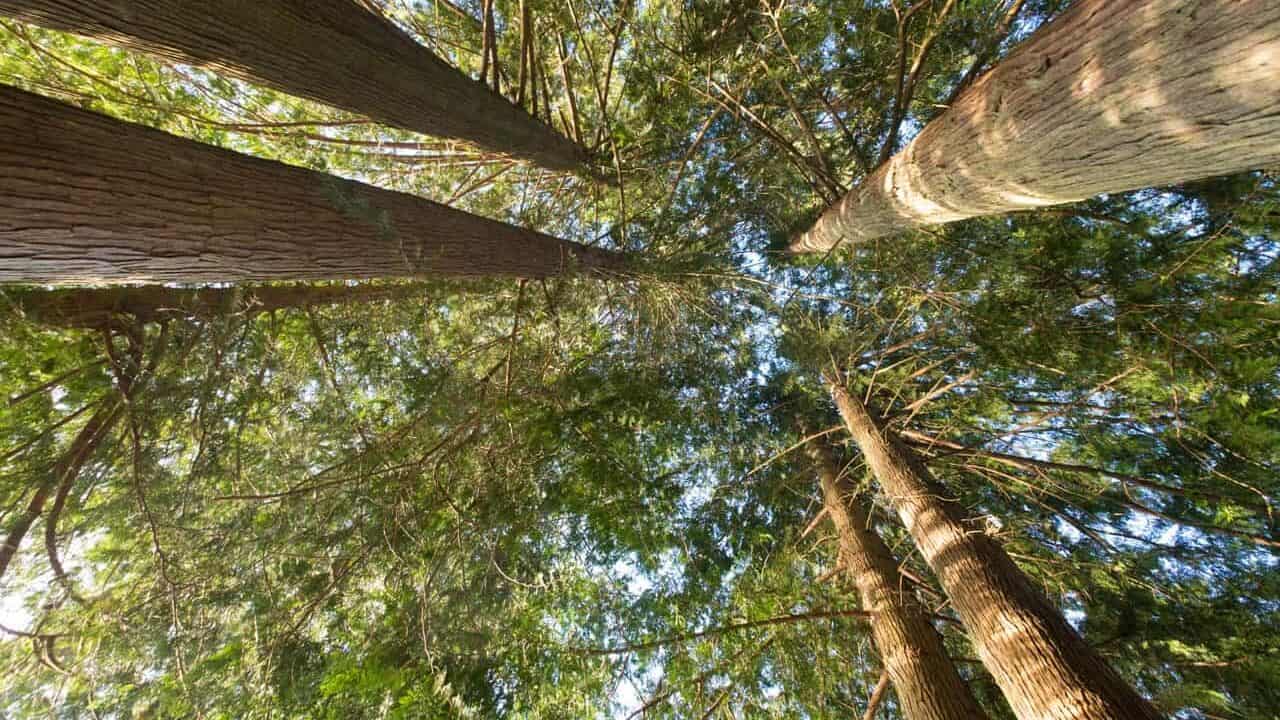
The Pacific Northwest forests are home to some of the most impressive trees on the planet. Douglas firs, Sitka spruce, western red cedars, and coast redwoods create a towering canopy that can reach heights of over 300 feet. These arboreal behemoths are not merely passive fixtures of the landscape but living monuments that have stood witness to centuries of history. Some of the oldest specimens began growing before European colonization of North America, with certain redwoods exceeding 2,000 years in age.
These ancient giants create unique microclimates and habitats within their massive structures. A single old-growth tree can host hundreds of species, from fungi and lichens to insects and small mammals. The northern spotted owl, marbled murrelet, and various species of flying squirrels make their homes high in these trees, many rarely descending to the forest floor. The complex three-dimensional structure of the canopy creates a world that scientists are still working to fully understand, with new species regularly being discovered among the branches of these living skyscrapers.
Elusive Apex Predators

Moving silently through the dense undergrowth, the apex predators of the Pacific Northwest remain some of the region’s most enigmatic inhabitants. The mountain lion (Puma concolor), also known as the cougar, ranges throughout these forests, though few hikers ever glimpse one. These solitary cats can weigh up to 180 pounds and require vast territories, sometimes spanning over 100 square miles for a single male. Despite their size and power, they move like ghosts through the landscape, primarily hunting deer and elk under the cover of darkness.
Wolves have made a remarkable comeback to portions of the Pacific Northwest after decades of absence due to extermination campaigns. The gray wolf (Canis lupus) now maintains established packs in Washington, Oregon, and British Columbia, though their numbers remain relatively small. Less frequently discussed but equally formidable is the wolverine (Gulo gulo), perhaps the most elusive large mammal in North America. With fewer than 300 estimated to inhabit the contiguous United States, primarily in the northern Cascades and Rocky Mountains, a wolverine sighting represents one of the rarest wildlife encounters possible in these forests.
The Enigma of Sasquatch
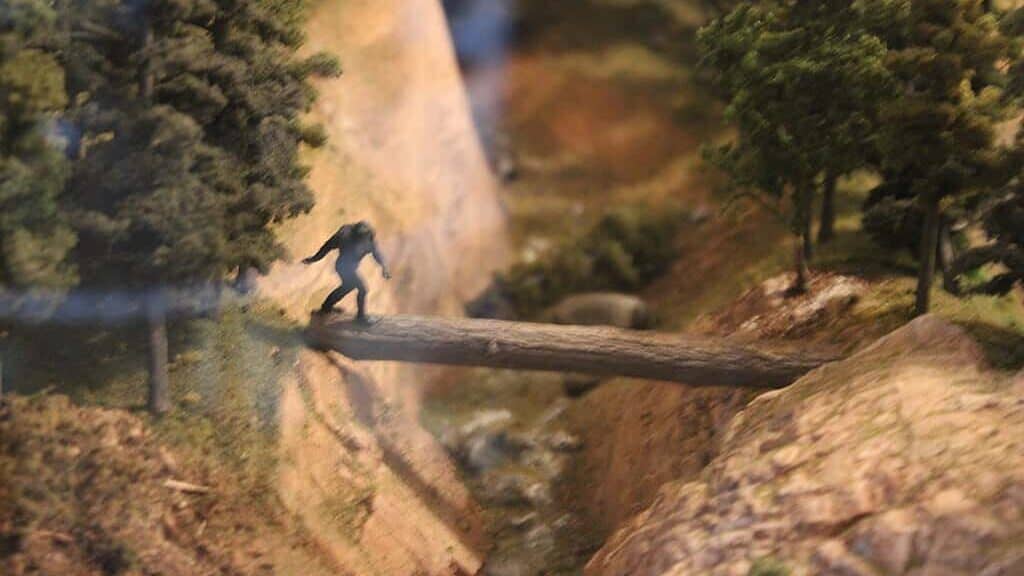
No discussion of what might be hiding in the Pacific Northwest forests would be complete without addressing the region’s most famous cryptid: Sasquatch, or Bigfoot. While mainstream science does not recognize the existence of this purported large, bipedal, ape-like creature, the Pacific Northwest has accumulated thousands of reported sightings, footprint casts, and alleged encounters over the past century. Indigenous peoples of the region have traditional stories of wild men or hairy giants that predate European settlement, with names like Saskehavas, Skookum, and Tsiatko appearing in various tribal mythologies.
Whether Sasquatch represents a cultural phenomenon, misidentification of known animals, or an undiscovered species remains hotly debated. The dense, often inaccessible nature of the Pacific Northwest forests offers ample habitat where a large, intelligent creature could potentially remain hidden. The region’s frequent rain, which quickly degrades evidence, combined with acidic soils that rapidly decompose organic matter, presents challenges for finding definitive proof either way. While scientific consensus firmly places Sasquatch in the realm of folklore rather than zoology, the creature remains an enduring symbol of the mystery and wildness that characterizes these forests.
Underground Networks: The Fungal Internet
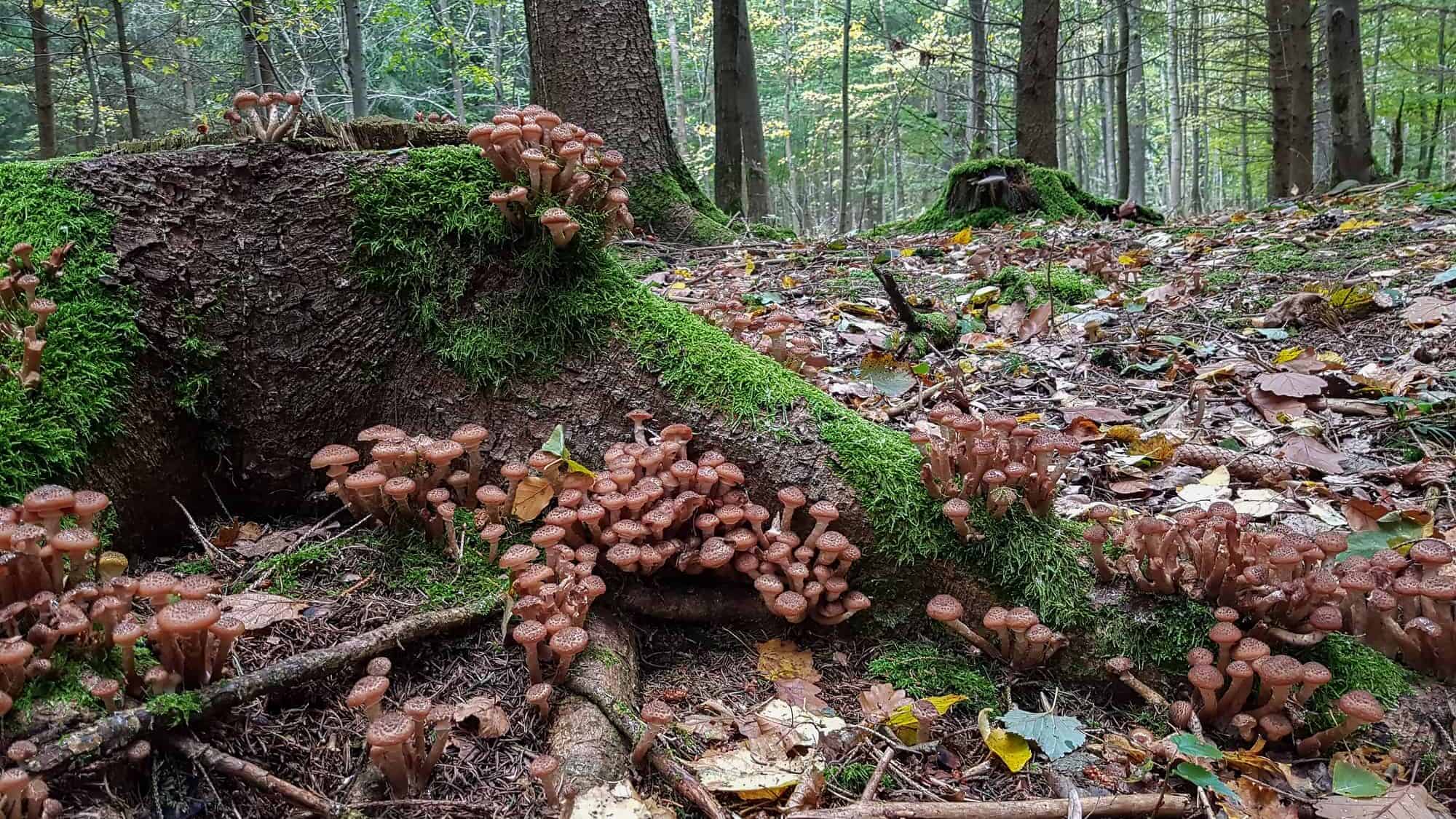
Beneath the forest floor of the Pacific Northwest lies one of the most fascinating and complex biological systems on Earth—the mycorrhizal network, sometimes called “nature’s internet” or the “wood wide web.” This vast underground network consists of fungal mycelium that connects trees and plants in a sophisticated communication and resource-sharing system. In some parts of Oregon, scientists have discovered single organisms of honey fungus (Armillaria ostoyae) spanning 2.4 miles, making them some of the largest living organisms on the planet by area.
These fungal networks serve crucial functions in forest ecosystems. Through this underground connection, trees share nutrients, water, and even information about threats such as insect attacks or disease. Research by forest ecologist Suzanne Simard has demonstrated that older “mother trees” can recognize and preferentially send resources to their own seedlings, while also supporting other species in times of stress. The complexity of these fungal systems has revolutionized our understanding of forests, revealing them not as collections of competing individual plants but as cooperative superorganisms with sophisticated social structures hidden from human eyes.
Microhabitats: Small Worlds with Big Impact
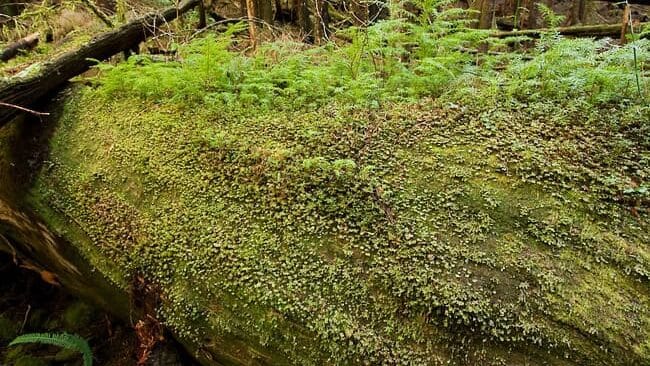
The Pacific Northwest forests are defined by their moisture, with some areas receiving over 100 inches of rainfall annually. This perpetual dampness creates specialized microhabitats that support an astonishing diversity of small creatures. Nurse logs—fallen trees slowly decomposing on the forest floor—serve as critical incubators for new life. As these massive logs decay, they become nurseries for seedlings, fungi, and countless invertebrates. A single cubic foot of rotting wood might contain thousands of organisms representing dozens of species, many of which exist nowhere else.
Perhaps the most distinctive microhabitat is found in the region’s clear, cold streams. The Pacific Northwest’s waterways host some of the most complex aquatic ecosystems in North America, including several species of salmon and trout. These fish not only support predators like bears and eagles but also transport marine nutrients deep into the forest when they return to spawn and die. Microscopic aquatic insects like caddisflies, stoneflies, and mayflies serve as indicators of environmental health while forming the base of a food web that extends throughout the forest. Even the forest’s vernal pools—temporary water bodies that form during rainy seasons—contain specialized creatures adapted to their ephemeral nature, including unique salamander species and invertebrates found nowhere else.
Remnants of the Ice Age
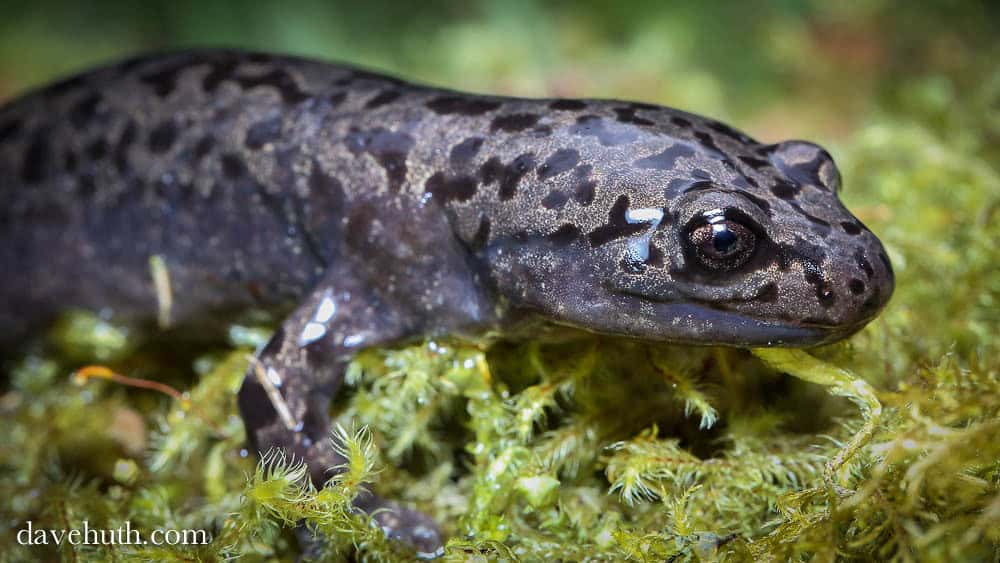
Walking through certain sections of the Pacific Northwest forests means treading on ground that was under thousands of feet of ice just 15,000 years ago. As the last ice age receded, it left behind not only a sculpted landscape but also ecological refugia—places where species survived the glacial periods. Some of these organisms represent living fossils, relatively unchanged for millions of years. The Pacific giant salamander (Dicamptodon tenebrosus) evolved during the Jurassic period and still inhabits the region’s streams and moist forest floors, sometimes growing to nearly a foot in length.
Another ice age survivor, the mountain beaver (Aplodontia rufa), represents the world’s most primitive living rodent species. Despite its name, it’s neither a true beaver nor exclusively montane, but rather a burrowing mammal whose lineage has remained relatively unchanged for 40 million years. Perhaps most remarkable are the region’s lichens, some of which represent species compositions that date back to before the last glaciation. These symbiotic organisms—partnerships between fungi and algae—grow just millimeters per year and can live for centuries, silently recording environmental conditions and atmospheric changes throughout their long lives.
The Return of Lost Species
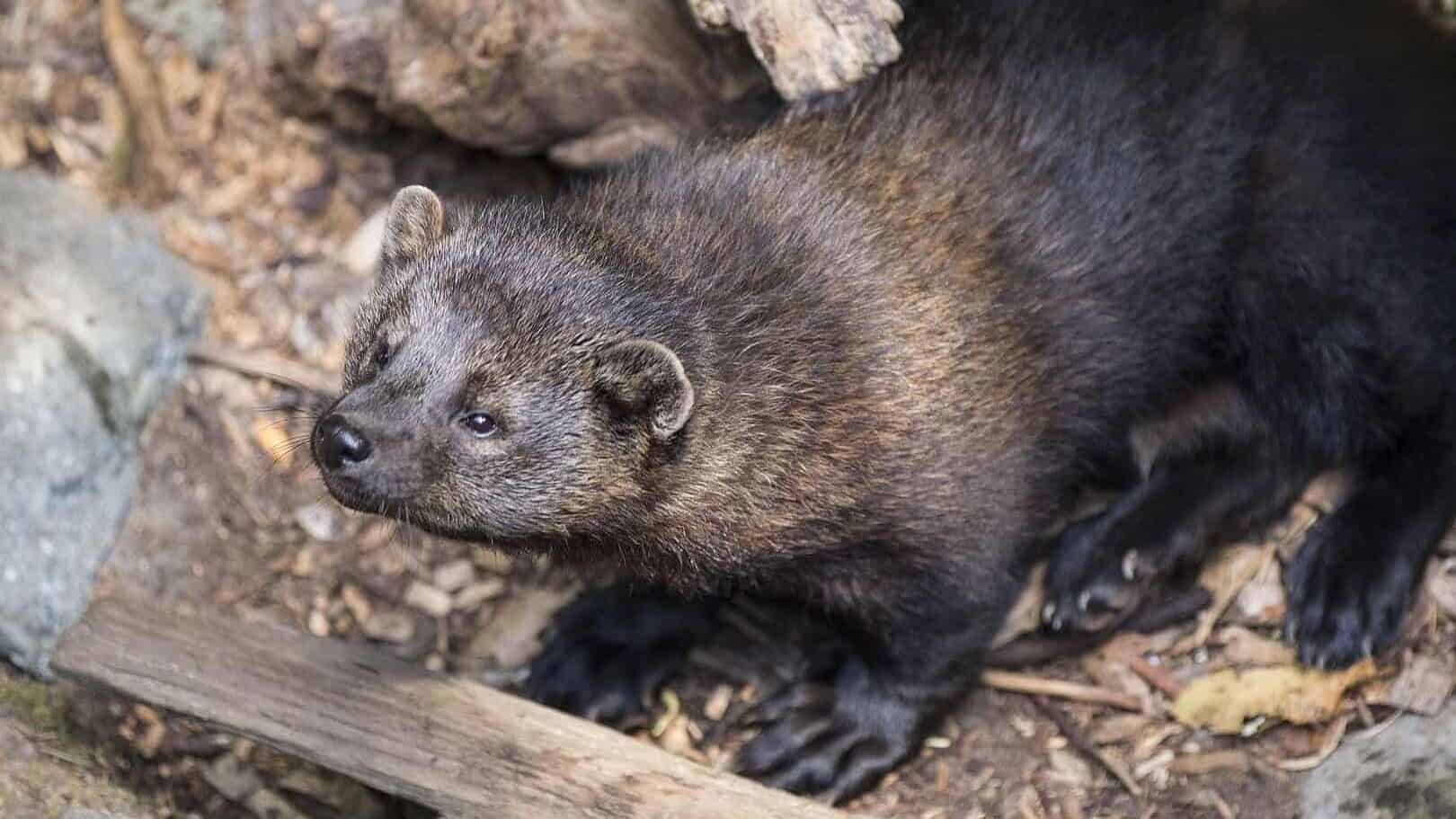
Recent decades have witnessed the encouraging return of several species once thought permanently lost from Pacific Northwest forests. The fisher (Pekania pennanti), a large member of the weasel family, was extirpated from Washington state by the mid-1900s due to trapping and habitat loss. Beginning in 2008, reintroduction efforts have established new populations in the Olympic Peninsula and South Cascades. These agile predators are among the few animals capable of successfully hunting porcupines, demonstrating specialized behaviors that developed over evolutionary time.
Similarly, the California condor (Gymnogyps californianus), North America’s largest bird with a wingspan approaching 10 feet, once ranged throughout the Pacific Northwest but had disappeared from the region by the early 20th century. After narrowly avoiding extinction with just 22 individuals remaining in 1982, captive breeding programs have slowly rebuilt populations, with reintroduction to the Pacific Northwest now underway. In 2022, the Yurok Tribe and federal partners released condors in northern California for the first time in over a century, with plans to eventually reestablish populations throughout suitable habitat in Oregon and Washington. These conservation success stories represent the potential for forests to heal when given the opportunity, though challenges remain for full ecosystem recovery.
Invasive Threats to Native Biodiversity
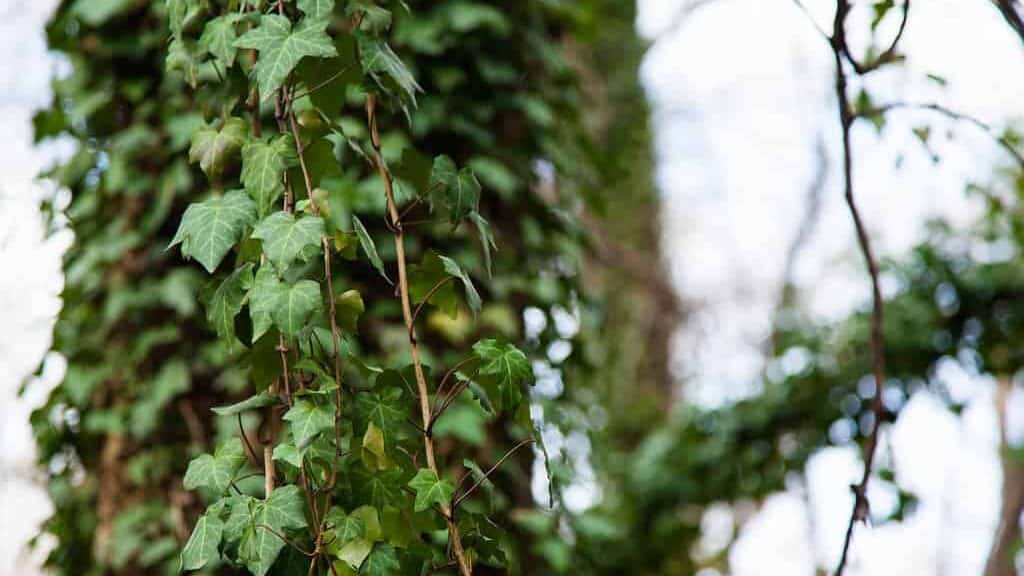
While the Pacific Northwest forests harbor remarkable native biodiversity, they also face mounting pressure from non-native invasive species. English ivy (Hedera helix), Himalayan blackberry (Rubus armeniacus), and Scotch broom (Cytisus scoparius) have transformed vast areas of forest understory, choking out native plants and altering habitat structure. Once established, these aggressive plants can completely dominate ecosystems, reducing biodiversity and changing forest dynamics. English ivy, for instance, can climb and eventually kill mature trees while creating monoculture ground cover that prevents native seedling establishment.
Animal invaders pose equally serious threats. The barred owl (Strix varia), which has expanded its range westward from eastern North America, now outcompetes the endangered northern spotted owl throughout much of its range. European starlings, eastern gray squirrels, and bullfrogs have similarly disrupted native ecosystems. Perhaps most concerning are microscopic invaders like Phytophthora ramorum, the pathogen causing Sudden Oak Death, which has killed millions of trees in California and Oregon and threatens to spread throughout the region. These biological invasions represent one of the greatest challenges to preserving the unique character and biodiversity of Pacific Northwest forests.
Hidden Cultural Landscapes
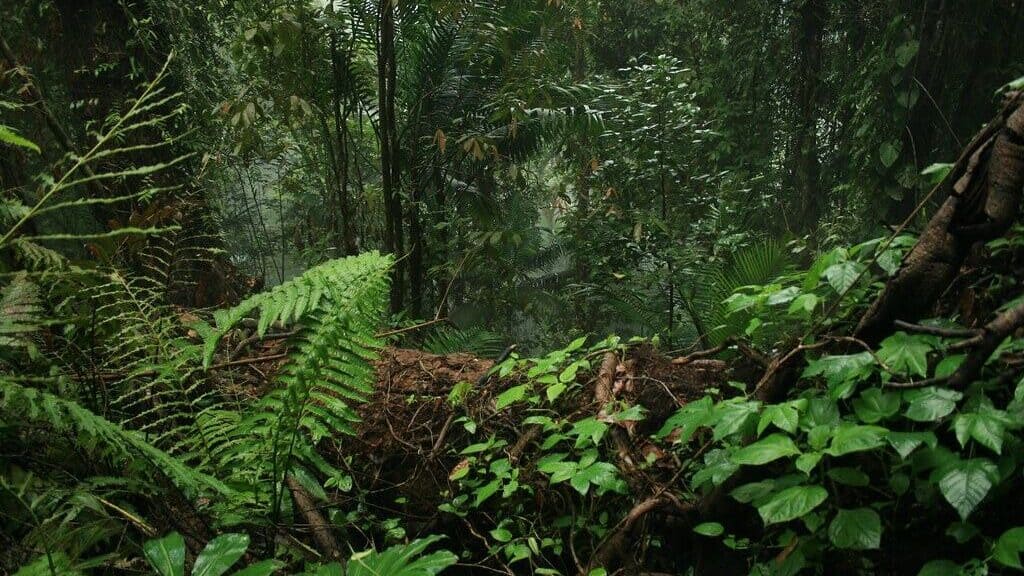
Hidden Cultural Landscapes. Image via Unsplash
What appears to visitors as pristine wilderness in the Pacific Northwest forests often conceals thousands of years of human influence and management. Indigenous peoples, including the Coast Salish, Chinook, Kalapuya, Yurok, and many others, actively shaped these forests through controlled burning, cultivation of food plants, and selective harvesting. What European settlers perceived as “untouched wilderness” was in many cases a carefully tended landscape, with prairies maintained by regular burning and plant communities shaped by human selection. Evidence of this long human presence can be found in culturally modified trees, archaeological sites, and persistent plant communities that reflect ancient management.
More recent human history also lies hidden within these forests. Abandoned logging camps, remnants of mining operations, and even entire ghost towns can be found reclaimed by vegetation. Near Granite Falls, Washington, the remains of the once-bustling Monte Cristo mining town slowly disappear beneath moss and saplings. Throughout Oregon’s Coast Range, rusting logging equipment and collapsed timber mills tell the story of the region’s industrial past. These hidden cultural landscapes remind us that the division between “natural” and “cultural” is often artificial—humans have been part of these forest ecosystems for millennia, though the nature and intensity of that relationship has changed dramatically over time.
Climate Refugees: Species on the Move

As climate change alters temperature and precipitation patterns across North America, the Pacific Northwest forests are becoming refuge habitats for species retreating from warming conditions elsewhere. Species previously restricted to California, like the barred owl and certain salamander species, have expanded their ranges northward. The forests’ relatively stable climate, influenced by maritime conditions and mountainous terrain, may provide crucial habitat for species that can no longer survive in their historical ranges. Some climate models predict that portions of the Pacific Northwest may experience less dramatic warming than other regions, potentially creating “climate refugia” where biodiversity might persist.
This phenomenon is not limited to animals. Plant communities are also shifting, with some high-elevation species losing habitat as treelines creep upward and alpine zones shrink. Meanwhile, drought-tolerant species from more southern regions are beginning to establish in areas previously too wet or cool for their survival. These ecological transitions are largely invisible to casual observers but represent profound changes to forest composition and function. Scientists monitoring these shifts face the challenge of distinguishing between natural range expansions and problematic invasions, as the definition of “native” becomes increasingly fluid in a rapidly changing climate.
Unexplained Phenomena: The Forest’s Enduring Mysteries
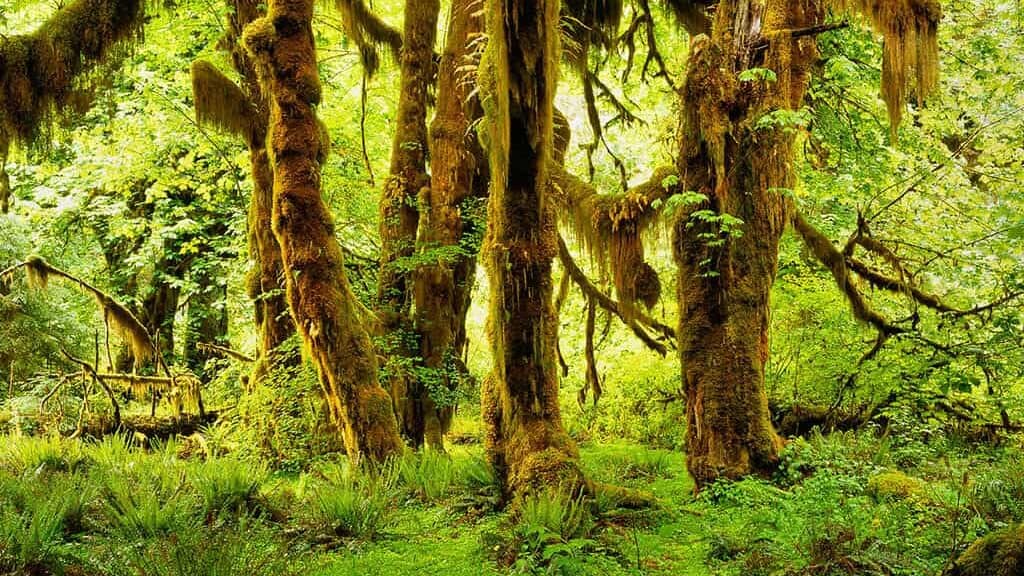
Beyond documented flora and fauna, the Pacific Northwest forests have long been associated with unexplained phenomena that continue to puzzle researchers. The “Devil’s Graveyard” of Oregon’s Mount Hood National Forest has garnered attention for alleged magnetic anomalies and an unusually high number of missing persons cases, though scientific investigation has failed to confirm any supernatural explanation. Similarly, areas of Olympic National Park have been dubbed “Valley of the Lost” due to a history of hikers becoming inexplicably disoriented, though dense fog and challenging terrain likely explain most incidents.
More scientifically intriguing are phenomena like bioluminescent fungi that create eerie glowing patches on the forest floor, or the “singing sands” of certain coastal dunes that produce strange sounds when disturbed. The region’s propensity for dense fog, unusual light effects caused by atmospheric conditions, and strange acoustics created by topography have all contributed to its reputation for the uncanny. Whether these phenomena represent misunderstood natural processes, perceptual illusions, or something genuinely anomalous remains an open question. What’s certain is that the Pacific Northwest forests maintain an air of mystery that continues to captivate both scientists and the public imagination.
Despite centuries of exploration and scientific study, the forests of the Pacific Northwest continue to reveal new secrets to those willing to look closely. The region represents one of the last places in the contiguous United States where new vertebrate species are still being discovered, with several salamander species identified only in recent decades. The true frontier of discovery lies in the microbial world, where scientists estimate that less than 1% of soil microorganisms have been identified and described. These microscopic forest inhabitants may hold keys to new antibiotics, industrial enzymes, or bioremediation techniques with global implications.
Climate change, development pressure, and ongoing resource extraction present significant challenges to these forests and their hidden inhabitants. Yet conservation efforts, indigenous land management practices, and growing public appreciation for these ecosystems offer hope for their future. The mysteries of the Pacific Northwest forests remind us of the limitations of human knowledge and the importance of approaching nature with humility and wonder. As technology advances and scientific methods improve, we may finally unravel some of these forests’ most persistent enigmas, while others will likely remain hidden in the shadows beneath the ancient trees, continuing to inspire curiosity and awe for generations to come.

- These Animals Call U.S. Marine Sanctuaries Home - July 31, 2026
- The Smartest Animals With Astonishing Language Skills - July 31, 2026
- 15 Reasons Turtles Keep Our Rivers Clean (and Why They Need Our Help) - July 31, 2026
Leave a comment
You must be logged in to post a comment.