

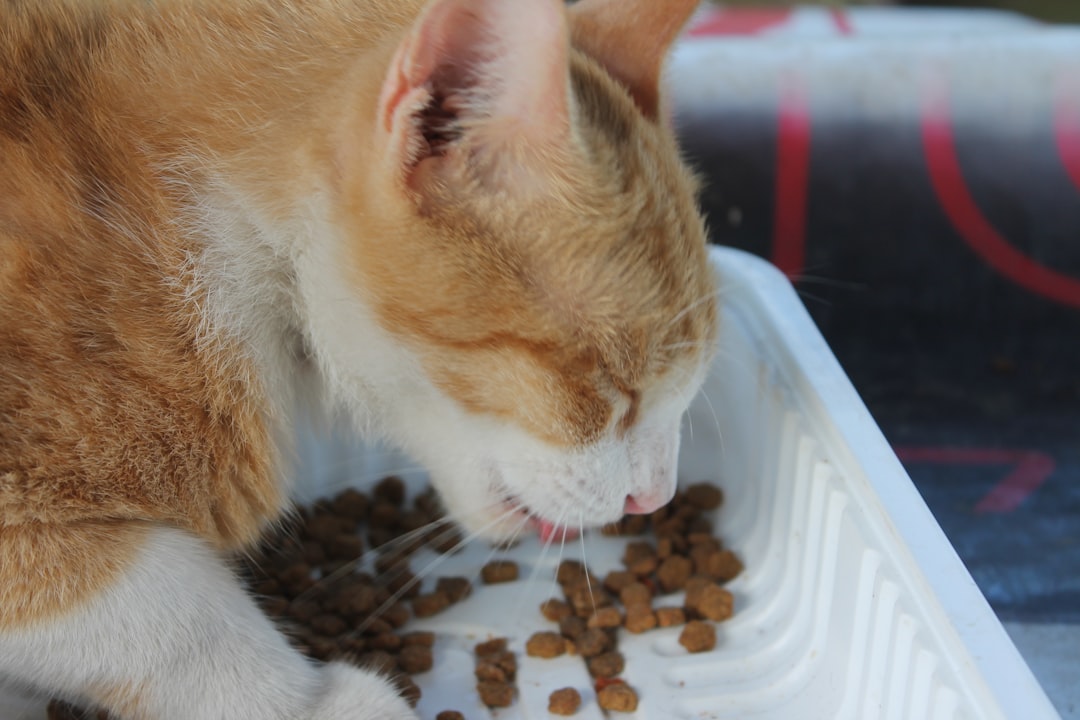

The Growing Popularity of Grain-Free Cat Food (Image Credits: Unsplash)
Cat owners increasingly turn to grain-free diets in pursuit of better health for their pets, driven by a desire to align feeding habits with cats’ carnivorous nature.
The Growing Popularity of Grain-Free Cat Food
Grain-free cat food has surged in popularity over the past decade, as pet owners seek options that mimic the meat-heavy diets of wild felines. This trend stems from awareness that cats, as obligate carnivores, derive most nutrients from animal sources rather than plant-based fillers like corn or wheat. Manufacturers responded by formulating foods that replace grains with alternatives such as peas, lentils, or potatoes, often highlighting higher protein content to appeal to health-conscious buyers.
Yet, experts from organizations like the Association of American Feed Control Officials emphasize that not all cats require grain-free formulas. Studies, including those reviewed in veterinary journals, indicate grains provide digestible energy and fiber for many felines without issue. This rise reflects broader shifts in pet nutrition, where owners prioritize labels promising allergy relief or improved vitality, though evidence varies on universal superiority.
Benefits That May Support Your Cat’s Health
For cats with grain sensitivities, switching to grain-free food can lead to noticeable improvements in digestion and comfort. Owners often report fewer instances of vomiting, diarrhea, or itchy skin after the change, attributing this to the elimination of potential allergens like wheat gluten. High-protein formulations in these diets support muscle maintenance and energy levels, aligning closely with a cat’s natural dietary needs.
Beyond allergies, grain-free options may aid weight management by reducing carbohydrate loads that contribute to obesity in indoor cats. Veterinary sources, such as PetMD, note that these diets can enhance coat shine and reduce shedding when paired with quality ingredients. However, benefits appear most pronounced in cats showing prior symptoms of grain intolerance, rather than as a blanket upgrade for all pets.
Understanding the Risks and Emerging Concerns
Despite the appeal, grain-free diets carry potential risks that warrant caution, particularly regarding heart health. Recent investigations, including a 2025 review in the Journal of Animal Science, linked certain grain-free formulas to dilated cardiomyopathy in pets, possibly due to high legume content interfering with taurine absorption. Taurine deficiency remains a critical issue for cats, as it supports vision, reproduction, and cardiac function; inadequate levels in some grain-free foods have prompted FDA monitoring.
Nutritional imbalances pose another challenge, as replacing grains sometimes overlooks essential fiber or micronutrients. The VCA Animal Hospitals advises that while grains are not harmful for most cats, abrupt switches without veterinary input can disrupt gut flora. Owners should monitor for signs like lethargy or irregular heartbeat, especially in breeds prone to heart conditions.
| Aspect | Potential Benefit | Associated Risk |
|---|---|---|
| Digestion | Reduced bloating from allergens | Imbalanced fiber leading to constipation |
| Heart Health | May support if taurine-fortified | Link to DCM from legume-heavy recipes |
| Overall Nutrition | Higher protein for vitality | Possible nutrient gaps without balance |
Selecting and Introducing Grain-Free Food Wisely
Choosing a grain-free cat food requires scrutinizing labels for named meat sources as the top ingredient, alongside AAFCO approval for complete nutrition. Avoid vague terms like “animal by-products” and seek added taurine, omega fatty acids, and antioxidants from sources like fish oil. Brands such as Wellness CORE or Orijen often meet these criteria, but variety ensures suitability for different life stages, from kittens to seniors.
Transitioning demands patience to prevent stomach upset; mix the new food gradually over seven to ten days, starting at 25% and increasing incrementally. Fresh water access remains vital, and wet varieties can boost hydration during this period. Veterinary consultation proves essential here, tailoring choices to your cat’s age, activity, and any pre-existing conditions for safe adaptation.
- Check for real meat as the first ingredient.
- Verify taurine supplementation.
- Opt for products with feeding trials over formulations alone.
- Monitor weight and stool quality post-switch.
- Consult a vet for personalized recommendations.
- Grain-free diets suit cats with allergies but aren’t superior for all; balance is key.
- Watch for heart risks tied to legumes and ensure taurine adequacy.
- Always involve a veterinarian to customize your cat’s nutrition plan.
In the end, grain-free cat food offers targeted advantages for some felines but demands careful evaluation to avoid unintended drawbacks. Prioritizing evidence-based choices fosters long-term vitality, turning everyday meals into a foundation for thriving companionship. What dietary tweaks might benefit your cat – share your experiences in the comments below.

- What It Actually Means When a Hummingbird Visits You - July 25, 2026
- Which Ocean Animal Are You Based on Your Zodiac Sign? - July 25, 2026
- 12 Powerful Dog Breeds that Can Take Down a Wolf - July 24, 2026