
Ask most people to name the smartest parrot and you’ll hear the same answer within a second. It’s the bird that talks, the one from the viral videos. That answer isn’t wrong, exactly, but it may not be the whole story.
Scientists have spent decades testing parrots with puzzles, counting tasks and locked boxes. The results don’t line up with the way pet owners usually rank their birds. Some of the most impressive performers rarely say a word.
Why Ranking Parrot Intelligence Is Harder Than It Sounds
🔥 Would you like to save this?
We'll email this post to you, so you can come back to it later!
There are roughly four hundred parrot species, and only a small slice of them have ever been tested in a lab. That’s the first problem. A bird nobody has studied can’t win a contest it was never entered in.
The second problem is that intelligence isn’t one thing. A bird might be brilliant at physical puzzles, average at social reasoning, and terrible at counting. Researchers usually test one skill at a time, so a single champion rarely emerges.
Testing conditions matter too. A parrot raised by humans from the egg behaves differently from a wild one, and a bored bird in a plain cage won’t show you its best work. So when you read that one species is the smartest, treat it as a fair summary of the available evidence, not a final scoreboard.
The African Grey: The Famous Favorite
🔥 Would you like to save this?
We'll email this post to you, so you can come back to it later!
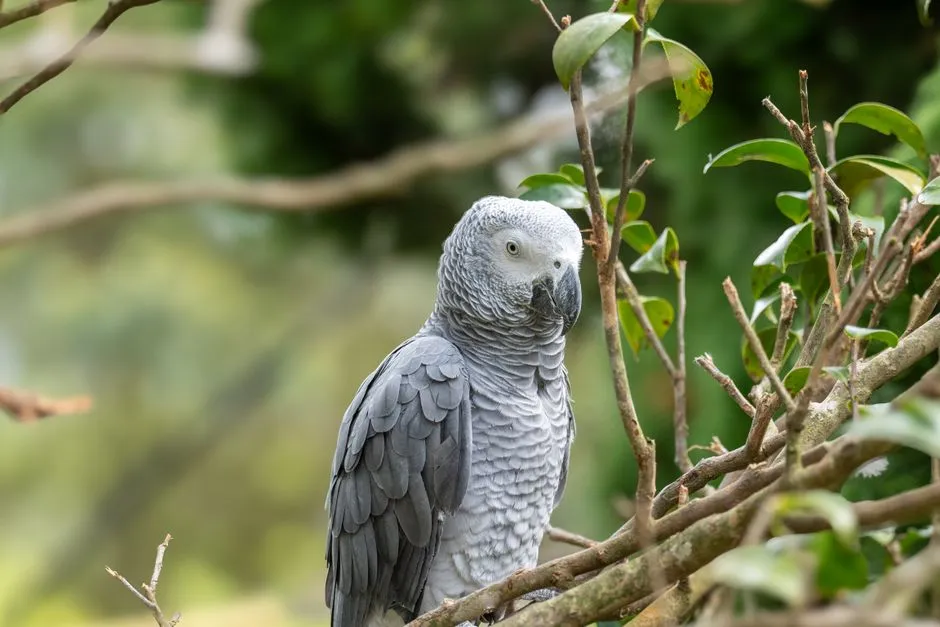
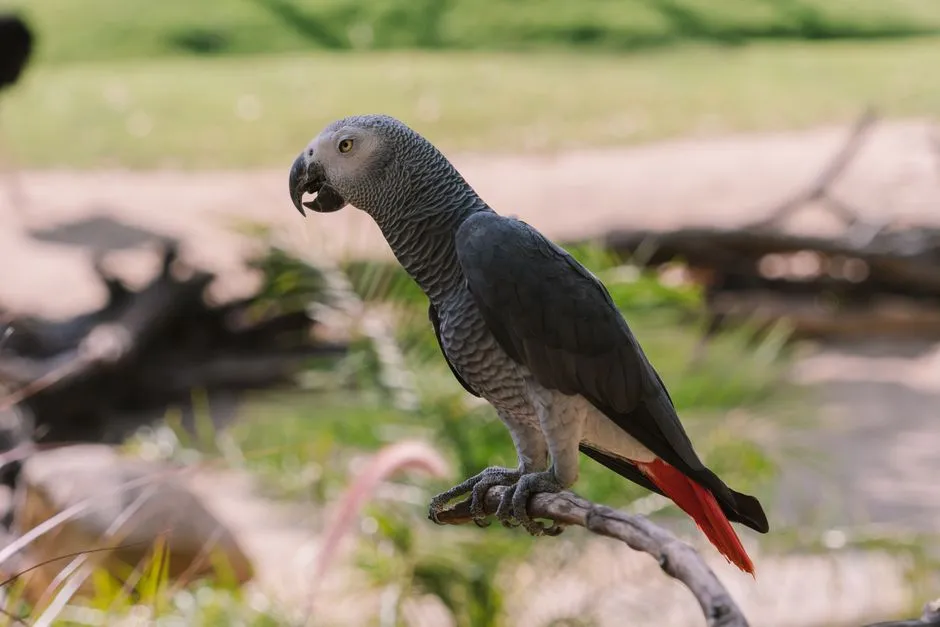
The African grey earned its reputation honestly. Psychologist Irene Pepperberg worked with a grey named Alex for around thirty years, until his death in 2007. Alex could label colors, shapes and materials, and he seemed to grasp the idea of none, which is a surprisingly abstract concept.
What made the work stand out was that Alex wasn’t just repeating phrases. He answered questions about objects he’d never seen in that exact combination, such as which one was a different color or how many of a certain item were on a tray. Researchers still debate how far to take the interpretation, though the results were far beyond simple mimicry.
Greys also do well in social tests. In one study from 2020, researchers found that grey parrots would hand over tokens to help another bird get a reward, even when they gained nothing themselves. Macaws tested in the same setup didn’t show that helpful behavior.
Add a lifespan that can stretch past forty years in good care, and you can see why greys top so many lists. They’re clever, long lived and very sensitive. That sensitivity is also why they’re prone to stress and feather damage when they’re understimulated.
The Kea: A Mountain Troublemaker With Real Brains
🔥 Would you like to save this?
We'll email this post to you, so you can come back to it later!
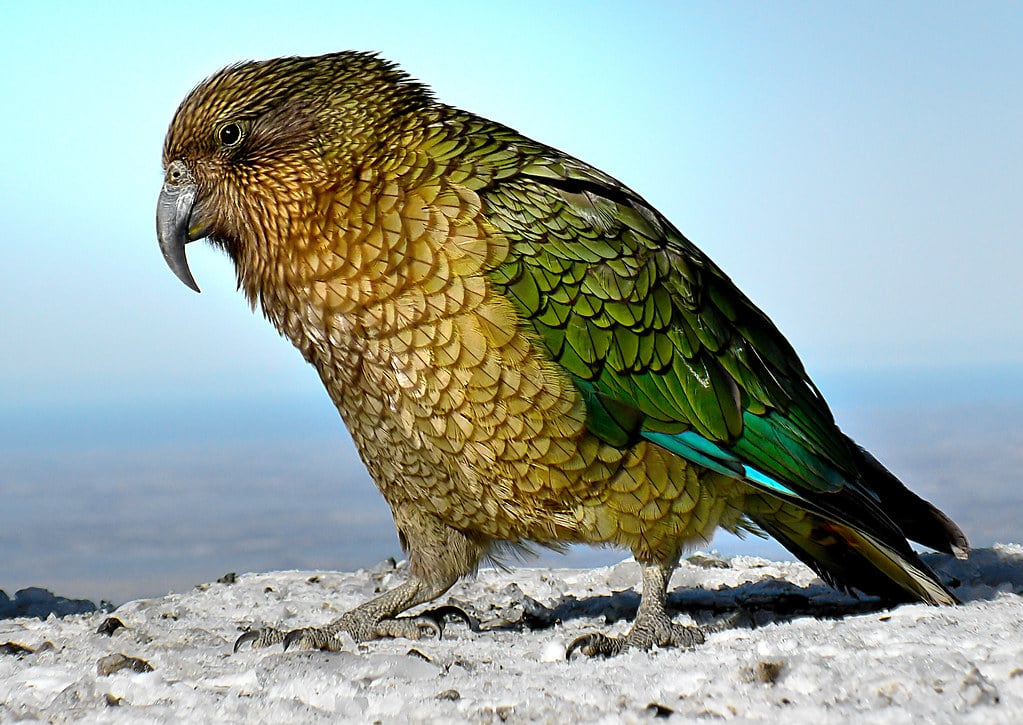
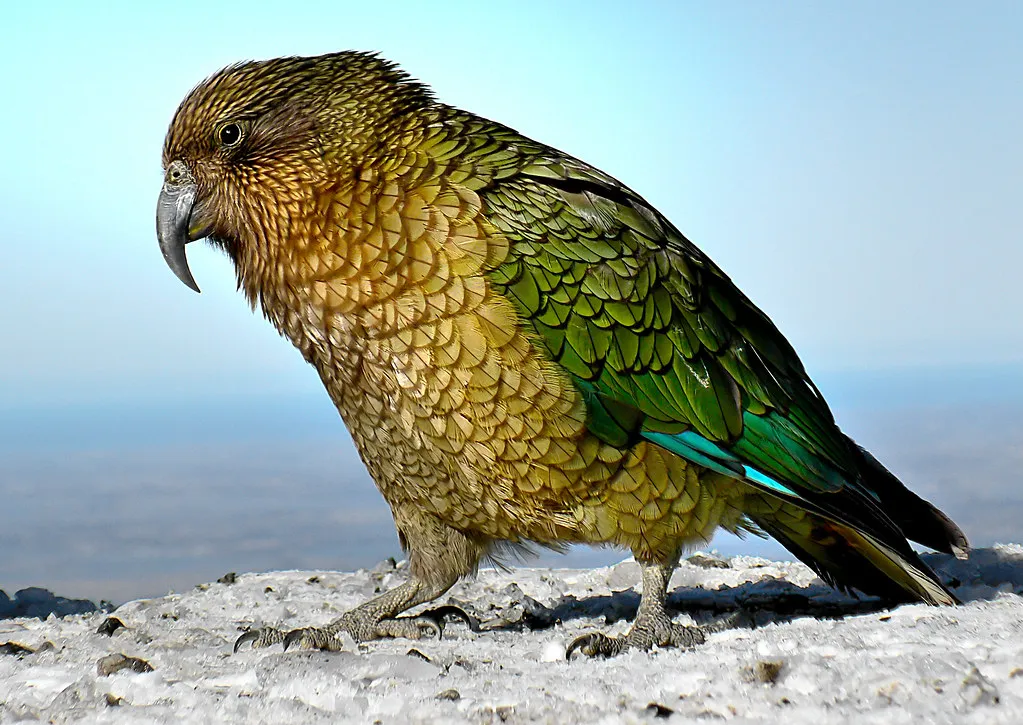
Now for the plot twist. The kea, a green parrot from New Zealand’s South Island mountains, has become a darling of cognition researchers. It’s the world’s only alpine parrot, and its harsh habitat seems to have rewarded curiosity and flexibility.
Keas are famous for pulling apart rubber trim on cars and poking into backpacks. In the lab, they’ve solved complicated puzzle boxes that require several steps in the right order. They also seem to learn from each other, which hints at a flexible social mind.
Some of the most striking work came from the Auersperg lab in Vienna and collaborators, who tested keas on tasks involving probability. The birds appeared to pick options with better odds, a skill once thought to belong mostly to primates. As always, it’s a small sample and the findings are still being refined.
Here’s the catch: keas aren’t popular pets and they don’t talk much. They’re destructive, loud and fiercely playful, and they’re also an endangered species. So the smartest parrot in a lab may be one you’d never want in your living room.
Cockatoos and the Tool Making Surprise
🔥 Would you like to save this?
We'll email this post to you, so you can come back to it later!
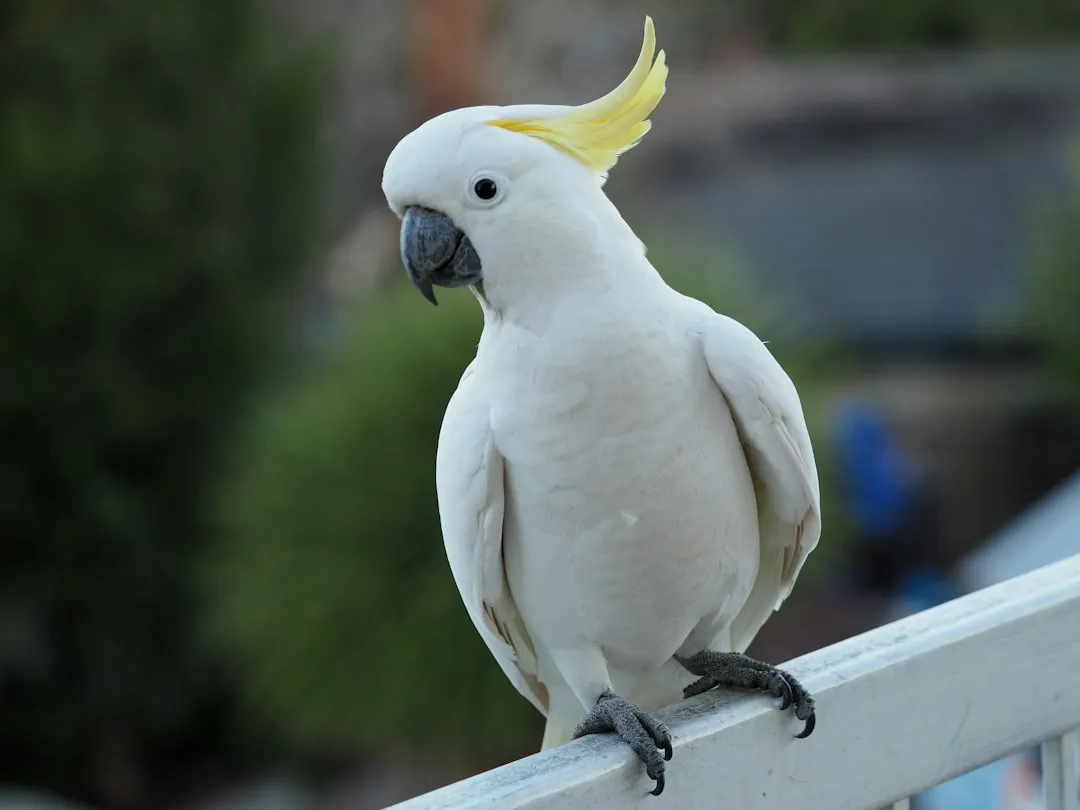
Cockatoos deserve a spot in this conversation. Goffin’s cockatoos, small birds from Indonesia, became famous in 2012 when a male named Figaro fashioned a wooden splinter to rake in a nut that was out of reach. Nobody had trained him to do it, and wild Goffin’s aren’t known for regular tool use.
Follow up studies showed that other Goffin’s could learn the trick, and that they could make tools from different materials. In another experiment, they worked through a lock box with several mechanisms in a row, opening each one before reaching the prize. Their patience impressed the scientists as much as their dexterity.
Cockatoos also have a wild side that makes them tricky to live with. They’re known for needing constant social contact, and they can scream, bite and pluck their own feathers when they’re lonely. Smart doesn’t automatically mean easy.
Still, the cockatoo story shows how much hidden talent might be out there. If a small island species can invent a tool in an afternoon, it’s fair to wonder what the unstudied species can do.
Macaws and the Brain Behind the Beak
🔥 Would you like to save this?
We'll email this post to you, so you can come back to it later!
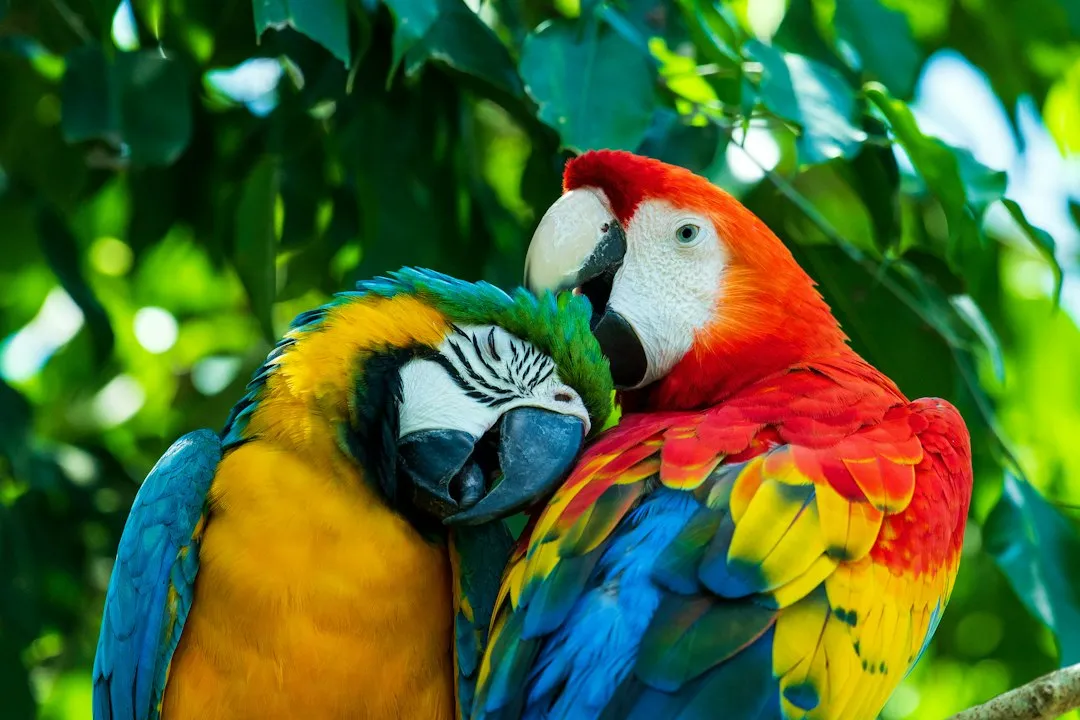
Large macaws are the showpieces of the parrot world, with their size, color and long lives. Their brains also help explain why parrots punch above their weight. A 2016 study on bird brains found that parrots and songbirds pack a very high number of neurons into the forebrain, in some cases comparable to what you’d find in monkeys.
That matters because bird brains look small from the outside. It turns out that tiny, densely packed neurons can do a lot of work in a small space. Size alone is a bad guide to intelligence.
Macaws do well at problem solving and memory, and they bond tightly with their keepers. Yet their lab record is thinner than the grey’s or the kea’s, partly because they’re big, expensive and harder to house for research. Their ranking may say more about who’s been studied than about who’s cleverest.
Talking Isn’t the Same as Thinking
🔥 Would you like to save this?
We'll email this post to you, so you can come back to it later!
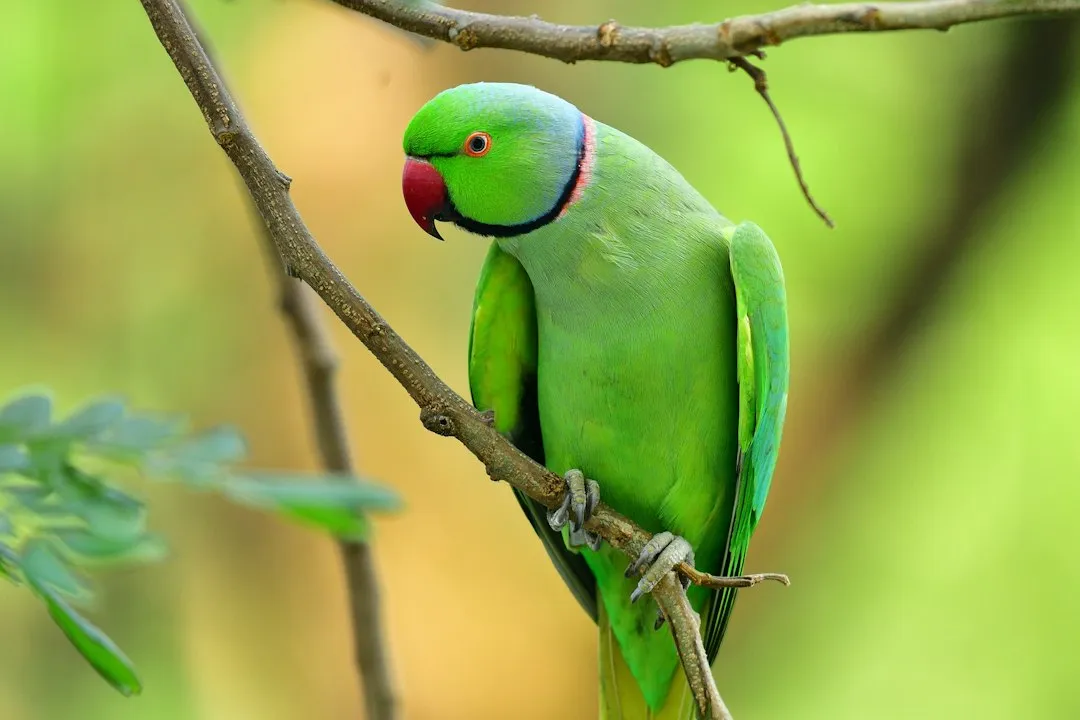
Parrots mimic sounds because they’re built to learn vocal patterns. In the wild, many species use contact calls to recognize each other, and copying a flockmate’s call is part of the social glue. In a home, that talent turns into copying the doorbell, the microwave and sometimes your voice.
That ability is real, but it’s separate from reasoning. A budgie can learn a huge vocabulary, and a bird that never says a word could still be a master at solving puzzles. Speech tells you about a bird’s vocal learning, not about everything it knows.
This is why the kea and the cockatoo surprise people so much. They don’t give us party tricks, yet they perform on tasks that test planning, tool use and causal thinking. If you judge parrots only by their words, you’ll miss the quiet geniuses.
Final Thoughts: Stop Crowning One Winner
🔥 Would you like to save this?
We'll email this post to you, so you can come back to it later!
If I had to name one bird, I’d probably say the African grey for the sheer depth of research and the way it handles abstract ideas. The kea comes very close, and may be the better problem solver. Cockatoos are the dark horses that keep rewriting what we thought birds could do.
Honestly, I think the contest is the wrong question. Parrots evolved different kinds of smarts for different lives, and the evidence is still growing. Anyone who confidently names a single champion is skipping the parts of the story that haven’t been tested yet.
The better takeaway is practical. Whatever the species, a parrot’s mind needs work to do, from foraging toys to company and challenges. The smartest parrot may simply be the one that’s been given something worth thinking about.

- 7 Everyday Habits That Can Make Your Senior Dog Happier - November 5, 2026
- 10 Enigmatic Structures That Continue to Puzzle Scientists Today - November 5, 2026
- 10 Strange Ruins in the Americas That Challenge What We Know About Early History - November 5, 2026