
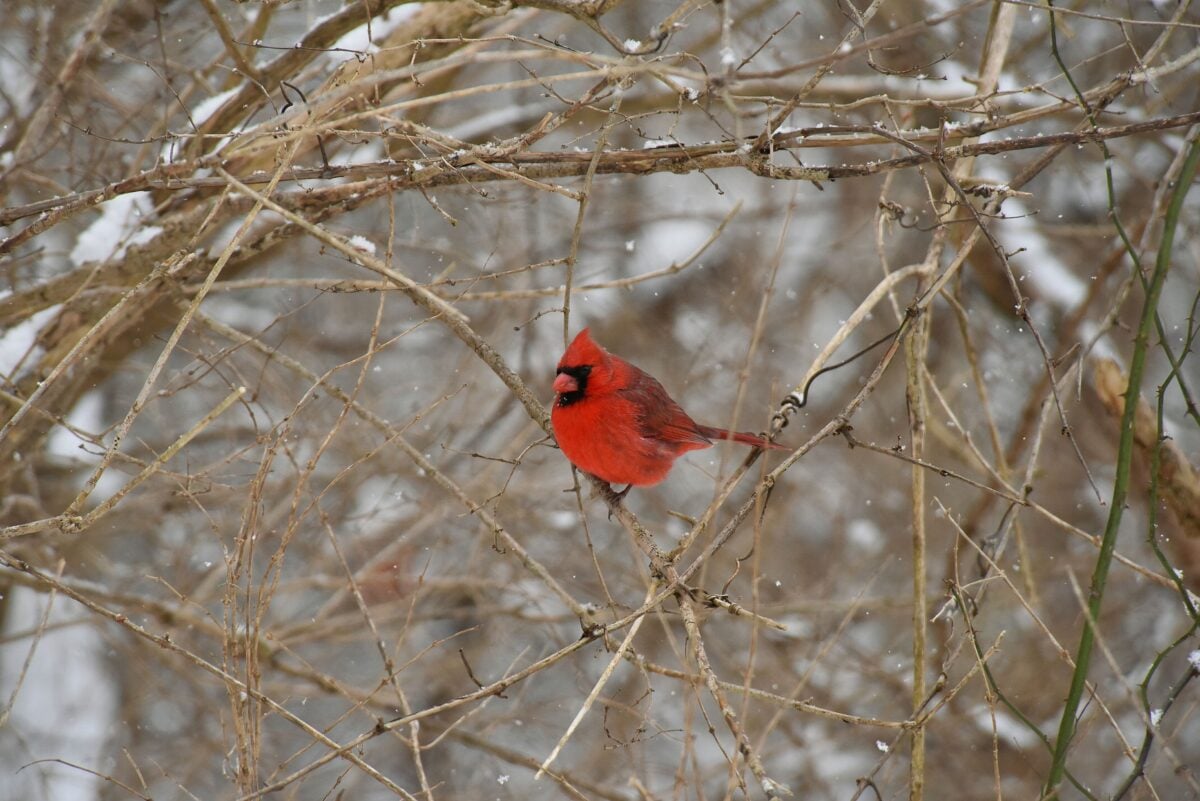
Picture this scene on a quiet morning. A bright red cardinal lands on your windowsill and begins tapping insistently at the glass. The sound repeats for minutes or even hours, drawing attention from anyone nearby. What looks like odd or even aggressive behavior toward a human home actually stems from something far simpler and more instinctive.
The bird sees its own image and mistakes it for a rival male invading its space. This common occurrence offers a window into how wildlife adapts to the structures people build. It also raises questions about what the cardinal experiences and how we might respond without disrupting its natural rhythms.
Understanding the Reflection Trigger
🔥 Would you like to save this?
We'll email this post to you, so you can come back to it later!
Windows create perfect mirrors under certain lighting conditions, especially when the interior remains darker than the outdoors. A cardinal approaches and encounters what appears to be another bird staring back with equal intensity. The reflection triggers an immediate defensive response because the species relies heavily on visual cues to identify threats.
Cardinals maintain strict territories during key parts of the year, and any perceived intruder prompts action. The pecking serves as a repeated challenge meant to drive the rival away. Over time the bird may wear itself down without realizing the opponent never moves or retreats.
Cardinal Biology and Territorial Instincts
🔥 Would you like to save this?
We'll email this post to you, so you can come back to it later!
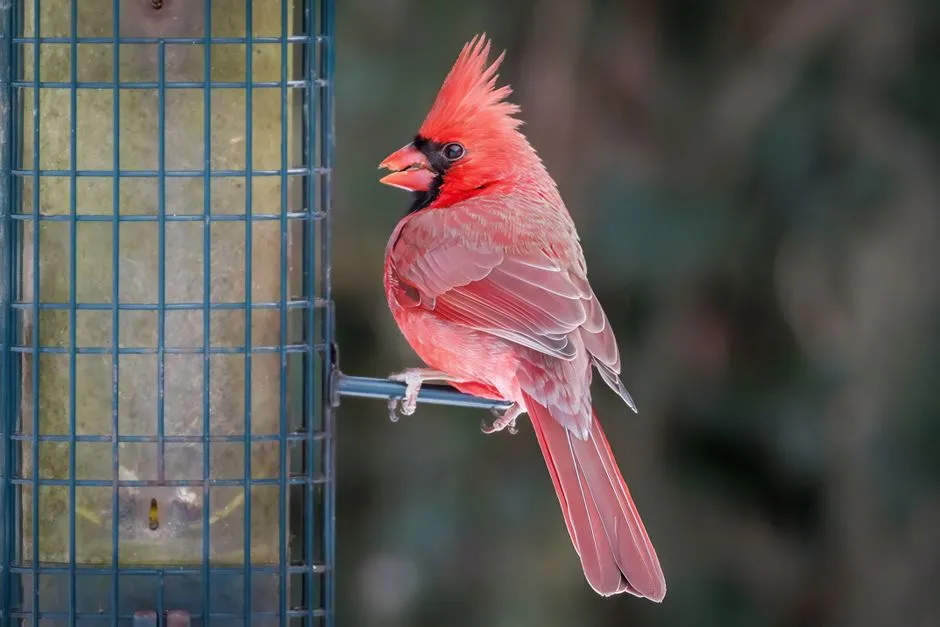
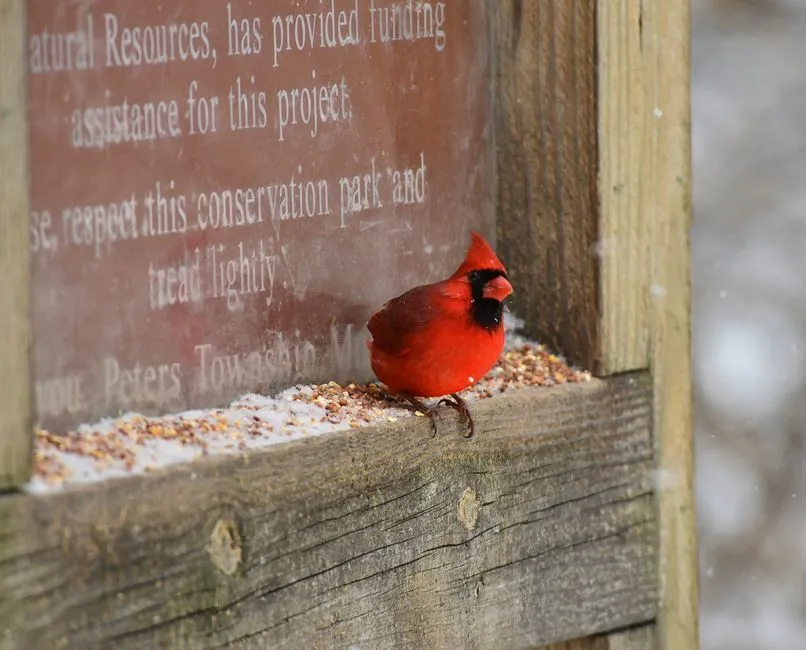
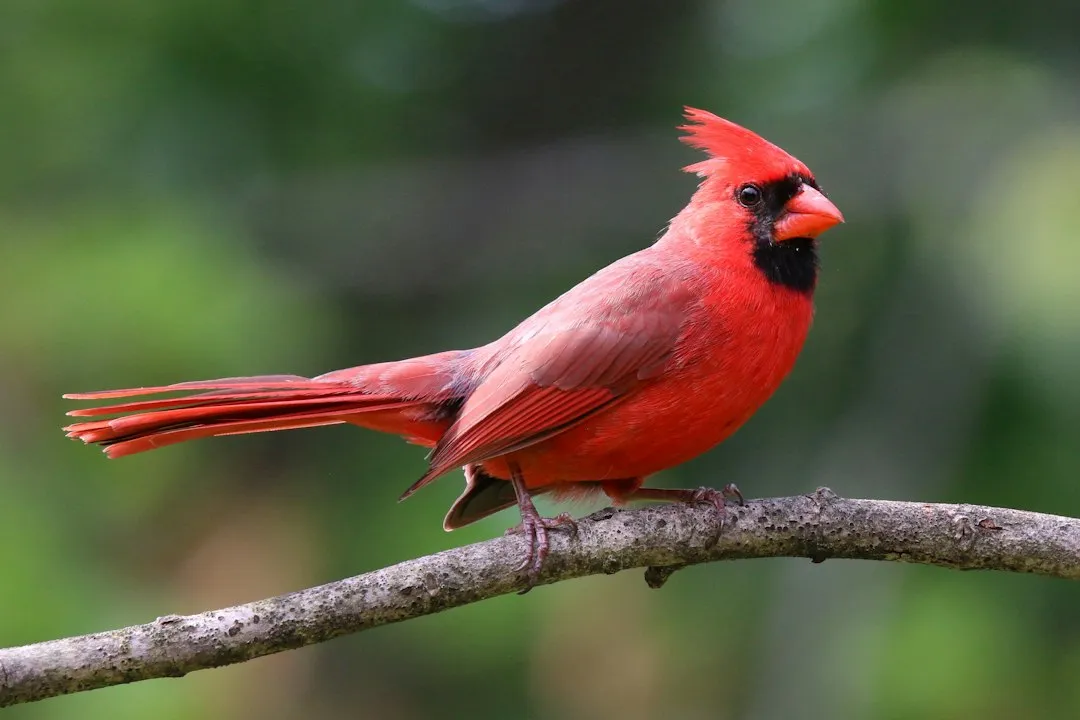
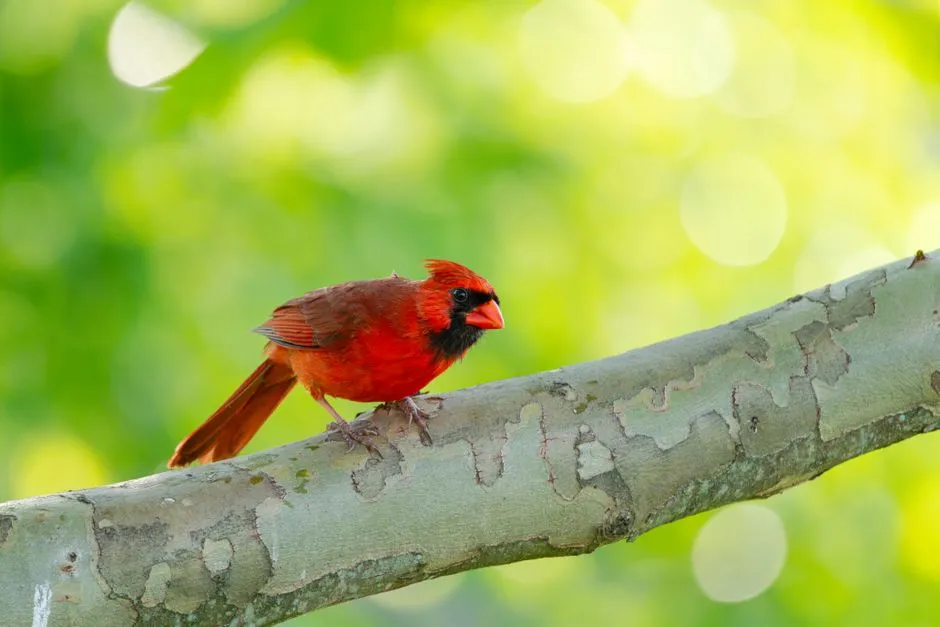
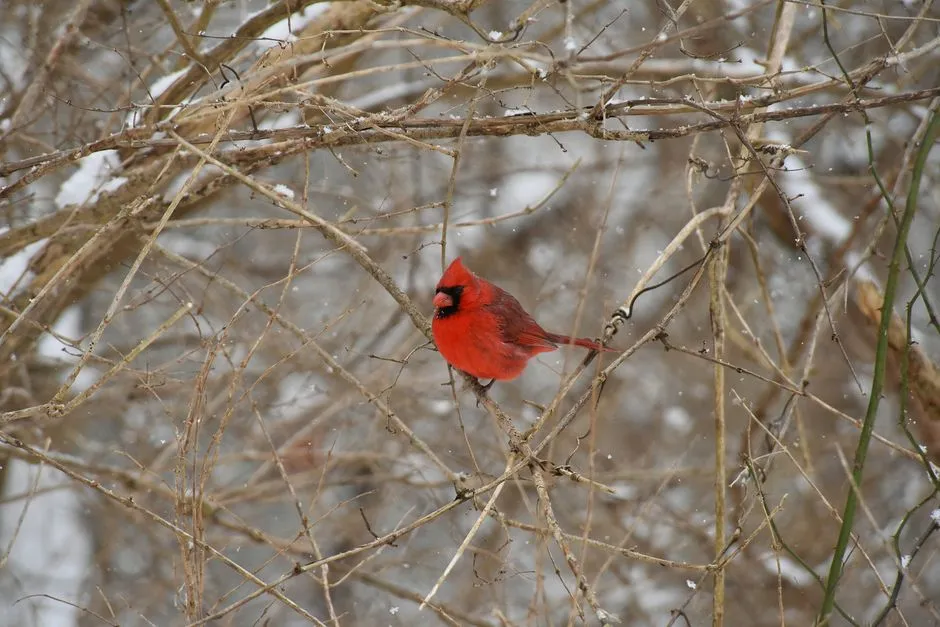
Northern cardinals possess vivid plumage that plays a central role in their social interactions. Males display bright red feathers partly to signal dominance and attract mates while also warning others to stay clear. This coloration stands out sharply against green foliage or suburban backdrops, making any mirror image particularly striking.
Their vision allows them to detect fine details at close range, which helps in spotting food or spotting competitors. When that vision meets a flawless reflection, the brain registers a direct confrontation. Territorial defense ranks high among survival priorities because securing space ensures access to food sources and nesting sites for offspring.
The Role of Breeding Season
🔥 Would you like to save this?
We'll email this post to you, so you can come back to it later!
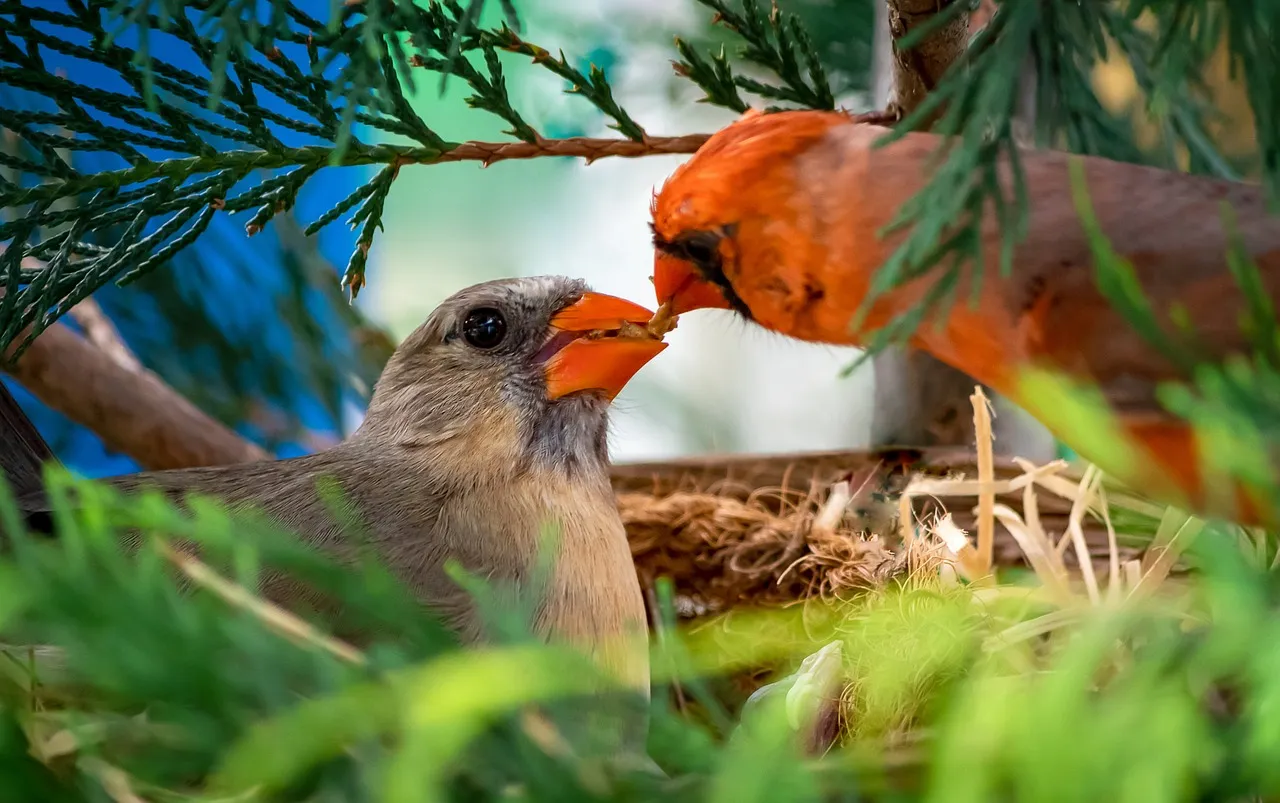
Hormone levels rise sharply as daylight lengthens in spring, fueling more intense territorial patrols. Males become especially vigilant around potential nesting areas, and windows near shrubs or feeders often become focal points. The behavior peaks during this window because the stakes involve both personal safety and reproductive success.
Outside breeding months the same cardinal may ignore the same window entirely. Reduced hormone activity lowers the drive to confront every perceived rival. Observers sometimes notice the tapping stops abruptly once nesting concludes and family groups form instead.
Potential Risks to the Bird
🔥 Would you like to save this?
We'll email this post to you, so you can come back to it later!
Repeated pecking can lead to physical exhaustion over several days or weeks. The cardinal expends energy that would otherwise support foraging or resting, and it may miss opportunities to feed properly. In extreme cases the bird risks injury from the hard surface or from predators drawn by the commotion.
Stress hormones remain elevated during these encounters, which can affect overall health if the situation persists. Urban cardinals already navigate challenges like habitat fragmentation and variable food supplies. Adding constant window battles compounds those pressures without any benefit to the individual.
Effective Deterrent Strategies
🔥 Would you like to save this?
We'll email this post to you, so you can come back to it later!
Simple adjustments to the glass surface often break the illusion of a rival. Applying temporary decals, hanging lightweight objects, or using window film disrupts the clear reflection while still allowing light through. These changes work best when placed at the bird’s eye level rather than scattered randomly.
Relocating feeders or birdbaths away from the problem window reduces the incentive to linger nearby. Some people close curtains during peak activity hours or install external screens that soften the mirror effect. Consistent application of these steps usually calms the situation within a few days.
Observations from Birdwatchers and Researchers
🔥 Would you like to save this?
We'll email this post to you, so you can come back to it later!
Amateur observers frequently report the same pattern across different neighborhoods and climates. The behavior appears most often in species with strong pair bonds and defended territories, including cardinals but also robins and mockingbirds. Patterns emerge around specific times of day when sunlight creates the strongest reflections.
Field studies on similar species confirm that visual misidentification drives much of the aggression rather than any intent to interact with humans. Removing the reflection consistently ends the activity, which supports the territorial explanation over other theories. These accounts help build a clearer picture of how common the issue has become in developed areas.
What This Reveals About Human Impact on Nature
🔥 Would you like to save this?
We'll email this post to you, so you can come back to it later!
Modern buildings introduce novel challenges that wildlife never encountered in natural settings. Large glass surfaces act as unintended mirrors in places where open space once dominated. Cardinals and other birds must navigate these additions while still following ancient instincts shaped over generations.
Small changes in how homes and offices handle windows can ease pressure on local populations. Awareness of these interactions encourages more thoughtful design choices that benefit both people and wildlife. The cardinal at the glass ultimately reminds us that everyday structures shape the daily lives of creatures sharing our spaces.
Reflecting on Shared Spaces
🔥 Would you like to save this?
We'll email this post to you, so you can come back to it later!
Watching a cardinal persist at the window invites a quiet respect for its determination. The bird follows its biology without malice or awareness of the illusion, and our responses can honor that drive while protecting its well being. Simple awareness turns a minor annoyance into an opportunity to coexist more thoughtfully with the wildlife around us. In the end the reflection serves as a reminder that nature continues its work even against the clearest of obstacles.

- 10 Enigmatic Structures That Continue to Puzzle Scientists Today - November 5, 2026
- 10 Strange Ruins in the Americas That Challenge What We Know About Early History - November 5, 2026
- Beyond the Bark: Decoding Your Dog’s 12 Most Common Vocalizations - November 5, 2026