


Picture this: you’re walking your dog through a suburban park at dusk when a shadowy figure trots across the path ahead of you. Your heart skips a beat before you realize what you’ve just witnessed – a coyote, bold as brass, navigating the urban landscape like it owns the place. This scene, once unthinkable in most American cities, has become increasingly common from coast to coast.
The relationship between humans and urban coyotes reveals a fascinating tale of adaptation that challenges our assumptions about who’s really changing whom. These remarkable animals have colonized nearly every major metropolitan area, transforming from prairie dwellers into sophisticated city residents in just a few decades. Yet this urban invasion raises a compelling question that goes to the heart of our relationship with wildlife: are we witnessing the adaptation of coyotes to human environments, or are humans fundamentally altering their behavior to accommodate these new neighbors?
The Great Urban Migration
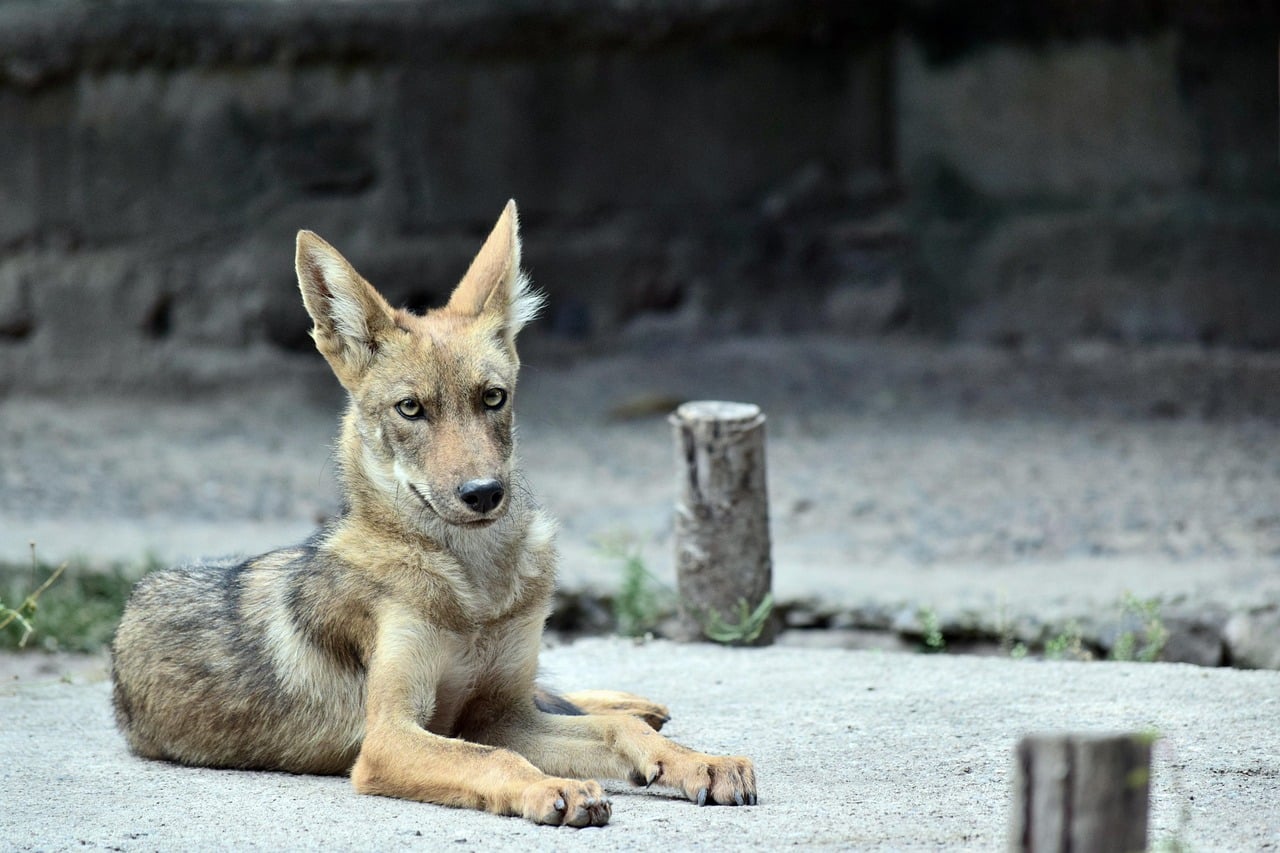
Coyotes (Canis latrans) are highly adaptable, medium-sized carnivores that now inhabit nearly every large city in the United States and Canada. A new study outlines the ways by which city life may be shaping the evolution of urban coyotes, the highly adaptable carnivores spotted in alleyways from Berkeley, Calif., to the Bronx, in New York.
This remarkable expansion represents one of the most successful wildlife colonizations of human-dominated landscapes in recent history. “We do know that we’re getting more coyotes on the East Coast because wolves have been displaced,” explains researcher Elizabeth Carlen. Their migration story began decades ago as these intelligent predators discovered that cities offered unique advantages over their traditional rural habitats.
City Life Rewires Coyote Brains
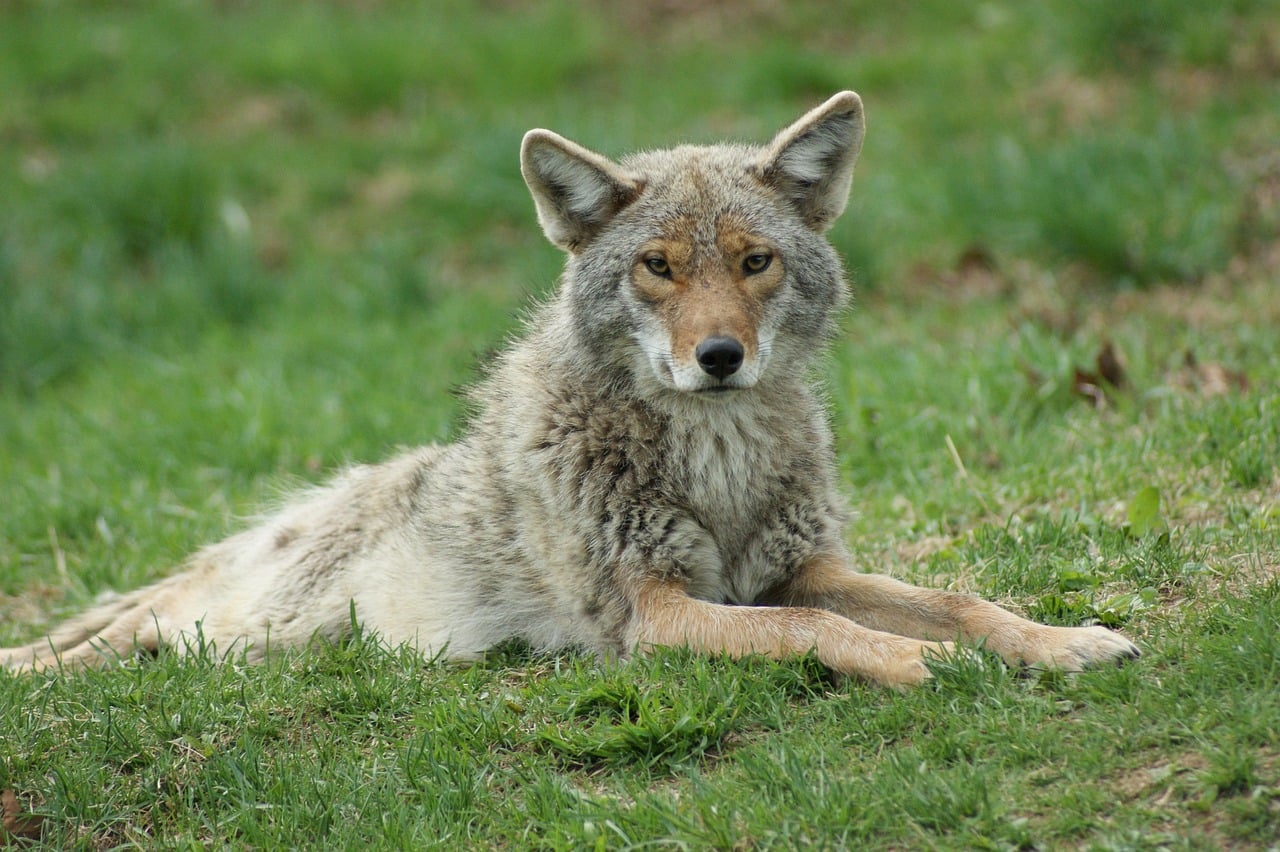
Our results from both tests indicate that urban coyotes are bolder and more exploratory than rural coyotes and that within both populations there are individuals that vary across both spectrums. Bolder behavior in urban coyotes emerged over several decades and we speculate on possible processes (e.g., learning and selection) and site differences that could be playing a role in this behavioral adaptation.
The transformation goes deeper than simple location preferences. We hypothesize that an important factor is how people treat coyotes; in the rural area coyotes were regularly persecuted whereas in the urban area coyotes were rarely persecuted and sometimes positively rewarded to be in close proximity of people. This behavioral shift represents a fundamental rewiring of coyote psychology, as generations of urban animals lose their ancestral fear of humans.
The Genetic Revolution in Urban Predators
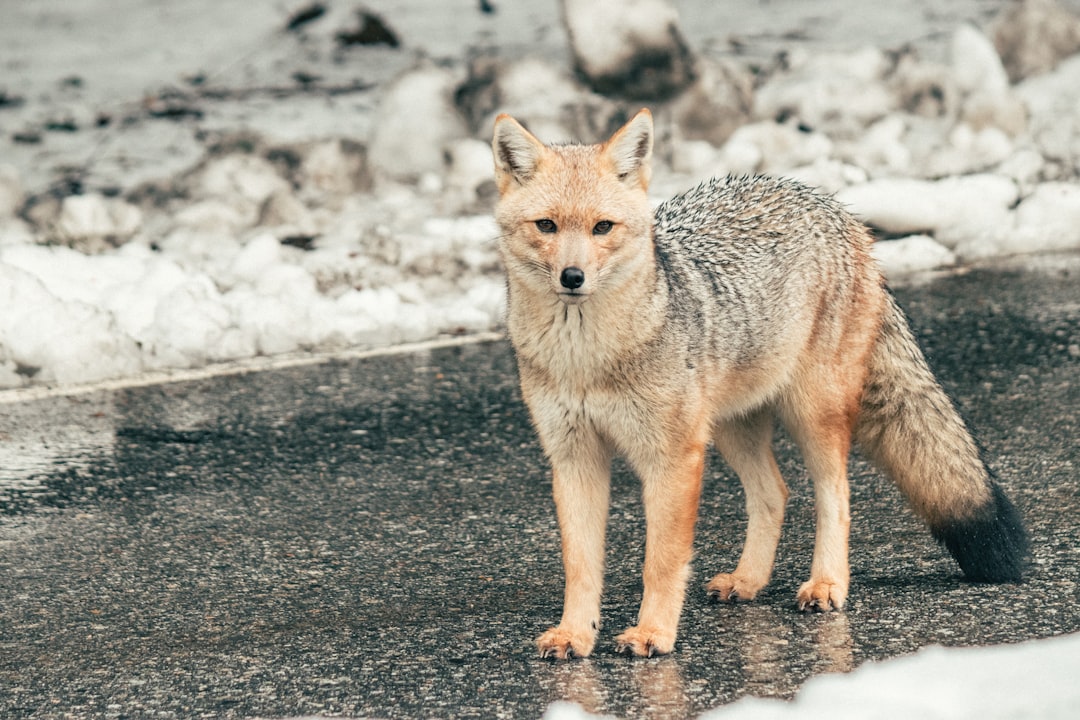
Historically, evolution was thought to occur on vast chronological scales. But scientists now understand that evolution can happen within just a few generations. Urban areas offer a unique glimpse into how evolution functions on smaller timescales and how species adapt to human presence and novel environments.
Carlen and Kreling’s new study provides examples of life history traits that may be under selection in urban coyotes as well as a list of candidate genes that have the potential to be implicated – including genes related to diet, health, thermoregulation, behavior, cognition and reproduction. Scientists are now discovering that urban living may be literally rewriting coyote DNA, creating new genetic variations that help them thrive in concrete jungles.
Urban Menu: From Rabbits to Refuse
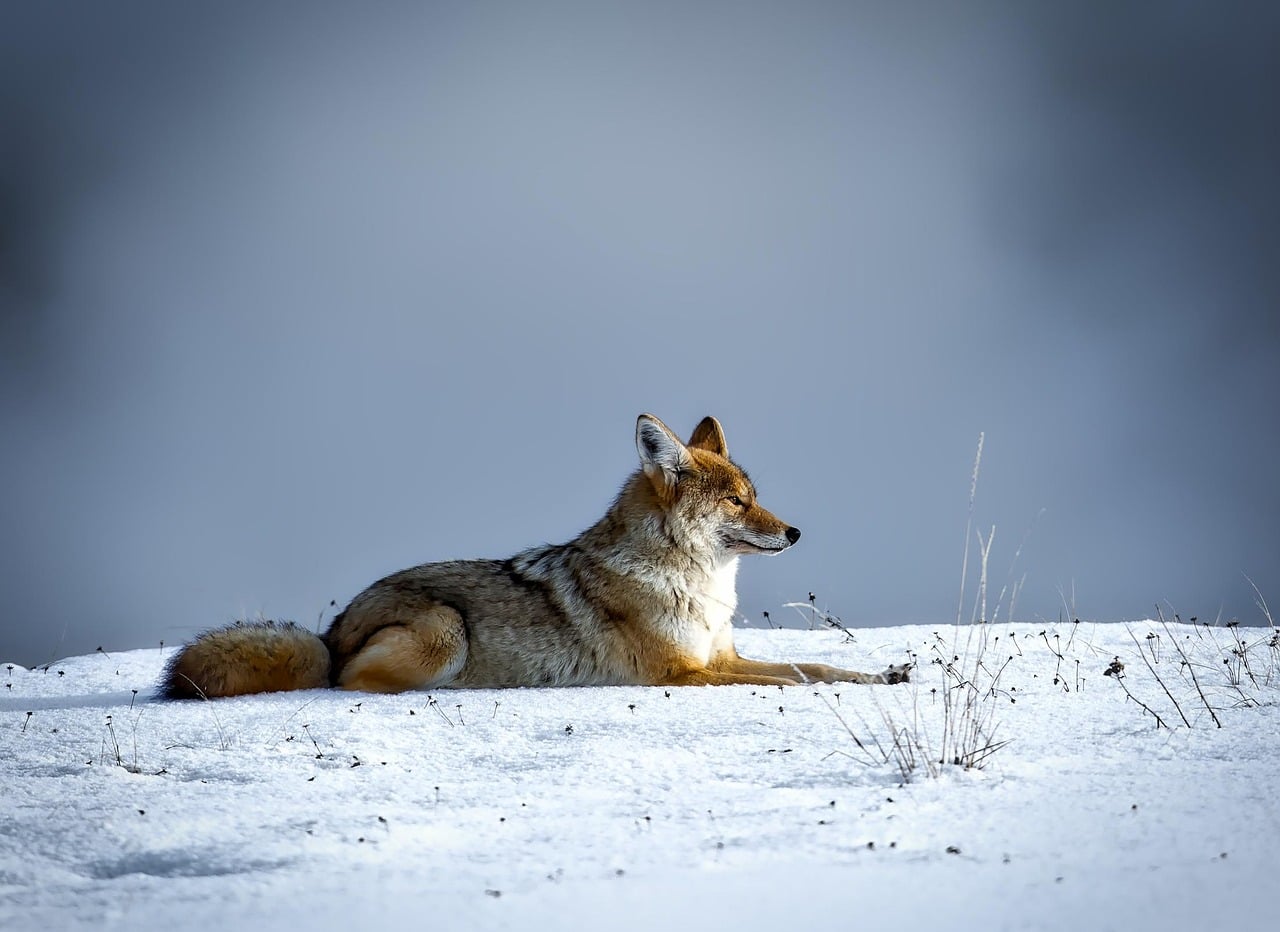
So coyotes are omnivores, meaning that they’re able to eat a whole host of different things, everything from, say, rats and pocket gophers and in some instances, skunks, to, yes, human food subsidies, like trash or refuse or in some cases, when it’s left out, dog food or cat food.
Mixing models revealed that resident coyotes associated with most urban nature preserves consumed trace to minimal amounts of anthropogenic resources, while coyotes that live in the urban matrix consume moderate (30-50%) to high (>50%) proportions of anthropogenic resources. This dietary flexibility has become a cornerstone of their urban success, allowing them to exploit food sources that would have been unavailable to their rural ancestors. This opportunistic feeding behavior not only aids their survival but also positions them as natural pest controllers, helping to manage populations of small mammals that might otherwise become nuisances.
Human Cities, Coyote Real Estate
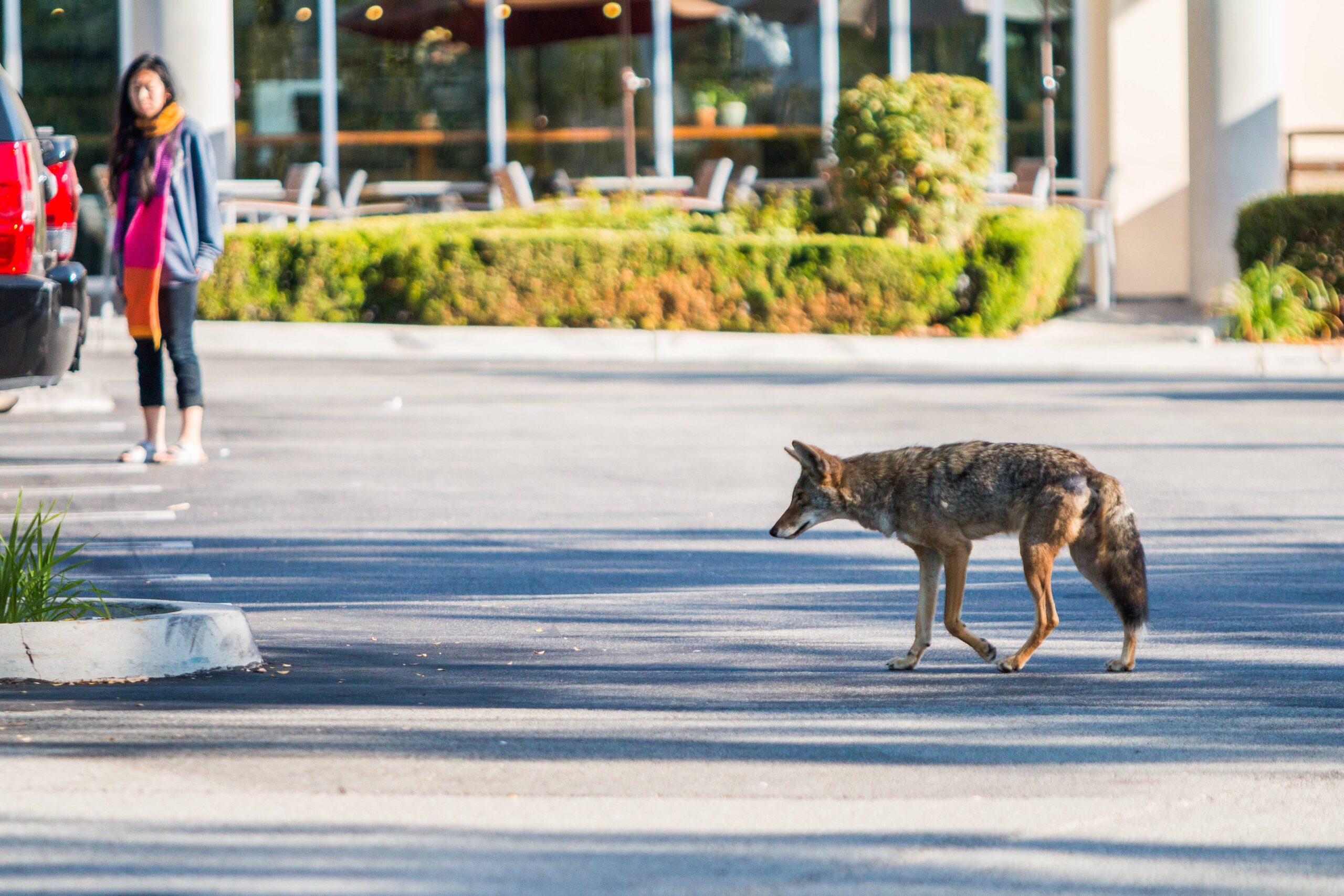
High habitat fragmentation in cities coupled with increased food availability can reduce coyote home range sizes and increase population densities (Gehrt 2007). Urban coyotes have learned to navigate roads, utilize green spaces, and adjust their behavior to minimize human contact.
Most studies have reported relatively high survival rates (annual S = 0.62 – 0.74), with vehicle collisions often a common cause of mortality. Size of coyote home ranges (mean home range sizes among urban studies ranged 5 – 13 km2) generally exhibit a negative trend with urbanization when compared to rural studies. Cities have essentially become luxury real estate for coyotes, offering compact territories with reliable resources and surprisingly high survival rates.
The Shadow Schedule: When Night Becomes Day
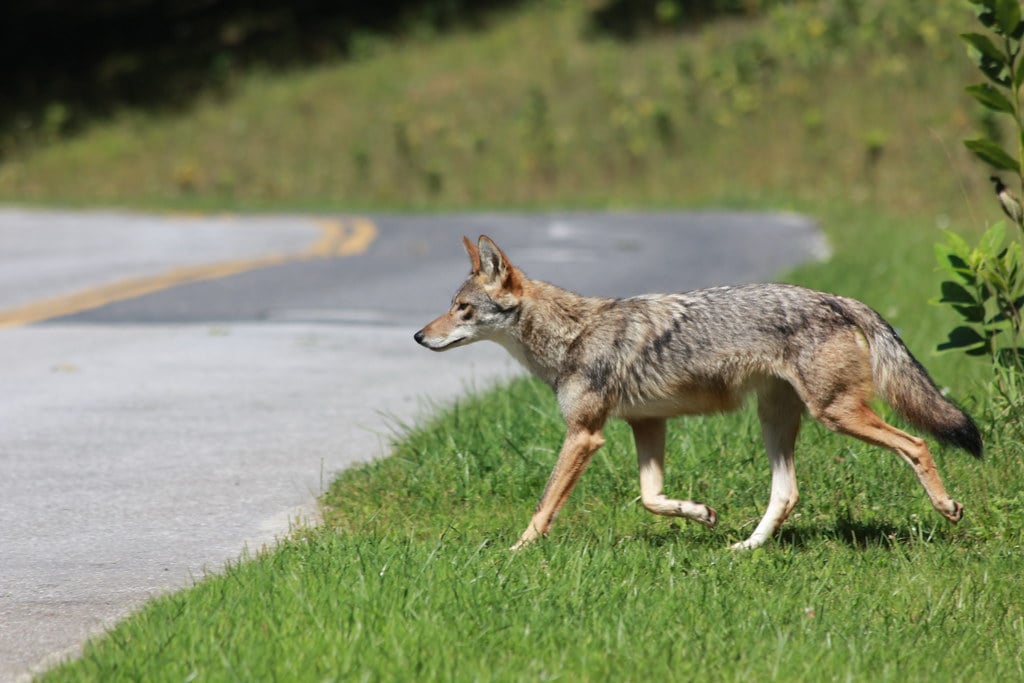
Behavioral Changes: Urban coyotes demonstrate behavioral plasticity – changing their activity patterns from primarily crepuscular (dawn and dusk active) in rural settings to predominantly nocturnal in cities to avoid human activities. Coyotes tend to be nocturnal or crepuscular (active at dawn and dusk) in urban settings, effectively reducing their encounters with humans.
However, this temporal flexibility can shift dramatically based on circumstances. But in other instances, I absolutely saw patterns and found that specific coyotes would show up at the same spot to hunt day after day. Some urban coyotes have become so comfortable that they’ve abandoned the cover of darkness entirely, hunting and traveling during peak human activity periods. This remarkable behavioral plasticity demonstrates their ability to read and respond to the rhythms of city life.
Humans Learning the Urban Wildlife Dance
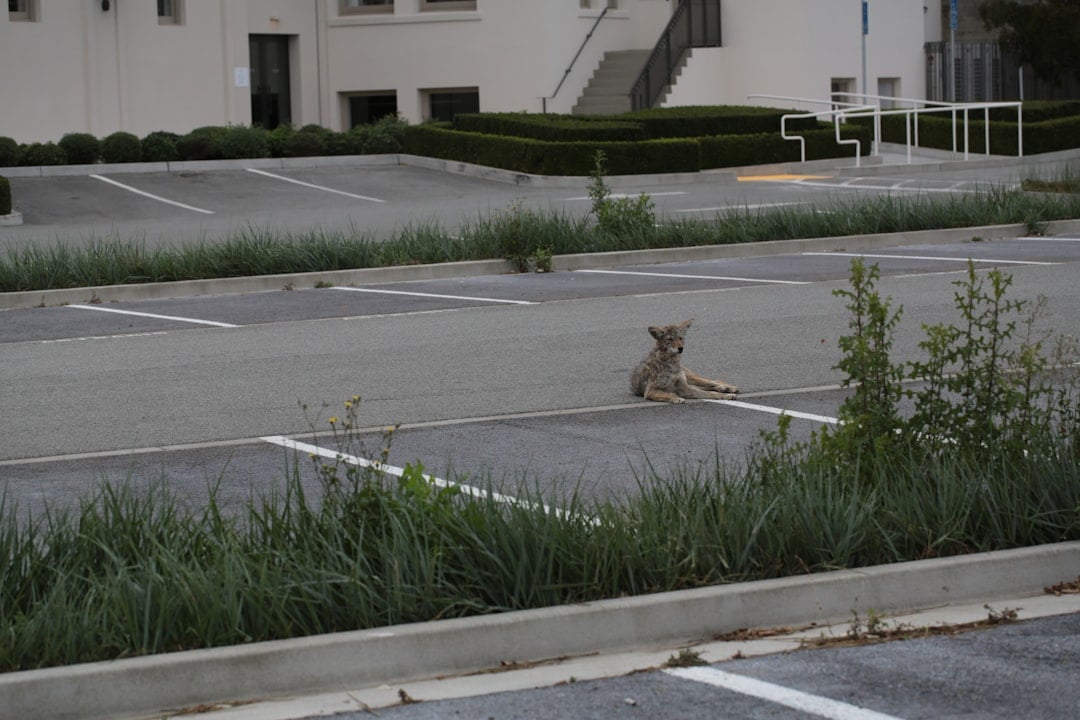
It is important to stress that our relationship with coyotes is directly affected by our behavior – coyotes react to us, and we can foster mutual respect or a lack of respect through cues we send to coyotes. Management programs for urban coyotes should begin with public education and untangling facts from myths. People should become aware of coyote signs and understand the differences between true threats and coexistence.
The human response to urban coyotes has required its own dramatic adaptation. Relatively recently, ecologists have coalesced around the idea that coexistence is the most promising avenue to reduce human–coyote conflict in urban areas. Our results suggest that education campaigns could help people recognize benign behavior and identify and mitigate potential conflicts with coyotes. Education could occur as part of report receipt by city staff and outreach could target areas where coyote interactions are more likely, such as in residential areas along greenspaces.
The Future of Urban Coexistence
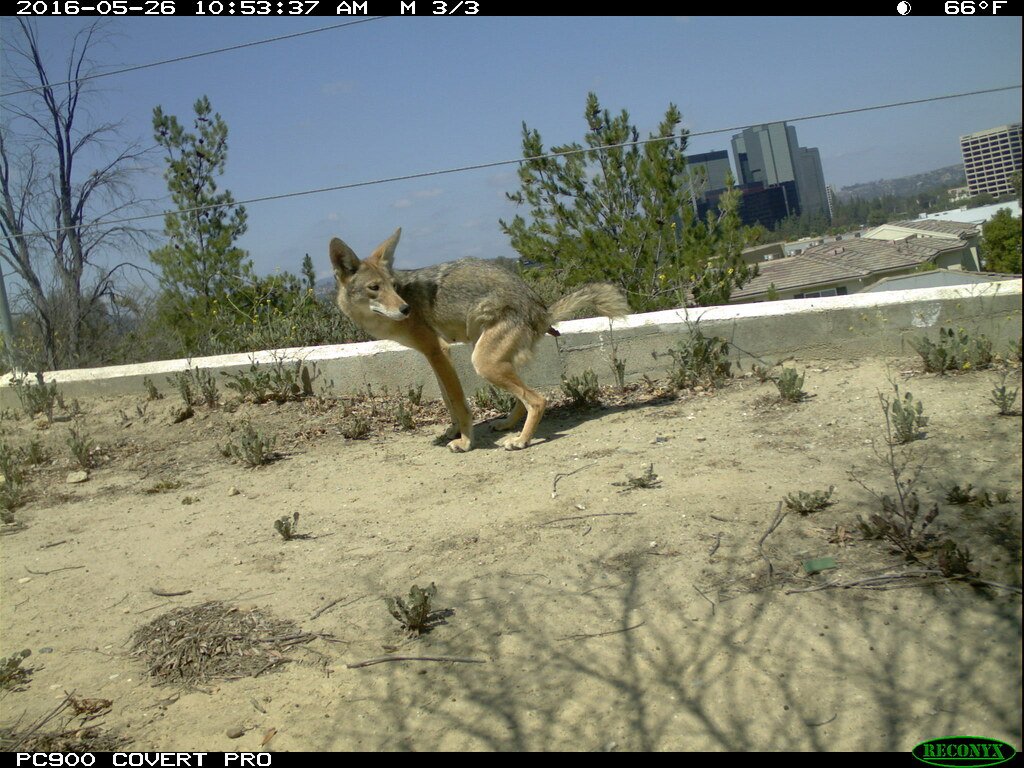
By appreciating the resilience and remarkable adjustment capabilities of species like the coyote, we can work toward creating urban spaces that promote coexistence and foster a deeper understanding of the dynamic relationship between humans and nature. Ultimately, the research illuminates an exhilarating aspect of urban ecology – the potential for cities to become laboratories of evolution.
“There is a lot of misplaced fear around coyotes,” notes researcher Elizabeth Carlen. No, they shouldn’t be afraid. If anything, we should have a healthy respect for the animals when we see them sort of sharing space with us. The future of human-coyote relationships may depend less on who adapts more and more on how well both species can learn to share increasingly urbanized landscapes.
Conclusion
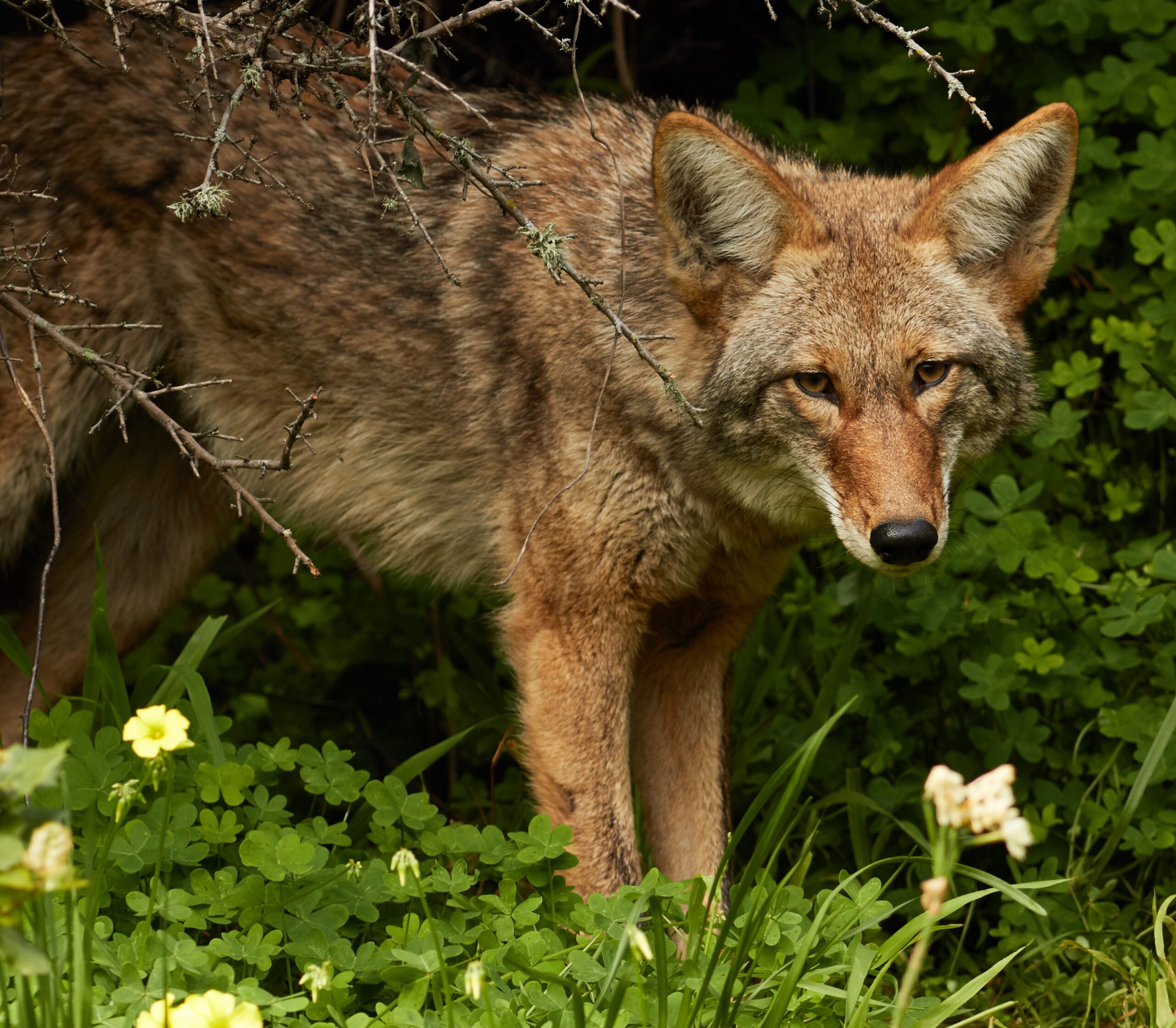
The question of who’s adapting to whom in the urban coyote story doesn’t have a simple answer. However, coyote overlap with humans can shift in response to changes in the costs and benefits of associating with humans. The truth is both species are undergoing profound changes, creating a dynamic dance of mutual adaptation that challenges traditional ideas about wildlife management and urban planning.
What do you think about this remarkable story of urban adaptation? Have you encountered coyotes in your city, and how has it changed your perspective on sharing space with wildlife? Tell us in the comments.
