

America’s wilderness offers breathtaking landscapes and unforgettable hiking experiences, but these natural playgrounds are also home to potentially dangerous wildlife. While fatal encounters with animals are relatively rare, understanding which states harbor the most dangerous creatures can help hikers prepare appropriately and stay safe. From venomous snakes and spiders to powerful predators like bears and mountain lions, certain states present higher risks than others. This comprehensive guide explores the U.S. states with the most dangerous wildlife, providing essential information for outdoor enthusiasts who want to appreciate nature while respecting its inherent dangers.
Texas: Snake Country

The Lone Star State leads the nation in diversity of venomous snakes with 15 different species calling Texas home, including all four venomous snake groups found in the United States: rattlesnakes, copperheads, cottonmouths (water moccasins), and coral snakes. This abundance contributes to Texas reporting more snake bite incidents than any other state, with approximately 550 venomous snake bites annually. The western diamondback rattlesnake, particularly common in Texas, is responsible for more snake bite fatalities in the U.S. than any other species.
Beyond snakes, Texas also houses other dangerous wildlife including mountain lions, alligators, and the highly aggressive feral hogs that have caused human fatalities. The state’s diverse ecosystems—from the arid west to the swampy east—create habitats for a wide variety of potentially dangerous creatures. Hikers in Texas should wear appropriate footwear, stick to established trails, and carry a snake bite kit, especially when venturing into tall grass or rocky areas where snakes commonly hide during the warmer months.
Florida: Alligator Territory

Florida’s wetlands and waterways are home to over 1.3 million American alligators, making it the state with the highest alligator population. These prehistoric predators can grow to over 14 feet long and weigh up to 1,000 pounds. While alligator attacks are relatively rare, Florida leads the nation with an average of seven unprovoked alligator attacks per year, and 25 recorded fatal attacks since 1948. The risk increases during mating season (April to June) when alligators become more aggressive and territorial.
Beyond alligators, Florida hosts a variety of other dangerous wildlife. The state has six species of venomous snakes, including the eastern diamondback rattlesnake—the largest venomous snake in North America. Marine dangers also abound with bull sharks, known for their aggression, inhabiting many coastal areas and sometimes venturing into freshwater. Additionally, the invasive Burmese python population in the Everglades, while not typically a threat to humans, has drastically altered the ecosystem. Hikers should stay at least 30 feet away from any alligator, avoid hiking near water at dawn or dusk when alligators are most active, and never feed wildlife.
Alaska: Bear Country
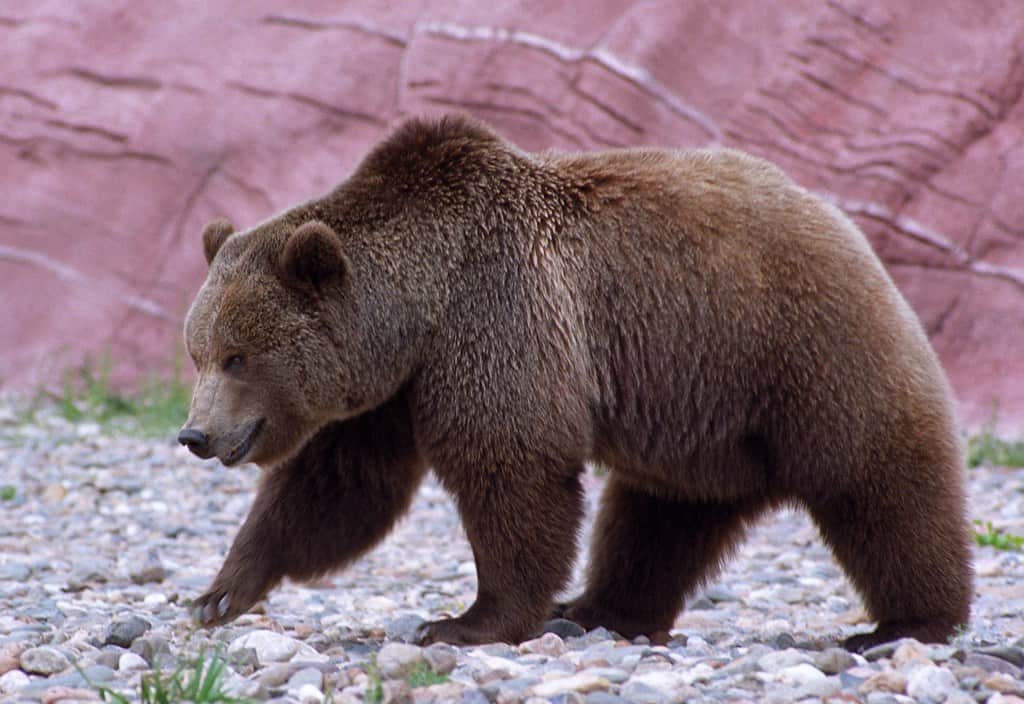
Alaska represents the last true American wilderness and hosts North America’s highest concentration of brown bears (grizzlies). With an estimated 30,000 brown bears and 100,000 black bears, Alaska accounts for a significant portion of the continent’s bear population. The massive coastal brown bears, which can weigh over 1,500 pounds, are among the most powerful predators on land. Though bear attacks are relatively uncommon, Alaska reports more fatal bear attacks than any other state, with an average of two deaths per year.
The isolated nature of Alaska’s wilderness compounds the danger, as injured hikers may be hours or even days away from medical assistance. Beyond bears, Alaska is home to other potentially dangerous wildlife including wolves, wolverines, and moose—which actually injure more people annually than bears do. Hikers in Alaska should never travel alone, carry bear spray at all times, make noise while hiking to avoid surprising bears, and know proper food storage techniques to avoid attracting bears to campsites. The National Park Service recommends hikers maintain a minimum distance of 300 feet from any bear.
Arizona: Venom Central
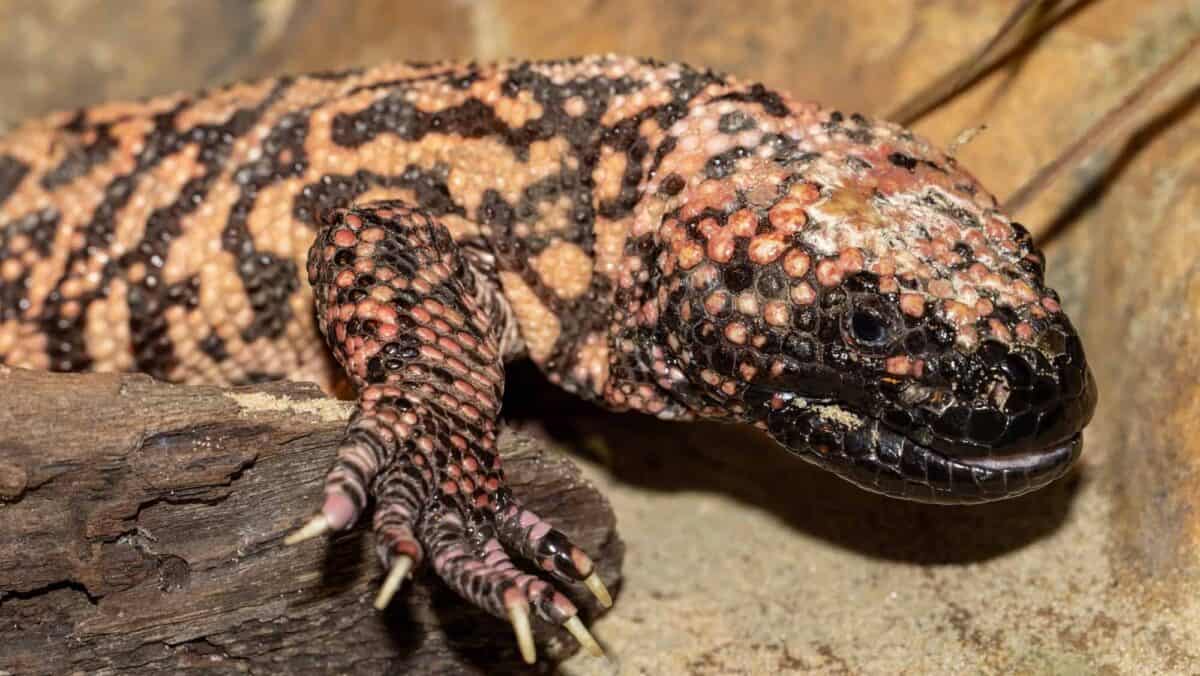
Arizona’s arid landscapes are home to more species of venomous reptiles than any other state, making it particularly hazardous for hikers unaware of the hidden dangers. The state hosts 13 species of rattlesnakes, including the aggressive Mojave rattlesnake whose venom is considered among the most potent in North America, containing both hemotoxic and neurotoxic components. Arizona also leads the nation in scorpion diversity with 55 species, including the Arizona bark scorpion—the most venomous scorpion in North America whose sting can cause intense pain, numbness, and in rare cases, respiratory failure.
The state’s dry climate and rocky terrain provide perfect habitats for the Gila monster, one of only two venomous lizards in the world. While rarely fatal to humans, its bite causes extreme pain. Arizona also hosts dangerous arachnids including black widows and brown recluse spiders. Mountain lions and black bears inhabit the higher elevations and forests. Hikers should thoroughly shake out boots and clothing before wearing them, avoid placing hands in crevices or under rocks, and remain vigilant on trails, especially during warmer months when reptiles are most active. Medical experts recommend seeking immediate medical attention for any venomous bite or sting, even if it initially seems minor.
Montana: Predator Paradise
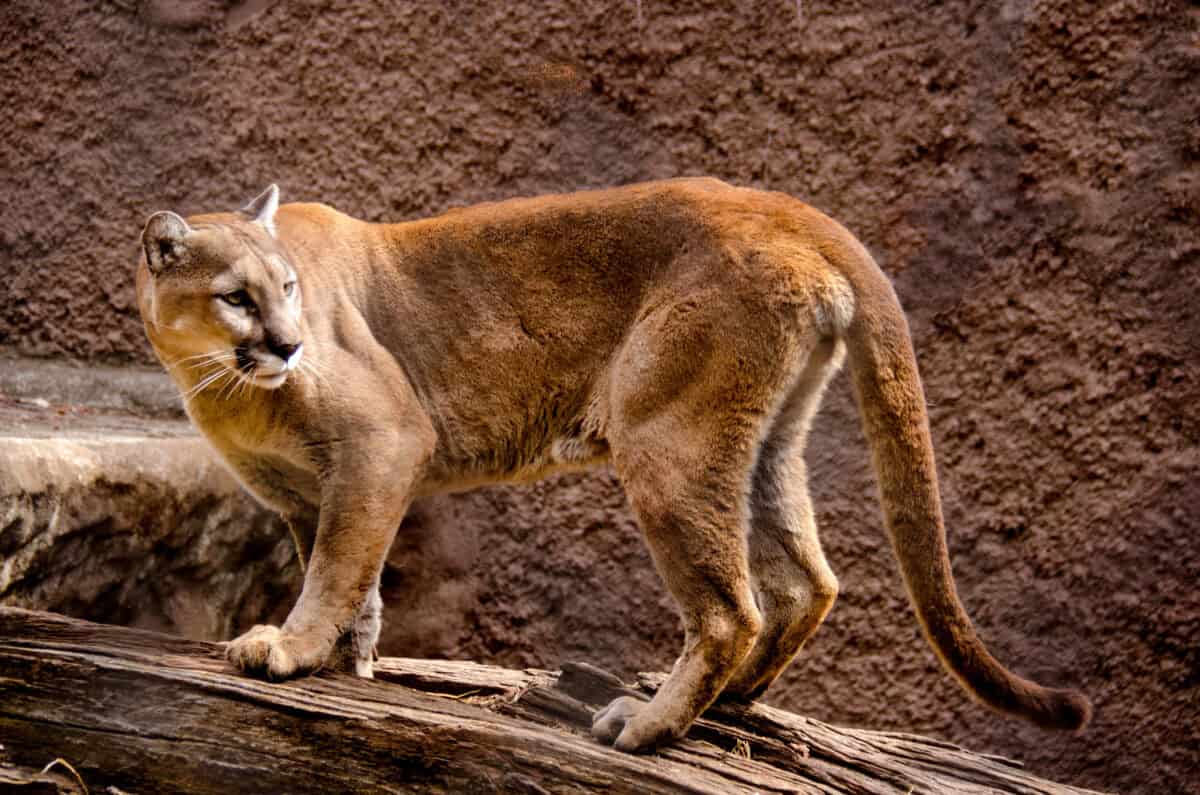
Montana’s vast wilderness areas provide ideal habitats for large predators, making it one of the most potentially dangerous states for hikers. The state hosts the highest density of grizzly bears in the lower 48 states, with populations continuing to expand beyond the boundaries of Yellowstone and Glacier National Parks. These powerful animals, which can weigh up to 800 pounds, are responsible for the majority of predatory wildlife fatalities in Montana. Black bears also inhabit Montana’s forests, and while generally less aggressive than grizzlies, they can become dangerous if surprised or if they perceive a threat to their cubs.
Beyond bears, Montana is home to growing wolf populations, mountain lions that silently stalk prey, and moose that become particularly aggressive during mating season. The state also harbors the prairie rattlesnake, whose venom can cause severe tissue damage. Montana’s remote nature exacerbates the danger, as injured hikers may be far from medical facilities. Experts recommend hiking in groups of three or more in Montana’s backcountry, carrying bear spray within immediate reach, making noise on trails to avoid surprising wildlife, and being especially cautious around dawn and dusk when predators are most active. The Montana Fish, Wildlife & Parks department provides valuable resources for hikers, including real-time wildlife alerts for different regions of the state.
California: Diverse Dangers

California’s vast and varied ecosystems—from deserts to mountains to coastlines—harbor an impressive diversity of potentially dangerous wildlife. The state is home to significant populations of black bears, particularly in the Sierra Nevada range, and a growing number of mountain lions that occasionally come into conflict with humans on trails. While mountain lion attacks are rare, California has recorded more fatal attacks than any other state except Colorado. The California Department of Fish and Wildlife estimates there are between 4,000-6,000 mountain lions in the state, and encounters are increasing as human recreation expands into their territory.
The state’s venomous residents include seven species of rattlesnakes, with the Western Diamondback and Mojave rattlesnakes being particularly dangerous. Black widow spiders are common throughout California, and the coastal waters harbor great white sharks responsible for the majority of shark attacks in U.S. waters. Another overlooked danger is Valley Fever, a potentially serious fungal infection that hikers can contract by breathing in spores from disturbed soil, particularly in the Central Valley and southern regions. Hikers should remain vigilant on trails, especially in remote areas, make noise to alert wildlife to their presence, and learn how to respond appropriately to encounters with different species. For coastal hikers, understanding shark activity patterns and avoiding dawn/dusk ocean activities can reduce risk.
Colorado: Mountain Menaces
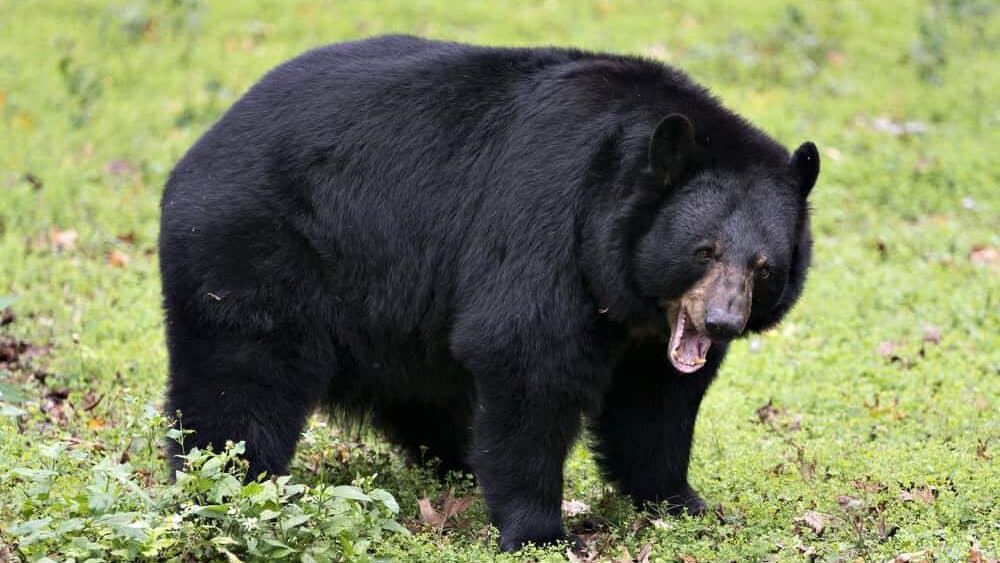
Colorado’s breathtaking Rocky Mountain terrain attracts millions of hikers annually, but these same majestic landscapes harbor wildlife that can pose significant dangers. Mountain lions are perhaps the most concerning predator in Colorado, with the state recording more fatal attacks than most others. These stealthy cats can weigh up to 150 pounds and are capable of taking down prey much larger than themselves. Colorado Parks and Wildlife estimates there are between 3,800 and 4,400 mountain lions in the state, and encounters are increasing as recreational activities expand into their habitat.
Black bears, while generally not aggressive toward humans, become dangerous when habituated to human food or when protecting cubs. Colorado is also home to prairie rattlesnakes that frequent the state’s popular hiking areas, particularly in rocky outcroppings where hikers might place their hands for support. Perhaps the most overlooked wildlife danger in Colorado comes from elk and moose, which can be extremely aggressive during rutting season or when protecting calves. A charging moose, weighing up to 1,200 pounds, can cause severe injuries or death. Hikers should travel in groups when possible, keep children close, avoid hiking at dawn or dusk when predators are most active, and maintain awareness of seasonal wildlife behavior patterns that might increase risk.
Wyoming: Yellowstone Hazards
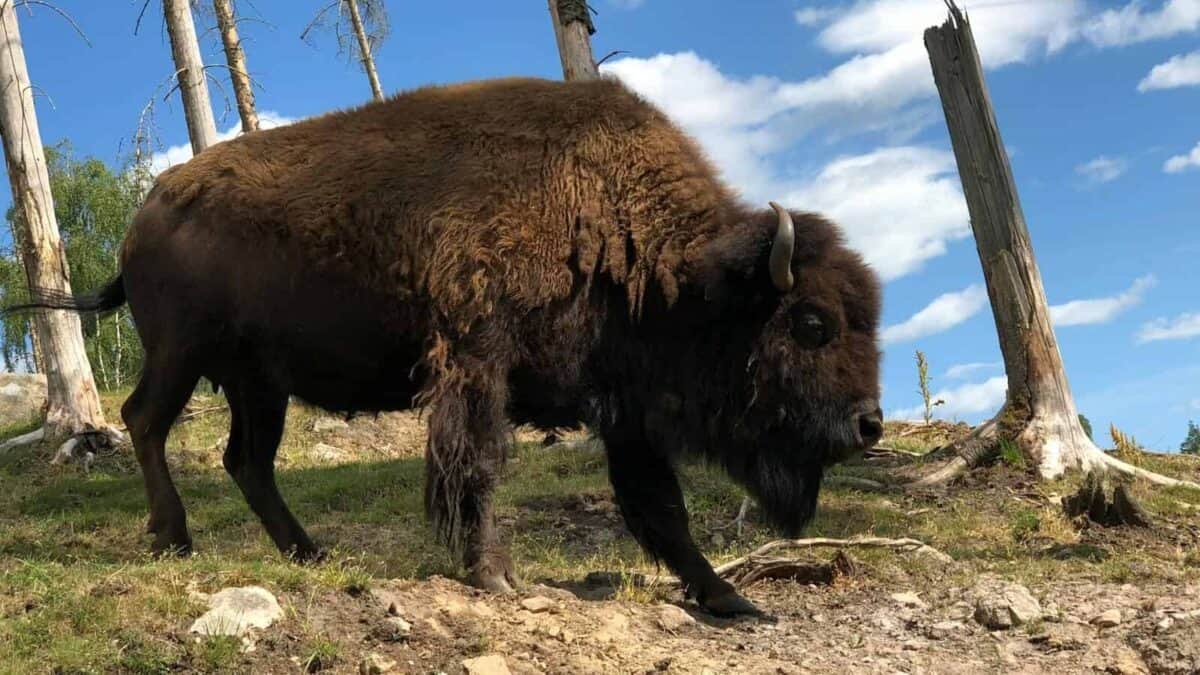
Wyoming’s spectacular wilderness, anchored by Yellowstone National Park, presents hikers with some of America’s most iconic landscapes—and some of its most dangerous wildlife encounters. The state hosts substantial populations of both grizzly and black bears, with grizzly numbers expanding beyond park boundaries in recent years. Yellowstone itself records an average of one bear attack per year, though fatalities remain rare. The park’s thermal features present another unique danger: several visitors have died after falling into boiling hot springs while hiking off designated boardwalks.
Bison, despite their docile appearance, injure more Yellowstone visitors than any other animal, with several incidents each year of visitors being gored or trampled after approaching too closely. These massive animals can weigh up to 2,000 pounds and run three times faster than humans. Wolves, moose, and elk also inhabit Wyoming’s wildlands and can become aggressive under certain circumstances. Wyoming’s rattlesnakes, while fewer in number than in southwestern states, still pose a venomous threat, particularly in lower elevation areas. Park regulations require visitors to maintain distances of at least 100 yards from wolves and bears and 25 yards from all other wildlife, though rangers recommend even greater distances when possible. Hikers should carry bear spray, hike in groups of three or more, and make noise on trails to reduce surprise encounters.
Georgia: Southern Dangers
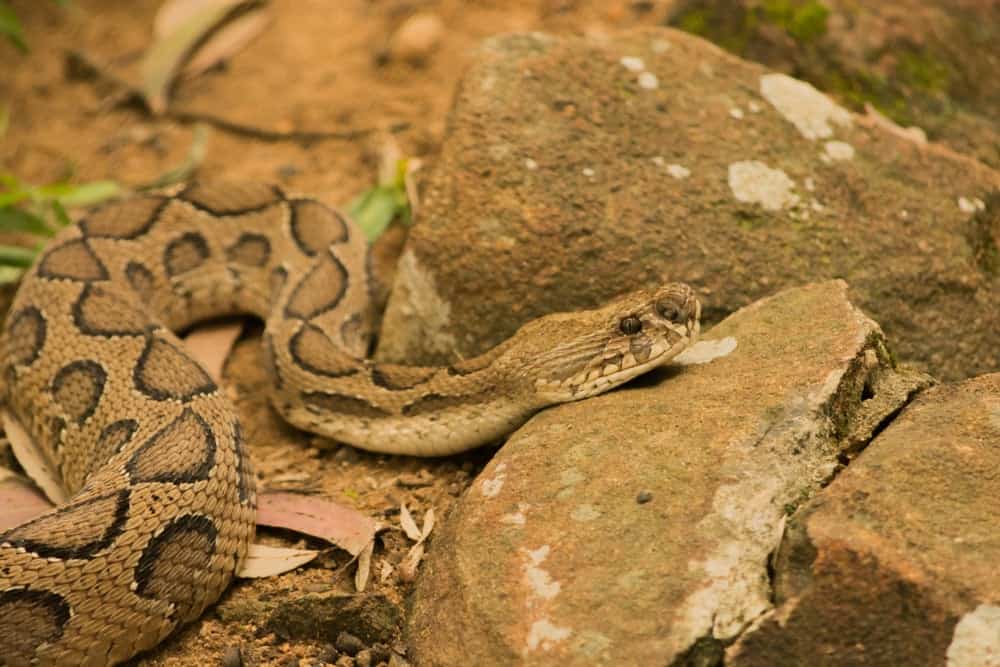
Georgia’s diverse ecosystems from the Appalachian Mountains to coastal plains harbor a surprising array of potentially dangerous wildlife. The state ranks among the highest in venomous snake diversity with six species, including the eastern diamondback rattlesnake, timber rattlesnake, copperhead, cottonmouth, coral snake, and pigmy rattlesnake. The eastern diamondback, which can grow over 7 feet long, is particularly concerning as it possesses the largest venom yield of any rattlesnake species. Georgia’s warm climate creates ideal conditions for these reptiles, with snake activity peaking during spring and fall months when hikers are most likely to be on trails.
Beyond snakes, Georgia’s waterways are home to alligators, particularly in the southern portion of the state where the Okefenokee Swamp provides prime habitat. While alligator attacks are uncommon, they do occur, especially when the reptiles are fed by humans and lose their natural wariness. The state also has significant black bear populations in the north Georgia mountains, with occasional sightings even in suburban Atlanta areas as their range expands. Less obvious dangers include venomous spiders like black widows and brown recluses, as well as disease-carrying ticks that transmit Lyme disease, Rocky Mountain spotted fever, and other serious illnesses. Hikers should wear closed-toe shoes and long pants when possible, use hiking poles to probe vegetation ahead, and check for ticks thoroughly after any wilderness excursion.
North Carolina: Appalachian Risks
North Carolina’s diverse terrain from mountains to coast creates habitats for a wide range of potentially dangerous wildlife. The Appalachian region of the state houses one of the densest black bear populations in the United States, with estimates suggesting over 15,000 bears statewide. While generally shy, these bears are increasingly habituated to humans in popular hiking areas like the Great Smoky Mountains National Park, leading to more frequent encounters. The American alligator inhabits the eastern portion of the state, with their range extending as far north as the Alligator River National Wildlife Refuge.
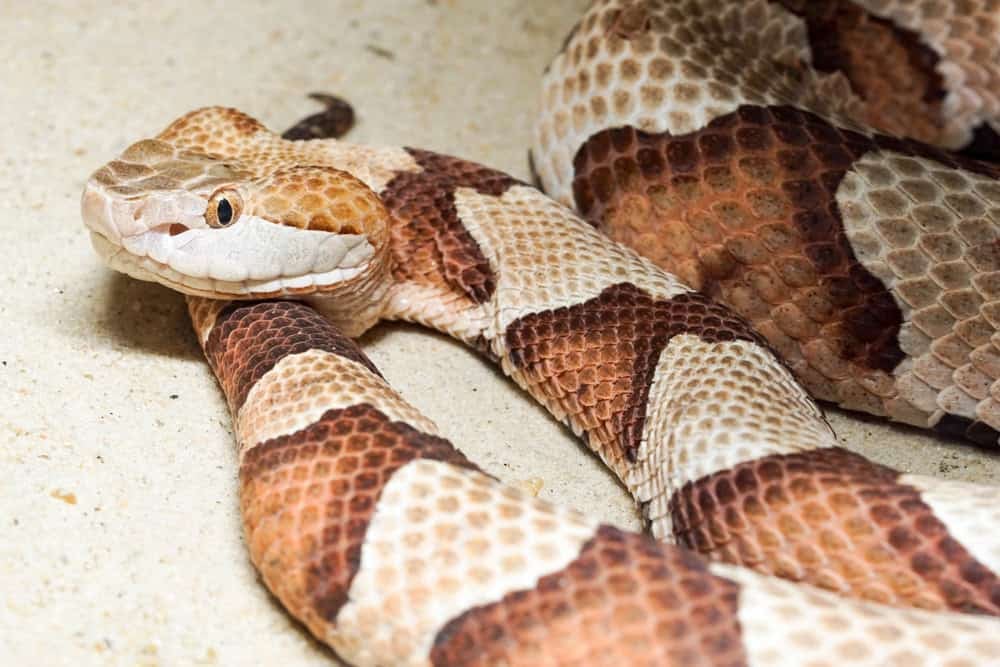
The state hosts five species of venomous snakes: copperheads, cottonmouths, timber rattlesnakes, eastern diamondback rattlesnakes, and the rare eastern coral snake. Copperheads are responsible for the majority of venomous snake bites in North Carolina, as they blend perfectly with forest floor leaf litter and often freeze rather than flee when humans approach. The state’s humid environment also supports large populations of yellow jackets and hornets, including the European hornet and the invasive Asian giant hornet, which can deliver painful and potentially fatal stings to those with allergies. North Carolina’s hiking community has adopted the slogan “Be Bear Aware” to promote safety, encouraging hikers to make noise on trails, properly store food, and carry bear spray when venturing into remote areas, particularly during fall when bears are actively feeding before winter.
Idaho: Northern Wilderness Threats

Idaho’s vast wilderness areas and relatively low population density create perfect conditions for wildlife to thrive—including several potentially dangerous species. The state is home to an expanding grizzly bear population in its northern and eastern regions, particularly in areas adjacent to Yellowstone National Park. These powerful omnivores, while typically avoiding humans, can become extremely dangerous when surprised or when protecting cubs or food sources. Black bears are even more numerous throughout Idaho’s forested regions, presenting similar risks though generally with less aggressive tendencies.
Mountain lions roam throughout Idaho’s diverse terrain, and while human attacks are rare, they do occur—particularly with solitary hikers, children, or during dawn and dusk hours when these ambush predators are most active. The state’s wolf population has recovered significantly since reintroduction efforts began in the 1990s, with over 1,500 wolves now inhabiting Idaho’s wilderness. While wolf attacks on humans are extremely rare in North America, their presence can alter wildlife behavior and contribute to the overall wilderness risk profile. Idaho is also home to venomous western rattlesnakes, particularly in the state’s southern regions and along river corridors. The state’s tick population carries Rocky Mountain spotted fever and other serious diseases. Idaho Fish and Game recommends hikers carry bear spray, hike in groups of three or more, and make regular noise on trails to avoid surprising large predators.
Safety Tips for Hiking in Wildlife Country

Regardless of location, certain universal safety practices can significantly reduce the risk of dangerous wildlife encounters. Research is paramount—before hiking in any unfamiliar area, learn which dangerous species inhabit the region and understand their behavior patterns, seasonal activities, and warning signs. Many parks provide wildlife alerts or closures due to recent animal activity. Traveling in groups of three or more dramatically reduces the risk of predatory attacks, as larger animals typically avoid confronting multiple humans. Make regular noise while hiking—conversation, occasional clapping, or specially designed bear bells can alert animals to your presence and prevent surprise encounters that might trigger defensive aggression.
Proper food management is essential in wildlife country. Store food in bear-resistant containers, never in tents, and prepare meals at least 100 yards from your sleeping area. Carry appropriate safety equipment including bear spray (which is effective against most large predators, not just bears), a first aid kit with materials for treating bites or stings, and communication devices that work in remote areas. Maintain appropriate distances from all wildlife—park guidelines typically recommend staying at least 100 yards from predators and 25 yards from other large animals like bison, elk, or moose. Respect closing times on trails in areas with crepuscular predators (active at dawn and dusk), and always stay on designated paths where wildlife is accustomed to human presence and alternative escape routes exist for both parties.
Conclusion
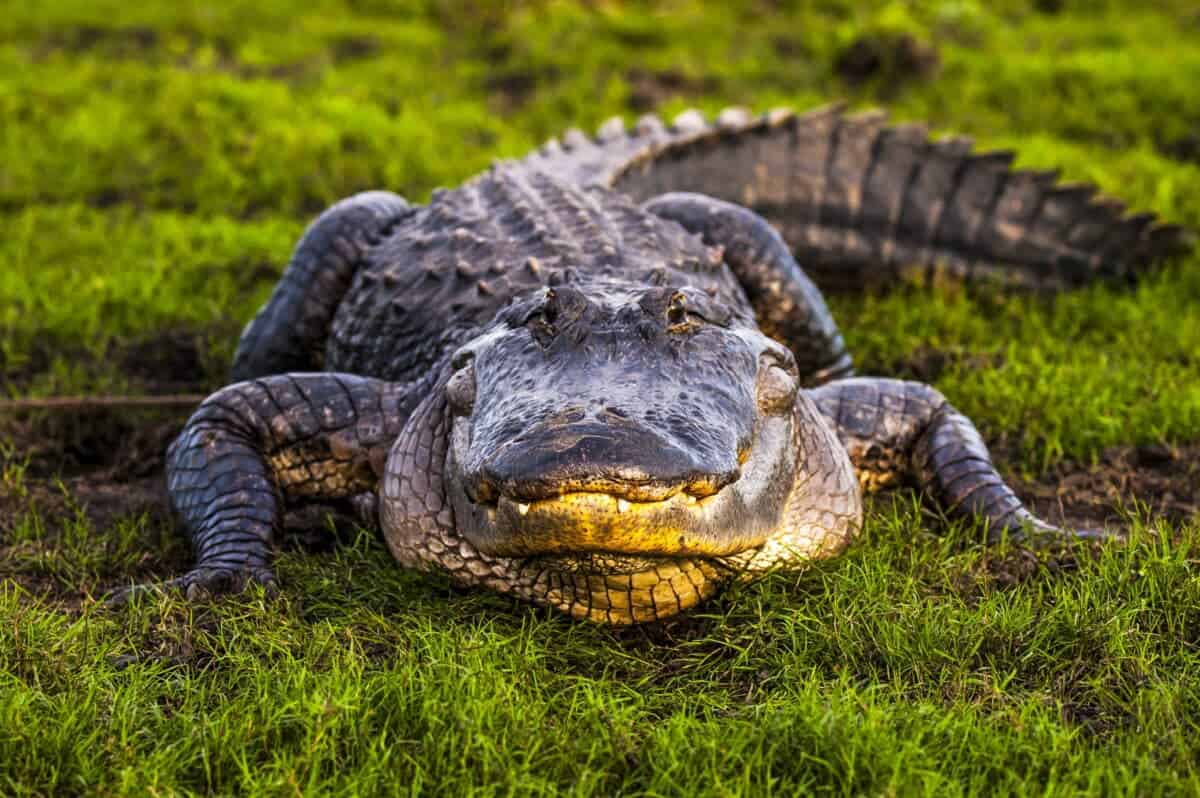
While this guide highlights states with particularly dangerous wildlife, it’s important to remember that serious animal encounters remain statistically rare across the American wilderness. Most wildlife prefer to avoid human interaction and will only become aggressive if they feel threatened or cornered. With proper precautions—like staying aware of your surroundings, securing food, and respecting animals’ space—hiking remains a safe and rewarding way to experience nature. Awareness, not fear, is the best tool for staying safe on the trail.

- This River Delta Is a Magnet for Endangered Birds - July 17, 2026
- New Fossils in Baja California Reveal a Never-Before-Seen Grouper - July 17, 2026
- The Most Venomous Animal on Land—And How It Kills - July 17, 2026