


Ever wonder what animal perfectly captures the essence of your generation? In a world where Boomers built the foundations we stand on and Gen Z navigates with digital-native skills, each generation has developed distinct characteristics that mirror certain animals in fascinating ways. These aren’t just random comparisons but thoughtful connections that reveal how historical moments, technological shifts, and cultural changes have shaped entire groups of people.
From the steadfast determination of Baby Boomers to the adaptive cunning of Gen Z, every generation carries traits that remind us of specific creatures in the animal kingdom. Let’s explore which animals best represent each generation and why these connections run deeper than you might expect.
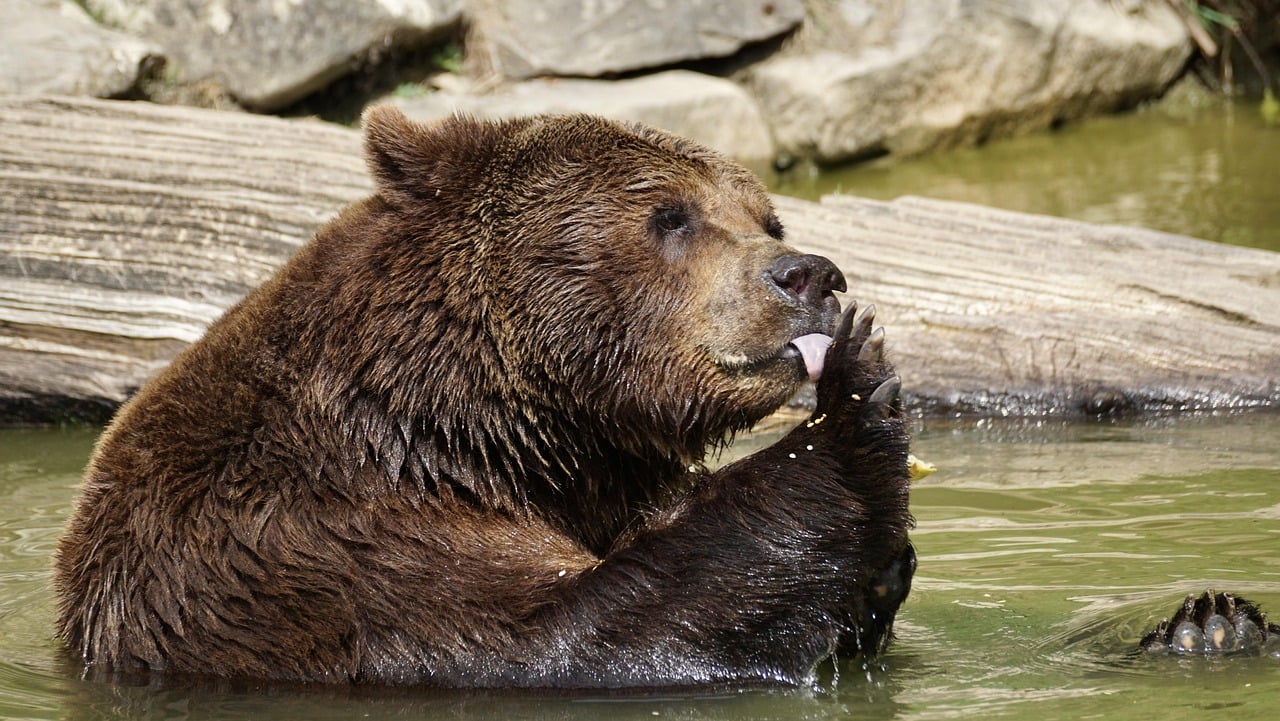
Baby Boomers: The Mighty Bears of Society
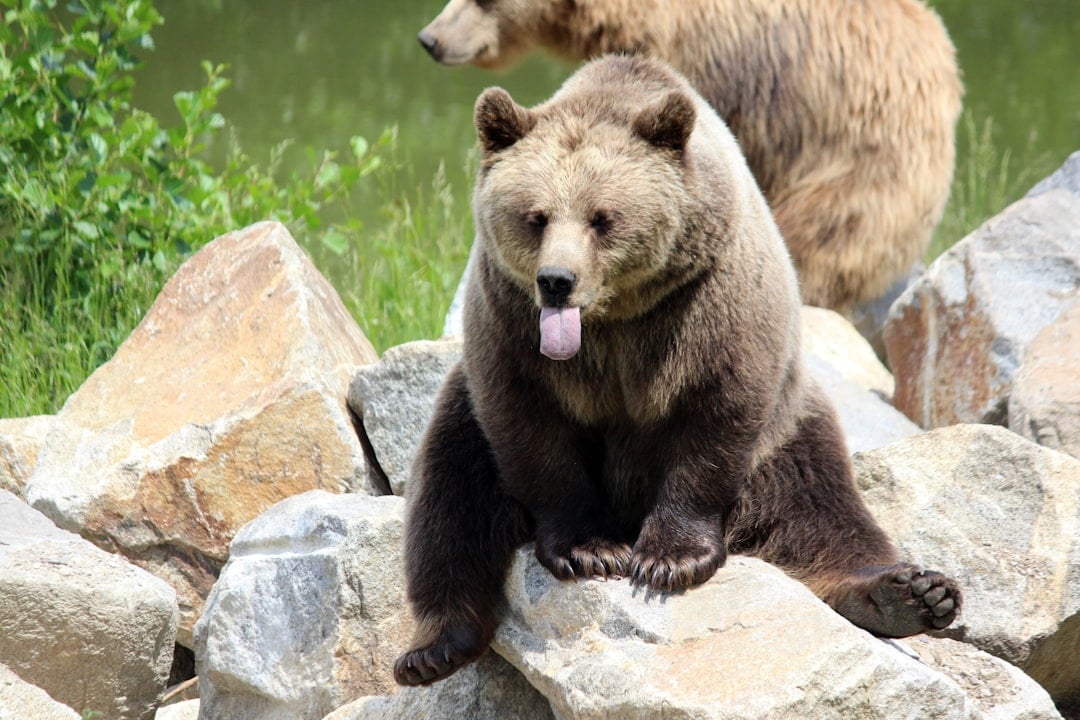
Baby Boomers, born between 1945 and 1964, experienced unprecedented economic expansion and consumption boom with a strong work ethic and confidence in progress. Like bears emerging from winter hibernation, Boomers awakened to a world of possibilities after World War II. Bears require great personal space and when they enter a room, tension levels rise perceptibly, routinely enjoying success in all aspects of their industrious lives.
They went through the entire period of technological evolution and the rise and development of media, while enjoying stability in terms of both work and family. Much like bears who are comfortable defending their territory, Boomers established themselves as the generation that built modern institutions. Bears define their debate style with two elements: never avoid an argument and never back down, battering opponents into submission just for the endorphin rush.
Generation X: The Pragmatic Wolves

Generation X, marked by the transition to globalization and technology, is characterized by pragmatism, independence, and adaptation to change. Like wolves who survive by being resourceful and adaptable, Gen Xers learned to navigate economic instability and major social changes. This fostered a generation with hyper-independence and hyper-flexibility that prioritizes work-life balance, operating under a “work hard, play hard” mentality with values of independence and self-sufficiency.
Wolves are known for their pack mentality yet individual strength, perfectly reflecting how Gen X values both family bonds and personal autonomy. Generation X emerged during economic uncertainty and cultural upheaval, raised in the era of latchkey children and MTV, known for their independence, resilience, and skepticism towards authority. They learned early that survival sometimes means going it alone, yet they maintain fierce loyalty to their chosen pack.
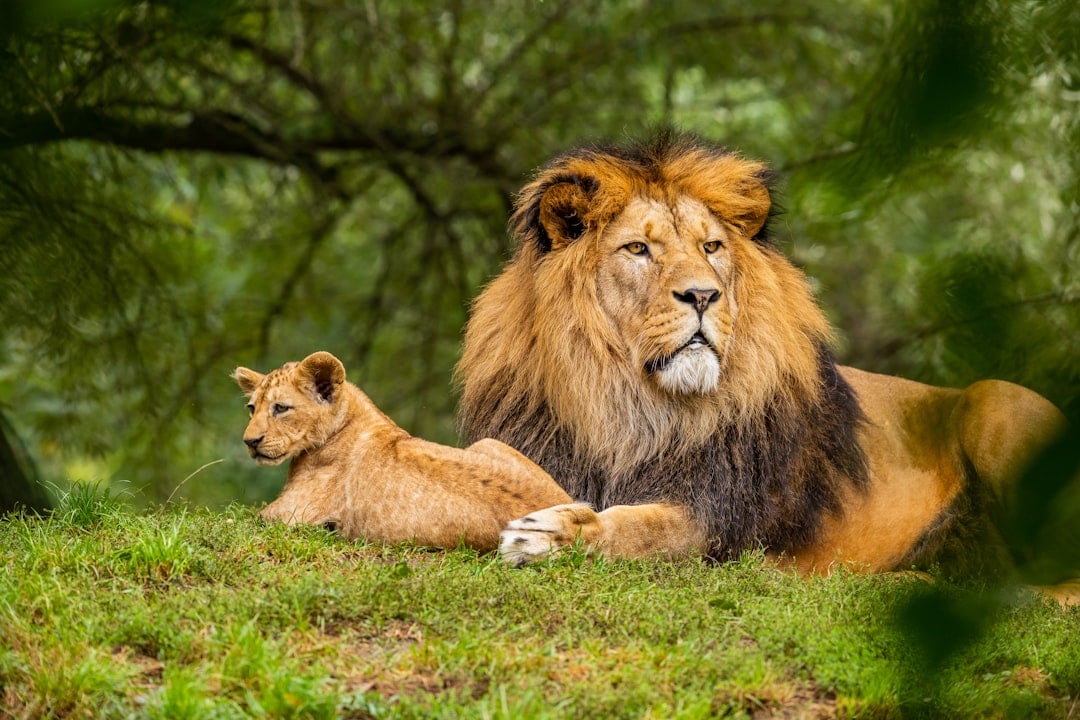
Millennials: The Ambitious Lions
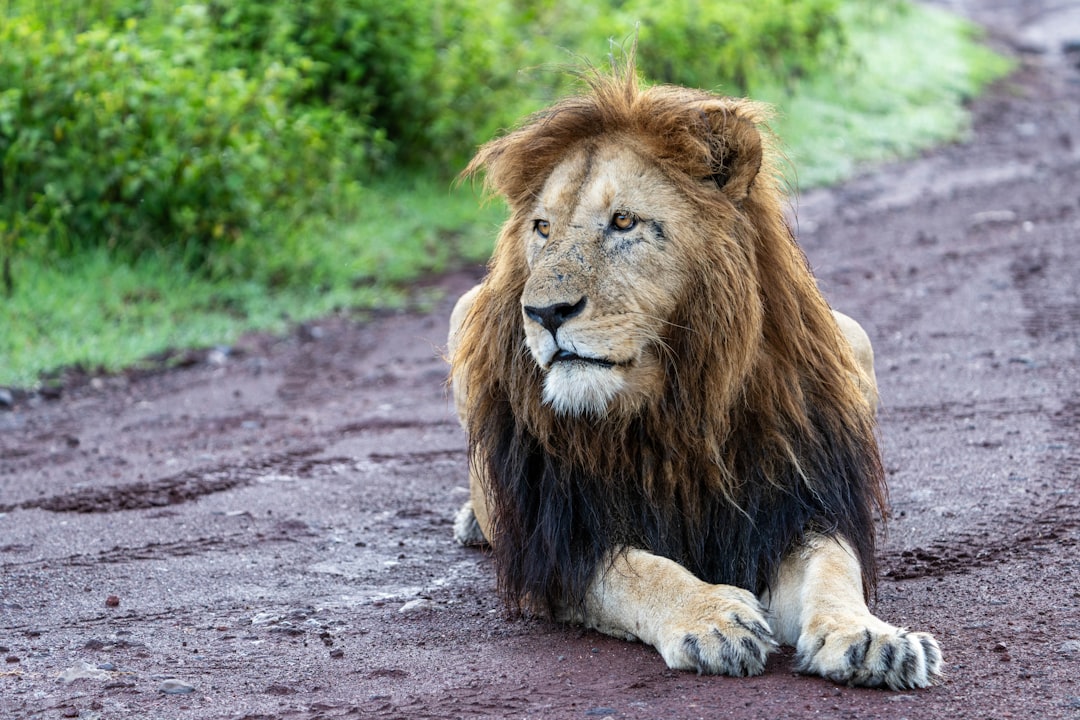
Millennials, born between 1981 and 1996, are digital natives where technology mediates all their activities, and they are ambitious and want to achieve their goals unlike previous generations. Like lions who naturally assume leadership roles, Millennials entered adulthood expecting to rule their domain. Lions are natural leaders, decisive and great problem-solvers who are extraverted and believe in setting and achieving goals.
However, economic reality hit this generation hard, much like a lion pride facing drought. They saw the September 11 attacks and the Great Recession, hence their perception of stability and employment security differs from previous generations. Millennials want flexibility, career growth, and meaningful feedback, with development opportunities helping retain them. Just as lions adapt their hunting strategies based on circumstances, Millennials learned to pivot and reinvent themselves professionally.
Generation Z: The Clever Coyotes
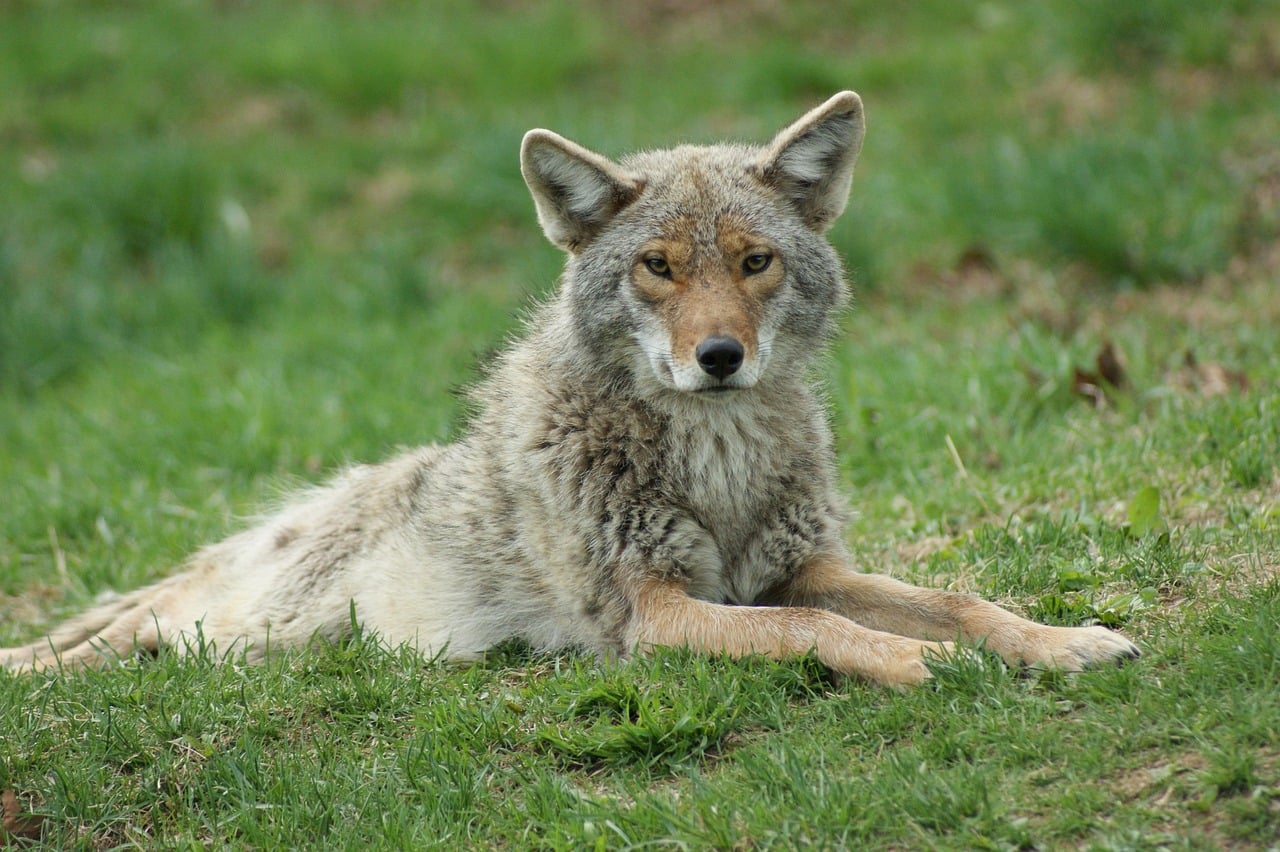
Generation Z, born from 1997 to 2012, grew up when technology had already taken over the world and was the first to be born into the ‘digital world.’ Like coyotes who have adapted to urban environments, Gen Z seamlessly blends digital and physical realities. In Native American folklore, Coyote has more tricks up his sleeves than The Joker, and real coyotes use trickery like strategic howling to make prey think there’s a whole pack surrounding them.
Gen Z has no problem leaving a company that contrasts with their beliefs and is the generation with the least regard for salary, often placing workplace values over competitive pay. Just as coyotes are incredibly adaptable survivors, Gen Z demonstrates remarkable resilience and creativity. They’ve never known a country not at war and seen the financial struggles of their parents, yet they have a strong appetite for financial education.
The Silent Generation: The Wise Elephants
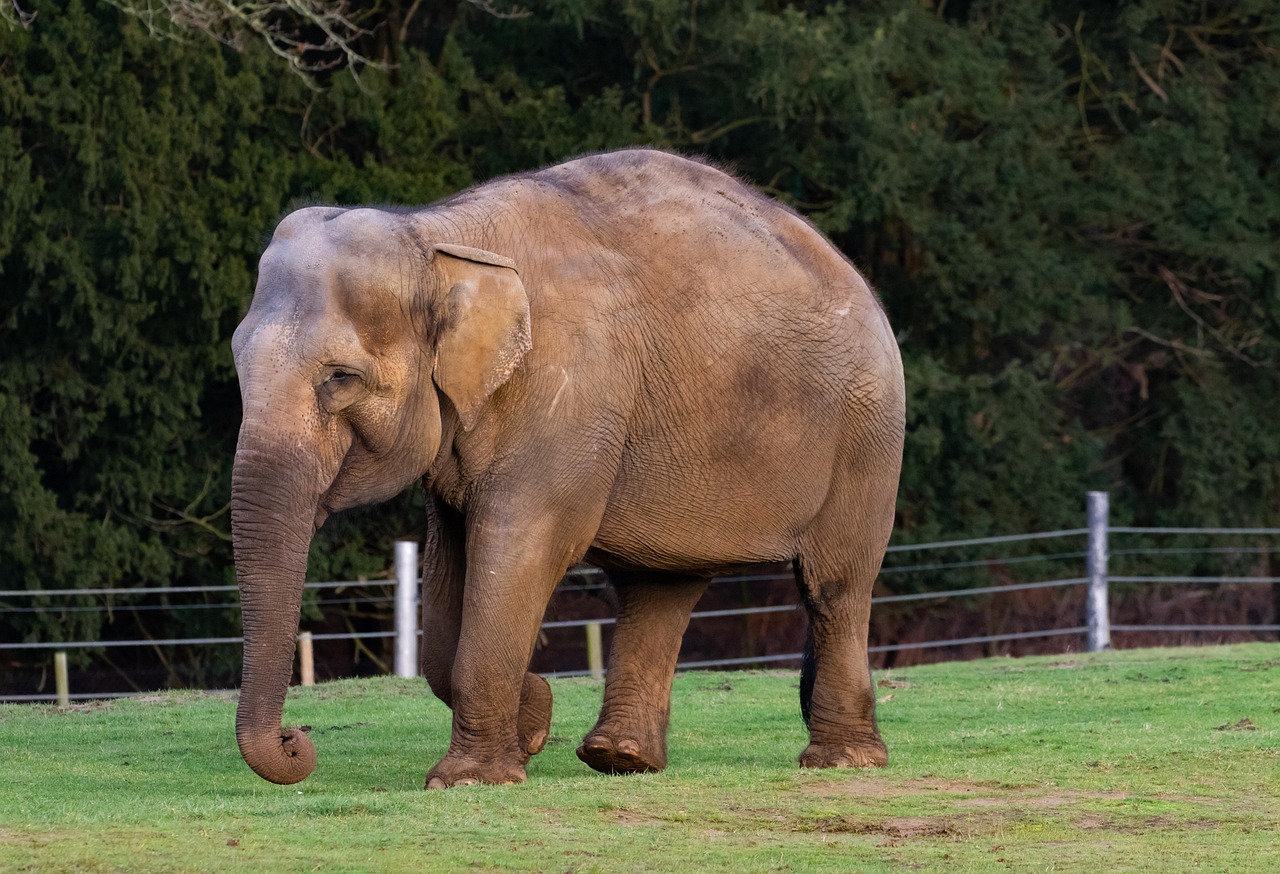
The Traditionalists, also known as the Silent Generation, aged 73 and older, lived through significant events like the Great Depression and World War II, fostering values of hard work, commitment, and practicality. Like elephants with their long memories and deep wisdom, this generation carries the weight of history and experience. They remember when resources were scarce and every decision mattered for survival.
Elephants never forget, and neither does the Silent Generation. This generation shows strong emphasis on loyalty and working hard, with work ethics stemming back to their time experience during scarcity phases that influenced resourcefulness. Their careful, deliberate approach to life mirrors the elephant’s thoughtful nature and respect for tradition.
Why These Animal Comparisons Matter
Many animals have long-standing symbolic meanings in different cultures and traditions, with bears associated with strength and protectiveness, while wolves represent loyalty and family unity. These connections aren’t just whimsical metaphors; they reflect genuine behavioral patterns shaped by each generation’s formative experiences. Anthropomorphism is the tendency for humans to attribute human characteristics to non-human creatures, projecting our own emotions, thoughts, and behaviors onto animals as a way of understanding and relating to them.
Understanding these parallels helps bridge generational gaps in workplaces and families. When Boomers approach problems with bear-like directness while Gen Z navigates with coyote-like adaptability, recognizing these different styles can foster better communication and collaboration.
How Generational Experiences Shape Animal Traits
These generations were raised in different social and political atmospheres, corresponding to different childhood upbringings and familial environments that beget different values, with early psychological research proving that environments and deprivations in childhood strongly influence value development throughout adulthood. Just as animals develop specific traits based on their environment, each generation adapted to their unique circumstances.
The economic prosperity that shaped Boomers created bear-like confidence and territorial behavior. Gen X’s latchkey kid experience fostered wolf-like independence and pack loyalty. Millennials’ economic challenges during early adulthood taught them lion-like pride mixed with strategic patience. Gen Z’s digital nativity created coyote-like adaptability and resourcefulness in navigating complex systems.
Conclusion: Embracing Our Generational Animal Spirits
Every generation brings unique strengths to society’s ecosystem, much like how different animals play crucial roles in nature’s balance. Each generation shares a common desire for personal growth, professional development, and contribution to the world around them, with diversity of perspectives fostering innovation and adaptation to change. Bears provide stability and strength, wolves offer resilience and loyalty, lions bring ambition and leadership, while coyotes contribute adaptability and innovation.
Rather than viewing generational differences as conflicts, we can appreciate how each group’s animal-like traits complement and strengthen our collective human pack. Understanding these patterns helps us work together more effectively, whether you’re a steadfast Boomer bear, an independent Gen X wolf, an ambitious Millennial lion, or a clever Gen Z coyote. What do you think about these generational animal connections? Tell us in the comments which animal best represents your experience.
