
Spend enough time outside after dark and you start to notice who’s out there. A pale shape glides over a field, something rustles in the hedge, and a pair of eyes catches the porch light for half a second. Night has always belonged to a different cast of creatures, and people have been assigning them meaning for as long as there are stories.
The idea of a spirit animal tied to your birth month isn’t ancient doctrine. It’s a modern, playful mashup of zodiac habits, birthstone lists, and internet folklore. Think of it as a mirror for fun reflection, not a prediction. Below, each month gets a nocturnal match, with real facts about the animal and a little folklore for flavor.
January: The Owl
🔥 Would you like to save this?
We'll email this post to you, so you can come back to it later!
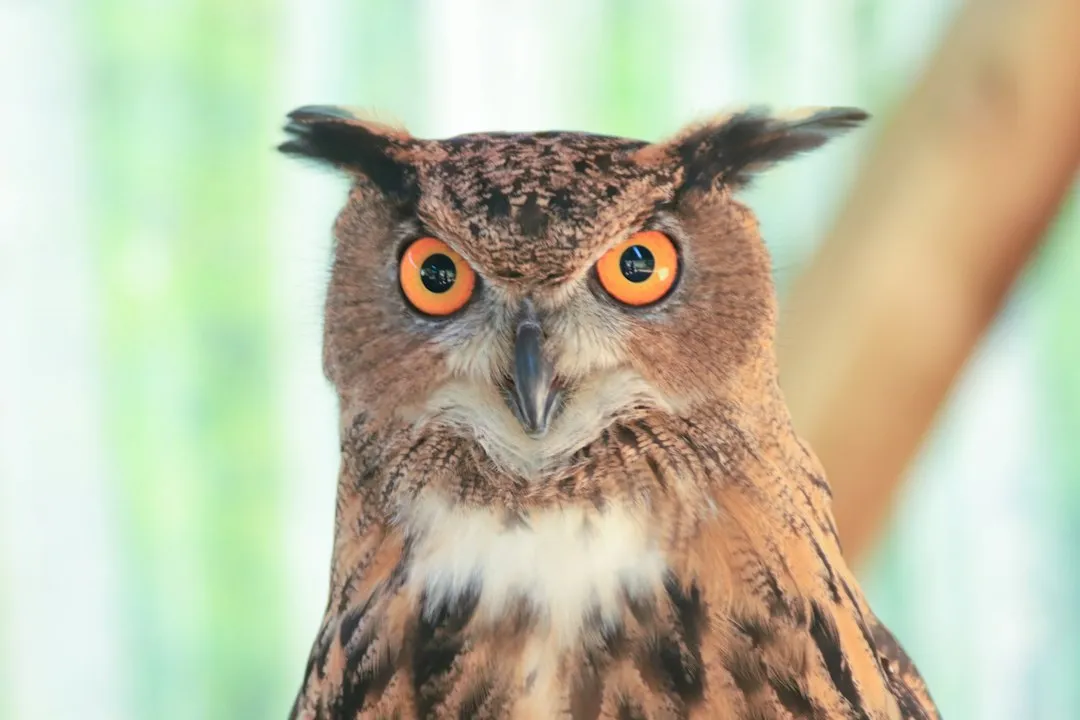
Owls are the poster birds of the night. Their feathers have soft fringed edges that help them fly with very little sound, which is a big reason they’re such effective hunters in the dark. Many species also have asymmetrical ear placement that helps them pinpoint prey by sound.
In popular culture, owls became symbols of wisdom, partly through their link to Athena in Greek tradition. January feels right for that, since it’s a month of quiet planning and fresh starts. If you were born then, your owl energy is patience: watch first, move once.
February: The Barn Owl
🔥 Would you like to save this?
We'll email this post to you, so you can come back to it later!
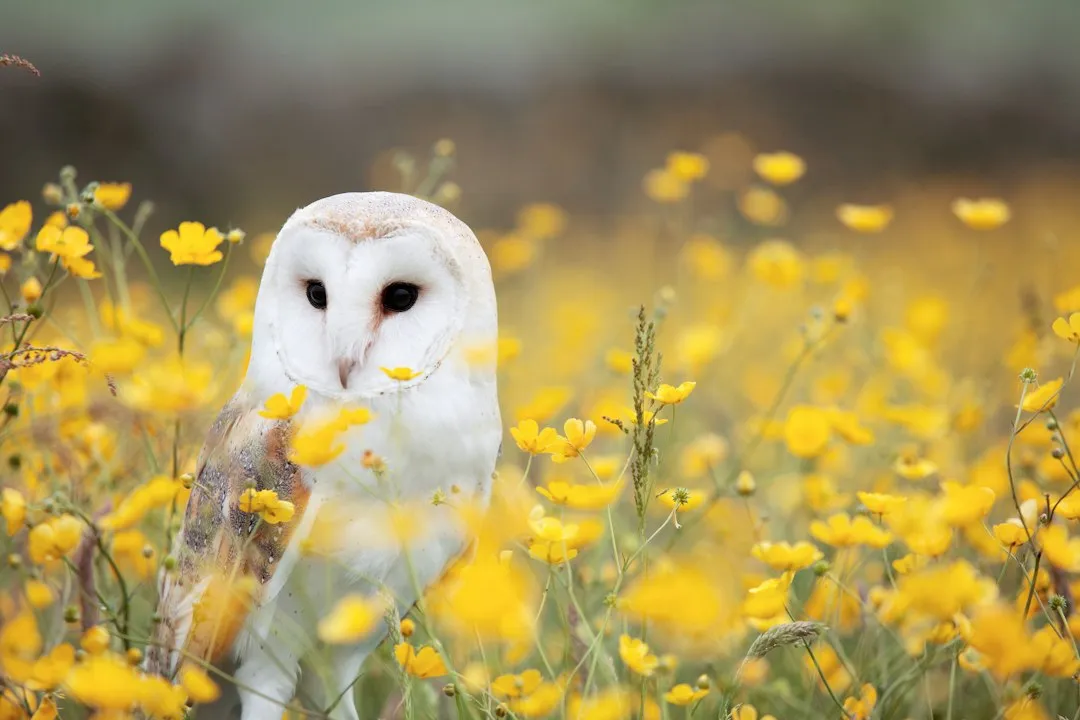
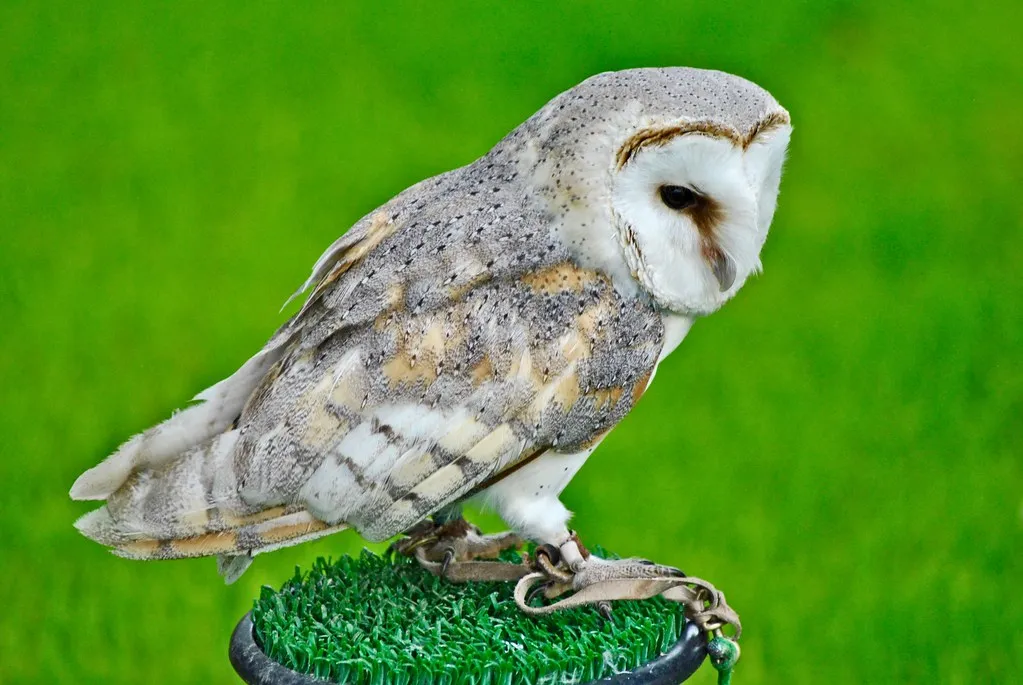
Barn owls get their own slot because they’re so different from the classic round-faced owl. Their heart-shaped faces work like satellite dishes, funneling sound toward the ears. They hunt largely by hearing, and they can find prey in near darkness.
February is short, quiet, and a bit introspective, which suits this pale, ghostly bird. Folklore in parts of Europe treated barn owls as omens, often unfairly. A February spirit guide like this one suggests you listen more than you speak, and that you notice what others miss.
March: The Fox
🔥 Would you like to save this?
We'll email this post to you, so you can come back to it later!
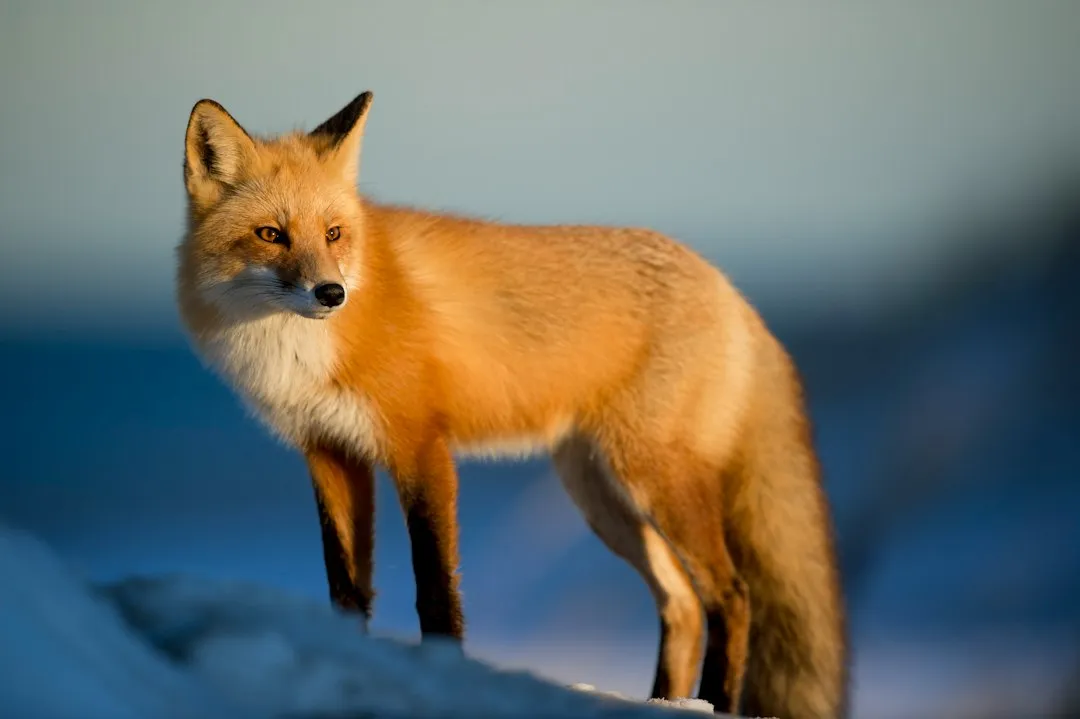
Foxes are often seen at dusk and dawn, but many are active at night, especially in cities. They’re adaptable, curious, and famously good problem solvers. That’s why they show up as clever tricksters in stories across many cultures.
March is a threshold month, winter loosening into spring, and the fox fits that restless mood. If this is your guide, you probably thrive when things shift. Your gift is improvisation, though the folklore warns that cleverness works best when it’s kind.
April: The Bat
🔥 Would you like to save this?
We'll email this post to you, so you can come back to it later!
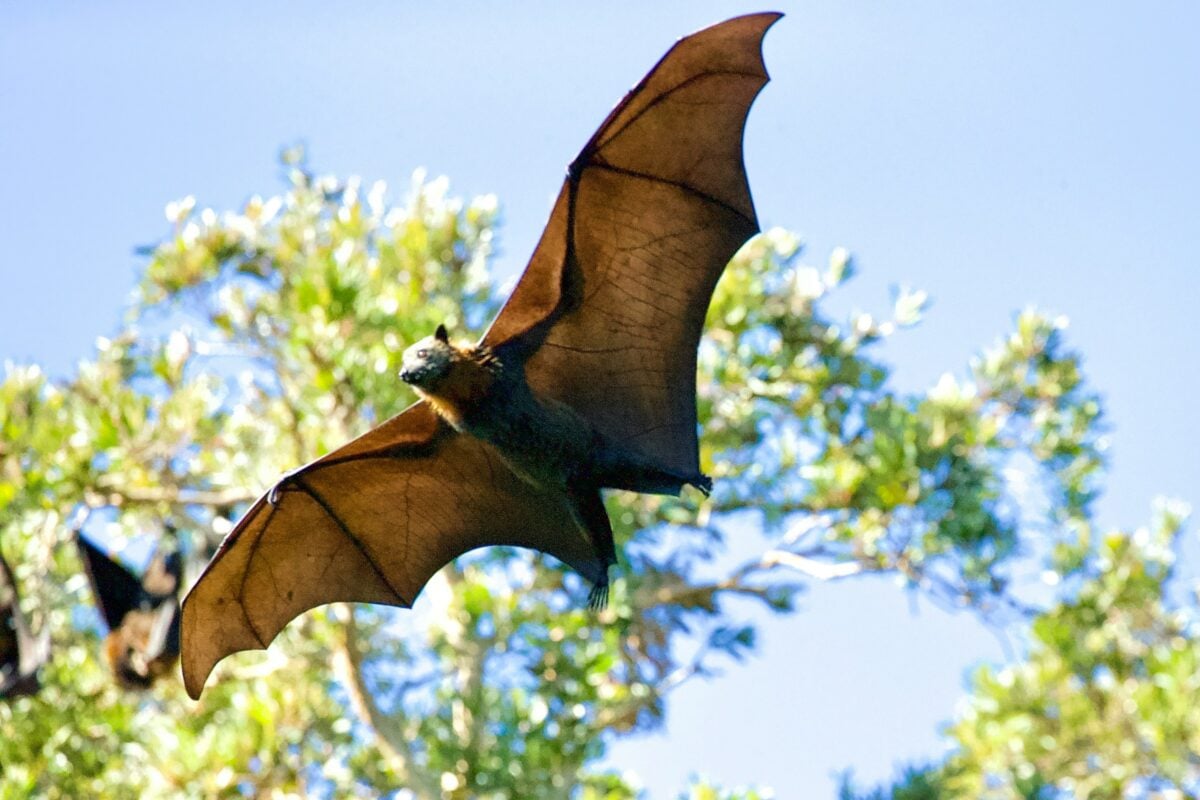
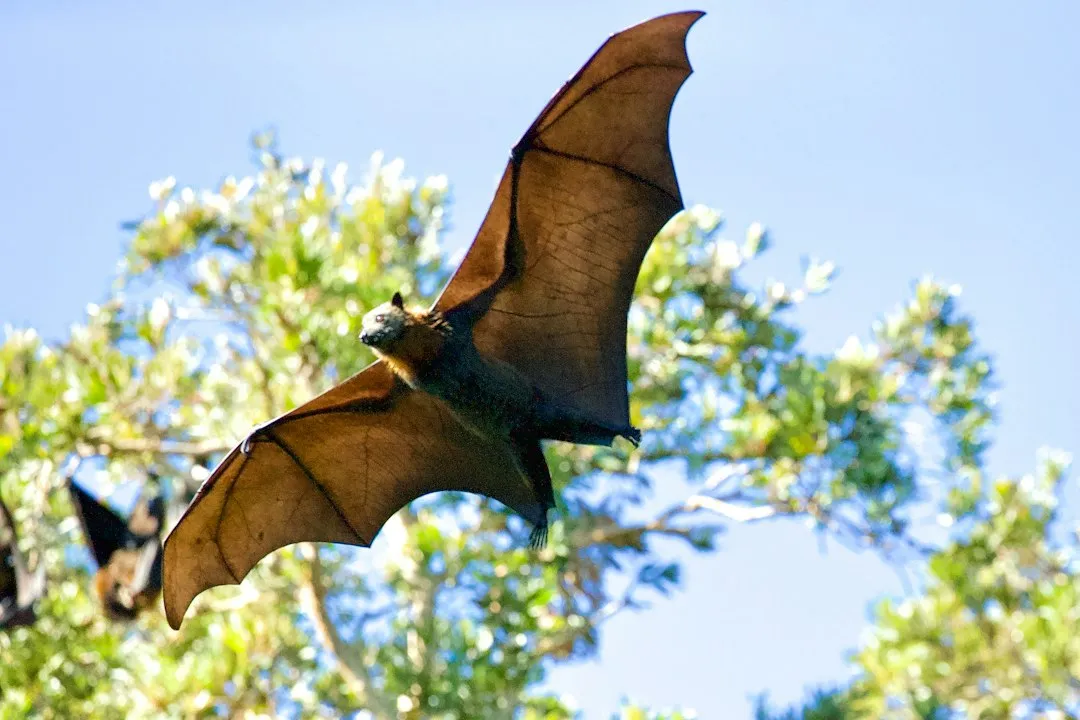
Bats are the only mammals capable of true powered flight. Many species use echolocation, sending out sound and reading the echoes to navigate and catch insects. They also do the world a favor by eating enormous numbers of bugs, and some species pollinate plants.
In Western stories bats got a spooky reputation, yet in other traditions they symbolize luck and happiness. April’s mix of showers and sunshine feels similarly two sided. A bat guide suggests you sense your surroundings well and don’t mind hanging a bit differently from everyone else.
May: The Moth
🔥 Would you like to save this?
We'll email this post to you, so you can come back to it later!
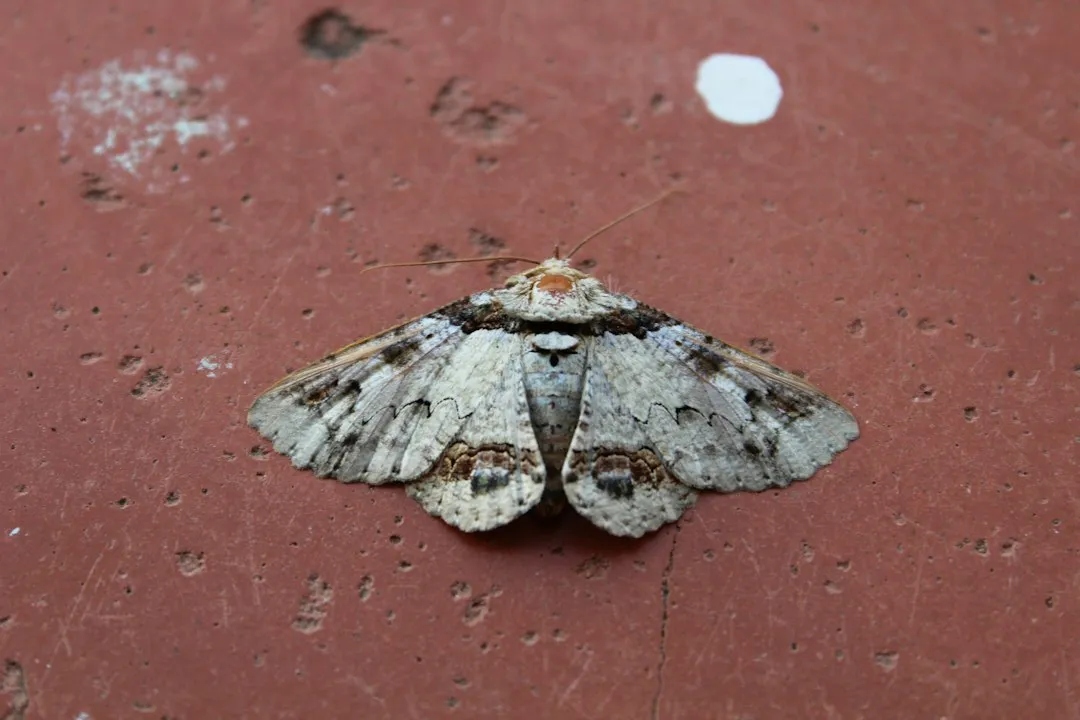
Moths are easy to overlook, but there are far more moth species than butterfly species, and many are strictly nocturnal. Some travel long distances at night, and researchers have studied how they use cues like the moon and stars. Their pull toward artificial light is still debated, with scientists offering several explanations.
Modern folklore has embraced the moth as a symbol of transformation and of being drawn toward something bright. May, full of blooming and momentum, suits that curious pull. If this is your animal, you’re likely drawn to ideas and people that glow, so choose your lamps wisely.
June: The Hedgehog
🔥 Would you like to save this?
We'll email this post to you, so you can come back to it later!
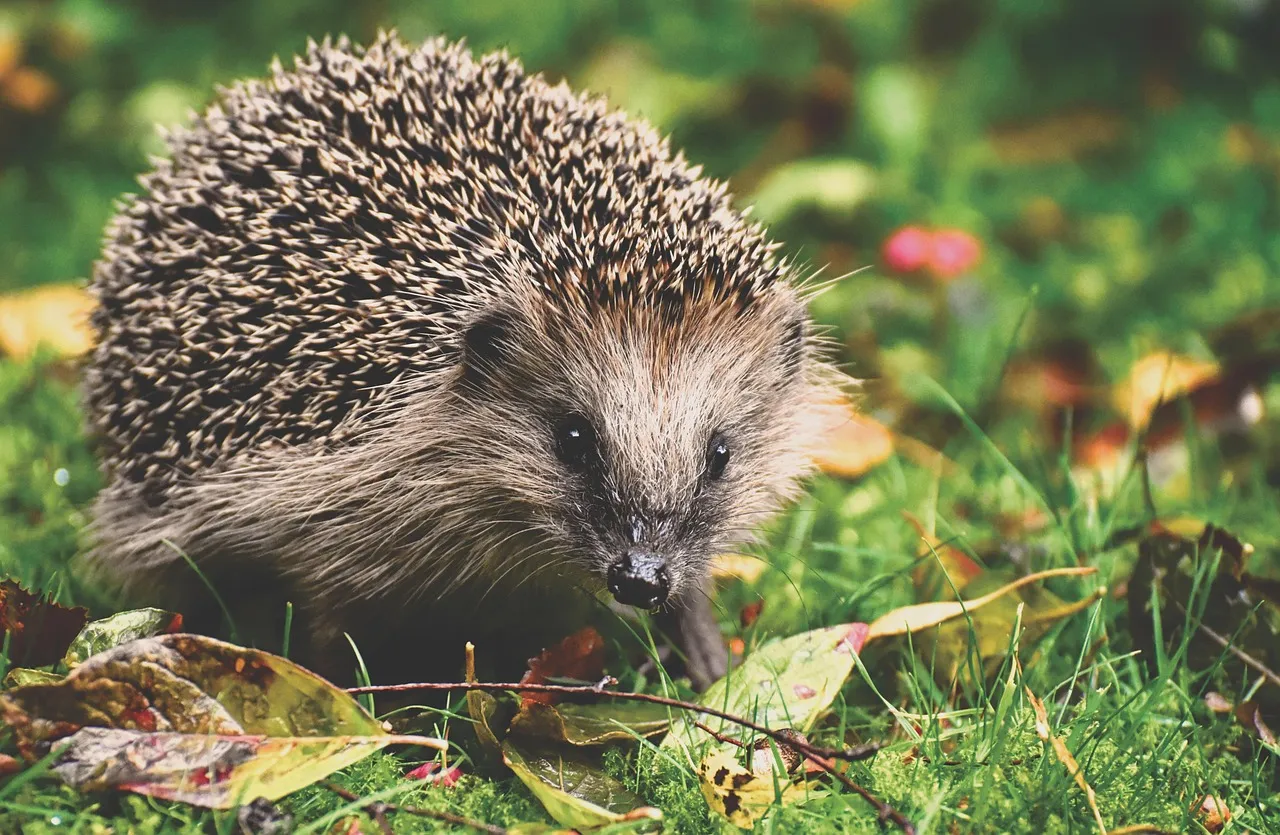
Hedgehogs are mostly nocturnal, snuffling through gardens for insects, worms, and slugs. When threatened, they curl into a spiny ball. In several parts of Europe, populations have been declining, which has made them a favorite of garden wildlife campaigns.
June brings the shortest nights of the year in the Northern Hemisphere, so a creature that works the dark deserves credit for making the most of it. As a spirit guide, the hedgehog stands for healthy boundaries. You’re gentle by nature, but you know exactly when to roll up and protect your peace.
July: The Firefly
🔥 Would you like to save this?
We'll email this post to you, so you can come back to it later!
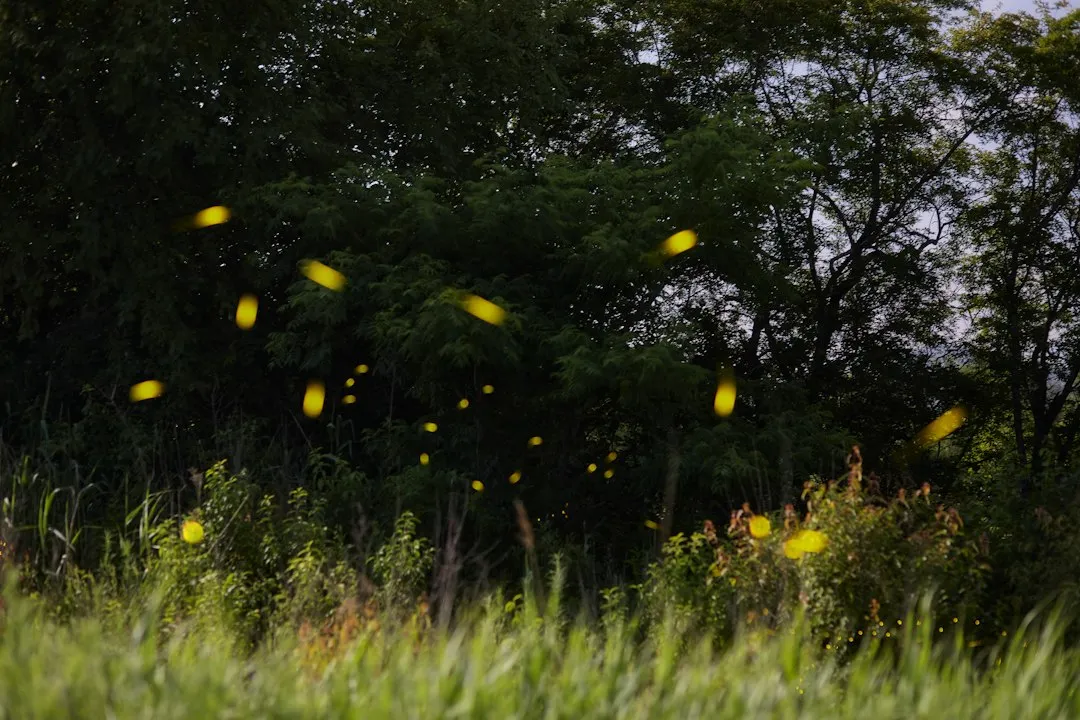
Fireflies are technically beetles, and their glow is a form of bioluminescence used largely to communicate, often to find mates. Different species flash in different patterns, like tiny coded messages. Summer evenings with fireflies are a memory many people share.
July’s warm, long evenings make this an easy pick. The firefly guide is about showing up as you are and trusting that the right people will read your signal. Light doesn’t have to be loud to be noticed.
August: The Raccoon
🔥 Would you like to save this?
We'll email this post to you, so you can come back to it later!
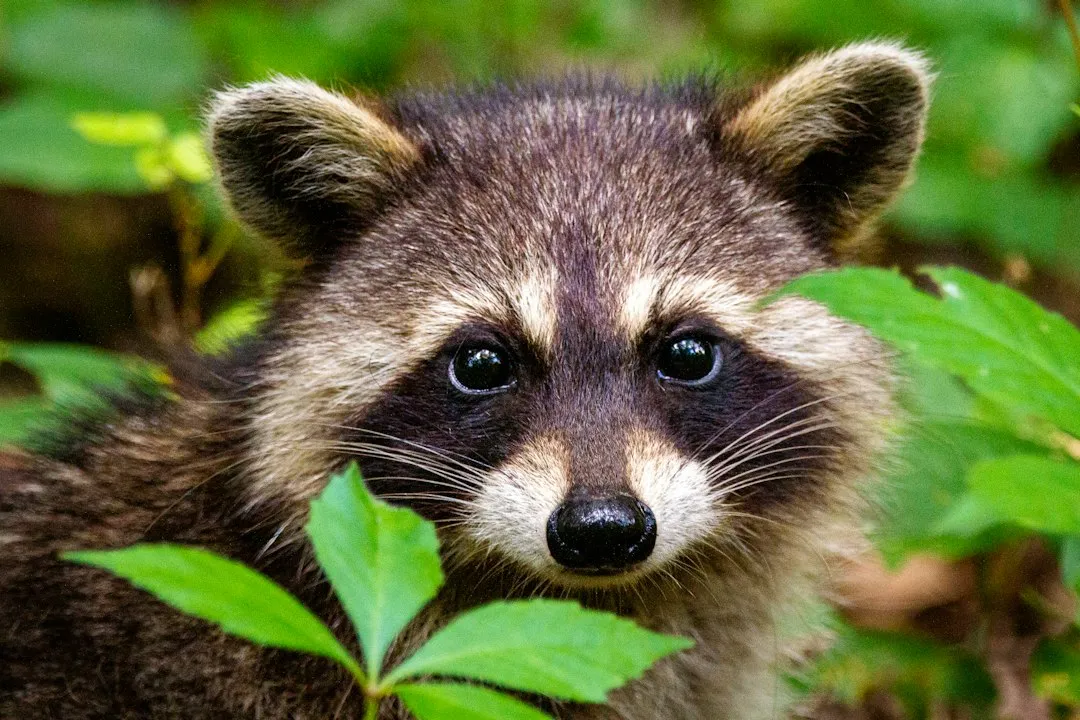
Raccoons are nocturnal, nimble, and famously good with their front paws, which are highly sensitive. They’ve adapted well to towns and cities, which is why so many people have stories about midnight trash can raids. Their dark facial markings give them that unmistakable bandit look.
August can feel like a loose, slightly chaotic stretch of summer, and the raccoon thrives in that energy. This guide suggests resourcefulness and a taste for adventure after hours. Folklore casts it as a mischievous survivor, and honestly, that’s a compliment.
September: The Nightingale
🔥 Would you like to save this?
We'll email this post to you, so you can come back to it later!
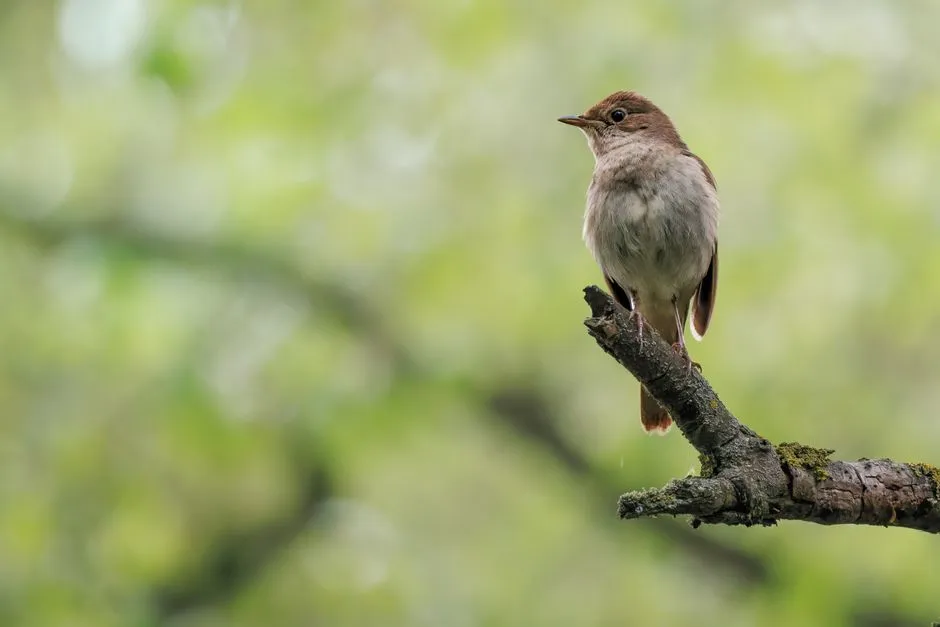
Nightingales are small, plain brown birds with a reputation for singing at night. Males sing both day and night, but the nighttime singing, especially in spring, is what poets have loved for centuries. They’re a staple of European literature and music.
September is a month of return, new routines, and settling in, and the nightingale represents creativity that finds its voice in quiet hours. If this is your guide, you may do your best thinking after the world goes still. Not showy to look at, remarkable to hear.
October: The Wolf
🔥 Would you like to save this?
We'll email this post to you, so you can come back to it later!
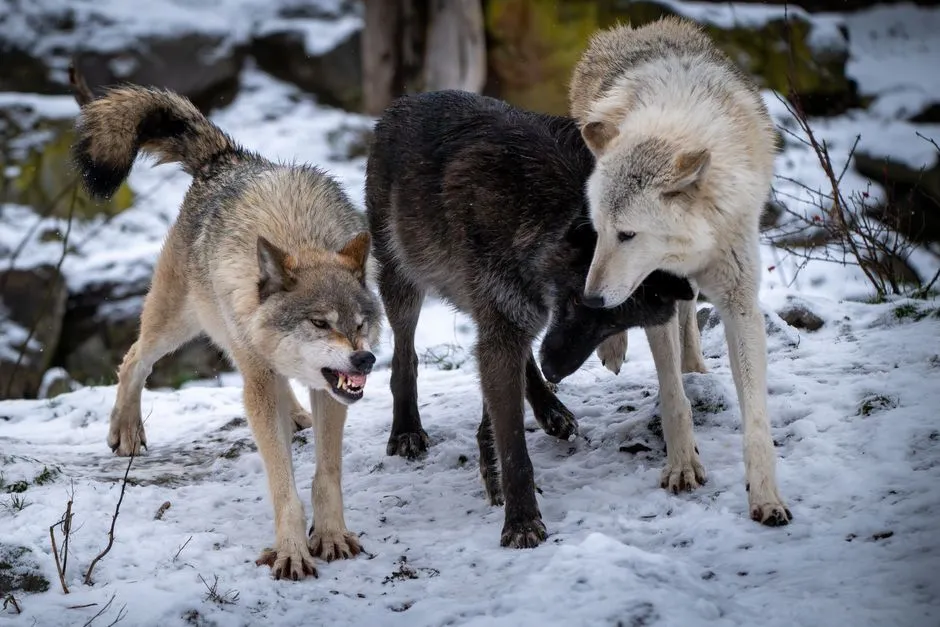
Wolves are active at various hours, often with strong activity at night, and they live in tightly bonded family packs. Their howls can carry across long distances and help pack members keep in touch. The lone wolf image is popular, yet real wolves are deeply social.
October’s darker evenings and spooky season make this a natural fit. A wolf guide points to loyalty, instinct, and the need for your own pack. Folklore loves the wolf at the edge of the woods, but the more truthful story is about community.
November: The Deer Mouse
🔥 Would you like to save this?
We'll email this post to you, so you can come back to it later!
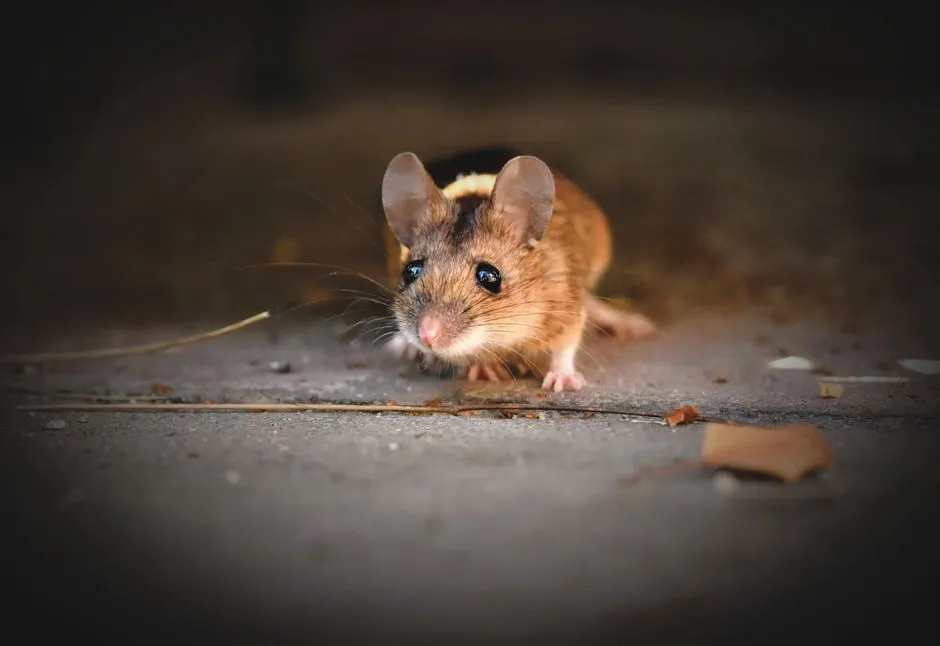
Many small rodents are nocturnal, and deer mice are a good example of unglamorous survival. They forage at night, store food, and form part of the base of many food chains. Lots of larger animals, owls included, depend on them.
November is a month of gathering in and preparing for cold. The mouse is a humble but wise choice, representing quiet preparation and attention to detail. Not every guide has to be dramatic, and some of the best ones simply keep the pantry stocked.
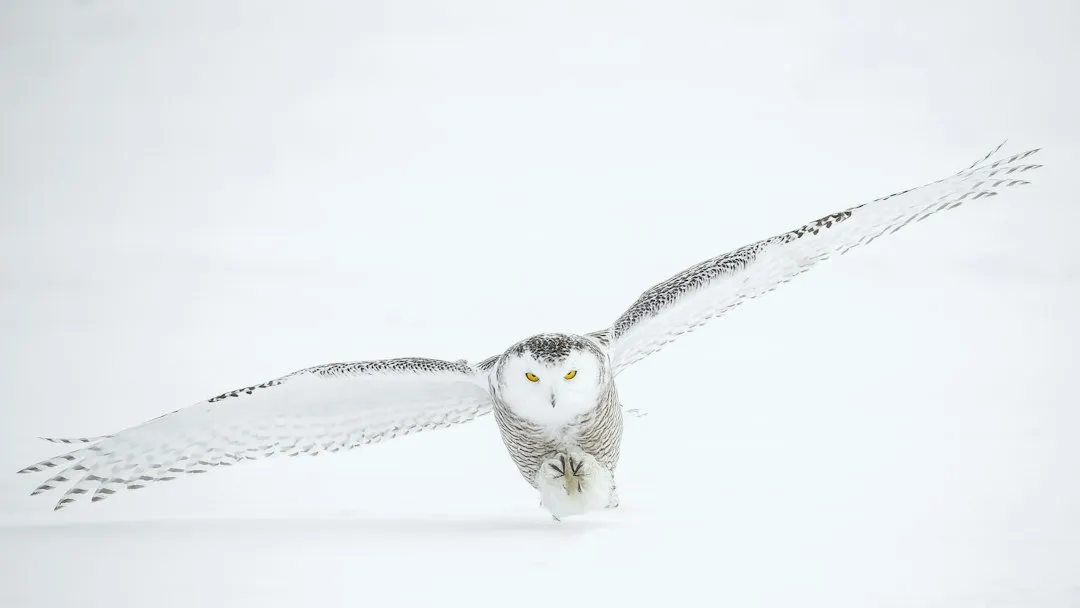
December: The Snowy Owl
🔥 Would you like to save this?
We'll email this post to you, so you can come back to it later!
Snowy owls breed in the Arctic and, unlike many owls, are often active during the day, especially in polar summer. In winter, some move south, which is when many people get to see them. Their white plumage makes them look almost unreal against a snowy field.
December suits an animal tied to long dark and bright white landscapes. This guide is about resilience and comfortable solitude. It travels far, adapts to harsh places, and still looks calm doing it.
Final Thoughts
🔥 Would you like to save this?
We'll email this post to you, so you can come back to it later!
My honest take: birth month spirit animals are best treated as a conversation starter, not a verdict. No science links your birthday to a bat or a barn owl, and anyone claiming otherwise is selling something. Still, there’s real value in the exercise.
Pick the creature that fits, read about how it actually lives, and you’ll learn something true about the natural world. That beats a horoscope any day. And if you don’t like your assigned animal, swap it. Folklore has always been flexible, and the night has room for everyone.

- 7 Everyday Habits That Can Make Your Senior Dog Happier - November 5, 2026
- 10 Enigmatic Structures That Continue to Puzzle Scientists Today - November 5, 2026
- 10 Strange Ruins in the Americas That Challenge What We Know About Early History - November 5, 2026