
Have you ever wondered which apex predator you share the most traits with? The wilderness of North America is home to some of the most fascinating hunters on the planet, each with distinct personalities that have evolved over thousands of years. From the patient mountain lion to the cunning coyote, these magnificent creatures possess behavioral patterns that mirror many human characteristics.
Some individuals are consistently more aggressive, bolder, more explorative, and/or more active than others. Just like these powerful predators, we all have unique combinations of traits that define how we navigate the world around us. Whether you’re a natural leader, a strategic thinker, or someone who thrives in social situations, there’s likely a North American predator whose hunting style and behavioral patterns align with your own personality. Let’s explore which majestic hunter reflects your inner nature.
The Strategic Mountain Lion: Master of Patience
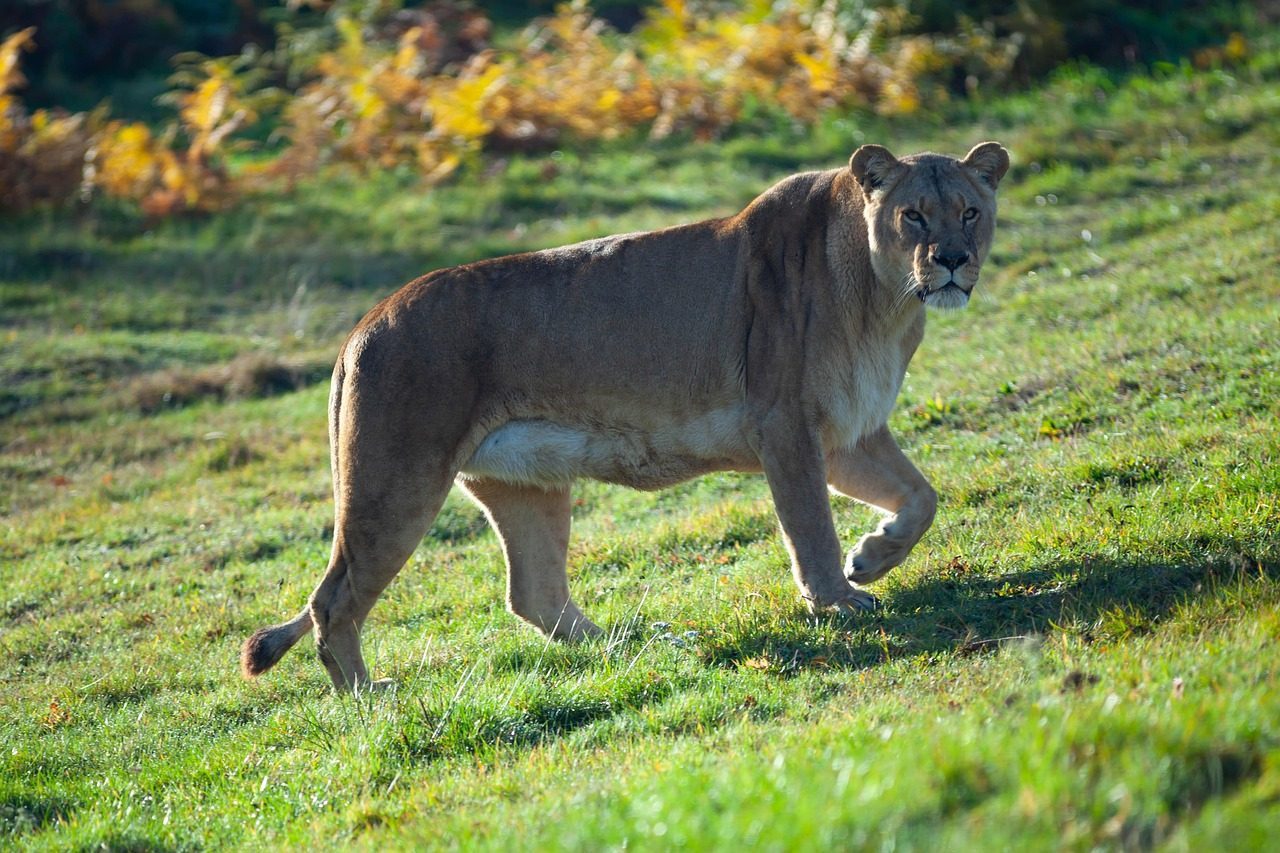
Mountain lions embody the essence of calculated precision. Like all cats, mountain lions silently stalk their prey and exercise phenomenal patience to wait for just the right moment to pounce. These solitary hunters spend hours observing their environment, analyzing every detail before making their move.
If you’re someone who prefers working alone and takes time to carefully plan your approach to challenges, you might share traits with this magnificent cat. Mountain lions don’t rush into situations; they assess, strategize, and strike with deadly accuracy when the moment is right.
Mountain lion personalities are typically introverted but highly effective. They excel in careers that require deep focus, analytical thinking, and independent work. These individuals often become excellent researchers, writers, or specialists in their chosen fields where patience and precision are valued above speed.
Mountain lions, also known as cougars, occasionally encounter coyotes in territorial disputes, though they don’t typically hunt them as regular prey, preferring larger mammals like deer. This predatory dominance reflects the mountain lion personality’s ability to excel when they choose to engage fully with their environment.
The Social Wolf: Pack Leader Mentality
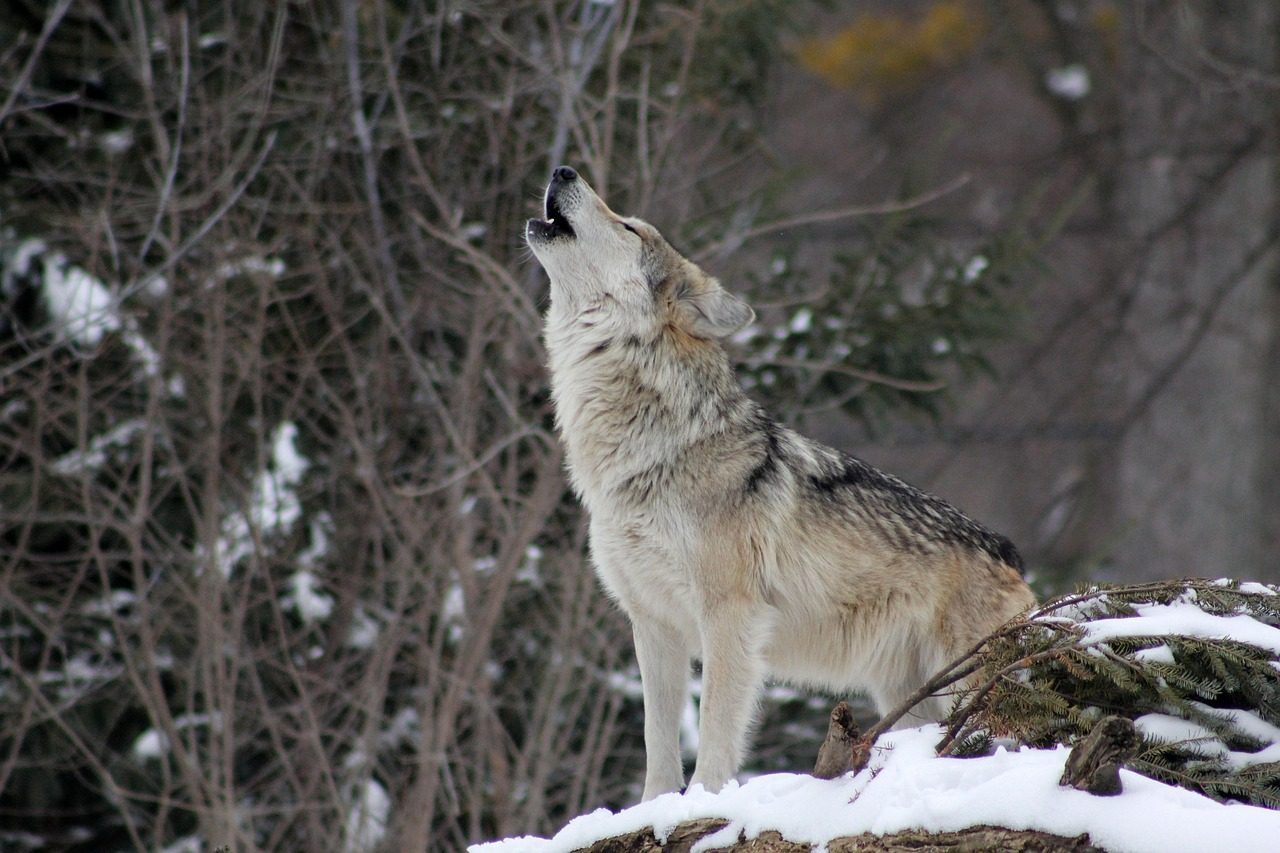
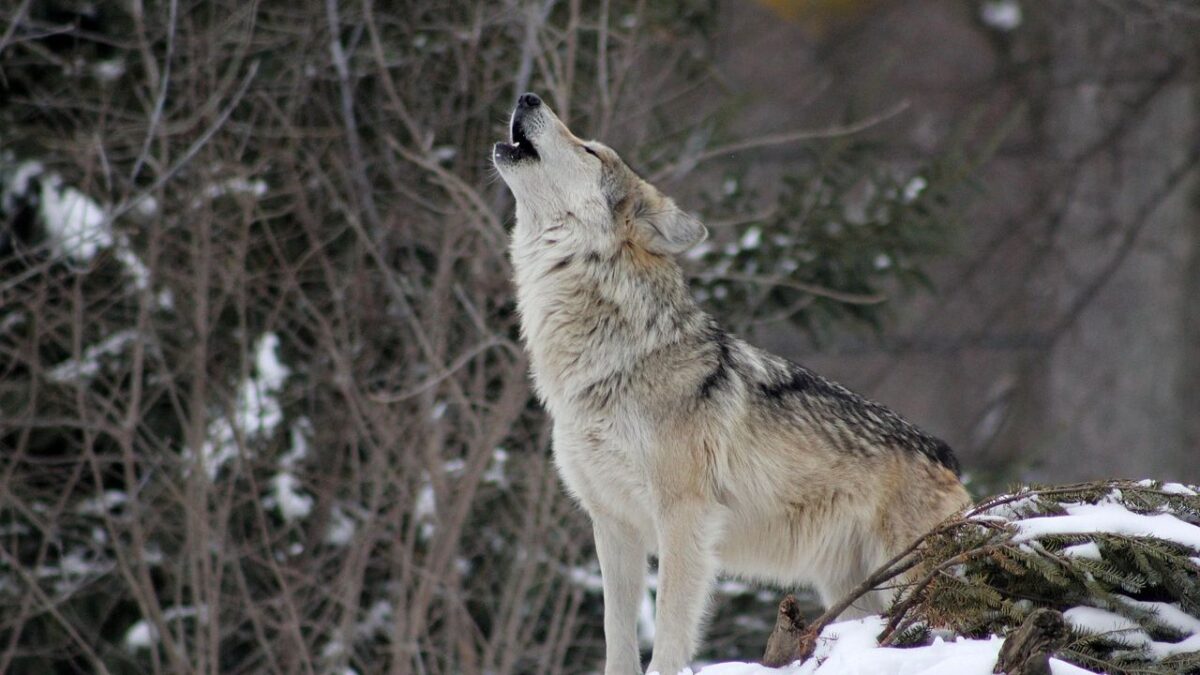
Wolves represent the ultimate team players in the predator world. Wolves are deadly hunters when they work in packs. Their success comes not from individual prowess but from their ability to coordinate complex group strategies and maintain strong social bonds within their pack structure.
Wolf personalities thrive in collaborative environments where they can either lead or contribute meaningfully to group efforts. These individuals naturally understand hierarchy, respect, and the importance of each member’s role in achieving collective success.
People with wolf-like traits often gravitate toward leadership positions in organizations, sports teams, or community groups. They have an innate ability to inspire loyalty and bring out the best in others while maintaining clear boundaries and expectations.
In areas where the ranges of coyotes and gray wolves overlap, interference competition and predation by wolves has been hypothesized to limit local coyote densities. Coyote ranges expanded during the 19th and 20th centuries following the extirpation of wolves, while coyotes have reduced populations in areas where wolves have established territory, such as when wolves arrived on Isle Royale around 1948-1949. This dominance showcases the wolf personality’s natural ability to establish authority and influence their environment.
The Adaptable Coyote: Master of Survival
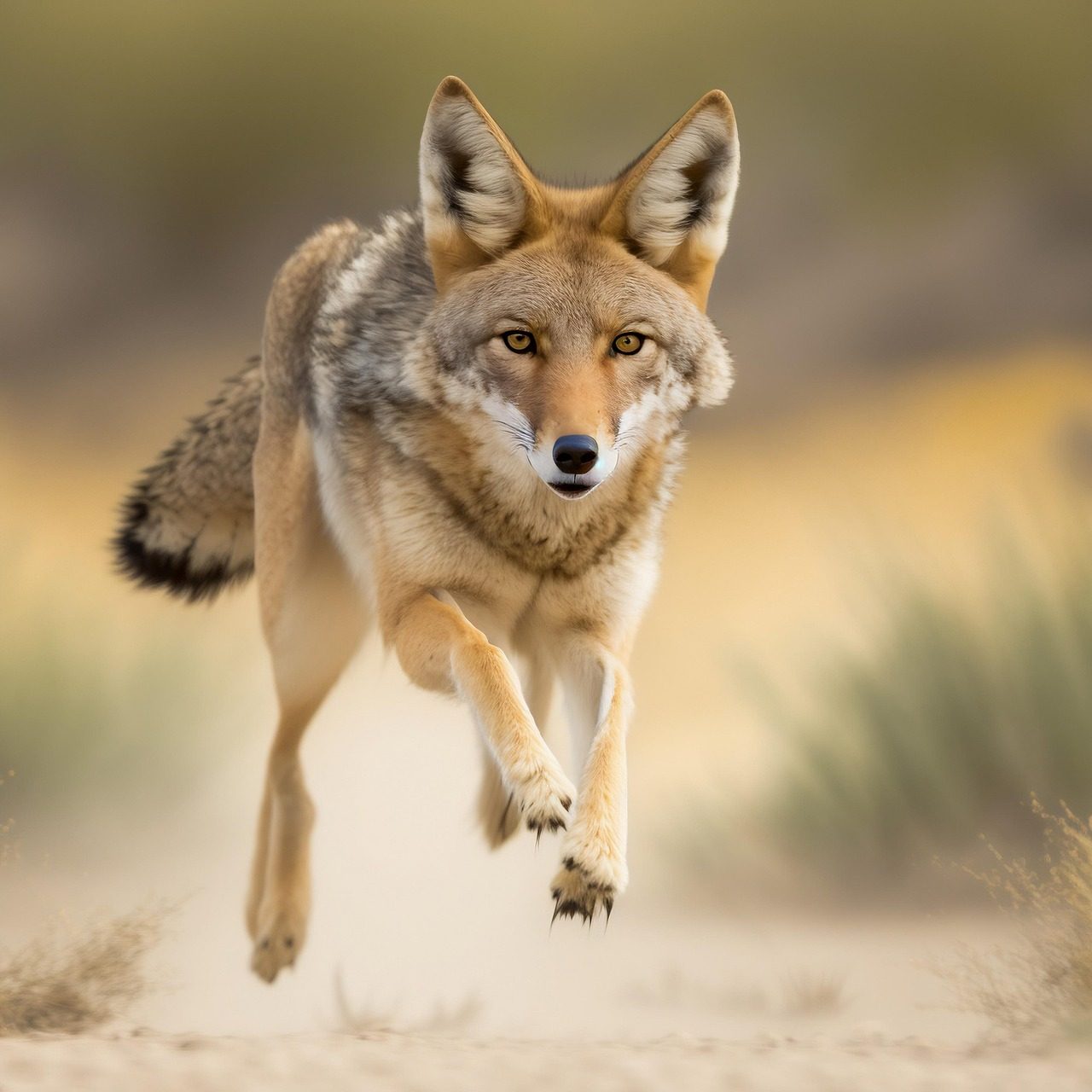
Coyotes are perhaps the most adaptable predators in North America. They’re clever, good at reproducing, and adaptable, and they’re often most willing to take risks for food. These resourceful hunters have successfully expanded their range across the continent by adjusting their behavior to thrive in diverse environments from wilderness areas to urban suburbs.
If you’re someone who bounces back quickly from setbacks and finds creative solutions to problems, you likely share the coyote’s resilient spirit. Coyote personalities are opportunistic in the best sense, always looking for new possibilities and willing to adjust their approach when circumstances change.
Like other top predators, coyotes play a critical role in keeping natural areas healthy. In fact, coyotes are a keystone species, meaning that their presence or absence has a significant impact on the surrounding biological community. Like other top predators, coyotes play a critical role in keeping natural areas healthy. In fact, coyotes are a keystone species, meaning that their presence or absence has a significant impact on the surrounding biological community. This reflects how coyote personalities often become vital connectors in their social and professional networks.
These individuals excel in dynamic environments where flexibility and quick thinking are essential. They make excellent entrepreneurs, salespeople, or emergency responders who can think on their feet and adapt to rapidly changing situations.
The Powerful Bear: Gentle Giant with Hidden Strength
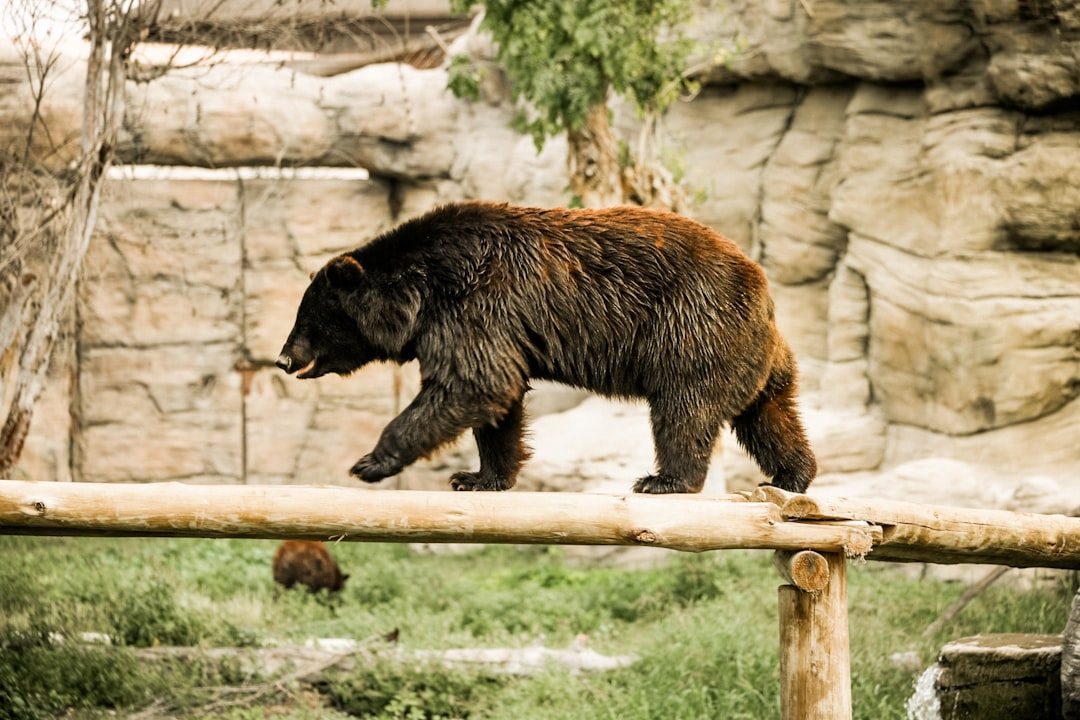
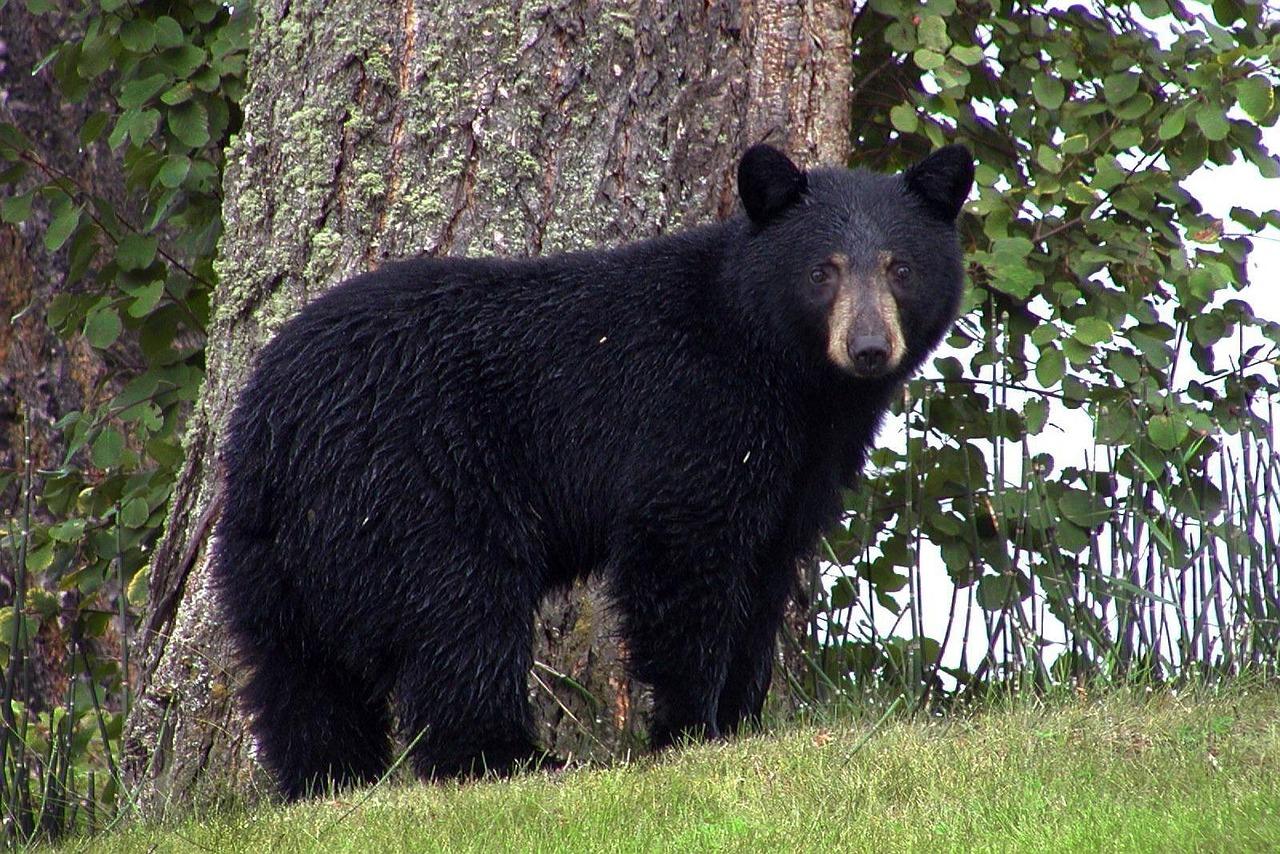
Bears represent a fascinating combination of gentle omnivore and formidable predator. Black bears are omnivorous. Their typical diet would consist of berries, plants, nuts, roots, honeycombs, bees, insects, fish, small mammals and carrion. Yet when threatened or protecting their territory, A bear only needs one heavy paw strike or bite to a coyote’s head to kill it.
Bear personalities are often the peacemakers in their groups, preferring harmony and avoiding conflict when possible. However, when pushed too far or when someone they care about is threatened, they can display tremendous strength and determination that surprises others.
These individuals typically have a calm, steady presence that others find comforting. They’re often the ones people turn to for advice or support during difficult times. Bear personalities excel in counseling, teaching, or healthcare roles where their natural nurturing instincts can shine.
Bears are much larger than mountain lions – with black bears typically weighing 200-500 pounds compared to the lion’s 90-160 pounds. Mountain lions are actually faster, reaching speeds of up to 50 mph compared to bears’ 30 mph. In a knock-down, drag-out fight between a mountain lion and a bear – the bear would stand its ground and overwhelm the smaller lion within minutes. The mountain lion would surely land a few blows and bites – but the big bear would come out bloodied but on top. This reflects the bear personality’s hidden reserves of strength and determination.
The Swift Lynx: Specialized Hunter
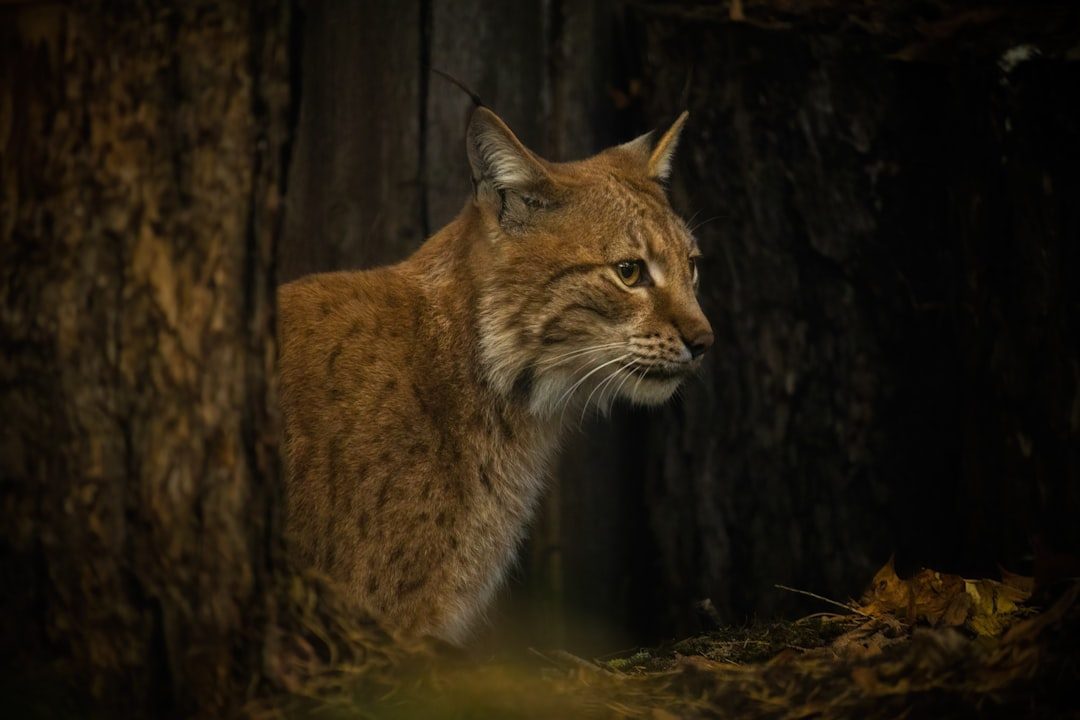
Lynx are highly specialized predators with exceptional focus on their preferred prey. The lynx thrives on snowshoe hares. Their success comes from becoming absolute experts in their chosen niche, developing skills and adaptations that make them unparalleled in their specialized domain.
Lynx personalities are the specialists of the human world. They prefer to dive deep into subjects that fascinate them rather than spreading their attention across many different areas. When they find their passion, they pursue it with remarkable dedication and often become recognized experts in their field.
These individuals thrive in roles that allow them to develop deep expertise, such as scientific research, technical specializations, or artistic pursuits. They may appear quiet or reserved in general social settings but become animated and engaging when discussing their areas of expertise.
The Canada lynx populations in the contiguous United States are limited, existing primarily in northern border states including Maine, Minnesota, Montana, and Washington. Climate change and the predations of the logging industry have severely limited the habitat of the great cat. This sensitivity to environmental changes reflects how lynx personalities can be deeply affected by disruptions to their preferred routines and environments.
The Opportunistic Wolverine: Fierce Independence
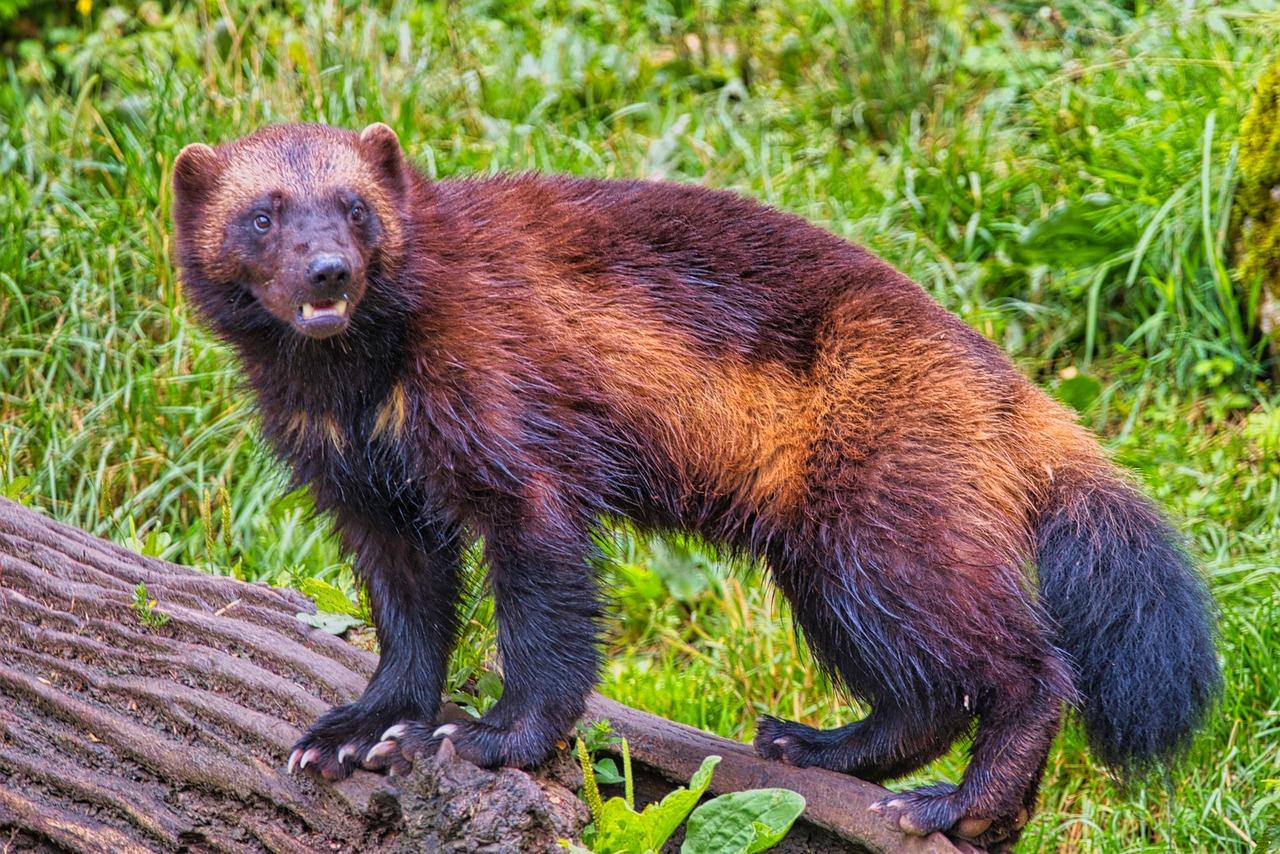
Wolverines are small in stature but mighty in spirit. Wolverines are small but much stronger than they look. Wolverines are remarkably strong for their size and can defend themselves against larger predators, though they typically avoid direct confrontation with similarly-sized animals like adult coyotes. Wolverines are extremely strong and resilient. These fierce predators punch well above their weight class and refuse to back down from challenges that might intimidate much larger opponents.
If you’re someone who stands up for your beliefs regardless of opposition and tackles challenges that others consider impossible, you might share the wolverine’s indomitable spirit. Wolverine personalities are fiercely independent and have an almost legendary tenacity when pursuing their goals.
These individuals often become advocates, activists, or entrepreneurs who take on established systems or create solutions where others see only problems. They’re not afraid to be the underdog and often surprise people with what they can accomplish through sheer determination and refusal to quit.
Wolverine personalities value their freedom above almost everything else and resist attempts to control or limit their independence. They work best in environments that give them autonomy and the space to pursue their objectives in their own unique way.
The Keen-Eyed Eagle: Visionary from Above
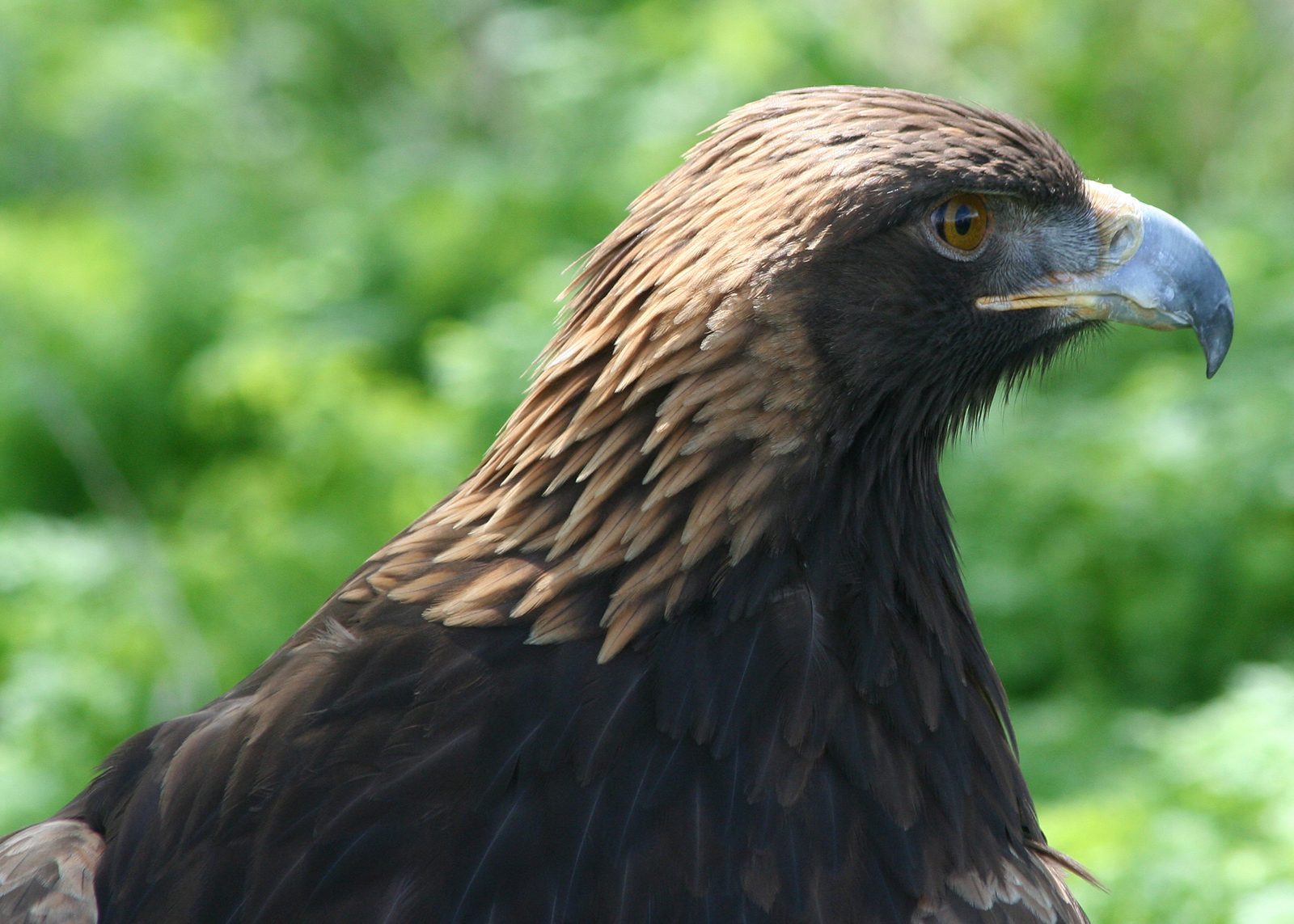
Eagles soar above the landscape with unmatched vision and perspective. In some cases, adult coyotes have been preyed upon by both American black and grizzly bears, American alligators, large Canada lynx and golden eagles. At kill sites and carrion, coyotes, especially if working alone, tend to be dominated by wolves, cougars, bears, wolverines and, usually but not always, eagles (i.e., bald and golden). Their ability to see the big picture while maintaining focus on specific targets makes them formidable aerial predators.
Eagle personalities are natural visionaries who can see possibilities and connections that others miss. They prefer to take a step back from day-to-day details to focus on long-term strategies and overarching goals. These individuals often become successful executives, planners, or consultants who help others see the forest for the trees.
People with eagle-like traits excel at identifying opportunities and potential problems long before they become obvious to others. They have a gift for strategic thinking and can often predict trends or outcomes with remarkable accuracy.
Eagle personalities value freedom and independence, preferring roles that allow them to soar above mundane constraints and focus on the big picture. They’re often drawn to careers in strategic planning, consulting, or leadership positions where their broad perspective can make the greatest impact.
Conclusion
Discovering which North American predator matches your personality can provide fascinating insights into your natural strengths, preferred working styles, and inherent behavioral patterns. Whether you identify with the patient mountain lion, the collaborative wolf, the adaptable coyote, the steady bear, the specialized lynx, the tenacious wolverine, or the visionary eagle, remember that each predator has evolved their unique traits for survival and success.
Your predator personality type isn’t a limitation but rather a blueprint for understanding how you can best navigate challenges and achieve your goals. Just as these magnificent hunters have found their niche in the wild ecosystem, you too can find environments and roles where your natural traits become your greatest assets.
What do you think about your predator match? Does it ring true to how you see yourself, or did it reveal surprising aspects of your personality you hadn’t considered before?

- 23 Things Hospice Vets Wish Every Family Knew Before a Dog's Final Weeks - July 14, 2026
- The American Bison’s Comeback Story Is a Testament to Conservation Success - July 14, 2026
- How Do Cats Show They Trust You? - July 14, 2026